

Free Yellowstone National Park Travel Guide & Mobile App
Explore Yellowstone National Park with free travel guides. Discover regional history, expert tips, proposed trips, and audio guides on web or mobile app.


Yellowstone National Park combines geysers, wildlife, deep canyons and high-country wilderness across Wyoming, Montana and Idaho.
Read more about Yellowstone National Park
Getting to and around Yellowstone National Park
How to get there
Transportation
Destinations in Yellowstone National Park
Resorts, valleys and scenic spots worth a trip of their own.
-
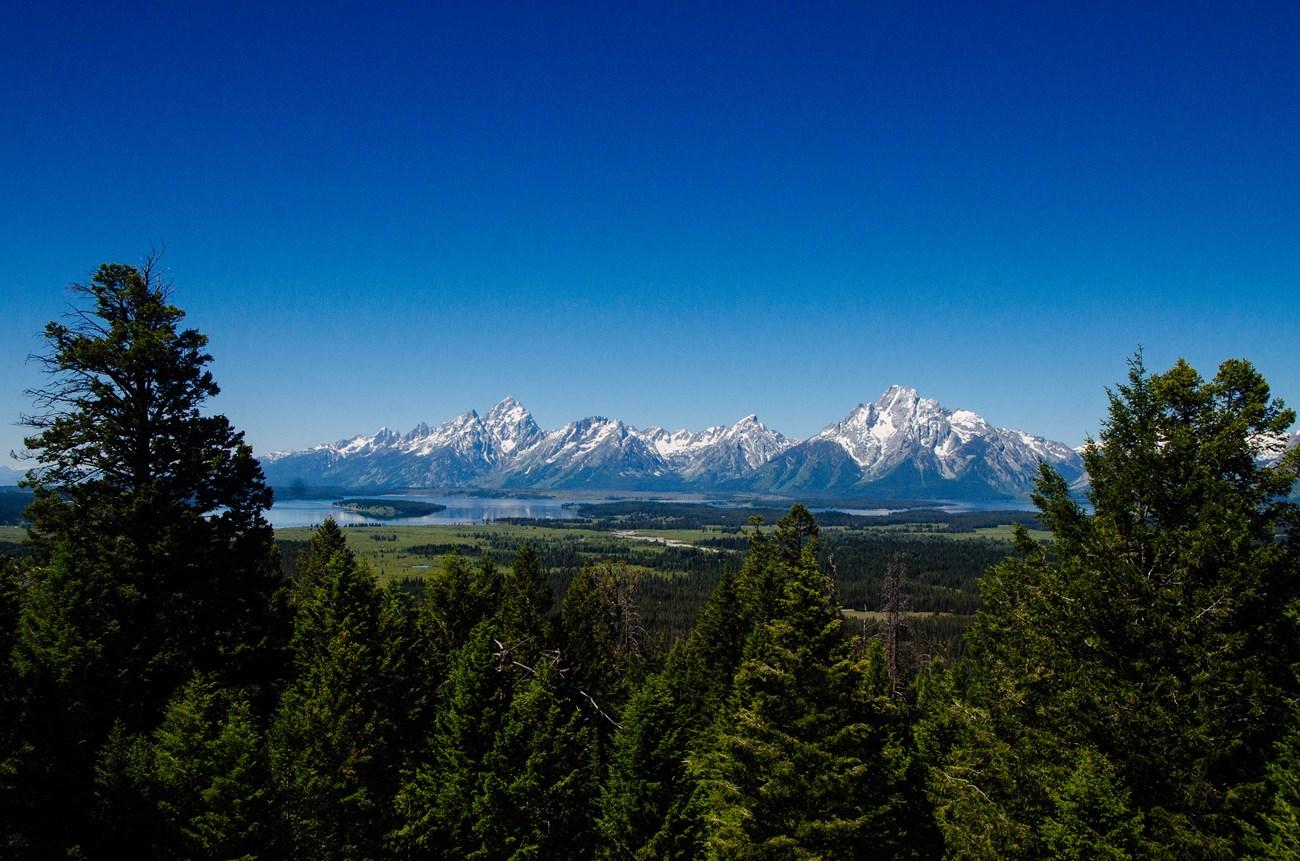 Grand Teton National Park
, Wyoming, pairs jagged peaks, alpine lakes, wildlife-rich valleys, scenic drives and western heritage near Jackson.
-


Swipe for more destinations
Best attractions in Yellowstone National Park
Yellowstone's attractions are spread across a large, high-elevation park rather than concentrated in one town. The geothermal basins are the central draw: Upper Geyser Basin contains Old Faithful and numerous other geysers, while Midway, Lower, Norris and West Thumb display different combinations of hot springs, mud pots, fumaroles and lakeside thermal activity. The Grand Canyon of the Yellowstone provides major viewpoints and walking routes around its waterfalls and coloured canyon walls. Wildlife watching is particularly rewarding in the Lamar and Hayden valleys, where bison, elk and pronghorn are common and bears and wolves may sometimes be seen at a distance. Yellowstone Lake supports boating in designated contexts and offers broad mountain views, while rivers and waterfalls shape many of the park's quieter landscapes. Hiking ranges from short boardwalk walks to demanding backcountry routes, with opportunities for birdwatching, photography, fishing under regulation and snow-based travel in winter. Historic developed areas, museums and interpretive centres explain geology, Indigenous connections, conservation and park administration, giving context to the scenery rather than treating it simply as a collection of viewpoints.
-
Tourist attraction
Old Faithful
Experience the breathtaking eruptions of Old Faithful, a natural wonder in Yellowstone National Park that showcases the power of geothermal activity.
-
Tourist attraction
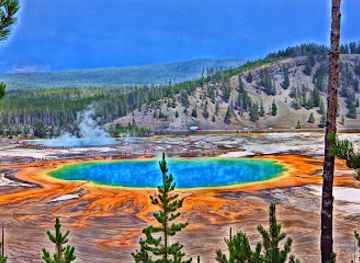
Grand Prismatic Spring
Explore the stunning colors and geothermal wonders of Grand Prismatic Spring in Yellowstone National Park, a top destination for nature lovers and photographers.
-
Visitor center
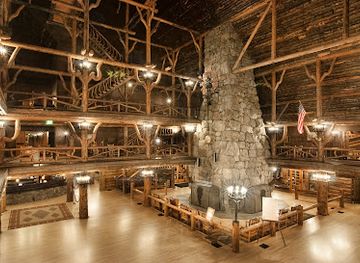
Old Faithful Visitor and Education Center
Explore the Old Faithful Visitor and Education Center, your gateway to Yellowstone's geothermal wonders with interactive exhibits and breathtaking views.
-
Tourist attraction
Gibbon Falls
Discover Gibbon Falls, a stunning waterfall in Yellowstone National Park, offering breathtaking views and a tranquil escape into nature's beauty.

Best landmarks in Yellowstone National Park
Old Faithful is Yellowstone's most recognisable landmark, but its importance lies within the wider Upper Geyser Basin, one of the world's major concentrations of geysers. The Grand Canyon of the Yellowstone is another defining feature, with yellow, pink and orange walls carved by the Yellowstone River and framed by major waterfalls including Upper and Lower Falls. Mammoth Hot Springs is distinguished by its pale travertine terraces, while the terraces at Minerva and other formations reveal the continuing action of geothermal water. Yellowstone Lake forms a broad, high-elevation expanse whose shorelines and distant mountains contrast with the park's volcanic basins. The Roosevelt Arch at the North Entrance, built in 1903 at Gardiner, Montana, is an important symbol of early national-park travel, though Gardiner lies outside the park boundary. Inside the park, the historic structures of Mammoth Hot Springs and Old Faithful reflect the development of federal administration, lodge tourism and automobile travel. Together these natural and built landmarks express Yellowstone's geological power and its place in the history of conservation.
-
Tourist attraction
Old Faithful
Experience the natural wonder of Old Faithful, Yellowstone's iconic geyser, known for its impressive eruptions and stunning geothermal landscapes.
-
Tourist attraction
Grand Prismatic Spring
Experience the vibrant colors and breathtaking beauty of Grand Prismatic Spring in Yellowstone National Park, a true natural marvel and scenic wonder.
-
Visitor center
Old Faithful Visitor and Education Center
Explore Yellowstone's geothermal wonders at the Old Faithful Visitor and Education Center, your gateway to unforgettable adventures and rich park history.
-
Tourist attraction
Gibbon Falls
Discover Gibbon Falls in Yellowstone National Park, a breathtaking waterfall surrounded by stunning landscapes and abundant wildlife, a must-see for nature lovers.



Explore Yellowstone National Park on the map
Plan your trip on one map. See where the top cities, national parks and sights are, and book hotels and experiences in a few clicks.
Best hotels in Yellowstone National Park
Best restaurants in Yellowstone National Park
Dining in Yellowstone is shaped by distance, season and the park's historic lodge infrastructure. Developed areas such as Old Faithful, Canyon Village, Mammoth Hot Springs, Lake Yellowstone and Grant Village offer a mixture of dining rooms, cafés, cafeterias and general stores, while menus generally draw on familiar American and western-style cooking rather than a narrowly defined regional cuisine. Outside the park, gateway communities such as West Yellowstone, Gardiner, Cooke City and Cody provide a wider range of restaurants, bakeries, diners, breweries and speciality food shops; Cody lies east of the park and is a practical overnight base for some itineraries. Visitors should expect long gaps between food services and should carry snacks and water for road journeys. Picnic meals are useful for scenic days, but food must be stored securely because bears and other wildlife are attracted to unattended supplies. Local ranching traditions influence the wider region's use of beef and other western staples, while trout and game may appear on menus without being specific Yellowstone dishes.
-
American
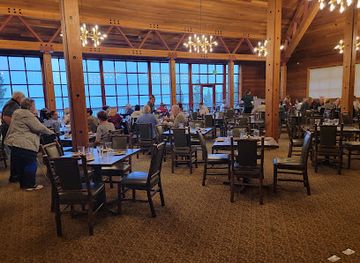
Grant Village Dining Room
Experience delightful American cuisine amidst the stunning beauty of Yellowstone National Park at Grant Village Dining Room.
Best bars in Yellowstone National Park
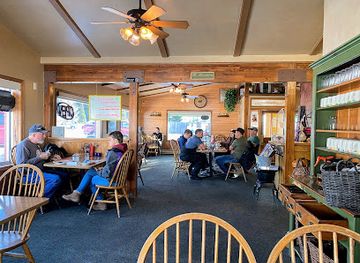
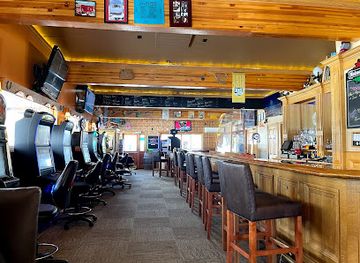
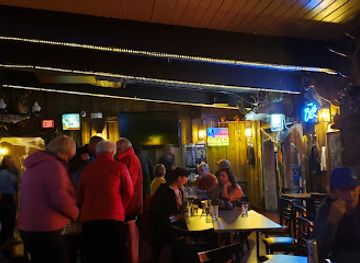
Yellowstone is not a nightlife destination in the conventional urban sense. Evenings usually centre on lodge dining rooms, historic hotel bars, casual lounges, campgrounds and quiet conversations after a day outdoors, with limited late-night options inside the park. The atmosphere is strongly affected by seasonal opening arrangements and by the need to drive safely on roads where wildlife may be present. Gateway communities offer more choice, including pubs, breweries, taverns, restaurants with bars and occasional live music, particularly in West Yellowstone, Gardiner and Cody outside the park. These places serve both visitors and local communities, so respectful behaviour and sensible timing matter. Night-sky viewing, ranger programmes and early-morning wildlife excursions are often more characteristic evening or after-dark activities than clubs, although visitors should follow local restrictions and avoid wandering near wildlife after nightfall.
-
Tourist attraction
Old Faithful
Experience the spectacular eruptions of Old Faithful, a natural marvel in Yellowstone National Park, that captivates thousands every year.
-
Restaurant
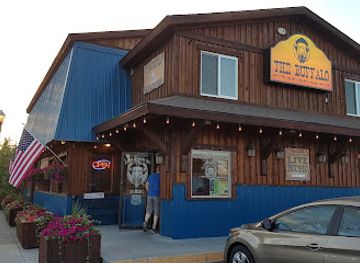
The Buffalo Bar
Savor the spirit of the Wild West with delicious American cuisine and vibrant nightlife at The Buffalo Bar in West Yellowstone, Montana.
-
Pancake
Running Bear Pancake House
Experience the fluffy pancakes and warm hospitality at Running Bear Pancake House, your perfect breakfast stop in West Yellowstone, Montana.
-
American
Bullwinkles Saloon & Eatery
Discover Bullwinkles Saloon & Eatery, where delicious American cuisine meets a lively casino atmosphere in West Yellowstone.
Best nightclubs in Yellowstone National Park
-
Bar
Million Dollar Cowboy Bar
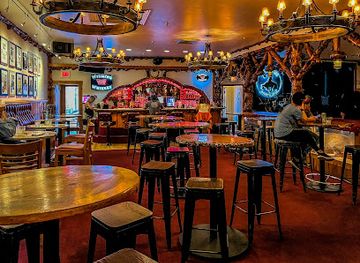
Immerse yourself in the lively spirit of the Wild West at the Million Dollar Cowboy Bar, a Jackson, Wyoming icon known for its vibrant nightlife and cowboy charm.
-
Bar
The Rose
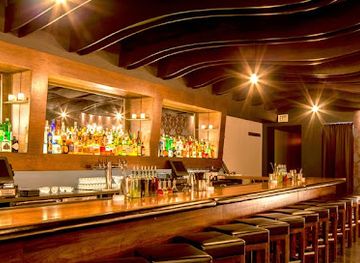
Experience the vibrant nightlife at The Rose in Jackson, Wyoming, with exquisite cocktails, live music, and a lively atmosphere that captures the essence of local fun.
-
Bar
Virginian Saloon
Discover the lively Virginian Saloon in Jackson, WY, where rustic charm meets vibrant nightlife, perfect for a night out after exploring the great outdoors.
-
Bar
Deadman's Bar
Unwind at Deadman's Bar in Grand Teton National Park, where breathtaking views and refreshing drinks create the perfect escape.

Best shops in Yellowstone National Park
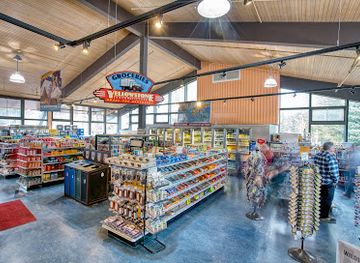
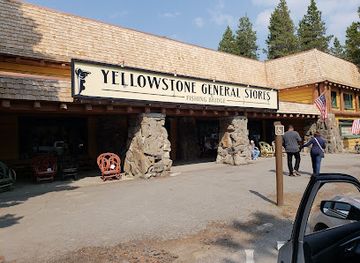
Shopping inside Yellowstone is concentrated at visitor centres, general stores, lodge areas and park-operated or concession-supported outlets, where practical supplies, maps, books, clothing, artwork and educational material are more prominent than conventional retail. Books about geology, wildlife, Indigenous history and national parks make useful souvenirs, while photographs, field guides and locally produced craft items are widely associated with the visitor experience. Do not buy or remove geothermal features, rocks, plants or wildlife materials from the park. Gateway communities provide broader shopping opportunities: West Yellowstone, Gardiner and Cody have outdoor equipment shops, galleries, western-style clothing, books, food stores and gifts connected with the surrounding region. Regional products may include ranch foods, preserves, locally made crafts and artwork, but visitors should check rules before transporting food, plants or animal products across state or international borders. Because the park is remote, purchase fuel, medication and specialist outdoor equipment before entering if you need particular brands or sizes.
-
Tourist attraction
Old Faithful
Discover the awe-inspiring Old Faithful geyser in Yellowstone National Park, a natural wonder that captivates tourists with its stunning eruptions and breathtaking scenery.
-
Gift shop
Canyon Village - General Store
Discover the Canyon Village General Store in Yellowstone: your one-stop destination for gifts, groceries, and delicious diner meals amidst stunning scenery.
-
General store
Fishing Bridge - General Store
Fishing Bridge General Store in Yellowstone National Park: A treasure trove of essentials, unique gifts, and local charm awaits you.
-
General store
Mammoth General Store
Mammoth General Store in Yellowstone National Park: Your one-stop shop for unique gifts, outdoor gear, and local specialties amidst breathtaking scenery.
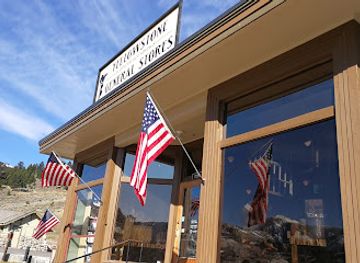
Get your free copy of our complete guide to Yellowstone National Park, delivered straight to you.
Everything on this page, from attractions and restaurants to essentials and local phrases, in one PDF you can read offline, print or share.
Already have an account? Sign in
Your Yellowstone National Park guide is ready.
We'll send it to · Not you? Sign out

Getting your guide ready…
We are putting together a fresh copy of the Yellowstone National Park guide. This can take up to a minute.
This can take a few moments. If your browser asks, choose Allow so the download can start. You'll find the guide in your Downloads folder.
Nothing happened? Download it again
Sorry, the guide is taking longer than usual. Please try again in a minute, or get it by email instead.
Yellowstone National Park essentials
Currency and Payment
Safety
Emergency Situations
Do's and Don'ts
Local Tips
From Eve
Local phrases worth knowing
You don't need to get them perfect. A few words go a long way, and locals appreciate the effort.
Basics
| English | Local | Say it |
|---|---|---|
| Hello | Howdy | [Ha-dee] |
| Goodbye | See ya later | [See ya lay-ter] |
| Yes | Yep | [Yep] |
| No | Nope | [Nope] |
| Please/You're welcome | Sure thing | [Shoor thing] |
| Thank you | Thanks a bunch | [Thanks a bunch] |
| Excuse me/Sorry | Pardon me | [Par-don me] |
| How are you? | How's it going? | [How's it goin'?] |
| Fine. And you? | Doing good, you? | [Doin' good, you?] |
| Do you speak English? | You speakin' English? | [You speakin' English?] |
| I don't understand | I don't get it | [I don't get it] |
Eating & Drinking
| English | Local | Say it |
|---|---|---|
| I'd like to see the menu, please | Can I see the menu? | [Can I see the menu?] |
| I don't eat meat | I'm a vegetarian | [I'm a vegetarian] |
| Cheers! | Cheers! | [Cheers!] |
| I would like to pay, please | Can I get the check? | [Can I get the check?] |
Emergencies
| English | Local | Say it |
|---|---|---|
| Help! | Help! | [Help!] |
| Go away! | Leave me alone! | [Leave me alone!] |
| Call the Police! | Call the cops! | [Call the cops!] |
| Call a doctor! | Get a doctor! | [Get a doctor!] |
| I'm lost | I'm turned around | [I'm turned around] |
| I'm ill | I'm not feeling well | [I'm not feelin' well] |
Shopping
| English | Local | Say it |
|---|---|---|
| I'd like to buy... | I want to buy... | [I want to buy...] |
| I'm just looking | Just browsing, thanks | [Just browsing, thanks] |
| How much is it? | What's the price? | [What's the price?] |
| That's too expensive | That's a bit steep | [That's a bit steep] |
| Can you lower the price? | Can you cut me a deal? | [Can you cut me a deal?] |
Time & Numbers
| English | Local | Say it |
|---|---|---|
| What time is it? | What time ya got? | [What time ya got?] |
| It's one o'clock | It's one o'clock | [It's one o'clock] |
| Half past (10) | Half past ten | [Half past ten] |
| Morning | Morning | [Morning] |
| Afternoon | Afternoon | [Afternoon] |
| Evening | Evening | [Evening] |
| Yesterday | Yesterday | [Yesterday] |
| Today | Today | [Today] |
| Tomorrow | Tomorrow | [Tomorrow] |
| 1 | One | [Wun] |
| 2 | Two | [Too] |
| 3 | Three | [Three] |
| 4 | Four | [For] |
| 5 | Five | [Fyv] |
| 6 | Six | [Six] |
| 7 | Seven | [Sev-en] |
| 8 | Eight | [Ayt] |
| 9 | Nine | [Nyn] |
| 10 | Ten | [Ten] |
Transport & Directions
| English | Local | Say it |
|---|---|---|
| Where's a/the...? | Where's the nearest...? | [Where's the nearest...?] |
| What's the address? | What's the address? | [What's the address?] |
| Can you show me (on the map)? | Can you point it out? | [Can you point it out?] |
| When's the next (bus)? | When's the next bus? | [When's the next bus?] |
| A ticket (to ....) | One ticket to... | [One ticket to...] |
History of Yellowstone National Park
Indigenous Travel and Long-Term Use
People have travelled through the Yellowstone region for thousands of years, hunting, gathering plants, trading and using routes across the plateau and surrounding mountains. Archaeological evidence includes stone tools, camps and other traces of repeated occupation. Yellowstone is connected to the histories of several Native nations, including the Crow, Blackfeet, Shoshone, Bannock and Eastern Shoshone, among others. The later creation of a federal park did not erase these relationships; it restricted many established uses and formed part of a wider history in which Indigenous peoples were displaced from, or denied access to, ancestral landscapes.
Exploration and the Yellowstone Surveys
Although Indigenous knowledge had long established routes through the area, nineteenth-century American expeditions brought Yellowstone's geothermal features and scenery to wider national attention. The 1869 Folsom expedition, the 1870 Washburn-Langford-Doane expedition and the 1871 Hayden Survey documented geysers, lakes, waterfalls and the Grand Canyon of the Yellowstone. Survey reports, maps, photographs and paintings helped persuade politicians and the public that the landscape should be protected rather than divided among private settlers and commercial interests.
The Creation of the National Park, 1872
On 1 March 1872, President Ulysses S. Grant signed legislation establishing Yellowstone National Park as a public park or pleasuring ground for the benefit and enjoyment of the people. It was the first national park created under a modern national-park model, although protected-area ideas developed in other forms elsewhere. The act placed Yellowstone under federal administration and introduced a new approach to conserving scenery and geothermal features. Its legacy is substantial, but the legislation must also be understood alongside the restrictions it placed on Indigenous access and traditional activity.
Early Administration and Tourism
During the late nineteenth century, federal authorities sought to control hunting, protect wildlife and regulate visitors, while private concessioners developed transport, accommodation and guiding services. Fort Yellowstone at Mammoth Hot Springs became an important administrative and military centre after the United States Army took responsibility for park protection in 1886. Stage routes, hotels and later rail connections transformed Yellowstone from a difficult expedition into a destination accessible to a growing number of tourists, though journeys remained demanding by modern standards.
Roads, Automobiles and the National Park Service
Automobile access expanded during the early twentieth century, allowing visitors to travel between Yellowstone's major districts with greater independence. The National Park Service, created in 1916, later oversaw the park as part of a broader national system. Roads, campgrounds, visitor facilities and interpretive programmes made the landscape more accessible while also concentrating pressure in sensitive areas. Many historic lodges, entrance stations and circulation routes still express the design principles of this era, even as modern management focuses increasingly on conservation and visitor impact.
Fire, Wildlife and Modern Conservation
Yellowstone's recent history has been shaped by changing ideas about fire and wildlife management. The large fires of 1988 burned extensive areas of the park and prompted intense public debate, but subsequent ecological recovery demonstrated the role of fire in lodgepole-pine forests and other habitats. The restoration of wolves in the 1990s, following decades of absence, became a major conservation project and influenced scientific discussion about predator-prey relationships. Today, Yellowstone balances geothermal protection, wildlife conservation, Indigenous perspectives, climate pressures and heavy seasonal visitation.
Yellowstone National Park in Photos
Browse through our photo collection highlighting the charm and character of the destination.
Neighbouring regions of Yellowstone National Park
The closest regions to Yellowstone National Park, if you have time for more than one.
-
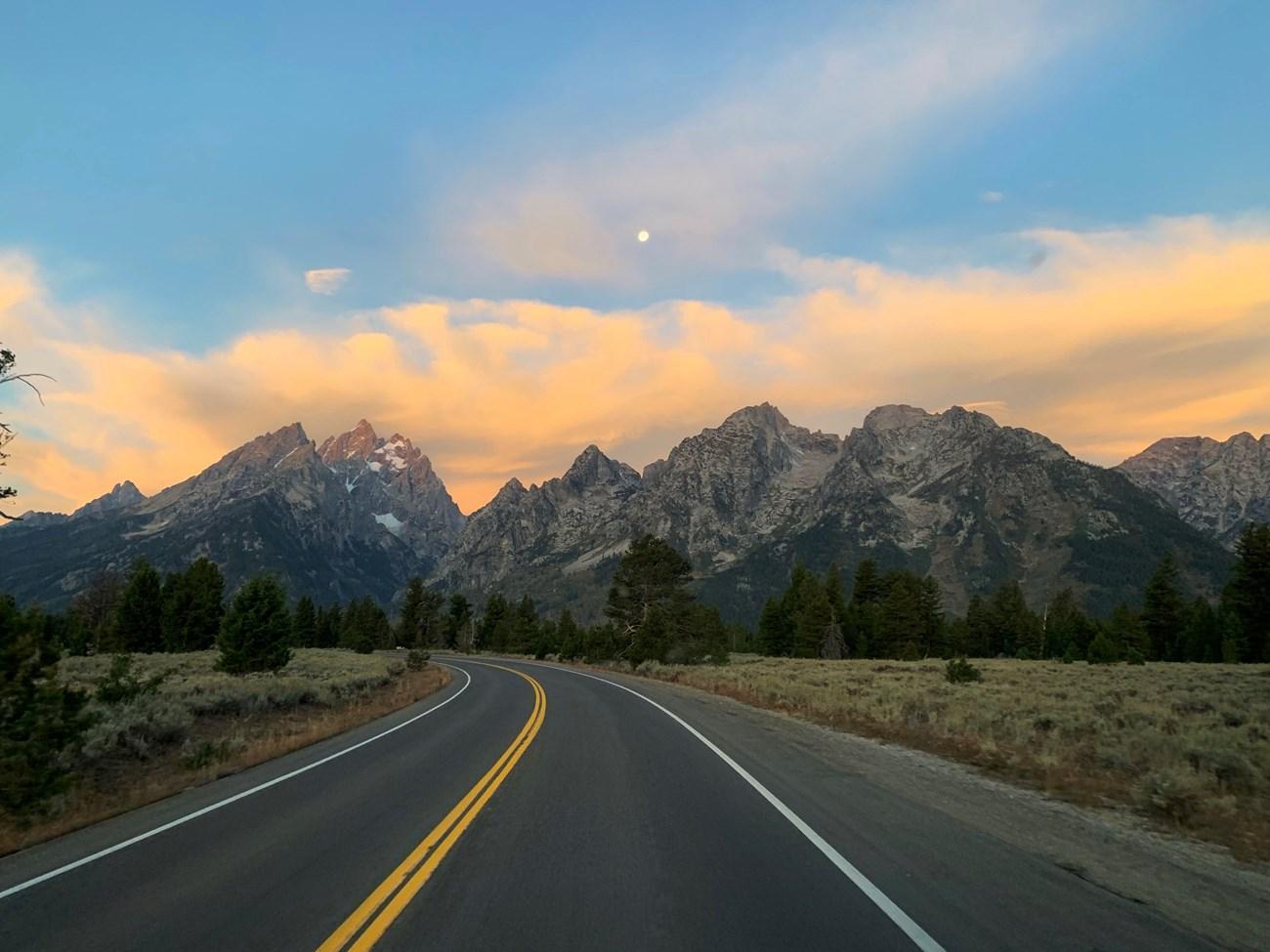 Teton County
Explore Teton County's Jackson Hole valley, Grand Teton peaks, wildlife-rich plains, alpine lakes, winter sport and Western heritage.
-

-

-

-


Swipe for more regions
Explore more

Explore more of Wyoming
Discover Wyoming: A Land of Unspoiled Beauty, Rich History, and Boundless Outdoor Adventures in the Heart of the American West.
Explore Wyoming