

Free Teton County Travel Guide & Mobile App
Explore Teton County with free travel guides. Discover regional history, expert tips, proposed trips, and audio guides on web or mobile app.


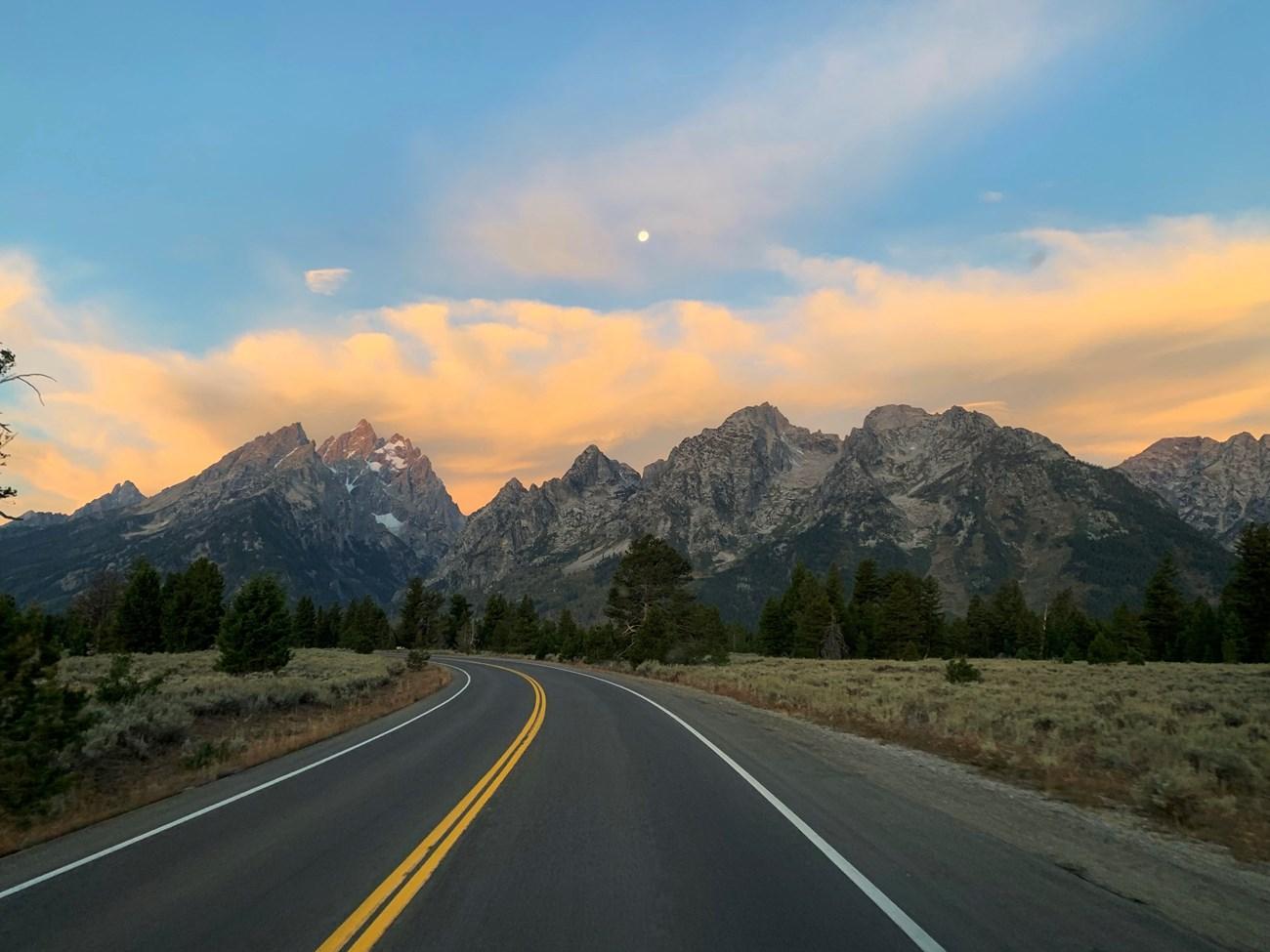


Explore Teton County's Jackson Hole valley, Grand Teton peaks, wildlife-rich plains, alpine lakes, winter sport and Western heritage.
Read more about Teton County
Getting to and around Teton County
How to get there
Transportation
Destinations in Teton County
Resorts, valleys and scenic spots worth a trip of their own.
-
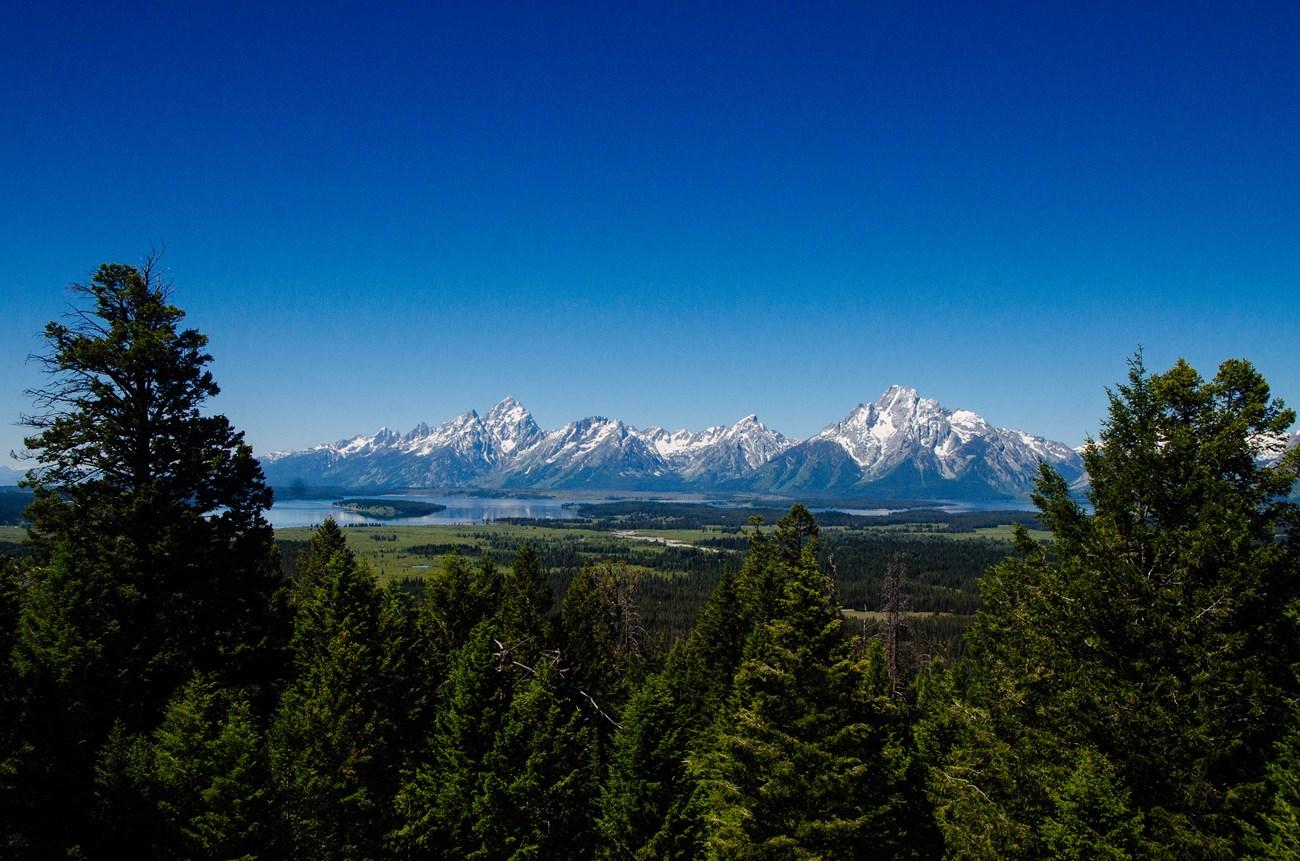 Grand Teton National Park
, Wyoming, pairs jagged peaks, alpine lakes, wildlife-rich valleys, scenic drives and western heritage near Jackson.
-
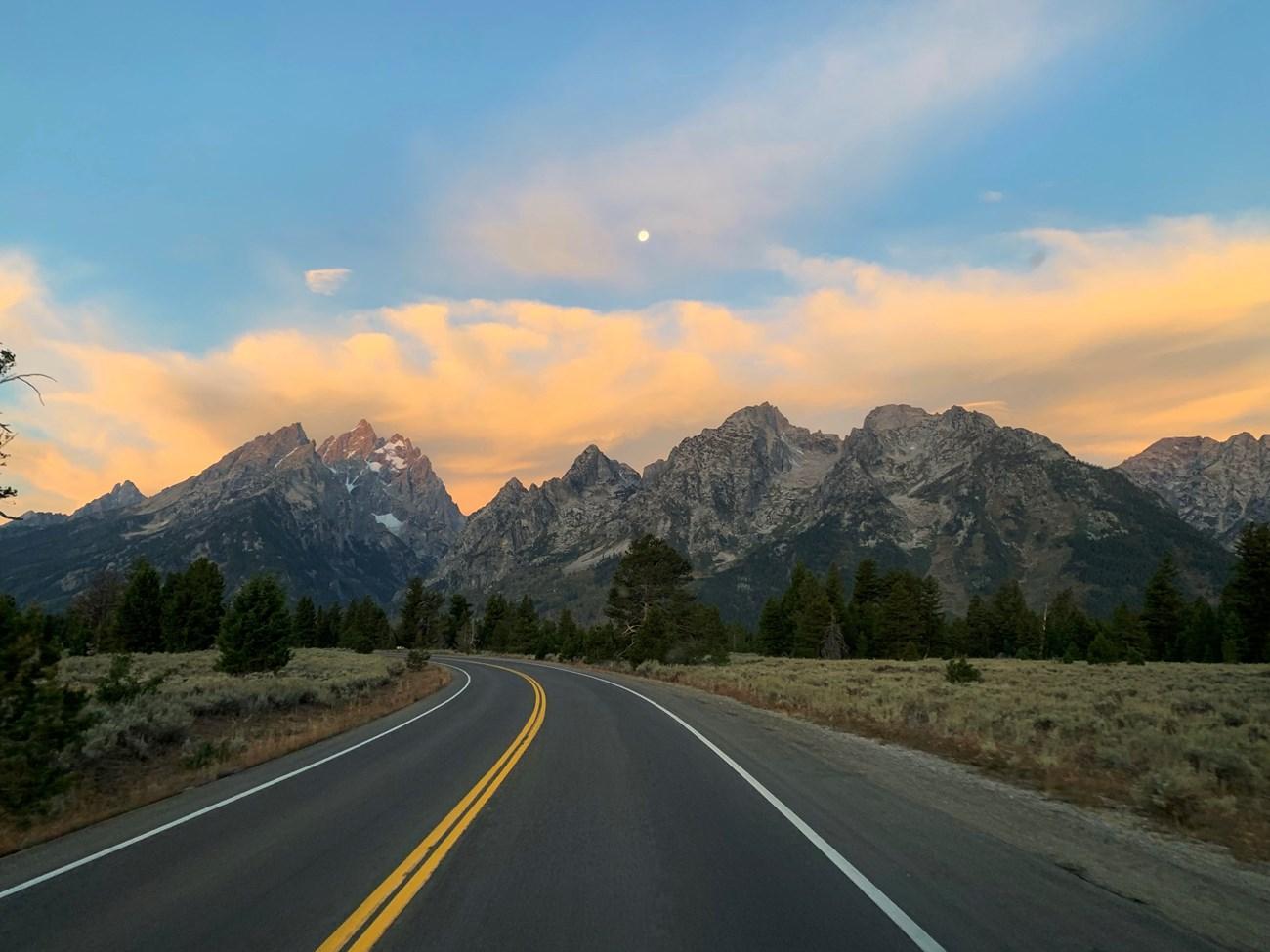 Bridger-Teton National Forest
Discover the majesty of Bridger-Teton National Forest, where vast wilderness, diverse wildlife, and outdoor adventures await in the heart of Wyoming.
-

-

-


Swipe for more destinations
Best attractions in Teton County
Teton County's attractions are dominated by the meeting of protected mountain scenery and a lively valley community. Grand Teton National Park provides scenic roads, lakeside walks, climbing routes, wildlife-viewing areas and longer trails around Jenny Lake, String Lake, Jackson Lake and the Snake River. The park's historic districts and former homesteads add human stories to the landscape, while the National Museum of Wildlife Art, near Jackson, places regional wildlife and Western artistic traditions in a wider cultural context. Jackson offers galleries, museums, the historic Town Square and the Jackson Hole Rodeo during its seasonal programme. Teton Village is the principal centre for downhill skiing and summer access to high trails, with extensive winter terrain and mountain activities in warmer months. The valley also supports fly-fishing, cycling, rafting, horseback riding and scenic drives, although access, permits and operating arrangements vary. The Bridger-Teton National Forest surrounds much of the settled valley and provides additional trails and camping, but visitors should distinguish national-forest recreation from facilities inside the national park and prepare for more limited services.
-
National forest
Bridger-Teton National Forest
Discover the breathtaking beauty of Bridger-Teton National Forest, where outdoor adventures and stunning landscapes await in Wyoming's wilderness.
-
Tourist attraction
Mud Volcano
Discover the enchanting Mud Volcano in Yellowstone National Park, a stunning geothermal wonder showcasing nature's power and beauty.
-
Ski resort
Jackson Hole Aerial Tram and Gondola Rides
Discover breathtaking views of the Teton Mountains with Jackson Hole Aerial Tram and Gondola Rides, a must-see attraction for outdoor enthusiasts and nature lovers.
-
Tourist attraction
Grand Canyon Of The Yellowstone
Explore the breathtaking beauty of the Grand Canyon of the Yellowstone, a stunning natural wonder with vibrant colors, majestic waterfalls, and thrilling hiking trails.



Best landmarks in Teton County
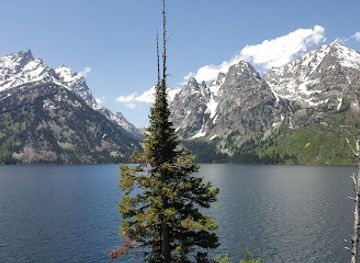
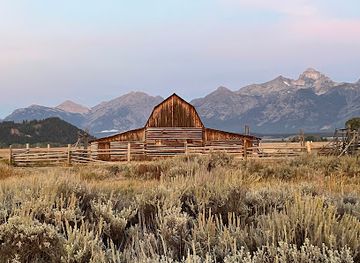
The Teton Range is Teton County's defining natural landmark, with the sharp profile of Grand Teton forming the valley's western skyline. Jenny Lake and Jackson Lake are equally important geographic markers, but their significance differs: Jenny Lake lies beneath the central peaks and is associated with classic mountain views, while Jackson Lake is a larger reservoir whose broad waters reflect the northern range. The Snake River is another essential feature, cutting through open plains and cottonwood corridors before turning towards the southern valley. In Jackson, the Town Square's four elk-antler arches have become a familiar civic symbol, created from naturally shed antlers collected by local organisations. Mormon Row's historic barns and homesteads, near the Gros Ventre Mountains, represent early twentieth-century settlement and remain among the valley's most recognisable cultural landscapes. The Chapel of the Transfiguration, in Grand Teton National Park, is a small Episcopal chapel whose window frames the high peaks, while the preserved barns and cabins of the Menors Ferry Historic District record transport, trade and daily life before modern tourism reshaped the valley.
-
National park
Yellowstone National Park
Immerse yourself in the natural beauty and geothermal wonders of Yellowstone National Park, a captivating escape for outdoor enthusiasts and wildlife lovers.
-
Tourist attraction
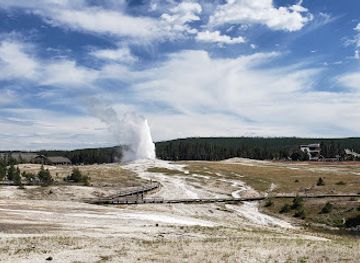
Old Faithful
Discover the stunning beauty and reliable eruptions of Old Faithful in Yellowstone National Park, a must-visit attraction for every traveler.
-
National park
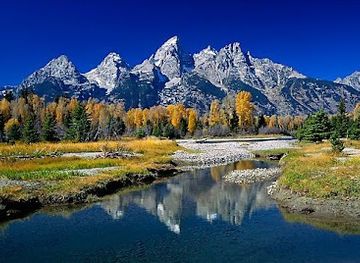
Grand Teton National Park
Discover the breathtaking landscapes and rich wildlife of Grand Teton National Park, a premier destination for outdoor adventures and natural beauty in Wyoming.
-
Tourist attraction
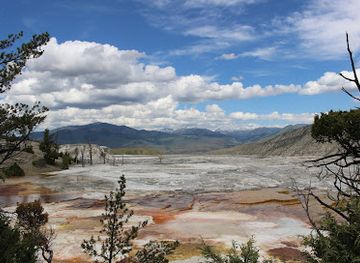
Mammoth Hot Springs
Experience the breathtaking beauty of Mammoth Hot Springs, a geothermal wonder in Yellowstone National Park, featuring stunning terraces and vibrant landscapes.

Explore Teton County on the map
Plan your trip on one map. See where the top cities, national parks and sights are, and book hotels and experiences in a few clicks.
Best hotels in Teton County
Best restaurants in Teton County
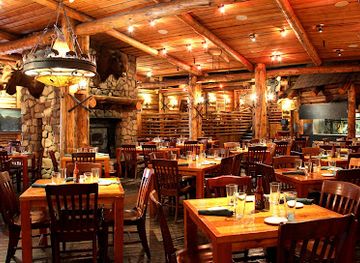
Dining in Teton County ranges from Jackson's chef-led restaurants and bakeries to informal cafés, hotel dining rooms, pizzerias, brew-focused venues and traditional Western-style eateries. Menus often draw on the wider Rocky Mountain larder, including beef, trout, game when legally sourced, locally grown produce and hearty cold-weather dishes, while regional ranching is reflected in the prominence of beef and other meat. Teton Village has restaurants suited to ski days and resort stays, whereas the smaller communities and park lodges offer more limited choices that may be seasonal. Jackson's farmers' markets and specialist food shops provide opportunities to buy Wyoming produce, baked goods and prepared foods, though availability changes with the season. Craft beer is widely represented, and coffee shops are important meeting places for residents, guides and visitors. Advance planning is useful during summer and ski season, when demand is high and dining options in the national park are dispersed rather than concentrated in one town.
-
Steak
Gun Barrel Steak and Game House
Experience the best of Wyoming's flavors with premium steaks and game meats at Gun Barrel Steak and Game House in Jackson.
-
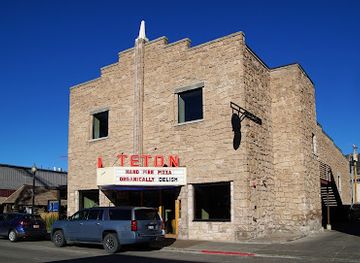
Pizza
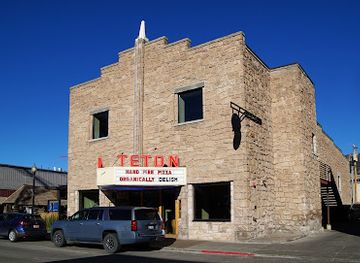
Hand Fire Pizza
Experience the best wood-fired pizza and cocktails at Hand Fire Pizza in Jackson, Wyoming – perfect for families and food enthusiasts alike.
-
Restaurant
Sidewinders American Grill
Experience authentic American flavors at Sidewinders American Grill in Jackson - where great food meets vibrant atmosphere.
-
Live music bar
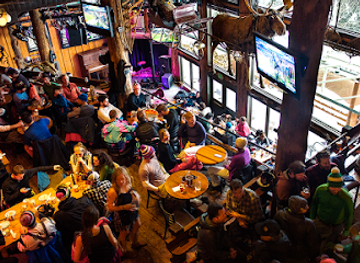
Mangy Moose Jackson Hole
Discover the ultimate blend of live music and delicious American cuisine at Mangy Moose in beautiful Teton Village.

Best bars in Teton County
Evening life in Teton County is concentrated in Jackson and Teton Village rather than spread across a large metropolitan nightlife district. Jackson's historic bars, saloons, breweries, wine bars and restaurants support a sociable après-work and après-ski culture, while live music and seasonal performances add variety without making nightlife entirely club-oriented. Teton Village is busiest after skiing, with resort bars and restaurants providing a compact evening scene. Jackson also has venues for dancing and later-night entertainment, although the scale and opening arrangements can change. In Wilson and the rural parts of the valley, evenings are generally quieter and centre on restaurants, local bars or private gatherings. Drink-driving is particularly hazardous on dark, icy or wildlife-filled roads, so arrange a taxi, shuttle, designated driver or accommodation within walking distance when drinking.
-
Bar
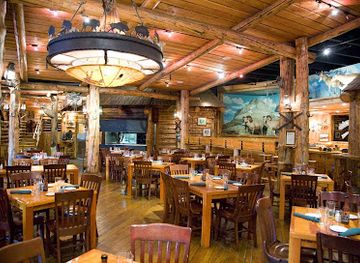
Gun Barrel Steak and Game House
Experience the essence of Wyoming at Gun Barrel Steak and Game House, where fine dining meets wild game in a rustic, inviting atmosphere.
-
Bar
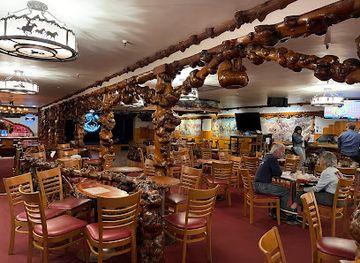
Million Dollar Cowboy Bar
Discover the Wild West at Million Dollar Cowboy Bar, where lively music, cowboy culture, and great drinks await in Jackson, Wyoming.
-
Pizza
Hand Fire Pizza
Discover Hand Fire Pizza in Jackson, WY – where wood-fired pizzas meet a vibrant cocktail bar and family-friendly atmosphere.
-
Hamburger
Liberty Burger
Discover Liberty Burger in Jackson, WY: where gourmet meets comfort in a vibrant American dining experience.
Best nightclubs in Teton County
-
Bar
Million Dollar Cowboy Bar
Immerse yourself in the lively spirit of the Wild West at the Million Dollar Cowboy Bar, a Jackson, Wyoming icon known for its vibrant nightlife and cowboy charm.
-
Bar
Beacon Club
Discover the vibrant nightlife at Beacon Club in Mills, Wyoming - a lively bar and club offering great drinks and unforgettable experiences.
-
Bar
Stagecoach Bar
Experience the lively spirit of Wyoming at Stagecoach Bar, where great food, drinks, and local charm come together in a rustic setting.
-
Bar
Cadillac Ranch Bar
Experience the lively nightlife at Cadillac Ranch Bar in Cheyenne, Wyoming, where great drinks and a fun atmosphere await every visitor.


Best shops in Teton County
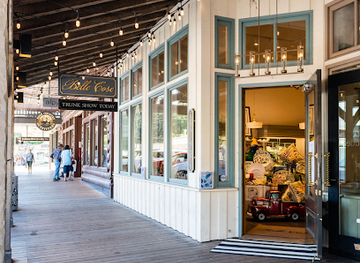
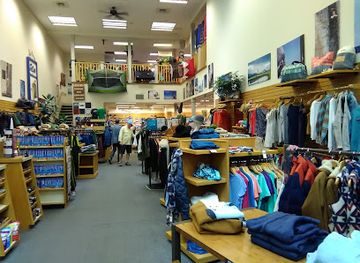
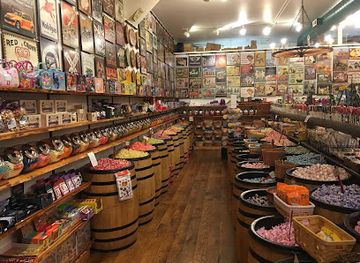
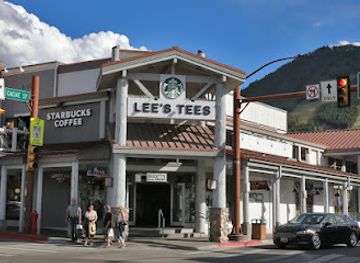
Jackson is Teton County's principal shopping centre, with independent clothing shops, outdoor retailers, galleries, jewellers, bookshops, Western-wear stores and businesses selling locally made art and craft. The historic downtown around Town Square has a more visitor-oriented character, while nearby streets and commercial areas serve residents with equipment, food and everyday goods. Galleries commonly focus on landscape, wildlife and Western themes, and visitors can find regional souvenirs ranging from leatherwork and jewellery to art prints and practical outdoor clothing. Teton Village offers resort shopping, ski equipment and mountain apparel, with a smaller and more specialised selection. Seasonal farmers' markets and food shops are useful for Wyoming produce, baked goods and other edible gifts, although opening patterns vary. When buying wildlife-related products, check that materials are legally sourced and avoid anything that encourages trade in protected species. Outside Jackson and Teton Village, shopping is limited, so collect essentials before heading into the national park or remote forest areas.
-
Gift shop
Belle Shops | Town Square
Explore Belle Shops in Jackson, WY for unique gifts, home goods, and exquisite jewelry that showcase local culture and craftsmanship.
-
Outdoor sports store
Teton Mountaineering
Discover top-notch outdoor gear and expert advice at Teton Mountaineering, your gateway to adventure in the breathtaking Tetons.
-
Gift shop
Yippy I-O Candy Co
Explore the sweet world of Yippy I-O Candy Co in Jackson, WY, where artisanal chocolates and delightful souvenirs await every visitor.
-
T-shirt store
Lee's Tees
Discover unique T-shirts and souvenirs that capture the essence of Jackson, Wyoming, at Lee's Tees.
Get your free copy of our complete guide to Teton County, delivered straight to you.
Everything on this page, from attractions and restaurants to essentials and local phrases, in one PDF you can read offline, print or share.
Already have an account? Sign in
Your Teton County guide is ready.
We'll send it to · Not you? Sign out

Getting your guide ready…
We are putting together a fresh copy of the Teton County guide. This can take up to a minute.
This can take a few moments. If your browser asks, choose Allow so the download can start. You'll find the guide in your Downloads folder.
Nothing happened? Download it again
Sorry, the guide is taking longer than usual. Please try again in a minute, or get it by email instead.
Teton County essentials
Currency and Payment
Safety
Emergency Situations
Do's and Don'ts
Local Tips
From Eve
Local phrases worth knowing
You don't need to get them perfect. A few words go a long way, and locals appreciate the effort.
Basics
| English | Local | Say it |
|---|---|---|
| Hello | Howdy | [haʊdi] |
| Goodbye | See ya | [si jə] |
| Yes | Yep | [jɛp] |
| No | Nope | [noʊp] |
| Please/You're welcome | Sure thing | [ʃʊr θɪŋ] |
| Thank you | Thanks a bunch | [θæŋks ə bʌnʧ] |
| Excuse me/Sorry | Pardon me | [ˈpɑrdən mi] |
| How are you? | How's it going? | [haʊz ɪt ˈɡoʊɪŋ] |
| Fine. And you? | Good. And you? | [ɡʊd. ənd ju] |
| Do you speak English? | You speakin' English? | [ju ˈspikɪn ˈɪŋɡlɪʃ] |
| I don't understand | I ain't gettin' it | [aɪ eɪnt ˈɡɛtɪn ɪt] |
Eating & Drinking
| English | Local | Say it |
|---|---|---|
| I'd like to see the menu, please | Can I see the menu, please? | [kæn aɪ si ðə ˈmɛnju pliz] |
| I don't eat meat | I ain't eatin' meat | [aɪ eɪnt ˈitɪn mit] |
| Cheers! | Cheers! | [ʧɪrz] |
| I would like to pay, please | Can I get the check, please? | [kæn aɪ ɡɛt ðə ʧɛk pliz] |
Emergencies
| English | Local | Say it |
|---|---|---|
| Help! | Help! | [hɛlp] |
| Go away! | Leave me be! | [liv mi bi] |
| Call the Police! | Call the cops! | [kɔl ðə kɑps] |
| Call a doctor! | Get a doc! | [ɡɛt ə dɑk] |
| I'm lost | I'm turned around | [aɪm tɜrnd əˈraʊnd] |
| I'm ill | I'm not feelin' well | [aɪm nɑt ˈfilɪn wɛl] |
Shopping
| English | Local | Say it |
|---|---|---|
| I'd like to buy... | I'm lookin' to buy... | [aɪm ˈlʊkɪn tə baɪ] |
| I'm just looking | Just browsin' | [dʒʌst ˈbraʊzɪn] |
| How much is it? | What’s the price? | [wʌts ðə praɪs] |
| That's too expensive | That's a bit pricey | [ðæts ə bɪt ˈpraɪsi] |
| Can you lower the price? | Can you cut the price? | [kæn ju kʌt ðə praɪs] |
Time & Numbers
| English | Local | Say it |
|---|---|---|
| What time is it? | What time ya got? | [wʌt taɪm jə ɡɑt] |
| It's one o'clock | It's one | [ɪts wʌn] |
| Half past (10) | Half past ten | [hæf pæst tɛn] |
| Morning | Mornin' | [ˈmɔrnɪn] |
| Afternoon | Afternoon | [ˌæftərˈnun] |
| Evening | Evenin' | [ˈivnɪn] |
| Yesterday | Yesterday | [ˈjɛstərdeɪ] |
| Today | Today | [təˈdeɪ] |
| Tomorrow | Tomorrow | [təˈmɑroʊ] |
| 1 | One | [wʌn] |
| 2 | Two | [tu] |
| 3 | Three | [θri] |
| 4 | Four | [fɔr] |
| 5 | Five | [faɪv] |
| 6 | Six | [sɪks] |
| 7 | Seven | [sɛvən] |
| 8 | Eight | [eɪt] |
| 9 | Nine | [naɪn] |
| 10 | Ten | [tɛn] |
Transport & Directions
| English | Local | Say it |
|---|---|---|
| Where's a/the...? | Where's the...? | [wɛrz ðə] |
| What's the address? | What's the address? | [wʌts ði əˈdrɛs] |
| Can you show me (on the map)? | Can you point it out? | [kæn ju pɔɪnt ɪt aʊt] |
| When's the next (bus)? | When's the next bus? | [wɛnʤ ðə nɛkst bʌs] |
| A ticket (to ....) | A ticket to... | [ə ˈtɪkɪt tə] |
History of Teton County
Indigenous Homelands and Early Travel
The Jackson Hole valley and surrounding mountains have long been used by Indigenous peoples, including Eastern Shoshone, Northern Arapaho, Bannock and Crow communities, for hunting, gathering, travel and cultural life. Mountain passes and river corridors connected the valley with neighbouring regions, while seasonal movement responded to game and weather. The name Jackson Hole later came from the fur-trapping era, when a 'hole' referred to a mountain basin entered through a difficult pass. Indigenous presence did not end with the arrival of Euro-American trappers; it remains part of the broader history and cultural landscape of the region.
Fur Trappers and the Mountain Rendezvous Era
Euro-American fur trappers entered the northern Rocky Mountains in the early nineteenth century, and Jackson Hole became associated with figures such as John Colter and David Edward Jackson. The annual rendezvous system brought trappers, traders and Indigenous groups together to exchange furs and supplies, although competition, disease and colonial expansion brought profound disruption to Native communities. The beaver trade declined by the 1840s as fashion changed and animal populations were reduced. Trapping nevertheless left a lasting mark on local place names and on the popular image of the valley as a remote mountain basin.
Homesteading, Ranching and the Town of Jackson
Permanent Euro-American settlement increased in the late nineteenth century as homesteaders raised cattle and hay in the valley. Jackson was established as a town in the 1890s and became a commercial centre for ranchers, hunters and travellers. Harsh winters limited agriculture, encouraging irrigation, stock raising and seasonal work. Many surviving barns, cabins and ranch structures reflect this period, while the valley's open views are partly a result of ranching and later conservation agreements. The town's public square and surrounding streets developed as a practical frontier centre rather than as a planned resort.
National Park Conservation
Grand Teton National Park was established in 1929 to protect the Teton Range and several glacial lakes, and its boundaries were later expanded. In the mid-twentieth century, John D. Rockefeller Jr. acquired large areas of Jackson Hole land and donated them to the United States, helping create the park's present extent. Conservation was not a simple or uncontested process: federal acquisition altered private landholding and local economic arrangements, while the removal or restriction of some traditional uses generated lasting debate. Today the park's landscapes are inseparable from this complex history of preservation, private ownership and public access.
Tourism, Roads and Dude Ranches
Improved roads, automobiles and the expanding national-park system transformed Teton County during the twentieth century. Guest or 'dude' ranches offered visitors an organised version of Western ranch life, while scenic drives and lodges made mountain landscapes accessible to a much wider public. The opening of Jackson Hole Airport and the growth of commercial air travel further changed access to the valley. Tourism did not replace ranching entirely, but it became a dominant economic force, shaping employment, housing, land values and the development of Jackson and Teton Village.
The Rise of Jackson Hole Mountain Resort
Downhill skiing developed into a major part of the local economy during the second half of the twentieth century, particularly after the opening of Jackson Hole Mountain Resort in Teton Village in 1965. The resort's steep terrain and long winters attracted experienced skiers and helped establish the valley as an international mountain destination. Winter tourism encouraged new accommodation, restaurants and transport services, while summer lift access and hiking expanded the resort's role beyond skiing. The growth also intensified familiar regional questions about traffic, housing, landscape protection and the balance between tourism and community life.
Contemporary Conservation and Community Change
Modern Teton County is shaped by the interaction of public lands, private ranches, the visitor economy and a highly valued natural setting. Conservation easements have helped preserve open land, while population growth and seasonal demand have placed pressure on housing and infrastructure. Grand Teton National Park and the Bridger-Teton National Forest continue to attract visitors for wildlife watching and outdoor recreation, but managers must address congestion, habitat protection and climate-related changes in snow and water. Jackson's galleries, museums, events and restaurants now sit alongside longstanding ranching traditions, creating a region where Western identity is continually being reinterpreted.
Teton County in Photos
Browse through our photo collection highlighting the charm and character of the destination.
Neighbouring regions of Teton County
The closest regions to Teton County, if you have time for more than one.
-

-

-

-

-


Swipe for more regions
Explore more

Explore more of Wyoming
Discover Wyoming: A Land of Unspoiled Beauty, Rich History, and Boundless Outdoor Adventures in the Heart of the American West.
Explore Wyoming