

Free Johnson County Travel Guide & Mobile App
Explore Johnson County with free travel guides. Discover regional history, expert tips, proposed trips, and audio guides on web or mobile app.


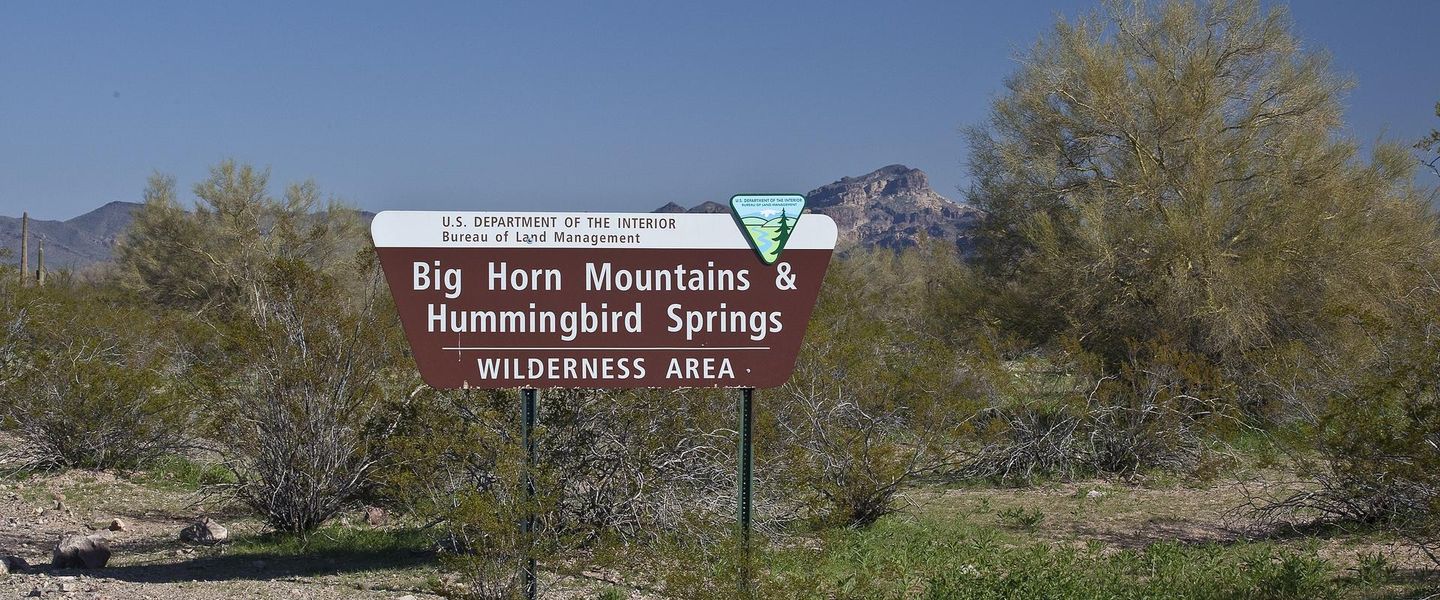


Johnson County, Wyoming combines Buffalo's frontier heritage, Bighorn mountain scenery, ranch country and wide-open outdoor adventure.
Read more about Johnson County
Getting to and around Johnson County
How to get there
Transportation
Top city travel guides in Johnson County
The cities of Johnson County, and the easiest places to base yourself.
-

-


Swipe for more cities
Destinations in Johnson County
Resorts, valleys and scenic spots worth a trip of their own.

Swipe for more destinations
Best attractions in Johnson County
Johnson County's attractions are spread across two contrasting environments. Buffalo offers the most concentrated cultural visit, with the Jim Gatchell Memorial Museum, the historic Occidental Hotel and a well-preserved commercial district that introduces the area's ranching and frontier past. The TA Ranch, associated with the Johnson County War, provides a powerful historical focus near Buffalo, while the Wagon Box Fight site recalls conflict during the Bozeman Trail era. In the southern county, Kaycee and its surrounding country provide access to stories of ranching, outlaws and the remote Hole-in-the-Wall landscape, where access arrangements must be checked carefully. West of Buffalo, the Bighorn National Forest brings a different set of experiences: hiking, camping, fishing, wildlife watching, photography, scenic drives and winter recreation among forests, streams and high mountain terrain. Lower elevations offer broad views, sagebrush, river valleys and birdlife, while the foothills provide gateways to more strenuous activities. The region rewards visitors who combine museum and heritage visits with time outdoors rather than treating it as a single-town destination.
-
Ski resort
Jackson Hole Aerial Tram and Gondola Rides
Discover breathtaking views and adventure at Jackson Hole Aerial Tram, your gateway to the stunning Teton Range in Wyoming.

Best landmarks in Johnson County
Buffalo's historic downtown is Johnson County's clearest architectural landmark, with late nineteenth- and early twentieth-century commercial buildings that reflect its development as a ranching and transport centre. The Occidental Hotel is the most recognisable individual building in town, linking present-day Buffalo with the era of Western travel, although its significance is best understood alongside the surrounding streetscape rather than in isolation. The TA Ranch south-east of Buffalo is a key historical landmark because the 1892 Johnson County War reached its decisive confrontation there. The Wagon Box Fight site, in the northern part of the county, marks a violent episode connected with the Bozeman Trail period and federal expansion across the Powder River country. Westward, the Bighorn Mountains form the county's dominant natural landmark: forested slopes, high ridges, clear streams and open views create a strong visual boundary between basin and mountain. In the south, the Hole-in-the-Wall country conveys the remoteness of the historic Powder River frontier, but access may cross private land and must be arranged or observed according to current local rules. Together these places show how architecture, conflict, ranching and geography shaped the county.
-
National park
Grand Teton National Park
Experience the breathtaking beauty and outdoor adventures that await in Grand Teton National Park, a premier destination for nature enthusiasts and explorers.
-
State park
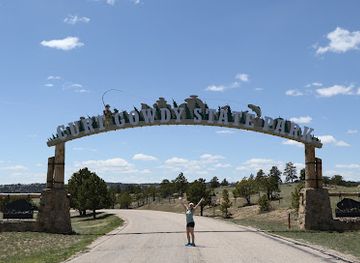
Curt Gowdy State Park
Explore the breathtaking landscapes and outdoor adventures at Curt Gowdy State Park in Wyoming, a perfect getaway for nature lovers and outdoor enthusiasts.
-
State park
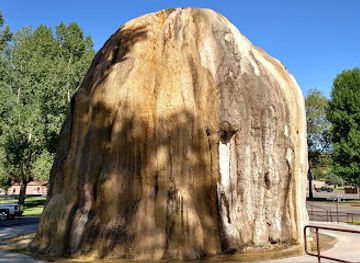
Hot Springs State Park
Experience the healing waters and stunning landscapes of Hot Springs State Park, a natural oasis in Thermopolis, Wyoming.
-
Botanical garden
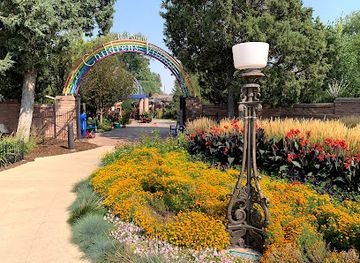
Cheyenne Botanic Gardens
Explore the breathtaking beauty of Cheyenne Botanic Gardens, a serene escape filled with vibrant flowers, lush landscapes, and educational experiences for all ages.

Explore Johnson County on the map
Plan your trip on one map. See where the top cities, national parks and sights are, and book hotels and experiences in a few clicks.
Best hotels in Johnson County
Best restaurants in Johnson County
Dining in Johnson County reflects the practical food culture of a ranching and mountain region. Buffalo has the broadest choice, including independent restaurants, cafés, bakeries, traditional American grills and pubs where substantial breakfasts, burgers, steaks and regional Western favourites are common. Kaycee has fewer options and is best approached as a small rural service centre rather than a dining destination with a large selection. Beef and other ranch products feature naturally in local menus, while trout and game may appear seasonally, though availability varies. In summer, cafés and casual restaurants are useful stops for travellers heading towards the Bighorns, and locally owned shops may provide provisions for picnics or camping. Wyoming's wider traditions of hearty breakfasts, pies, biscuits and coffee are more useful guides to the county's food character than any single signature dish. Visitors travelling into the forest should buy supplies in town and should not expect regular food service at remote recreation areas.
-
Grill
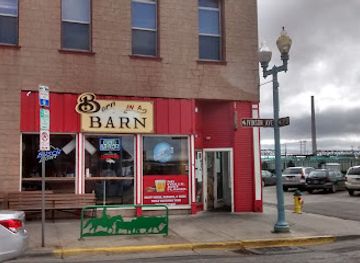
Born In A Barn
Experience rustic charm at Born In A Barn – Laramie's premier grill serving hearty American cuisine in a welcoming atmosphere.
-
Steak
The Bozeman Trail Steakhouse
Experience authentic Western dining at The Bozeman Trail Steakhouse in Buffalo, Wyoming - where quality meets comfort.
-
Restaurant
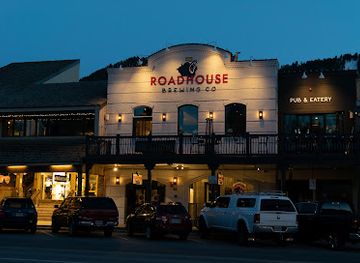
Roadhouse Pub & Eatery
Discover local flavors at Roadhouse Pub & Eatery in Jackson - a cozy spot for delicious meals and craft brews amidst stunning Wyoming scenery.
-
Fast Food
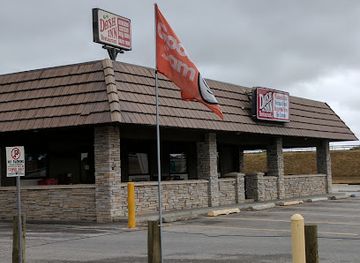
Dash Inn
Experience nostalgic fast food at Dash Inn in Buffalo, Wyoming – where unique flavors meet welcoming service in an inviting atmosphere.

Best bars in Johnson County
Evening life in Johnson County is centred on traditional pubs, hotel bars, restaurants and community gathering places rather than a large nightclub scene. Buffalo has the county's most varied choice, with historic drinking establishments, casual bars, live music on some nights and venues where residents and visitors share the relaxed social atmosphere of a small Wyoming town. The Occidental Hotel contributes to Buffalo's long-standing association with Western travel and hospitality, although current services and programmes should be checked before visiting. Kaycee's evening options are smaller and primarily serve local residents, passing travellers and the ranching community. Craft beer, spirits and modern cocktail styles may be available alongside standard American bar fare, but opening patterns can be seasonal or changeable. In the mountains and rural districts, evenings are more likely to mean a campfire where permitted, a quiet meal or stargazing than organised nightlife; observe fire regulations and leave no trace.
-
Bar
Million Dollar Cowboy Bar
Discover the heart of Wyoming's nightlife at the Million Dollar Cowboy Bar, where western charm meets lively entertainment in Jackson.
-
Bar
The Bozeman Trail Steakhouse
Experience the essence of the American West with mouthwatering steaks and a cozy atmosphere at The Bozeman Trail Steakhouse in Buffalo, Wyoming.
-
Bar
The Pony Grill & Bar
Experience the vibrant flavors of American cuisine at The Pony Grill & Bar in Sheridan, Wyoming, where every meal is a celebration of good taste.
-
Mexican
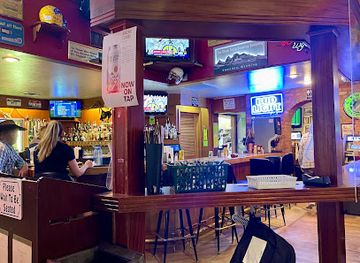
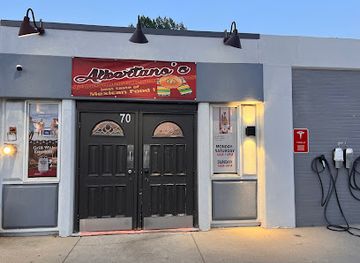
Albertano's Authentic Méxican Food
Experience authentic Mexican flavors at Albertano's in Buffalo, Wyoming, offering a diverse menu and a welcoming atmosphere for all.

Best nightclubs in Johnson County
Evening life in Johnson County is centred on traditional pubs, hotel bars, restaurants and community gathering places rather than a large nightclub scene. Buffalo has the county's most varied choice, with historic drinking establishments, casual bars, live music on some nights and venues where residents and visitors share the relaxed social atmosphere of a small Wyoming town. The Occidental Hotel contributes to Buffalo's long-standing association with Western travel and hospitality, although current services and programmes should be checked before visiting. Kaycee's evening options are smaller and primarily serve local residents, passing travellers and the ranching community. Craft beer, spirits and modern cocktail styles may be available alongside standard American bar fare, but opening patterns can be seasonal or changeable. In the mountains and rural districts, evenings are more likely to mean a campfire where permitted, a quiet meal or stargazing than organised nightlife; observe fire regulations and leave no trace.
-
Bar
Million Dollar Cowboy Bar
Discover the lively ambiance and cowboy spirit at the iconic Million Dollar Cowboy Bar in Jackson, Wyoming.
-
Bar
Beacon Club
Experience the vibrant nightlife at Beacon Club in Mills, Wyoming, where lively events and great drinks meet in a welcoming atmosphere.
-
Bar
Cadillac Ranch Bar
Discover Cadillac Ranch Bar in Cheyenne, Wyoming - a lively bar with great drinks, live music, and a vibrant atmosphere for an unforgettable night out.
-
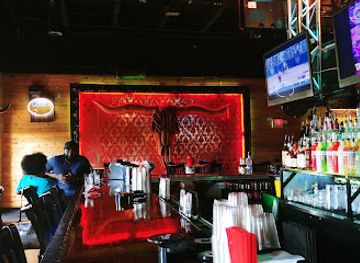
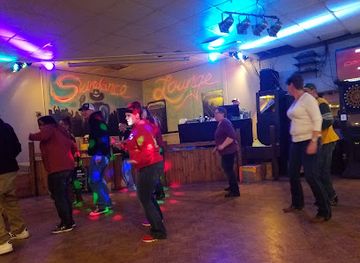
Cocktail bar
Sundance Lounge
Discover the vibrant Sundance Lounge in Gillette, Wyoming - a cocktail bar with delicious drinks, karaoke, and a lively atmosphere for unforgettable nights.
Best shops in Johnson County
Buffalo provides Johnson County's main shopping experience, with a walkable historic centre containing independent shops, galleries, antiques, books, Western clothing, gifts and locally oriented crafts. The selection is more useful for characterful browsing and practical travel supplies than for major-brand retail. Visitors may find leather goods, artwork, jewellery, handmade objects and regional food products reflecting Wyoming's ranching and mountain culture, but stock varies between businesses and seasons. Kaycee has a much smaller retail offering focused on essentials, services and travel stops. Grocery and outdoor supplies should be purchased before heading into the Bighorn National Forest, where retail opportunities are minimal. Farmers' markets and temporary craft sales may appear seasonally in Buffalo or at community events, so visitors interested in local produce should ask locally for current arrangements. Souvenirs are best chosen for their connection to the county's history, landscape and working Western traditions rather than assumed to be exclusive regional products.
-
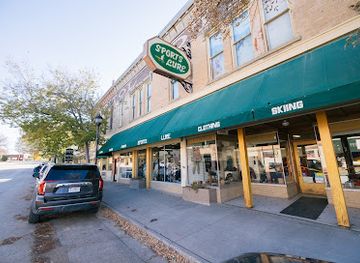
Sporting goods store
The Sports Lure
Discover adventure gear and expert guidance at The Sports Lure, your ultimate destination in Buffalo, Wyoming for outdoor exploration.
-
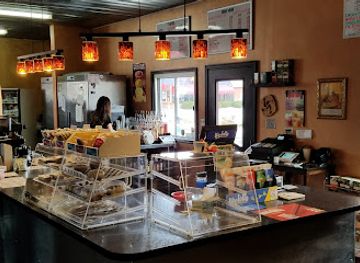
Coffee shop
The Fix
Discover The Fix, a cozy coffee shop in Buffalo, WY, offering delicious brews and a warm atmosphere for travelers and locals alike.
-
Textile mill
Mountain Meadow Wool Mill
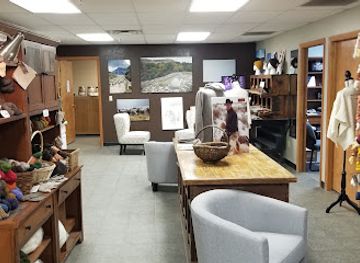
Discover the art of wool production at Mountain Meadow Wool Mill in Buffalo, Wyoming, where craftsmanship meets natural beauty.
-
Gift shop
The Clothesline Boutique
Explore The Clothesline Boutique, a charming gift shop in Gillette, Wyoming, offering stylish women's clothing and unique local gifts.

Get your free copy of our complete guide to Johnson County, delivered straight to you.
Everything on this page, from attractions and restaurants to essentials and local phrases, in one PDF you can read offline, print or share.
Already have an account? Sign in
Your Johnson County guide is ready.
We'll send it to · Not you? Sign out

Getting your guide ready…
We are putting together a fresh copy of the Johnson County guide. This can take up to a minute.
This can take a few moments. If your browser asks, choose Allow so the download can start. You'll find the guide in your Downloads folder.
Nothing happened? Download it again
Sorry, the guide is taking longer than usual. Please try again in a minute, or get it by email instead.
Johnson County essentials
Currency and Payment
Safety
Emergency Situations
Do's and Don'ts
Local Tips
From Eve
Local phrases worth knowing
You don't need to get them perfect. A few words go a long way, and locals appreciate the effort.
Basics
| English | Local | Say it |
|---|---|---|
| Hello | Howdy | [hau-dee] |
| Goodbye | See ya later | [see ya lay-ter] |
| Yes | Yep | [yehp] |
| No | Nope | [nohp] |
| Please/You're welcome | Please/No problem | [pleez/no prob-lum] |
| Thank you | Thanks a lot | [thangs a lawt] |
| Excuse me/Sorry | Excuse me/Sorry | [ex-kyoos mee/saw-ree] |
| How are you? | How ya doin'? | [hau ya doo-in] |
| Fine. And you? | I'm good. You? | [aim good. yoo?] |
| Do you speak English? | Do ya speak English? | [doo ya speak ing-glish] |
| I don't understand | I ain't followin' | [ai aynt fol-lo-in] |
Eating & Drinking
| English | Local | Say it |
|---|---|---|
| I'd like to see the menu, please | Can I see the menu, please? | [kan ai see thuh men-yoo, pleez?] |
| I don't eat meat | I don't do meat | [ai dont do meet] |
| Cheers! | Cheers! | [cheers] |
| I would like to pay, please | Can I pay, please? | [kan ai pay, pleez?] |
Emergencies
| English | Local | Say it |
|---|---|---|
| Help! | Help! | [help] |
| Go away! | Get outta here! | [get outta heer] |
| Call the Police! | Call the cops! | [kol thuh cops] |
| Call a doctor! | Call a doc! | [kol a dok] |
| I'm lost | I'm lost | [aim lost] |
| I'm ill | I'm feelin' rough | [aim feel-in ruff] |
Shopping
| English | Local | Say it |
|---|---|---|
| I'd like to buy... | I wanna buy... | [ai wanna buy...] |
| I'm just looking | Just lookin' | [just look-in] |
| How much is it? | How much's this? | [hau muhs this?] |
| That's too expensive | That's a bit pricey | [thats a bit pry-see] |
| Can you lower the price? | Can ya lower the price? | [kan ya low-er thuh pryce?] |
Time & Numbers
| English | Local | Say it |
|---|---|---|
| What time is it? | What time ya got? | [wut time ya got?] |
| It's one o'clock | It's one | [its wun] |
| Half past (10) | Half past ten | [haf past ten] |
| Morning | Mornin' | [mor-nin] |
| Afternoon | Afternoon | [af-ter-noon] |
| Evening | Evenin' | [eev-nin] |
| Yesterday | Yesterday | [yes-ter-day] |
| Today | Today | [to-day] |
| Tomorrow | Tomorrow | [to-mor-row] |
| 1 | One | [wun] |
| 2 | Two | [too] |
| 3 | Three | [three] |
| 4 | Four | [for] |
| 5 | Five | [fiv] |
| 6 | Six | [siks] |
| 7 | Seven | [sev-en] |
| 8 | Eight | [ate] |
| 9 | Nine | [nain] |
| 10 | Ten | [ten] |
Transport & Directions
| English | Local | Say it |
|---|---|---|
| Where's a/the...? | Where’s the...? | [where's thuh...?] |
| What's the address? | What's the address? | [wut's thuh ad-dress?] |
| Can you show me (on the map)? | Can ya show me on the map? | [kan ya show mee on thuh map?] |
| When's the next (bus)? | When's the next bus? | [when's thuh nekst bus?] |
| A ticket (to ....) | A ticket to... | [a tik-it to...] |
History of Johnson County
Indigenous Homelands and Early Trade Routes
For centuries, the Powder River Basin and Bighorn landscape formed part of the homeland and seasonal use area of Indigenous peoples, including the Crow, Northern Cheyenne, Lakota and Arapaho. River valleys, mountain passes and open grasslands supported hunting, travel and exchange. The arrival of American emigrants and military expeditions in the nineteenth century disrupted these patterns and intensified competition over land and resources. Present-day interpretation should therefore be understood within the wider history of Indigenous displacement, treaty-making and resistance across the northern Great Plains.
The Bozeman Trail Era, 1860s
During the 1860s, emigrants and prospectors travelling towards the Montana goldfields used routes through the Powder River country, including corridors associated with the Bozeman Trail. The United States established military posts and sent expeditions to protect these movements, provoking conflict with Indigenous nations who opposed the intrusion. Much of the best-known fortification associated with the Bozeman Trail lies north of Johnson County, but the county's landscapes formed part of the same contested regional corridor. This period helped bring military infrastructure, settler traffic and intensified federal involvement to north-central Wyoming.
Ranching and the Founding of Buffalo
Cattle ranching expanded rapidly across the Powder River Basin in the late nineteenth century, supported by open range grazing, nearby watercourses and growing demand from mining and railway economies elsewhere in the West. Buffalo was established in 1879 and developed as a commercial and administrative centre between the plains and the Bighorn Mountains. Its streets, hotels, stores and public buildings reflect the arrival of merchants, ranchers, law officers and travellers during this formative period. Ranching remains an important part of the county's economy and identity, although modern land use is more varied than the nineteenth-century open range.
The Johnson County War of 1892
The Johnson County War grew from a bitter struggle between influential cattle interests and smaller ranchers, homesteaders and their supporters. In April 1892, a group of armed cattlemen from outside the county entered northern Wyoming intending to intimidate or kill alleged rustlers. Local resistance and federal intervention brought the confrontation to an end at the TA Ranch, near Buffalo. The episode exposed tensions over range control, law enforcement, class and political influence in the American West. Its competing interpretations still shape the county's museums, historic sites and public memory.
Railways, Roads and the Modern County
Improved transport linked Buffalo and the surrounding ranch districts more closely with regional markets during the late nineteenth and early twentieth centuries. Roads, mail routes and later motor vehicles changed the movement of livestock, supplies and visitors, while commercial buildings and civic institutions consolidated Buffalo's role as a county centre. Kaycee developed as a smaller southern community serving ranching country and transport routes along the Powder River. Although Johnson County never became a major industrial centre, transport improvements helped sustain its agricultural economy and made the Bighorn foothills increasingly accessible.
Forestry, Conservation and Outdoor Recreation
The establishment and management of the Bighorn National Forest created a public framework for protecting mountain watersheds, forests and wildlife while allowing carefully regulated recreation and resource use. The forested western part of Johnson County is now valued for hiking, camping, fishing, hunting, scenic driving and winter activities. Conservation has not replaced ranching; rather, public lands and working private landscapes exist side by side. This balance between resource use, rural livelihoods and outdoor recreation is one of the defining features of contemporary Johnson County.
Johnson County in Photos
Browse through our photo collection highlighting the charm and character of the destination.
Neighbouring regions of Johnson County
The closest regions to Johnson County, if you have time for more than one.
-

-

-

-

-


Swipe for more regions
Explore more

Explore more of Wyoming
Discover Wyoming: A Land of Unspoiled Beauty, Rich History, and Boundless Outdoor Adventures in the Heart of the American West.
Explore Wyoming