

Free Al Bayda Travel Guide & Mobile App
Explore Al Bayda with free travel guides. Discover regional history, expert tips, proposed trips, and audio guides on web or mobile app.


Al Bayda introduces visitors to central Yemen’s mountain landscapes, historic Rada'a architecture and highland traditions, though travel remains highly restricted.
Read more about Al Bayda
When is the best time to visit Al Bayda?
Best: April, September–October · 25–29°C| Month | High (°C) | Rainfall (mm) |
|---|---|---|
| January | 15 | 10 |
| February | 16 | 9 |
| March | 20 | 8 |
| April (best) | 25 | 7 |
| May | 30 | 6 |
| June | 32 | 5 |
| July | 33 | 5 |
| August | 32 | 6 |
| September (best) | 29 | 7 |
| October (best) | 25 | 8 |
| November | 20 | 9 |
| December | 17 | 10 |
Getting to and around Al Bayda
How to get there
Transportation
Top city travel guides in Al Bayda
The cities of Al Bayda, and the easiest places to base yourself.

Swipe for more cities
Best attractions in Al Bayda
Under stable conditions, Al Bayda’s principal attractions would be its historic towns, mountain scenery and traditional settlements rather than a developed tourism circuit. Rada'a offers the clearest concentration of architectural interest, with old neighbourhoods and the Amiriya Madrasa providing insight into the region’s Tahirid heritage. Al Bayda city and smaller market centres illustrate the continuing role of highland towns as places of trade and administration. Outside the towns, terraced slopes, seasonal valleys, rocky ridges and rural villages form a landscape shaped by scarce water and long-established agriculture. Archaeological remains associated with Yemen’s ancient South Arabian civilisation may exist across the wider area, but many are difficult to access, inadequately protected or not suitable for casual exploration. Hiking, photography and overland sightseeing would ordinarily require local expertise because routes are remote and weather can change quickly. At present, however, conflict, mines, damaged infrastructure and restricted movement outweigh the region’s tourism potential; visitors should not attempt to explore these attractions independently or treat heritage sites as operational tourist facilities.

Best landmarks in Al Bayda
The Amiriya Madrasa in Rada'a is Al Bayda’s most recognisable architectural landmark. Built during the Tahirid period in the early sixteenth century, it is noted for its decorated façades, monumental entrance and importance as a religious and educational building. Rada'a’s historic urban fabric, including traditional multi-storey earthen buildings and compact streets, provides the wider setting that makes the madrasa significant rather than an isolated monument. Al Bayda’s mountain terraces and seasonal valleys are also important landscape landmarks, showing how communities adapted cultivation to steep and water-scarce terrain. Across the governorate, mosque architecture, fortified village forms and market-town buildings reflect Yemen’s distinctive use of earth, stone, timber and plaster. Many individual sites are poorly documented or difficult to reach, and conflict may have damaged or restricted access to them. These places should be viewed only with current local permission and security advice; no historic building should be entered if its condition or surrounding area is uncertain.
-
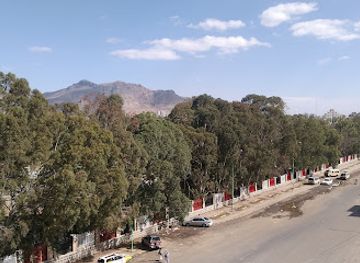
Park
Althawra Park
Experience the tranquility of Althawra Park in Sana'a, Yemen - a lush oasis perfect for relaxation, picnics, and a taste of local culture.
-
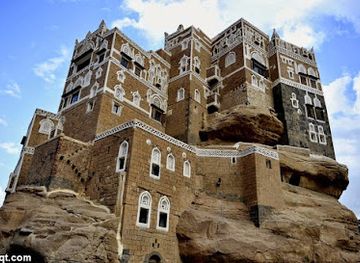
Historical landmark
Dar AlHajar
Experience the stunning architecture and rich history at Dar AlHajar, Yemen's iconic landmark that offers a glimpse into the country's vibrant past.
-
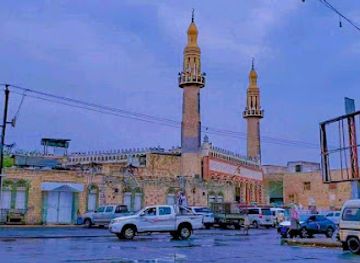
Garden
Alshaab Garden
Explore the lush landscapes and vibrant flora of Alshaab Garden, a serene oasis in the heart of Al Hudaydah, Yemen, perfect for relaxation and cultural experiences.
-
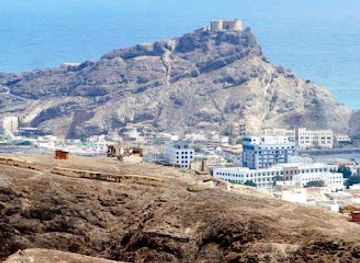
Castle
Seera Castle
Explore Seera Castle in Aden, Yemen: A historic fortress with breathtaking views and rich cultural heritage.
Explore Al Bayda on the map
Plan your trip on one map. See where the top cities, national parks and sights are, and book hotels and experiences in a few clicks.
Best hotels in Al Bayda
Best restaurants in Al Bayda
Al Bayda’s food culture belongs to Yemen’s central highland tradition, with meals commonly built around bread, rice, sorghum, beans, vegetables, meat and aromatic spices. Salta, a hot stew often served with fenugreek-based froth, is associated with Yemeni cuisine nationally, while fahsa, breads such as malawah and locally grown produce may appear according to availability. Qat cultivation and consumption also form part of the region’s contemporary social and economic landscape, although visitors should seek informed guidance about local customs and legal expectations. In towns, modest restaurants, tea stalls and household-style eateries are more characteristic than a formal dining scene; rural choice is far narrower. Economic disruption, fuel shortages and insecurity can affect supplies, hygiene standards and opening arrangements, so food should be sourced through trusted local contacts. Travellers on authorised essential journeys should carry suitable provisions and reliable drinking water rather than assuming that restaurants or markets will be operating.
-
Restaurant
Alshaibany corporation for restaurants
Discover authentic Yemeni flavors and diverse international cuisine at Alshaibany Corporation for Restaurants in Sana'a.
-
Restaurant
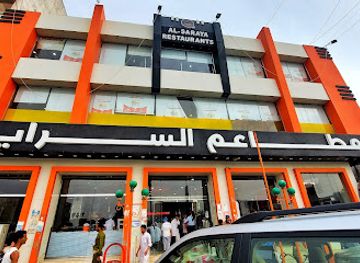
Saraya Restaurant
Experience authentic Yemeni cuisine at Saraya Restaurant in Al Hudaydah—where tradition meets flavor in every dish.
-
Indian
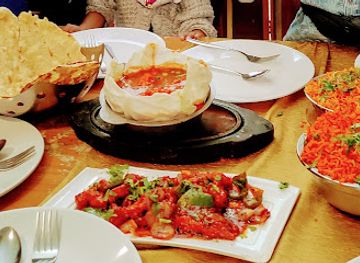
Mumbai Darbar Indian Restaurant
Savor authentic Indian cuisine at Mumbai Darbar in Sana'a - where rich flavors meet warm hospitality.
-
Restaurant
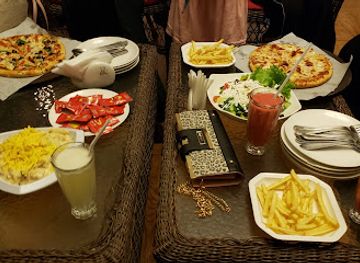
PavaRoti Resturant
Experience authentic Yemeni cuisine at PavaRoti Restaurant in Sanaa - where every meal tells a story.

Best bars in Al Bayda
Al Bayda does not have a conventional bar or nightclub culture. Yemen is a predominantly Muslim country, and public alcohol consumption is socially unacceptable and subject to legal restrictions. Evening social life traditionally centres on family gatherings, tea, conversation, markets and informal meeting places rather than commercial nightlife. In some towns, restaurants or cafés may operate after dark when security and electricity permit, but hours, supplies and accessibility are unpredictable. Qat sessions are an important social practice in parts of Yemeni society, though visitors should not assume that participation is appropriate or available to them. Given the conflict, curfews, checkpoints, power cuts and personal-security risks, moving around after dark is particularly inadvisable. Any authorised visitor should follow the arrangements of their host organisation and avoid treating local evening activity as entertainment infrastructure.
-
Remas Restaurant
Savor the authentic flavors of Yemeni cuisine at Remas Restaurant, a culinary gem in Al Bayda' offering delightful dishes in a warm atmosphere.
-
Restaurant
مطعم نجوم الشام
Experience the authentic flavors of Yemeni cuisine at مطعم نجوم الشام in Al Bayda', a must-visit for food lovers.
-
Restaurant
مطعم وبروست البيك الطازج
Experience authentic Yemeni flavors at مطعم وبروست البيك الطازج, where every dish tells a story of tradition and taste.
-
Restaurant
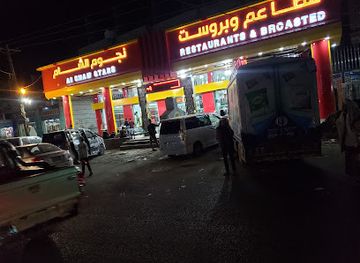
مطاعم ومطابخ القاضي
Experience authentic Yemeni flavors at مطاعم ومطابخ القاضي in Al Bayda', where every dish tells a story of rich culinary traditions.



Best nightclubs in Al Bayda
Al Bayda does not have a conventional bar or nightclub culture. Yemen is a predominantly Muslim country, and public alcohol consumption is socially unacceptable and subject to legal restrictions. Evening social life traditionally centres on family gatherings, tea, conversation, markets and informal meeting places rather than commercial nightlife. In some towns, restaurants or cafés may operate after dark when security and electricity permit, but hours, supplies and accessibility are unpredictable. Qat sessions are an important social practice in parts of Yemeni society, though visitors should not assume that participation is appropriate or available to them. Given the conflict, curfews, checkpoints, power cuts and personal-security risks, moving around after dark is particularly inadvisable. Any authorised visitor should follow the arrangements of their host organisation and avoid treating local evening activity as entertainment infrastructure.
-
Bla Bla Dubai
Discover the vibrant nightlife of Bla Bla Dubai, where beach club vibes meet exquisite dining in the heart of Jumeirah Beach Residence.
-
KROSSROADS CLUB
Experience the vibrant nightlife at KROSSROADS CLUB, a top bar in Doha offering stunning views, lively music, and delicious cocktails.
-
1OAK
Experience the epitome of Dubai nightlife at 1OAK, where world-class DJs and a vibrant atmosphere create unforgettable nights.
-
BLACK COFFEE By WHITE Dubai
Discover the ultimate nightlife experience at BLACK COFFEE By WHITE Dubai, a luxurious night club in the heart of Dubai Marina.


Best shops in Al Bayda
Shopping in Al Bayda is centred on ordinary market-town commerce rather than a visitor-oriented retail scene. Souqs and small shops traditionally supply grain, bread, coffee, spices, clothing, household goods, agricultural products and locally exchanged produce. Rada'a and Al Bayda city are the most likely places to find a broader range of goods, while rural markets serve particular valleys and villages on specific local trading days. Yemeni coffee, honey, woven textiles, leather goods and silver jewellery may be encountered in the wider national market, but visitors should not assume that every item offered in Al Bayda was made locally. Conflict, inflation, fuel shortages and disrupted supply lines can sharply affect availability and prices, and card payments are unlikely. If essential travel is authorised, buy only through trusted contacts, carry sufficient usable Yemeni currency and avoid photographing traders or market infrastructure without permission. Antique-looking objects and archaeological material should never be purchased or removed.
-
Food products supplier
Central market for the sale of khat
Discover the vibrant Central Market for Khat in Al Bayda, a cultural hub brimming with life, flavors, and local traditions.
-
Home goods store
محلات البدوي التجاريه
Explore the unique home goods at محلات البدوي التجاريه, a treasure trove of Yemeni craftsmanship in ذي ناعم.
-
Electronics store
مركز المسوري التجاري ( 1 ) 06521039
Explore cutting-edge technology and exceptional service at the premier electronics destination in Al Bayda', Yemen.
-
Shopping mall
هادي 2 مول فتكات قوي عروض مغريه
Discover Hadi 2 Mall in Al Bayda' - your ultimate shopping and dining destination in Yemen.
Get your free copy of our complete guide to Al Bayda, delivered straight to you.
Everything on this page, from attractions and restaurants to essentials and local phrases, in one PDF you can read offline, print or share.
Already have an account? Sign in
Your Al Bayda guide is ready.
We'll send it to · Not you? Sign out

Getting your guide ready…
We are putting together a fresh copy of the Al Bayda guide. This can take up to a minute.
This can take a few moments. If your browser asks, choose Allow so the download can start. You'll find the guide in your Downloads folder.
Nothing happened? Download it again
Sorry, the guide is taking longer than usual. Please try again in a minute, or get it by email instead.
Al Bayda essentials
Currency and Payment
Safety
Emergency Situations
Do's and Don'ts
Local Tips
From Eve
Local phrases worth knowing
You don't need to get them perfect. A few words go a long way, and locals appreciate the effort.
Basics
| English | Local | Say it |
|---|---|---|
| Hello | مرحبا | [Marhaba] |
| Goodbye | وداعا | [Wada'an] |
| Yes | نعم | [Na'am] |
| No | لا | [La] |
| Please/You're welcome | من فضلك | [Min fadlik] |
| Thank you | شكرا | [Shukran] |
| Excuse me/Sorry | عفوا | [Afwan] |
| How are you? | كيف حالك؟ | [Kayfa halak?] |
| Fine. And you? | بخير. وأنت؟ | [Bikhayr. Wa anta?] |
| Do you speak English? | هل تتحدث الإنجليزية؟ | [Hal tatahadath al-ingliziya?] |
| I don't understand | لا أفهم | [La afham] |
Eating & Drinking
| English | Local | Say it |
|---|---|---|
| I'd like to see the menu, please | أود أن أرى القائمة، من فضلك | [Awad an ara al-qa'ima, min fadlik] |
| I don't eat meat | لا أأكل اللحم | [La akulu al-lahm] |
| Cheers! | في صحتك! | [Fi sihtak!] |
| I would like to pay, please | أود أن أدفع، من فضلك | [Awad an adfa', min fadlik] |
Emergencies
| English | Local | Say it |
|---|---|---|
| Help! | نجدة! | [Najda!] |
| Go away! | اذهب بعيدا! | [Izhab ba'idan!] |
| Call the Police! | اتصل بالشرطة! | [Ittasil bil-shurta!] |
| Call a doctor! | اتصل بالطبيب! | [Ittasil bil-tabeeb!] |
| I'm lost | أنا ضائع | [Ana da'i'] |
| I'm ill | أنا مريض | [Ana marid] |
Shopping
| English | Local | Say it |
|---|---|---|
| I'd like to buy... | أود أن أشتري... | [Awad an ashtari...] |
| I'm just looking | أنا فقط أتطلع | [Ana faqat atatalla'] |
| How much is it? | كم ثمنه؟ | [Kam thamanu?] |
| That's too expensive | هذا مكلف جدا | [Hatha mukallif jidan] |
| Can you lower the price? | هل يمكنك تخفيض السعر؟ | [Hal yumkinuka takhfid al-si'r?] |
Time & Numbers
| English | Local | Say it |
|---|---|---|
| What time is it? | كم الساعة؟ | [Kam al-sa'a?] |
| It's one o'clock | الساعة واحدة | [Al-sa'a wahida] |
| Half past (10) | نصف (10) | [Nisf (10)] |
| Morning | صباح | [Sabah] |
| Afternoon | بعد الظهر | [Ba'd al-dhuhr] |
| Evening | مساء | [Masa'] |
| Yesterday | أمس | [Ams] |
| Today | اليوم | [Al-yawm] |
| Tomorrow | غدا | [Ghadan] |
| 1 | واحد | [Wahid] |
| 2 | اثنان | [Ithnan] |
| 3 | ثلاثة | [Thalatha] |
| 4 | أربعة | [Arba'a] |
| 5 | خمسة | [Khamsa] |
| 6 | ستة | [Sitta] |
| 7 | سبعة | [Sab'a] |
| 8 | ثمانية | [Thamaniya] |
| 9 | تسعة | [Tis'a] |
| 10 | عشرة | [Ashara] |
Transport & Directions
| English | Local | Say it |
|---|---|---|
| Where's a/the...? | أين يوجد ...؟ | [Ayn yujad...?] |
| What's the address? | ما هو العنوان؟ | [Ma huwa al-'unwan?] |
| Can you show me (on the map)? | هل يمكنك أن تريني (على الخريطة)؟ | [Hal yumkinuka an turini (ala al-kharita)?] |
| When's the next (bus)? | متى تأتي (الحافلة) التالية؟ | [Mata ta'ti (al-hafilat) al-taliya?] |
| A ticket (to ....) | تذكرة (إلى ....) | [Tadhkara (ila....)] |
History of Al Bayda
Ancient South Arabian Kingdoms
The territory of modern Al Bayda lay within the wider cultural world of ancient South Arabia, where kingdoms including Qataban, Saba and Himyar developed agricultural systems, fortified settlements and long-distance trade. Evidence across central Yemen includes inscriptions, old routes and archaeological remains, although individual sites in Al Bayda are not always accessible or securely documented for visitors. The region’s position between the highlands and the interior trade corridors gave it strategic importance, while terraced cultivation and water management helped communities farm in a difficult mountainous environment.
The Himyarite and Early Islamic Landscapes
Himyarite power eventually absorbed much of southern and central Yemen before the rise of Islam in the seventh century. The transition to Islam reshaped political authority, settlement patterns and religious architecture, linking local communities to wider networks centred on the early Islamic states. In Al Bayda, as elsewhere in Yemen, older agricultural and caravan routes continued to influence the location of towns and markets. The surviving historical landscape is therefore layered rather than attributable to a single dynasty or period.
The Rasulid and Tahirid Eras
Medieval Yemen was governed by powerful regional dynasties, notably the Rasulids and later the Tahirids. Rada'a gained particular prominence during the Tahirid period, when the town was associated with the dynasty’s authority and the construction of major religious buildings. The Amiriya Madrasa, commissioned in the early sixteenth century, is the most celebrated surviving monument of this era in Al Bayda. Its decorated architecture reflects the sophisticated artistic and scholarly culture that developed in Yemen’s historic urban centres.
Ottoman and Zaydi Political Competition
From the sixteenth century onwards, Ottoman attempts to control Yemen met resistance from local powers, especially the Zaydi imams of the northern and central highlands. Authority shifted repeatedly between imperial administrations, imam-led governments, tribal alliances and local rulers. Al Bayda’s mountains and difficult communications made direct control complicated, while market towns served as centres for taxation, exchange and negotiation. This history helps explain the enduring importance of local political relationships and the region’s strategic roads.
Imamate, Republican Revolution and State Integration
The Zaydi imamate remained influential in northern Yemen until the 1962 revolution that established the Yemen Arab Republic. The subsequent civil war and changing alliances gradually brought central institutions into a more extensive relationship with the highland and southern districts. Al Bayda’s communities experienced the effects of new roads, schools, administrative structures and markets, although development remained uneven. The region’s incorporation into the modern Yemeni state did not erase the importance of tribal, religious and local identities.
Conflict and Humanitarian Crisis Since 2014
Yemen’s current conflict intensified after 2014, when the Houthi movement seized Sana'a and competing forces fought for control across the country. Al Bayda became strategically important because of its central position and connections towards Marib, Shabwah, Abyan and Taiz. Fighting, air strikes, displacement, economic collapse, damaged infrastructure and restrictions on movement have affected civilians and heritage alike. Conditions vary by district and can change rapidly, making the governorate unsuitable for unprotected tourism and placing the preservation of historic places under continuing pressure.
Al Bayda in Photos
Browse through our photo collection highlighting the charm and character of the destination.
Neighbouring regions of Al Bayda
The closest regions to Al Bayda, if you have time for more than one.
-

-

-

-

-


Swipe for more regions

