

Free Ma'rib Travel Guide & Mobile App
Explore Ma'rib with free travel guides. Discover regional history, expert tips, proposed trips, and audio guides on web or mobile app.


Ma'rib in Yemen reveals Sabaean temples, ancient irrigation and desert landscapes, but ongoing conflict requires exceptional caution and careful planning.
Read more about Ma'rib
When is the best time to visit Ma'rib?
Best: December–February · 26–28°C| Month | High (°C) | Rainfall (mm) |
|---|---|---|
| January (best) | 26 | 2 |
| February (best) | 28 | 3 |
| March | 31 | 4 |
| April | 35 | 3 |
| May | 39 | 2 |
| June | 42 | 1 |
| July | 41 | 1 |
| August | 40 | 1 |
| September | 39 | 1 |
| October | 36 | 2 |
| November | 32 | 3 |
| December (best) | 28 | 2 |
Getting to and around Ma'rib
How to get there
Transportation
Top city travel guides in Ma'rib
The cities of Ma'rib, and the easiest places to base yourself.
-

-


Swipe for more cities
Best attractions in Ma'rib
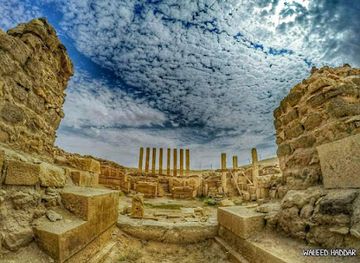
Ma'rib's attractions are overwhelmingly archaeological and historical rather than recreational. The Great Ma'rib Dam illustrates the engineering system that sustained Sabaean agriculture, while the Awam Temple, or Mahram Bilqis, preserves a monumental sanctuary associated with Almaqah and the ancient kingdom's religious life. The Bar'an Temple, recognised for its surviving columns, offers a different view of Sabaean ceremonial architecture. Around the modern city, the old settlement and scattered ruins show how ancient and later occupation occupied the same valley. The wadi, dry foothills and desert-edge scenery help explain why water control was central to Ma'rib's history. Modern Ma'rib also reflects Yemen's recent humanitarian and political story, although this is not a conventional sightseeing environment. Access to every listed site can be restricted by conflict, unexploded ordnance, local permissions, road conditions or proximity to sensitive facilities. There are few dependable tourism services, and independent archaeological exploration is inappropriate. In practical terms, Ma'rib's attraction landscape is best experienced through scholarship, carefully authorised visits and professional local guidance rather than an ordinary holiday itinerary.
-
Throne of Queen Sheba - Barran Temple
Discover the Throne of Queen Sheba at Barran Temple, a captivating historical wonder in Marib, Yemen, steeped in legend and ancient beauty.
-
وادي حبابظ
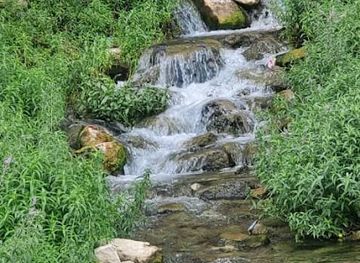
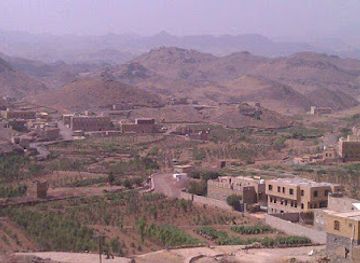
Experience the breathtaking beauty of Wadi Hababaz, Yemen's stunning valley, rich in biodiversity and perfect for outdoor adventures.
-
حصن نوبه بني جعبان
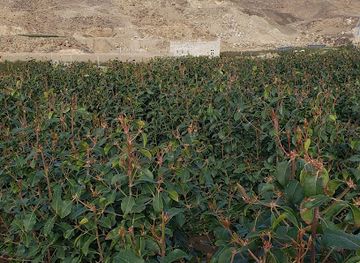
Discover the historical significance and breathtaking views of حصن نوبه بني جعبان, a captivating fortress in Hajana, Yemen, steeped in rich heritage.
Best landmarks in Ma'rib
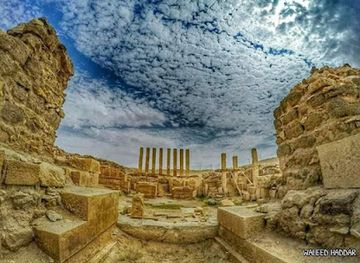
The Great Ma'rib Dam is the region's defining landmark, not simply because of its surviving earth and stone structures but because it represents the hydraulic system that made large-scale Sabaean agriculture possible. The Awam Temple, widely known as Mahram Bilqis, is one of southern Arabia's most important pre-Islamic sanctuaries; its monumental enclosure and inscriptions convey the scale of ancient Sabaean religious institutions. Nearby, the Bar'an Temple is distinguished by its surviving columns and is among the most recognisable visual remains in the Ma'rib archaeological landscape. The old city and its later ruins provide a reminder that settlement continued long after the Sabaean kingdom's political prominence declined. These landmarks are exceptionally important, but they are not reliably accessible attractions: security restrictions, conservation concerns, unexploded ordnance, military sensitivity and the lack of standard visitor facilities mean that any visit must be formally authorised and locally assessed.
-
Historical place
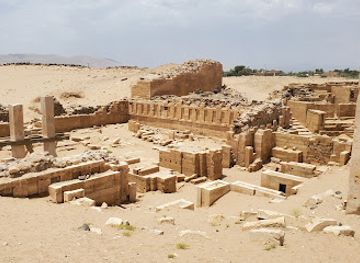
Awwam Temple
Explore the ancient Awwam Temple in Yemen, a historical marvel showcasing the rich cultural heritage and stunning architecture of the Sabaean civilization.
-
Historical landmark
هجرة الضباينة
Experience the enchanting history of هجرة الضباينة, a must-visit landmark in Bait Alahmar, Yemen, showcasing remarkable architecture and rich cultural heritage.
-
Historical landmark
Ancient Marib Dam
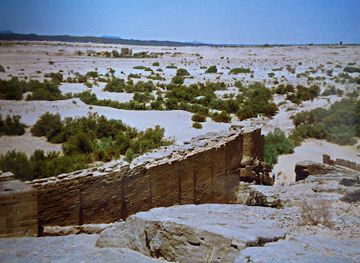
Explore the Ancient Marib Dam, a historical landmark in Yemen showcasing ancient engineering and the legacy of the Sabaean civilization.
-
Historical landmark
حصن نوبه بني جعبان
Discover the historical grandeur of Husn Nubah Bani Jabaan, a captivating fortress in Yemen that showcases the rich cultural heritage and stunning architecture of the region.
Explore Ma'rib on the map
Plan your trip on one map. See where the top cities, national parks and sights are, and book hotels and experiences in a few clicks.
Best hotels in Ma'rib
Best restaurants in Ma'rib
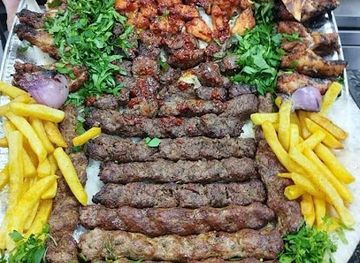
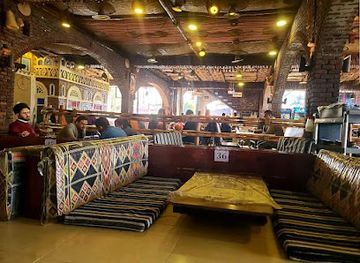
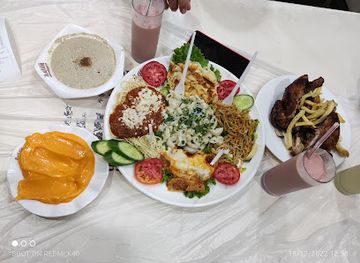
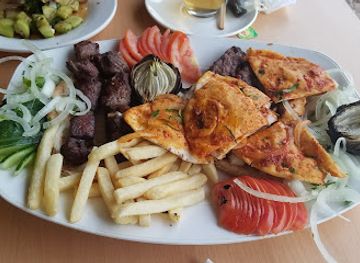
Ma'rib's dining culture is rooted in Yemeni home cooking and local hospitality rather than a developed visitor-restaurant scene. Meals may include rice served with meat, chicken or fish, flatbreads, stews, beans, salads and spicy sauces, with regional differences shaped by the contrast between farming communities and the arid interior. Saltah, a hot stew traditionally served in a distinctive stone bowl, is associated with Yemen nationally rather than exclusively with Ma'rib. Tea, coffee and simple sweet refreshments are common forms of hospitality, while supplies and menus can be affected by conflict, displacement and shortages. In the modern city, food may be available through modest local eateries and private homes, but opening arrangements, hygiene standards, water access and product availability are not predictable enough for fixed recommendations. Travellers with authorised reasons to visit should use food and water arrangements advised by their organisation, avoid untreated water and take account of dietary requirements before leaving a secure base. There is no reliable fine-dining or international restaurant circuit for tourists.
-
Yemenite
Royal restaurant
Experience authentic Yemenite cuisine at Royal Restaurant in Sana'a – where tradition meets flavor in every dish.
-
Restaurant
Remas Plaza Restaurants
Discover authentic Yemeni flavors at Remas Plaza Restaurants in Sana'a – where tradition meets modern dining.
-
Restaurant
Al Marasim Restaurants
Discover authentic Yemeni flavors at Al Marasim Restaurants in Aden – a culinary gem offering delightful dishes in a welcoming atmosphere.
-
Restaurant
Palm Complex
Experience authentic Yemeni flavors at Palm Complex - a culinary gem in Sana'a offering traditional dishes in a warm atmosphere.
Best bars in Ma'rib
Ma'rib does not have a conventional bar or nightclub scene. Yemen is a conservative Muslim country, and public nightlife centres on family visits, tea and coffee gatherings, restaurants, private hospitality and conversation rather than alcohol-led entertainment. Evening movement is further constrained by security conditions, curfews or informal restrictions, power cuts and the limited availability of public venues. The modern city may have simple cafés and places serving hot drinks, but their operation and accessibility can change without notice. Alcohol should not be expected and may be illegal or socially unacceptable. Visitors on authorised professional journeys should follow the arrangements of their host organisation, avoid unnecessary movement after dark and treat public evening activity as a security matter rather than a tourism programme.
-
Throne of Queen Sheba - Barran Temple
Discover the enchanting Throne of Queen Sheba - Barran Temple, a historical gem in Yemen showcasing ancient architecture and rich cultural heritage.
-
Awwam Temple
Discover the ancient beauty of Awwam Temple, a historical gem in Yemen offering insights into Sabaean culture and spiritual significance.
-
Bar
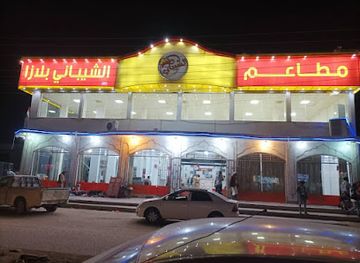
مطعم الشيباني بلازا
Experience the rich flavors of traditional Yemeni cuisine at مطعم الشيباني بلازا in Marib, a culinary gem for every food lover.
-
Bar
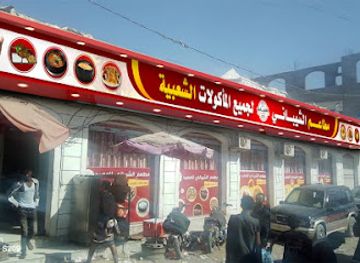
مطعم الشيباني للعصيد.مأرب (بن عبود )
Discover authentic Yemenite cuisine at مطعم الشيباني للعصيد in Marib, where traditional flavors meet a vibrant cultural atmosphere.
Best nightclubs in Ma'rib
Ma'rib does not have a conventional bar or nightclub scene. Yemen is a conservative Muslim country, and public nightlife centres on family visits, tea and coffee gatherings, restaurants, private hospitality and conversation rather than alcohol-led entertainment. Evening movement is further constrained by security conditions, curfews or informal restrictions, power cuts and the limited availability of public venues. The modern city may have simple cafés and places serving hot drinks, but their operation and accessibility can change without notice. Alcohol should not be expected and may be illegal or socially unacceptable. Visitors on authorised professional journeys should follow the arrangements of their host organisation, avoid unnecessary movement after dark and treat public evening activity as a security matter rather than a tourism programme.
-
Night club
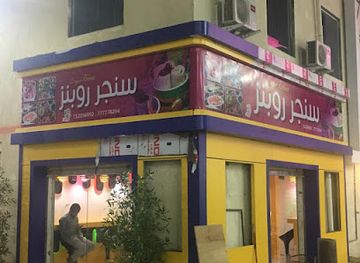
سنجر روبنز
Immerse yourself in the vibrant nightlife of سنجر روبنز, Marib's premier night club, blending local culture with modern entertainment.
-
 Night club
عمارت محمد الهلالي
Discover the heartbeat of Sana'a's nightlife at عمارت محمد الهلالي, where culture, music, and fun come together for an unforgettable experience.
-
Night club
مجلس ابو ناصر حباك
Experience the vibrant nightlife at مجلس ابو ناصر حباك, where music, dance, and culture unite in Ar Risan, Yemen.
Best shops in Ma'rib
Ma'rib is not a conventional shopping destination, and visitors should not expect a dependable craft quarter, tourist market or broad selection of souvenirs. Everyday commerce in the modern city serves local residents and displaced communities, with food, clothing, household goods and practical supplies more prominent than heritage retail. Where markets operate, purchasing should be approached with respect for local customs and with awareness that supply, prices and opening arrangements can change quickly. Yemen is known more broadly for coffee, honey, textiles, silverwork and traditional clothing, but products cannot automatically be described as distinctive to Ma'rib, and provenance should be checked before buying. Do not purchase antiquities, carved architectural fragments, inscriptions or objects presented as coming from archaeological sites; illicit trade damages Yemen's heritage and may create serious legal and security problems. For authorised visitors, locally made food products or small contemporary handicrafts may be more appropriate than archaeological souvenirs, subject to transport and customs rules.
-
Shopping mall
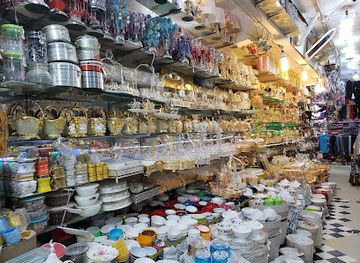
مركز فيصل البحري التجاري
Discover the Faisal Maritime Commercial Center in Hadba Al Aushan, a vibrant shopping destination offering everything from clothing to building materials.
-
Supermarket
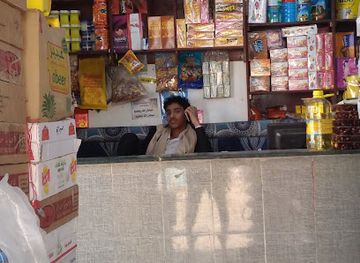
Goods Alorava Commerce and the General
Discover the best of local shopping at Goods Alorava Commerce and the General, your essential supermarket in Marib, Yemen.
-
Building materials store
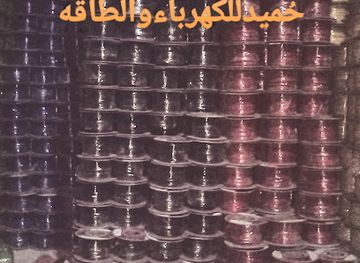
محلات حميد للكهرباء والطاقه شارع 26
Discover local building materials and electrical supplies at محلات حميد للكهرباء والطاقه in Marib, Yemen. A unique shopping experience awaits you.
-
Store
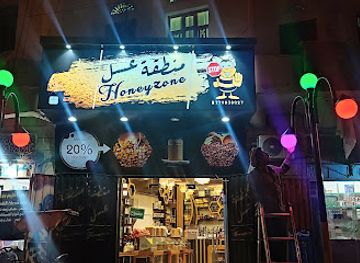
Honeyzone
Explore Honeyzone in Marib, Yemen for unique local products and a taste of the vibrant culture.
Get your free copy of our complete guide to Ma'rib, delivered straight to you.
Everything on this page, from attractions and restaurants to essentials and local phrases, in one PDF you can read offline, print or share.
Already have an account? Sign in
Your Ma'rib guide is ready.
We'll send it to · Not you? Sign out

Getting your guide ready…
We are putting together a fresh copy of the Ma'rib guide. This can take up to a minute.
This can take a few moments. If your browser asks, choose Allow so the download can start. You'll find the guide in your Downloads folder.
Nothing happened? Download it again
Sorry, the guide is taking longer than usual. Please try again in a minute, or get it by email instead.
Ma'rib essentials
Currency and Payment
Safety
Emergency Situations
Do's and Don'ts
Local Tips
From Eve
Local phrases worth knowing
You don't need to get them perfect. A few words go a long way, and locals appreciate the effort.
Basics
| English | Local | Say it |
|---|---|---|
| Hello | مرحبا | [Marhaban] |
| Goodbye | وداعا | [Wada'an] |
| Yes | نعم | [Na'am] |
| No | لا | [La] |
| Please/You're welcome | من فضلك | [Min fadlik] |
| Thank you | شكرا | [Shukran] |
| Excuse me/Sorry | عفوا | [Afwan] |
| How are you? | كيف حالك؟ | [Kayfa halak?] |
| Fine. And you? | بخير. وانت؟ | [Bikhayr. Wa anta?] |
| Do you speak English? | هل تتحدث الإنجليزية؟ | [Hal tatahadath al-ingliziyya?] |
| I don't understand | لا أفهم | [La afham] |
Eating & Drinking
| English | Local | Say it |
|---|---|---|
| I'd like to see the menu, please | أود رؤية القائمة، من فضلك | [Awad ru'yat al-qa'ima, min fadlik] |
| I don't eat meat | لا آكل اللحم | [La akul al-lahm] |
| Cheers! | صحتين | [Sahtein] |
| I would like to pay, please | أود الدفع، من فضلك | [Awad ad-daf', min fadlik] |
Emergencies
| English | Local | Say it |
|---|---|---|
| Help! | المساعدة! | [Al-musa'ada!] |
| Go away! | أذهب بعيدا! | [Idhab ba'eedan!] |
| Call the Police! | اتصل بالشرطة! | [Ittasil bil-shurta!] |
| Call a doctor! | اتصل بالطبيب! | [Ittasil bil-tabeeb!] |
| I'm lost | أنا ضائع | [Ana da'i] |
| I'm ill | أنا مريض | [Ana marid] |
Shopping
| English | Local | Say it |
|---|---|---|
| I'd like to buy... | أود شراء... | [Awad shir'a...] |
| I'm just looking | أنا فقط أنظر | [Ana faqat anzur] |
| How much is it? | بكم هذا؟ | [Bikam hatha?] |
| That's too expensive | هذا غالي جدا | [Hatha ghali jidan] |
| Can you lower the price? | هل يمكنك تخفيض السعر؟ | [Hal yumkinuk takhfid as-si'r?] |
Time & Numbers
| English | Local | Say it |
|---|---|---|
| What time is it? | كم الساعة؟ | [Kam as-saa'a?] |
| It's one o'clock | الساعة واحدة | [As-saa'a wahida] |
| Half past (10) | نصف (10) | [Nisf (10)] |
| Morning | صباح | [Sabaah] |
| Afternoon | بعد الظهر | [Ba'd al-zuhar] |
| Evening | مساء | [Masa'a] |
| Yesterday | أمس | [Ams] |
| Today | اليوم | [Al-yawm] |
| Tomorrow | غدا | [Ghadan] |
| 1 | واحد | [Wahid] |
| 2 | اثنان | [Ithnan] |
| 3 | ثلاثة | [Thalatha] |
| 4 | أربعة | [Arba'a] |
| 5 | خمسة | [Khamsa] |
| 6 | ستة | [Sitta] |
| 7 | سبعة | [Sab'a] |
| 8 | ثمانية | [Thamaniya] |
| 9 | تسعة | [Tis'a] |
| 10 | عشرة | [Ashara] |
Transport & Directions
| English | Local | Say it |
|---|---|---|
| Where's a/the...? | أين...؟ | [Ayna...?] |
| What's the address? | ما هو العنوان؟ | [Ma huwa al-'unwan?] |
| Can you show me (on the map)? | هل يمكنك أن تريني (على الخريطة)؟ | [Hal yumkinuk an turini (ala al-kharita)?] |
| When's the next (bus)? | متى تأتي (الحافلة) التالية؟ | [Mata ta'ti (al-hafila) al-taliya?] |
| A ticket (to ....) | تذكرة (إلى ....) | [Tadhkara (ila ....)] |
History of Ma'rib
Early Sabaean Settlement and Irrigation
Ma'rib became the political and agricultural centre of the Sabaean kingdom, whose power grew around the ability to control seasonal water flowing through Wadi Dhana. The valley's irrigation system supported fields, orchards and permanent settlement in a dry environment. Sabaean prosperity also rested on trade in aromatics, particularly frankincense and myrrh moving between southern Arabia, the Red Sea and markets farther north. The archaeological landscape around Ma'rib includes monumental masonry, inscriptions and temple remains that demonstrate the sophistication of this early South Arabian civilisation.
The Great Ma'rib Dam
The Ma'rib Dam was the central infrastructure of the Sabaean agricultural system. Built and repeatedly repaired over many centuries, it regulated floodwater from the surrounding highlands and distributed it across cultivated land. Its importance was both practical and political: maintaining the dam required organisation, labour and authority exercised over the valley. Later tradition connected its collapse with the decline and dispersal of the people of Saba, although historians understand the region's transformation as a long process involving environmental, economic and political change rather than a single event.
Awam and Bar'an Temples
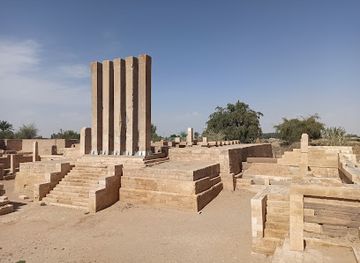
The monumental sanctuaries near Ma'rib provide some of the clearest evidence of Sabaean religious and civic life. Awam, often called Mahram Bilqis, was a major temple associated with the god Almaqah and was surrounded by substantial walls and inscriptions. The Bar'an Temple, known for its prominent columns, formed another important ceremonial centre. These sites reveal distinctive South Arabian architectural traditions and the role of temples in organising ritual, authority and collective identity. Their remains are among Yemen's most significant pre-Islamic archaeological monuments.
Trade, Water and the Transformation of Saba
Over time, changes in trade routes, political competition, maintenance problems and the wider reorganisation of power in southern Arabia weakened Ma'rib's position. Irrigation remained important, but the old Sabaean system no longer sustained the same level of political centrality. Communities connected with the Ma'rib area participated in wider movements of settlement across Arabia, while neighbouring kingdoms and later powers contested control of the region. The archaeological record reflects a gradual shift from the world of the ancient Sabaean kingdom towards the political and religious landscape of late antiquity.
Islamic and Tribal Histories
Ma'rib continued to matter after the rise of Islam because its valley, wells, settlements and routes connected Yemen's interior with the desert fringe. Islamic-era communities developed within a social landscape shaped by tribal affiliations, farming and pastoral movement. The region's ancient remains were incorporated into a broader local memory in which Saba and the Queen of Sheba retained powerful cultural significance. Political authority in central and eastern Yemen was often negotiated through local tribal structures, making Ma'rib's history different from that of the coastal ports and highland capitals.
Oil, Gas and Modern Strategic Importance
In the twentieth century, Ma'rib gained new strategic importance through the development of oil and gas resources and associated roads, pipelines and energy facilities. Modern infrastructure altered the region's economic connections but also made it significant in national power struggles. Conflict since 2014 has brought military confrontation, displacement and severe pressure on public services. The governorate has hosted large numbers of people displaced from elsewhere in Yemen, while control of the city, energy assets and transport corridors has carried importance far beyond the ancient archaeological zone.
Ma'rib in Photos
Browse through our photo collection highlighting the charm and character of the destination.
Neighbouring regions of Ma'rib
The closest regions to Ma'rib, if you have time for more than one.
-

-

-

-

-


Swipe for more regions
Explore more

Explore more of Yemen
Discover Yemen: An ancient land of rich history, stunning landscapes, and warm hospitality, offering a unique travel experience off the beaten path.
Explore Yemen