

Free Lahij Travel Guide & Mobile App
Explore Lahij with free travel guides. Discover regional history, expert tips, proposed trips, and audio guides on web or mobile app.


Lahij offers Yemen’s southern valley landscapes, sultanate history and distinctive musical heritage north of Aden, subject to severe security restrictions.
Read more about Lahij
When is the best time to visit Lahij?
Best: December–February · 23–25°C| Month | High (°C) | Rainfall (mm) |
|---|---|---|
| January (best) | 23 | 5 |
| February (best) | 25 | 6 |
| March | 29 | 8 |
| April | 32 | 10 |
| May | 36 | 12 |
| June | 39 | 15 |
| July | 40 | 18 |
| August | 40 | 15 |
| September | 37 | 12 |
| October | 34 | 8 |
| November | 29 | 6 |
| December (best) | 24 | 5 |
Getting to and around Lahij
How to get there
Transportation
Top city travel guides in Lahij
The cities of Lahij, and the easiest places to base yourself.
-

-


Swipe for more cities
Destinations in Lahij
Resorts, valleys and scenic spots worth a trip of their own.

Swipe for more destinations
Best attractions in Lahij
-
Tourist attraction
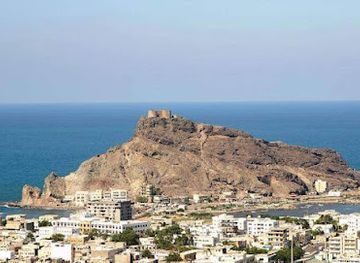
Seera Castle
Discover the historic Seera Castle in Aden, Yemen, a stunning fortress with breathtaking views and rich cultural heritage.
-
Historical landmark
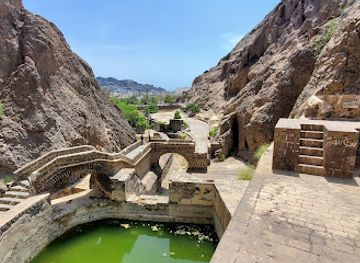
Alsahareej (Water Tanks)
Explore the Alsahareej Water Tanks in Aden, Yemen, an ancient marvel showcasing historic engineering and cultural significance.
-
Theme park
Fun City Park
Explore the excitement of Fun City Park in Aden, where thrilling rides and beautiful green spaces create unforgettable memories.
-
Park
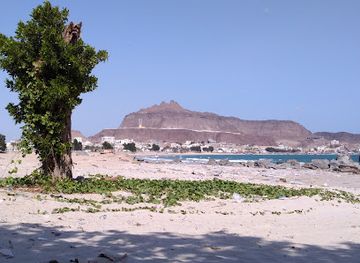
Tiger's Hill Coast
Explore the tranquil beauty of Tiger's Hill Coast, a serene park in Little Aden, Yemen, perfect for relaxation and stunning coastal views.
Best landmarks in Lahij
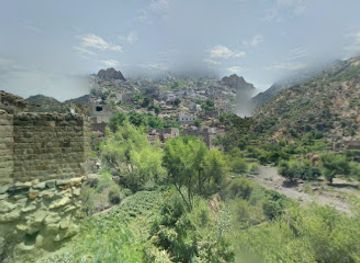
The most significant landmark character in Lahij is concentrated around Al Hawtah and the historic Tuban valley, where the former political importance of the Abdali sultanate is reflected in the town’s association with local administration, court culture and irrigated gardens. Rather than a single universally accessible monument, Lahij’s built heritage consists of traditional urban fabric, religious buildings, older residences and agricultural features whose condition and accessibility vary considerably. The Tuban valley itself is a geographical landmark: its cultivated corridor and palms contrast sharply with the arid terrain beyond it and demonstrate how water management shaped settlement in southern Yemen. Towards the governorate’s coastal side, Ras al-Ara provides a different landmark landscape of dry shorelines and open maritime country. Access to all such places must be assessed locally, since damaged structures, military restrictions, road closures and unexploded ordnance may affect apparently ordinary sites. Lahij’s landmarks are therefore important as expressions of regional history and environment, but they should not be treated as an unrestricted heritage itinerary.
-
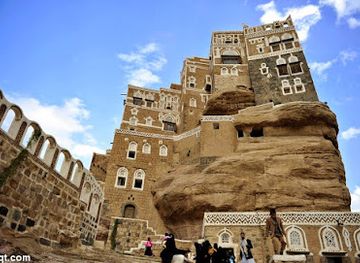
Dar AlHajar
Discover the architectural brilliance and historical significance of Dar AlHajar, Yemen's majestic Rock Palace, nestled in stunning mountainous landscapes.
-
Bab Musa
Explore Bab Musa in Taizz, Yemen - a historical landmark that unveils the beauty and culture of Yemen's rich heritage.
-
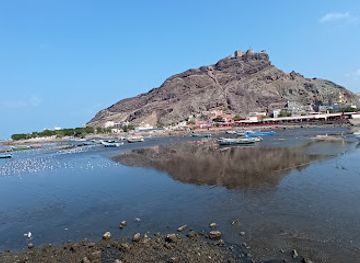
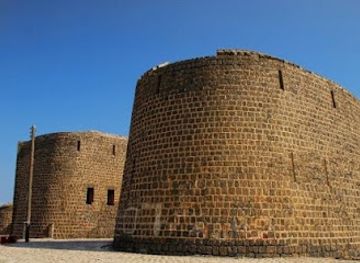
Seera Castle
Explore Seera Castle in Aden, Yemen: a stunning fortress with breathtaking views and rich historical significance, perfect for every traveler.
-
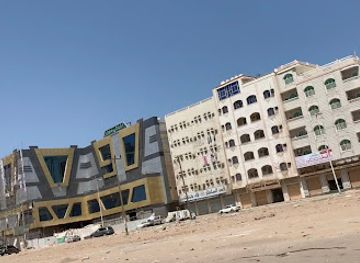
Ninety mall
Explore Ninety Mall in Shaykh Uthman, Yemen - a shopping paradise offering diverse retail, dining, and entertainment experiences for tourists.

Explore Lahij on the map
Plan your trip on one map. See where the top cities, national parks and sights are, and book hotels and experiences in a few clicks.
Best hotels in Lahij
Best restaurants in Lahij
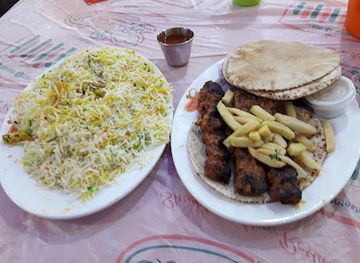
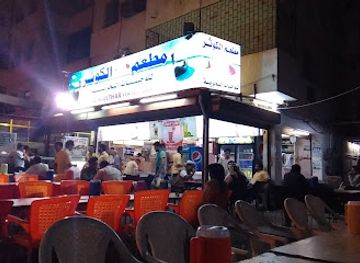
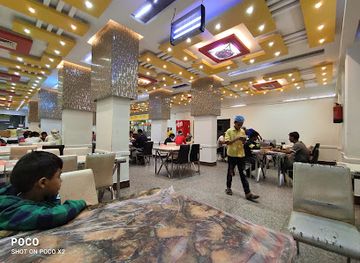
Lahij’s food culture is part of southern Yemen’s broader culinary tradition and is most visible in domestic kitchens, local markets and simple eateries rather than a developed tourist restaurant sector. Meals commonly centre on rice, bread, beans, lentils, vegetables and spiced meat, with saltah and other Yemeni dishes available according to local supply. In the Tuban valley, dates, fruit and agricultural produce reflect the importance of irrigated farming, while fish may be more relevant towards the coast. Tea and strong coffee are customary refreshments, and sharing food is an important part of hospitality, although visitors should follow local guidance about where and with whom to eat. Supply chains can be disrupted by conflict, fuel shortages and road closures, so menus and ingredients are unpredictable. Travellers should carry safe drinking water and essential dietary supplies, avoid assuming that refrigeration or hygiene standards are consistent, and use only food arrangements recommended by trusted local contacts.
-
مطاعم شواطئ عدن السياحية - Shawati Aden Tourist Restaurant
Discover Yemen's culinary treasures at Shawati Aden Tourist Restaurant – where every meal tells a story!
-
Al Marasim Restaurants
Experience authentic Yemeni cuisine at Al Marasim Restaurants in Aden - where tradition meets flavor.
-
Kawthar Restaurant Food Marine
Experience authentic Yemeni seafood at Kawthar Restaurant Food Marine in Aden – where every dish tells a story of local tradition.
-
Halab Tourist Restaurant
Experience the essence of Yemeni cuisine at Halab Tourist Restaurant in Aden, where every dish tells a story.

Best bars in Lahij
Lahij has no conventional bar or nightclub scene. Yemen is a predominantly Muslim country, alcohol is socially and legally sensitive, and evening life is generally organised around family visits, tea, coffee, conversation, poetry and local cultural gatherings rather than commercial nightlife. In Al Hawtah, Lahiji musical and poetic traditions form a more meaningful part of the region’s cultural identity than late-night entertainment, but public events and private gatherings depend on local circumstances and should not be approached without an introduction. Rural communities become quiet after dark, and security conditions make night movement particularly hazardous. Visitors should return to secure accommodation before nightfall, avoid drawing attention in public and never assume that a social gathering is open to outsiders. Any cultural visit should be arranged discreetly and respectfully through trusted local contacts.
-
 Bar
Barقاعة الأمل للافراح والمناسبات
Experience unforgettable celebrations at قاعة الأمل للافراح والمناسبات in Shaykh Uthman, where tradition meets elegance for every special occasion.
-
Bar
نبات الأرض
Immerse yourself in the vibrant atmosphere of نبات الأرض, a lively bar in الفيوش, Yemen, perfect for socializing and unwinding.
-
Bar
محلات الهيال التجارية
Experience the heart of Shaykh Uthman at محلات الهيال التجارية, a vibrant bar offering local drinks and a welcoming atmosphere for all travelers.
-
Bar
مجمع بن حميد
Experience the vibrant nightlife of العند at مجمع بن حميد, where local flavors and warm hospitality come together.
Best nightclubs in Lahij
Lahij has no conventional bar or nightclub scene. Yemen is a predominantly Muslim country, alcohol is socially and legally sensitive, and evening life is generally organised around family visits, tea, coffee, conversation, poetry and local cultural gatherings rather than commercial nightlife. In Al Hawtah, Lahiji musical and poetic traditions form a more meaningful part of the region’s cultural identity than late-night entertainment, but public events and private gatherings depend on local circumstances and should not be approached without an introduction. Rural communities become quiet after dark, and security conditions make night movement particularly hazardous. Visitors should return to secure accommodation before nightfall, avoid drawing attention in public and never assume that a social gathering is open to outsiders. Any cultural visit should be arranged discreetly and respectfully through trusted local contacts.
-
Hawaii Entertainment Club
Discover the vibrant Hawaii Entertainment Club in Sana'a, where coffee meets community, and fun knows no bounds.
-
Night club
نادي الرباط الثقافي
Experience the dynamic nightlife of Yemen at نادي الرباط الثقافي, where music, dance, and cultural vibes come together for an unforgettable evening.
-
Night club
ياسين العبدلي
Experience the vibrant nightlife at Yasine Al-Abdali in Mawei, Yemen, where culture meets modern entertainment in a lively atmosphere.
-
Night club
مجلس الشباب
Discover the tranquil ambiance of مجلس الشباب, Al Ghaydah's premier lounge for relaxation and cultural immersion.


Best shops in Lahij
Shopping in Lahij is primarily local and practical, centred on markets and small-scale traders in Al Hawtah and other settlements rather than formal tourism retail. Visitors may encounter dates, seasonal produce, spices, bread, tea, coffee and household goods linked to the agricultural economy of the Tuban valley. Traditional clothing, woven items, jewellery and locally made crafts may be available through personal networks, but supply, quality and provenance vary, and independent browsing can be difficult in insecure conditions. Lahiji music and poetry are important cultural expressions, although recordings, books and craft items should be obtained lawfully and with local guidance. Do not purchase antiquities, archaeological objects, weapons or items whose origins are unclear; Yemen’s heritage has been vulnerable to looting and illicit trade. Cash is essential, prices may be negotiable in markets and shops may close without notice because of shortages, conflict or transport disruption.
-
Shopping mall
Aden Mall
Discover a shopping haven in Aden Mall, featuring a blend of local and international brands, dining delights, and vibrant atmosphere for all ages.
-
General store
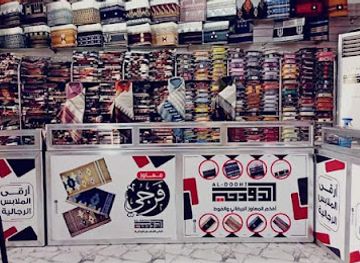
Aldodha Center General Trading
Explore local culture at Aldodha Center General Trading in Lahij, Yemen - your go-to shop for unique local products and friendly service.
-
Mattress store
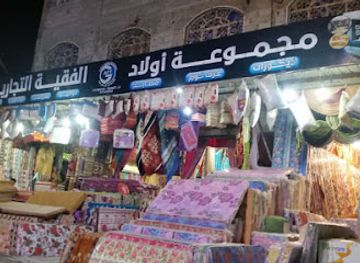
Shops Abdullah Ali Abdu al-Faqih
Explore quality mattresses at Shops Abdullah Ali Abdu al-Faqih in Lahij, Yemen, blending comfort with local craftsmanship for a restful night.
-
محلات الهبس التجارية
Explore محلات الهبس التجارية, the vibrant supermarket in Al Bahiyah, Yemen, where local products meet cultural richness for an unforgettable shopping experience.

Get your free copy of our complete guide to Lahij, delivered straight to you.
Everything on this page, from attractions and restaurants to essentials and local phrases, in one PDF you can read offline, print or share.
Already have an account? Sign in
Your Lahij guide is ready.
We'll send it to · Not you? Sign out

Getting your guide ready…
We are putting together a fresh copy of the Lahij guide. This can take up to a minute.
This can take a few moments. If your browser asks, choose Allow so the download can start. You'll find the guide in your Downloads folder.
Nothing happened? Download it again
Sorry, the guide is taking longer than usual. Please try again in a minute, or get it by email instead.
Lahij essentials
Currency and Payment
Safety
Emergency Situations
Do's and Don'ts
Local Tips
From Eve
Local phrases worth knowing
You don't need to get them perfect. A few words go a long way, and locals appreciate the effort.
Basics
| English | Local | Say it |
|---|---|---|
| Hello | مرحبا | [Marhaban] |
| Goodbye | وداعا | [Wada'an] |
| Yes | نعم | [Na'am] |
| No | لا | [La] |
| Please/You’re welcome | من فضلك | [Min fadlak] |
| Thank you | شكرا | [Shukran] |
| Excuse me/Sorry | عذرًا | [Udhuran] |
| How are you? | كيف حالك؟ | [Kayfa halak?] |
| Fine. And you? | بخير. وأنت؟ | [Bikhayr. Wa anta?] |
| Do you speak English? | هل تتحدث الإنجليزية؟ | [Hal tatahaddath al-ingliziyya?] |
| I don't understand | لا أفهم | [La afham] |
Eating & Drinking
| English | Local | Say it |
|---|---|---|
| I’d like to see the menu, please | أود رؤية القائمة، من فضلك | [Awad ru'yat al-qaimah, min fadlak] |
| I don't eat meat | لا أتناول اللحم | [La atanaawil al-lahm] |
| Cheers! | صحتين | [Sahteen] |
| I would like to pay, please | أود الدفع، من فضلك | [Awad ad-daf', min fadlak] |
Emergencies
| English | Local | Say it |
|---|---|---|
| Help! | نجدة! | [Najdah!] |
| Go away! | اخرج! | [Ukhruj!] |
| Call the Police! | اتصل بالشرطة! | [Ittasil bil-shurta!] |
| Call a doctor! | اتصل بطبيب! | [Ittasil bi-tabib!] |
| I’m lost | أنا ضائع | [Ana da'i'] |
| I’m ill | أنا مريض | [Ana marid] |
Shopping
| English | Local | Say it |
|---|---|---|
| I’d like to buy... | أود شراء... | [Awad shiraa...] |
| I’m just looking | أنا فقط أتصفح | [Ana faqat atasaaf] |
| How much is it? | كم ثمنه؟ | [Kam thamanuh?] |
| That’s too expensive | هذا غالي جدا | [Hatha ghaly jidan] |
| Can you lower the price? | هل يمكنك تخفيض السعر؟ | [Hal yumkinuka takhfid as-si'r?] |
Time & Numbers
| English | Local | Say it |
|---|---|---|
| What time is it? | كم الساعة؟ | [Kam as-saa'ah?] |
| It’s one o'clock | الساعة واحدة | [As-saa'ah wahidah] |
| Half past (10) | نصف الساعة (10) | [Nisf as-saa'ah (10)] |
| Morning | صباح | [Sabah] |
| Afternoon | بعد الظهر | [Ba'd al-dhuhr] |
| Evening | مساء | [Masa'] |
| Yesterday | أمس | [Ams] |
| Today | اليوم | [Al-yawm] |
| Tomorrow | غدا | [Ghadan] |
| 1 | واحد | [Wahid] |
| 2 | اثنان | [Ithnan] |
| 3 | ثلاثة | [Thalathah] |
| 4 | أربعة | [Arba'ah] |
| 5 | خمسة | [Khamsah] |
| 6 | ستة | [Sittah] |
| 7 | سبعة | [Sab'ah] |
| 8 | ثمانية | [Thamaniyah] |
| 9 | تسعة | [Tis'ah] |
| 10 | عشرة | [Asharah] |
Transport & Directions
| English | Local | Say it |
|---|---|---|
| Where's a/the...? | أين يوجد...؟ | [Ayn yujad...?] |
| What’s the address? | ما هو العنوان؟ | [Ma huwa al-'unwan?] |
| Can you show me (on the map)? | هل يمكنك إظهار (على الخريطة)؟ | [Hal yumkinuka izhar (ala al-kharita)?] |
| When's the next (bus)? | متى يصل (الباص) التالي؟ | [Mata yasl (al-bas) at-tali?] |
| A ticket (to ....) | تذكرة (إلى ....) | [Tadhkirah (ila ....)] |
History of Lahij
Ancient Settlement and Irrigated Agriculture
The lowlands of Lahij have long supported settlement through the cultivation of land around seasonal watercourses, especially in the Tuban valley. Irrigation, wells, date palms and orchard farming allowed communities to live in an otherwise dry environment and connected the area to wider southern Arabian trade routes. The surviving agricultural landscape is the result of many generations of water management rather than a single ancient construction programme. Archaeological remains and historic settlement patterns in southern Yemen reflect the wider development of complex societies between the highlands, inland valleys and the Red Sea approaches.
Medieval Southern Arabian Networks
During the medieval period, the area that later became Lahij formed part of a changing political and commercial landscape linking the Yemeni interior with Aden and the southern coast. Authority was often divided among local rulers and regional powers, while caravan movement, agriculture and access to water shaped the importance of individual settlements. Islam became central to public and cultural life, with mosques, learned traditions and customary systems developing across the region. Lahij’s later prominence grew from this combination of fertile lowland resources and its position near the major port of Aden.
The Abdali Sultanate and Lahij
Lahij became the seat of the Abdali sultanate, a local dynasty that governed the town and surrounding territory for several centuries. The sultanate’s authority depended on relationships with tribal communities, agricultural settlements and the strategically important neighbouring port of Aden. Al Hawtah developed as a centre of administration and court culture, and Lahij acquired a reputation for poetry, music and cultivated gardens. The political boundaries and degree of control varied over time, but the sultanate remains fundamental to the region’s historical identity.
Ottoman and British Influence
Ottoman power and British expansion altered the political setting of Lahij during the nineteenth and early twentieth centuries. Aden became a British possession in 1839, while Lahij remained under its own sultanate but increasingly operated within Britain’s strategic sphere in southern Arabia. Treaties, military pressure and frontier arrangements tied the Abdali rulers more closely to British Aden. This period strengthened Lahij’s links with the port while also making the town part of a wider imperial contest involving the Ottoman Empire, local rulers and British interests.
The End of the Sultanate and South Yemen
The political order of Lahij changed decisively during the anti-colonial movements of the 1950s and 1960s. The British withdrawal from Aden and the establishment of the People’s Republic of South Yemen in 1967 brought the Abdali sultanate to an end. Land, administration and political power were reorganised under a socialist state, and traditional ruling institutions lost their formal authority. Lahij subsequently became part of the southern Yemeni state and, after the 1990 unification of North and South Yemen, a governorate of the Republic of Yemen.
Conflict, Displacement and Contemporary Lahij
Lahij has been affected by the political crises and armed conflicts that have shaped Yemen since 2011, including fighting connected with the wider war that escalated in 2015. Its proximity to Aden and important transport corridors has given the governorate strategic significance, while several communities have experienced displacement, damaged infrastructure and economic hardship. Local conditions differ from district to district and can change rapidly. Contemporary Lahij is therefore defined not only by its sultanate heritage and agricultural traditions but also by the resilience of communities coping with prolonged insecurity.
Lahij in Photos
Browse through our photo collection highlighting the charm and character of the destination.
Neighbouring regions of Lahij
The closest regions to Lahij, if you have time for more than one.
-

-

-

-

-


Swipe for more regions

