

Free Shabwah Travel Guide & Mobile App
Explore Shabwah with free travel guides. Discover regional history, expert tips, proposed trips, and audio guides on web or mobile app.


Explore Shabwah through Yemen’s ancient Qatabanian heritage, desert valleys and Gulf of Aden coast, subject to stringent security restrictions.
Read more about Shabwah
When is the best time to visit Shabwah?
Best: February–March, November · 23–27°C| Month | High (°C) | Rainfall (mm) |
|---|---|---|
| January | 22 | 2 |
| February (best) | 23 | 2 |
| March (best) | 27 | 3 |
| April | 30 | 4 |
| May | 33 | 3 |
| June | 35 | 2 |
| July | 36 | 3 |
| August | 35 | 3 |
| September | 34 | 2 |
| October | 31 | 2 |
| November (best) | 27 | 2 |
| December | 22 | 2 |
Getting to and around Shabwah
How to get there
Transportation
Top city travel guides in Shabwah
The cities of Shabwah, and the easiest places to base yourself.

Swipe for more cities
Best attractions in Shabwah
-
Open air museum
نافورة الميدان Dhamar Time Square
Discover the rich cultural heritage of Yemen at Dhamar Time Square, an enchanting open-air museum filled with history, art, and lively local culture.
Best landmarks in Shabwah
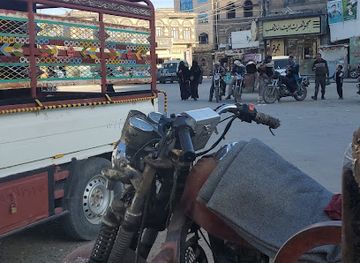
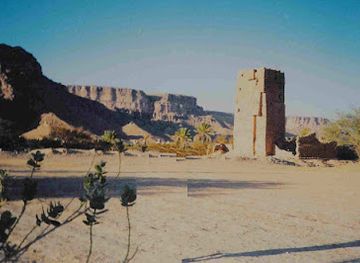
The most significant landmarks in Shabwah are the archaeological remains that record the region’s ancient political and commercial importance. Timna, identified with the Qatabanian capital, is associated with monumental ruins, funerary remains and inscriptions that reveal the organisation of one of southern Arabia’s major incense-trading kingdoms. The ancient port of Qana on the Gulf of Aden coast is an equally important landmark because it connected inland caravan routes with maritime commerce across the Red Sea and Indian Ocean approaches. Ataq’s role as the modern governorate capital is visible through its administrative buildings, markets and strategic position among inland routes, although it lacks the concentrated historic townscape of Yemen’s better-known heritage cities. The coast around Bir Ali forms a natural landmark through its combination of beaches, dark volcanic terrain and open sea. These places are historically and geographically important, but their condition, accessibility and security cannot be presumed; archaeological or professional authorisation is essential.
-
Historical landmark
حصن المخادرة ال حيدره (حصن عيزر)
Discover the ancient Al-Mukhaderah Fortress, a timeless jewel in Yemen's historical landscape, offering breathtaking views and rich cultural heritage.
-
 Historical landmark
حسوه اللبيب
Explore حسوه اللبيب, a stunning historical landmark in Al Huwaymi, Yemen, and immerse yourself in the rich cultural heritage of this remarkable destination.
-
Historical landmark
حصاة الدولة
Discover the historical marvel of حصة الدولة in Yemen, a captivating landmark that reflects the rich heritage and culture of the region.
Explore Shabwah on the map
Plan your trip on one map. See where the top cities, national parks and sights are, and book hotels and experiences in a few clicks.
Best hotels in Shabwah
Best restaurants in Shabwah
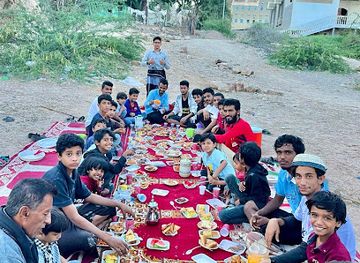
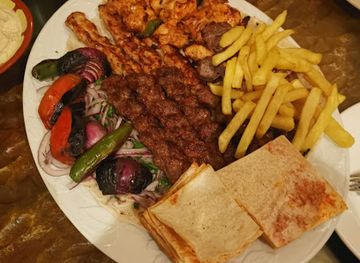
Shabwah’s food culture is rooted in Yemeni home cooking, roadside meals and market provisions rather than a formal restaurant industry aimed at international visitors. Rice dishes served with meat, chicken or fish, flatbreads, beans, lentils, yoghurt, dates and spiced sauces are common elements of the wider southern Yemeni table, with seafood more relevant along the Gulf of Aden coast. In inland communities, meals reflect available grains, livestock, dates and seasonal produce, while coastal settlements draw on local fishing. Tea and heavily spiced coffee are part of everyday hospitality, though preparation and terminology vary between households. Ataq is the most likely place to find basic eateries and food markets, but standards, supplies, opening arrangements and hygiene conditions cannot be assumed. Travellers requiring professional access should bring medically appropriate food and water provisions, follow local advice, and avoid presenting national Yemeni dishes as exclusive to Shabwah.
-
Chandler Muriel Bing
Discover the unique blend of flavors at Chandler Muriel Bing, Yemen's favorite café offering tea house delights and exquisite unagi dishes.
-
Restaurant
Shibam Hadramout Tourist Restaurant
Experience authentic Yemeni cuisine at Shibam Hadramout Tourist Restaurant in Ataq - where every meal tells a story.
-
Restaurant
Yemen Restaurant
Discover the rich flavors of Yemeni cuisine at Yemen Restaurant in 'Azzan—an authentic dining experience steeped in tradition.

Best bars in Shabwah
Shabwah has no conventional international nightlife scene, and alcohol is not part of ordinary public entertainment in Yemen. Evening social life generally centres on family gatherings, tea, coffee, conversation and modest restaurants or cafés where these are available. In Ataq and other larger settlements, informal cafés and local meeting places may provide limited evening activity, while coastal communities have a quieter rhythm connected with fishing and daily work. Rural areas have few organised venues and may become very quiet after dark. Security restrictions, electricity interruptions, curfews, checkpoints and the wider conflict make evening movement particularly risky. Visitors on essential travel should not move between towns at night or seek nightlife independently; any social arrangements should be made through trusted local contacts and within an approved security plan.
-
Chandler Muriel Bing
Discover the vibrant flavors of Chandler Muriel Bing, a cafe in Yemen City where tea, unagi, and a relaxed atmosphere await your arrival.
-
Bar
قآرة ال حنم
Experience the vibrant local culture at قآرة ال حنم, a cozy bar in Jardan District, perfect for unwinding with friends and enjoying traditional Yemeni drinks.
-
Bar
عقبة حروبه
Experience the essence of Yemen's nightlife at عقبة حروبه, a vibrant bar in عنق offering a unique blend of local and international drinks.
-
Bar
ورشةالتميمي واخونه
Discover the vibrant local culture and unwind at ورشةالتميمي واخونه, Alsowm's premier bar for tourists seeking a taste of Yemen.

Best nightclubs in Shabwah
Shabwah has no conventional international nightlife scene, and alcohol is not part of ordinary public entertainment in Yemen. Evening social life generally centres on family gatherings, tea, coffee, conversation and modest restaurants or cafés where these are available. In Ataq and other larger settlements, informal cafés and local meeting places may provide limited evening activity, while coastal communities have a quieter rhythm connected with fishing and daily work. Rural areas have few organised venues and may become very quiet after dark. Security restrictions, electricity interruptions, curfews, checkpoints and the wider conflict make evening movement particularly risky. Visitors on essential travel should not move between towns at night or seek nightlife independently; any social arrangements should be made through trusted local contacts and within an approved security plan.
-
Night club
ساقية العرق
Dive into the energetic nightlife of Saqiat al-Irq, a premier night club in عرما, Yemen, where music, culture, and dance come alive.
Best shops in Shabwah
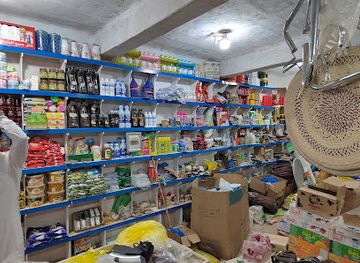
Shopping in Shabwah is primarily practical and local, centred on Ataq’s markets, small shops and district trading areas rather than dedicated tourist retail. Visitors may encounter dates, grains, honey, spices, tea, locally produced foodstuffs, textiles and everyday goods, with the selection varying according to supply routes and security conditions. Coastal markets may reflect fishing communities, while inland trading centres serve agricultural and pastoral districts. Traditional clothing and household items can be culturally significant, but provenance and quality should be discussed respectfully rather than assumed. There is no reliable, developed souvenir industry around the archaeological sites, and purchasing artefacts, inscriptions or antiquities is illegal or deeply damaging to Yemen’s heritage. Cash is normally required, supplies can be unpredictable, and visitors on essential travel should prioritise water, food, medicines and communications equipment over non-essential shopping.
-
Shopping mall
Aden Mall
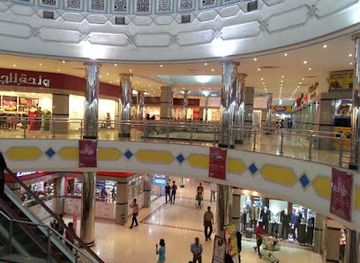
Explore Aden Mall, where shopping meets culture in Yemen, featuring local boutiques, global brands, and delightful dining options.
-
محلات الهجيلة التجارية
Discover the vibrant flavors of Yemen at محلات الهجيلة التجارية, your ultimate supermarket experience in Hawl.
-
Supermarket
Sweet World Supermarket
Experience the vibrant flavors and local goods at Sweet World Supermarket in Hisn al Qa', a perfect stop for every traveler.
-
Coffee shop
الاسطورة للبلية Tawfeeg Alsidr
Discover the rich flavors of Yemeni coffee culture at Tawfeeg Alsidr, a cozy coffee shop in Hisn al Qa’ perfect for relaxation and cultural immersion.
Get your free copy of our complete guide to Shabwah, delivered straight to you.
Everything on this page, from attractions and restaurants to essentials and local phrases, in one PDF you can read offline, print or share.
Already have an account? Sign in
Your Shabwah guide is ready.
We'll send it to · Not you? Sign out

Getting your guide ready…
We are putting together a fresh copy of the Shabwah guide. This can take up to a minute.
This can take a few moments. If your browser asks, choose Allow so the download can start. You'll find the guide in your Downloads folder.
Nothing happened? Download it again
Sorry, the guide is taking longer than usual. Please try again in a minute, or get it by email instead.
Shabwah essentials
Currency and Payment
Safety
Emergency Situations
Do's and Don'ts
Local Tips
From Eve
Local phrases worth knowing
You don't need to get them perfect. A few words go a long way, and locals appreciate the effort.
Basics
| English | Local | Say it |
|---|---|---|
| Hello | مرحبا | [Marhaban] |
| Goodbye | وداعا | [Wada'an] |
| Yes | نعم | [Na'am] |
| No | لا | [La] |
| Please/You're welcome | من فضلك | [Min fadlak] |
| Thank you | شكرا | [Shukran] |
| Excuse me/Sorry | عفوا | [Afwan] |
| How are you? | كيف حالك؟ | [Kayfa halak?] |
| Fine. And you? | بخير. وأنت؟ | [Bikhayr. Wa anta?] |
| Do you speak English? | هل تتحدث الإنجليزية؟ | [Hal tatahaddath al-ingliziya?] |
| I don't understand | لا أفهم | [La afham] |
Eating & Drinking
| English | Local | Say it |
|---|---|---|
| I'd like to see the menu, please | أود رؤية القائمة، من فضلك | [Awad ru'yat al-qa'ima, min fadlak] |
| I don't eat meat | لا آكل اللحم | [La akul al-lahm] |
| Cheers! | في صحتك! | [Fi sihtak!] |
| I would like to pay, please | أود الدفع، من فضلك | [Awad al-daf', min fadlak] |
Emergencies
| English | Local | Say it |
|---|---|---|
| Help! | نجدة! | [Najda!] |
| Go away! | ابتعد! | [Ibt'id!] |
| Call the Police! | اتصل بالشرطة! | [Ittasil bil-shurtah!] |
| Call a doctor! | اتصل بطبيب! | [Ittasil bi-tabeeb!] |
| I'm lost | أنا ضائع | [Ana da'i'] |
| I'm ill | أنا مريض | [Ana marid] |
Shopping
| English | Local | Say it |
|---|---|---|
| I'd like to buy... | أود شراء... | [Awad shira'] |
| I'm just looking | أنا فقط أنظر | [Ana faqat anzur] |
| How much is it? | كم ثمنه؟ | [Kam thamanu?] |
| That's too expensive | هذا مكلف جدا | [Hatha mukallif jidan] |
| Can you lower the price? | هل يمكنك تخفيض السعر؟ | [Hal yumkinuka takhfid al-si'r?] |
Time & Numbers
| English | Local | Say it |
|---|---|---|
| What time is it? | كم الساعة؟ | [Kam al-saa'a?] |
| It's one o'clock | الساعة واحدة | [Al-saa'a wahida] |
| Half past (10) | العاشرة والنصف | [Al-'ashira wa al-nisf] |
| Morning | صباحا | [Sabahan] |
| Afternoon | بعد الظهر | [Ba'd al-zhuhr] |
| Evening | مساء | [Masa'a] |
| Yesterday | أمس | [Ams] |
| Today | اليوم | [Al-yawm] |
| Tomorrow | غدا | [Ghadan] |
| 1 | واحد | [Wahid] |
| 2 | اثنان | [Ithnan] |
| 3 | ثلاثة | [Thalatha] |
| 4 | أربعة | [Arba'a] |
| 5 | خمسة | [Khamsa] |
| 6 | ستة | [Sitta] |
| 7 | سبعة | [Sab'a] |
| 8 | ثمانية | [Thamaniya] |
| 9 | تسعة | [Tis'a] |
| 10 | عشرة | [Ashara] |
Transport & Directions
| English | Local | Say it |
|---|---|---|
| Where's a/the...? | أين ...؟ | [Ayn ...?] |
| What's the address? | ما هو العنوان؟ | [Ma huwa al-'unwan?] |
| Can you show me (on the map)? | هل يمكنك أن تريني (على الخريطة)؟ | [Hal yumkinuka an turini (ala al-kharita)?] |
| When's the next (bus)? | متى يأتي (الباص) التالي؟ | [Mata ya'ti (al-bas) al-tali?] |
| A ticket (to ...) | تذكرة (إلى ...) | [Tadhkira (ila ...)] |
History of Shabwah
Early South Arabian Settlement and Irrigation
Shabwah’s history developed around seasonal wadis, wells and caravan routes crossing the southern Arabian Peninsula. Communities learned to cultivate limited arable land in an exceptionally dry environment, while pastoral groups moved between water sources and grazing areas. The region’s position between the interior highlands, Hadramawt and the Gulf of Aden encouraged exchange long before the appearance of written kingdoms. Archaeological remains in Shabwah include settlements, cemeteries and agricultural traces that illustrate how water management and long-distance movement shaped life in the interior.
The Qatabanian Kingdom
From roughly the first millennium BCE into the early centuries CE, much of modern Shabwah formed the core of the Qatabanian kingdom. Its rulers controlled caravan routes and profited from the trade in frankincense, myrrh and other valuable aromatics. Timna, associated with the Qatabanian capital, developed as a ceremonial and political centre with monumental architecture, inscriptions and tombs. The kingdom’s influence reached well beyond the region, linking southern Arabia to commercial networks across the Red Sea and the wider ancient world.
Qana and Maritime Trade
Qana, on Shabwah’s southern coast, functioned as an important port for the inland kingdoms of ancient South Arabia. Goods arriving by sea could be connected with caravan routes leading towards the interior, while aromatics and other products moved in the opposite direction towards maritime markets. The port’s remains help explain the relationship between Shabwah’s desert capitals and the Gulf of Aden. Its archaeological importance lies not only in individual ruins but also in the evidence of an integrated land-and-sea trading system.
The Himyarite and Early Islamic Eras
As political power shifted among the kingdoms of southern Arabia, Shabwah became part of wider struggles involving the Himyarites and neighbouring regional powers. The decline of the great incense economies altered the importance of older caravan centres, but settlement, agriculture and local political authority continued. With the spread of Islam, the region was incorporated into the religious and political history of Yemen. Mosques, Islamic burial places and the continuing importance of customary law reflect layers of change rather than a complete break with earlier social structures.
Medieval and Early Modern Regional Rule
For much of the medieval and early modern period, Shabwah was governed through shifting local alliances, tribal authorities and wider Yemeni or Hadrami powers. Its valleys and routes remained strategically significant because they connected inland settlements with the coast and neighbouring regions. Political control was often uneven, and authority depended on negotiated relationships as much as on permanent administration. This history helps explain the continuing importance of tribal affiliation, local mediation and customary practice in the region’s social and political life.
British Aden and the Modern Borderlands
During the nineteenth and twentieth centuries, Britain’s control of Aden affected the southern Yemeni coast and its surrounding hinterland, while inland areas retained different forms of local authority. Shabwah consequently occupied a borderland between coastal interests, interior tribal politics and the changing states of South Yemen. After the establishment of the People’s Democratic Republic of Yemen in 1967 and later Yemeni unification in 1990, the region was administered within the modern republic. Oil and gas development subsequently added a major strategic and economic dimension.
Conflict and Fragmented Administration
Since Yemen’s wider political crisis intensified in the 2010s, Shabwah has experienced changing control, armed confrontations and competing security arrangements. Energy infrastructure, roads and administrative centres have gained strategic importance, while civilians have faced displacement, economic pressure, restricted movement and weakened public services. The effects differ between districts and change over time. Contemporary Shabwah therefore cannot be understood only through its archaeological past: conflict, humanitarian conditions and contested governance directly shape access to communities and heritage sites.
Shabwah in Photos
Browse through our photo collection highlighting the charm and character of the destination.
Neighbouring regions of Shabwah
The closest regions to Shabwah, if you have time for more than one.
-

-

-

-

-


Swipe for more regions
Explore more

Explore more of Yemen
Discover Yemen: An ancient land of rich history, stunning landscapes, and warm hospitality, offering a unique travel experience off the beaten path.
Explore Yemen