

Free Al Dhale'e Travel Guide & Mobile App
Explore Al Dhale'e with free travel guides. Discover regional history, expert tips, proposed trips, and audio guides on web or mobile app.


Al Dhale'e offers Yemen's mountain landscapes, historic routes, terraced villages and geothermal springs, though current conflict makes travel highly restricted.
Read more about Al Dhale'e
When is the best time to visit Al Dhale'e?
Best: March–April, November · 24–27°C| Month | High (°C) | Rainfall (mm) |
|---|---|---|
| January | 21 | 2 |
| February | 21 | 3 |
| March (best) | 24 | 4 |
| April (best) | 27 | 6 |
| May | 29 | 8 |
| June | 31 | 10 |
| July | 32 | 11 |
| August | 32 | 10 |
| September | 30 | 8 |
| October | 28 | 6 |
| November (best) | 24 | 4 |
| December | 21 | 3 |
Getting to and around Al Dhale'e
How to get there
Transportation
Top city travel guides in Al Dhale'e
The cities of Al Dhale'e, and the easiest places to base yourself.

Swipe for more cities
Best attractions in Al Dhale'e
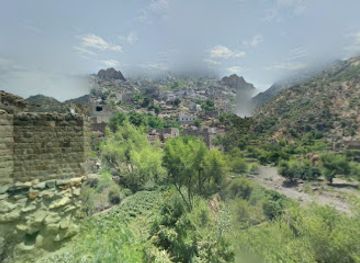
Al Dhale'e's potential attractions are primarily landscape-based and historical rather than organised tourism facilities. Mountain roads reveal terraced slopes, dry valleys, rocky ridges and compact settlements whose stone and mud-brick houses reflect adaptation to a demanding environment. Damt is known for geothermal springs, although access, safety and usable facilities must be confirmed locally. Around Juban, ancient settlement and archaeological associations provide an important link to Yemen's wider South Arabian past, but the sites should not be approached without permission, local expertise and current security advice. Qatabah and Al Dhale'e city offer views of the region's changing urban and rural character, while village mosques, traditional houses, agricultural terraces and market areas illustrate everyday heritage more effectively than a formal museum network. In a stable future, the governorate could support carefully guided cultural, archaeological and mountain itineraries, with an emphasis on local history, water systems, vernacular architecture and responsible access. At present, however, conflict, damaged infrastructure, mines and limited emergency services mean that these attractions are theoretical or highly restricted for international visitors.
-
شعب_الخضري
Explore the captivating landscapes and rich cultural heritage of Shab Al Khazri, a hidden gem in Yemen that promises an unforgettable journey.

Best landmarks in Al Dhale'e
The most recognisable landmarks of Al Dhale'e are associated with its mountain setting, political history and traditional settlements. Al Dhale'e city occupies a strategic highland position on the route between southern Yemen and the interior, making its surrounding ridges and approaches historically important as well as visually prominent. The compact stone and mud-brick architecture of villages and older quarters provides a strong regional identity, while terraced hillsides show how communities have managed cultivation and water over generations. Damt's geothermal springs are a notable natural feature, distinguishing the town from many of the governorate's dry valleys. Juban is significant for its connection with ancient South Arabian settlement and the archaeological history of the region, although remains may be vulnerable and access requires local permission. Former sultanate-era buildings and local administrative structures can also carry historical meaning, but their condition and accessibility should never be assumed. Al Dhale'e's landmarks are therefore best understood as a dispersed cultural landscape rather than a compact circuit of preserved monuments.
-
Dar AlHajar
Explore the stunning Dar AlHajar, a historical Yemeni landmark with breathtaking architecture and rich cultural significance, perfect for all travelers.
-
Castle
Seera Castle
Explore Seera Castle, a historical fortress in Aden, Yemen, offering stunning views and a journey through the rich heritage of the region.
-
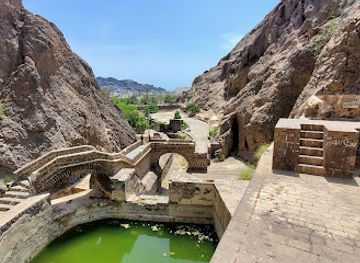
Alsahareej (Water Tanks)
Explore the engineering marvels of Alsahareej Water Tanks, a historical landmark in Aden, Yemen, revealing a rich cultural heritage and stunning architecture.
-
Shoab Beach
Experience the tranquil beauty of Shoab Beach in Qalansiyah, Yemen, where golden sands and azure waters create the ultimate getaway.



Explore Al Dhale'e on the map
Plan your trip on one map. See where the top cities, national parks and sights are, and book hotels and experiences in a few clicks.
Best hotels in Al Dhale'e
Best restaurants in Al Dhale'e
Al Dhale'e's food culture belongs to Yemen's wider highland tradition, with meals shaped by grains, pulses, vegetables, herbs and locally available meat. Salta, a hot stew served with fenugreek foam and traditionally eaten with bread, is associated with Yemeni cuisine nationally, while fahsa, breads such as malooga and fresh accompaniments may appear in local eating places where supplies permit. Rice and meat dishes are also common for larger gatherings, and tea is an important everyday drink. In rural areas, food is more likely to be prepared in homes or small informal eateries than in established restaurants. Markets may provide seasonal produce, flatbreads and simple cooked meals, but availability changes with fuel shortages, transport disruption and conflict. Visitors should not expect a developed dining scene, dependable refrigeration or consistent opening arrangements. Any authorised visit should carry suitable provisions and rely on trusted local arrangements rather than spontaneous restaurant recommendations.
-
Yemenite
The Yemeni Village
Discover authentic Yemenite cuisine at The Yemeni Village in Jeddah - a culinary gem offering delicious breakfast options in a warm setting.
-
Restaurant
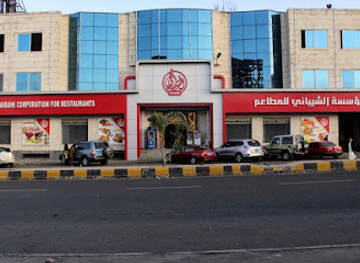
Alshaibany corporation for restaurants
Experience authentic Yemeni cuisine and diverse international dishes at Alshaibany Corporation for Restaurants in Sana'a.
-
Restaurant
Saraya Restaurant
Discover authentic Yemeni cuisine at Saraya Restaurant in Al Hudaydah - where every dish tells a story of tradition and flavor.
-
Yemenite
Royal restaurant
Discover the essence of Yemeni cuisine at Royal Restaurant in Sana'a – a culinary gem offering traditional dishes in a warm atmosphere.



Best bars in Al Dhale'e
Al Dhale'e does not have a conventional bar or nightclub scene. Yemen is a conservative, predominantly Muslim country, and alcohol is not part of ordinary public social life. Evening activity traditionally centres on family visits, tea, conversation, local markets and informal gatherings, with larger towns providing more public movement than isolated villages. In Al Dhale'e, conflict-related restrictions, electricity shortages, curfews and security concerns further limit nightlife and make movement after dark particularly inadvisable. Visitors should not seek alcohol or nightlife venues, and should respect household privacy and local religious practice. If conditions ever permit carefully managed cultural travel, the more appropriate evening experiences would be quiet meals, conversations arranged through trusted hosts and observation of ordinary town life from secure accommodation, rather than entertainment districts or late-night excursions.
-
Chandler Muriel Bing
Discover the cozy charm of Chandler Muriel Bing in Yemen City, where exceptional teas and unagi dishes await in a relaxing café setting.
-
Barari Alyemen
Discover the cozy ambiance of Barari Alyemen, a premier hookah bar in Sana'a, where tradition meets relaxation and flavors unite.
-
Beer Garden
شعير طعم ياعم
Discover the vibrant atmosphere and creative cocktails at شعير طعم ياعم, Al Qa'idah's premier cocktail bar.
-
Beer Garden
منتزة الشيوخ
Discover the vibrant atmosphere of منتزة الشيوخ, a premier hookah bar in Sana'a, Yemen, perfect for relaxation and cultural immersion.



Best nightclubs in Al Dhale'e
Al Dhale'e does not have a conventional bar or nightclub scene. Yemen is a conservative, predominantly Muslim country, and alcohol is not part of ordinary public social life. Evening activity traditionally centres on family visits, tea, conversation, local markets and informal gatherings, with larger towns providing more public movement than isolated villages. In Al Dhale'e, conflict-related restrictions, electricity shortages, curfews and security concerns further limit nightlife and make movement after dark particularly inadvisable. Visitors should not seek alcohol or nightlife venues, and should respect household privacy and local religious practice. If conditions ever permit carefully managed cultural travel, the more appropriate evening experiences would be quiet meals, conversations arranged through trusted hosts and observation of ordinary town life from secure accommodation, rather than entertainment districts or late-night excursions.
-

صالة جيد
Discover the pulse of Rada'a's nightlife at صالة جيد, a vibrant night club offering music, dance, and a memorable experience.
-
نادي الرباط الثقافي
Discover the vibrant nightlife at Rabat Cultural Club in Yemen, where culture meets entertainment in a lively setting.
-
Disco club
ياسين العبدلي
Experience the vibrant nightlife of Yemen at Yaseen Al-Abdali, a night club blending local culture with exhilarating entertainment.
-
Disco club
جوله عبد القوي
Discover the vibrant nightlife of جوله عبد القوي, a lively night club in Sheikh Othman, Yemen, where music and culture come alive.
Best shops in Al Dhale'e
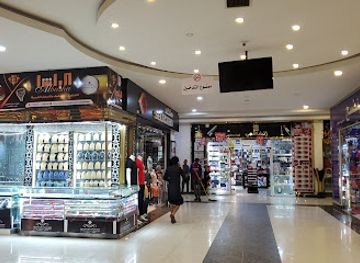
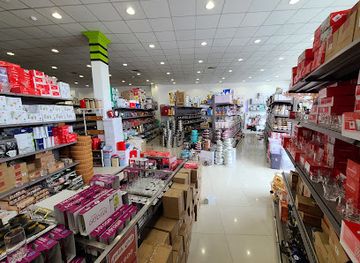
Shopping in Al Dhale'e is centred on local markets, small neighbourhood shops and the weekly or periodic trading activity of market towns rather than large retail centres. Visitors may encounter Yemeni bread, grains, vegetables, spices, tea, household goods and locally produced items, although shortages and transport disruption can affect supply. Traditional clothing, woven materials, metalwork and other crafts may be available through personal or market networks, but quality and provenance vary, and purchases should be made respectfully. Regional food products and practical goods are more realistic souvenirs than branded retail items. Cash in Yemeni rials is normally necessary, and bargaining can be part of market transactions, but it should remain courteous and proportionate. Do not buy archaeological objects, old weapons or items that may have been removed from heritage sites. Because shops and markets can close without notice, shopping should be treated as a limited local activity rather than a reliable part of a tourist itinerary.
-
Shopping mall
Arab Mall
Experience the best of shopping and dining at Arab Mall, a vibrant hub in Sana'a, Yemen, where tradition meets modern retail.
-
Shopping mall
Yemen Mall
Discover Yemen Mall: Your ultimate shopping destination in Sana'a, blending local charm with modern retail experiences.
-
Shopping mall
Shopping World
Discover a vibrant shopping experience at Shopping World in Sana'a, a blend of modern retail and rich Yemeni culture.
-
Shopping mall
Aden Mall
Discover the vibrant Aden Mall in Yemen, a shopping haven with diverse stores, delightful dining, and family-friendly entertainment options for every visitor.


Get your free copy of our complete guide to Al Dhale'e, delivered straight to you.
Everything on this page, from attractions and restaurants to essentials and local phrases, in one PDF you can read offline, print or share.
Already have an account? Sign in
Your Al Dhale'e guide is ready.
We'll send it to · Not you? Sign out

Getting your guide ready…
We are putting together a fresh copy of the Al Dhale'e guide. This can take up to a minute.
This can take a few moments. If your browser asks, choose Allow so the download can start. You'll find the guide in your Downloads folder.
Nothing happened? Download it again
Sorry, the guide is taking longer than usual. Please try again in a minute, or get it by email instead.
Al Dhale'e essentials
Currency and Payment
Safety
Emergency Situations
Do's and Don'ts
Local Tips
From Eve
Local phrases worth knowing
You don't need to get them perfect. A few words go a long way, and locals appreciate the effort.
Basics
| English | Local | Say it |
|---|---|---|
| Hello | أهلاً | [Ahlan] |
| Goodbye | مع السلامة | [Ma'a as-salama] |
| Yes | نعم | [Na'am] |
| No | لا | [La] |
| Please/You're welcome | من فضلك | [Min fadlik] |
| Thank you | شكراً | [Shukran] |
| Excuse me/Sorry | عفواً | [Afwan] |
| How are you? | كيف حالك؟ | [Kayfa halak?] |
| Fine. And you? | بخير، وأنت؟ | [Bikhayr, wa anta?] |
| Do you speak English? | هل تتحدث الإنجليزية؟ | [Hal tatahaddath al-ingliziyya?] |
| I don't understand | لا أفهم | [La afham] |
Eating & Drinking
| English | Local | Say it |
|---|---|---|
| I'd like to see the menu, please | أرغب في رؤية القائمة، من فضلك | [Arghab fi ru'yat al-qa'ima, min fadlik] |
| I don't eat meat | لا آكل اللحم | [La akul al-lahm] |
| Cheers! | صحة | [Sahha] |
| I would like to pay, please | أود أن أدفع، من فضلك | [Awad an adfa', min fadlik] |
Emergencies
| English | Local | Say it |
|---|---|---|
| Help! | نجدة! | [Najda!] |
| Go away! | ابتعد! | [Ibt'id!] |
| Call the Police! | اتصل بالشرطة! | [Ittasil bil-shurta!] |
| Call a doctor! | اتصل بطبيب! | [Ittasil bi-tabeeb!] |
| I'm lost | أنا ضائع | [Ana da'ia] |
| I'm ill | أنا مريض | [Ana marid] |
Shopping
| English | Local | Say it |
|---|---|---|
| I'd like to buy... | أرغب في شراء... | [Arghab fi shirā'] |
| I'm just looking | أنا فقط أتصفح | [Ana faqat atasaffah] |
| How much is it? | كم ثمنه؟ | [Kam thamanuh?] |
| That's too expensive | هذا غالي جداً | [Hatha ghali jiddan] |
| Can you lower the price? | هل يمكنك تخفيض السعر؟ | [Hal yumkinuka takhfid as-sir?] |
Time & Numbers
| English | Local | Say it |
|---|---|---|
| What time is it? | كم الساعة؟ | [Kam as-saa'a?] |
| It's one o'clock | الساعة واحدة | [As-saa'a wahida] |
| Half past (10) | نصف (10) | [Nisf (10)] |
| Morning | صباح | [Sabaah] |
| Afternoon | بعد الظهر | [Ba'd az-zuhur] |
| Evening | مساء | [Masa'] |
| Yesterday | أمس | [Ams] |
| Today | اليوم | [Al-yawm] |
| Tomorrow | غداً | [Ghadan] |
| 1 | واحد | [Wahid] |
| 2 | اثنان | [Ithnan] |
| 3 | ثلاثة | [Thalatha] |
| 4 | أربعة | [Arba'a] |
| 5 | خمسة | [Khamsa] |
| 6 | ستة | [Sitta] |
| 7 | سبعة | [Sab'a] |
| 8 | ثمانية | [Thamaniya] |
| 9 | تسعة | [Tis'a] |
| 10 | عشرة | [Ashara] |
Transport & Directions
| English | Local | Say it |
|---|---|---|
| Where's a/the...? | أين...؟ | [Ayn...?] |
| What's the address? | ما هو العنوان؟ | [Ma huwa al-'unwan?] |
| Can you show me (on the map)? | هل يمكنك أن تريني (على الخريطة)؟ | [Hal yumkinuka an turini (ala al-kharita)?] |
| When's the next (bus)? | متى تكون الحافلة التالية؟ | [Mata takun al-hafila at-taliya?] |
| A ticket (to ....) | تذكرة (إلى....) | [Tadhkira (ila....)] |
History of Al Dhale'e
Ancient Highland and South Arabian Settlement
Al Dhale'e lies within a wider southern Arabian landscape shaped by ancient kingdoms, caravan movement and terraced agriculture. The governorate's valleys and upland routes connected communities in the interior with territories leading towards Aden and the southern coast. Juban and surrounding areas contain evidence of long-established settlement, while the region's agricultural systems reflect centuries of adaptation to seasonal rainfall and limited water. The surviving archaeological picture is less extensively developed for visitors than Yemen's famous monumental sites, but the landscape forms part of the broader cultural world of ancient South Arabia.
Islamic Settlement and Mountain Trade Routes
Following the spread of Islam in Yemen, settlements across the Al Dhale'e highlands developed around agriculture, local markets, religious learning and control of mountain passages. Villages and towns were linked by tracks through valleys and over ridges, while fortified houses and compact settlements responded to both security needs and the terrain. The region's later social structure was shaped by a combination of tribal affiliation, local religious authority, farming communities and trading connections. These patterns remain visible in the form of villages, mosques, terraces and traditional houses.
The Al-Dhale' Sultanate
The Al-Dhale' Sultanate, ruled by the Al-Amiri family, became an important local political entity in the area south of the Yemeni highlands. Its authority was connected to the strategic route between the interior and Aden, although control in mountainous Yemen was often negotiated through local alliances rather than exercised uniformly. The sultanate's history illustrates the political complexity of southern Yemen before independence, when local rulers, tribal leaders and external powers operated within overlapping spheres of influence.
British Protection and the Aden Hinterland
During the British period in Aden, Al Dhale'e was incorporated into the network of protected states and political relationships around the port. British interest centred on the security of Aden and its approaches, while local rulers retained varying degrees of authority. Roads, administrative arrangements and military concerns increased the region's strategic importance, but the protectorate system did not erase older local structures. The relationship between the Al-Dhale' Sultanate and the British formed part of the wider political history that preceded southern Yemen's independence.
Southern Independence and the People's Democratic Republic
The end of British rule in 1967 brought Al Dhale'e into the independent People's Republic of South Yemen, later renamed the People's Democratic Republic of Yemen. The new state sought to centralise administration, reshape land and political relations and reduce the influence of traditional ruling families. Al Dhale'e remained a strategically important southern highland area, and its communities experienced the political and economic changes associated with the new socialist state. The former sultanate system was replaced by republican institutions.
Yemeni Unification and Political Change
In 1990, North and South Yemen united to form the Republic of Yemen, placing Al Dhale'e within a single state after decades of separate political development. Unification brought new administrative and political relationships but did not remove regional grievances or differences between northern and southern experiences. The 1994 civil war and later disputes over representation deepened political tensions in the south. Al Dhale'e subsequently became associated with southern political mobilisation, reflecting wider debates about autonomy, state authority and the legacy of unification.
Conflict and Humanitarian Crisis since 2015
Al Dhale'e has been directly affected by Yemen's civil war since 2015, when fighting spread across southern and central fronts. Roads, public services, homes and local economies have suffered, while civilians have faced displacement, shortages and the danger of mines and unexploded ordnance. The governorate's strategic position has made it militarily significant, but it has also exposed communities to repeated insecurity. Any contemporary account of Al Dhale'e must place its landscapes and heritage within this continuing humanitarian and political crisis.
Al Dhale'e in Photos
Browse through our photo collection highlighting the charm and character of the destination.
Neighbouring regions of Al Dhale'e
The closest regions to Al Dhale'e, if you have time for more than one.
-

-

-

-

-


Swipe for more regions
Explore more

Explore more of Yemen
Discover Yemen: An ancient land of rich history, stunning landscapes, and warm hospitality, offering a unique travel experience off the beaten path.
Explore Yemen