

Free Abyan Travel Guide & Mobile App
Explore Abyan with free travel guides. Discover regional history, expert tips, proposed trips, and audio guides on web or mobile app.


Discover Abyan, Yemen: A hidden gem of natural beauty, rich history, and warm hospitality. Explore pristine beaches, ancient ruins, and lush landscapes in this enchanting region.
Read more about Abyan
Getting to and around Abyan
How to get there
Transportation
Best attractions in Abyan
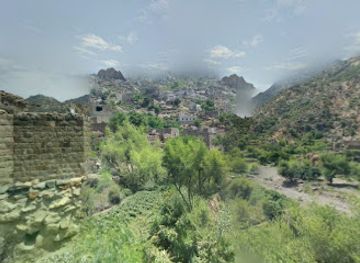
Abyan, nestled in the heart of Yemen, offers an unparalleled blend of ancient history and natural beauty that beckons the intrepid traveler. Discover the awe-inspiring ruins of ancient fortresses and palaces that whisper tales of bygone empires, or explore the lush, fertile valleys and verdant oases that cradle the region's rich agricultural heritage. The coastal town of Shuqrah invites you to its pristine beaches, where the azure waters of the Arabian Sea meet golden sands, perfect for both relaxation and adventure. Wander through bustling markets, where the aromas of exotic spices and the vibrant colors of traditional crafts provide a feast for the senses, and immerse yourself in the warm hospitality of the locals, whose stories and traditions add depth to this captivating destination.
-
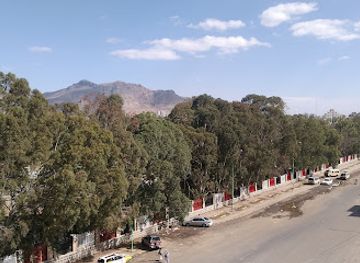
Althawra Park
Discover the tranquil beauty of Althawra Park in Sana'a, Yemen, a perfect retreat for families and nature lovers seeking relaxation and cultural experiences.
-
Dar AlHajar
Discover the breathtaking Dar AlHajar, a historical landmark in Yemen that showcases stunning architecture and natural beauty amidst the enchanting Wadi Dhahr.
-
Alshaab Garden
Explore the natural beauty of Alshaab Garden in Al Hudaydah, Yemen, a perfect blend of tranquility and vibrant flora for every traveler.
-
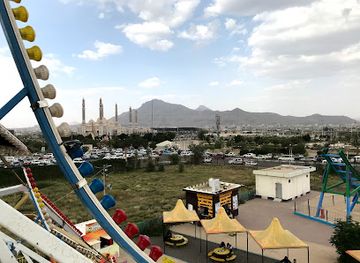
Fun City
Experience the thrill of Fun City in Sana'a, Yemen—a family-friendly amusement park filled with exciting rides, games, and unforgettable memories.


Best landmarks in Abyan
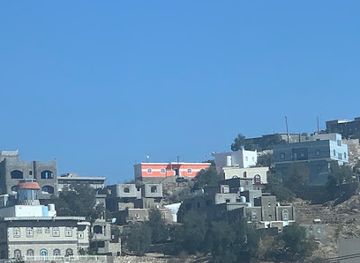
Abyan, nestled in the heart of Yemen, offers a captivating journey through time with its rich tapestry of landmarks. Visitors can marvel at the ancient ruins of the Aden-Abyan Protectorate, where remnants of imposing fortresses whisper tales of bygone eras. The enchanting Wadi Bana, a lush valley that contrasts sharply with the arid surroundings, invites explorers to discover its verdant landscapes and hidden waterfalls. The historic city of Ja'ar, with its bustling markets and traditional architecture, provides a glimpse into the vibrant local culture. Meanwhile, the coastal town of Shuqrah offers pristine beaches and the azure waters of the Arabian Sea, perfect for relaxation and water activities. Each corner of Abyan beckons with its unique blend of natural beauty, historical intrigue, and cultural richness, promising an unforgettable adventure for every traveler.
-
Historical landmark
Dar AlHajar
Discover the enchanting Dar AlHajar, an iconic Yemeni landmark showcasing stunning architecture and rich cultural heritage amidst breathtaking natural beauty.
-
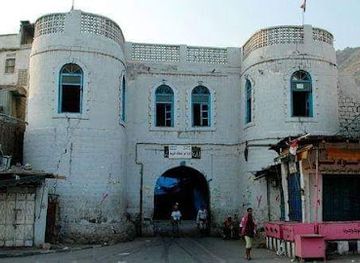
Bab Musa
Explore Bab Musa, a historical landmark in Taizz, Yemen, offering a glimpse into the rich culture and architectural beauty of the region.
-
Castle
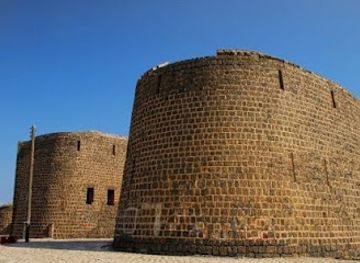
Seera Castle
Explore Seera Castle in Aden, Yemen - a majestic fortress rich in history and stunning views of the Red Sea, perfect for every curious traveler.
-
Shopping mall
Ninety mall
Discover Ninety Mall in Shaykh Uthman, a shopping haven with diverse retail options, delicious dining, and lively entertainment for every traveler.

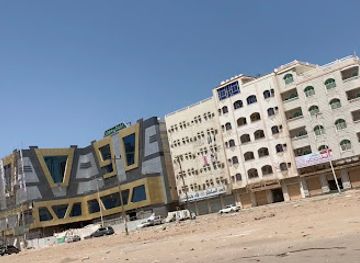
Explore Abyan on the map
Plan your trip on one map. See where the top cities, national parks and sights are, and book hotels and experiences in a few clicks.
Best hotels in Abyan
Best restaurants in Abyan
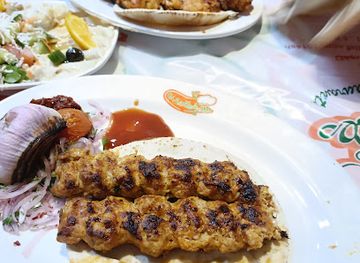
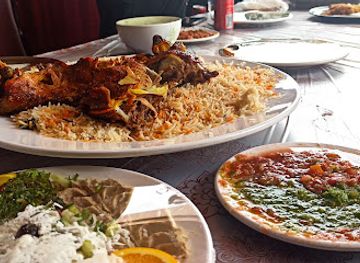
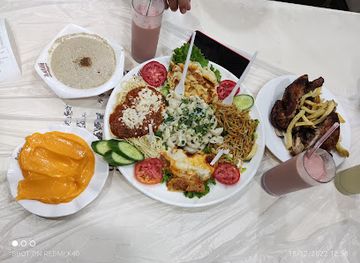
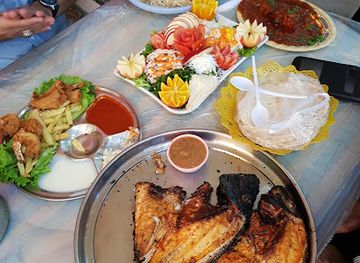
Abyan's dining scene is a mesmerizing blend of traditional Yemeni flavors and coastal influences that promise a unique culinary journey for visitors. In bustling towns like Zinjibar, you'll find charming eateries serving delectable mandi, a fragrant rice dish cooked with succulent lamb or chicken and infused with a symphony of spices. Coastal areas offer fresh seafood delights, with grilled fish and shrimp seasoned with zesty local herbs and spices. Street vendors tempt with savory sambusas, crispy pastry pockets filled with spiced meat or vegetables, and the ubiquitous flatbread, malawah, perfect for mopping up rich, aromatic stews. The warm hospitality of local restaurateurs adds to the experience, ensuring every meal is not just a feast for the palate but a dive into Abyan's rich cultural tapestry.
-
Restaurant
مطاعم شواطئ عدن السياحية - Shawati Aden Tourist Restaurant
Experience authentic Yemeni cuisine with stunning coastal views at Shawati Aden Tourist Restaurant in Shaykh Uthman.
-
Restaurant
Alshaibany corporation for restaurants
Experience authentic Yemeni cuisine at Alshaibany Corporation - a culinary delight in the heart of Sana'a with diverse dining options.
-
Restaurant
Al Marasim Restaurants
Discover authentic Yemeni cuisine at Al Marasim Restaurants in Aden – where tradition meets flavor!
-
Yemenite
Baladi Restaurants & Fish Restaurant
Discover authentic Yemeni cuisine at Baladi Restaurants & Fish Restaurant in Aden – where every dish tells a story.
Best bars in Abyan
Abyan, though primarily cherished for its historical richness and natural beauty, offers a unique and intimate nightlife experience that blends local traditions with modern charm. As the sun sets, the towns become illuminated with softly glowing lanterns and the streets come alive with a blend of traditional Yemeni music and contemporary beats. Cozy cafes and tea houses serve aromatic Yemeni coffee and delicious local dishes, while some venues host live performances of oud music, creating an enchanting atmosphere. For those looking to immerse themselves in the local culture, traditional dance performances and poetry readings are frequent highlights, providing an authentic taste of Abyan's vibrant cultural tapestry.
-
Chandler Muriel Bing
Explore the vibrant flavors of Yemen City at Chandler Muriel Bing, a cozy café and lounge offering a unique blend of culinary delights.
-
 Bar
Barقاعة الأمل للافراح والمناسبات
Experience unforgettable celebrations at قاعة الأمل للافراح والمناسبات, a premier event venue in Shaykh Uthman, Yemen, designed for joyous occasions.
-
Bar
نبات الأرض
Experience the vibrant local culture at Nabat Al-Ard, a charming bar in Al-Fiyush, Yemen, perfect for relaxation and socializing.
-
Bar
محلات الهيال التجارية
Experience the vibrant nightlife of Shaykh Uthman at محلات الهيال التجارية, where local culture and hospitality come together in a lively bar setting.

Best nightclubs in Abyan
Abyan, though primarily cherished for its historical richness and natural beauty, offers a unique and intimate nightlife experience that blends local traditions with modern charm. As the sun sets, the towns become illuminated with softly glowing lanterns and the streets come alive with a blend of traditional Yemeni music and contemporary beats. Cozy cafes and tea houses serve aromatic Yemeni coffee and delicious local dishes, while some venues host live performances of oud music, creating an enchanting atmosphere. For those looking to immerse themselves in the local culture, traditional dance performances and poetry readings are frequent highlights, providing an authentic taste of Abyan's vibrant cultural tapestry.
-
Shamsan Club
Experience the vibrant nightlife at Shamsan Club, Aden's popular social and sports hub, where excitement meets community.
-
نادي الرباط الثقافي
Experience the vibrant nightlife and rich culture at the Cultural Club of Rabat, Yemen's premier night club for unforgettable entertainment.
-
ياسين العبدلي
Dive into the pulsating nightlife of ماويه at ياسين العبدلي, where music and dance come alive in an unforgettable experience.
-
جوله عبد القوي
Discover the lively nightlife of Yemen at جوله عبد القوي, a vibrant night club in شيخ عثمان offering music, dance, and cultural experiences.
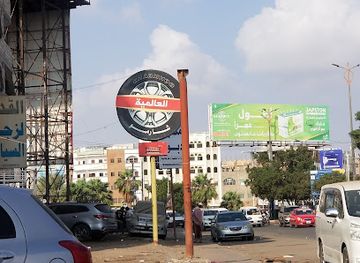
Best shops in Abyan
Abyan's shopping scene is a vibrant tapestry that captures the essence of Yemeni culture and hospitality. Wander through bustling souks where the air is filled with the rich aroma of spices and incense, and marvel at the intricate patterns of traditional textiles and handwoven carpets. Local artisans proudly display their craftsmanship in stalls brimming with silver jewelry, intricately carved daggers, and colorful pottery. For food enthusiasts, the markets offer an array of exotic fruits, nuts, and the renowned Yemeni honey. Each purchase here is not just a transaction but a story, an invitation to delve deeper into the history and traditions of this enchanting region.
-
Shopping mall
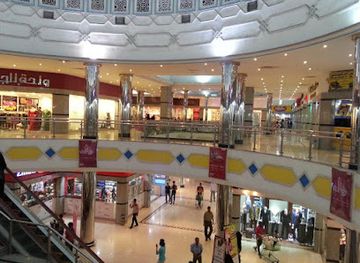
Aden Mall
Discover a vibrant shopping experience at Aden Mall, where modern retail meets local flavor in the heart of Aden, Yemen.
-
Shopping mall
Gulf Mall
Discover Gulf Mall in Aden – a vibrant shopping center with diverse stores, delicious dining, and family-friendly entertainment, all in one place.
-
Store
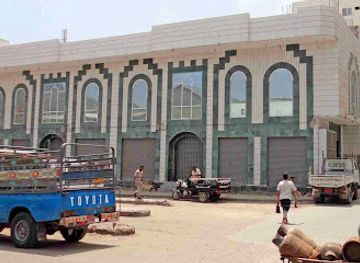
Alhsasa Center
Experience the vibrant shopping scene at Alhsasa Center in Mūdiyah, Yemen, and discover unique local crafts and products.
-
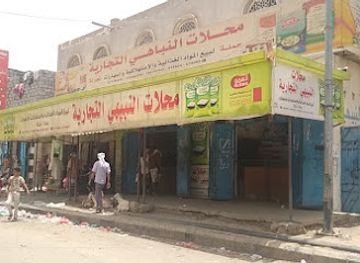
محلات النبيهي التجارية
Discover the vibrant محلات النبيهي التجارية in Lawdar, Yemen, where shopping meets local culture and delicious cuisine in an inviting atmosphere.

Get your free copy of our complete guide to Abyan, delivered straight to you.
Everything on this page, from attractions and restaurants to essentials and local phrases, in one PDF you can read offline, print or share.
Already have an account? Sign in
Your Abyan guide is ready.
We'll send it to · Not you? Sign out

Getting your guide ready…
We are putting together a fresh copy of the Abyan guide. This can take up to a minute.
This can take a few moments. If your browser asks, choose Allow so the download can start. You'll find the guide in your Downloads folder.
Nothing happened? Download it again
Sorry, the guide is taking longer than usual. Please try again in a minute, or get it by email instead.
Abyan essentials
Currency and Payment
Safety
Emergency Situations
Do's and Don'ts
Local Tips
From Eve
Local phrases worth knowing
You don't need to get them perfect. A few words go a long way, and locals appreciate the effort.
Basics
| English | Local | Say it |
|---|---|---|
| Hello | مرحبا | [Marhaban] |
| Goodbye | وداعا | [Wada'an] |
| Yes | نعم | [Na'am] |
| No | لا | [La] |
| Please/You're welcome | من فضلك | [Min fadlik] |
| Thank you | شكرا | [Shukran] |
| Excuse me/Sorry | عفوا | [Afwan] |
| How are you? | كيف حالك؟ | [Kayfa halak?] |
| Fine. And you? | بخير. وأنت؟ | [Bikhayr. Wa anta?] |
| Do you speak English? | هل تتحدث الإنجليزية؟ | [Hal tatahadath al'inglizia?] |
| I don't understand | لا أفهم | [La afham] |
Eating & Drinking
| English | Local | Say it |
|---|---|---|
| I'd like to see the menu, please | أود رؤية القائمة، من فضلك | [Awad ru'yat alqa'ima, min fadlik] |
| I don't eat meat | لا آكل اللحم | [La akul allahm] |
| Cheers! | في صحتك! | [Fi sihatak!] |
| I would like to pay, please | أود الدفع، من فضلك | [Awad aldaf', min fadlik] |
Emergencies
| English | Local | Say it |
|---|---|---|
| Help! | مساعدة! | [Musa'adah!] |
| Go away! | ابتعد! | [Ibt'id!] |
| Call the Police! | اتصل بالشرطة! | [Ittasil bilshurtah!] |
| Call a doctor! | اتصل بالطبيب! | [Ittasil bialtabib!] |
| I'm lost | أنا ضائع | [Ana da'i'] |
| I'm ill | أنا مريض | [Ana marid] |
Shopping
| English | Local | Say it |
|---|---|---|
| I'd like to buy... | أود شراء... | [Awad shira'] |
| I'm just looking | أنا فقط أنظر | [Ana faqat anzur] |
| How much is it? | كم ثمنه؟ | [Kam thamanuh?] |
| That's too expensive | هذا غالي جدا | [Hatha ghali jiddan] |
| Can you lower the price? | هل يمكنك تخفيض السعر؟ | [Hal yumkinuka takhfid al'si'r?] |
Time & Numbers
| English | Local | Say it |
|---|---|---|
| What time is it? | ما الوقت؟ | [Ma alwaqt?] |
| It's one o'clock | الساعة الواحدة | [Alsa'ah alwahidah] |
| Half past (10) | نصف (10) | [Nisf (10)] |
| Morning | صباح | [Sabaah] |
| Afternoon | بعد الظهر | [Ba'd alzuhr] |
| Evening | مساء | [Masa'] |
| Yesterday | أمس | [Ams] |
| Today | اليوم | [Alyawm] |
| Tomorrow | غدا | [Ghadan] |
| 1 | واحد | [Wahid] |
| 2 | اثنان | [Ithnan] |
| 3 | ثلاثة | [Thalatha] |
| 4 | أربعة | [Arba'a] |
| 5 | خمسة | [Khamsa] |
| 6 | ستة | [Sitta] |
| 7 | سبعة | [Sab'a] |
| 8 | ثمانية | [Thamaniya] |
| 9 | تسعة | [Tis'a] |
| 10 | عشرة | [Ashara] |
Transport & Directions
| English | Local | Say it |
|---|---|---|
| Where's a/the...? | أين هو/هي...؟ | [Ayn huwa/hiya...?] |
| What's the address? | ما هو العنوان؟ | [Ma huwa al'uan?] |
| Can you show me (on the map)? | هل يمكنك أن تريني (على الخريطة)؟ | [Hal yumkinuka an turini (ala alkhariṭa)?] |
| When's the next (bus)? | متى يأتي (الحافلة) التالية؟ | [Mata yati (alhafilat) alttaliya?] |
| A ticket (to ....) | تذكرة (إلى....) | [Tadhkirah (ila....)] |
History of Abyan
Ancient Kingdom of Awsan
The history of Abyan stretches back to ancient times when it was part of the Kingdom of Awsan. The Kingdom of Awsan was a pre-Islamic South Arabian state that thrived around the 8th century BCE. Archaeological findings suggest that this kingdom was a significant center of trade and culture, engaging in commerce with neighboring regions and even distant lands. The remnants of ancient fortifications and inscriptions in Abyan offer a glimpse into this bygone era.
Islamic Era and the Rise of Ziyadids
During the early Islamic era, Abyan became an important region under the rule of the Ziyadid dynasty (819-1018 CE). The Ziyadids established their capital at Zabid, but Abyan was one of the key territories under their control. This period saw the proliferation of Islamic culture, architecture, and learning. The region's strategic location facilitated trade and the spread of Islamic civilization throughout the Arabian Peninsula.
The Ayyubid and Rasulid Dynasties
In the 12th century, Abyan came under the control of the Ayyubid dynasty, founded by the famous Saladin. Later, the region was governed by the Rasulid dynasty (1229-1454 CE), who ruled much of Yemen from their capital in Taiz. The Rasulids were known for their contributions to architecture, education, and administration. Abyan, during this time, became a vibrant part of the Rasulid state, benefiting from advancements in agriculture, trade, and cultural exchanges.
Ottoman Influence
Abyan fell under Ottoman influence in the 16th century, during the first Ottoman occupation of Yemen. The Ottomans brought new administrative practices and military architecture to the region. Although their control was occasionally tenuous and met with local resistance, the Ottoman period left a lasting impact on Abyan's infrastructure and governance. The remnants of Ottoman-era fortifications and buildings can still be seen in parts of Abyan.
British Colonial Era
In the 19th century, Abyan came under British influence as part of the Aden Protectorate. The British established control over the southern regions of Yemen to secure trade routes and protect their interests in the Arabian Peninsula. Abyan, with its fertile lands and strategic location, became an area of interest. The British period saw the introduction of modern administrative systems and infrastructure developments, which had a lasting effect on the region.
Post-Independence and Modern History
After Yemen's independence from British rule in 1967, Abyan became part of the newly formed People's Democratic Republic of Yemen (South Yemen). Later, with the unification of North and South Yemen in 1990, Abyan became part of the Republic of Yemen. In recent decades, the region has faced challenges, including political instability and conflict. Despite these challenges, Abyan remains a region rich in history and culture, with its people continuing to preserve their heritage and traditions.
Abyan in Photos
Browse through our photo collection highlighting the charm and character of the destination.
Neighbouring regions of Abyan
The closest regions to Abyan, if you have time for more than one.
-
 Al Bayda
Discover Al Bayda in Yemen: A treasure trove of history, culture, and natural beauty, perfect for adventurers and history buffs alike.
Al Bayda
Discover Al Bayda in Yemen: A treasure trove of history, culture, and natural beauty, perfect for adventurers and history buffs alike.
-
 Shabwah
Discover Shabwah in Yemen: Explore ancient ruins, vibrant markets, and stunning landscapes in this hidden gem of southern Yemen.
Shabwah
Discover Shabwah in Yemen: Explore ancient ruins, vibrant markets, and stunning landscapes in this hidden gem of southern Yemen.
-
 Al Dhale'e
Explore the untouched beauty and rich cultural heritage of Al Dhale'e, Yemen's hidden gem nestled in the highlands, offering a serene escape for the adventurous traveler.
Al Dhale'e
Explore the untouched beauty and rich cultural heritage of Al Dhale'e, Yemen's hidden gem nestled in the highlands, offering a serene escape for the adventurous traveler.
-
 Lahij
Explore Lahij: Yemen's Lush Oasis Brimming with History, Culture, and Natural Beauty.
Lahij
Explore Lahij: Yemen's Lush Oasis Brimming with History, Culture, and Natural Beauty.
-
 Ma'rib
Explore Ma'rib: Yemen's ancient city of wonders, where history, culture, and breathtaking landscapes converge in an unforgettable journey.
Ma'rib
Explore Ma'rib: Yemen's ancient city of wonders, where history, culture, and breathtaking landscapes converge in an unforgettable journey.
Swipe for more regions

