

Free Taiz Travel Guide & Mobile App
Explore Taiz with free travel guides. Discover regional history, expert tips, proposed trips, and audio guides on web or mobile app.


Explore Taiz’s mountain history, terraced landscapes and Mocha coffee heritage through informed cultural research, subject to Yemen’s severe travel risks.
Read more about Taiz
When is the best time to visit Taiz?
Best: December–February · 24–25°C| Month | High (°C) | Rainfall (mm) |
|---|---|---|
| January (best) | 24 | 3 |
| February (best) | 25 | 4 |
| March | 27 | 6 |
| April | 29 | 10 |
| May | 31 | 17 |
| June | 33 | 12 |
| July | 34 | 14 |
| August | 34 | 12 |
| September | 33 | 10 |
| October | 30 | 6 |
| November | 27 | 4 |
| December (best) | 25 | 3 |
Getting to and around Taiz
How to get there
Transportation
Top city travel guides in Taiz
The cities of Taiz, and the easiest places to base yourself.
-

-


Swipe for more cities
Best attractions in Taiz
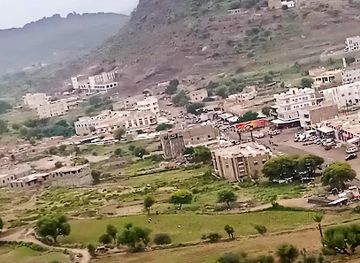
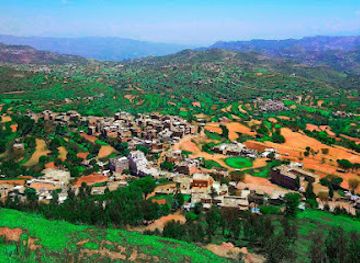
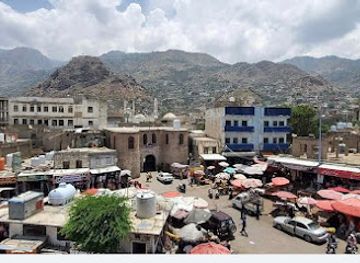
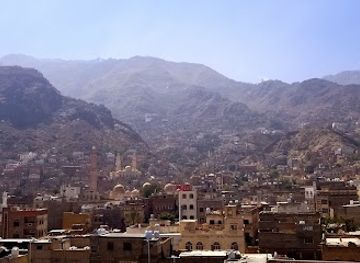
Taiz’s potential attractions are primarily cultural and geographical rather than developed as a conventional tourism circuit. Taiz city’s historic quarters, traditional houses, mosques and market streets express the architectural character of the Yemeni highlands, while Al-Qahira Castle occupies a commanding position above the urban basin and reflects the city’s medieval political importance. Jabal Sabir offers a defining mountain landscape of steep slopes, terraces and elevated settlements, although access and safety conditions are highly uncertain. Beyond the city, the governorate extends towards agricultural uplands and the hotter Tihama plain, creating strong contrasts in climate, vegetation and livelihoods. Al Mokha provides the historical focus for exploring Yemen’s coffee-export story and Red Sea commerce, rather than a reliably functioning resort experience. Rural terraces, historic villages and coffee-growing traditions may be of interest to researchers and specialist visitors, but roads, damaged infrastructure, unexploded ordnance and insecurity make unsupervised exploration inappropriate. Museums, cultural institutions and heritage buildings should be approached only where current conditions, permissions and professional security arrangements have been established.
-
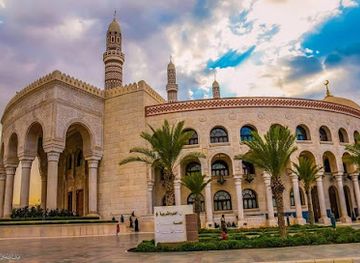
Al-Saleh Mosque
Discover the architectural beauty and spiritual serenity of Al-Saleh Mosque, a must-see landmark in Sana'a, Yemen, showcasing rich cultural heritage.
-
Fort love
Explore the majestic Fort Love in Ibb, Yemen - a historic fortress that offers breathtaking views and a glimpse into the rich cultural heritage of the region.
-
شلال النافش ميتم
Discover the breathtaking Al-Nafash Waterfall in Yemen, a natural haven for adventurers and nature lovers alike, offering stunning views and peaceful surroundings.
-
Grain fortress
Explore the historical richness and breathtaking views at the iconic Grain Fortress in Yemen, a must-visit for every tourist.


Best landmarks in Taiz
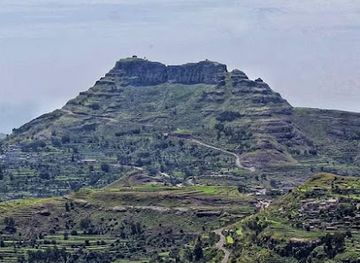
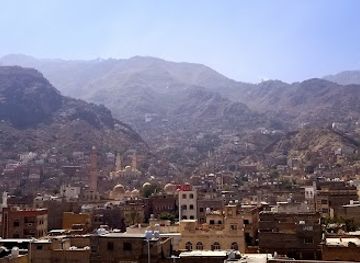
Al-Qahira Castle is Taiz’s most recognisable historic landmark, occupying high ground above the city and recalling the strategic role of the settlement during the Rasulid era and later periods. Its position gives it both architectural and symbolic importance, although damage, access restrictions and conservation conditions must be assessed locally rather than assumed from historical descriptions. Jabal Sabir is the region’s defining natural landmark: its steep massif rises above Taiz city and frames views across the urban basin and surrounding agricultural valleys. Traditional highland houses, mosques and densely built historic quarters form a broader architectural landmarkscape, expressing Yemen’s use of vertical construction, decorated façades and defensive urban planning. In the west, Al Mokha’s historic port landscape represents the region’s connection with Red Sea trade and the international coffee economy. These places should not be treated as freely accessible sightseeing sites; conflict damage, unexploded ordnance, checkpoints and restricted movement can affect every approach.
-
Castle
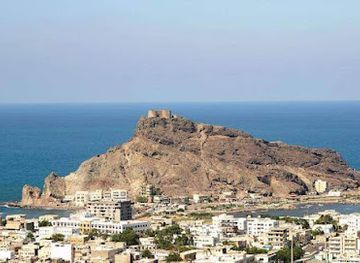
Seera Castle
Discover the breathtaking Seera Castle in Aden, Yemen, a historical fortress offering panoramic views and a glimpse into the region's rich cultural heritage.
-
Park
Sukoon Park
Explore the tranquil beauty of Sukoon Park in At Turbah, Yemen - a lush retreat perfect for relaxation and cultural immersion.
-
Tourist attraction
AL Ghareeb Tree
Experience the serene beauty and cultural significance of the Al Ghareeb Tree, a majestic natural wonder in Yemen's stunning landscapes.
-
Tourist attraction
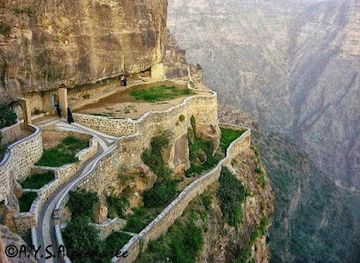
Fort love
Explore Fort Love in Ibb, Yemen - a breathtaking historical site showcasing the country's rich heritage and stunning landscapes.
Explore Taiz on the map
Plan your trip on one map. See where the top cities, national parks and sights are, and book hotels and experiences in a few clicks.
Best hotels in Taiz
Best restaurants in Taiz
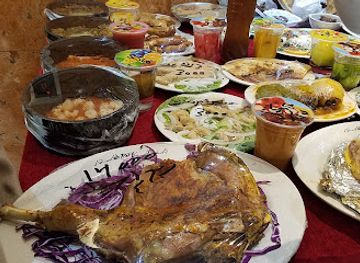
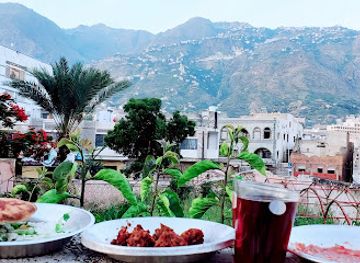
Taiz’s food culture belongs to the wider culinary traditions of Yemen while reflecting the contrast between mountain agriculture and the western coastal plain. Meals commonly centre on bread, rice, sorghum, vegetables, pulses and meat, with saltah, a hot stew often served with fenugreek foam, forming one of Yemen’s best-known dishes. Fahsa, slow-cooked meat with a rich broth, is also associated with Yemeni cooking, while fresh produce varies with altitude and season. In the highlands, coffee has deep cultural and agricultural significance, although Yemen’s most celebrated coffee is produced across several western mountain areas rather than in one single locality. Coastal districts have different access to fish and seafood. Dining facilities, food supply and hygiene conditions are highly variable because of the conflict and humanitarian crisis; international visitors should not assume that restaurants, markets, bottled water or specialist food services are consistently available. Professional travellers should follow organisational medical and food-safety guidance.
-
Restaurant
Alshaibany corporation for restaurants
Experience authentic Yemeni cuisine at Alshaibany Corporation, where every dish celebrates rich flavors and tradition.
-
Restaurant
Saraya Restaurant
Discover authentic Yemeni cuisine at Saraya Restaurant in Al Hudaydah—where every meal is a celebration of flavor and culture.
-
Historical landmark
Great door Taiz
Discover the historic Great Door Taiz - a monumental gateway revealing Yemen's rich cultural heritage and architectural splendor.
-
Indian
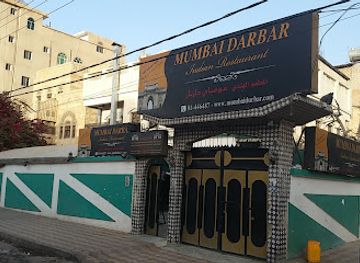
Mumbai Darbar Indian Restaurant
Experience authentic Indian flavors at Mumbai Darbar Indian Restaurant in Sana'a – a culinary treasure for every food lover.
Best bars in Taiz
Taiz does not have a conventional bar or nightclub scene. Yemen is a predominantly Muslim country, alcohol is generally prohibited or unavailable, and public evening life is shaped more by family gatherings, tea houses, restaurants, market activity and private social occasions than by licensed nightlife. In stable periods, Taiz city has had cafés and informal meeting places associated with conversation, study and commerce, while evening activity in rural districts is more limited and closely tied to local routines. Conflict, power cuts, curfews, security incidents and restrictions on movement can make even ordinary evening travel unsafe. Visitors should not seek nightlife as an independent activity, should dress modestly and should follow local advice about when movement is acceptable. Qat sessions are an important social practice in parts of Yemen, but visitors should approach the subject respectfully and remain aware of legal, health and security considerations.
-
Bar
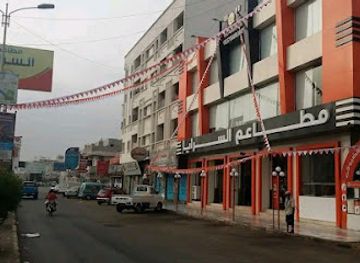
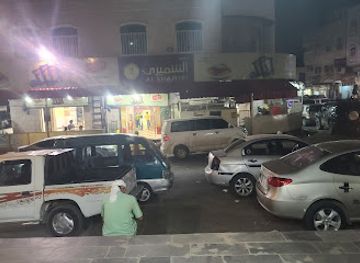
مطعم الشميري
Discover authentic Yemeni flavors at مطعم الشميري in Taizz, where traditional dishes and warm hospitality await every visitor.
-
Taj Shamsan Hotel
Experience comfort and culture at Taj Shamsan Hotel in Taizz, Yemen, your perfect base for exploring the historic city and its stunning landscapes.
-
Bar
مطاعم الشميري رويال
Discover authentic Yemeni flavors at مطاعم الشميري رويال, a culinary haven in Taizz offering a delightful dining experience for every traveler.
-
Bar
مطعم عبده علي سيف للكباب
Discover the rich flavors of Yemen at مطعم عبده علي سيف للكباب, a culinary gem in Taizz renowned for its exceptional kebabs and warm hospitality.
Best nightclubs in Taiz
Taiz does not have a conventional bar or nightclub scene. Yemen is a predominantly Muslim country, alcohol is generally prohibited or unavailable, and public evening life is shaped more by family gatherings, tea houses, restaurants, market activity and private social occasions than by licensed nightlife. In stable periods, Taiz city has had cafés and informal meeting places associated with conversation, study and commerce, while evening activity in rural districts is more limited and closely tied to local routines. Conflict, power cuts, curfews, security incidents and restrictions on movement can make even ordinary evening travel unsafe. Visitors should not seek nightlife as an independent activity, should dress modestly and should follow local advice about when movement is acceptable. Qat sessions are an important social practice in parts of Yemen, but visitors should approach the subject respectfully and remain aware of legal, health and security considerations.
-
Hotel
Taj Shamsan Hotel
Discover the charm of Taizz at the Taj Shamsan Hotel, where comfort meets local culture in a welcoming atmosphere.
-
Bar
دكه كافيه
Experience the vibrant atmosphere and local flavors at دكه كافيه in Taizz, a perfect stop for tourists exploring Yemen's rich culture.
-
Bar
نادي الرباط الثقافي
Immerse yourself in the vibrant nightlife of Yemen at نادي الرباط الثقافي, where music and energy create unforgettable experiences.
-
 Bar
Barمنتجع بن المخا
Dive into the vibrant nightlife of Mocha at منتجع بن المخا, where music, dance, and cultural experiences come alive.
Best shops in Taiz
Taiz’s historic commercial identity is rooted in market exchange between the highlands and the Red Sea coast. Traditional markets have sold food staples, clothing, household goods, qat and locally produced items, while wider Yemeni craft traditions include woven textiles, baskets, silver jewellery, pottery and decorated objects. Coffee is the region’s most internationally recognisable product association, but genuine Yemeni coffee varies greatly by growing area, quality and supply chain; buyers should seek transparent sourcing rather than assume that a package labelled “Mocha” originated near Al Mokha. Markets and shops may be disrupted by insecurity, shortages, inflation and transport problems, and reliable tourist-oriented retail is limited. Independent visitors should not carry valuable goods openly, enter crowded markets without local advice or photograph vendors without permission. For authorised professional travellers, purchasing through established local organisations or reputable suppliers is generally more responsible than informal collecting from communities facing humanitarian hardship.
-
Shopping mall
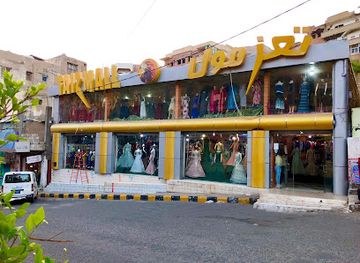
Taiz Mall
Explore the vibrant Taiz Mall, Yemen's premier shopping destination, featuring diverse clothing stores and a lively atmosphere for all ages.
-
Shopping mall
مكتب دي اكس ان الرئيسي تعز DXN Taiz
Experience the vibrant shopping culture of Taizz at DXN Taiz, where local craftsmanship meets modern retail in a bustling atmosphere.
-
Grocery store
Taiz Yamen
Explore the vibrant flavors of Yemen at Taiz Yamen, a grocery store brimming with local produce, spices, and culinary treasures.
-
Store
محلات المحويتي التجاريةAL_MAHWEETY TRADING STORES
Explore Al Mahweety Trading Stores in Taizz for a unique shopping experience filled with local craftsmanship and cultural treasures.
Get your free copy of our complete guide to Taiz, delivered straight to you.
Everything on this page, from attractions and restaurants to essentials and local phrases, in one PDF you can read offline, print or share.
Already have an account? Sign in
Your Taiz guide is ready.
We'll send it to · Not you? Sign out

Getting your guide ready…
We are putting together a fresh copy of the Taiz guide. This can take up to a minute.
This can take a few moments. If your browser asks, choose Allow so the download can start. You'll find the guide in your Downloads folder.
Nothing happened? Download it again
Sorry, the guide is taking longer than usual. Please try again in a minute, or get it by email instead.
Taiz essentials
Currency and Payment
Safety
Emergency Situations
Do's and Don'ts
Local Tips
From Eve
Local phrases worth knowing
You don't need to get them perfect. A few words go a long way, and locals appreciate the effort.
Basics
| English | Local | Say it |
|---|---|---|
| Hello | مرحبا | [Marhaba] |
| Goodbye | وداعا | [Wada'an] |
| Yes | نعم | [Na'am] |
| No | لا | [La] |
| Please/You're welcome | من فضلك | [Min fadlik] |
| Thank you | شكرا | [Shukran] |
| Excuse me/Sorry | عفوا | [Afwan] |
| How are you? | كيف حالك؟ | [Kayfa halak?] |
| Fine. And you? | بخير. وأنت؟ | [Bikhayr. Wa anta?] |
| Do you speak English? | هل تتحدث الإنجليزية؟ | [Hal tatahaddath al-ingliziyya?] |
| I don't understand | لا أفهم | [La afham] |
Eating & Drinking
| English | Local | Say it |
|---|---|---|
| I'd like to see the menu, please | أود أن أرى القائمة، من فضلك | [Awad an ara al-qa'ima, min fadlik] |
| I don't eat meat | لا أأكل اللحم | [La akul al-lahm] |
| Cheers! | صحتين | [Sahteen] |
| I would like to pay, please | أود أن أدفع، من فضلك | [Awad an adfa, min fadlik] |
Emergencies
| English | Local | Say it |
|---|---|---|
| Help! | نجدة! | [Najda!] |
| Go away! | ابتعد! | [Ibt'id!] |
| Call the Police! | اتصل بالشرطة! | [Ittasil bil-shurta!] |
| Call a doctor! | اتصل بالطبيب! | [Ittasil bil-tabeeb!] |
| I'm lost | أنا ضائع | [Ana dai'] |
| I'm ill | أنا مريض | [Ana marid] |
Shopping
| English | Local | Say it |
|---|---|---|
| I'd like to buy... | أود أن أشتري... | [Awad an ashtari...] |
| I'm just looking | أنا فقط أنظر | [Ana faqat anzur] |
| How much is it? | كم ثمنه؟ | [Kam thamanuh?] |
| That's too expensive | هذا غالي جدا | [Hatha ghali jidan] |
| Can you lower the price? | هل يمكنك تخفيض السعر؟ | [Hal yumkinuka takhfid al-si'r?] |
Time & Numbers
| English | Local | Say it |
|---|---|---|
| What time is it? | كم الساعة؟ | [Kam al-sa'a?] |
| It's one o'clock | الساعة واحدة | [Al-sa'a wahida] |
| Half past (10) | ونصف (10) | [Wa nisf (10)] |
| Morning | صباح | [Sabah] |
| Afternoon | بعد الظهر | [Ba'd al-zuhur] |
| Evening | مساء | [Masa'] |
| Yesterday | أمس | [Ams] |
| Today | اليوم | [Al-yawm] |
| Tomorrow | غدا | [Ghadan] |
| 1 | واحد | [Wahid] |
| 2 | اثنان | [Ithnan] |
| 3 | ثلاثة | [Thalatha] |
| 4 | أربعة | [Arba'a] |
| 5 | خمسة | [Khamsa] |
| 6 | ستة | [Sitta] |
| 7 | سبعة | [Sab'a] |
| 8 | ثمانية | [Thamaniya] |
| 9 | تسعة | [Tis'a] |
| 10 | عشرة | [Ashara] |
Transport & Directions
| English | Local | Say it |
|---|---|---|
| Where's a/the...? | أين...؟ | [Ayn...?] |
| What's the address? | ما هو العنوان؟ | [Ma huwa al-unwan?] |
| Can you show me (on the map)? | هل يمكنك أن تريني (على الخريطة)؟ | [Hal yumkinuka an turini (ala al-kharita)?] |
| When's the next (bus)? | متى تأتي (الحافلة) التالية؟ | [Mata ta'ti (al-hafila) al-taliya?] |
| A ticket (to ....) | تذكرة (إلى....) | [Tadhkira (ila....)] |
History of Taiz
Ancient South Arabian and Highland Settlement
The mountains and valleys of south-western Yemen have supported settled communities for thousands of years. Ancient South Arabian societies developed agriculture suited to dry conditions, including terracing, rainwater management and cultivation in elevated valleys. The wider region formed part of the cultural world influenced by the kingdoms of Saba, Qataban, Himyar and their successors, although political boundaries changed over time. Archaeological remains, inscriptions and surviving agricultural techniques show how communities adapted to steep terrain and limited water. In Taiz, the long continuity of highland settlement remains visible in village patterns, field terraces and the relationship between defensive sites and cultivated slopes.
Islamic Rule and the Medieval Rise of Taiz
Islam transformed the political and cultural landscape of Yemen from the seventh century onwards. Taiz became especially important during the Rasulid period, when the Rasulid sultans ruled much of Yemen from the thirteenth to the fifteenth century. The city’s strategic position and defensible mountain setting helped it develop as a political centre, while religious scholarship, craft production and commerce expanded. Mosques, urban institutions and the castle above the city reflect the importance acquired during and after this era. The Rasulid legacy is central to Taiz’s historical identity, even where later construction and conflict have altered the historic fabric.
Ottoman and Zaydi Political Rivalries
From the sixteenth century, Yemen became involved in repeated struggles between Ottoman imperial power and local political authorities, including the Zaydi imams of the northern highlands. Ottoman influence was strongest in some western and coastal areas during different periods, while control of the interior remained contested. Taiz and the surrounding routes were affected by these rivalries because they connected mountain settlements with the Tihama and Red Sea trade. The period left a layered political history rather than a single uninterrupted authority, with local elites, religious leaders and commercial communities all shaping regional power.
Coffee, Al Mokha and Red Sea Commerce
The port of Al Mokha became internationally famous from the seventeenth century as an outlet for coffee grown in Yemen’s highlands. Merchants shipped coffee through the Red Sea to markets in the Middle East and beyond, and European travellers helped spread the port’s name. Although coffee was cultivated in several Yemeni highland areas rather than exclusively around the port, Al Mokha became so closely associated with the trade that “mocha” entered global commercial and culinary language. The port’s history connects Taiz Governorate to the wider Indian Ocean and Red Sea trading world.
British Aden, Ottoman Withdrawal and Modern State Formation
The southern and western parts of Yemen were drawn into new political arrangements during the nineteenth and early twentieth centuries. British control of Aden affected regional trade, while the Ottoman Empire withdrew from Yemen after the First World War. Taiz remained linked to the highland political sphere and later became an important centre in the modern Yemeni state. Roads, schools, administrative institutions and commercial networks expanded unevenly during the twentieth century, strengthening the city’s reputation as a centre of education and public life.
The 1962 Revolution and Republican Yemen
The 1962 revolution in North Yemen ended the Zaydi imamate and established the Yemen Arab Republic after a prolonged civil war. Taiz was involved in the political and military upheavals of this period and became increasingly important within republican Yemen. The city’s educated professional class, markets and cultural institutions contributed to its national influence. The unification of North and South Yemen in 1990 created the Republic of Yemen, but political tensions, economic inequalities and regional conflicts continued to affect Taiz and the country as a whole.
The 2011 Uprising and War in Taiz
Taiz played a prominent role in Yemen’s 2011 uprising, with large demonstrations calling for political change. After the Houthi movement expanded southwards and Yemen’s political crisis deepened, Taiz became a major front in the war that began in 2014–15. Fighting, shelling, sieges, displacement and shortages caused severe damage to homes, roads, water systems, schools and medical facilities. The conflict has also endangered historic buildings and disrupted the economic life of both the city and surrounding districts. Humanitarian organisations continue to describe access and security as highly constrained and changeable.
Taiz in Photos
Browse through our photo collection highlighting the charm and character of the destination.
Neighbouring regions of Taiz
The closest regions to Taiz, if you have time for more than one.
-

-

-

-

-


Swipe for more regions
Explore more

Explore more of Yemen
Discover Yemen: An ancient land of rich history, stunning landscapes, and warm hospitality, offering a unique travel experience off the beaten path.
Explore Yemen