

Free Al Jawf Travel Guide & Mobile App
Explore Al Jawf with free travel guides. Discover regional history, expert tips, proposed trips, and audio guides on web or mobile app.


Al Jawf reveals Yemen’s ancient caravan kingdoms, desert plains and archaeological heritage, but current conflict makes specialist authorised travel essential.
Read more about Al Jawf
When is the best time to visit Al Jawf?
Best: December–February · 25–27°C| Month | High (°C) | Rainfall (mm) |
|---|---|---|
| January (best) | 26 | 3 |
| February (best) | 27 | 4 |
| March | 32 | 7 |
| April | 36 | 9 |
| May | 41 | 11 |
| June | 42 | 13 |
| July | 42 | 15 |
| August | 42 | 14 |
| September | 38 | 12 |
| October | 34 | 10 |
| November | 29 | 7 |
| December (best) | 25 | 5 |
Getting to and around Al Jawf
How to get there
Transportation
Top city travel guides in Al Jawf
The cities of Al Jawf, and the easiest places to base yourself.

Swipe for more cities
Destinations in Al Jawf
Resorts, valleys and scenic spots worth a trip of their own.

Swipe for more destinations
Best attractions in Al Jawf
-
Park
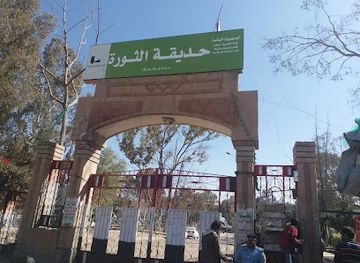
Althawra Park
Experience the serene beauty of Althawra Park in Sana'a, Yemen, where lush greenery meets tranquility in a stunning urban oasis.
-
Arboretum
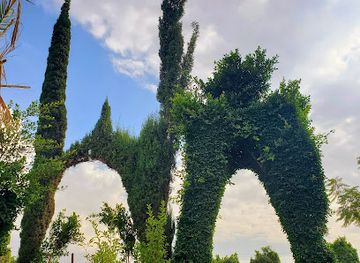
Arboretum and flowers Happy Yemen
Explore the vibrant flora and serene landscapes of Happy Yemen Arboretum in Sana'a, a perfect escape for nature lovers and families alike.
-
Garden
حديقة الثورة العامة
Discover the serene beauty of Al-Thawra Public Garden in Sana'a, Yemen, a tranquil escape filled with vibrant flora and cultural experiences.
-
Garden
حديقة إبن ماجد
Experience the tranquil charm of حديقة إبن ماجد, a serene garden in Sana'a, perfect for relaxation and cultural exploration.


Best landmarks in Al Jawf
Baraqish is Al Jawf’s most recognisable historic landmark, an ancient walled settlement whose stone defences and surviving architectural remains express the strategic value of controlling routes and farmland in northern Yemen. The ruins are associated with the Minaean and later southern Arabian political worlds and are particularly important for their inscriptions and evidence of organised urban life. Qarnawu, traditionally identified with the Minaean capital, is another major historical reference point in the governorate, representing the commercial and administrative networks that connected Al Jawf with wider Arabia. The modern town of Al Hazm is the administrative landmark of the region, although its significance is contemporary rather than monumental. Beyond these named sites, the governorate’s broad valleys, isolated ruins and agricultural pockets form a cultural landscape in which geography and history are closely linked. Many structures have limited conservation and no visitor interpretation, and access may be prevented by conflict, mines or local restrictions. These landmarks should therefore be understood through authorised archaeological or institutional visits, not approached as freely accessible monuments.
-
Mosque
Al-Saleh Mosque
Explore the architectural wonder of Al-Saleh Mosque in Sana'a, Yemen, where tradition meets modern design in a serene spiritual haven.
-
Shopping mall
Libyan Trade Center
Discover the Libyan Trade Center in Sana'a, Yemen - your ultimate shopping and cultural destination filled with local flavors and vibrant experiences.
-
Historical landmark
Dar AlHajar
Discover the architectural wonder of Dar AlHajar, a historical landmark in Yemen, known for its stunning design and rich cultural significance.
-
Castle
Seera Castle
Discover the enchanting Seera Castle in Aden, Yemen - a historical fortress with stunning views and rich cultural significance.


Explore Al Jawf on the map
Plan your trip on one map. See where the top cities, national parks and sights are, and book hotels and experiences in a few clicks.
Best hotels in Al Jawf
Best restaurants in Al Jawf
Al Jawf does not have a developed international visitor dining scene, and food arrangements for authorised travel are normally organised privately by a host, agency or institution. Local meals reflect northern Yemeni traditions, with bread, rice, legumes, vegetables, dates and meat appearing according to household resources and season. Saltah and other Yemeni dishes may be encountered, although they are national or wider regional foods rather than exclusive specialities of Al Jawf. Tea and coffee can accompany hospitality, and dates and locally cultivated produce are significant in suitable agricultural areas. In Al Hazm and larger settlements there may be modest local eateries, but availability, hygiene standards, fuel supplies and opening arrangements are not dependable. Travellers should not expect menus in English, card payment, refrigeration or reliable access to bottled water outside established facilities. Anyone entering remote districts should carry safe drinking water and appropriate provisions, observing host guidance about what can be bought locally. Sharing food can be an important social gesture, but dietary, medical and religious requirements should be explained discreetly in advance.
-
Restaurant
Alshaibany corporation for restaurants
Discover exquisite Yemeni cuisine at Alshaibany Corporation for Restaurants in Sana'a - where every dish tells a story.
-
Yemenite
Remas Restaurants
Discover authentic Yemeni flavors at Remas Restaurants in Sana'a – where tradition meets taste in every dish.
-
Restaurant
AL-Khatib Restaurant
Experience authentic Yemeni flavors at AL-Khatib Restaurant in Sana'a - where tradition meets taste in a vibrant setting.
-
Yemenite
Royal restaurant
Discover authentic Yemenite cuisine in Sana'a at Royal Restaurant – where tradition meets flavor in every dish.


Best bars in Al Jawf
Al Jawf has no conventional bar or nightclub culture for international visitors. Yemen is a predominantly Muslim country, and alcohol is socially and legally sensitive; visitors should not expect licensed drinking venues, club districts or a nightlife economy. Evening social life is more likely to centre on family gatherings, conversation, tea, coffee and hospitality in private or locally appropriate settings. In Al Hazm, commercial activity may continue after sunset when conditions permit, but conflict, power cuts, curfews, security measures and limited public services can alter this quickly. Photography, public gatherings and movement after dark may attract unwanted attention, particularly near government, military or tribal locations. Authorised visitors should remain with their host organisation, avoid unnecessary night travel and follow local instructions rather than seeking entertainment independently. A quiet evening schedule is not merely a rural characteristic here; it is also a practical consequence of the security environment and the absence of established tourism infrastructure.
-
 Cider bar
مطاعم وبروست الشيباني الحديث
Discover the flavors of Yemen at مطاعم وبروست الشيباني الحديث, renowned for its exquisite broasted chicken and welcoming ambiance, perfect for every food lover.
-
Cider bar
قآرة ال حنم
Discover the vibrant atmosphere and unique Yemeni flavors at قآرة ال حنم, a must-visit bar in Jardan District, Yemen.
-
Cider bar
حوث
Experience the vibrant nightlife of Sana'a at Houth, where culture meets camaraderie in a lively bar setting.
-
Cider bar
مفرش الحجاجي النفيعي ملك القات _الردعي_ عنسي _ قيفي _نقفه
Discover the vibrant atmosphere of مفرش الحجاجي النفيعي, a unique bar in Al Hudaydah offering local flavors and a cozy ambiance for tourists.


Best nightclubs in Al Jawf
Al Jawf has no conventional bar or nightclub culture for international visitors. Yemen is a predominantly Muslim country, and alcohol is socially and legally sensitive; visitors should not expect licensed drinking venues, club districts or a nightlife economy. Evening social life is more likely to centre on family gatherings, conversation, tea, coffee and hospitality in private or locally appropriate settings. In Al Hazm, commercial activity may continue after sunset when conditions permit, but conflict, power cuts, curfews, security measures and limited public services can alter this quickly. Photography, public gatherings and movement after dark may attract unwanted attention, particularly near government, military or tribal locations. Authorised visitors should remain with their host organisation, avoid unnecessary night travel and follow local instructions rather than seeking entertainment independently. A quiet evening schedule is not merely a rural characteristic here; it is also a practical consequence of the security environment and the absence of established tourism infrastructure.
-
Hawaii Entertainment Club
Discover the vibrant Hawaii Entertainment Club in Sana'a, where coffee, sports, and relaxation meet in a lush garden setting.
-
Je t'aime Hall Weddings and events
Discover the elegance of Je t'aime Hall in Sana'a, Yemen - the perfect venue for unforgettable weddings and special events.
-
صاله النادي الاهلي
Discover the elegance of Yemeni celebrations at Al Ahli Club Hall, a premier wedding venue in the heart of Sana'a offering a blend of tradition and luxury.
-
Sports club
Sana'a Recreation Club
Experience the vibrant atmosphere of Sana'a Recreation Club, where sports and community spirit unite in the heart of Yemen.



Best shops in Al Jawf
Shopping in Al Jawf is primarily local and practical rather than tourism-oriented. Al Hazm and other settlements have ordinary shops and markets supplying food, household goods, clothing and necessities, but stock, opening arrangements and payment options can be affected by conflict, fuel shortages and disrupted transport. Visitors should not expect dedicated souvenir streets, craft centres or reliable export-quality retail. Regionally appropriate purchases may include dates and other locally available produce, Yemeni coffee from wider national supply networks, woven goods, garments and small household items, although provenance and quality should be checked carefully. Archaeological artefacts, inscriptions, stones and old coins must never be bought, collected or removed; illicit trade contributes to the loss of Yemen’s heritage and may carry serious legal consequences. Bargaining may occur in informal markets, but it should be conducted courteously and without treating local sellers as tourist attractions. Authorised visitors travelling into remote districts should bring essential personal supplies rather than relying on shopping opportunities after leaving Al Hazm.
-
Shopping mall
Shopping World
Explore Shopping World in Sana'a for a unique blend of local craftsmanship and international brands, perfect for tourists seeking memorable shopping experiences.
-
Shopping mall
Aleetmh Market
Immerse yourself in the rich culture of Yemen at Aleetmh Market, where shopping meets tradition and local flavors come alive.
-
Electronics store
Great Deal Online Shopping جريت ديل للشراء عن طريق الإنترنت
Discover endless shopping opportunities at Great Deal Online Shopping in Sana'a, Yemen, from electronics to clothing and more.
-
Shopping mall
Al Arfa Market
Explore Al Arfa Market in Yemen for a unique shopping experience filled with local culture, handcrafted goods, and vibrant atmosphere.


Get your free copy of our complete guide to Al Jawf, delivered straight to you.
Everything on this page, from attractions and restaurants to essentials and local phrases, in one PDF you can read offline, print or share.
Already have an account? Sign in
Your Al Jawf guide is ready.
We'll send it to · Not you? Sign out

Getting your guide ready…
We are putting together a fresh copy of the Al Jawf guide. This can take up to a minute.
This can take a few moments. If your browser asks, choose Allow so the download can start. You'll find the guide in your Downloads folder.
Nothing happened? Download it again
Sorry, the guide is taking longer than usual. Please try again in a minute, or get it by email instead.
Al Jawf essentials
Currency and Payment
Safety
Emergency Situations
Do's and Don'ts
Local Tips
From Eve
Local phrases worth knowing
You don't need to get them perfect. A few words go a long way, and locals appreciate the effort.
Basics
| English | Local | Say it |
|---|---|---|
| Hello | مرحبا | [Marhaban] |
| Goodbye | وداعا | [Wada'an] |
| Yes | نعم | [Na'am] |
| No | لا | [La] |
| Please/You're welcome | تفضل | [Tafaddal] |
| Thank you | شكرا | [Shukran] |
| Excuse me/Sorry | عذرا | [Udhuran] |
| How are you? | كيف حالك؟ | [Kayfa halak?] |
| Fine. And you? | بخير. وأنت؟ | [Bikhayr. Wa anta?] |
| Do you speak English? | هل تتحدث الإنجليزية؟ | [Hal tatahaddath al-ingliziyya?] |
| I don't understand | لا أفهم | [La afham] |
Eating & Drinking
| English | Local | Say it |
|---|---|---|
| I'd like to see the menu, please | أود رؤية القائمة، من فضلك | [Awad ru'yat al-qa'ima, min fadlik] |
| I don't eat meat | لا أكل اللحم | [La akl al-lahm] |
| Cheers! | في صحتك! | [Fi sihhatak!] |
| I would like to pay, please | أود الدفع، من فضلك | [Awad al-daf', min fadlik] |
Emergencies
| English | Local | Say it |
|---|---|---|
| Help! | نجدة! | [Najda!] |
| Go away! | ابتعد! | [Ibt'id!] |
| Call the Police! | اتصل بالشرطة! | [Ittasil bil-shurta!] |
| Call a doctor! | اتصل بطبيب! | [Ittasil bi-tabeeb!] |
| I'm lost | أنا ضائع | [Ana da'i'] |
| I'm ill | أنا مريض | [Ana marid] |
Shopping
| English | Local | Say it |
|---|---|---|
| I'd like to buy... | أود شراء... | [Awad shira'] |
| I'm just looking | أنا فقط أتسوق | [Ana faqat atasaqq] |
| How much is it? | كم ثمنه؟ | [Kam thamanuh?] |
| That's too expensive | هذا غالي جدا | [Hatha ghaly jidan] |
| Can you lower the price? | هل يمكنك تخفيض السعر؟ | [Hal yumkinuka takhfid al-si'r?] |
Time & Numbers
| English | Local | Say it |
|---|---|---|
| What time is it? | كم الساعة؟ | [Kam al-sa'a?] |
| It's one o'clock | الساعة واحدة | [Al-sa'a wahida] |
| Half past (10) | نصف الساعة (10) | [Nisf al-sa'a (10)] |
| Morning | صباح | [Sabah] |
| Afternoon | بعد الظهر | [Ba'd al-zuhur] |
| Evening | مساء | [Masa'] |
| Yesterday | أمس | [Ams] |
| Today | اليوم | [Al-yawm] |
| Tomorrow | غدا | [Ghadan] |
| 1 | 1 | [1] |
| 2 | 2 | [2] |
| 3 | 3 | [3] |
| 4 | 4 | [4] |
| 5 | 5 | [5] |
| 6 | 6 | [6] |
| 7 | 7 | [7] |
| 8 | 8 | [8] |
| 9 | 9 | [9] |
| 10 | 10 | [10] |
Transport & Directions
| English | Local | Say it |
|---|---|---|
| Where's a/the...? | أين هو...؟ | [Ayn hu...?] |
| What's the address? | ما هو العنوان؟ | [Ma hu al-unwan?] |
| Can you show me (on the map)? | هل يمكنك أن تُريني (على الخريطة)؟ | [Hal yumkinuka an turini (ala al-kharita)?] |
| When's the next (bus)? | متى تأتي (الحافلة) التالية؟ | [Mata ta'ti (al-hafila) al-taliya?] |
| A ticket (to ....) | تذكرة (إلى ....) | [Tadhkara (ila ....)] |
History of Al Jawf
Pre-Islamic Settlement and Irrigation
Al Jawf’s broad valleys and cultivable areas supported settled communities long before Islam. Seasonal water and local irrigation enabled agriculture in an otherwise arid environment, while the region’s position between the northern Arabian interior and the Yemeni highlands encouraged movement and exchange. Archaeological remains, inscriptions and fortified settlements indicate organised political communities with systems for managing land, water and trade. Much of the evidence remains difficult to visit and study because of conflict and limited conservation, but the surviving ruins establish Al Jawf as one of Yemen’s important centres of ancient settlement.
The Minaean Kingdom and Qarnawu
Al Jawf was closely associated with the Minaean kingdom, one of the ancient South Arabian states that flourished during the first millennium BCE. Qarnawu, generally identified with the Minaean capital in the Al Jawf area, was linked to caravan commerce and the movement of aromatics, metals and other goods across Arabia. Minaean inscriptions found across the region and beyond show the reach of its merchants and administrators. The kingdom’s legacy is visible in the remains of monumental buildings, civic organisation and an early South Arabian writing tradition.
Baraqish and the Southern Arabian Kingdoms
Baraqish, an ancient fortified settlement in Al Jawf, illustrates the changing political landscape of pre-Islamic Yemen. Its substantial stone walls and remains of temples and buildings reflect the strategic importance of controlling routes and agricultural territory. The settlement was associated with the Minaean world and later came under the influence of other southern Arabian powers, including Sabaean and Himyarite rulers. The site’s layered history demonstrates that control of Al Jawf shifted between competing kingdoms rather than belonging permanently to a single state.
Islamisation and Medieval Political Change
Islam reached northern Yemen during the seventh century, after which Al Jawf became part of the changing political and religious landscape of Islamic Yemen. Authority in the region varied over subsequent centuries, with local communities, tribal alliances and successive Yemeni dynasties shaping the balance of power. The area’s distance from the principal highland centres often allowed local forms of authority to remain important. Mosques, settlement patterns and continuing agricultural life form part of this later historical inheritance, although the archaeological record is less extensively presented to visitors than the pre-Islamic ruins.
Ottoman and Zaydi Periods
Northern Yemen experienced periods of Ottoman involvement alongside the authority of Zaydi imams and local tribal leaders. Al Jawf’s strategic position and routes towards the interior made it relevant to struggles over administration, taxation and movement, yet effective control was often negotiated rather than uniform. The region’s political history during these centuries cannot be reduced to a simple succession of rulers: local alliances and tribal structures remained central to daily governance. This pattern continued to influence the region’s relationship with later Yemeni states.
The Modern Yemeni State and Contemporary Conflict
The formation and consolidation of the modern Republic of Yemen brought attempts to integrate Al Jawf more closely into national administrative, military and economic systems. Roads, public services and links with neighbouring governorates expanded unevenly, while local political and tribal relationships remained significant. Since the escalation of Yemen’s war in the twenty-first century, Al Jawf has experienced military operations, displacement, disrupted livelihoods and serious damage to infrastructure and heritage. These conditions have sharply limited archaeological access and made ordinary international travel unsafe.
Al Jawf in Photos
Browse through our photo collection highlighting the charm and character of the destination.
Neighbouring regions of Al Jawf
The closest regions to Al Jawf, if you have time for more than one.
-

-

-

-

-


Swipe for more regions
Explore more

Explore more of Yemen
Discover Yemen: An ancient land of rich history, stunning landscapes, and warm hospitality, offering a unique travel experience off the beaten path.
Explore Yemen