

Free Sa'dah Travel Guide & Mobile App
Explore Sa'dah with free travel guides. Discover regional history, expert tips, proposed trips, and audio guides on web or mobile app.


Explore Sa'dah's Zaydi heritage, mountain architecture and northern Yemeni history through careful research and highly restricted travel planning.
Read more about Sa'dah
When is the best time to visit Sa'dah?
Best: March–April, November · 24–26°C| Month | High (°C) | Rainfall (mm) |
|---|---|---|
| January | 20 | 10 |
| February | 21 | 11 |
| March (best) | 24 | 13 |
| April (best) | 26 | 16 |
| May | 29 | 22 |
| June | 32 | 27 |
| July | 33 | 25 |
| August | 33 | 23 |
| September | 31 | 20 |
| October | 28 | 17 |
| November (best) | 24 | 14 |
| December | 20 | 12 |
Getting to and around Sa'dah
How to get there
Transportation
Best landmarks in Sa'dah
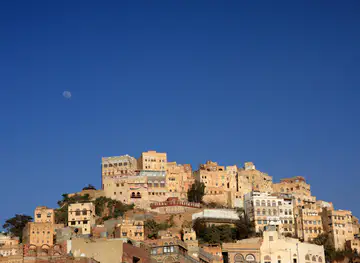
The most important landmark in Sa'dah is the historic religious complex associated with Imam al-Hadi ila'l-Haqq, whose mausoleum and mosque embody the city's role as an early centre of Zaydi authority and learning. Sa'dah's old urban fabric is also notable for its tall highland houses, pale façades, decorated openings and compact streets, although conflict and neglect have affected historic structures. Traditional mosques and surviving residential buildings across the city reflect the architectural language of northern Yemen, in which defensive practicality, family life and religious identity are closely connected. In the wider governorate, terraced hillsides, fortified villages and valley settlements form a cultural landscape shaped by scarce water, agriculture and long-distance movement. These landmarks are historically significant but are not currently safe sightseeing sites; access may be restricted, buildings may have been damaged, and photography or approach can attract security concerns. Their importance should therefore be understood alongside the need for conservation and civilian protection.
-
Dar AlHajar
Discover the breathtaking Dar AlHajar, a historical landmark in Yemen's Wadi Dhahr, showcasing stunning architecture and rich cultural heritage.

Explore Sa'dah on the map
Plan your trip on one map. See where the top cities, national parks and sights are, and book hotels and experiences in a few clicks.
Best hotels in Sa'dah
Best restaurants in Sa'dah
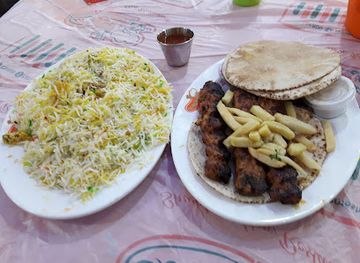
Sa'dah's food culture belongs to the northern Yemeni highlands, where meals traditionally draw on bread, rice, beans, vegetables, meat and aromatic spices, with local preparation shaped by household and market customs. Saltah, a hot stew traditionally served with a bubbling fenugreek topping, is associated with Yemen nationally, while soups, flatbreads and spiced meat dishes are common across the country with regional variations. Highland produce may include grains, pulses, fruit and vegetables cultivated in valley and terrace environments, although availability is affected by conflict, transport disruption and food insecurity. In ordinary conditions, eating places would be concentrated in market areas and larger settlements, with simple cafés and family-run establishments more relevant than an international restaurant scene. Sa'dah should not currently be visited for culinary tourism: supplies, hygiene standards, food safety and opening arrangements cannot be assumed, and visitors on essential journeys should follow their organisation's provisioning plan.
-
مطاعم شواطئ عدن السياحية - Shawati Aden Tourist Restaurant
Experience authentic Yemeni flavors at Shawati Aden Tourist Restaurant with breathtaking seaside views in vibrant Aden.
-
Alshaibany corporation for restaurants
Discover authentic Yemeni flavors at Alshaibany Corporation for Restaurants in Sana'a - where tradition meets taste.
-
Saraya Restaurant
Experience authentic Yemeni flavors at Saraya Restaurant in Al Hudaydah - where every dish tells a story.
-
Royal restaurant
Discover authentic Yemeni flavors at Royal Restaurant in Sana'a – a culinary journey through traditional dishes and warm hospitality.


Best bars in Sa'dah
Sa'dah has no conventional bar or nightclub culture. Alcohol is prohibited under Yemeni law, and evening social life traditionally centres on family gatherings, religious and community settings, tea, coffee, qat sessions and informal conversation rather than licensed nightlife. Small cafés or food establishments may operate in settled areas when security and supplies permit, but opening patterns are unpredictable and public movement after dark can be particularly risky. Visitors should not seek entertainment districts or treat qat use as a tourist activity; legal, health and social considerations vary, and carrying or consuming controlled substances can create serious problems. For people undertaking essential work, evenings should be planned around secure accommodation, communications checks and organisational curfews rather than leisure itineraries.
-
Chandler Muriel Bing
Discover the cozy charm of Chandler Muriel Bing, where exquisite teas meet delicious unagi dishes in Yemen City.
-
Bar
منتزة الشيوخ
Discover the vibrant hookah culture at منتزة الشيوخ in Sana'a, Yemen – a perfect spot to unwind and connect with locals.
-
 Bar
مطعم كرم الضيافه
Experience authentic Yemeni cuisine in At Talh at مطعم كرم الضيافه, where tradition meets hospitality in every delicious dish.
-
Bar
اليمن
Experience the vibrant bar culture of Yemen, where traditional flavors meet warm hospitality in a captivating setting.



Best shops in Sa'dah
Sa'dah's traditional shopping culture is centred on local markets serving surrounding agricultural and pastoral communities rather than modern retail districts. In more stable conditions, visitors might encounter staple foods, textiles, household goods, locally made clothing, metalwork and other products exchanged through market networks. Northern Yemen is also associated with distinctive craft traditions and agricultural produce, but availability, authenticity and legal export arrangements should never be assumed. Qat is widely embedded in Yemeni social life, yet it should not be treated as a souvenir or purchased without understanding serious legal and practical risks. Conflict, shortages, displacement and disrupted transport have greatly altered commercial life in the governorate, and shops may close without notice. Essential travellers should buy only through trusted, lawful arrangements, avoid photographing markets or vendors without consent, and confirm customs rules before carrying any food, antiquities, plants or handmade goods out of Yemen.
-
Gift shop
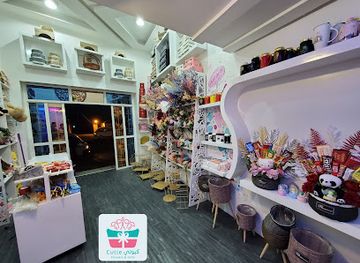
Cutie - كيوتي
Explore Cutie in Sana'a for unique gifts, charming souvenirs, and festive decorations that capture the essence of Yemen.
-
Clothing store
محل 10 دولار للملابس الجاهزة
Affordable fashion awaits at محل 10 دولار للملابس الجاهزة in Sa'dah, Yemen – where every item is just ten dollars!
-
Fruit and vegetable wholesaler
محلات العزب
Explore the fresh produce and vibrant atmosphere of محلات العزب, a premier fruit and vegetable wholesaler in بني عياش, Yemen.
-
alasd2020
Discover the perfect beachwear at Hisn al Qa' Beach Clothing Store, where style meets the Yemeni coastline's charm.


Get your free copy of our complete guide to Sa'dah, delivered straight to you.
Everything on this page, from attractions and restaurants to essentials and local phrases, in one PDF you can read offline, print or share.
Already have an account? Sign in
Your Sa'dah guide is ready.
We'll send it to · Not you? Sign out

Getting your guide ready…
We are putting together a fresh copy of the Sa'dah guide. This can take up to a minute.
This can take a few moments. If your browser asks, choose Allow so the download can start. You'll find the guide in your Downloads folder.
Nothing happened? Download it again
Sorry, the guide is taking longer than usual. Please try again in a minute, or get it by email instead.
Sa'dah essentials
Currency and Payment
Safety
Emergency Situations
Do's and Don'ts
Local Tips
From Eve
Local phrases worth knowing
You don't need to get them perfect. A few words go a long way, and locals appreciate the effort.
Basics
| English | Local | Say it |
|---|---|---|
| Hello | مرحبا | [Marhaban] |
| Goodbye | وداعا | [Wada'an] |
| Yes | نعم | [Na'am] |
| No | لا | [La] |
| Please/You're welcome | من فضلك | [Min fadlik] |
| Thank you | شكرا | [Shukran] |
| Excuse me/Sorry | عفوا | [Afwan] |
| How are you? | كيف حالك؟ | [Kayfa halak?] |
| Fine. And you? | بخير. وأنت؟ | [Bikhayr. Wa anta?] |
| Do you speak English? | هل تتحدث الإنجليزية؟ | [Hal tatahadath al-ingliziyya?] |
| I don't understand | لا أفهم | [La afham] |
Eating & Drinking
| English | Local | Say it |
|---|---|---|
| I'd like to see the menu, please | أريد رؤية القائمة، من فضلك | [Ureed ru'yat al-qa'ima, min fadlik] |
| I don't eat meat | لا آكل اللحم | [La akul al-lahm] |
| Cheers! | صحتين | [Sihatein] |
| I would like to pay, please | أريد دفع الفاتورة، من فضلك | [Ureed dafa' al-fatura, min fadlik] |
Emergencies
| English | Local | Say it |
|---|---|---|
| Help! | نجدة! | [Najda!] |
| Go away! | ابتعد! | [Ibt'id!] |
| Call the Police! | اتصل بالشرطة! | [Ittasil bil-shurta!] |
| Call a doctor! | اتصل بطبيب! | [Ittasil bi-tabeeb!] |
| I'm lost | أنا ضائع | [Ana da'i'] |
| I'm ill | أنا مريض | [Ana marid] |
Shopping
| English | Local | Say it |
|---|---|---|
| I'd like to buy... | أريد شراء... | [Ureed shira'] |
| I'm just looking | أنا فقط أنظر | [Ana faqat anzur] |
| How much is it? | كم ثمنه؟ | [Kam thamanu?] |
| That's too expensive | هذا غالي جدا | [Hatha ghali jidan] |
| Can you lower the price? | هل يمكنك تخفيض السعر؟ | [Hal yumkinuka takhfid al-si'r?] |
Time & Numbers
| English | Local | Say it |
|---|---|---|
| What time is it? | كم الساعة؟ | [Kam al-sa'a?] |
| It's one o'clock | الساعة واحدة | [Al-sa'a wahida] |
| Half past (10) | نصف الساعة (10) | [Nisf al-sa'a (10)] |
| Morning | صباح | [Sabah] |
| Afternoon | ظهر | [Dhur] |
| Evening | مساء | [Masa'] |
| Yesterday | أمس | [Ams] |
| Today | اليوم | [Al-yawm] |
| Tomorrow | غدا | [Ghadan] |
| 1 | واحد | [Wahid] |
| 2 | اثنان | [Ithnan] |
| 3 | ثلاثة | [Thalatha] |
| 4 | أربعة | [Arba'a] |
| 5 | خمسة | [Khamsa] |
| 6 | ستة | [Sitta] |
| 7 | سبعة | [Sab'a] |
| 8 | ثمانية | [Thamaniya] |
| 9 | تسعة | [Tis'a] |
| 10 | عشرة | [Ashara] |
Transport & Directions
| English | Local | Say it |
|---|---|---|
| Where's a/the...? | أين...؟ | [Ayna...?] |
| What's the address? | ما هو العنوان؟ | [Ma huwa al-'unwan?] |
| Can you show me (on the map)? | هل يمكنك أن تريني (على الخريطة)؟ | [Hal yumkinuka an tureeni (ala al-kharita)?] |
| When's the next (bus)? | متى يأتي (الباص) التالي؟ | [Mata ya'ti (al-bus) al-tali?] |
| A ticket (to ....) | تذكرة (إلى....) | [Tadhkira (ila....)] |
History of Sa'dah
Ancient Northern Arabian and Yemeni Trade Routes
Northern Yemen has long formed part of the wider network linking the Yemeni highlands with the Red Sea coast and the interior of Arabia. Earlier communities cultivated mountain valleys, used terrace systems and exchanged agricultural products, incense, metals and manufactured goods across difficult overland routes. Sa'dah's position in the northern highlands gave it strategic value even before the emergence of its later religious and political importance. Archaeological evidence across Yemen points to successive settlement and trading cultures, although the surviving record in Sa'dah has been affected by conflict and limited systematic research.
The Foundation of Zaydi Sa'dah in the Ninth Century
Sa'dah became the centre of a distinct Zaydi religious and political tradition after Yahya ibn al-Husayn, later known as Imam al-Hadi ila'l-Haqq, established himself in northern Yemen in the late ninth century. He founded a community and religious authority based at Sa'dah, creating institutions that shaped the region's identity for centuries. The city developed as a centre of Islamic learning, pilgrimage and political influence, with the mosque and shrine associated with al-Hadi remaining central to its historical memory.
The Zaydi Imamate and Highland Political Culture
For much of the medieval and early modern period, Sa'dah was closely linked to the Zaydi imamate, whose authority varied across Yemen and depended on alliances with tribal communities, religious legitimacy and control of key settlements. Sa'dah's scholars, sayyids and local leaders contributed to a highland political culture in which religious learning and tribal negotiation were closely connected. Fortified settlements, mosques, terraced agriculture and market networks developed within this setting, leaving a strong architectural and social legacy.
Ottoman Interventions in Northern Yemen
The Ottoman Empire sought to control Yemen during two major periods, including the sixteenth century and the nineteenth and early twentieth centuries. Ottoman authority was strongest in selected towns and routes, while the northern highlands often remained contested and difficult to govern. Sa'dah's location made it part of the wider struggle between imperial officials, Zaydi imams and local tribal powers. Ottoman-era political and military pressure helped shape the conditions in which the later Mutawakkilite Kingdom of Yemen emerged.
The Mutawakkilite Kingdom and the Modern State
After the end of Ottoman rule, the Zaydi imamate was consolidated under the Mutawakkilite Kingdom of Yemen, established in the early twentieth century. Sa'dah remained an important northern centre within this state, retaining religious significance while gradually becoming more connected to national political and economic structures. The 1962 republican revolution and the ensuing civil war transformed Yemen's political order, although the northern highlands continued to be influenced by local religious, tribal and regional dynamics.
Conflict Since 2004
Sa'dah was the main theatre of the Houthi insurgency against the Yemeni government from 2004, and the governorate later became a central base of the Houthi movement. The conflict expanded after 2014 and intensified following the Saudi-led military intervention in 2015. Airstrikes, ground fighting, displacement, damaged infrastructure and restrictions on movement have had profound effects on communities and heritage. The continuing political and military risks mean that Sa'dah's modern history is inseparable from Yemen's humanitarian and security crisis.
Sa'dah in Photos
Browse through our photo collection highlighting the charm and character of the destination.
Neighbouring regions of Sa'dah
The closest regions to Sa'dah, if you have time for more than one.
-

-
-

-

-


Swipe for more regions
Explore more

Explore more of Yemen
Discover Yemen: An ancient land of rich history, stunning landscapes, and warm hospitality, offering a unique travel experience off the beaten path.
Explore Yemen