

Amran, Yemen Travel Guide
Discover Amran: Yemen's hidden gem with rich cultural heritage, ancient architecture, vibrant markets, and breathtaking natural landscapes.
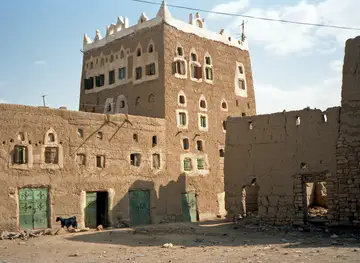
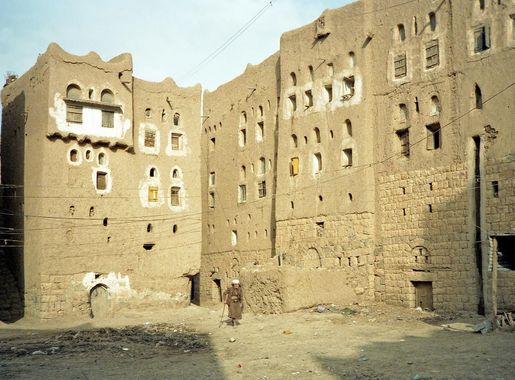
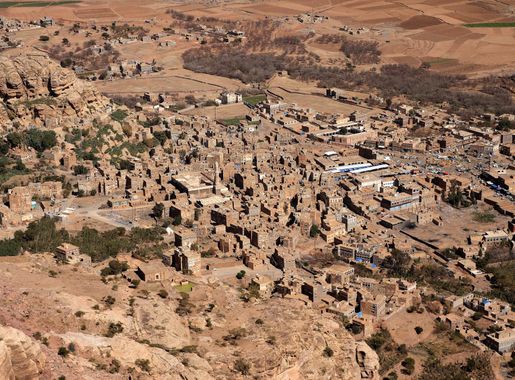
Amran, a captivating city in Yemen, is nestled amidst the rugged mountains, offering a glimpse into the rich cultural heritage and history of the region. This ancient city is renowned for its unique architecture, with traditional Yemeni houses that showcase intricate designs and craftsmanship. Walking through the narrow, winding streets of Amran, visitors can experience the charm of a place where time seems to stand still. The city is also known for its friendly locals and vibrant markets, where one can find an array of handmade crafts, spices, and traditional Yemeni attire. The bustling souks are a sensory delight, filled with the aroma of spices and the colorful display of textiles. For history enthusiasts, Amran offers several historical sites, including ancient mosques and the remnants of old city walls, each telling a story of a bygone era. Surrounded by breathtaking landscapes, Amran is a haven for nature lovers. The nearby mountains and valleys provide excellent opportunities for hiking and exploring the natural beauty of Yemen. Whether you are interested in history, culture, or nature, Amran has something to offer every traveler, making it a must-visit destination in Yemen.

Know before you go
Hi, I'm Eve. Here are a few practical things to know before exploring Amran.
- Visit the local souks early in the morning to experience the true vibrancy of the market.
- Respect local customs and dress modestly, especially when visiting religious sites.
- Hire a local guide to explore the historical sites and learn about the city's rich history.
- Carry cash, as ATMs might be scarce and credit cards are not widely accepted.
- Try the local cuisine, especially traditional Yemeni dishes like Saltah and Mandi.
Top City Travel Guides in Amran
The cities of Amran, and the easiest places to base yourself.

Destinations in Amran
Resorts, valleys and scenic spots worth a trip of their own.

Explore Amran: Things to Do, Places to Eat, Hotels & More
Handpicked recommendations for top attractions, local dining, accommodations, and more

Top Attractions & Sightseeing in Amran
Top-rated picks
Best Attractions

Al Sabeen Square
Discover the vibrant heart of Sana'a at Al Sabeen Square, where culture, nature, and community come together in a beautiful park setting.

Dar AlHajar
Explore the breathtaking Dar AlHajar, a historical landmark in Yemen showcasing stunning architecture and rich cultural heritage amidst majestic landscapes.

Fun City
Experience the magic of Fun City in Sana'a - a perfect blend of amusement park excitement and serene park landscapes for all ages.

Magical City Family Entertainment Center
Explore the heart of entertainment at Magical City Family Entertainment Center, a delightful theme park in Sana'a for families and thrill-seekers.

Best landmarks in Amran
Top-rated picks
Best Landmarks

Al-Saleh Mosque
Discover the grandeur of Al-Saleh Mosque in Sana'a, Yemen's largest mosque, featuring stunning architecture and rich cultural heritage.
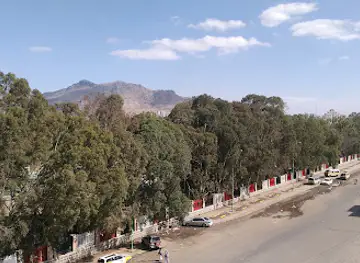
Althawra Park
Discover tranquility in Althawra Park, a lush green retreat in Sana'a, perfect for relaxation, picnics, and enjoying nature's beauty.

Dar AlHajar
Discover the enchanting Dar AlHajar in Yemen, a stunning historical landmark that showcases the country's rich cultural heritage and architectural beauty.

Alshaab Garden
Explore Alshaab Garden, a tranquil oasis in Al Hudaydah, Yemen, perfect for nature lovers and seekers of peaceful retreat.

Best restaurants in Amran
Top-rated picks
Best Restaurants

Alshaibany corporation for restaurants
Experience the rich flavors of Yemen at Alshaibany Corporation – where culinary excellence meets warm hospitality.
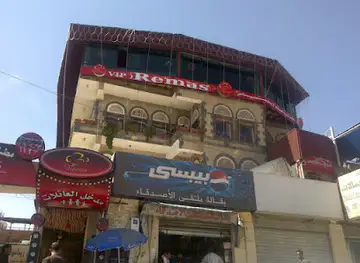
Remas Restaurants
Discover authentic Yemeni flavors at Remas Restaurants in Sana'a—where every dish tells a story.

AL-Khatib Restaurant
Experience authentic Yemeni cuisine at AL-Khatib Restaurant in Sana'a - where tradition meets flavor.
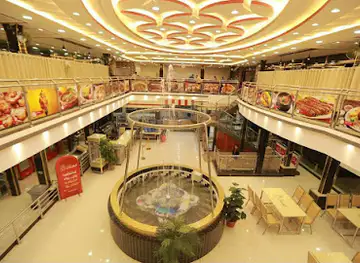
Royal restaurant
Discover authentic Yemenite flavors at Royal Restaurant, where traditional dishes meet warm hospitality in the heart of Sana'a.

Best bars in Amran
Top-rated picks
Best Bars

Alshaibany corporation for restaurants
Experience the richness of Yemeni flavors at Alshaibany Restaurant in Sana'a, offering a diverse menu from barbecue to fine dining.

Mumbai Darbar Indian Restaurant
Experience the authentic taste of Indian cuisine at Mumbai Darbar Indian Restaurant in Sana'a, where every dish tells a story.

قاعة قصر ريفال للأفراح والمناسبات
Experience elegance and exceptional service at قاعة قصر ريفال للأفراح والمناسبات, the premier venue for unforgettable celebrations in Sana'a, Yemen.

حوث
Discover the vibrant nightlife at حوث Bar in Sana'a, Yemen, where local flavors and a lively atmosphere come together for an unforgettable experience.

Best nightclubs in Amran
Top-rated picks
Best Nightclubs

Hawaii Entertainment Club
Discover the vibrant Hawaii Entertainment Club in Sana'a, where coffee culture meets recreational excitement, perfect for tourists looking for leisure.

Je t'aime Hall Weddings and events
Discover the elegance of Je t'aime Hall, Sana'a's premier venue for weddings and events, where unforgettable memories are created.

صاله النادي الاهلي
Discover the elegance of the Al Ahli Club Hall, a premier wedding venue in Sana'a, combining luxury and cultural richness for unforgettable celebrations.

Sana'a Recreation Club
Experience the vibrant spirit of Sana'a at the Recreation Club - a premier destination for sports and leisure in Yemen's capital.

Best shops in Amran
Top-rated picks
Best Shops

Arab Mall
Explore Arab Mall in Sana'a, Yemen - a vibrant shopping destination blending local charm with international flair, perfect for every tourist's itinerary.

Yemen Mall
Explore Yemen Mall in Sana'a for a unique shopping and dining experience blending local culture with modern amenities.

Aden Mall
Explore Aden Mall - Your ultimate shopping and dining experience in Aden, Yemen, with a diverse range of shops and delicious eateries.

Gulf Mall
Discover the vibrant shopping scene at Gulf Mall, Aden's premier destination for retail, dining, and entertainment in a modern atmosphere.

Explore Amran on the Map
A handpicked selection of must-see spots in Amran, mapped for you.
Amran Essentials
-
Amran is located in the northwest of Yemen, approximately 50 kilometers north of the capital city, Sana'a. The nearest airport is Sana'a International Airport. From Sana'a, you can hire a taxi or arrange for a private car to take you to Amran. The journey typically takes about 1 to 1.5 hours by road, depending on traffic and road conditions.
-
Once in Amran, transportation options include taxis and local buses. Taxis are the most convenient way to get around, but make sure to agree on the fare before starting your journey. Local buses are available for longer trips within the region, though they can be crowded and less comfortable. Renting a car is an option, but it's advisable only for experienced drivers familiar with Yemeni roads and driving customs.
-
The official currency in Yemen is the Yemeni Rial (YER). Credit cards are not widely accepted, especially in smaller establishments, so it is advisable to carry cash. ATMs are available in larger towns and cities, but it is wise to withdraw sufficient cash in Sana'a before traveling to Amran to ensure you have enough funds for your trip.
-
While Amran can be a rewarding destination, it is crucial to stay informed about the current security situation due to ongoing conflicts in Yemen. Avoid traveling alone, especially at night, and stay away from areas with a high military presence. Consult local authorities or your embassy for the latest travel advisories. Be aware that crime rates can vary, and some areas may be more prone to petty theft or more serious crimes targeting tourists.
-
In case of emergency, dial 199 for police assistance. Medical facilities in Amran are limited, so it is recommended to have travel insurance that covers medical emergencies. For serious health issues, you may need to travel to Sana'a. Pharmacies are available for minor health concerns. Keep the contact numbers of your embassy and local emergency services handy.
-
Fashion: Do dress modestly; women should cover their hair and wear long sleeves and skirts or pants. Avoid wearing revealing clothing. Religion: Do respect local customs and traditions. Always remove your shoes when entering mosques and cover your head. Public Transport: Do be respectful and give up your seat to elderly passengers. Don't eat or drink on public transport. Greetings: Do greet people with a handshake or a slight bow of the head as a sign of respect. Eating & Drinking: Do try local delicacies and accept food offerings graciously. Don't refuse hospitality, as it is considered impolite.
-
To experience Amran like a local, visit the traditional markets (souks) where you can buy fresh produce, spices, and handicrafts. Engage with the locals, as they are often friendly and willing to share stories about their culture and history. Don't miss visiting the ancient Amran Citadel, which offers stunning views of the town and surrounding areas. For a unique experience, try the local dish 'Saltah,' a hearty stew often enjoyed in Yemeni households.
When is the best time to visit Amran?
Useful Local Phrases for Amran
You don't need to speak the language perfectly. Even learning a few simple words can make conversations warmer—and locals usually appreciate the effort.
— Eve

Here are the phrases I use most often in Amran. Try a few—you'll be surprised how far they go! 😊
❤️
-
- Helloمرحباً
[Marhaban] - Goodbyeوداعاً
[Wada'an] - Yesنعم
[Na'am] - Noلا
[La] - Please/You're welcomeمن فضلك
[Min fadlik] - Thank youشكراً
[Shukran] - Excuse me/Sorryعفواً
[Afwan] - How are you?كيف حالك؟
[Kayfa halak?] - Fine. And you?بخير. وأنت؟
[Bikhayr. Wa anta?] - Do you speak English?هل تتحدث الإنجليزية؟
[Hal tatahadath al-inglizia?] - I don't understandأنا لا أفهم
[Ana la afham]
- Helloمرحباً
-
- I'd like to see the menu, pleaseأود رؤية القائمة، من فضلك
[Awad ru'yat al-qaimah, min fadlik] - I don't eat meatأنا لا أتناول اللحم
[Ana la atanaawal al-lahm] - Cheers!في صحتك!
[Fi sihatak!] - I would like to pay, pleaseأود الدفع، من فضلك
[Awad al-daf', min fadlik]
- I'd like to see the menu, pleaseأود رؤية القائمة، من فضلك
-
- Help!نجدة!
[Najda!] - Go away!أذهب بعيداً!
[Idhhab ba’idan!] - Call the Police!اتصل بالشرطة!
[Ittasil bil-shurta!] - Call a doctor!اتصل بالطبيب!
[Ittasil bil-tabeeb!] - I'm lostأنا ضائع
[Ana da'i'] - I'm illأنا مريض
[Ana marid]
- Help!نجدة!
-
- I'd like to buy...أود شراء...
[Awad shira'] - I'm just lookingأنا فقط أبحث
[Ana faqat abhath] - How much is it?كم ثمنه؟
[Kam thamanu?] - That's too expensiveهذا مكلف جداً
[Hatha mukalif jiddan] - Can you lower the price?هل يمكنك خفض السعر؟
[Hal yumkinuka khafd al-si'r?]
- I'd like to buy...أود شراء...
-
- What time is it?كم الساعة؟
[Kam al-sa'ah?] - It's one o'clockالساعة واحدة
[Al-sa'ah wahidah] - Half past (10)نصف الساعة (10)
[Nisf al-sa'ah (10)] - Morningصباحاً
[Sabahan] - Afternoonبعد الظهر
[Ba'd al-zuhur] - Eveningمساءً
[Masa'an] - Yesterdayأمس
[Ams] - Todayاليوم
[Al-yawm] - Tomorrowغداً
[Ghadan] - 1واحد
[Wahid] - 2اثنان
[Ithnan] - 3ثلاثة
[Thalathah] - 4أربعة
[Arba'a] - 5خمسة
[Khamsah] - 6ستة
[Sittah] - 7سبعة
[Sab'ah] - 8ثمانية
[Thamaniah] - 9تسعة
[Tis'ah] - 10عشرة
[Asharah]
- What time is it?كم الساعة؟
-
- Where's a/the...?أين...؟
[Ayn...?] - What's the address?ما هو العنوان؟
[Ma huwa al-'unwan?] - Can you show me (on the map)?هل يمكنك إظهار لي (على الخريطة)؟
[Hal yumkinuka izhar li (ala al-kharita)?] - When's the next (bus)?متى يأتي (الباص) التالي؟
[Mata yati (al-bas) al-tali?] - A ticket (to ....)تذكرة (إلى ...)
[Tadhkirah (ila ...)]
- Where's a/the...?أين...؟
History of Amran
-
Amran, located in the northern highlands of Yemen, has a rich history that dates back to ancient times. Archaeological findings suggest that the area was inhabited as early as the 2nd millennium BCE. It was part of the Minaean Kingdom, which thrived between the 6th and 2nd centuries BCE, serving as a hub for trade and commerce.
-
With the advent of Islam in the 7th century, Amran became an important Islamic center. It was known for its scholars and religious activities. The city played a role in the spread of Islamic teachings throughout the Arabian Peninsula. Several mosques and religious institutions were established during this period, some of which still stand today.
-
In the 16th century, Amran came under the control of the Ottoman Empire. The Ottomans built several fortifications in the area to strengthen their hold on the region. The most notable of these is the Amran Fortress, which offers a glimpse into the military architecture of the time. The Ottoman influence is still evident in some of the architectural styles found in the city.
-
During the 17th and 18th centuries, Amran became a part of the Zaydi Imamate, a theocratic state led by the Zaydi imams. The city served as a center for religious and political activities. The Zaydi imams played a crucial role in the unification of Yemen and the promotion of Zaydi Shia Islam. The period saw the construction of several important religious buildings, including mosques and madrasas.
-
In the 20th century, Amran experienced significant changes as Yemen underwent political transformations. Following the end of the Zaydi Imamate in 1962 and the establishment of the Yemen Arab Republic, Amran became an important administrative center. The city's infrastructure developed rapidly, with improvements in roads, healthcare, and education. Despite the challenges of recent conflicts, Amran continues to be a vital part of Yemen's cultural and historical landscape.
-
Amran is renowned for its rich cultural heritage. The city is home to traditional Yemeni architecture, characterized by intricate stonework and decorated facades. Local markets, or souks, offer a vibrant glimpse into daily life, with stalls selling spices, textiles, and traditional crafts. Amran's cultural festivals and events, often featuring traditional music and dance, provide a unique insight into the local way of life.
Neighbouring Regions of Amran
The closest regions to Amran, if you have time for more than one.


Your all‑in‑one travel companion app
Explore expert travel guides, compare and book tours, experiences, hotels, and more—all from the palm of your hand. Download now for seamless trip planning wherever your wanderlust takes you.


Explore More of Yemen

Looking beyond Amran? Discover Yemen for broader travel guides, local hot-spots, and regional highlights.
Explore YemenAmran in Photos
Browse through our photo collection highlighting the charm and character of the destination.




Amran: Yemen's Hidden Gem
Amran, a captivating city in Yemen, is nestled amidst the rugged mountains, offering a glimpse into the rich cultural heritage and history of the region. This ancient city is renowned for its unique architecture, with traditional Yemeni houses that showcase intricate designs and craftsmanship. Walking through the narrow, winding streets of Amran, visitors can experience the charm of a place where time seems to stand still. The city is also known for its friendly locals and vibrant markets, where one can find an array of handmade crafts, spices, and traditional Yemeni attire. The bustling souks are a sensory delight, filled with the aroma of spices and the colorful display of textiles. For history enthusiasts, Amran offers several historical sites, including ancient mosques and the remnants of old city walls, each telling a story of a bygone era. Surrounded by breathtaking landscapes, Amran is a haven for nature lovers. The nearby mountains and valleys provide excellent opportunities for hiking and exploring the natural beauty of Yemen. Whether you are interested in history, culture, or nature, Amran has something to offer every traveler, making it a must-visit destination in Yemen.