

Free Al Mahwit Travel Guide & Mobile App
Explore Al Mahwit with free travel guides. Discover regional history, expert tips, proposed trips, and audio guides on web or mobile app.


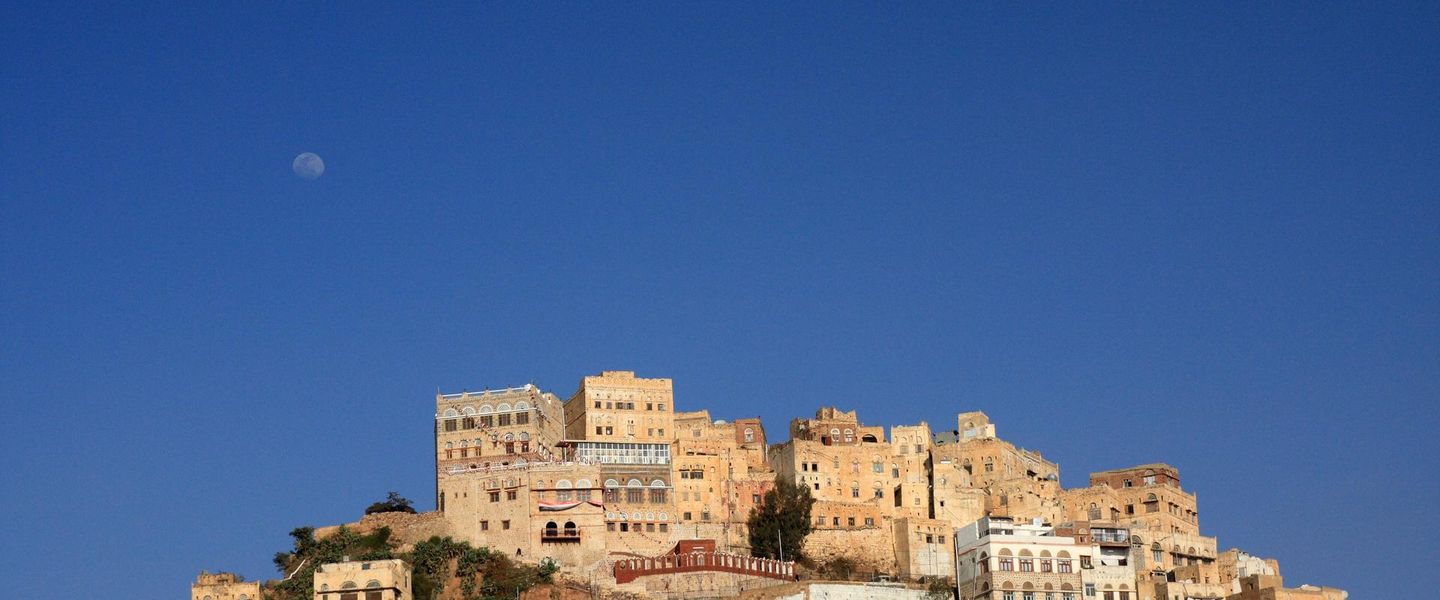


Explore Al Mahwit’s terraced highlands, fortified Kawkaban landscapes and stone-built mountain heritage within Yemen’s western ranges.
Read more about Al Mahwit
When is the best time to visit Al Mahwit?
Best: March–April, October · 23–26°C| Month | High (°C) | Rainfall (mm) |
|---|---|---|
| January | 20 | 4 |
| February | 21 | 3 |
| March (best) | 23 | 4 |
| April (best) | 26 | 5 |
| May | 28 | 6 |
| June | 29 | 6 |
| July | 31 | 7 |
| August | 30 | 6 |
| September | 29 | 5 |
| October (best) | 26 | 4 |
| November | 23 | 4 |
| December | 21 | 3 |
Getting to and around Al Mahwit
How to get there
Transportation
Destinations in Al Mahwit
Resorts, valleys and scenic spots worth a trip of their own.
-

-

-


Swipe for more destinations
Best attractions in Al Mahwit
Al Mahwit’s attractions are primarily its mountain landscapes, historic settlements and agricultural heritage rather than purpose-built visitor facilities. Kawkaban is the best-known historic area, with a high fortified setting, traditional stone houses and broad views across the surrounding escarpments and valleys. Al Mahwit city provides a useful point for understanding the governorate’s urban and administrative life, while smaller highland communities reveal the relationship between settlement, mosques, markets and terraced farming. Across the governorate, steep slopes are patterned with agricultural steps that support cereals, fruit and other crops, and seasonal rain can animate otherwise dry valleys with streams and waterfalls. The region also offers opportunities for carefully arranged landscape observation, architectural study and photography from safe, authorised viewpoints. Access to any archaeological, religious or rural site requires local permission and current security assessment. There are few dependable museums, visitor centres or formal guided attractions, and conflict damage may have altered the condition of historic places. The principal attraction is therefore the integrated cultural landscape: fortified mountain towns, working terraces, stone-built architecture and dramatic highland terrain viewed through responsible, professionally organised travel.
-
وادي محيب
Discover the breathtaking beauty of Wadi Mahib, a serene oasis in Yemen known for its lush landscapes and rich biodiversity, perfect for nature enthusiasts.

Best landmarks in Al Mahwit
The defining landmarks of Al Mahwit are its elevated fortified settlements, stone architecture and terraced mountain slopes. Kawkaban is the region’s most recognisable historic landmark, standing on a high plateau with defensive walls, gates and tightly packed traditional buildings that illustrate the strategic importance of Yemen’s upland towns. The settlement’s position above the surrounding valleys is as important to its identity as its architecture. Al Mahwit city is another significant reference point, set among steep ridges and serving as the governorate’s administrative centre. Across the countryside, multi-storey stone-and-earth houses, old mosques and retaining walls form a distinctive built landscape rather than isolated monuments. Terraced hillsides are cultural landmarks in their own right: they embody centuries of agricultural knowledge and remain part of the working environment of many communities. Seasonal waterfalls and gorge-like valleys may become notable natural features after rain, but access can be unsafe and conditions change quickly. Heritage sites may be damaged, inaccessible or subject to local restrictions, so they should be viewed only through authorised arrangements.
-
Mosque
Al-Saleh Mosque
Discover the architectural beauty and cultural significance of Al-Saleh Mosque, the largest mosque in Yemen, located in the vibrant city of Sana'a.
-
Historical landmark
Dar AlHajar
Discover Dar AlHajar, a stunning 18th-century palace in Yemen, offering a glimpse into the rich history and architectural beauty of the region.
-
Castle
Seera Castle
Visit Seera Castle in Aden, Yemen: A breathtaking fortress with rich history and stunning coastal views, perfect for explorers and history lovers alike.
-
Historical landmark
Alsahareej (Water Tanks)
Explore the remarkable Alsahareej Water Tanks in Aden, Yemen - a historical landmark showcasing ancient engineering and cultural significance.


Explore Al Mahwit on the map
Plan your trip on one map. See where the top cities, national parks and sights are, and book hotels and experiences in a few clicks.
Best hotels in Al Mahwit
Best restaurants in Al Mahwit
Al Mahwit does not have a developed international dining scene, and food options for visitors are likely to be simple, local and dependent on current supplies. Yemeni meals commonly centre on flatbreads, rice, beans, lentils, meat, vegetables and aromatic sauces, with saltah and fahsa among the country’s widely known dishes, although availability varies by household and locality. In the highlands, meals may include locally grown grain, seasonal produce and dairy products, while tea and coffee are important parts of hospitality. Small eateries and market stalls may provide basic breakfasts, bread, stews and sweet tea, but hygiene standards, refrigeration and opening arrangements cannot be assumed. Travellers under authorised arrangements should confirm where food and safe drinking water will come from and carry suitable provisions for delays. It is courteous to accept hospitality where appropriate, eat with the right hand if following local custom and ask about ingredients. Restaurant choice should never be treated as a reason to travel to the region during the current conflict.
-
Restaurant
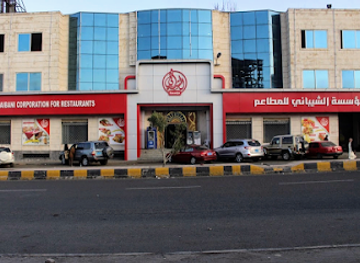
Alshaibany corporation for restaurants
Discover the culinary delight of Yemen at Alshaibany Corporation - where tradition meets taste in every bite.
-
Yemenite
Remas Restaurants
Experience authentic Yemeni cuisine at Remas Restaurants in Sana'a - a culinary gem showcasing rich flavors and warm hospitality.
-
Restaurant
Al Marasim Restaurants
Experience authentic Yemeni cuisine at Al Marasim Restaurants in Aden - where tradition meets flavor.
-
Fast Food
KFC
Savor delicious fried chicken and fast-food favorites at KFC in Sana'a – a must-visit culinary stop in Yemen's vibrant capital.


Best bars in Al Mahwit
Al Mahwit has no conventional bar or nightclub culture for international visitors. Yemen is a predominantly Muslim country, alcohol is socially and legally sensitive, and licensed nightlife facilities should not be expected in the governorate. Evening social life is more likely to centre on family homes, tea, coffee, qat gatherings and informal conversation, although practices vary between communities and should not be treated as a tourist activity. In towns, local markets and streets may become quieter after evening prayers or after security conditions change, while rural areas have very limited night-time services. Visitors should avoid public intoxication, do not attempt to import or seek alcohol without clear legal advice, and should respect local religious and social norms. Because movement after dark can increase security risks and roads may be unlit or hazardous, authorised travellers should follow their security team’s curfew and movement instructions rather than exploring independently.
-
Restaurant
سوق اليمن
Discover the vibrant essence of Yemeni culture at سوق اليمن, where bustling stalls and traditional flavors await every traveler.
-
Makharesh Restaurant
Experience authentic Yemeni cuisine at Makharesh Restaurant in Sana'a, a culinary jewel offering rich flavors and a warm atmosphere for every traveler.
-
Chandler Muriel Bing
Discover the cozy charm of Chandler Muriel Bing in Yemen City, where delicious flavors meet a warm, inviting atmosphere.
-
 Restaurant
مطعم الاشول السياحي
Experience authentic Yemeni cuisine at مطعم الاشول السياحي in الرجم, where rich flavors and warm hospitality greet every visitor.



Best nightclubs in Al Mahwit
Al Mahwit has no conventional bar or nightclub culture for international visitors. Yemen is a predominantly Muslim country, alcohol is socially and legally sensitive, and licensed nightlife facilities should not be expected in the governorate. Evening social life is more likely to centre on family homes, tea, coffee, qat gatherings and informal conversation, although practices vary between communities and should not be treated as a tourist activity. In towns, local markets and streets may become quieter after evening prayers or after security conditions change, while rural areas have very limited night-time services. Visitors should avoid public intoxication, do not attempt to import or seek alcohol without clear legal advice, and should respect local religious and social norms. Because movement after dark can increase security risks and roads may be unlit or hazardous, authorised travellers should follow their security team’s curfew and movement instructions rather than exploring independently.
-
Night club
نادي الرباط الثقافي
Discover the vibrant nightlife of Yemen at نادي الرباط الثقافي, where music, dance, and culture come together for an unforgettable experience.
-
Night club
صالة نجوم طيبة
Explore the vibrant nightlife at صالة نجوم طيبة, the ultimate destination for music and dance in Sana'a, Yemen.
-
Night club
ديوان المعاينه
Discover serenity at Diwan Al-Ma'ayna, a cozy lounge in Yemen perfect for relaxation and cultural experiences.

Best shops in Al Mahwit
Shopping in Al Mahwit is based mainly on local markets and practical trade rather than dedicated tourist retail. Town markets may offer bread, grains, spices, vegetables, household goods, clothing and locally produced agricultural items, although stock and opening arrangements are affected by the conflict and economic disruption. Visitors may encounter traditional Yemeni garments, woven textiles, small household crafts and locally grown produce, but quality, provenance and legal transport arrangements should be checked before buying. Coffee is associated with Yemen broadly and should not automatically be labelled as a distinctive Al Mahwit product unless its origin is confirmed. Qat is widely traded in parts of Yemen, but visitors should understand its legal status in their country of residence and should not assume that purchasing or transporting it is permissible elsewhere. Bargaining may occur in informal markets, but it should remain courteous and proportionate. Given the security situation, shopping should be limited to essential, locally appropriate purchases made during authorised movements rather than treated as an independent visitor activity.
-
Shopping mall
Goods Alenzala
Explore Goods Alenzala, a vibrant shopping mall in Al Mahwit, Yemen, featuring diverse shops, authentic dining, and unique local experiences.
-
Shopping mall
Goods Yahya Almaaanh and Akhunh to Tjarhamh
Discover the heart of Al Mahwit at Goods Yahya Almaaanh and Akhunh to Tjarhamh, where shopping meets Yemeni culture and culinary delights.
-
Car accessories store
Al. Bishari stores محلات البشاري لبيع وشراء قطع غيار السيارات
Discover Al. Bishari Stores in Al Mahwit, Yemen, the ultimate destination for car accessories and parts, serving locals and tourists alike.
-
Shopping mall
Falcon Trading Center
Explore the Falcon Trading Center in Al Mahwit, Yemen - A vibrant hub for shopping, local culture, and delicious cuisine.


Get your free copy of our complete guide to Al Mahwit, delivered straight to you.
Everything on this page, from attractions and restaurants to essentials and local phrases, in one PDF you can read offline, print or share.
Already have an account? Sign in
Your Al Mahwit guide is ready.
We'll send it to · Not you? Sign out

Getting your guide ready…
We are putting together a fresh copy of the Al Mahwit guide. This can take up to a minute.
This can take a few moments. If your browser asks, choose Allow so the download can start. You'll find the guide in your Downloads folder.
Nothing happened? Download it again
Sorry, the guide is taking longer than usual. Please try again in a minute, or get it by email instead.
Al Mahwit essentials
Currency and Payment
Safety
Emergency Situations
Do's and Don'ts
Local Tips
From Eve
Local phrases worth knowing
You don't need to get them perfect. A few words go a long way, and locals appreciate the effort.
Basics
| English | Local | Say it |
|---|---|---|
| Hello | مرحبا | [Marhaba] |
| Goodbye | مع السلامة | [Ma'a as-salama] |
| Yes | نعم | [Na'am] |
| No | لا | [La] |
| Please/You’re welcome | تفضل | [Tafaddal] |
| Thank you | شكرا | [Shukran] |
| Excuse me/Sorry | عفوا | [Afwan] |
| How are you? | كيف حالك؟ | [Kayfa halak?] |
| Fine. And you? | بخير. وأنت؟ | [Bikhair. Wa anta?] |
| Do you speak English? | هل تتحدث الإنجليزية؟ | [Hal tatahadath al-ingliziyya?] |
| I don't understand | لا أفهم | [La afham] |
Eating & Drinking
| English | Local | Say it |
|---|---|---|
| I'd like to see the menu, please | أريد رؤية القائمة، من فضلك | [Ureed ru'yat al-qa'ima, min fadlik] |
| I don't eat meat | لا آكل اللحم | [La akul al-lahm] |
| Cheers! | في صحتك! | [Fi sihatak!] |
| I would like to pay, please | أريد الدفع، من فضلك | [Ureed ad-daf', min fadlik] |
Emergencies
| English | Local | Say it |
|---|---|---|
| Help! | نجدة! | [Najda!] |
| Go away! | اذهب بعيدا! | [Idhab ba'eedan!] |
| Call the Police! | اتصل بالشرطة! | [Ittasil bil-shurta!] |
| Call a doctor! | اتصل بطبيب! | [Ittasil bi-tabeeb!] |
| I'm lost | أنا ضائع | [Ana da'i'] |
| I'm ill | أنا مريض | [Ana marid] |
Shopping
| English | Local | Say it |
|---|---|---|
| I'd like to buy... | أريد شراء... | [Ureed shira'] |
| I'm just looking | أنا فقط أنظر | [Ana faqat anzur] |
| How much is it? | كم سعره؟ | [Kam si'ru?] |
| That's too expensive | هذا مكلف جدا | [Hatha mukallif jiddan] |
| Can you lower the price? | هل يمكنك خفض السعر؟ | [Hal yumkinuka khafd as-si'r?] |
Time & Numbers
| English | Local | Say it |
|---|---|---|
| What time is it? | كم الساعة؟ | [Kam as-saa'a?] |
| It's one o'clock | الساعة واحدة | [As-saa'a wahida] |
| Half past (10) | نصف بعد (10) | [Nisf ba'd (10)] |
| Morning | صباح | [Sabah] |
| Afternoon | بعد الظهر | [Ba'd adh-dhuhr] |
| Evening | مساء | [Masa'] |
| Yesterday | أمس | [Ams] |
| Today | اليوم | [Al-yawm] |
| Tomorrow | غدا | [Ghadan] |
| 1 | واحد | [Wahid] |
| 2 | اثنان | [Ithnayn] |
| 3 | ثلاثة | [Thalatha] |
| 4 | أربعة | [Arba'a] |
| 5 | خمسة | [Khamsa] |
| 6 | ستة | [Sitta] |
| 7 | سبعة | [Sab'a] |
| 8 | ثمانية | [Thamaniya] |
| 9 | تسعة | [Tis'a] |
| 10 | عشرة | [Ashara] |
Transport & Directions
| English | Local | Say it |
|---|---|---|
| Where's a/the...? | أين...؟ | [Ayn...?] |
| What's the address? | ما هو العنوان؟ | [Ma huwa al-'unwan?] |
| Can you show me (on the map)? | هل يمكنك أن تريني (على الخريطة)؟ | [Hal yumkinuka an turini (ala al-kharita)?] |
| When's the next (bus)? | متى ستكون الحافلة التالية؟ | [Mata satakoon al-hafila at-taliya?] |
| A ticket (to ....) | تذكرة (إلى ....) | [Tadhkara (ila ....)] |
History of Al Mahwit
Ancient Highland Settlement and Agriculture
The mountains of Al Mahwit formed part of the wider western Arabian highlands, where communities developed sophisticated systems of terracing, water management and seasonal cultivation long before the modern state. Archaeological remains and enduring settlement patterns point to the importance of upland agriculture and defended hilltop locations. Although the record is less extensively presented to visitors than that of Yemen’s major ancient centres, the region’s stone architecture and cultivated slopes preserve a long history of adapting human life to steep terrain and limited water.
Islamic and Zaydi Highland Traditions
Following the spread of Islam, the western Yemeni mountains developed religious and political institutions that continued to shape local society for centuries. Al Mahwit became part of the Zaydi highland sphere, whose imams exercised varying degrees of authority through alliances with tribal communities, religious scholars and fortified settlements. Mosques, shrines, old learning traditions and the elevated position of towns such as Kawkaban reflect the close relationship between religion, political legitimacy and mountain geography.
Kawkaban and the Fortified Mountain Towns
Kawkaban’s elevated plateau made it an important defensive and political centre in the highlands. Its walls, gates and dense stone-built quarters illustrate how Yemeni towns used difficult topography as a form of defence, while its commanding position connected it visually and strategically with surrounding valleys. The settlement also had a long association with Jewish communities in Yemen, whose presence formed part of the country’s diverse pre-modern social history before the large-scale migration of Yemeni Jews in the mid-twentieth century.
Ottoman Rule and Imperial Rivalry
The Ottoman Empire sought to control Yemen at different periods, including the northern highlands, but its authority was repeatedly challenged by local forces and difficult geography. Mountain settlements in and around present-day Al Mahwit were affected by the wider contest between Ottoman officials, Zaydi leaders and tribal groups. Roads, taxation and military administration were unevenly imposed, and the region’s rugged terrain helped preserve a considerable degree of local autonomy.
The Imamate and the North Yemen State
After the end of the final Ottoman period, the Mutawakkilite Kingdom of Yemen consolidated authority across much of the north, although relations between the central government and highland communities remained complex. Al Mahwit’s settlements continued to depend heavily on farming, local trade and established community structures. The 1962 revolution and the subsequent North Yemen civil war brought political and military upheaval to the country’s highlands, contributing to the transformation of older systems of authority.
Republican Development and Conflict
The creation of the Yemen Arab Republic and later Yemeni unification brought expanded state administration, roads, schools and connections with the national economy, but development remained uneven in remote mountain districts. Al Mahwit became a governorate of the modern Republic of Yemen, with Al Mahwit city as its administrative centre. Since 2014, the wider national conflict has disrupted transport, public services, livelihoods and heritage protection, making the region’s contemporary history inseparable from Yemen’s continuing humanitarian and security crisis.
Al Mahwit in Photos
Browse through our photo collection highlighting the charm and character of the destination.
Neighbouring regions of Al Mahwit
The closest regions to Al Mahwit, if you have time for more than one.
-

-

-

-

-


Swipe for more regions
Explore more

Explore more of Yemen
Discover Yemen: An ancient land of rich history, stunning landscapes, and warm hospitality, offering a unique travel experience off the beaten path.
Explore Yemen