

Al Mahrah, Yemen Travel Guide
Discover the untouched beauty of Al Mahrah, Yemen's hidden coastal gem, offering pristine beaches, rich history, and lush natural sanctuaries for the adventurous traveler.
Nestled in the southeastern corner of Yemen, Al Mahrah is a region that beckons adventurous travelers with its untouched beauty and rich history. This coastal gem is known for its pristine beaches, where the azure waters of the Arabian Sea lap gently against golden sands. Whether you're a beach lover or an avid hiker, Al Mahrah offers a serene escape from the hustle and bustle of city life. Al Mahrah is also home to the historic town of Al Ghaydah, which serves as the region's capital. Here, you can explore traditional Yemeni architecture and wander through vibrant markets brimming with local crafts and spices. The town's friendly residents are always eager to share stories of their heritage and culture, making your visit truly memorable. For nature enthusiasts, the Hawf Protected Area is a must-visit. This lush, green sanctuary is a stark contrast to Yemen's arid landscapes and provides a haven for wildlife. Trekking through its forests, you'll encounter unique flora and fauna, as well as breathtaking vistas that stretch across the horizon.

Know before you go
Hi, I'm Eve. Here are a few practical things to know before exploring Al Mahrah.
- Visit during the cooler months from October to April to enjoy pleasant weather and outdoor activities.
- Engage with the local community for authentic experiences and to learn more about the region's culture and history.
- Ensure you have necessary travel permits and check local advisories before planning your trip.
- Pack comfortable walking shoes for exploring the markets and hiking trails.
- Try local delicacies such as fresh seafood and traditional Yemeni dishes at local eateries.
Explore Al Mahrah: Things to Do, Places to Eat, Hotels & More
Handpicked recommendations for top attractions, local dining, accommodations, and more

Top Attractions & Sightseeing in Al Mahrah
Top-rated picks
Best Attractions

قلعة حبروت اليمنية
Discover the rich history and stunning architecture of the Castle of Habarut, a captivating landmark in Yemen that showcases the region's cultural heritage.

Aljzea Valley, Al Ghaydah District, Al Mahrah Governorate, Yemen
Explore the serene beauty and cultural richness of Aljzea Valley in Yemen's Al Ghaydah District, a hidden paradise for nature lovers and adventurers.


Best bars in Al Mahrah
Top-rated picks
Best Bars

Fisherman's Hub - Arabian Courtyard Hotel
Discover the vibrant flavors of Fisherman's Hub, where Arabian hospitality meets culinary excellence in the heart of Dubai.

Throne of Queen Sheba - Barran Temple
Explore the Throne of Queen Sheba - Barran Temple, a captivating historical site in Marib, Yemen, steeped in legends and rich cultural heritage.

Barhout Pit
Explore the enigmatic Barhout Pit in Yemen, a stunning sinkhole steeped in geological wonder and local legends.

Awwam Temple
Explore the Awwam Temple, a stunning ancient site in Yemen showcasing rich history, architectural beauty, and spiritual significance.

Best shops in Al Mahrah
Top-rated picks
Best Shops

Yemen Mall
Explore Yemen Mall in Sana'a for a unique shopping experience blending local culture, dining, and entertainment.

Aden Mall
Discover the vibrant shopping and dining experience at Aden Mall, the leading retail hub in Aden, Yemen, blending modernity with local flavor.

محلات الحبيشي التجاريه
Discover the flavors of Yemen at Al-Habishi Commercial Shops, your gateway to local produce and vibrant community spirit in Hawf.

Great Deal Online Shopping جريت ديل للشراء عن طريق الإنترنت
Experience a diverse shopping adventure at Great Deal Online Shopping in Sana'a, featuring electronics, clothing, and auto parts all under one roof.

Explore Al Mahrah on the Map
A handpicked selection of must-see spots in Al Mahrah, mapped for you.
Al Mahrah Essentials
-
Al Mahrah is located in the easternmost region of Yemen, bordering Oman and the Arabian Sea. The nearest international airport is Salalah International Airport in Oman, around 210 kilometers away from Al Mahrah's capital, Al Ghaydah. To get to Al Mahrah, travelers can hire a taxi or rent a car from Salalah. Alternatively, there are domestic flights from Sana'a to Al Ghaydah Airport, which is the primary airport serving the Al Mahrah region.
-
Within Al Mahrah, transportation options include taxis, which are relatively affordable and can be hired for both short and long distances. While public buses are available, they are less frequent and may not cover all tourist spots. Renting a car is a convenient option for exploring the region at your own pace. Roads are generally in good condition, but it's advisable to have a local guide or GPS to navigate rural areas.
-
The official currency in Yemen is the Yemeni Rial (YER). Cash is the primary mode of transaction, and it is important to carry enough cash as credit cards are rarely accepted outside major hotels and restaurants. ATMs are available in Al Ghaydah, but it is wise to withdraw sufficient cash before traveling to smaller towns and rural areas. Currency exchange services are also available at airports and major banks.
-
Al Mahrah is generally safe for tourists, but it is important to stay vigilant, especially in unfamiliar areas. The region has a low crime rate, but petty crimes like pickpocketing can occur in crowded places. Avoid traveling alone at night and keep your belongings secure. It is recommended to stay updated on travel advisories from your home country before visiting. Areas near the Yemeni-Omani border are typically safe, but it is best to check the latest security updates.
-
In case of emergencies, dial 199 for police assistance and 191 for medical emergencies. Major hospitals and clinics are located in Al Ghaydah, offering a range of medical services. It is advisable to have travel insurance that covers medical emergencies and evacuation. Pharmacies are available in major towns where you can purchase over-the-counter medications. For additional assistance, contact your embassy or consulate.
-
Fashion: Do dress modestly, covering your shoulders and knees, especially when visiting religious sites. Avoid wearing revealing clothing. Religion: Do respect local customs and traditions. Always remove your shoes before entering mosques. Public Transport: Do be respectful and avoid loud conversations. Don't eat or drink on public transport. Greetings: Do greet people with a handshake. Men should wait for women to extend their hand first. Eating & Drinking: Do try local delicacies and accept food offerings graciously. Don't refuse hospitality, as it is considered impolite.
-
To experience Al Mahrah like a local, visit the traditional souks where you can buy local handicrafts, spices, and fresh produce. Engage with locals, who are known for their hospitality and willingness to share stories about the region's history and culture. Don't miss exploring the beautiful coastal areas and beaches, as well as the historical sites such as the ancient port of Qishn. For a unique experience, attend a local festival to witness traditional music, dance, and cuisine.
When is the best time to visit Al Mahrah?
Useful Local Phrases for Al Mahrah
You don't need to speak the language perfectly. Even learning a few simple words can make conversations warmer—and locals usually appreciate the effort.
— Eve

Here are the phrases I use most often in Al Mahrah. Try a few—you'll be surprised how far they go! 😊
❤️
-
- Helloمرحبا
[Marhaba] - Goodbyeوداعا
[Wada'an] - Yesنعم
[Na'am] - Noلا
[La] - Please/You're welcomeمن فضلك
[Min fadlik] - Thank youشكرا
[Shukran] - Excuse me/Sorryعفوا
[Afwan] - How are you?كيف حالك؟
[Kayfa halak?] - Fine. And you?بخير. وأنت؟
[Bikhayr. Wa anta?] - Do you speak English?هل تتكلم الإنجليزية؟
[Hal tatakallam al-ingliziyya?] - I don't understandلا أفهم
[La afham]
- Helloمرحبا
-
- I'd like to see the menu, pleaseأود رؤية القائمة، من فضلك
[Awad ru'yat al-qa'ima, min fadlik] - I don't eat meatلا آكل اللحم
[La akul al-lahm] - Cheers!في صحتك!
[Fi sihtak!] - I would like to pay, pleaseأود الدفع، من فضلك
[Awad al-daf', min fadlik]
- I'd like to see the menu, pleaseأود رؤية القائمة، من فضلك
-
- Help!نجدة!
[Najda!] - Go away!ابتعد!
[Ibt'id!] - Call the Police!اتصل بالشرطة!
[Ittasil bil-shurta!] - Call a doctor!اتصل بطبيب!
[Ittasil bi-tabeeb!] - I'm lostأنا ضائع
[Ana da'i'] - I'm illأنا مريض
[Ana marid]
- Help!نجدة!
-
- I'd like to buy...أود شراء...
[Awad shir'a...] - I'm just lookingأنا فقط أنظر
[Ana faqat anzur] - How much is it?كم ثمنه؟
[Kam thamanuh?] - That's too expensiveهذا غالي جدا
[Hatha ghali jidan] - Can you lower the price?هل يمكنك تخفيض السعر؟
[Hal yumkinuka takhfid al-si'r?]
- I'd like to buy...أود شراء...
-
- What time is it?كم الساعة؟
[Kam al-sa'a?] - It's one o'clockالساعة الواحدة
[Al-sa'a al-wahidah] - Half past (10)نصف الساعة (10)
[Nisf al-sa'a (10)] - Morningصباحا
[Sabahan] - Afternoonبعد الظهر
[Ba'd al-zuhur] - Eveningمساء
[Masa'a] - Yesterdayأمس
[Ams] - Todayاليوم
[Al-yawm] - Tomorrowغدا
[Ghadan] - 1واحد
[Wahid] - 2اثنان
[Ithnan] - 3ثلاثة
[Thalatha] - 4أربعة
[Arba'a] - 5خمسة
[Khamsa] - 6ستة
[Sitta] - 7سبعة
[Sab'a] - 8ثمانية
[Thamaniya] - 9تسعة
[Tis'a] - 10عشرة
[Ashara]
- What time is it?كم الساعة؟
-
- Where's a/the...?أين ال...؟
[Ayn al...?] - What's the address?ما هو العنوان؟
[Ma hu al-'unwan?] - Can you show me (on the map)?هل يمكنك أن تريني (على الخريطة)؟
[Hal yumkinuka an turini (ala al-kharita)?] - When's the next (bus)?متى يأتي (الباص) التالي؟
[Mata yati (al-bus) al-tali?] - A ticket (to ....)تذكرة (إلى ....)
[Tadhkira (ila ....)]
- Where's a/the...?أين ال...؟
History of Al Mahrah
-
Al Mahrah, positioned along the southeastern coast of Yemen, has a history that dates back to ancient times. The region was inhabited by the Mahri people, a tribe known for their unique Semitic language, Mehri, which still survives today. Archaeological findings suggest that early settlers in Al Mahrah engaged in fishing, herding, and small-scale farming.
-
During antiquity, Al Mahrah played a crucial role in the Frankincense trade, which saw the precious resin being transported from the Arabian Peninsula to Mediterranean and Asian markets. The coastal location of Al Mahrah made it a strategic point for traders and seafarers. The ancient port of Qishn was particularly significant in facilitating this trade.
-
Following the advent of Islam in the 7th century, Al Mahrah witnessed the spread of Islamic culture and governance. The region became part of the Islamic Caliphate, although local tribal confederations retained a degree of autonomy. The Mahri tribes were known for their fierce independence and maintained their traditional customs and social structures.
-
In the 19th and early 20th centuries, Al Mahrah experienced colonial encounters, particularly with the British. The British Empire, seeking to protect its interests in the Indian Ocean and secure trade routes, established a presence in the region. The Sultanate of Qishn and Socotra, which included parts of Al Mahrah, entered into treaties with the British, ensuring protection and mutual cooperation.
-
After Yemen gained independence in the mid-20th century, Al Mahrah became part of the newly-formed Republic of Yemen. The region has since seen efforts to modernize infrastructure and improve living conditions, although it remains less developed compared to other parts of Yemen. The cultural heritage of Al Mahrah, including its language, traditions, and crafts, continues to be a source of pride and identity for its people.
-
Al Mahrah is renowned for its rich cultural heritage. The Mehri language, part of the Modern South Arabian languages, is a key aspect of the region's identity. Traditional music, dance, and poetry are integral to Mahri culture. The region's crafts, such as weaving and pottery, reflect the skills and creativity of its people. Festivals and communal gatherings are occasions for celebrating and preserving these traditions.
Neighbouring Regions of Al Mahrah
The closest regions to Al Mahrah, if you have time for more than one.


Your all‑in‑one travel companion app
Explore expert travel guides, compare and book tours, experiences, hotels, and more—all from the palm of your hand. Download now for seamless trip planning wherever your wanderlust takes you.


Explore More of Yemen

Looking beyond Al Mahrah? Discover Yemen for broader travel guides, local hot-spots, and regional highlights.
Explore YemenAl Mahrah in Photos
Browse through our photo collection highlighting the charm and character of the destination.


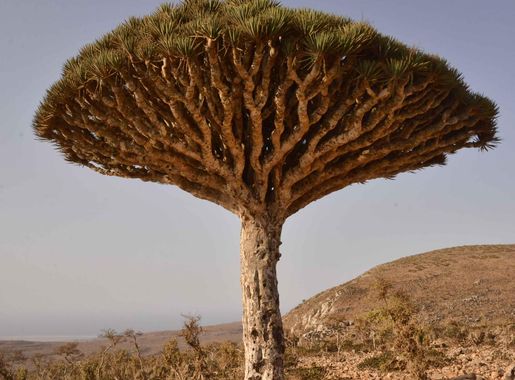


Al Mahrah: Yemen's Hidden Coastal Gem
Nestled in the southeastern corner of Yemen, Al Mahrah is a region that beckons adventurous travelers with its untouched beauty and rich history. This coastal gem is known for its pristine beaches, where the azure waters of the Arabian Sea lap gently against golden sands. Whether you're a beach lover or an avid hiker, Al Mahrah offers a serene escape from the hustle and bustle of city life. Al Mahrah is also home to the historic town of Al Ghaydah, which serves as the region's capital. Here, you can explore traditional Yemeni architecture and wander through vibrant markets brimming with local crafts and spices. The town's friendly residents are always eager to share stories of their heritage and culture, making your visit truly memorable. For nature enthusiasts, the Hawf Protected Area is a must-visit. This lush, green sanctuary is a stark contrast to Yemen's arid landscapes and provides a haven for wildlife. Trekking through its forests, you'll encounter unique flora and fauna, as well as breathtaking vistas that stretch across the horizon.