

Free Socotra Archipelago Travel Guide & Mobile App
Explore Socotra Archipelago with free travel guides. Discover regional history, expert tips, proposed trips, and audio guides on web or mobile app.


Explore the mystical Socotra Archipelago, a UNESCO World Heritage Site brimming with unique biodiversity, breathtaking landscapes, and rich cultural heritage.
Read more about Socotra Archipelago
When is the best time to visit Socotra Archipelago?
Best: December–February · 28–29°C| Month | High (°C) | Rainfall (mm) |
|---|---|---|
| January (best) | 28 | 8 |
| February (best) | 29 | 7 |
| March | 29 | 10 |
| April | 30 | 7 |
| May | 31 | 2 |
| June | 32 | 4 |
| July | 32 | 4 |
| August | 32 | 4 |
| September | 32 | 6 |
| October | 31 | 8 |
| November | 30 | 6 |
| December (best) | 29 | 5 |
Getting to and around Socotra Archipelago
How to get there
Transportation
Destinations in Socotra Archipelago
Resorts, valleys and scenic spots worth a trip of their own.

Swipe for more destinations
Best attractions in Socotra Archipelago
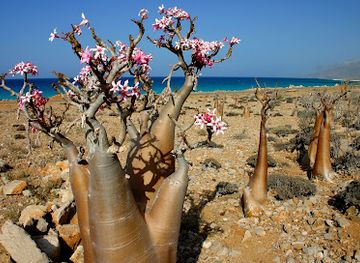
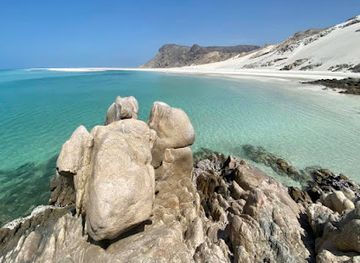
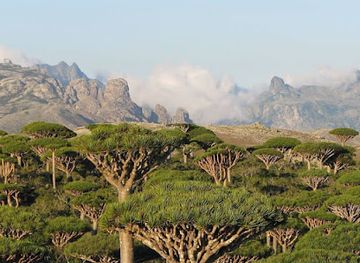
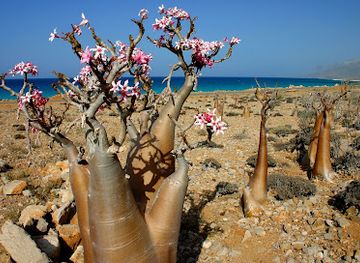
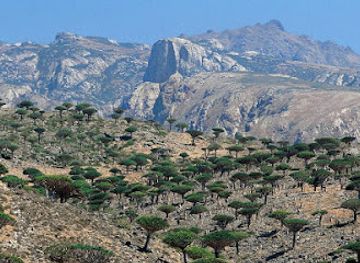
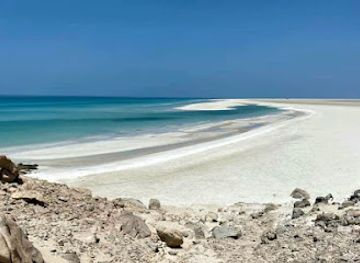
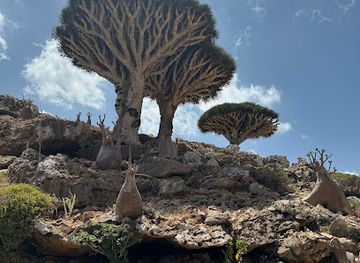
Nestled in the Arabian Sea, the Socotra Archipelago offers visitors a surreal escape into a world unlike any other, where the landscape is dotted with the otherworldly Dragon's Blood Trees, and pristine white-sand beaches meet turquoise waters teeming with vibrant marine life. Adventurers can explore the Halah Cave's intricate limestone formations, trek through the rugged Hajhir Mountains, and discover the isolated Detwah Lagoon, a perfect spot for birdwatching. The island's unique biodiversity, with over 700 endemic species, makes it a living museum for nature enthusiasts, while the traditional Bedouin villages provide a glimpse into the rich cultural tapestry of this remote paradise.
-
Socotra
Explore Socotra Island, a UNESCO World Heritage Site with unique biodiversity, stunning landscapes, and rich cultural heritage in the Indian Ocean.
-
Qalansiyah beach
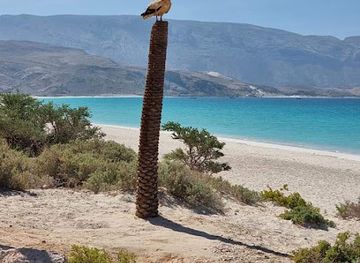
Experience the serene beauty of Qalansiyah Beach, a hidden gem in Yemen's coastline, perfect for relaxation and cultural immersion.
-
Diksam
Discover the breathtaking landscapes and rich biodiversity of Diksam National Park, a hidden gem in Yemen perfect for outdoor enthusiasts and cultural explorers.
-
Shoab Beach
Experience the pristine beauty of Shoab Beach in Qalansiyah, Yemen, where tranquility meets stunning coastal vistas.
Best landmarks in Socotra Archipelago
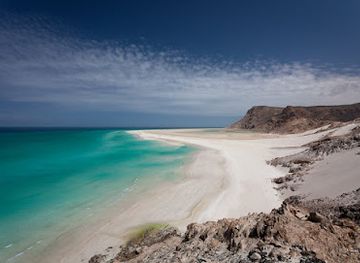
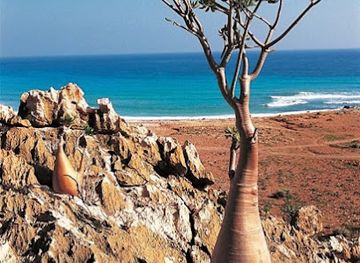
The Socotra Archipelago, a UNESCO World Heritage site, beckons visitors with its otherworldly landscapes and unique biodiversity. Imagine walking under the surreal canopy of Dragon's Blood Trees, with their umbrella-like tops dripping crimson sap, or exploring the expansive white sand dunes of Arher, which tower majestically over turquoise waters. Dive into the crystal-clear seas rich with coral reefs, or trek through the Halah Cave, adorned with stunning stalactites and stalagmites. Visit the tranquil Detwah Lagoon, a natural pool that mirrors the sky, and marvel at the centuries-old rock formations in Homhil Protected Area, where natural pools brim with fresh, cool water. Socotra's unique flora and fauna, much of which is found nowhere else on Earth, make it a living museum of natural history that promises adventure and awe at every turn.
-
Island
Socotra
Explore the breathtaking biodiversity and stunning landscapes of Socotra Island, Yemen's hidden gem in the Indian Ocean, a UNESCO World Heritage site.
-
Mountain peak
Hajhir Mountains
Discover the breathtaking beauty of the Hajhir Mountains in Yemen, a paradise for hikers and nature lovers seeking adventure and tranquility.
-
Beach
Qalansiyah beach
Discover the pristine beauty of Qalansiyah Beach in Yemen: a tranquil paradise perfect for relaxation and cultural immersion.
-
Beach
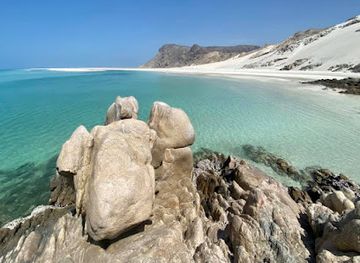
Detwah Lagoon Ramsar Site
Explore the untouched beauty of Detwah Lagoon, a hidden gem in Yemen's Socotra archipelago, where tranquil waters and unique biodiversity await.
Explore Socotra Archipelago on the map
Plan your trip on one map. See where the top cities, national parks and sights are, and book hotels and experiences in a few clicks.
Best hotels in Socotra Archipelago
Best restaurants in Socotra Archipelago
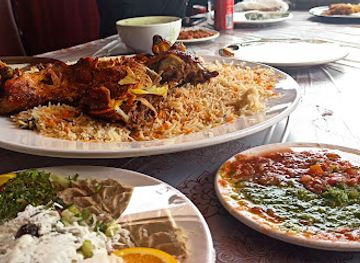
The dining scene in the Socotra Archipelago is a fascinating blend of traditional Yemeni flavors and the island's own unique culinary traditions, driven by its isolation and rich biodiversity. Visitors can expect to savor fresh seafood caught daily from the Arabian Sea, marinated with local spices and herbs that are often foraged from Socotra's unique flora. Small, family-run eateries offer dishes like grilled lobster, fish curry, and a variety of vegetarian options made with locally grown produce, providing a farm-to-table experience. Don't miss the opportunity to try traditional Yemeni bread, known as 'malawah,' paired with honey harvested from the island's famous dragon blood trees. The dining venues range from humble seaside shacks with stunning ocean views to cozy, rustic restaurants nestled in the island’s verdant interior, each offering a warm, hospitable atmosphere that makes every meal feel like a special occasion.
-
Restaurant
Alshaibany corporation for restaurants
Discover authentic Yemeni flavors and diverse cuisines at Alshaibany Corporation for Restaurants in Sana'a – a must-visit culinary destination.
-
Restaurant
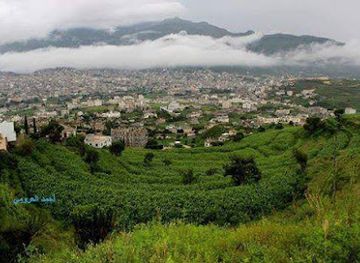
Saraya Restaurant
Experience authentic Yemeni cuisine at Saraya Restaurant in Al Hudaydah - where tradition meets flavor in every bite.
-
Indian
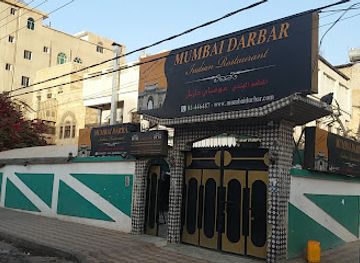
Mumbai Darbar Indian Restaurant
Savor authentic Indian flavors at Mumbai Darbar Indian Restaurant in Sana'a - where culinary excellence meets warm hospitality.
-
National park
Diksam
Explore Diksam National Park: A UNESCO World Heritage site with unique flora and fauna on Socotra Island.

Best bars in Socotra Archipelago
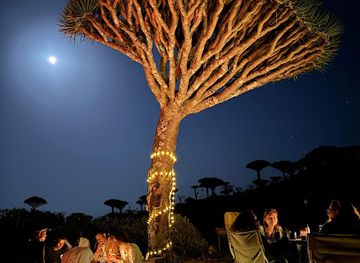
The nightlife in Socotra Archipelago is a unique blend of tranquility and cultural immersion, far removed from the bustling bars and nightclubs of metropolitan cities. As the sun sets over the island, the serene beaches come alive with bonfire gatherings, where visitors can enjoy traditional Yemeni music and dance under the starlit sky. Local cafes and teahouses offer intimate settings to savor Socotra's unique brews and traditional dishes, often accompanied by the rhythmic beats of local drummers. For a truly distinctive experience, join a guided night trek through the island’s otherworldly landscapes, where bioluminescent waters and the sounds of nocturnal wildlife create an enchanting atmosphere. The nightlife here is less about loud parties and more about connecting with nature and the island's rich cultural heritage.
-
Tour Socotra
Experience the unique biodiversity and stunning landscapes of Socotra with Tour Socotra, a leading tour operator for unforgettable adventures.
-
Qalansiyah beach
Experience the tranquil beauty of Qalansiyah Beach in Yemen, a serene escape with stunning views and cultural richness.
-
 Hotel
HotelSummer Land Hotel
Experience serene comfort at Summer Land Hotel, your ideal base for exploring the natural wonders of Socotra Island in Yemen.
-
Seafood
كهف هوك
Discover the stunning Hoq Cave in Socotra, a natural wonder with breathtaking formations and rich biodiversity waiting to be explored.

Best nightclubs in Socotra Archipelago
The nightlife in Socotra Archipelago is a unique blend of tranquility and cultural immersion, far removed from the bustling bars and nightclubs of metropolitan cities. As the sun sets over the island, the serene beaches come alive with bonfire gatherings, where visitors can enjoy traditional Yemeni music and dance under the starlit sky. Local cafes and teahouses offer intimate settings to savor Socotra's unique brews and traditional dishes, often accompanied by the rhythmic beats of local drummers. For a truly distinctive experience, join a guided night trek through the island’s otherworldly landscapes, where bioluminescent waters and the sounds of nocturnal wildlife create an enchanting atmosphere. The nightlife here is less about loud parties and more about connecting with nature and the island's rich cultural heritage.
-
Hotel
Summer Land Hotel
Experience unmatched comfort and local hospitality at Summer Land Hotel, your perfect base for exploring Hadiboh, Yemen's breathtaking landscapes.
-
Tourist attraction
كهف هوك
Discover the enchanting Hoq Cave in Socotra, a breathtaking natural wonder filled with stunning formations and adventure.
-
Tourist attraction
Shoab Beach
Experience the untouched beauty of Shoab Beach, a pristine paradise on Socotra Island, where crystal-clear waters meet soft white sands.
-
National park
Ayhaft Canyon National Park
Explore the breathtaking landscapes and unique biodiversity of Ayhaft Canyon National Park, a hidden gem in Socotra, Yemen.

Best shops in Socotra Archipelago
The shopping scene in the Socotra Archipelago is an enchanting blend of traditional Yemeni culture and unspoiled natural beauty, offering visitors a chance to discover unique, handcrafted treasures. Wander through the local markets and you'll find an array of exquisite dragon's blood resin, famed for its vibrant red hue and mythical properties, alongside intricately woven baskets and textiles reflecting the island's rich heritage. The aroma of freshly ground spices and Socotran frankincense fills the air, enticing you to explore further and uncover rare botanicals and essential oils derived from the island's endemic flora. Each purchase not only serves as a memorable keepsake but also supports the local artisans and their centuries-old crafts.
-
Tour operator
Tour Socotra
Explore Socotra Island's unparalleled biodiversity and rich culture with Tour Socotra, your expert guide to this unique travel destination.
-
Tourist attraction
Shoab Beach
Experience the untouched beauty of Shoab Beach, a serene paradise on the stunning island of Socotra, ideal for relaxation and adventure.
-
National park
Ayhaft Canyon National Park
Discover the breathtaking landscapes and unique biodiversity of Ayhaft Canyon National Park in Socotra, Yemen - a true natural paradise.
-
Tour operator
Socotra Specialty Tours
Explore the breathtaking landscapes and unique biodiversity of Socotra Island with the expert guides at Socotra Specialty Tours.
Get your free copy of our complete guide to Socotra Archipelago, delivered straight to you.
Everything on this page, from attractions and restaurants to essentials and local phrases, in one PDF you can read offline, print or share.
Already have an account? Sign in
Your Socotra Archipelago guide is ready.
We'll send it to · Not you? Sign out

Getting your guide ready…
We are putting together a fresh copy of the Socotra Archipelago guide. This can take up to a minute.
This can take a few moments. If your browser asks, choose Allow so the download can start. You'll find the guide in your Downloads folder.
Nothing happened? Download it again
Sorry, the guide is taking longer than usual. Please try again in a minute, or get it by email instead.
Socotra Archipelago essentials
Currency and Payment
Safety
Emergency Situations
Do's and Don'ts
Local Tips
From Eve
Local phrases worth knowing
You don't need to get them perfect. A few words go a long way, and locals appreciate the effort.
Basics
| English | Local | Say it |
|---|---|---|
| Hello | مرحبا | [Marhaba] |
| Goodbye | وداعا | [Wada'an] |
| Yes | نعم | [Na'am] |
| No | لا | [La] |
| Please/You're welcome | من فضلك | [Min fadlik] |
| Thank you | شكرا | [Shukran] |
| Excuse me/Sorry | عذرا | [Udhuran] |
| How are you? | كيف حالك؟ | [Kayfa halak?] |
| Fine. And you? | أنا بخير. وأنت؟ | [Ana bekhair. Wa anta?] |
| Do you speak English? | هل تتحدث الإنجليزية؟ | [Hal tatahadath al'iinjlizia?] |
| I don't understand | لا أفهم | [La afham] |
Eating & Drinking
| English | Local | Say it |
|---|---|---|
| I'd like to see the menu, please | أود رؤية القائمة، من فضلك | [Awad ruyat alqaimah, min fadlik] |
| I don't eat meat | لا آكل اللحم | [La akul al-laham] |
| Cheers! | صحة | [Sahha] |
| I would like to pay, please | أود الدفع، من فضلك | [Awad al-daf, min fadlik] |
Emergencies
| English | Local | Say it |
|---|---|---|
| Help! | ساعدني! | [Sa'idni!] |
| Go away! | إذهب بعيدا! | [Idhhab ba'idan!] |
| Call the Police! | إتصل بالشرطة! | [Ittasil bil-shurta!] |
| Call a doctor! | إتصل بطبيب! | [Ittasil bi-tabeeb!] |
| I'm lost | أنا ضائع | [Ana da'i'] |
| I'm ill | أنا مريض | [Ana marid] |
Shopping
| English | Local | Say it |
|---|---|---|
| I'd like to buy... | أود أن أشتري... | [Awad an ashtari...] |
| I'm just looking | أنا فقط أبحث | [Ana faqat abhas] |
| How much is it? | كم ثمنه؟ | [Kam thamanuh?] |
| That's too expensive | هذا مكلف جدا | [Hatha mukallaf jiddan] |
| Can you lower the price? | هل يمكنك خفض السعر؟ | [Hal yumkinuka khafd al-si'r?] |
Time & Numbers
| English | Local | Say it |
|---|---|---|
| What time is it? | ما هو الوقت؟ | [Ma huwa al-waqt?] |
| It's one o'clock | الساعة واحدة | [Al-saa'ah wahida] |
| Half past (10) | نصف (10) | [Nisf (10)] |
| Morning | صباحا | [Sabahan] |
| Afternoon | بعد الظهر | [Ba'd al-zuhur] |
| Evening | مساء | [Masa'a] |
| Yesterday | أمس | [Ams] |
| Today | اليوم | [Al-yawm] |
| Tomorrow | غدا | [Ghadan] |
| 1 | ١ | [Wahid] |
| 2 | ٢ | [Ithnayn] |
| 3 | ٣ | [Thalatha] |
| 4 | ٤ | [Arba'a] |
| 5 | ٥ | [Khamsa] |
| 6 | ٦ | [Sitta] |
| 7 | ٧ | [Sab'a] |
| 8 | ٨ | [Thamaniya] |
| 9 | ٩ | [Tis'a] |
| 10 | ١٠ | [Ashra] |
Transport & Directions
| English | Local | Say it |
|---|---|---|
| Where's a/the...? | أين ال...؟ | [Ayna al...?] |
| What's the address? | ما هو العنوان؟ | [Ma huwa al-‘unwan?] |
| Can you show me (on the map)? | هل يمكنك أن تريني (على الخريطة)؟ | [Hal yumkinuka an turini (ala al-kharita)?] |
| When's the next (bus)? | متى تأتي (الحافلة) القادمة؟ | [Mata ta'ti (al-hafila) al-qadima?] |
| A ticket (to ....) | تذكرة (إلى ....) | [Tadhkara (ila ....)] |
History of Socotra Archipelago
Ancient Maritime Crossroads
Socotra Archipelago has been a crucial maritime crossroads for millennia. Due to its strategic location in the Arabian Sea, it has been frequented by sailors, traders, and explorers from ancient civilizations such as the Egyptians, Greeks, and Romans. The island's mention in ancient texts, like the Periplus of the Erythraean Sea, underscores its historical importance as a stopover for ships navigating the spice and incense routes.
The Legend of the Dragon's Blood Tree
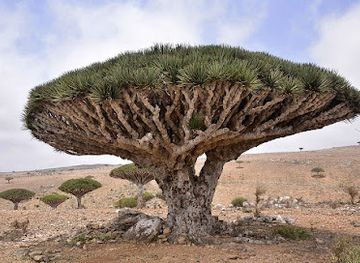
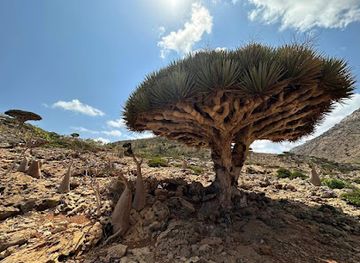
One of the most iconic symbols of Socotra is the Dragon's Blood Tree (Dracaena cinnabari). This tree's unique umbrella shape and its red resin, referred to as 'dragon's blood,' have been the subject of myths and legends for centuries. The resin was highly prized in antiquity for its supposed medicinal properties and use in alchemy, and it remains a significant part of the island's cultural heritage.
Christianity and the Arrival of the Apostles
Socotra has a rich Christian heritage dating back to the early centuries AD. According to local tradition, the island was evangelized by St. Thomas the Apostle, who is believed to have introduced Christianity to the region. Archaeological evidence, including ancient church ruins and inscriptions, points to a thriving Christian community that existed on the island until the advent of Islam in the 7th century.
Socotra Under Islamic Rule
With the spread of Islam in the 7th century, Socotra came under the influence of various Islamic empires. The island's inhabitants converted to Islam, and it became part of the Sultanate of Mahra, which controlled the region for several centuries. Islamic culture and traditions continue to shape the island's way of life, evident in its mosques, festivals, and daily practices.
Portuguese and British Interests
In the Age of Exploration, European powers showed interest in Socotra due to its strategic location. The Portuguese briefly occupied the island in the early 16th century before being driven out by the Mahra Sultanate. Later, the British established a presence in the 19th century, recognizing its strategic importance for controlling maritime routes. The British influence can be seen in some of the architectural remnants and historical records from this period.
Modern Era and UNESCO Recognition
In recent history, Socotra became part of the Republic of Yemen. The archipelago's unique biodiversity and cultural heritage earned it a place on the UNESCO World Heritage list in 2008. This recognition has brought international attention to the need for conservation efforts to preserve its unique flora, fauna, and cultural practices. Despite the challenges, the people of Socotra remain resilient, maintaining their traditions and way of life amidst modern changes.
Socotra Archipelago in Photos
Browse through our photo collection highlighting the charm and character of the destination.
Neighbouring regions of Socotra Archipelago
The closest regions to Socotra Archipelago, if you have time for more than one.
-

-

-

-

-


Swipe for more regions
Explore more

Explore more of Yemen
Discover Yemen: An ancient land of rich history, stunning landscapes, and warm hospitality, offering a unique travel experience off the beaten path.
Explore Yemen