

Free Hadhramaut Travel Guide & Mobile App
Explore Hadhramaut with free travel guides. Discover regional history, expert tips, proposed trips, and audio guides on web or mobile app.


Explore Hadhramaut’s mudbrick cities, oasis valleys, coastal heritage and Hadhrami traditions within Yemen’s demanding travel conditions.
Read more about Hadhramaut
When is the best time to visit Hadhramaut?
Best: December–February · 28–30°C| Month | High (°C) | Rainfall (mm) |
|---|---|---|
| January (best) | 28 | 1 |
| February (best) | 30 | 1 |
| March | 33 | 2 |
| April | 36 | 3 |
| May | 39 | 5 |
| June | 43 | 7 |
| July | 42 | 6 |
| August | 42 | 5 |
| September | 40 | 3 |
| October | 37 | 2 |
| November | 33 | 1 |
| December (best) | 30 | 1 |
Getting to and around Hadhramaut
How to get there
Transportation
Best attractions in Hadhramaut
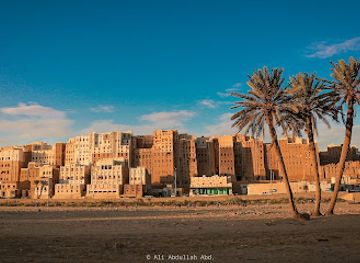
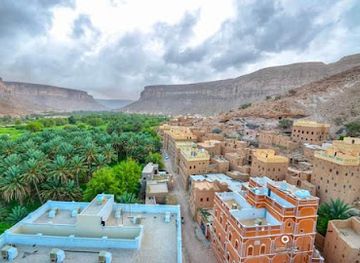
Hadhramaut’s attractions are shaped by its relationship with the desert, the oasis and the Arabian Sea. In Wadi Hadhramaut, the historic city of Shibam is the region’s most recognised cultural site, with tightly packed mudbrick towers rising above cultivated fields. Seiyun and Tarim provide further opportunities to see traditional urban architecture, mosques, palaces, libraries and religious institutions, although access and opening arrangements can be unpredictable. The valley itself is an attraction: roads pass between date gardens, eroded cliffs, dry tributary valleys and settlements built around wells and seasonal watercourses. Al-Mukalla offers a contrasting coastal setting with a working port, fish markets, older neighbourhoods and sea-facing streets beneath limestone hills. Visitors interested in history can explore surviving traces of Hadhramaut’s long trading connections, while those seeking nature encounter stark escarpments, desert plateaux and beaches outside the main urban areas. Remote archaeological locations exist, but they require specialist local arrangements, reliable security advice and careful consideration of conservation. Conventional family entertainment, visitor signage and formal tourism infrastructure are limited, and present security conditions may make many attractions inaccessible.
-
Tourist attraction
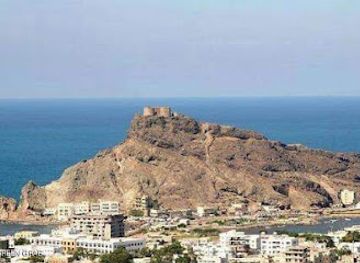
Seera Castle
Discover the historic charm of Seera Castle in Aden, Yemen, a stunning fortress with breathtaking views and rich cultural significance.
-
Historical landmark
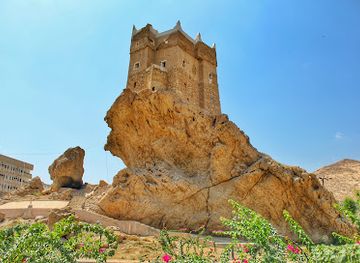
Alguwizi Fortress
Discover the historical allure of Alguwizi Fortress in Al Mukalla, Yemen, where ancient architecture meets breathtaking views.
-
Tourist attraction
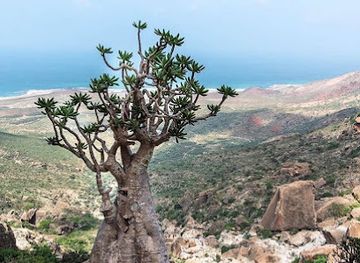
Ayhaft Canyon National Park
Explore the unique biodiversity and breathtaking landscapes of Ayhaft Canyon National Park in Socotra, Yemen, a true paradise for nature lovers and adventurers.
-
Tourist attraction
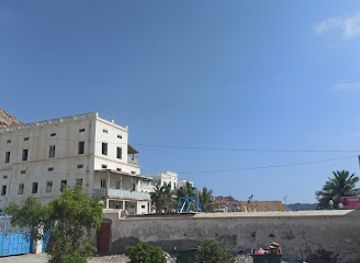
Qu'aiti Palace Museum
Explore the rich history and stunning architecture of the Qu'aiti Palace Museum in Al Mukalla, Yemen, a captivating glimpse into the region's royal past.
Best landmarks in Hadhramaut
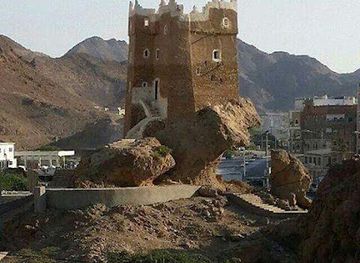
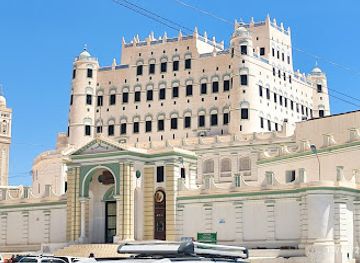
Shibam’s dense skyline of tall mudbrick houses is Hadhramaut’s defining architectural landmark. Known for its vertical construction and historic relationship with the surrounding oasis, the city illustrates how builders adapted to limited land, hot conditions and the need for defensible urban form. In Seiyun, the large Al-Kathiri Palace is an important reminder of the former Kathiri sultanate and the political role the inland city played in Hadhrami history; its accessibility and use may change. Tarim is marked by historic mosques, religious schools and distinctive houses associated with centuries of Islamic scholarship and Indian Ocean connections. Al-Mukalla’s coastal setting is itself a landmark landscape, with pale buildings and older quarters pressed between the Arabian Sea and limestone hills. Across the wadi, fortified houses, watchtowers, earthen walls and oasis settlements show how water management, family authority and security shaped local architecture. These structures are vulnerable to neglect, floods and unregulated alteration, so visitors should not climb walls, enter unstable buildings or treat historic neighbourhoods as informal photo sets.
-
Historical landmark
Alguwizi Fortress
Explore the rich history and breathtaking views at Alguwizi Fortress, a gem of architectural beauty in Al Mukalla, Yemen.
-
Historical landmark
Shibam
Explore Shibam, Yemen: A UNESCO World Heritage site known for its stunning mud-brick skyscrapers and rich historical significance.
-
Tourist attraction
شبام حضرموت
Explore Shibam, Yemen's stunning UNESCO World Heritage Site, known for its ancient mudbrick skyscrapers and rich cultural heritage.
-
Historical landmark
قصر الكثيري
Explore Al Kathiri Palace in Seiyun, Yemen – a historical landmark showcasing exquisite architecture and rich cultural heritage.
Explore Hadhramaut on the map
Plan your trip on one map. See where the top cities, national parks and sights are, and book hotels and experiences in a few clicks.
Best hotels in Hadhramaut
Best restaurants in Hadhramaut
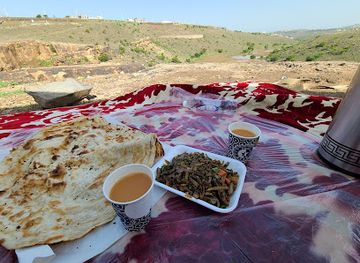
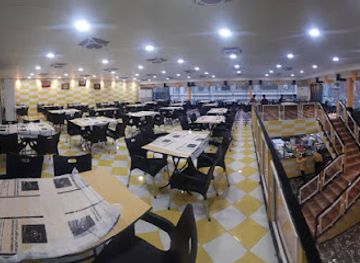
Hadhrami cooking is closely associated with rice, meat, bread, dates, honey and the produce of both oasis gardens and the coast. Mandi, in which seasoned meat and rice are traditionally cooked in an underground or enclosed oven, is widely linked with Hadhramaut and remains an important communal dish. Madhbi, grilled or roasted meat prepared over heat, is also found in the region, while coastal Al-Mukalla offers fish and seafood alongside rice dishes and flatbreads. Meals may include sauces, pickles, dates and sweet tea, and simple cafés provide tea, coffee and bread rather than an elaborate restaurant experience. Sidr honey from southern Arabia is a prized local product, though quality and provenance vary. In inland settlements, dining is often informal and arranged through local hospitality, small eateries or hotel kitchens; in the coastal city, the choice is broader but still subject to supply, electricity and security conditions. Alcohol is not part of ordinary public dining, and visitors should follow local customs concerning communal meals and Ramadan hours.
-
Restaurant
Alshaibany corporation for restaurants
Discover the flavors of Yemen at Alshaibany Corporation: Barbecue delights, seafood specialties & fine dining await you.
-
Yemenite
Hadramout Kitchen
Discover authentic Yemeni flavors at Hadramout Kitchen in Madinah – where every dish tells a story of tradition and taste.
-
Restaurant
Saraya Restaurant
Experience authentic Yemeni cuisine at Saraya Restaurant in Al Hudaydah – where every meal tells a story.
-
Restaurant
Rouh Hadramout Restaurant
Discover the rich flavors of Yemeni cuisine at Rouh Hadramout Restaurant in Jeddah—where tradition meets taste.

Best bars in Hadhramaut
Hadhramaut does not have a conventional bar or nightclub scene. Yemen is a socially conservative country, alcohol is generally unavailable or prohibited under local norms, and nightlife centres instead on family restaurants, tea and coffee cafés, evening markets and private social gatherings. Al-Mukalla has the broadest range of public evening activity, especially around its commercial streets and seafront, while Seiyun, Tarim and smaller wadi settlements become quieter and more community-oriented after dark. Historic towns may be pleasant to experience in the cooler evening hours, but visitors should go with local guidance, avoid isolated streets and respect household privacy. Live entertainment, public celebrations and religious occasions can occur, yet their timing and accessibility depend on local conditions. Do not assume that businesses will keep regular hours, and confirm transport back to accommodation before going out.
-
Supermarket
Tarim Mall
Explore Tarim Mall in Yemen—your gateway to local flavors, fresh produce, and an authentic shopping experience in Tarim.
-
 Hotel
HotelRamada Al Mukalla resort
Discover tranquility and comfort at Ramada Al Mukalla Resort, your ideal seaside getaway in Yemen's beautiful coastal paradise.
-
Fine Dining
Mathaqi Restaurant
Experience the best of Yemeni cuisine at Mathaqi Restaurant, where tradition meets fine dining in the heart of Al Mukalla.
-
Cafe
Chandler Muriel Bing
Discover the vibrant flavors of Yemen City at Chandler Muriel Bing, a café offering exquisite teas, unagi dishes, and a lively atmosphere.

Best nightclubs in Hadhramaut
Hadhramaut does not have a conventional bar or nightclub scene. Yemen is a socially conservative country, alcohol is generally unavailable or prohibited under local norms, and nightlife centres instead on family restaurants, tea and coffee cafés, evening markets and private social gatherings. Al-Mukalla has the broadest range of public evening activity, especially around its commercial streets and seafront, while Seiyun, Tarim and smaller wadi settlements become quieter and more community-oriented after dark. Historic towns may be pleasant to experience in the cooler evening hours, but visitors should go with local guidance, avoid isolated streets and respect household privacy. Live entertainment, public celebrations and religious occasions can occur, yet their timing and accessibility depend on local conditions. Do not assume that businesses will keep regular hours, and confirm transport back to accommodation before going out.
-
Cafe
Disco Thawbaan
Discover Disco Thawbaan: A Cozy Café in Ghayl Ba Wazir Offering Delicious Coffee and a Taste of Local Culture.
-
Night club
فندق وأجنحة الدحباشي
Dive into the exhilarating nightlife of Aden at فندق وأجنحة الدحباشي, where vibrant music and a lively atmosphere await you.
-
Night club
مقر المألبة
Discover the lively nightlife of Hisn al Qa' at مقر المألبة, where music and fun unite for an unforgettable experience.
Best shops in Hadhramaut
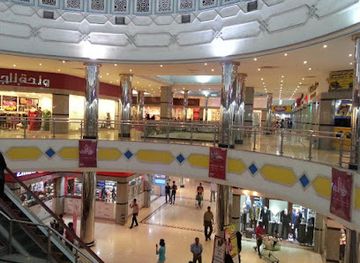
Shopping in Hadhramaut is centred on traditional markets, small food shops and independent sellers rather than large retail complexes. Al-Mukalla has the widest commercial choice, with markets supplying fish, household goods, clothing and everyday necessities, while Seiyun, Tarim and other wadi towns offer more localised bazaars. Useful regional purchases include dates, frankincense, sidr honey, spices, Yemeni coffee, woven textiles and selected silver jewellery, although authenticity and quality should be checked carefully. Traditional clothing and embroidered items may be available through specialist sellers, but designs and materials vary between communities. Bargaining can form part of market transactions, yet it should remain courteous and prices should be agreed before services or transport are provided. Export and customs restrictions may apply to antiquities, old manuscripts, animal products and some natural materials; never buy archaeological objects or anything presented as having been removed from a historic site. Availability, cash access and market hours can change with security and supply conditions.
-
Shopping mall
Yemen Mall
Discover Yemen Mall in Sana'a: A vibrant shopping destination blending local culture with international brands and delicious cuisine.
-
Supermarket
Tarim Mall
Discover Tarim Mall, a bustling supermarket in Yemen, offering local flavors and a unique shopping experience for every traveler.
-
Shopping mall
Shopping World
Discover the vibrant shopping experience at Shopping World in Sana'a, where local culture meets modern retail and dining.
-
Shopping mall
Aden Mall
Discover a vibrant shopping experience at Aden Mall, your gateway to local and international brands in the heart of Yemen.

Get your free copy of our complete guide to Hadhramaut, delivered straight to you.
Everything on this page, from attractions and restaurants to essentials and local phrases, in one PDF you can read offline, print or share.
Already have an account? Sign in
Your Hadhramaut guide is ready.
We'll send it to · Not you? Sign out

Getting your guide ready…
We are putting together a fresh copy of the Hadhramaut guide. This can take up to a minute.
This can take a few moments. If your browser asks, choose Allow so the download can start. You'll find the guide in your Downloads folder.
Nothing happened? Download it again
Sorry, the guide is taking longer than usual. Please try again in a minute, or get it by email instead.
Hadhramaut essentials
Currency and Payment
Safety
Emergency Situations
Do's and Don'ts
Local Tips
From Eve
Local phrases worth knowing
You don't need to get them perfect. A few words go a long way, and locals appreciate the effort.
Basics
| English | Local | Say it |
|---|---|---|
| Hello | مرحبا | [Marhaba] |
| Goodbye | وداعا | [Wada'a] |
| Yes | نعم | [Na'am] |
| No | لا | [La] |
| Please/You're welcome | من فضلك | [Min fadlik] |
| Thank you | شكرا | [Shukran] |
| Excuse me/Sorry | عفوا | [Afwan] |
| How are you? | كيف حالك؟ | [Kayfa halak?] |
| Fine. And you? | بخير. وأنت؟ | [Bikhayr. Wa anta?] |
| Do you speak English? | هل تتحدث الإنجليزية؟ | [Hal tatahaddath al-ingliziyya?] |
| I don't understand | لا أفهم | [La afham] |
Eating & Drinking
| English | Local | Say it |
|---|---|---|
| I'd like to see the menu, please | أود رؤية القائمة، من فضلك | [Awad ru'yat al-qa'ima, min fadlik] |
| I don't eat meat | لا أتناول اللحم | [La atanaawal al-lahm] |
| Cheers! | في صحتك! | [Fi sihatak!] |
| I would like to pay, please | أود الدفع، من فضلك | [Awad al-daf', min fadlik] |
Emergencies
| English | Local | Say it |
|---|---|---|
| Help! | نجدة! | [Najda!] |
| Go away! | ابتعد! | [Ibt'id!] |
| Call the Police! | اتصل بالشرطة! | [Ittasil bil-shurta!] |
| Call a doctor! | اتصل بطبيب! | [Ittasil bi-tabib!] |
| I'm lost | أنا ضائع | [Ana da'i'a] |
| I'm ill | أنا مريض | [Ana marid] |
Shopping
| English | Local | Say it |
|---|---|---|
| I'd like to buy... | أود شراء... | [Awad shira'a...] |
| I'm just looking | أنا فقط أبحث | [Ana faqat abhas] |
| How much is it? | كم ثمنه؟ | [Kam thamanu?] |
| That's too expensive | هذا غالي جدا | [Hatha ghali jiddan] |
| Can you lower the price? | هل يمكنك تخفيض السعر؟ | [Hal yumkinuka takhfid al-si'r?] |
Time & Numbers
| English | Local | Say it |
|---|---|---|
| What time is it? | كم الساعة؟ | [Kam al-saa'a?] |
| It's one o'clock | الساعة واحدة | [Al-saa'a wahida] |
| Half past (10) | نصف (10) | [Nisf (10)] |
| Morning | صباح | [Sabah] |
| Afternoon | بعد الظهر | [Ba'd al-zuhur] |
| Evening | مساء | [Masa'] |
| Yesterday | أمس | [Ams] |
| Today | اليوم | [Al-yawm] |
| Tomorrow | غدا | [Ghadan] |
| 1 | واحد | [Wahid] |
| 2 | اثنان | [Ithnan] |
| 3 | ثلاثة | [Thalatha] |
| 4 | أربعة | [Arba'a] |
| 5 | خمسة | [Khamsa] |
| 6 | ستة | [Sitta] |
| 7 | سبعة | [Sab'a] |
| 8 | ثمانية | [Thamaniya] |
| 9 | تسعة | [Tis'a] |
| 10 | عشرة | [Ashara] |
Transport & Directions
| English | Local | Say it |
|---|---|---|
| Where's a/the...? | أين...؟ | [Ayn...?] |
| What's the address? | ما هو العنوان؟ | [Ma huwa al-'unwan?] |
| Can you show me (on the map)? | هل يمكنك إرشادي (على الخريطة)؟ | [Hal yumkinuka irshadi (ala al-kharita)?] |
| When's the next (bus)? | متى يأتي (الباص) التالي؟ | [Mata ya'ti (al-bas) al-tali?] |
| A ticket (to ....) | تذكرة (إلى ....) | [Tadhkara (ila ....)] |
History of Hadhramaut
Ancient Hadhramite Kingdoms and the Frankincense Trade
From the first millennium BCE, the ancient kingdom of Hadhramaut developed around the trade in frankincense and other aromatics produced in southern Arabia. Its centres and routes connected the interior valleys with ports on the Arabian Sea and with wider commercial networks reaching the Red Sea and lands farther north. The region’s prosperity depended on controlling caravan movement, cultivation and access to water. Archaeological remains, inscriptions and ancient settlement patterns provide evidence of this period, although many sites are remote and difficult to visit. The commercial legacy of aromatics helped establish Hadhramaut as a place of long-distance exchange well before the Islamic era.
South Arabian and Islamic Transformations
Hadhramaut was drawn into the changing political world of southern Arabia as local kingdoms were absorbed or influenced by larger powers, including the Himyarite sphere. Islam reached the region in the early Islamic period and gradually reshaped law, learning, architecture and social institutions. Mosques, religious foundations and scholarly lineages became central to urban life, particularly in the wadi settlements. Hadhrami religious teachers later carried Islamic learning across the Indian Ocean, creating enduring links with communities in East Africa, India and Southeast Asia. These connections remain an important part of the region’s historical identity.
Medieval Ports, Valleys and Local Dynasties
During the medieval period, Hadhramaut’s history was shaped by competition between local rulers, tribal authorities, religious families and maritime trading communities. Interior towns benefited from oasis agriculture and caravan movement, while ports connected the region with the Red Sea, East Africa and the Indian Ocean. Urban centres developed distinctive traditions of mudbrick construction, courtyard houses, mosques and fortified residences. The valley settlements were never isolated from the wider world: merchants and scholars moved between South Asia, Arabia and Africa, while imported wealth influenced local architecture and family networks.
The Kathiri Sultanate and the Wadi Cities
The Kathiri sultanate became the principal political power across much of the Hadhramaut interior from the fifteenth century and continued, in altered form, until the end of British influence and the creation of South Yemen in the twentieth century. Seiyun served as an important political centre, and the sultanate’s authority was expressed through palaces, administrative buildings, alliances and control of oasis settlements. The period also saw the continued importance of Tarim as a centre of religious scholarship. The surviving urban fabric of Seiyun, Tarim and surrounding communities reflects this long era of local rule.
Shibam and the Vertical Oasis City
Shibam developed as a compact walled settlement in Wadi Hadhramaut, with multi-storey mudbrick houses grouped tightly above the valley floor. Its vertical architecture conserved agricultural land and helped regulate access through a defensible urban form. Buildings require continual maintenance because sun, rain and occasional floods can damage earthen walls. Shibam’s historic city and surrounding landscape were inscribed as a UNESCO World Heritage site in 1982, recognising both the architectural ensemble and the relationship between the settlement, the oasis and the wider valley. Its preservation remains a major cultural challenge.
Indian Ocean Migration and Hadhrami Diaspora
From the eighteenth century into the modern period, Hadhrami merchants, sailors, scholars and religious teachers established communities along the coasts of East Africa, India, Southeast Asia and the Malay world. Migration was encouraged by maritime trade, family connections and the influence of respected religious lineages. Many migrants returned with wealth, architectural ideas and new commercial contacts, contributing to houses, mosques and charitable foundations in Hadhramaut. The diaspora also carried Hadhrami foodways, names, religious traditions and social customs abroad. Few regional histories demonstrate so clearly how an inland-looking valley can be shaped by oceanic connections.
Colonial Borders, South Yemen and Contemporary Hadhramaut
The coast and interior of Hadhramaut were affected by British political influence from Aden and the establishment of the Aden Protectorate system, while local sultanates retained varying degrees of authority until the end of British rule. In 1967 the region became part of the People’s Democratic Republic of Yemen, and in 1990 it entered the unified Republic of Yemen. Later conflict and political fragmentation have affected transport, public services, local governance and access to heritage sites. Understanding these modern layers is essential: Hadhramaut’s historic identity exists within a contemporary Yemen marked by insecurity and contested authority.
Hadhramaut in Photos
Browse through our photo collection highlighting the charm and character of the destination.
Neighbouring regions of Hadhramaut
The closest regions to Hadhramaut, if you have time for more than one.
-

-

-

-

-


Swipe for more regions
Explore more

Explore more of Yemen
Discover Yemen: An ancient land of rich history, stunning landscapes, and warm hospitality, offering a unique travel experience off the beaten path.
Explore Yemen