

Free Muchinga Province Travel Guide & Mobile App
Explore Muchinga Province with free travel guides. Discover regional history, expert tips, proposed trips, and audio guides on web or mobile app.


Explore Muchinga Province for Zambia’s high escarpments, historic Chinsali, remote wildlife, hot springs and the northern road to Tanzania.
Read more about Muchinga Province
When is the best time to visit Muchinga Province?
Best: August–October · 21–26°C| Month | High (°C) | Rainfall (mm) |
|---|---|---|
| January | 24 | 200 |
| February | 24 | 170 |
| March | 25 | 150 |
| April | 24 | 100 |
| May | 22 | 30 |
| June | 19 | 10 |
| July | 19 | 10 |
| August (best) | 21 | 10 |
| September (best) | 23 | 15 |
| October (best) | 26 | 40 |
| November | 26 | 100 |
| December | 25 | 150 |
Getting to and around Muchinga Province
How to get there
Transportation
Top city travel guides in Muchinga Province
The cities of Muchinga Province, and the easiest places to base yourself.

Swipe for more cities
Destinations in Muchinga Province
Resorts, valleys and scenic spots worth a trip of their own.
-

-

-


Swipe for more destinations
Best attractions in Muchinga Province
Muchinga’s attractions are spread across a broad plateau and are best understood as a collection of contrasting landscapes rather than a concentrated sightseeing circuit. Around Chinsali, Lubwa Mission offers historical context for the region’s role in Christian education and the life of Kenneth Kaunda. Farther south-east, the Shiwa Ng’andu estate provides access to an unusual historic manor, gardens and rural landscape, while nearby Kapishya Hot Springs is valued for its warm mineral waters and forest setting. Lavushi Manda National Park offers woodland, dambos, seasonal wetlands, birdwatching and a quieter wildlife experience than Zambia’s busiest safari areas. North Luangwa National Park is more remote and generally suited to visitors travelling with specialist operators, but its river valleys and escarpment scenery are among the province’s most compelling wilderness environments. The Great North Road and TAZARA railway also form part of the travel experience, linking market towns, border commerce and long northern journeys. Outdoor activities focus on guided wildlife viewing, walking, birdwatching, scenic drives and visits to rural heritage sites rather than large-scale entertainment.
-
Wildlife refuge
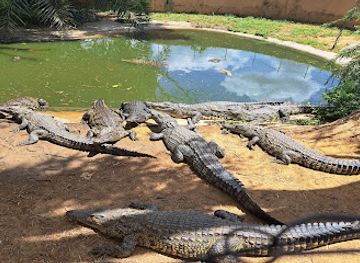
Kalimba Reptile Park
Discover Zambia's unique wildlife at Kalimba Reptile Park, home to fascinating reptiles and a family-friendly environment for all ages.
-
Tourist attraction
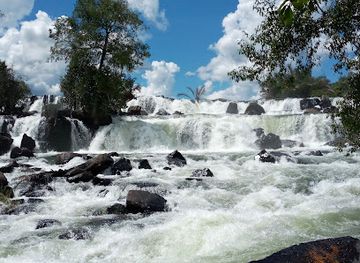
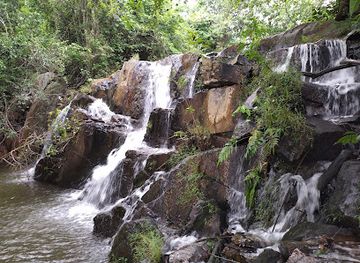
Chishimba Falls
Discover the breathtaking beauty of Chishimba Falls, a hidden gem in Zambia that offers stunning landscapes and serene nature experiences for every traveler.
-
Tourist attraction
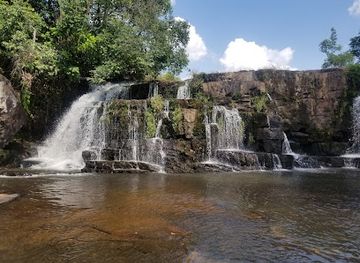
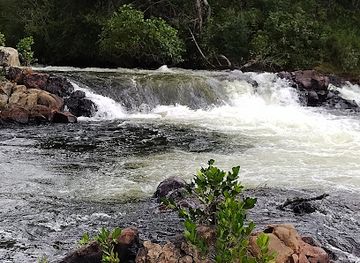
Mumbuluma Falls
Discover the breathtaking beauty of Mumbuluma Falls, a hidden natural gem in Zambia, perfect for adventure seekers and nature lovers.
-
Tourist attraction
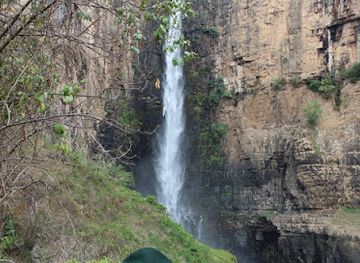
Kalambo Falls
Experience the breathtaking beauty of Kalambo Falls, one of Africa's tallest waterfalls, surrounded by lush landscapes and vibrant wildlife in Tanzania.
Best landmarks in Muchinga Province
The Muchinga Escarpment is the province’s defining natural landmark, forming a long rise between elevated interior plateaux and the lower Luangwa-side country. Its wooded slopes and changing vistas are most apparent on road journeys and at selected viewpoints, although access is not uniformly developed. Lubwa Mission near Chinsali is a landmark of national historical significance because of its educational history and association with Kenneth Kaunda. Shiwa Ng’andu’s manor house and landscaped grounds are among the province’s most recognisable built landmarks, representing an ambitious colonial-era estate whose history also includes African labour and later Zambian stewardship. The TAZARA railway is a major twentieth-century engineering and political landmark as it crosses Muchinga towards Nakonde and Tanzania. In the wilderness areas, the Luangwa River system and the broad open habitats of Lavushi Manda provide geographical landmarks rather than monumental structures. North Luangwa’s remote valleys, escarpment edges and wildlife-rich riverine zones convey the scale of the province more powerfully than any single urban building.
-
 Hotel
HotelKapishya Hot Springs
Experience the tranquility of Kapishya Hot Springs, a natural oasis in Zambia, where relaxation meets adventure amidst stunning landscapes.
-
Tourist attraction
Mutambe Akasuba
Experience the tranquil beauty of Mutambe Akasuba, a stunning hot spring and waterfall destination in Bulaya, Zambia, perfect for relaxation and exploration.
-
Tourist attraction
Chipoma Falls
Experience the beauty and tranquility of Chipoma Falls, a hidden gem in Chimbele, Zambia, where nature's splendor awaits your discovery.
-
Museum
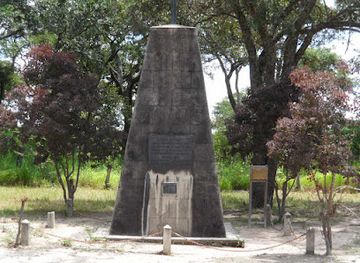
Livingstone Memorial site
Discover the Livingstone Memorial Site in Chipundu, a museum that honors the legacy of David Livingstone and offers insights into Zambia's rich history.
Explore Muchinga Province on the map
Plan your trip on one map. See where the top cities, national parks and sights are, and book hotels and experiences in a few clicks.
Best hotels in Muchinga Province
Best restaurants in Muchinga Province
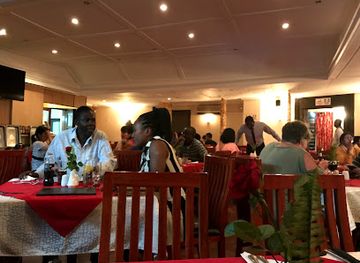
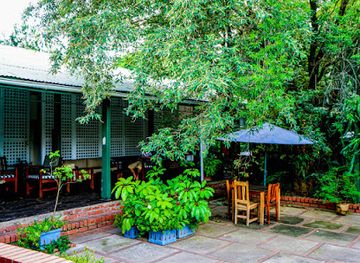
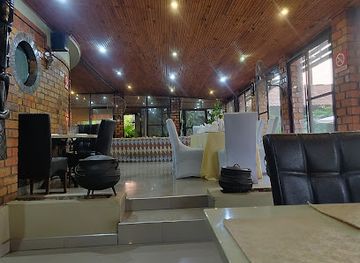
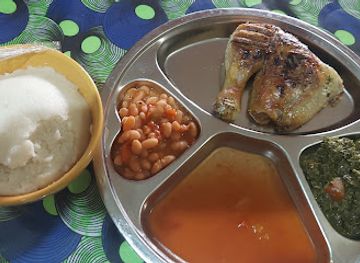
Dining in Muchinga is straightforward and closely connected to local markets, agriculture and long-distance travel. In Chinsali, Mpika, Isoka and Nakonde, small restaurants and cafés commonly serve nshima with vegetables, beans, chicken, fish or meat, while roadside food stands provide practical meals for travellers. Kapenta and other freshwater fish may appear where supplies allow, and chikanda, a firm dish made chiefly from wild orchid tubers and groundnuts, is part of the wider northern Zambian culinary tradition. Menus vary with season and supply, so rural lodges and estate accommodation may offer a broader choice than village eateries. Tea, soft drinks and simple baked goods are widely available along the main road. Visitors should distinguish local Zambian dishes from generic international options found at lodges, and should carry snacks on long journeys between towns. Markets are useful places to find fruit, groundnuts and seasonal produce, although food hygiene standards vary and drinking water should come from a dependable source.
-
Steak
Marlin Restaurant
Experience the best Zambian steaks at Marlin Restaurant in Lusaka – where flavor meets hospitality in every bite.
-
Lodge
Mukwa Lodge & Restaurant
Discover comfort and exquisite Indian cuisine at Mukwa Lodge & Restaurant in Kitwe - a must-visit destination for every traveler.
-
Hotel
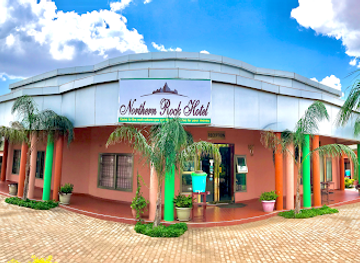
Northern Rock Hotel
Experience comfort and convenience at Northern Rock Hotel, your ideal resting place along Zambia's Great North Road.
-
Restaurant
INDISH FUSION FOODS & COCKTAILS
Discover the unique flavors at Indish Fusion Foods & Cocktails in Kitwe - where local meets global in every bite.
Best bars in Muchinga Province
Muchinga’s evening life is concentrated in Chinsali, Mpika, Isoka and Nakonde, where local bars, hotel lounges, restaurants and small music venues serve residents, transport workers and visitors. The atmosphere is generally informal, and nightlife is more likely to involve conversation, football, music and dancing than a dedicated club circuit. Roadside and town-centre bars can become busy at weekends, while lodges and guesthouses provide quieter evening settings for travellers. Near Shiwa Ng’andu and the national parks, evening activity usually centres on meals, fireside conversation, guided night sounds or early rest rather than nightlife. Nakonde has a particularly transient, commercial character because of cross-border traffic, but visitors should remain attentive to belongings and local advice. Opening arrangements and venue status change, so accommodation staff are the best source of current information. Drinking is not necessary to participate in local social life, and responsible behaviour is especially important in small communities and remote lodges.
-
Restaurant
CIMS
Experience the rich flavors of Zambia at CIMS, a cozy restaurant in Mpika featuring a diverse menu and warm hospitality.
-
Restaurant
Crumach Lodge
Discover the vibrant flavors of Zambia at Crumach Lodge, Mpika's cherished restaurant, where local cuisine meets warm hospitality.
-
Fast Food
Muchinga Gardens
Discover the vibrant tastes of Muchinga Gardens in Chinsali, Zambia – a fast food haven blending local and international flavors.
-
Grill
Mess Bar
Discover the essence of Zambian cuisine at Mess Bar, where succulent grilled dishes and local drinks await in a vibrant atmosphere.
Best nightclubs in Muchinga Province
Muchinga’s evening life is concentrated in Chinsali, Mpika, Isoka and Nakonde, where local bars, hotel lounges, restaurants and small music venues serve residents, transport workers and visitors. The atmosphere is generally informal, and nightlife is more likely to involve conversation, football, music and dancing than a dedicated club circuit. Roadside and town-centre bars can become busy at weekends, while lodges and guesthouses provide quieter evening settings for travellers. Near Shiwa Ng’andu and the national parks, evening activity usually centres on meals, fireside conversation, guided night sounds or early rest rather than nightlife. Nakonde has a particularly transient, commercial character because of cross-border traffic, but visitors should remain attentive to belongings and local advice. Opening arrangements and venue status change, so accommodation staff are the best source of current information. Drinking is not necessary to participate in local social life, and responsible behaviour is especially important in small communities and remote lodges.
-
Bar
MM NIGHT CLUB
Discover the vibrant nightlife at MM Night Club in Kabwe, where music, dance, and fun come together for an unforgettable experience.
-
Night club
Limusote Club n' Grill
Unleash your night at Limusote Club n' Grill, Nakonde's premier nightlife destination for great music and delicious food.
-
Night club
JM Night Club
Discover the vibrant nightlife of Chinsali at JM Night Club, where local culture meets lively music for an unforgettable evening.
Best shops in Muchinga Province
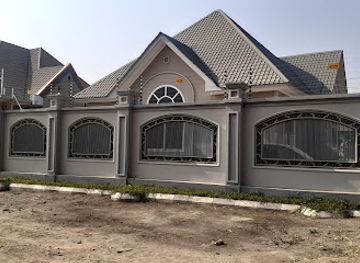
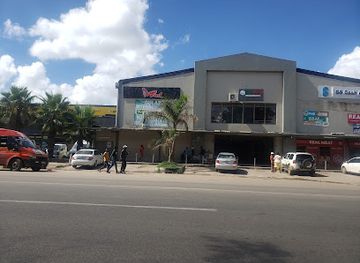
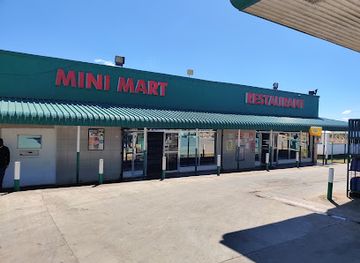
Shopping in Muchinga is centred on market towns, roadside stalls and practical local commerce rather than large retail complexes. Chinsali, Mpika, Isoka and Nakonde have shops and markets selling food, clothing, household goods and travel supplies, while Nakonde’s border position gives it a particularly commercial and mobile character. Visitors can look for baskets, woven goods, carved items and locally made crafts, but should assess quality and provenance carefully and avoid buying anything made from protected wildlife materials or archaeological objects. Markets are useful for seasonal fruit, groundnuts and other local produce, although packaging and storage may be basic. Small craft outlets and lodge shops near heritage or wildlife sites may offer souvenirs connected with the province, while larger supermarkets and dependable ATMs are more likely in the main towns. Bargaining is not appropriate everywhere; ask politely or observe local practice, and carry small kwacha notes for modest purchases.
-
Shopping mall
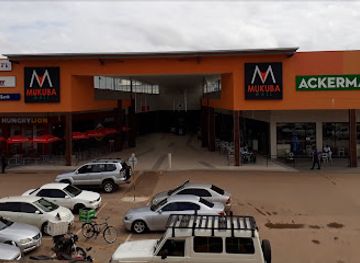
Mukuba Shopping Mall
Experience the vibrant blend of shopping, dining, and entertainment at Mukuba Shopping Mall in Kitwe, Zambia.
-
Clothing store
Iringa Shopping mall
Discover Iringa Shopping Mall in Lusaka: A vibrant hub for fashion, shopping, and family-friendly fun in Zambia.
-
General store
Eco petroleum
Explore Mpika with Eco Petroleum, your trusted general store for essentials and local treasures in the heart of Zambia.
-
Grocery store
VMK trading
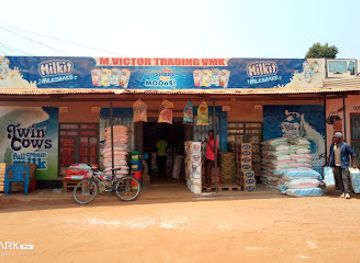
Discover the heart of Chinsali at VMK Trading, where fresh produce and local flavors meet convenience in a vibrant grocery shopping experience.
Get your free copy of our complete guide to Muchinga Province, delivered straight to you.
Everything on this page, from attractions and restaurants to essentials and local phrases, in one PDF you can read offline, print or share.
Already have an account? Sign in
Your Muchinga Province guide is ready.
We'll send it to · Not you? Sign out

Getting your guide ready…
We are putting together a fresh copy of the Muchinga Province guide. This can take up to a minute.
This can take a few moments. If your browser asks, choose Allow so the download can start. You'll find the guide in your Downloads folder.
Nothing happened? Download it again
Sorry, the guide is taking longer than usual. Please try again in a minute, or get it by email instead.
Muchinga Province essentials
Currency and Payment
Safety
Emergency Situations
Do's and Don'ts
Local Tips
From Eve
Local phrases worth knowing
You don't need to get them perfect. A few words go a long way, and locals appreciate the effort.
Basics
| English | Local | Say it |
|---|---|---|
| Hello | Shani | [sha-nee] |
| Goodbye | Ulekwale bwino | [oo-leh-kwa-leh bwee-no] |
| Yes | Eya | [eh-yah] |
| No | Awe | [ah-weh] |
| Please/You're welcome | Ndalumba | [ndah-loom-bah] |
| Thank you | Natotela | [nah-toh-teh-lah] |
| Excuse me/Sorry | Ndiso | [n-dee-so] |
| How are you? | Muli bwanji? | [moo-lee bwahn-jee] |
| Fine. And you? | Ndili bwino. Nimwe? | [ndee-lee bwee-no. neem-weh?] |
| Do you speak English? | Mukamba Chingerezi? | [moo-kam-ba chin-geh-reh-zee] |
| I don't understand | Sikuti | [see-koo-tee] |
Eating & Drinking
| English | Local | Say it |
|---|---|---|
| I'd like to see the menu, please | Ningakonde kuwona mmenyu, ndalumba | [nee-ngah-kon-deh koo-woh-nah mm-en-yoo, ndah-loom-bah] |
| I don't eat meat | Sikudya nyama | [see-koo-dyah nyah-mah] |
| Cheers! | Salama! | [sah-lah-mah] |
| I would like to pay, please | Ningakonde kulipira, ndalumba | [nee-ngah-kon-deh koo-lee-pee-rah, ndah-loom-bah] |
Emergencies
| English | Local | Say it |
|---|---|---|
| Help! | Thandizani! | [than-dee-zah-nee] |
| Go away! | Tuluka! | [too-loo-kah] |
| Call the Police! | Foni polisi! | [foh-nee poh-lee-see] |
| Call a doctor! | Foni daktari! | [foh-nee dahk-tah-ree] |
| I'm lost | Ndili panga | [ndee-lee pahng-ah] |
| I'm ill | Ndili pa chibale | [ndee-lee pah chee-bah-leh] |
Shopping
| English | Local | Say it |
|---|---|---|
| I'd like to buy... | Ningakonde kugula... | [nee-ngah-kon-deh koo-goo-lah] |
| I'm just looking | Ndiwe kuyang'ana | [ndee-weh koo-yahng-ah-nah] |
| How much is it? | Nanga ni shani? | [nah-ngah nee shah-nee] |
| That's too expensive | Iyi ni mtengo wakuukana | [ee-yee nee em-ten-go wah-koo-kah-nah] |
| Can you lower the price? | Mungagwila mtengo? | [moon-gah-gwee-lah em-ten-go] |
Time & Numbers
| English | Local | Say it |
|---|---|---|
| What time is it? | Ndi nthawi yanji? | [ndee n-thah-wee yah-n-jee] |
| It's one o'clock | Ndi saa imwe | [ndee sah ee-mweh] |
| Half past (10) | Ndi chaka chimodzi | [ndee chah-kah chee-moh-dzee] |
| Morning | Masana | [mah-sah-nah] |
| Afternoon | Pachikondi | [pah-chee-kohn-dee] |
| Evening | Masana abukulu | [mah-sah-nah ah-boo-koo-lu] |
| Yesterday | Lelo | [leh-loh] |
| Today | Lelo | [leh-loh] |
| Tomorrow | Mmawa | [mmah-wah] |
| 1 | Chimodzi | [chee-moh-dzee] |
| 2 | Chiwiri | [chee-wee-ree] |
| 3 | Chitatu | [chee-tah-too] |
| 4 | Chinayi | [chee-nah-yee] |
| 5 | Chitano | [chee-tah-no] |
| 6 | Chimfumu | [chee-mfoo-moo] |
| 7 | Chisanu | [chee-sah-noo] |
| 8 | Chiswanu | [chee-swah-noo] |
| 9 | Chitatu | [chee-tah-too] |
| 10 | Chikumi | [chee-koo-mee] |
Transport & Directions
| English | Local | Say it |
|---|---|---|
| Where's a/the...? | Kuli kuti...? | [koo-lee koo-tee] |
| What's the address? | Kuli liti? | [koo-lee lee-tee] |
| Can you show me (on the map)? | Mungandioneke (pakanja)? | [moon-gahn-dee-oh-neh-keh pah-kahn-jah] |
| When's the next (bus)? | Ndi liti basi ikalamba? | [ndee lee-tee bah-see ee-kah-lahm-bah] |
| A ticket (to ....) | Chiketi (ku....) | [chee-keh-tee koo] |
History of Muchinga Province
Early Iron Age settlement and Bemba heritage
Muchinga’s plateaux and river valleys have long supported farming, fishing, hunting and movement between central Africa’s interior regions. Iron Age communities established villages and cultivated crops suited to woodland and seasonal wetland environments, leaving a material legacy of pottery, ironworking and settlement patterns rather than monumental architecture. In more recent centuries, Bemba-speaking communities became particularly influential across the province, alongside other neighbouring peoples and trading networks. Chinsali and the surrounding districts remain important in the cultural geography of north-eastern Zambia, although contemporary communities are socially and linguistically diverse.
Nineteenth-century trade and political change
Before colonial rule, the region was connected to long-distance networks extending towards Lake Tanganyika, the Luangwa Valley and the territory that is now Tanzania. Trade, migration and political competition altered local power structures during the nineteenth century, when ivory and slave-raiding economies affected much of central Africa. These pressures were experienced differently in different communities, but they contributed to the movement of people and the consolidation of chiefly authority. The routes later used by colonial roads and railways followed a landscape already shaped by older paths, markets and regional connections.
Mission education at Lubwa
The establishment and growth of Lubwa Mission near Chinsali made the area a major centre of Christian education in Northern Rhodesia. Mission schools introduced literacy and new forms of clerical training while operating within the unequal structures of colonial rule. Lubwa is especially associated with Kenneth Kaunda, who was born in Chinsali and later became Zambia’s first president after independence. The mission’s history is therefore connected not only with religion and education but also with the emergence of African leadership, debate and political organisation in the territory.
Shiwa Ng’andu and colonial estate history
Shiwa Ng’andu was established in the early twentieth century by Stewart Gore-Browne, a British settler and later politician. The estate developed around a substantial manor house, gardens, farming activities and a large African workforce. Its history reflects the ambitions and inequalities of colonial estate settlement, as well as the practical difficulties of creating an agricultural enterprise in a remote part of Northern Rhodesia. The property remains one of Muchinga’s most distinctive historic places because its buildings and landscape preserve a concentrated record of colonial policy, labour and rural economic change.
Colonial roads, administration and conservation
During the colonial period, administrative stations, mission routes and transport links tied the northern plateau more closely to the wider territory. The opening and regulation of protected areas also changed how land and wildlife were managed, sometimes restricting established local uses of forests, rivers and grazing areas. The escarpment and Luangwa landscapes were valued for their wildlife as well as their strategic geography. These older administrative and conservation patterns influenced the later location of roads, district centres and tourism facilities across what is now Muchinga Province.
Independence and Chinsali’s national importance
Zambia achieved independence in 1964, and Chinsali acquired a lasting place in the national historical imagination through its association with Kenneth Kaunda and Lubwa Mission. Independence brought the replacement of colonial administration with Zambian governance and encouraged wider access to education and public institutions. The province continued to depend heavily on agriculture, transport and public services, while its dispersed settlements and long distances presented challenges for development. Chinsali’s role as provincial capital has reinforced its importance as an administrative and cultural centre.
The TAZARA railway and regional connections
Completed in the 1970s with Chinese assistance, the Tanzania-Zambia Railway linked the Zambian rail network at Kapiri Mposhi with Dar es Salaam. Its route through Muchinga, including Mpika and Nakonde, strengthened the province’s role as a transport corridor and provided Zambia with an alternative route towards the Indian Ocean. The railway supported the movement of freight, workers and passengers across a sparsely settled part of the country. Although road transport now dominates many journeys, the TAZARA line remains a major symbol of post-independence regional cooperation and northern Zambia’s economic geography.
Muchinga Province in Photos
Browse through our photo collection highlighting the charm and character of the destination.
Neighbouring regions of Muchinga Province
The closest regions to Muchinga Province, if you have time for more than one.
-

-

-

-

-


Swipe for more regions
Explore more

Explore more of Zambia
Discover Zambia: A Safari Haven with Stunning Waterfalls, Rich Culture, and Unforgettable Wildlife Encounters.
Explore Zambia