

Kalambo Falls area, Zambia Travel Guide
Discover Kalambo Falls in Zambia – a breathtaking blend of towering waterfalls, lush forests, ancient history, and vibrant local culture.
Nestled on the border of Zambia and Tanzania, Kalambo Falls is one of Africa's tallest waterfalls, cascading down an impressive 235 meters. This natural wonder offers breathtaking views and a serene atmosphere, making it an ideal destination for nature lovers and adventure seekers alike. The surrounding area is rich in history and culture, providing a unique blend of natural beauty and human heritage. The falls are located near the southern tip of Lake Tanganyika, the world's second-oldest freshwater lake. Visitors can enjoy hiking through lush forests, spotting diverse wildlife, and exploring ancient archaeological sites that date back over 250,000 years. The Kalambo River, which feeds the falls, is home to a variety of fish species and is an important water source for the local communities. For those looking to immerse themselves in the local culture, the nearby villages offer a glimpse into traditional Zambian life. Friendly locals are often eager to share their customs and stories, adding a personal touch to your visit. Whether you're taking in the stunning views from the top of the falls or exploring the rich history of the region, Kalambo Falls promises an unforgettable experience.

Know before you go
Hi, I'm Eve. Here are a few practical things to know before exploring Kalambo Falls area.
- Wear sturdy hiking boots as the terrain can be uneven and slippery.
- Visit during the dry season (May to October) for the best views and easier hiking conditions.
- Bring binoculars for birdwatching; the area is home to many unique species.
- Hire a local guide to gain deeper insights into the history and culture of the area.
- Carry enough water and snacks as facilities are limited around the falls.
Destinations in Kalambo Falls area
Resorts, valleys and scenic spots worth a trip of their own.


Explore Kalambo Falls area: Things to Do, Places to Eat, Hotels & More
Handpicked recommendations for top attractions, local dining, accommodations, and more

Top Attractions & Sightseeing in Kalambo Falls area
Top-rated picks
Best Attractions

Mosi-oa-Tunya National Park
Explore the natural beauty and wildlife of Mosi-oa-Tunya National Park, home to the stunning Victoria Falls and diverse ecosystems.

Chishimba Falls
Explore the breathtaking Chishimba Falls, a natural wonder in Zambia, where stunning views and tranquility await every visitor.

Kalambo Falls
Experience the breathtaking beauty of Kalambo Falls, one of Africa's tallest waterfalls, surrounded by lush nature and adventure.

Mutanda Falls
Experience the breathtaking beauty of Mutanda Falls, a serene oasis in Zambia that captivates nature lovers and adventure seekers alike.

Best landmarks in Kalambo Falls area
Top-rated picks
Best Landmarks

Chishimba Falls
Experience the breathtaking beauty of Chishimba Falls, a natural wonder in Zambia that captivates with its stunning cascades and serene surroundings.

Kalambo Falls
Experience the breathtaking beauty of Kalambo Falls, a natural wonder in Tanzania known for its stunning heights and serene surroundings.

Lumangwe Falls
Explore the breathtaking Lumangwe Falls in Zambia, a stunning natural wonder surrounded by lush landscapes and perfect for adventure and relaxation.

Kalambo Lodge
Experience tranquility and comfort at Kalambo Lodge, a perfect retreat for travelers exploring the vibrant city of Lusaka, Zambia.

Best restaurants in Kalambo Falls area
Top-rated picks
Best Restaurants

3 Trees Cafe
Savor the flavors of Zambia at 3 Trees Cafe - where every meal tells a story!

The Three Monkeys Restaurant & Bar, Victoria Falls
Experience delightful dining at The Three Monkeys Restaurant & Bar in Victoria Falls - where culinary excellence meets vibrant atmosphere.

Avani Victoria Falls Resort
Discover luxury and adventure at Avani Victoria Falls Resort, your gateway to Zambia's breathtaking natural beauty.

The Lookout Cafe - Wild Horizons
Experience breathtaking views and delicious cuisine at The Lookout Cafe near Victoria Falls – a perfect blend of nature and culinary delight.

Best bars in Kalambo Falls area
Top-rated picks
Best Bars

Avani Victoria Falls Resort
Discover the perfect blend of luxury, adventure, and culture at Avani Victoria Falls Resort, your gateway to the wonders of Zambia.

The Lookout Cafe - Wild Horizons
Experience breathtaking views and delightful cuisine at The Lookout Cafe, a must-visit restaurant near Victoria Falls.

The Boma - Dinner & Drum Show
Discover the vibrant rhythms and flavors of Zimbabwe at The Boma - a delightful dinner theater experience in Victoria Falls.

Royal Livingstone Victoria Falls Zambia Hotel by Anantara
Discover unparalleled luxury and breathtaking views at the Royal Livingstone Victoria Falls Zambia Hotel, a perfect blend of nature and elegance.

Best nightclubs in Kalambo Falls area
Top-rated picks
Best Nightclubs

LUKUNDO LIGHT LIQUOR STORE, BAR & NIGHT CLUB
Discover the vibrant nightlife at Lukundo Light Liquor Store, Bar & Night Club in Lusaka, where local culture and lively entertainment come together.

Club Amnesia
Discover Lusaka's nightlife at Club Amnesia, a vibrant bar offering a dynamic atmosphere, diverse music, and refreshing drinks.

Kabs Mall
Experience the vibrant nightlife of Lusaka at Kabs Mall, a lively disco club and bar offering a diverse selection of drinks and an energetic atmosphere.

Chez Ntemba
Discover vibrant nightlife at Chez Ntemba, Lusaka's top nightclub featuring lively music, delicious drinks, and an unforgettable party atmosphere.

Best shops in Kalambo Falls area
Top-rated picks
Best Shops

EastPark Mall
Discover EastPark Mall, Lusaka's premier shopping destination featuring diverse retail, delightful dining, and exciting entertainment.

Levy Junction Shopping Mall
Explore Levy Junction Shopping Mall, Lusaka - a vibrant hub for shopping, dining, and entertainment in the heart of Zambia.

Victoria Falls
Experience the breathtaking beauty of Victoria Falls, a UNESCO World Heritage site renowned for its stunning landscapes and thrilling adventures.

Arcades Shopping Mall
Experience the essence of Lusaka at Arcades Shopping Mall, where shopping, dining, and entertainment unite in a vibrant atmosphere.

Explore Kalambo Falls area on the Map
A handpicked selection of must-see spots in Kalambo Falls area, mapped for you.
Kalambo Falls area Essentials
-
Kalambo Falls is located in the Northern Province of Zambia, near the border with Tanzania. The nearest major airport is Mbala Airport, which is approximately 40 kilometers away. From Mbala, you can hire a taxi or arrange for a private transfer to reach Kalambo Falls. Alternatively, you can fly into Lusaka's Kenneth Kaunda International Airport and take a domestic flight to Mbala or Kasama, followed by a road transfer to Kalambo Falls. The roads can be rough, so a 4x4 vehicle is recommended.
-
Once you arrive in the Kalambo Falls area, local transportation options include taxis and private car hires. There are no public buses directly servicing the falls, so arranging transportation in advance is advisable. Renting a 4x4 vehicle is highly recommended due to the rugged terrain. For the adventurous, guided hiking tours to the falls are available, providing an immersive experience through the local landscape.
-
The official currency in Zambia is the Zambian Kwacha (ZMW). While some lodges and tourist services may accept credit cards, it is advisable to carry sufficient cash, especially in rural areas. ATMs are available in larger towns such as Mbala and Kasama, but they can be scarce closer to Kalambo Falls. Ensure you have enough cash on hand for entrance fees, local guides, and any purchases.
-
Kalambo Falls is generally a safe destination, but standard travel precautions should be taken. Avoid traveling alone at night and do not display valuables openly. While there are no specific high-crime areas targeting tourists, it is always best to stay vigilant and be aware of your surroundings. If you plan to hike, always inform someone of your plans and estimated return time.
-
In case of an emergency, dial 999 for immediate assistance. The nearest medical facilities are in Mbala, so it's important to have travel insurance that covers medical emergencies. For minor health issues, carry a basic first-aid kit and necessary medications, as pharmacies may not be readily accessible. Make sure you have a local contact or guide who can assist in emergencies.
-
Fashion: Do dress modestly, especially in rural areas and when visiting local communities. Avoid wearing revealing clothing. Religion: Do be respectful of local customs and traditions. Public Transport: Do be courteous and respectful to drivers and fellow passengers. Don't expect public transport to be as reliable as in urban areas. Greetings: Do greet people with a friendly smile and a handshake. Avoid using overly familiar language or gestures. Eating & Drinking: Do try local foods and accept hospitality graciously. Don’t refuse food or drink offered by locals, as it may be considered impolite.
-
To experience Kalambo Falls like a local, engage with local guides who can share insights about the area’s history and culture. Visit nearby villages to learn about traditional lifestyles and customs. Don't miss the opportunity to see the falls from both the Zambian and Tanzanian sides for different perspectives. If possible, plan your visit during the rainy season (November to April) when the falls are at their most spectacular.
When is the best time to visit Kalambo Falls area?
Useful Local Phrases for Kalambo Falls area
You don't need to speak the language perfectly. Even learning a few simple words can make conversations warmer—and locals usually appreciate the effort.
— Eve

Here are the phrases I use most often in Kalambo Falls area. Try a few—you'll be surprised how far they go! 😊
❤️
-
- HelloShani
[Sha-nee] - GoodbyeTawona
[Tah-wo-nah] - YesEhe
[Eh-heh] - NoAwe
[Ah-weh] - Please/You're welcomeNshakabola
[Nsha-ka-boh-lah] - Thank youNatotela
[Nah-toh-teh-lah] - Excuse me/SorryNdiye
[Ndee-yeh] - How are you?Wakukona shani?
[Wah-koo-koh-nah sha-nee] - Fine. And you?Nshakabola. Na iwe?
[Nsha-ka-boh-lah. Nah ee-weh?] - Do you speak English?Uli na chingeleshi?
[Oo-lee nah chin-geh-leh-shee?] - I don't understandNdisapota
[Ndee-sah-poh-tah]
- HelloShani
-
- I'd like to see the menu, pleaseNshakabola kuti ndione menu
[Nsha-ka-boh-lah koo-tee n-dee-oh-neh meh-noo] - I don't eat meatNdisakila nyama
[Ndee-sah-kee-lah nyah-mah] - Cheers!Kukumbatia!
[Koo-koom-bah-tee-ah] - I would like to pay, pleaseNshakabola kuti nindeke
[Nsha-ka-boh-lah koo-tee nin-day-keh]
- I'd like to see the menu, pleaseNshakabola kuti ndione menu
-
- Help!Chikondi!
[Chee-kohn-dee] - Go away!Tola ku chalo!
[Toh-lah koo chah-loh] - Call the Police!Tuma mpolisi!
[Too-mah em-poh-lee-see] - Call a doctor!Tuma daktari!
[Too-mah dahk-tah-ree] - I'm lostNdisakalila
[Ndee-sah-kah-lee-lah] - I'm illNdiye na maladi
[Ndee-yeh nah mah-lah-dee]
- Help!Chikondi!
-
- I'd like to buy...Nshakabola kuti nbuyi...
[Nsha-ka-boh-lah koo-tee nboo-yee] - I'm just lookingNdiye fye kukonda
[Ndee-yeh fyay koo-kohn-dah] - How much is it?Kuli na chingaki?
[Koo-lee nah chin-gah-kee?] - That's too expensiveIyi ni yaku chalo
[Ee-yee nee yah-koo chah-loh] - Can you lower the price?Unga fye ukatola price?
[Oon-gah fyay oo-kah-toh-lah prah-ee-sah?]
- I'd like to buy...Nshakabola kuti nbuyi...
-
- What time is it?Nshani shani?
[Nsha-nee sha-nee?] - It's one o'clockNi saa imwe
[Nee sah-ahn eem-weh] - Half past (10)Pafya na (10)
[Pah-fyah nah (10)] - MorningMawa
[Mah-wah] - AfternoonPashalwe
[Pah-shahl-weh] - EveningMwaume
[Mwah-oo-meh] - YesterdayLelo lya
[Leh-loh l-yah] - TodayLelo
[Leh-loh] - TomorrowKuyenda
[Koo-yehn-dah] - 1Imwe
[Eem-weh] - 2Ibi
[Eebee] - 3Itatu
[Ee-tah-too] - 4Ine
[Ee-neh] - 5Ishanu
[Ee-shah-noo] - 6Ita
[Ee-tah] - 7Ilyo
[Ee-lyoh] - 8Ishibuka
[Ee-shee-boo-kah] - 9Icyenda
[Ee-chehn-dah] - 10Icumi
[Ee-choo-mee]
- What time is it?Nshani shani?
-
- Where's a/the...?Wakuli a/the...?
[Wah-koo-lee ah/the...?] - What's the address?Kuli na adiresi?
[Koo-lee nah ah-dee-reh-see?] - Can you show me (on the map)?Unga nshowe (ku map)?
[Oon-gah n-show-eh (koo mahp)?] - When's the next (bus)?Kuli na busi yachilamo?
[Koo-lee nah boo-see yah-chee-lah-moh?] - A ticket (to ....)Ticket (ku ...)
[Tee-ket (koo ...)]
- Where's a/the...?Wakuli a/the...?
History of Kalambo Falls area
-
Kalambo Falls, one of the tallest uninterrupted waterfalls in Africa, was first documented by Western explorers in the early 20th century. The falls were brought to international attention by the British explorer David Livingstone during his travels in the region.
-
Archaeological studies have revealed that the Kalambo Falls area has been inhabited for over 250,000 years. Early human settlements in the region provide crucial insights into the evolution of human technology, particularly due to the discovery of stone tools and evidence of one of the earliest known controlled uses of fire.
-
During the Iron Age, the Kalambo Falls area became a significant site for the Bantu-speaking peoples who migrated across sub-Saharan Africa. These communities brought with them advanced agricultural techniques, ironworking skills, and new cultural practices, which greatly influenced the development of the region.
-
The Lungu people, one of the indigenous ethnic groups of the region, have a deep historical connection to Kalambo Falls. The falls hold spiritual significance for the Lungu, who consider them to be a sacred site. Traditional ceremonies and rituals are still performed at the falls to honor their ancestors and the natural spirits.
-
In the late 19th and early 20th centuries, the Kalambo Falls area came under the influence of European colonial powers. The British and Germans both sought control over the region, leading to significant political and social changes. The construction of infrastructure and the introduction of new administrative systems during this period left a lasting impact on the local communities.
-
In recognition of its historical and cultural importance, Kalambo Falls was declared a national monument by the Zambian government in the mid-20th century. This designation has helped to preserve the area and promote its significance to both local and international visitors.
-
Recent archaeological excavations at Kalambo Falls have continued to uncover valuable artifacts and insights into early human history. These discoveries have solidified the falls' reputation as one of the most important archaeological sites in Africa, attracting researchers from around the world.
Neighbouring Regions of Kalambo Falls area
The closest regions to Kalambo Falls area, if you have time for more than one.


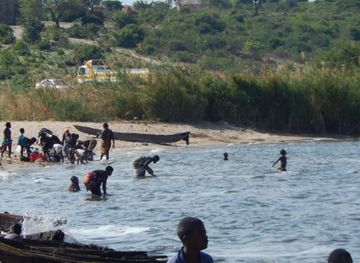

Your all‑in‑one travel companion app
Explore expert travel guides, compare and book tours, experiences, hotels, and more—all from the palm of your hand. Download now for seamless trip planning wherever your wanderlust takes you.


Explore More of Zambia

Looking beyond Kalambo Falls area? Discover Zambia for broader travel guides, local hot-spots, and regional highlights.
Explore ZambiaKalambo Falls area in Photos
Browse through our photo collection highlighting the charm and character of the destination.


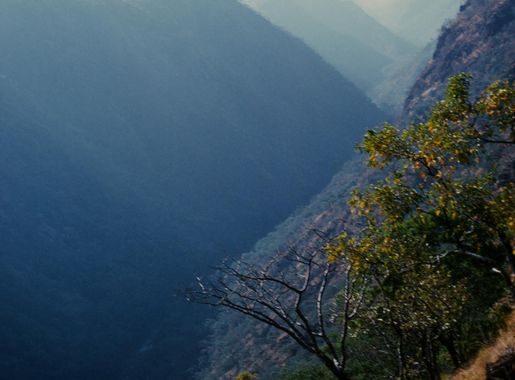


The Majestic Kalambo Falls: Zambia's Hidden Gem
Nestled on the border of Zambia and Tanzania, Kalambo Falls is one of Africa's tallest waterfalls, cascading down an impressive 235 meters. This natural wonder offers breathtaking views and a serene atmosphere, making it an ideal destination for nature lovers and adventure seekers alike. The surrounding area is rich in history and culture, providing a unique blend of natural beauty and human heritage. The falls are located near the southern tip of Lake Tanganyika, the world's second-oldest freshwater lake. Visitors can enjoy hiking through lush forests, spotting diverse wildlife, and exploring ancient archaeological sites that date back over 250,000 years. The Kalambo River, which feeds the falls, is home to a variety of fish species and is an important water source for the local communities. For those looking to immerse themselves in the local culture, the nearby villages offer a glimpse into traditional Zambian life. Friendly locals are often eager to share their customs and stories, adding a personal touch to your visit. Whether you're taking in the stunning views from the top of the falls or exploring the rich history of the region, Kalambo Falls promises an unforgettable experience.