

Free South Luangwa National Park Travel Guide & Mobile App
Explore South Luangwa National Park with free travel guides. Discover regional history, expert tips, proposed trips, and audio guides on web or mobile app.


South Luangwa National Park in Zambia combines river wildlife, walking safaris, seasonal landscapes and intimate camps in the Luangwa Valley.
Read more about South Luangwa National Park
When is the best time to visit South Luangwa National Park?
Best: May–July · 24–27°C| Month | High (°C) | Rainfall (mm) |
|---|---|---|
| January | 31 | 200 |
| February | 31 | 160 |
| March | 30 | 120 |
| April | 29 | 60 |
| May (best) | 27 | 10 |
| June (best) | 24 | 1 |
| July (best) | 25 | 1 |
| August | 28 | 1 |
| September | 32 | 5 |
| October | 33 | 20 |
| November | 33 | 80 |
| December | 32 | 150 |
Getting to and around South Luangwa National Park
How to get there
Transportation
Best attractions in South Luangwa National Park
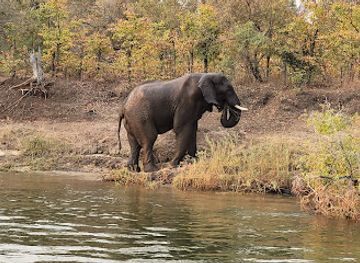
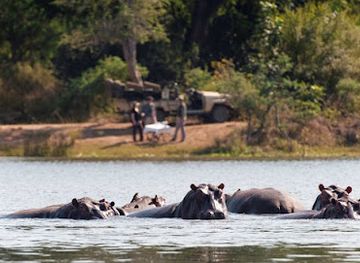
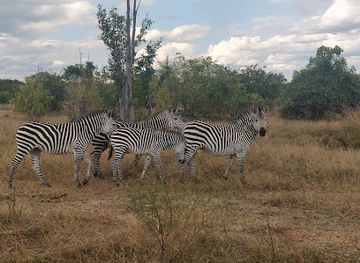
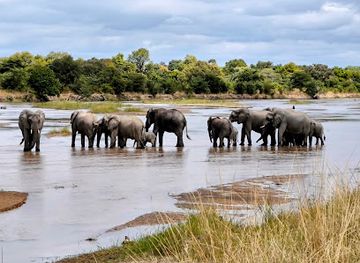
South Luangwa’s attractions are principally ecological rather than architectural. Guided game drives follow the Luangwa River, lagoons, woodland tracks and open plains in search of elephants, hippos, crocodiles, giraffes, zebras, antelope and predators, while the park’s varied habitats support an impressive range of birds. Walking safaris offer a different perspective, interpreting spoor, plants, insects and animal behaviour at ground level under professional supervision. Night drives, where permitted by park rules and arranged by participating operators, reveal species and activity that are less visible by day. The riverfront and seasonal floodplains are particularly important for observing changing wildlife concentrations, although conditions and sightings vary. In the wetter months, green vegetation, flowing water and breeding birds alter the character of the valley, while some camps and roads close or become difficult. The Nsefu sector in the north-east provides a more remote safari setting within the park, whereas areas reached from Mfuwe form the most familiar base for first-time visitors. Around the park, community and conservation initiatives can add context to the protected landscape when visits are arranged responsibly. There are no conventional museums or amusement attractions inside the park; the experience is built around wilderness interpretation, patient observation and the rhythms of a seasonal river ecosystem.
-
Tourist attraction
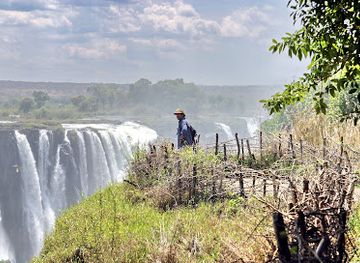
Victoria Falls
Discover the breathtaking beauty and thrilling adventures at Victoria Falls, a must-visit natural wonder straddling Zambia and Zimbabwe.
-
National park
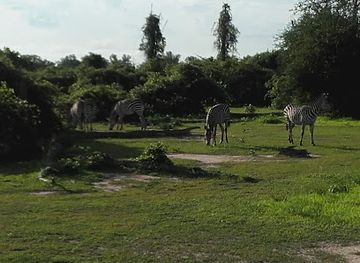
South Luangwa National Park
Discover the breathtaking wildlife and landscapes of South Luangwa National Park, a must-visit national park for nature lovers in Zambia.
-
River
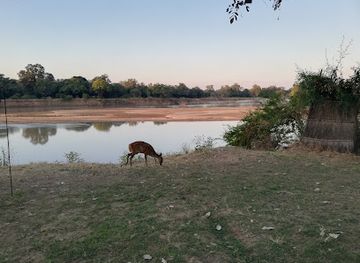
Luangwa River
Experience the breathtaking beauty of the Luangwa River, a wildlife haven in Zambia, perfect for adventure seekers and nature lovers.
-
Lodge
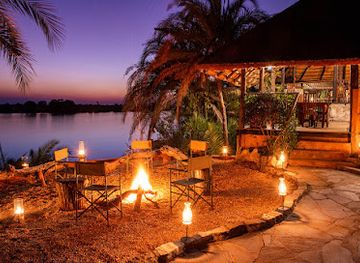
Mukambi Safari Lodge
Discover the ultimate wildlife experience at Mukambi Safari Lodge, where luxury meets adventure near Chunga Kafue National Park.
Best landmarks in South Luangwa National Park
The Luangwa River is South Luangwa’s defining natural landmark, a broad, shifting watercourse whose channels, sandbanks and lagoons shape wildlife routes and seasonal scenery. Its wooded banks provide a visual contrast with open floodplain and dry-season grassland, while hippos and crocodiles underline the need for a guide’s advice near the water. The Muchinga Escarpment forms a dramatic western backdrop to the wider Luangwa Valley, marking the rise from the valley floor towards Zambia’s interior plateau. Within the park, the Nsefu sector is recognised for its distinctive historic safari character and more remote setting. The park’s gates, tracks and camp areas are functional rather than monumental, but the combination of river, forest and open plain gives South Luangwa its recognisable landscape. Outside the protected area, the service settlement of Mfuwe and communities around Kakumbi are important access points, not attractions within the park itself. Together these features explain why the region is read as a geographical landscape as much as a wildlife destination: water, escarpment, woodland and seasonal floodplain determine both its appearance and its human history.
-
National park
Mosi-oa-Tunya National Park
Discover nature's majesty at Mosi-oa-Tunya National Park, home to Victoria Falls and diverse wildlife in Livingstone, Zambia.
-
National park
Lower Zambezi National Park
Explore the breathtaking landscapes and diverse wildlife of Lower Zambezi National Park, a premier destination for eco-tourism in Zambia.
-
 Park
ParkKafue National Park
Experience the wild allure of Kafue National Park in Zambia, a sanctuary for diverse wildlife and breathtaking landscapes, perfect for nature lovers and adventurers.
-
National park
South Luangwa National Park
Discover the breathtaking wildlife and natural beauty of South Luangwa National Park, a premier safari destination in Zambia.
Explore South Luangwa National Park on the map
Plan your trip on one map. See where the top cities, national parks and sights are, and book hotels and experiences in a few clicks.
Best hotels in South Luangwa National Park
Best restaurants in South Luangwa National Park
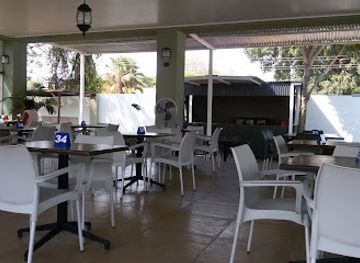
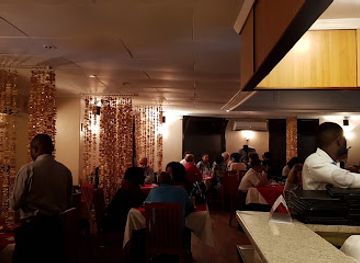
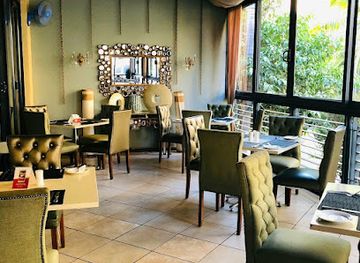
Dining in South Luangwa is organised chiefly by safari camps and lodges rather than by a public restaurant scene. Meals are commonly prepared for guests at fixed times, with menus combining international safari cooking and familiar Zambian ingredients such as maize meal, vegetables, rice, beans, chicken and locally available produce. Some lodges serve regional dishes or bush breakfasts and lunches in carefully selected settings, always subject to wildlife safety and park rules. Tea, coffee, soft drinks and alcoholic beverages are generally available through accommodation providers, but arrangements differ, particularly at smaller seasonal camps. Visitors should communicate dietary requirements before arrival because remote kitchens have limited supply chains and may need to plan ahead. The surrounding Eastern Province has strong food traditions based on farming and riverine resources, although not every local dish is routinely found on lodge menus. Travellers staying near Mfuwe may encounter simpler local food businesses, but should not expect a dense dining district. Meals, service charges and gratuities may be handled differently by each operator, so clarification at check-in avoids confusion.
-
Restaurant
3 Trees Cafe
Experience the best of local and international cuisine at Lusaka's charming 3 Trees Cafe – where flavor meets comfort.
-
Steak
Marlin Restaurant
Discover Marlin Restaurant: A Steak Lover's Paradise in Lusaka Offering Authentic Zambian Cuisine and Exceptional Dining Experience.
-
Hotel
Lilayi Lodge
Experience luxury amidst nature at Lilayi Lodge - your gateway to Zambian wildlife adventures and fine dining.
-
Indian
The Royal Dil
Experience authentic Indian flavors at The Royal Dil in Lusaka - where every dish tells a story.
Best bars in South Luangwa National Park
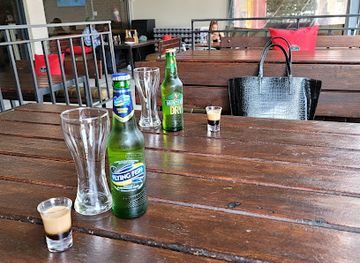
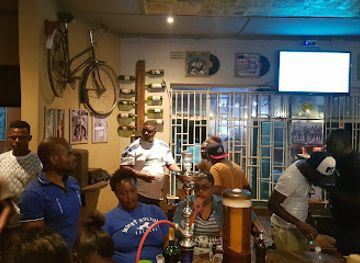
South Luangwa has no conventional nightclub circuit. Evening social life centres on lodge dining areas, open-air bars, campfires and quiet conversations after a game drive, with the sounds of the bush providing the setting rather than amplified entertainment. Camps may serve Zambian beer, wine, spirits and soft drinks, and some offer a sunset drink before dinner, subject to responsible service and wildlife safety. Night drives are an arranged safari activity, not a substitute for nightlife, and availability depends on the operator, season and park regulations. Near Mfuwe, local establishments provide a more ordinary community atmosphere, but the settlement is a service centre rather than a major entertainment destination. Remote camps may have limited connectivity and small beverage selections, so visitors should treat evening hours as part of the wilderness experience. Drinking should never interfere with guide instructions, early departures or safe movement around camp.
-
Restaurant
Keg & Coppersmith
Experience the vibrant culinary scene of Kitwe at Keg & Coppersmith, where local flavors meet international cuisine in a lively atmosphere.
-
Bar
Club Amnesia
Discover Lusaka's nightlife at Club Amnesia, a vibrant bar where music, drinks, and good times come together for an unforgettable experience.
-
Bar
The Old Crow Pub
Experience the vibrant nightlife at The Old Crow Pub in Lusaka, where unique decor meets lively karaoke and a welcoming atmosphere.
-
Indoor lodging
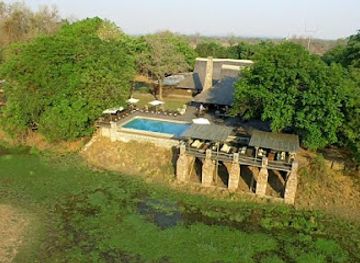
Mfuwe Lodge, The Bushcamp Company
Experience luxury and adventure at Mfuwe Lodge, the gateway to Zambia's stunning wildlife and natural beauty, perfect for an unforgettable safari getaway.
Best nightclubs in South Luangwa National Park
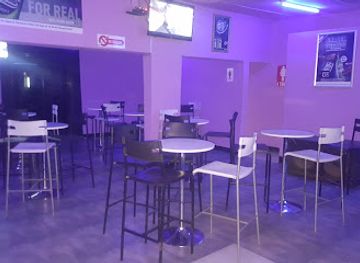
South Luangwa has no conventional nightclub circuit. Evening social life centres on lodge dining areas, open-air bars, campfires and quiet conversations after a game drive, with the sounds of the bush providing the setting rather than amplified entertainment. Camps may serve Zambian beer, wine, spirits and soft drinks, and some offer a sunset drink before dinner, subject to responsible service and wildlife safety. Night drives are an arranged safari activity, not a substitute for nightlife, and availability depends on the operator, season and park regulations. Near Mfuwe, local establishments provide a more ordinary community atmosphere, but the settlement is a service centre rather than a major entertainment destination. Remote camps may have limited connectivity and small beverage selections, so visitors should treat evening hours as part of the wilderness experience. Drinking should never interfere with guide instructions, early departures or safe movement around camp.
-
Bar
LUKUNDO LIGHT LIQUOR STORE, BAR & NIGHT CLUB
Discover the lively atmosphere and vibrant nightlife at Lukundo Light Liquor Store, Bar & Night Club in Lusaka, Zambia.
-
Disco club
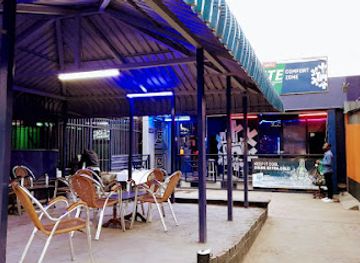
Comfort Zone Lounge
Discover the energetic nightlife of Lusaka at Comfort Zone Lounge, where music, dance, and a cozy atmosphere come together.
-
Night club
Qube Night Club
Discover Lusaka's nightlife at Qube Night Club, where vibrant music, creative cocktails, and an electric atmosphere await every visitor.
-
Bar
Capones Mega Club
Discover the vibrant nightlife at Capones Mega Club in Lusaka, where live music and electrifying energy create unforgettable nights.
Best shops in South Luangwa National Park
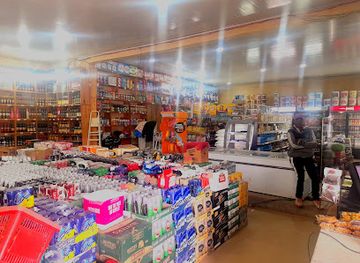
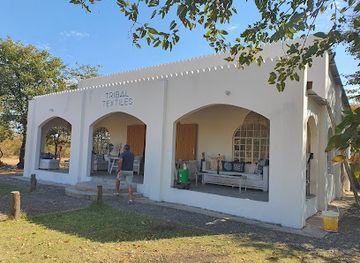
Shopping opportunities in South Luangwa are limited and are usually concentrated at safari lodges, camps, Mfuwe and nearby community-oriented outlets rather than in a formal retail district. Lodge shops may stock practical safari items, books, maps, locally made crafts, clothing and small souvenirs, although selection and opening arrangements vary. Visitors can sometimes find Zambian carvings, woven goods, beadwork, textiles or other handmade products, but should ask about provenance and buy through responsible sellers rather than purchasing items made from protected wildlife materials. Mfuwe is the area’s practical service centre for basic supplies, but it should not be treated as a large shopping destination. Souvenirs connected with Zambia’s wider craft traditions, along with tea, packaged foods or locally produced items, may be available depending on the season and supply chain. Carry enough cash for small purchases, check export restrictions before buying antiques or wildlife-related objects, and remember that remote camps may have no reliable card connection or broad stock.
-
National park
South Luangwa National Park
Experience the breathtaking beauty and diverse wildlife of South Luangwa National Park, a premier destination for adventure seekers and nature lovers in Zambia.
-
Cafe
Tribal Textiles
Discover the unique blend of local artistry and delightful refreshments at Tribal Textiles in Mfuwe, a must-visit for every traveler.
-
Craft store
Project Luangwa
Discover the heart of Zambian craftsmanship at Project Luangwa, a haven for unique handmade crafts and cultural experiences in Mfuwe.
-
Supermarket
Zee Affordables
Experience the best of local shopping at Zee Affordables, Kakumbi's premier supermarket for fresh produce and Zambian goods.

Get your free copy of our complete guide to South Luangwa National Park, delivered straight to you.
Everything on this page, from attractions and restaurants to essentials and local phrases, in one PDF you can read offline, print or share.
Already have an account? Sign in
Your South Luangwa National Park guide is ready.
We'll send it to · Not you? Sign out

Getting your guide ready…
We are putting together a fresh copy of the South Luangwa National Park guide. This can take up to a minute.
This can take a few moments. If your browser asks, choose Allow so the download can start. You'll find the guide in your Downloads folder.
Nothing happened? Download it again
Sorry, the guide is taking longer than usual. Please try again in a minute, or get it by email instead.
South Luangwa National Park essentials
Currency and Payment
Safety
Emergency Situations
Do's and Don'ts
Local Tips
From Eve
Local phrases worth knowing
You don't need to get them perfect. A few words go a long way, and locals appreciate the effort.
Basics
| English | Local | Say it |
|---|---|---|
| Hello | Shani | [sha-nee] |
| Goodbye | Tsalani bwino | [tsa-lah-nee bwee-no] |
| Yes | Inde | [een-day] |
| No | Ayi | [ah-yee] |
| Please/You're welcome | Chonde | [chon-day] |
| Thank you | Zikomo | [zee-koh-moh] |
| Excuse me/Sorry | Pepani | [peh-pah-nee] |
| How are you? | Muli bwanji? | [moo-lee bwan-jee] |
| Fine. And you? | Ndine bwino. Iwe? | [n-dee-neh bwee-no. ee-weh?] |
| Do you speak English? | Mukuyankhula Chingerezi? | [moo-koo-yahn-khoo-lah ching-eh-reh-zee] |
| I don't understand | Sindikumva | [seen-dee-koo-mvah] |
Eating & Drinking
| English | Local | Say it |
|---|---|---|
| I'd like to see the menu, please | Ningafuna kuona menyu, chonde | [neen-gah-foo-nah kwee-oh-nah men-yoo, chon-day] |
| I don't eat meat | Sindikudya nyama | [seen-dee-koo-jah nyah-mah] |
| Cheers! | Nkhani zathu! | [n-khah-nee zah-thoo] |
| I would like to pay, please | Ningafuna kulipira, chonde | [neen-gah-foo-nah koo-lee-pee-rah, chon-day] |
Emergencies
| English | Local | Say it |
|---|---|---|
| Help! | Thandizani! | [than-dee-zah-nee] |
| Go away! | Tembenukani! | [tem-beh-noo-kah-nee] |
| Call the Police! | Fufuzani apolisi! | [foo-foo-zah-nee ah-po-lee-see] |
| Call a doctor! | Fufuzani dokotala! | [foo-foo-zah-nee doh-koh-tah-lah] |
| I'm lost | Ndakula | [n-dah-koo-lah] |
| I'm ill | Ndine walanda | [n-dee-neh wah-lahn-dah] |
Shopping
| English | Local | Say it |
|---|---|---|
| I'd like to buy... | Ningafuna kugula... | [neen-gah-foo-nah koo-goo-lah] |
| I'm just looking | Ndikungotenga | [n-dee-koon-goh-teh-ngah] |
| How much is it? | Ndi chingati? | [n-dee cheen-gah-tee] |
| That's too expensive | Iyi ndi mtengo wapamwamba | [ee-yee n-dee m-ten-go wah-pam-wah] |
| Can you lower the price? | Mungathe kutentha mtengo? | [moon-gah-teh koo-ten-thah m-ten-go] |
Time & Numbers
| English | Local | Say it |
|---|---|---|
| What time is it? | Ndi nthawi yanji? | [n-dee n-tha-wee yahn-jee] |
| It's one o'clock | Ndi saizi imodzi | [n-dee sigh-zee ee-moh-dzee] |
| Half past (10) | Ndi hafu pa (10) | [n-dee hah-foo pah (10)] |
| Morning | M'mawa | [mm-mah-wah] |
| Afternoon | Pakalonga | [pah-kah-lohn-gah] |
| Evening | Madzulo | [mah-dzoo-loh] |
| Yesterday | Kale | [kah-leh] |
| Today | Lero | [leh-roh] |
| Tomorrow | M'mawa | [mm-mah-wah] |
| 1 | Mmodzi | [mm-oh-dzee] |
| 2 | Awiri | [ah-wee-ree] |
| 3 | Atatu | [ah-tah-too] |
| 4 | Anayi | [ah-nah-yee] |
| 5 | Asanu | [ah-sah-noo] |
| 6 | Asanu ndi imodzi | [ah-sah-noo n-dee ee-moh-dzee] |
| 7 | Saba | [sah-bah] |
| 8 | Sewero | [seh-weh-roh] |
| 9 | Tisanu | [tee-sah-noo] |
| 10 | Kumi | [koo-mee] |
Transport & Directions
| English | Local | Say it |
|---|---|---|
| Where's a/the...? | Kuli bwanji ...? | [koo-lee b-wan-jee] |
| What's the address? | Ndi adiresi yanji? | [n-dee ah-dee-reh-see yahn-jee] |
| Can you show me (on the map)? | Munganditsogolere (pa chithunzi)? | [moon-gan-dee-tso-goh-leh-reh pah chee-thoon-zee] |
| When's the next (bus)? | Ndi liti basi yotsatira? | [n-dee lee-tee bah-see yoh-tsah-tee-rah] |
| A ticket (to ....) | Tikiti (ku ...) | [tee-kee-tee koo] |
History of South Luangwa National Park
The Luangwa Valley’s Early Human Landscapes
The Luangwa Valley has long been used by human communities, whose histories are connected with farming, fishing, hunting and movement along the river and its tributaries. Archaeological evidence across the wider valley points to long-term settlement and changing patterns of life rather than an untouched wilderness without human history. Today’s protected landscape therefore sits within a lived regional setting, and understanding local communities is important when considering conservation, land use and tourism around South Luangwa.
The Valley, Trade and Colonial Rule
During the nineteenth century, the wider Luangwa region was affected by long-distance trade networks and the upheavals associated with slave raiding and ivory commerce in central and eastern Africa. Colonial administration later imposed new boundaries and systems of control over land and wildlife. These changes reshaped movement, authority and access to natural resources in the valley. The Luangwa’s modern conservation history developed within this wider context of local communities, commercial exploitation and colonial regulation.
The Luangwa Game Reserve, 1938
A protected game reserve was established in the Luangwa Valley in 1938, creating an early legal framework for safeguarding wildlife in what is now one of Zambia’s best-known safari regions. Protection was intended to curb uncontrolled hunting and preserve game populations, but reserve boundaries also affected how nearby communities used land and natural resources. The reserve marked the beginning of a formal conservation system that would later be revised after Zambia’s independence.
From Reserve to National Park, 1972
South Luangwa became a national park in 1972, following Zambia’s post-independence reorganisation of wildlife protection. National-park status strengthened the formal conservation purpose of the area and helped establish a clearer foundation for regulated tourism. The park forms part of the larger Luangwa Valley ecosystem rather than functioning as an isolated island of habitat. Its future depends on cooperation between government agencies, conservation organisations, tourism businesses and neighbouring communities.
Poaching Pressure and Conservation Challenges
Like many African wildlife areas, South Luangwa faced severe poaching pressure during the late twentieth century, particularly affecting elephants and other valuable species. Conservation responses included stronger law enforcement, ecological monitoring, anti-poaching measures and support for community-based initiatives. The history is neither a simple tale of decline nor a finished success: wildlife protection remains a continuing task requiring funding, local participation and careful management of tourism, roads, water and surrounding land.
The Growth of Walking Safaris
South Luangwa became especially associated with professionally guided walking safaris, helping shape Zambia’s reputation for low-impact, small-group wilderness travel. Walking developed alongside vehicle safaris rather than replacing them, offering a slower way to interpret animal tracks, plants, bird calls and the structure of the valley. The tradition also reinforced the importance of trained guides, controlled routes and strict safety procedures in a landscape containing large mammals and predators.
Contemporary Conservation and Community Partnerships
Modern South Luangwa is shaped by the relationship between a nationally protected park and the communities living beyond its boundaries. Conservation programmes increasingly address habitat protection, human-wildlife conflict, livelihoods and education alongside patrols and tourism. Safari revenue and employment can contribute to local economies, although benefits vary and conservation remains complex. The park’s present identity is therefore both ecological and social: a major wildlife destination whose endurance depends on cooperation beyond the park fence.
South Luangwa National Park in Photos
Browse through our photo collection highlighting the charm and character of the destination.
Neighbouring regions of South Luangwa National Park
The closest regions to South Luangwa National Park, if you have time for more than one.
-

-

-

-

-


Swipe for more regions

