

Free Luapula Province Travel Guide & Mobile App
Explore Luapula Province with free travel guides. Discover regional history, expert tips, proposed trips, and audio guides on web or mobile app.


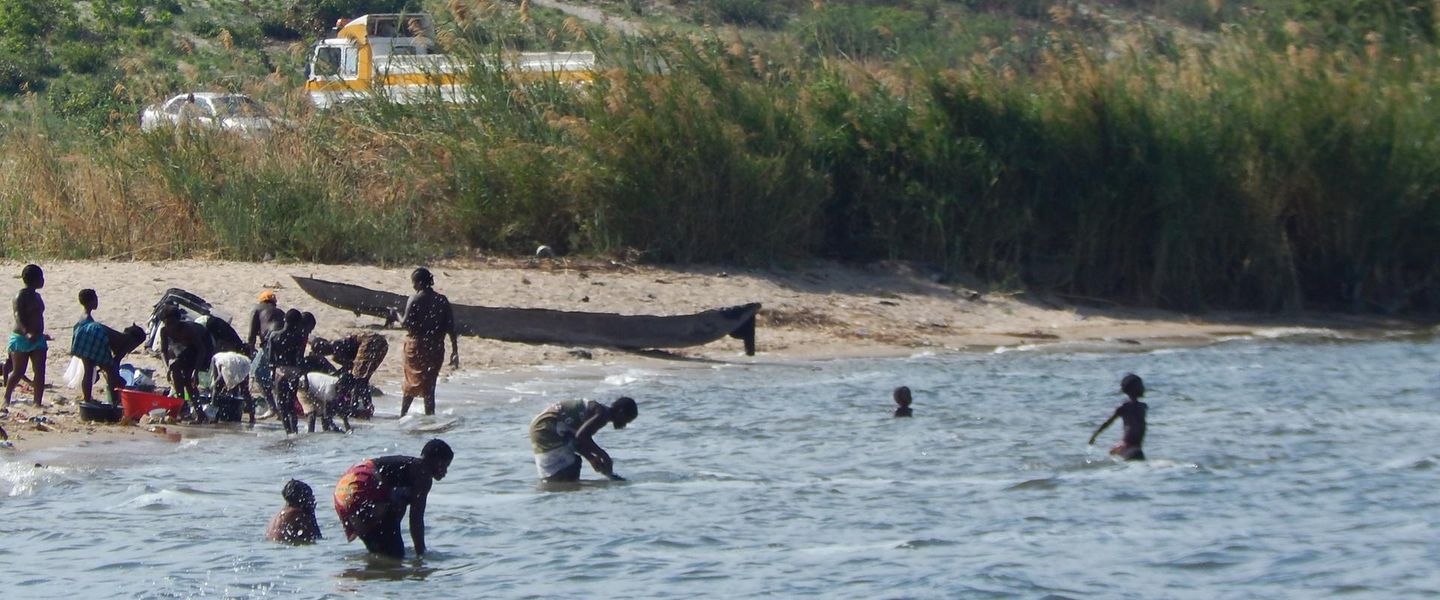


Explore Luapula Province in Zambia for Lake Mweru, Bangweulu wetlands, fishing communities and living Lunda cultural traditions.
Read more about Luapula Province
When is the best time to visit Luapula Province?
Best: May, August–September · 23–26°C| Month | High (°C) | Rainfall (mm) |
|---|---|---|
| January | 28 | 250 |
| February | 28 | 220 |
| March | 27 | 170 |
| April | 27 | 60 |
| May (best) | 23 | 10 |
| June | 21 | 3 |
| July | 21 | 2 |
| August (best) | 23 | 5 |
| September (best) | 26 | 15 |
| October | 28 | 60 |
| November | 28 | 130 |
| December | 28 | 210 |
Getting to and around Luapula Province
How to get there
Transportation
Best attractions in Luapula Province
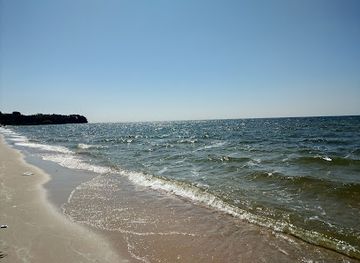
Luapula’s attractions are defined by water, seasonal landscapes and living culture rather than by a concentrated circuit of built monuments. Around Samfya, Lake Bangweulu provides opportunities for boating, birdwatching, fishing observation and quiet exploration of shorelines that change with the flood cycle. The wider Bangweulu wetlands, including areas associated with Lunga District, are remote and require local planning, suitable transport and sensitivity to fragile habitats. Along Lake Mweru, Nchelenge and its surrounding communities offer access to lakeside life, while boat journeys can reach islands such as Kilwa when conditions and local arrangements permit. Mansa is the province’s principal urban base for markets, services and regional orientation. Mwansabombwe is important for visitors interested in Lunda history and the Mutomboko ceremony, whose music, dance and royal traditions express the heritage of the Kazembe-Lunda kingdom. Fishing communities, river crossings and rural markets are also part of the visitor experience, provided they are approached respectfully. The province suits travellers who value landscapes, cultural interpretation, water-based journeys and slower travel over a high-density itinerary of ticketed sights.
-
Tourist attraction
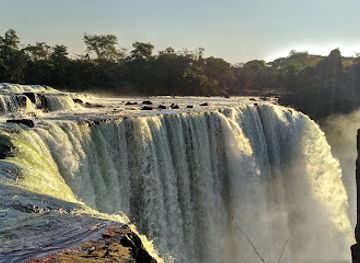
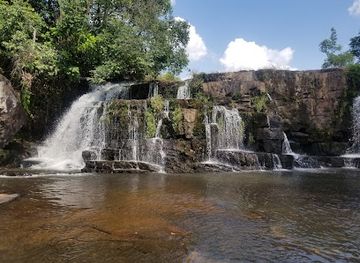
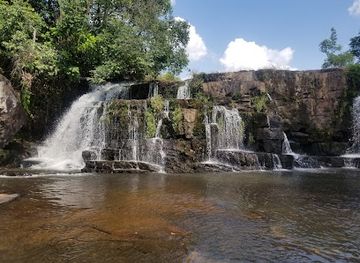
Lumangwe Falls
Experience the breathtaking beauty of Lumangwe Falls, a hidden gem in Zambia, surrounded by lush nature and stunning landscapes.
-
Waterfall
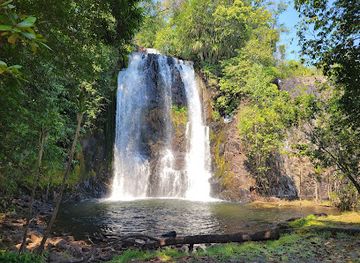
Ntumbachushi Falls
Explore the breathtaking beauty of Ntumbachushi Falls, a hidden gem in Zambia, perfect for nature lovers and adventure seekers.
-
 National park
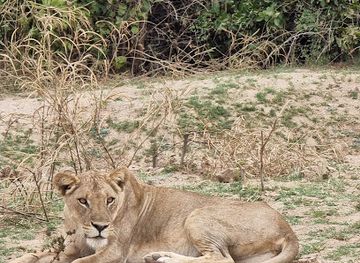
South Luangwa National Park
Explore the breathtaking wildlife and landscapes of South Luangwa National Park, Zambia's premier safari destination for unforgettable adventures.
-
Park
Zambia national park
Explore Zambia National Park, a stunning natural retreat filled with diverse wildlife, breathtaking landscapes, and unforgettable adventures in the heart of Zambia.
Best landmarks in Luapula Province
The Luapula River is the province’s defining natural landmark, forming a broad water corridor that links settlements, fishing grounds and the southern end of Lake Mweru. Lake Mweru itself is the region’s most recognisable geographical feature, with its open horizons, shoreline villages and islands giving Nchelenge and the northern districts a distinctly aquatic character. Kilwa Island, reached by boat from the Zambian side when local conditions allow, is a notable island landmark within the lake rather than a conventional resort attraction. The Bangweulu wetlands around Samfya and Lunga form another major landscape landmark, their flooded grasslands and channels changing markedly between seasons. At Mwansabombwe, the centre of the Kazembe-Lunda tradition, customary and royal institutions provide an important cultural point of reference, particularly during Mutomboko celebrations. Mansa’s civic role as provincial capital is reflected in its administrative and commercial buildings, although the province’s most meaningful landmarks are often broad landscapes and historic cultural centres rather than monumental architecture. Across Luapula, riverside landing places, old market areas and village churches reveal how settlement has adapted to water, trade and changing administration.
-
Lake
Lake Bangweulu
Experience the natural beauty and diverse wildlife of Lake Bangweulu, a serene oasis in Zambia perfect for nature lovers and adventure seekers.
-
River
Mansa River
Discover the tranquil beauty of Mansa River in Zambia, a serene escape for nature lovers and adventure seekers alike.
-
Tourist attraction
Mumbuluma Falls
Discover the serene beauty of Mumbuluma Falls, a breathtaking natural wonder in Zambia perfect for relaxation and adventure amidst lush surroundings.
-
Tourist attraction
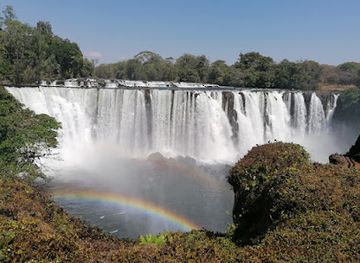
Lumangwe Falls
Experience the breathtaking beauty of Lumangwe Falls, a hidden gem in Chimpempe, Zambia, perfect for nature lovers and adventure seekers.
Explore Luapula Province on the map
Plan your trip on one map. See where the top cities, national parks and sights are, and book hotels and experiences in a few clicks.
Best hotels in Luapula Province
Best restaurants in Luapula Province
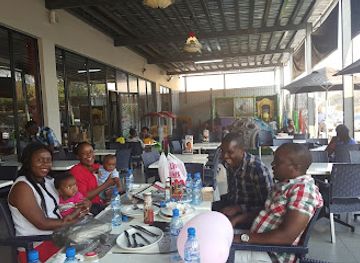
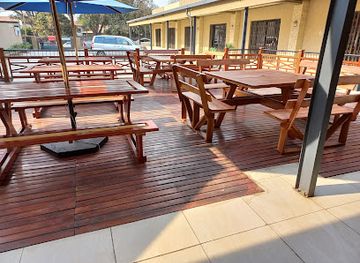
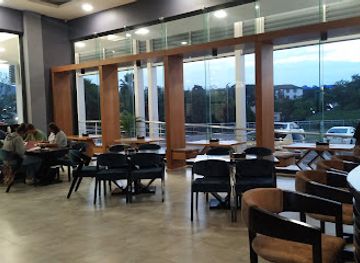
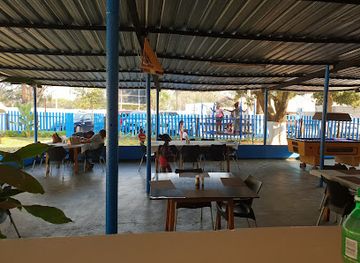
Dining in Luapula is closely connected with its lakes and rivers. Fresh fish is prominent around Lake Mweru, the Luapula River and Bangweulu, with local preparation varying between households and communities; visitors should choose well-cooked food and follow local advice on reputable vendors. Mansa and the larger district centres have the broadest choice of cafés, casual restaurants and takeaway food, while roadside stops and market stalls provide simple meals based on staples such as nshima, vegetables, beans and meat. Seasonal produce and locally traded fish may be more distinctive than a formal restaurant menu. In rural areas, meals are often arranged through accommodation providers or prepared in family-run settings rather than served in a large dining room. Carry provisions on long journeys, especially towards wetlands and islands, where shops and eating places are sparse. Zambia’s tea, soft drinks and bottled water are widely available in larger settlements, while local food markets offer the clearest view of everyday provincial cooking.
-
Restaurant
Copper Eagle Spur
Experience authentic Zambian flavors at Copper Eagle Spur in Kitwe - where delicious meals meet warm hospitality.
-
Restaurant
LEO’S PUB AND GRILL RESTAURANT
Discover the vibrant flavors of Zambia at Leo's Pub and Grill in Kitwe - where delicious food meets lively entertainment.
-
Restaurant
INDISH FUSION FOODS & COCKTAILS
Discover unique flavors at Indish Fusion Foods & Cocktails in Kitwe – where local meets global in a delightful dining experience.
-
Indian
Dinner Bell Restaurant & BAR
Discover authentic Indian cuisine at Dinner Bell Restaurant & BAR in Kitwe - where every dish tells a story.
Best bars in Luapula Province
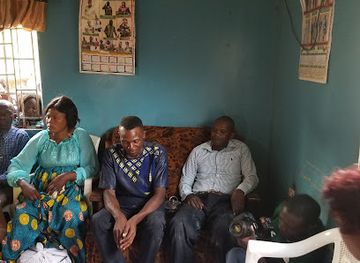
Evening life in Luapula is modest and town-centred. Mansa has the widest selection of hotel bars, informal drinking places, restaurants and venues where people meet after work, while smaller centres such as Samfya and Nchelenge generally rely on pubs, guesthouse bars and local social venues rather than a large club scene. In lakeside communities, evenings may be quiet once fishing and transport activity ends, and remote wetland settlements have little organised nightlife. Occasional music, dancing and celebrations accompany local events, church gatherings and cultural ceremonies, but these should not be treated as permanent scheduled entertainment. Drink responsibly, use a trusted way to return to accommodation and avoid walking alone in unfamiliar areas after dark. For many visitors, the more characteristic evening experience is an early meal, conversation, a lakeside sunset or listening to local music rather than a late-night circuit of clubs.
-
Bar
Chibote Club
Experience the vibrant nightlife at Chibote Club, a lively bar in Kalulushi known for its local drinks and friendly atmosphere.
-
Bar
Edmwe Bar Restaurant and Takeway
Experience the vibrant culinary scene at Edmwe Bar Restaurant and Takeaway, where local flavors meet a lively atmosphere in the heart of Mansa, Zambia.
-
Bar
Lake House
Experience a perfect blend of relaxation and local culture at Lake House in Sempala, Zambia. An oasis for travelers seeking tranquility and vibrant social life.
-
Bar
Ellis Nite Club
Experience the lively nightlife at Ellis Nite Club in Mansa, where music, drinks, and good vibes create unforgettable nights.
Best nightclubs in Luapula Province
Evening life in Luapula is modest and town-centred. Mansa has the widest selection of hotel bars, informal drinking places, restaurants and venues where people meet after work, while smaller centres such as Samfya and Nchelenge generally rely on pubs, guesthouse bars and local social venues rather than a large club scene. In lakeside communities, evenings may be quiet once fishing and transport activity ends, and remote wetland settlements have little organised nightlife. Occasional music, dancing and celebrations accompany local events, church gatherings and cultural ceremonies, but these should not be treated as permanent scheduled entertainment. Drink responsibly, use a trusted way to return to accommodation and avoid walking alone in unfamiliar areas after dark. For many visitors, the more characteristic evening experience is an early meal, conversation, a lakeside sunset or listening to local music rather than a late-night circuit of clubs.
-
Disco club
East Point
Discover the electrifying nightlife at East Point, Lusaka's top disco club, where vibrant music and lively dance create unforgettable experiences.
-
Night club
Ravens Club
Discover the electrifying nightlife at Ravens Club in Kitwe, where great music and a lively atmosphere await every visitor.
-
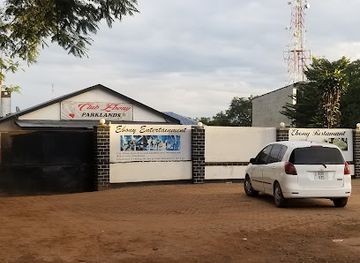
Night club
Club Ebony
Discover the heart of Kitwe's nightlife at Club Ebony, where music, dance, and fun converge for an unforgettable evening out.
-
Night club
Qube Night Club
Discover Lusaka's nightlife at Qube Night Club, a premier destination for dancing, music, and vibrant entertainment in the heart of the city.

Best shops in Luapula Province
Shopping in Luapula is concentrated in Mansa and the principal district towns, where small shops, market stalls and trading areas supply everyday goods, clothing, household items and food. Rural markets are especially useful for seeing local produce and fish trade, although market days and opening patterns vary between communities. Visitors may find dried or smoked fish, seasonal agricultural produce, woven items and locally made crafts, but availability is not uniform and quality should be checked before purchase. Around lakeside settlements, buying directly from fish traders should be done respectfully and in accordance with local rules. The province is not primarily a luxury-shopping destination, and larger selections of specialised equipment, books or international brands are more likely in major Zambian cities outside Luapula. Mansa is the sensible place to purchase provisions, toiletries, chargers and other essentials before travelling to Samfya, Nchelenge, islands or wetlands. Cash in small denominations remains useful for market purchases and transport.
-
Shopping mall
Levy Junction Shopping Mall
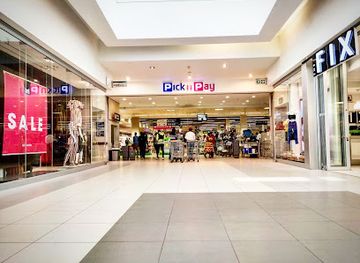
Explore the lively Levy Junction Shopping Mall in Lusaka, a shopping and entertainment hub featuring diverse retail options and delightful dining experiences.
-
Shopping mall
Manda Hill Shopping Mall
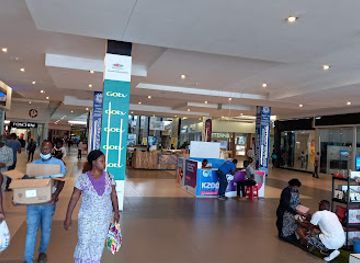
Explore Manda Hill Shopping Mall in Lusaka for a unique blend of shopping, dining, and entertainment experiences amidst a vibrant atmosphere.
-
Shopping mall
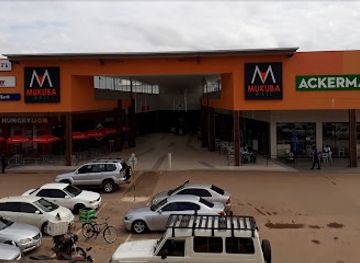
Mukuba Shopping Mall
Discover the vibrant shopping scene, diverse dining options, and family-friendly entertainment at Mukuba Shopping Mall in Kitwe.
-
Tourist attraction
Mumbuluma Falls
Explore the breathtaking beauty of Mumbuluma Falls - a hidden gem in Zambia, perfect for nature lovers and adventure seekers.
Get your free copy of our complete guide to Luapula Province, delivered straight to you.
Everything on this page, from attractions and restaurants to essentials and local phrases, in one PDF you can read offline, print or share.
Already have an account? Sign in
Your Luapula Province guide is ready.
We'll send it to · Not you? Sign out

Getting your guide ready…
We are putting together a fresh copy of the Luapula Province guide. This can take up to a minute.
This can take a few moments. If your browser asks, choose Allow so the download can start. You'll find the guide in your Downloads folder.
Nothing happened? Download it again
Sorry, the guide is taking longer than usual. Please try again in a minute, or get it by email instead.
Luapula Province essentials
Currency and Payment
Safety
Emergency Situations
Do's and Don'ts
Local Tips
From Eve
Local phrases worth knowing
You don't need to get them perfect. A few words go a long way, and locals appreciate the effort.
Basics
| English | Local | Say it |
|---|---|---|
| Hello | Shani | [sha-nee] |
| Goodbye | Twapola | [twa-po-la] |
| Yes | Eya | [eh-yah] |
| No | Awe | [ah-weh] |
| Please/You're welcome | Nashala bwino | [nah-shah-lah bwee-no] |
| Thank you | Natotela | [nah-to-teh-lah] |
| Excuse me/Sorry | Nshimapela | [nshi-mah-peh-lah] |
| How are you? | Uli bwanji? | [oo-lee bwan-jee] |
| Fine. And you? | Ndabwino. Iwe wanga? | [ndah-bwee-no ee-weh wahn-gah] |
| Do you speak English? | Ulya ulankula Chingerezi? | [ool-yah oo-lan-koo-lah cheen-geh-reh-zi] |
| I don't understand | Nshikumbwa | [nshi-koom-bwah] |
Eating & Drinking
| English | Local | Say it |
|---|---|---|
| I'd like to see the menu, please | Nshikufuna kuwona menyu, ndapota | [nshi-koo-foo-nah koo-won-ah men-yoo nah-dah-poh-tah] |
| I don't eat meat | Nshikala nsomba | [nshi-kah-lah nsohm-bah] |
| Cheers! | Nizakuyumya! | [nee-zah-koo-yoom-yah] |
| I would like to pay, please | Nshikufuna kulipira, ndapota | [nshi-koo-foo-nah koo-lee-pee-rah nah-dah-poh-tah] |
Emergencies
| English | Local | Say it |
|---|---|---|
| Help! | Thandizani! | [than-dee-zah-nee] |
| Go away! | Tengani! | [teh-ngah-nee] |
| Call the Police! | Fonani polisi! | [foh-nah-nee poh-lee-see] |
| Call a doctor! | Fonani dokotala! | [foh-nah-nee doh-koh-tah-lah] |
| I'm lost | Ndi tonga | [ndee ton-gah] |
| I'm ill | Ndi mu nyongo | [ndee moo nyong-goh] |
Shopping
| English | Local | Say it |
|---|---|---|
| I'd like to buy... | Nshikufuna kugula... | [nshi-koo-foo-nah koo-goo-lah] |
| I'm just looking | Ndi kumangala | [ndee koo-mahn-gah-lah] |
| How much is it? | Nchifukwa chingani? | [nchee-foo-wah cheen-gah-nee] |
| That's too expensive | Icho chali pa mtengo | [ee-cho chah-lee pah mten-go] |
| Can you lower the price? | Unga punguza mtengo? | [oon-gah poon-goo-zah mten-go] |
Time & Numbers
| English | Local | Say it |
|---|---|---|
| What time is it? | Nchifukwa chingani? | [nchee-foo-wah cheen-gah-nee] |
| It's one o'clock | Ndi saiti imwe | [ndee sigh-tee eem-weh] |
| Half past (10) | Ndi chaka chachikulu | [ndee chah-kah chah-chee-koo-loo] |
| Morning | Kuseni | [koo-seh-nee] |
| Afternoon | Pashakale | [pah-shah-kah-leh] |
| Evening | Madzulo | [mah-dzoo-loh] |
| Yesterday | Kale | [kah-leh] |
| Today | Lero | [leh-roh] |
| Tomorrow | Mawa | [mah-wah] |
| 1 | Chimo | [chee-moh] |
| 2 | Vili | [vee-lee] |
| 3 | Tatu | [tah-too] |
| 4 | Nne | [nneh] |
| 5 | Tano | [tah-noh] |
| 6 | Sita | [see-tah] |
| 7 | Saba | [sah-bah] |
| 8 | Satu | [sah-too] |
| 9 | Kenda | [ken-dah] |
| 10 | Kumi | [koo-mee] |
Transport & Directions
| English | Local | Say it |
|---|---|---|
| Where's a/the...? | Kuli/Ku...? | [koo-lee/koo] |
| What's the address? | Nchifukwa chingani? | [nchee-foo-wah cheen-gah-nee] |
| Can you show me (on the map)? | Unga nshowe (pa ramani)? | [oon-gah n-shoh-weh pah rah-mah-nee] |
| When's the next (bus)? | Nchifukwa chingani chabwino? | [nchee-foo-wah cheen-gah-nee chah-bwee-no] |
| A ticket (to ....) | Tikiti (ku....) | [tee-kee-tee koo] |
History of Luapula Province
Early settlements and riverine exchange
The Luapula basin has long supported communities whose lives were shaped by rivers, lakes, wetlands and seasonal fishing grounds. Waterways provided food, routes of movement and links between settlements in present-day Zambia and the territories across the Congolese frontier. Archaeological knowledge of the wider region indicates long-term settlement and exchange, although many local histories are preserved through oral traditions rather than monumental remains. The province’s historical landscape is therefore best understood through its waterways, customary institutions, old settlement areas and continuing patterns of fishing and agriculture.
Lunda and Luba-related political traditions
Several peoples of northern Zambia, including Lunda and Luba-related communities, developed political and cultural systems connected to wider movements across the central African interior. In Luapula, these traditions shaped authority, land relationships, ceremonies and links between rulers and communities. The Kazembe-Lunda kingdom became particularly important in the Luapula region, with Mwansabombwe serving as a major centre. Its influence remains visible in royal traditions, oral history, customary leadership and the annual Mutomboko ceremony.
The Kazembe-Lunda kingdom and regional power
From the eighteenth century, the Kazembe-Lunda kingdom controlled or influenced important parts of the Luapula region and participated in long-distance political and commercial networks. Its rulers governed communities connected by the Luapula River and Lake Mweru, while trade linked the area with neighbouring territories to the west and north. The kingdom encountered changing pressures from regional warfare, slave trading and expanding external interests. Although colonial rule altered its political position, the institution and its cultural memory continue to hold importance in Luapula.
Nineteenth-century trade, migration and disruption
During the nineteenth century, the Luapula and Lake Mweru corridor formed part of a wider Central African world of trade, migration and political competition. Fish, ivory and other goods moved through regional networks, while slave raiding caused severe disruption and displacement in many communities. Missionaries and European travellers later entered territories around the lake and river, bringing new religious and political influences. These changes did not erase existing societies, but they reshaped settlement, authority and commercial connections across the borderlands.
Colonial administration and the Congo frontier
Colonial boundaries divided communities and trading routes that had previously operated across the Luapula and Lake Mweru area. The river and lake became part of the boundary between British-administered Northern Rhodesia and the Belgian Congo, while colonial officials, missionaries and commercial interests introduced new systems of taxation, education and administration. Luapula remained comparatively remote from the railway-led industrial development of the Copperbelt, and its economy continued to depend heavily on fishing, farming and local exchange.
Independence, provincial development and the persistence of water-based livelihoods
After Zambia gained independence in 1964, Luapula developed as a province of the new republic, with Mansa emerging as its administrative centre and roads, schools, health services and markets expanding unevenly. Fishing remained central to household economies, particularly around Lake Mweru, the Luapula River and Bangweulu. Contemporary Luapula reflects both change and continuity: modern transport and mobile communications coexist with seasonal wetland travel, customary leadership and communities whose livelihoods remain closely tied to water.
Luapula Province in Photos
Browse through our photo collection highlighting the charm and character of the destination.
Neighbouring regions of Luapula Province
The closest regions to Luapula Province, if you have time for more than one.
-

-

-

-

-


Swipe for more regions
Explore more

Explore more of Zambia
Discover Zambia: A Safari Haven with Stunning Waterfalls, Rich Culture, and Unforgettable Wildlife Encounters.
Explore Zambia