

Free Northern Province Travel Guide & Mobile App
Explore Northern Province with free travel guides. Discover regional history, expert tips, proposed trips, and audio guides on web or mobile app.


Northern Province, Zambia, combines Lake Tanganyika, remote waterfalls, rock art, wildlife and Bemba cultural heritage across a spacious northern landscape.
Read more about Northern Province
When is the best time to visit Northern Province?
Best: July–September · 20–25°C| Month | High (°C) | Rainfall (mm) |
|---|---|---|
| January | 27 | 191 |
| February | 27 | 170 |
| March | 27 | 140 |
| April | 25 | 90 |
| May | 22 | 31 |
| June | 20 | 10 |
| July (best) | 20 | 5 |
| August (best) | 22 | 11 |
| September (best) | 25 | 30 |
| October | 26 | 70 |
| November | 27 | 121 |
| December | 27 | 161 |
Getting to and around Northern Province
How to get there
Transportation
Destinations in Northern Province
Resorts, valleys and scenic spots worth a trip of their own.
-

-


Swipe for more destinations
Best attractions in Northern Province
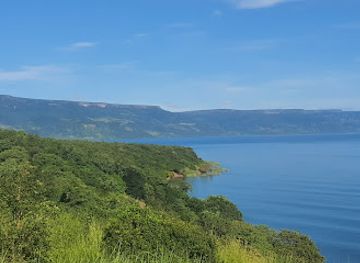
Northern Province’s attractions are dispersed across a landscape of lakes, woodland, rivers and historic settlements. Near Kasama, the Mwela Rock Art Site combines accessible archaeological interest with a granite landscape, while Chisimba Falls provides a dramatic river setting closer to the provincial capital. Farther north and west, the Kalungwishi River creates the powerful Lumangwe Falls and the nearby Kabwelume Falls, both best approached with careful road planning. Around Lake Tanganyika, Mpulungu and Nsumbu offer fishing culture, lakeside scenery, boating possibilities and access to Nsumbu National Park, where wildlife habitats meet the shoreline. Mweru-Wantipa National Park protects another lake-and-woodland environment and is suited to travellers seeking quieter, less developed safari experiences. Mbala adds the Moto Moto Museum and First World War history, while the wider province offers birdwatching, village markets, walking and opportunities to understand rural livelihoods. Facilities vary considerably, so the region rewards visitors who arrange guides, vehicles and accommodation in advance rather than expecting a concentrated resort or safari infrastructure.
-
Tourist attraction
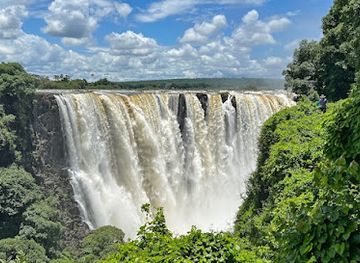
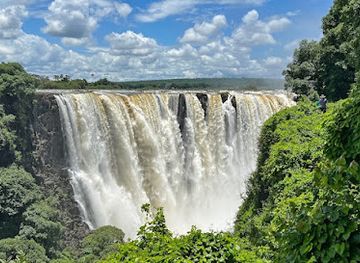
Victoria Falls
Discover the breathtaking beauty and thrilling adventures at Victoria Falls, a UNESCO World Heritage site and one of the world's natural wonders.
-
Tourist attraction
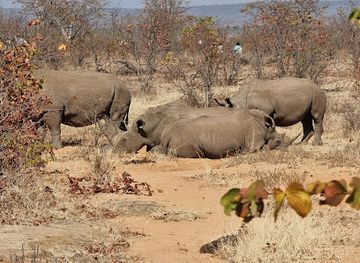
Mosi-oa-Tunya National Park
Experience the beauty of Mosi-oa-Tunya National Park, where nature and adventure meet near the stunning Victoria Falls in Zambia.
-
Tourist attraction
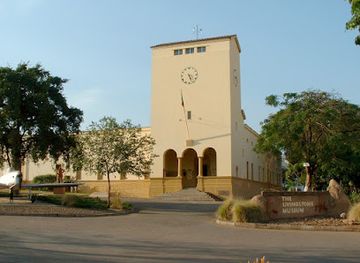
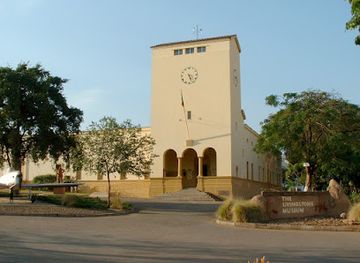
Livingstone Museum
Explore Zambia's heritage at Livingstone Museum, the largest museum in the country, featuring rich exhibits on history, culture, and art.
-
Tourist attraction
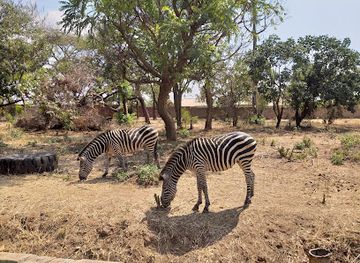
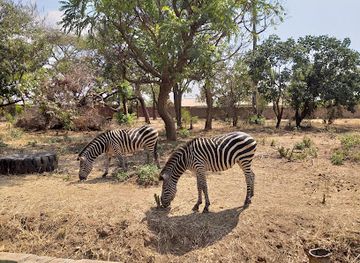
Munda Wanga Environmental Park
Explore Munda Wanga Environmental Park, a captivating blend of wildlife, conservation, and education nestled in the heart of Zambia.
Best landmarks in Northern Province
The Mwela Rock Art Site near Kasama is one of Northern Province’s most significant cultural landmarks, its painted granite shelters preserving a visual record of ancient human activity. Chisimba Falls is a prominent natural feature close to the provincial capital, while Lumangwe Falls on the Kalungwishi River is among the province’s most recognisable inland landscapes, with a broad curtain of water framed by woodland. Lake Tanganyika forms the great geographical landmark of the north-west, defining the setting of Mpulungu and Nsumbu. In Mbala, the former Abercorn area carries the memory of the First World War surrender of Paul von Lettow-Vorbeck in 1918, an event of international historical importance. Moto Moto Museum provides a cultural landmark in the provincial historical landscape, interpreting northern Zambian societies and material heritage. Mweru-Wantipa, with its lake, wetlands and surrounding woodland, is a less monumental but highly significant environmental landmark whose importance lies in habitat, wildlife and the relationship between water and settlement.
-
Tourist attraction
Victoria Falls
Experience the breathtaking beauty and adventure at Victoria Falls, one of the world's most magnificent natural wonders, located on the border of Zambia and Zimbabwe.
-
Museum
Livingstone Museum
Explore Zambia's rich culture and history at the Livingstone Museum, the largest museum in the country, featuring extensive exhibits and engaging experiences.
-
Resort hotel
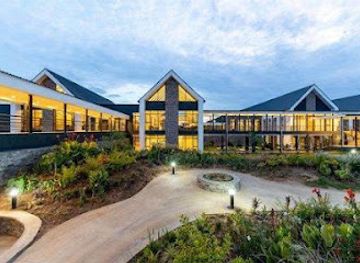
Ciêla, Lusaka, a Tribute Portfolio Resort and Spa
Experience unparalleled luxury and relaxation at Ciela, Lusaka's premier resort hotel and spa, where tranquility meets modern elegance.
-
Park
Munda Wanga Environmental Park
Explore Munda Wanga Environmental Park: A sanctuary for wildlife and a hub for conservation in Chilanga, Zambia.
Explore Northern Province on the map
Plan your trip on one map. See where the top cities, national parks and sights are, and book hotels and experiences in a few clicks.
Best hotels in Northern Province
Best restaurants in Northern Province
Dining in Northern Province is generally informal and local, with meals centred on nshima accompanied by vegetables, beans, chicken, goat or meat. Fish is particularly important around Lake Tanganyika, Mpulungu and other lakes and rivers, where catches may include freshwater species prepared simply with relish or grilled over charcoal. Kasama and Mbala have the broadest choice of cafés, bakeries, takeaway counters and hotel restaurants, while lodges and guesthouses provide much of the organised dining near parks, waterfalls and remote lakeshores. Markets are useful for seasonal fruit, groundnuts, sweet potatoes and other produce, although visitors should choose cooked food carefully and carry safe drinking water. Zambia’s wider beverage culture includes tea, soft drinks and locally brewed traditional drinks, but availability varies outside towns. Rather than seeking a highly formal restaurant scene, travellers should expect practical meals, regional staples and the chance to support small food businesses and lodge kitchens.
-
Restaurant
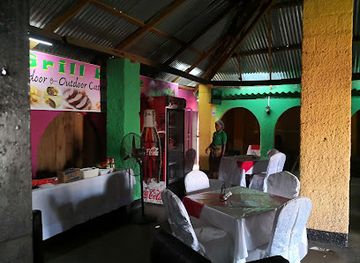
VIC's GRILL HOUSE, MANSA
Experience authentic Zambian cuisine and international delights at VIC's Grill House in Mansa - where flavor meets tradition.
-
Chicken
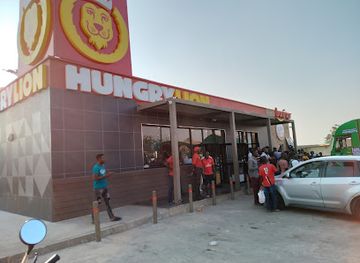
Hungry Lion Mansa Total
Experience mouthwatering fried chicken and fast food delights at Hungry Lion Mansa Total - your perfect stop in Zambia!
-
Restaurant
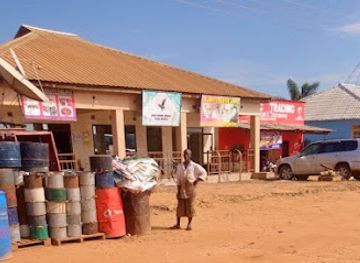
Da Joint Restaurant
Discover authentic Zambian cuisine at Da Joint Restaurant in Isoka - where flavor meets tradition in every dish.
-
Restaurant
Kasama Grill Restuarant
Discover authentic Zambian cuisine at Kasama Grill Restaurant – where every meal tells a story of flavor and tradition.
Best bars in Northern Province
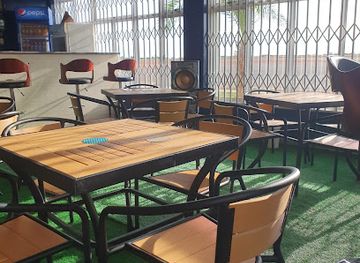
Evening life in Northern Province is concentrated in Kasama, Mbala and Mpulungu, with most social activity taking place in hotel bars, neighbourhood pubs, casual restaurants and venues showing sport or playing local music. Kasama offers the widest choice, while lakeside settlements have a more relaxed evening rhythm shaped by fishing, markets and accommodation-based dining. Nightclubs and late venues exist in the larger towns but are fewer and more changeable than in Lusaka or the Copperbelt, so current local advice is essential. In rural districts, evenings usually centre on a lodge, guesthouse or community setting rather than a dedicated nightlife district. Visitors should arrange transport after dark, drink responsibly and remember that alcohol is not necessary to participate in local social life.
-
Bar
The Waterfront Bar
Experience the tranquility of Lake Tanganyika at The Waterfront Bar, where refreshing drinks and stunning views await every visitor.
-
Grill
Hi-Five Bar and Restaurant
Discover the vibrant flavors of Kasama at Hi-Five Bar and Restaurant, where grilled delights meet a lively atmosphere.
-
Bar
Parkway Lodge Harbour Rd
Discover the lively ambiance of Parkway Lodge Harbour Rd, a charming bar in Mpulungu offering a taste of local culture and refreshing drinks.
-
Bar
The Velvet Vault Pub n' Grill
Experience the vibrant atmosphere and delicious offerings at The Velvet Vault Pub n' Grill, a must-visit bar in the heart of Kasama, Zambia.
Best nightclubs in Northern Province
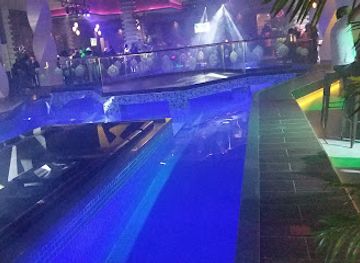
Evening life in Northern Province is concentrated in Kasama, Mbala and Mpulungu, with most social activity taking place in hotel bars, neighbourhood pubs, casual restaurants and venues showing sport or playing local music. Kasama offers the widest choice, while lakeside settlements have a more relaxed evening rhythm shaped by fishing, markets and accommodation-based dining. Nightclubs and late venues exist in the larger towns but are fewer and more changeable than in Lusaka or the Copperbelt, so current local advice is essential. In rural districts, evenings usually centre on a lodge, guesthouse or community setting rather than a dedicated nightlife district. Visitors should arrange transport after dark, drink responsibly and remember that alcohol is not necessary to participate in local social life.
-
Disco club
East Point
Discover the vibrant nightlife at East Point, a premier disco club in Lusaka, where music and dance unite for an unforgettable experience.
-
Night club
Ravens Club
Explore the vibrant nightlife of Kitwe at Ravens Club, where music, dancing, and delicious drinks create an unforgettable experience.
-
 Disco club
Edgar's Night Club
Experience the vibrant nightlife of Lusaka at Edgar's Night Club, where fantastic music and dancing await you.
-
Night club
Club Ebony
Discover the electrifying energy of Club Ebony, Kitwe's top night club for unforgettable nightlife experiences and vibrant entertainment.

Best shops in Northern Province
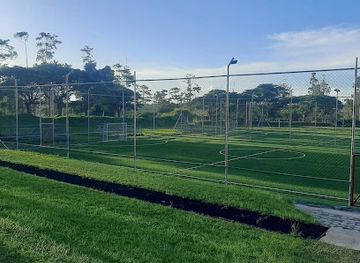
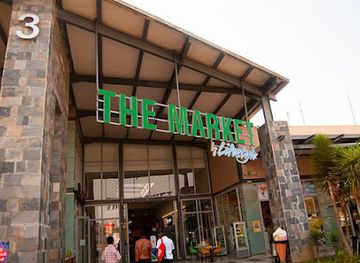
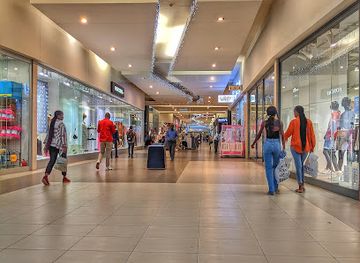
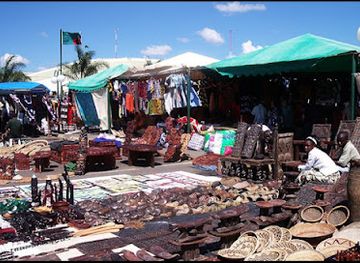
Shopping in Northern Province is oriented towards practical markets, locally produced food and small-scale crafts rather than large retail complexes. Kasama and Mbala have the broadest selection of market stalls, general shops, clothing retailers and household goods, while Mpulungu’s commercial life reflects its lakeside fishing economy. Visitors may find baskets, carved objects, woven items and locally made textiles, but quality and availability vary, so buying directly from recognised craftspeople is preferable to bargaining aggressively. Markets also sell seasonal fruit, vegetables, groundnuts, dried fish and other regional provisions. Small museums and cultural institutions may offer more meaningful souvenirs connected with local heritage, although their retail facilities are not always extensive. Carry cash for informal purchases, inspect food packaging carefully and avoid buying archaeological objects, wildlife products or items that may have been collected illegally.
-
Shopping mall
EastPark Mall
Experience shopping and entertainment at EastPark Mall, Lusaka's vibrant hub for local and international brands.
-
Shopping mall
Levy Junction Shopping Mall
Explore the vibrant Levy Junction Shopping Mall in Lusaka, where shopping, dining, and entertainment meet Zambian culture in one convenient location.
-
Shopping mall
Manda Hill Shopping Mall
Explore the vibrant Manda Hill Shopping Mall in Lusaka, offering a diverse shopping experience with local and international brands, dining, and entertainment.
-
Shopping mall
Arcades Shopping Mall
Explore the dynamic Arcades Shopping Mall in Lusaka for a unique shopping and dining experience that captures the essence of Zambian culture.
Get your free copy of our complete guide to Northern Province, delivered straight to you.
Everything on this page, from attractions and restaurants to essentials and local phrases, in one PDF you can read offline, print or share.
Already have an account? Sign in
Your Northern Province guide is ready.
We'll send it to · Not you? Sign out

Getting your guide ready…
We are putting together a fresh copy of the Northern Province guide. This can take up to a minute.
This can take a few moments. If your browser asks, choose Allow so the download can start. You'll find the guide in your Downloads folder.
Nothing happened? Download it again
Sorry, the guide is taking longer than usual. Please try again in a minute, or get it by email instead.
Northern Province essentials
Currency and Payment
Safety
Emergency Situations
Do's and Don'ts
Local Tips
From Eve
Local phrases worth knowing
You don't need to get them perfect. A few words go a long way, and locals appreciate the effort.
Basics
| English | Local | Say it |
|---|---|---|
| Hello | Shani | [sha-nee] |
| Goodbye | Kwababwa | [kwa-ba-bwa] |
| Yes | Eee | [ay] |
| No | Awe | [ah-weh] |
| Please/You're welcome | Nomba | [nom-ba] |
| Thank you | Natotela | [na-to-te-la] |
| Excuse me/Sorry | Nshile | [nshi-le] |
| How are you? | Uli bwanji? | [oo-lee bwan-ji] |
| Fine. And you? | Ndi bwino. Nawe? | [ndi bwee-no. na-we] |
| Do you speak English? | Ulya ku speak English? | [oo-lya koo speak English] |
| I don't understand | Nshikala bwino | [nshi-ka-la bwee-no] |
Eating & Drinking
| English | Local | Say it |
|---|---|---|
| I'd like to see the menu, please | Nifuna kuona menu, nomba | [ni-foo-na koo-na menu, nom-ba] |
| I don't eat meat | Nshikala nyama | [nshi-ka-la nya-ma] |
| Cheers! | Salama! | [sa-la-ma] |
| I would like to pay, please | Nifuna kulipa, nomba | [ni-foo-na koo-lee-pa, nom-ba] |
Emergencies
| English | Local | Say it |
|---|---|---|
| Help! | Chikondi! | [chee-kon-dee] |
| Go away! | Tasha! | [ta-sha] |
| Call the Police! | Fuma na Police! | [foo-ma na po-lees] |
| Call a doctor! | Fuma na doctor! | [foo-ma na dok-ta] |
| I'm lost | Ndi waluka | [ndi wa-lu-ka] |
| I'm ill | Ndi mukali | [ndi moo-ka-li] |
Shopping
| English | Local | Say it |
|---|---|---|
| I'd like to buy... | Nifuna kugula... | [ni-foo-na koo-goo-la] |
| I'm just looking | Ndikuyenda fye | [ndi-koo-ye-nda fye] |
| How much is it? | Ili na chiboko chingani? | [ee-lee na chi-bo-ko chin-gan-i] |
| That's too expensive | Ili lichisuma | [ee-lee lee-chi-suma] |
| Can you lower the price? | Ushibila fye chiboko? | [oo-shee-bee-la fye chi-bo-ko] |
Time & Numbers
| English | Local | Say it |
|---|---|---|
| What time is it? | Nshani shikulu? | [nsha-nee shee-ku-lu] |
| It's one o'clock | Ili na 1 | [ee-lee na one] |
| Half past (10) | Fifty na (10) | [fifty na ten] |
| Morning | Mawa | [ma-wa] |
| Afternoon | Pashili | [pa-shee-lee] |
| Evening | Mungulu | [mun-goo-lu] |
| Yesterday | Kale | [ka-le] |
| Today | Lelo | [le-lo] |
| Tomorrow | Mwaume | [mwa-u-me] |
| 1 | Imwe | [eem-we] |
| 2 | Ili | [ee-lee] |
| 3 | Itatu | [ee-ta-tu] |
| 4 | Ine | [ee-ne] |
| 5 | Ishanu | [ee-sha-nu] |
| 6 | Ita | [ee-ta] |
| 7 | Ishibukili | [ee-shee-bu-kee-lee] |
| 8 | Ishinani | [ee-shee-na-ni] |
| 9 | Ishiboko | [ee-shee-bo-ko] |
| 10 | Ishikumi | [ee-shee-ku-mi] |
Transport & Directions
| English | Local | Say it |
|---|---|---|
| Where's a/the...? | Kuli a/the...? | [koo-lee a/the] |
| What's the address? | Kuli chita? | [koo-lee chee-ta] |
| Can you show me (on the map)? | Ushifuna ku show (ku map)? | [oo-shee-foo-na koo show (koo map)] |
| When's the next (bus)? | Kuli shani bus yachikala? | [koo-lee sha-nee bus ya-chee-ka-la] |
| A ticket (to ....) | Chitiki (ku ....) | [chee-tee-kee (koo ....)] |
History of Northern Province
Prehistoric Rock Art and Early Settlement
Northern Province contains important evidence of early human activity, most visibly at the Mwela Rock Art Site near Kasama. Paintings on granite shelters and outcrops record symbolic traditions associated with hunter-gatherer communities and later cultural development in the region. Their exact meanings are not always known, but the site demonstrates that the plateau was part of a long-established human landscape rather than an empty wilderness. The paintings also form part of a wider central and southern African rock-art tradition that predates modern national boundaries.
Bemba Migrations and the Chitimukulu
From the eighteenth century onwards, Bemba-speaking groups expanded and established influential political communities across much of what is now Northern Province. The Chitimukulu became the senior Bemba traditional authority, supported by a network of chiefs and local institutions. Political organisation, farming, ironworking, trade and relationships with neighbouring peoples shaped the cultural geography of the plateau. Traditional leadership remains an important source of identity and authority, although it operates within the modern constitutional framework of Zambia.
Missionaries, Trade and Northern Lake Routes
During the nineteenth century, missionaries, traders and explorers moved through the northern plateau and the Lake Tanganyika corridor. The lakes connected communities in present-day Zambia, Tanzania, the Democratic Republic of the Congo and beyond, carrying fish, ivory, manufactured goods and, tragically, enslaved people. Missionary activity introduced new religious institutions and forms of education, while established local authorities continued to shape everyday life. The region’s lakes and rivers therefore belonged to wider Central African networks long before colonial borders were drawn.
Colonial Rule and the Making of Abercorn
Northern Rhodesian administration consolidated its presence in the far north during the early twentieth century, with Abercorn, now Mbala, becoming a key colonial centre. Roads, government stations, missions and commercial networks altered the relationship between the plateau and the lakeshore. Colonial rule also imposed taxation, labour demands and new administrative boundaries on local communities. The town’s surviving historical associations, museum collections and military sites help visitors understand how northern Zambia was incorporated into British Central Africa.
The First World War and the Abercorn Surrender
The northern frontier became part of the East African theatre of the First World War. German commander Paul von Lettow-Vorbeck led a mobile campaign through German East Africa and neighbouring territories, keeping his forces in the field after Germany’s defeat in Europe. On 25 November 1918, shortly after the armistice, he surrendered at Abercorn, now Mbala. The event gave the town an international military significance that remains visible in local historical interpretation and commemorative sites.
Independence and Regional Development
Northern Rhodesia became the independent Republic of Zambia in 1964. The new state inherited uneven infrastructure, with the northern plateau and lakeshore still more lightly connected than the Copperbelt and Lusaka. Post-independence development expanded education, administration, roads, fisheries and public services, while Kasama grew as the provincial centre. Independence also encouraged a stronger public recognition of Zambian cultural histories, including Bemba institutions and the archaeological heritage preserved around Kasama.
Conservation, Fisheries and Contemporary Change
In recent decades, protected areas and wetland landscapes have become increasingly important to Northern Province’s economy and environmental planning. Nsumbu and Mweru-Wantipa protect lake, woodland and wildlife habitats, while communities continue to depend on fishing, farming and small-scale trade. Pressures including changing fish stocks, habitat loss, limited infrastructure and climate variability affect the region’s future. Contemporary Northern Province is consequently shaped by the effort to balance conservation, community livelihoods, tourism and improved regional connections.
Northern Province in Photos
Browse through our photo collection highlighting the charm and character of the destination.
Neighbouring regions of Northern Province
The closest regions to Northern Province, if you have time for more than one.
-

-

-

-

-


Swipe for more regions
Explore more

Explore more of Zambia
Discover Zambia: A Safari Haven with Stunning Waterfalls, Rich Culture, and Unforgettable Wildlife Encounters.
Explore Zambia