

Lower Zambezi National Park, Zambia Travel Guide
Explore Zambia's Lower Zambezi National Park: A breathtaking sanctuary of diverse wildlife, stunning landscapes, and thrilling outdoor adventures along the Zambezi River.
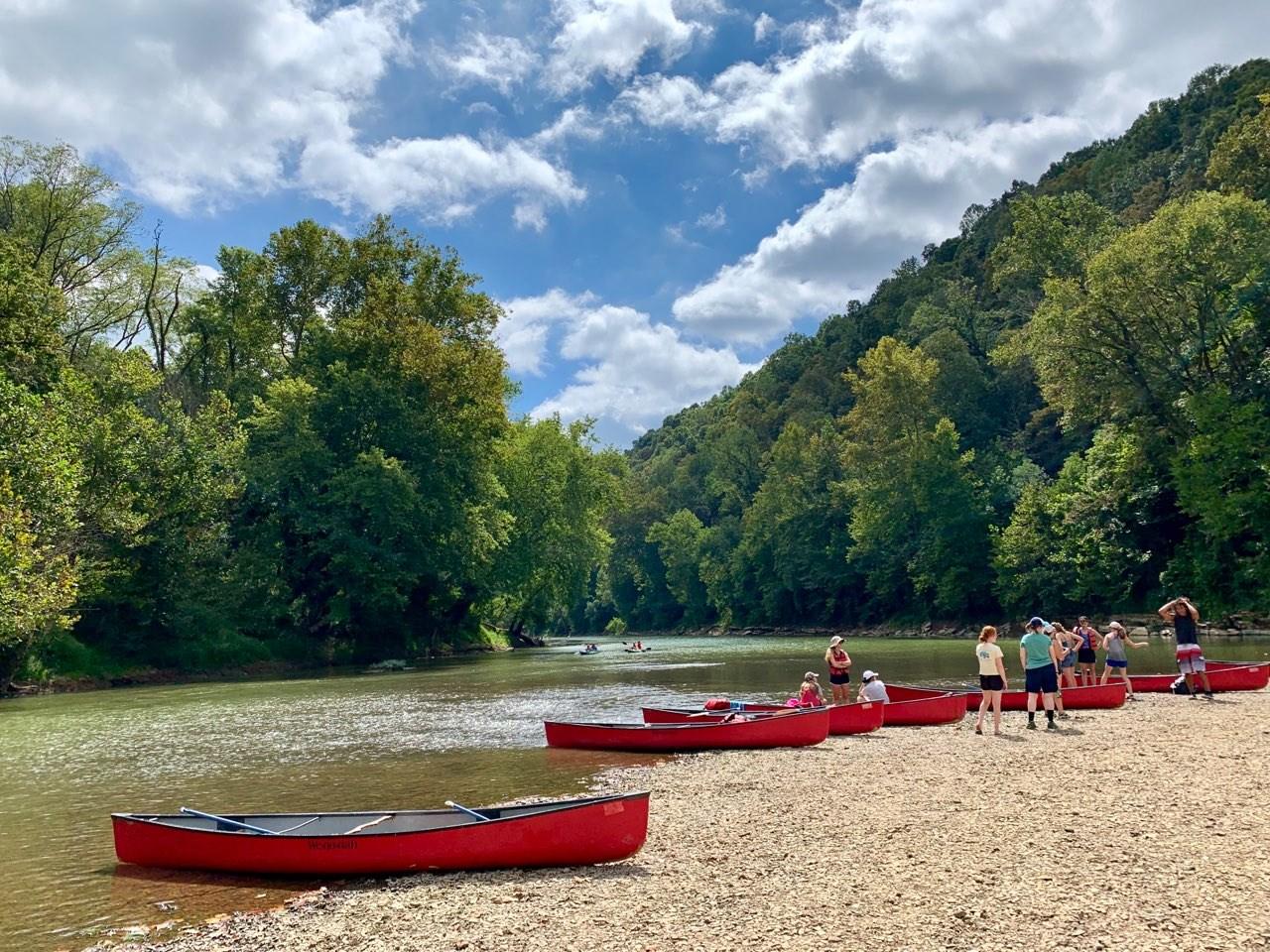
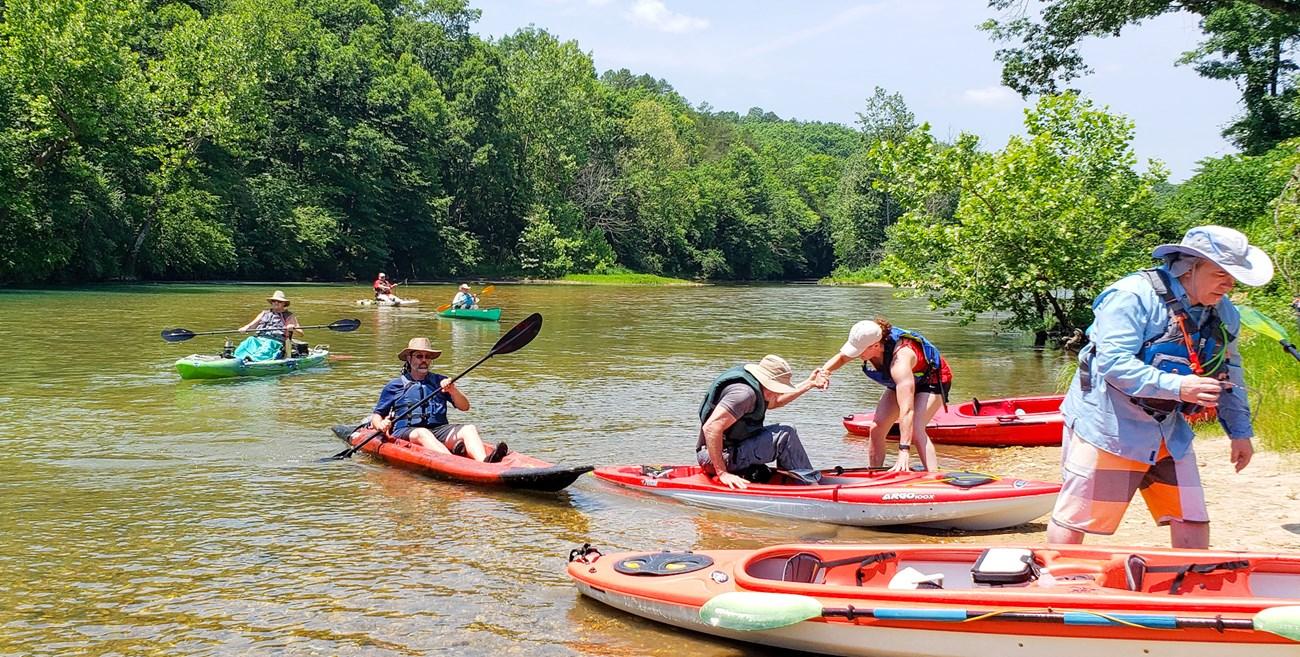
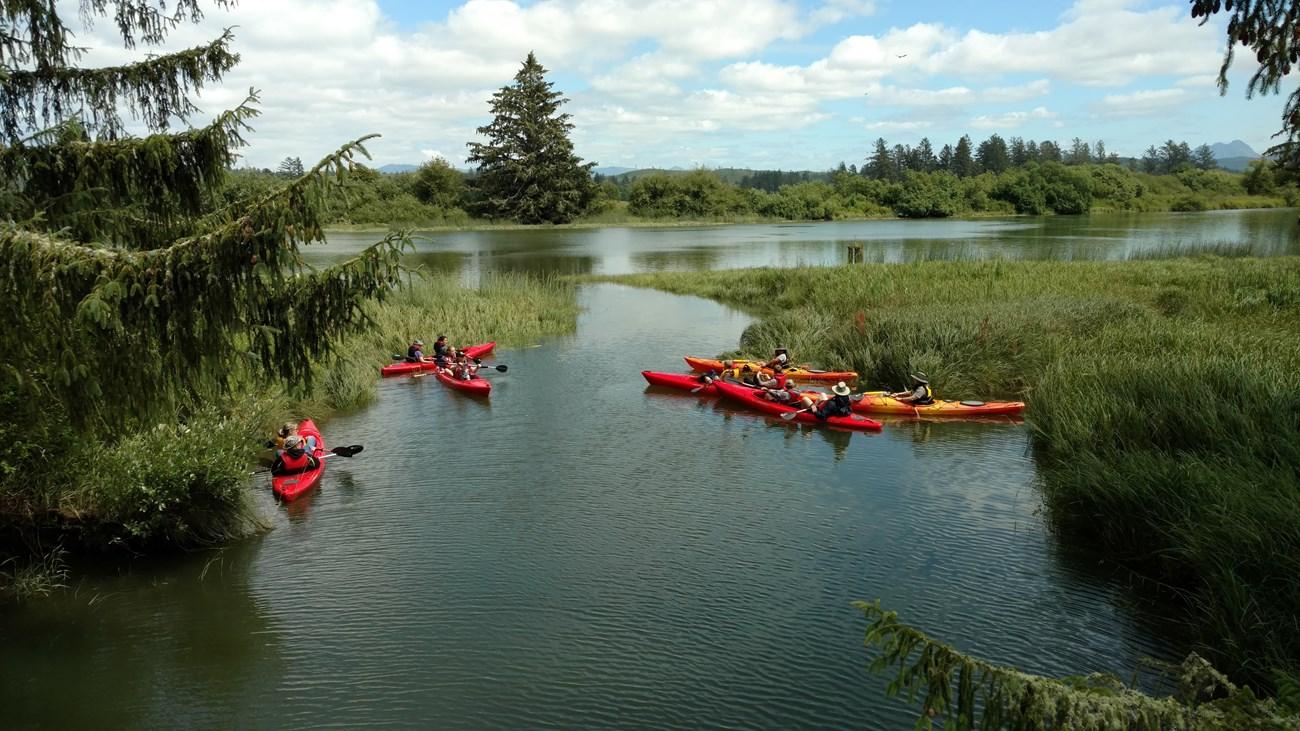
The Lower Zambezi National Park is a hidden gem in Zambia, offering an unparalleled blend of stunning landscapes and rich wildlife. Nestled along the northern banks of the Zambezi River, this park spans over 4,000 square kilometers and boasts a diverse ecosystem. Visitors are often spellbound by the park's picturesque beauty, featuring vast floodplains, dense woodlands, and the majestic Zambezi River itself. Wildlife enthusiasts will find the Lower Zambezi National Park a haven, as it is home to a multitude of species. Elephants, lions, leopards, and buffalo roam freely, making every safari an adventure. The park is also a birdwatcher's paradise, with over 400 species of birds fluttering through the trees and skies. Whether you choose a traditional game drive, a walking safari, or a canoe trip down the river, the opportunities to witness this vibrant wildlife are endless. One of the park's unique features is the variety of activities it offers. Canoeing on the Zambezi River provides a tranquil yet thrilling way to see hippos, crocodiles, and elephants up close. Fishing enthusiasts will be delighted with the chance to catch the famous tiger fish. For those looking to immerse themselves in the local culture, visiting nearby villages can offer a glimpse into the lives of the indigenous people. The park's remoteness ensures an intimate experience, away from the crowds, making it a perfect destination for those seeking both adventure and peace.

Know before you go
Hi, I'm Eve. Here are a few practical things to know before exploring Lower Zambezi National Park.
- Best time to visit is during the dry season from June to October, when wildlife is more easily spotted.
- Book your accommodation early as lodges and camps can fill up quickly, especially during peak season.
- Consider a guided canoe safari for a unique perspective and to safely navigate the Zambezi River.
- Pack light, breathable clothing and plenty of sunscreen; the sun can be intense.
- Bring a good pair of binoculars for bird watching and spotting distant animals.
Explore Lower Zambezi National Park: Things to Do, Places to Eat, Hotels & More
Handpicked recommendations for top attractions, local dining, accommodations, and more

Top Attractions & Sightseeing in Lower Zambezi National Park
Top-rated picks
Best Attractions

Munda Wanga Environmental Park
Explore the serene beauty of Munda Wanga Environmental Park, a prime destination for wildlife enthusiasts and families seeking educational experiences in nature.

Kalimba Reptile Park
Explore Kalimba Reptile Park, a premier wildlife refuge in Lusaka, Zambia, showcasing a diverse range of reptiles and promoting wildlife conservation.

Lower Zambezi National Park
Uncover the wild heart of Zambia at Lower Zambezi National Park, where nature's beauty and adventure await every traveler.

Ngonye Falls National Park
Explore the breathtaking Ngonye Falls National Park, a wildlife haven along the Zambezi River, offering stunning waterfalls and diverse ecosystems.

Best landmarks in Lower Zambezi National Park
Top-rated picks
Best Landmarks

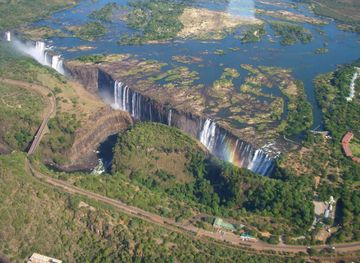
Mosi-oa-Tunya National Park
Explore the breathtaking Mosi-oa-Tunya National Park, home to diverse wildlife and stunning views of the Zambezi River and Victoria Falls.

Kalimba Reptile Park
Discover diverse reptiles and learn about wildlife conservation at Kalimba Reptile Park, a must-visit wildlife refuge in Lusaka, Zambia.

Lower Zambezi National Park
Discover the wild heart of Zambia at Lower Zambezi National Park, a paradise for wildlife lovers and adventure seekers.

Zambezi National Park
Discover the diverse wildlife and breathtaking landscapes of Zambezi National Park, a must-visit destination near Victoria Falls, Zimbabwe.

Best restaurants in Lower Zambezi National Park
Top-rated picks
Best Restaurants

3 Trees Cafe
Experience Zambian hospitality at 3 Trees Cafe - where delicious food meets a unique ambiance in the heart of Lusaka.

Marlin Restaurant
Experience exquisite steaks and exceptional service at Marlin Restaurant in Lusaka - a culinary gem for every meat lover.

Cafe Zambezi
Experience authentic African flavors at Cafe Zambezi in Livingstone, where tradition meets modern dining.

Zest Bar And Restaurant Livingstone
Experience the best of local flavors at Zest Bar and Restaurant in Livingstone – where culinary excellence meets breathtaking views.

Best bars in Lower Zambezi National Park
Top-rated picks
Best Bars

The Lookout Cafe - Wild Horizons
Experience stunning views and delicious cuisine at The Lookout Cafe, your perfect escape in Victoria Falls, Zimbabwe.

Lake Safari Lodge
Experience the serene beauty and adventure of Lake Kariba at Lake Safari Lodge, a perfect getaway for relaxation and exploration in Siavonga, Zambia.

Zambezi Dusk
Discover tranquility and adventure at Zambezi Dusk, your gateway to exploring Livingstone and the majestic Victoria Falls.

Cafe Zambezi
Explore the flavors of Africa at Café Zambezi, a lively dining spot in Livingstone with a menu that delights every palate.

Best nightclubs in Lower Zambezi National Park
Top-rated picks
Best Nightclubs

LUKUNDO LIGHT LIQUOR STORE, BAR & NIGHT CLUB
Discover the lively nightlife of Lusaka at Lukundo Light Liquor Store, Bar & Night Club – a vibrant destination for unforgettable experiences.

The Old Crow Pub
Discover the vibrant nightlife of Lusaka at The Old Crow Pub, where unique decor meets lively karaoke nights and a great selection of drinks.

Comfort Zone Lounge
Discover Lusaka's vibrant nightlife at Comfort Zone Lounge, where the dance floor is always calling and the drinks flow freely!

Qube Night Club
Discover the electrifying atmosphere of Qube Night Club in Lusaka, where vibrant music and unforgettable nightlife await every visitor.

Best shops in Lower Zambezi National Park
Top-rated picks
Best Shops

EastPark Mall
Explore EastPark Mall in Lusaka: A shopping haven with diverse stores, delicious dining, and vibrant entertainment options for every traveler.

Levy Junction Shopping Mall
Discover an unforgettable shopping experience at Levy Junction Shopping Mall in Lusaka, where vibrant retail, diverse dining, and entertainment await.

Manda Hill Shopping Mall
Explore Manda Hill Shopping Mall in Lusaka for an unforgettable shopping experience with diverse stores, great dining, and family-friendly entertainment.

Arcades Shopping Mall
Discover the exciting blend of shopping, dining, and entertainment at Arcades Shopping Mall in Lusaka, where modernity meets Zambian culture.

Explore Lower Zambezi National Park on the Map
A handpicked selection of must-see spots in Lower Zambezi National Park, mapped for you.
Lower Zambezi National Park Essentials
-
Lower Zambezi National Park is located in southeastern Zambia. The nearest international airport is Kenneth Kaunda International Airport (LUN) in Lusaka, approximately 150 kilometers away. From Lusaka, you can take a domestic flight to Royal Airstrip or Jeki Airstrip, both of which are located within or near the park. Alternatively, you can drive from Lusaka to the park, which takes approximately 4 to 5 hours via the Great East Road and the M15. Alternatively, 4x4 vehicle rentals are available for those who prefer an adventurous road trip.
-
Within Lower Zambezi National Park, the primary mode of transportation is by guided safari vehicles or boats. Most lodges and camps offer game drives and boat safaris. Self-drive options are available but are recommended only for experienced off-road drivers. Walking safaris are also available and offer a unique way to explore the park. For longer distances, domestic flights between airstrips can be arranged by the lodges.
-
The official currency in Zambia is the Zambian Kwacha (ZMW). Credit cards are accepted in most lodges and larger establishments, but it is advisable to carry cash for smaller transactions and tips. ATMs are available in Lusaka, but not within the park, so ensure you have enough cash before departing. Some lodges also accept major foreign currencies such as USD and EUR.
-
Lower Zambezi National Park is generally safe for tourists. However, standard precautions should be taken. Avoid walking alone at night and always follow the guidance of your lodge or camp staff, especially regarding wildlife. There are no specific high-crime areas targeting tourists within the park, but it is always best to stay vigilant and secure your valuables. Be cautious when interacting with wildlife and never feed or approach animals.
-
In case of emergency, lodges and camps have protocols in place to handle medical and other emergencies. It is recommended to have travel insurance that covers medical emergencies and evacuation. The nearest major hospital is in Lusaka, so serious medical cases may require an air evacuation. For minor health issues, basic first aid is available at most lodges. The emergency contact number in Zambia is 991.
-
Fashion: Do wear neutral-colored clothing to blend in with the environment and avoid bright colors that may attract wildlife. Lightweight, long-sleeved clothing is recommended to protect against the sun and insects. Religion: Do respect local customs and traditions. Zambia is predominantly Christian, but respecting local beliefs is important. Public Transport: Do be respectful and follow the guidance of your safari guide or ranger. Note that public transport options within the park are limited. Greetings: Do greet people with a handshake and a friendly smile. It is customary to ask about someone's well-being before engaging in further conversation. Eating & Drinking: Do try local delicacies and accept food offerings graciously. Don’t waste food, as it is considered disrespectful.
-
To experience Lower Zambezi National Park like a local, engage with your guides and ask them about their personal experiences and knowledge of the area. Participate in community visits organized by your lodge to learn about the local culture and support local artisans by purchasing handmade crafts. Don’t miss a sunset boat cruise on the Zambezi River, which offers spectacular views and a chance to see wildlife from a different perspective.
When is the best time to visit Lower Zambezi National Park?
Useful Local Phrases for Lower Zambezi National Park
You don't need to speak the language perfectly. Even learning a few simple words can make conversations warmer—and locals usually appreciate the effort.
— Eve

Here are the phrases I use most often in Lower Zambezi National Park. Try a few—you'll be surprised how far they go! 😊
❤️
-
- HelloShani
[sha-nee] - GoodbyeTwalumba
[twa-lum-ba] - YesEhe
[eh-he] - NoAwe
[ah-weh] - Please/You're welcomeNomba
[nom-ba] - Thank youNatotela
[na-to-te-la] - Excuse me/SorryNshimapola
[nshi-ma-po-la] - How are you?Uli shani?
[oo-li sha-nee] - Fine. And you?Nashibota. Nawe?
[na-shi-bo-ta. na-weh] - Do you speak English?Wekateka mu Chingerezi?
[we-ka-te-ka moo chin-ge-re-zi] - I don't understandNdisakukumbuka
[ndi-sa-ku-kum-bu-ka]
- HelloShani
-
- I'd like to see the menu, pleaseNdesanga menu, nomba
[nde-sang-a men-u, nom-ba] - I don't eat meatNdisakudya nyama
[ndi-sa-ku-dy-a n-ya-ma] - Cheers!Kukumbatira!
[ku-kum-ba-ti-ra] - I would like to pay, pleaseNdesanga kulipila, nomba
[nde-sang-a ku-li-pi-la, nom-ba]
- I'd like to see the menu, pleaseNdesanga menu, nomba
-
- Help!Bokosi!
[bo-ko-si] - Go away!Teka fye!
[te-ka fye] - Call the Police!Fumya Polisi!
[fum-ya po-li-si] - Call a doctor!Fumya daktari!
[fum-ya dak-ta-ri] - I'm lostNdafwa
[nda-fwa] - I'm illNdine na matenda
[ndi-ne na ma-ten-da]
- Help!Bokosi!
-
- I'd like to buy...Ndesanga kukala...
[nde-sang-a ku-ka-la] - I'm just lookingNdisakufuna
[ndi-sa-ku-fu-na] - How much is it?Ningani?
[nin-ga-ni] - That's too expensiveIyi ikali fye
[ee-yee ee-ka-li fye] - Can you lower the price?Wekateka kuteka price?
[we-ka-te-ka ku-te-ka price]
- I'd like to buy...Ndesanga kukala...
-
- What time is it?Ningani pa mwala?
[nin-ga-ni pa mwa-la] - It's one o'clockIyi yapa 1
[ee-yee ya-pa one] - Half past (10)Pashita 10
[pa-shi-ta ten] - MorningMuli
[moo-li] - AfternoonPashitapo
[pa-shi-ta-po] - EveningKuyenda
[ku-yen-da] - YesterdayKale
[ka-le] - TodayLelo
[le-lo] - TomorrowMwaume
[mwa-u-me] - 1Cimwe
[chim-we] - 2Ibi
[ee-bee] - 3Ikatatu
[ee-ka-ta-tu] - 4Ikatatu
[ee-ka-ta-tu] - 5Ishanu
[ee-sha-nu] - 6Ishanu
[ee-sha-nu] - 7Ishanu
[ee-sha-nu] - 8Ishanu
[ee-sha-nu] - 9Ishanu
[ee-sha-nu] - 10Ikumi
[ee-ku-mi]
- What time is it?Ningani pa mwala?
-
- Where's a/the...?Pali...?
[pa-li] - What's the address?Ningani na adiresi?
[nin-ga-ni na a-di-re-si] - Can you show me (on the map)?Wekateka nshowa (pa chati)?
[we-ka-te-ka n-show-a pa cha-ti] - When's the next (bus)?Pali bus ya mwela?
[pa-li bus ya mwela] - A ticket (to ....)Ticket (ku....)
[ti-ket ku]
- Where's a/the...?Pali...?
History of Lower Zambezi National Park
-
The area now known as Lower Zambezi National Park was once inhabited by indigenous tribes such as the Goba and the Toka-Leya people. These communities were predominantly fishermen and subsistence farmers, living in harmony with the Zambezi River's ecosystem. Their skills in crafting dugout canoes made them adept at navigating the waterways, and they held a deep spiritual connection to the river and its surroundings.
-
In the late 19th century, the Lower Zambezi region fell under British colonial rule. The introduction of European settlers and the establishment of game hunting reserves significantly altered the landscape and disrupted the lives of the indigenous people. However, the region remained relatively untouched compared to other parts of Zambia, partly due to its remote location.
-
Lower Zambezi National Park was officially designated in 1983, covering an area of approximately 4,092 square kilometers. The park was established to protect its rich biodiversity and unique ecosystems, which include floodplains, woodlands, and riverine forests. The establishment of the park also aimed to promote tourism and generate revenue for local communities through eco-friendly initiatives.
-
Since its inception, Lower Zambezi National Park has been a focal point for wildlife conservation efforts. Organizations such as Conservation Lower Zambezi (CLZ) have played a crucial role in anti-poaching campaigns, community education, and research projects. These efforts have helped to sustain populations of key species such as elephants, lions, and leopards, ensuring the park remains a vital habitat for wildlife.
-
The park is not just a haven for wildlife but also a place of cultural importance. The Lower Zambezi River is considered sacred by many local tribes, who believe it is inhabited by ancestral spirits. Traditional ceremonies and rituals are still performed along the riverbanks, reflecting a deep-rooted cultural heritage that has been passed down through generations.
Neighbouring Regions of Lower Zambezi National Park
The closest regions to Lower Zambezi National Park, if you have time for more than one.



Your all‑in‑one travel companion app
Explore expert travel guides, compare and book tours, experiences, hotels, and more—all from the palm of your hand. Download now for seamless trip planning wherever your wanderlust takes you.


Explore More of Zambia

Looking beyond Lower Zambezi National Park? Discover Zambia for broader travel guides, local hot-spots, and regional highlights.
Explore ZambiaLower Zambezi National Park in Photos
Browse through our photo collection highlighting the charm and character of the destination.


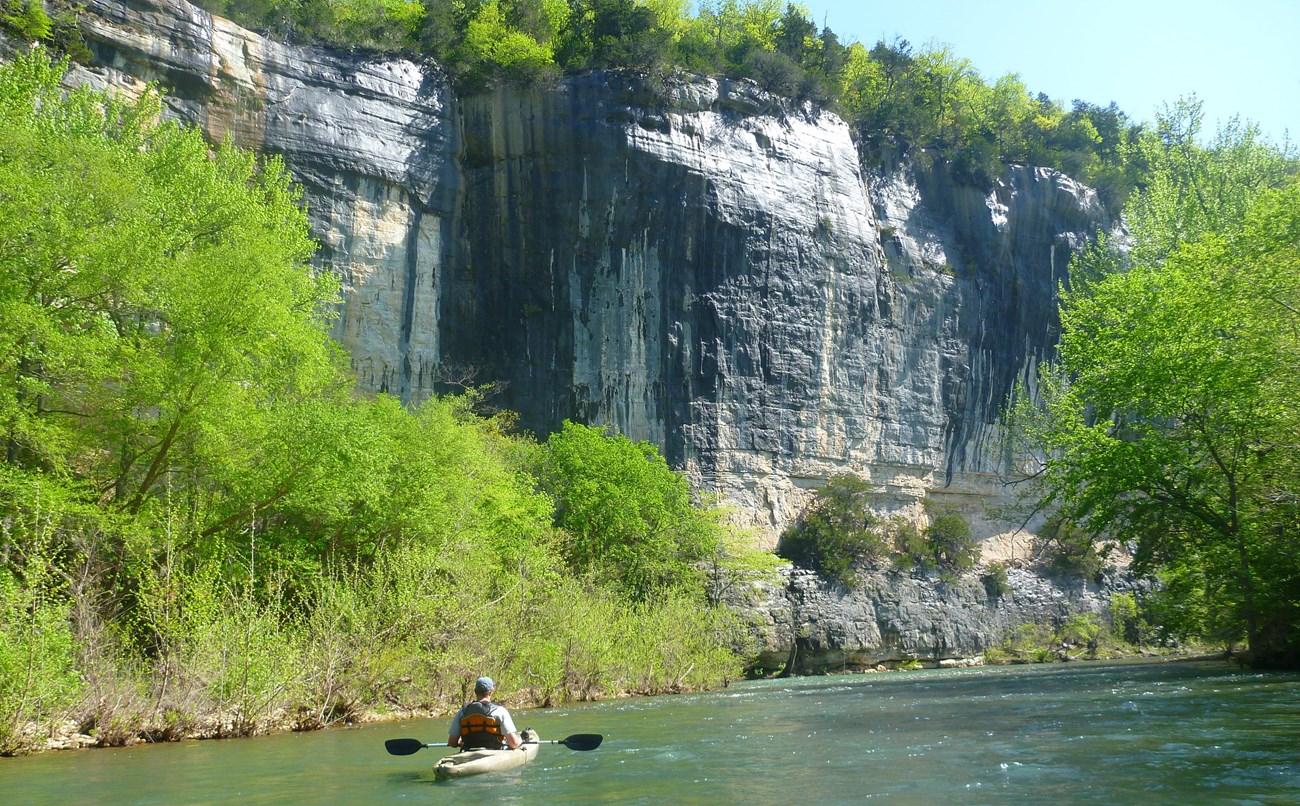
Lower Zambezi National Park: Zambia's Untamed Wilderness
The Lower Zambezi National Park is a hidden gem in Zambia, offering an unparalleled blend of stunning landscapes and rich wildlife. Nestled along the northern banks of the Zambezi River, this park spans over 4,000 square kilometers and boasts a diverse ecosystem. Visitors are often spellbound by the park's picturesque beauty, featuring vast floodplains, dense woodlands, and the majestic Zambezi River itself. Wildlife enthusiasts will find the Lower Zambezi National Park a haven, as it is home to a multitude of species. Elephants, lions, leopards, and buffalo roam freely, making every safari an adventure. The park is also a birdwatcher's paradise, with over 400 species of birds fluttering through the trees and skies. Whether you choose a traditional game drive, a walking safari, or a canoe trip down the river, the opportunities to witness this vibrant wildlife are endless. One of the park's unique features is the variety of activities it offers. Canoeing on the Zambezi River provides a tranquil yet thrilling way to see hippos, crocodiles, and elephants up close. Fishing enthusiasts will be delighted with the chance to catch the famous tiger fish. For those looking to immerse themselves in the local culture, visiting nearby villages can offer a glimpse into the lives of the indigenous people. The park's remoteness ensures an intimate experience, away from the crowds, making it a perfect destination for those seeking both adventure and peace.