

Eastern Province, Zambia Travel Guide
Explore Eastern Province in Zambia: A blend of rich culture, breathtaking landscapes, and world-class wildlife experiences in the heart of Africa.
Eastern Province in Zambia is a treasure trove of cultural heritage and natural beauty. This region is a mosaic of vibrant traditions, wildlife adventures, and scenic landscapes. The capital, Chipata, serves as the gateway to the province and offers a mix of urban experiences and local culture. One of the main attractions here is the Kulamba Ceremony, an annual event that celebrates the Chewa culture with colorful dances and traditional rites. For nature enthusiasts, South Luangwa National Park is a must-visit. This park is one of the greatest wildlife sanctuaries in the world and offers an incredible safari experience. Visitors can expect to see elephants, lions, leopards, and a variety of bird species. The park is also famous for its walking safaris, which provide a unique opportunity to explore the African bush on foot. The region is also known for its breathtaking landscapes. The hills of the Nyika Plateau offer stunning views and are perfect for hiking. The valley of the Luangwa River provides a tranquil setting for relaxation and bird-watching. The Eastern Province is not just about sightseeing; it’s about experiencing the warmth of Zambian hospitality and the rich cultural tapestry that defines this part of the country.

Know before you go
Hi, I'm Eve. Here are a few practical things to know before exploring Eastern Province.
- Visit during the dry season (May to October) for the best wildlife sightings and outdoor activities.
- Participate in local festivals like the Kulamba Ceremony to experience authentic Zambian culture.
- Carry cash, as ATMs can be scarce and not all places accept credit cards.
- Book safaris and accommodations in advance, especially if visiting South Luangwa National Park.
- Hire a local guide for hiking and walking safaris to enhance your experience and ensure safety.
Top City Travel Guides in Eastern Province
The cities of Eastern Province, and the easiest places to base yourself.

Destinations in Eastern Province
Resorts, valleys and scenic spots worth a trip of their own.


Explore Eastern Province: Things to Do, Places to Eat, Hotels & More
Handpicked recommendations for top attractions, local dining, accommodations, and more

Top Attractions & Sightseeing in Eastern Province
Top-rated picks
Best Attractions

Lusaka National Museum
Explore the Lusaka National Museum, a cultural gem that showcases Zambia's rich history, art, and traditions in the heart of Lusaka.

Knife Edge Bridge
Discover the breathtaking Knife Edge Bridge in Livingstone, Zambia, where adventure meets stunning views of the Zambezi River and Victoria Falls.

37d Gallery
Discover contemporary Zambian art at 37d Gallery in Lusaka, a vibrant hub for creativity, culture, and community engagement.

Kapishya Hot Springs
Discover the tranquil beauty and healing waters of Kapishya Hot Springs, a natural retreat in the Zambian wilderness perfect for relaxation and adventure.

Best landmarks in Eastern Province
Top-rated picks
Best Landmarks

Victoria Falls
Explore the breathtaking beauty of Victoria Falls, a UNESCO World Heritage site, and experience thrilling adventures in the heart of Southern Africa.

Livingstone Museum
Explore the Livingstone Museum, a cultural gem showcasing Zambia's history, artifacts, and the legacy of explorer David Livingstone.

Ciêla, Lusaka, a Tribute Portfolio Resort and Spa
Discover serenity and luxury at Ciela, Lusaka, a stunning resort hotel and spa that combines breathtaking nature with exceptional hospitality.

Kalimba Reptile Park
Discover the captivating world of reptiles at Kalimba Reptile Park, a must-visit wildlife refuge in Lusaka, Zambia, perfect for families and nature enthusiasts.

Best restaurants in Eastern Province
Top-rated picks
Best Restaurants

Marlin Restaurant
Experience exquisite steak dishes at Marlin Restaurant in Lusaka – where quality meets Zambian hospitality.

The Gathering Zambia
Discover the essence of Zambian cuisine at The Gathering Zambia – a must-visit restaurant and cocktail bar in Lusaka offering unique flavors and vibrant ambiance.
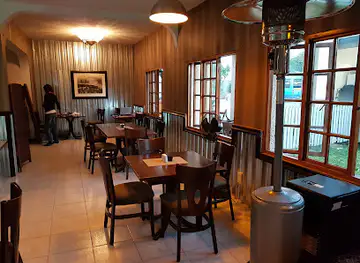
Urban Yard
Experience exquisite dining at Urban Yard in Lusaka—where fresh ingredients meet culinary creativity in a vibrant setting.

The Hut Restaurant - Kitwe
Experience authentic Zambian flavors at The Hut Restaurant in Kitwe - where culinary delight meets warm hospitality.

Best bars in Eastern Province
Top-rated picks
Best Bars

Blue Gums Pub and Grill
Experience the vibrant flavors of Zambia at Blue Gums Pub and Grill, a culinary gem in Chipata offering a delightful mix of local and international cuisine.

Booze Empire
Discover the vibrant nightlife at Booze Empire in Chipata, a lively bar offering a diverse selection of drinks and a welcoming atmosphere for all.

Sven Den
Experience the vibrant nightlife at Sven Den, Chipata's favorite bar, offering a diverse drink selection and a lively atmosphere.
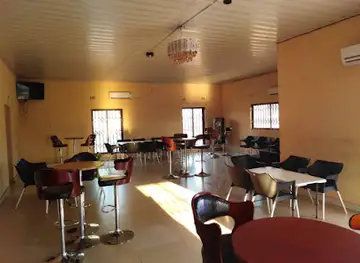
Great East Pub & Grill
Discover the vibrant flavors of Zambia at Great East Pub & Grill, where grilled delights meet a lively atmosphere for an unforgettable dining experience.

Best nightclubs in Eastern Province
Top-rated picks
Best Nightclubs

East Point
Discover Lusaka's energetic nightlife at East Point, a bustling disco club that promises fun, music, and unforgettable moments.

Comfort Zone Lounge
Discover Lusaka's vibrant nightlife at Comfort Zone Lounge, a premier disco club known for its lively atmosphere and unforgettable beats.

Ravens Club
Experience the vibrant nightlife of Kitwe at Ravens Club, where music, dance, and culture collide for an unforgettable evening.
Edgar's Night Club
Discover the pulse of Lusaka's nightlife at Edgar's Night Club, a vibrant disco experience filled with music, dancing, and unforgettable memories.

Best shops in Eastern Province
Top-rated picks
Best Shops

EastPark Mall
Explore EastPark Mall in Lusaka for a lively shopping and entertainment experience, featuring diverse stores and delightful dining options.

Levy Junction Shopping Mall
Discover a vibrant shopping experience at Levy Junction Mall in Lusaka, where local culture meets modern retail and culinary delights.

Manda Hill Shopping Mall
Discover the vibrant shopping experience at Manda Hill Shopping Mall in Lusaka, featuring top brands, local cuisine, and entertainment options for all.

Arcades Shopping Mall
Explore the vibrant Arcades Shopping Mall in Lusaka, a shopping haven with diverse stores, delightful dining, and lively entertainment options.

Explore Eastern Province on the Map
A handpicked selection of must-see spots in Eastern Province, mapped for you.
Eastern Province Essentials
-
Eastern Province in Zambia is accessible via Kenneth Kaunda International Airport in Lusaka, the capital of Zambia. From Lusaka, you can take a domestic flight to Mfuwe Airport, which is the gateway to South Luangwa National Park. Alternatively, you can travel by road; the Great East Road (T4) is the main highway connecting Lusaka to Eastern Province. Buses and private taxis are available for this journey, which takes approximately 8-10 hours by road.
-
Within Eastern Province, options for transportation include local buses, minibuses (known as 'matatus'), and taxis. For more freedom and flexibility, renting a car is advisable, especially if you plan to visit remote areas and national parks. Ensure you have a four-wheel drive vehicle if you intend to explore off-road destinations. Bicycle rentals are available in some towns, providing an eco-friendly way to explore the area.
-
The official currency in Zambia is the Zambian Kwacha (ZMW). Credit cards are accepted in major hotels, lodges, and some restaurants, but it's essential to carry cash for smaller establishments and rural areas. ATMs are available in larger towns like Chipata, but it is recommended to withdraw sufficient cash before traveling to more remote areas.
-
Eastern Province is generally safe for tourists, but standard precautions should be taken. Avoid walking alone at night, especially in unfamiliar areas. Be cautious in crowded places and keep an eye on your belongings. Petty theft can occur, so it's best to use the hotel safe to store valuables. Chipata is relatively safe, but exercise caution in less populated areas and avoid flashing expensive items.
-
In case of an emergency, dial 991 for police, 993 for medical emergencies, and 995 for fire services. Major towns like Chipata have hospitals and clinics, but for severe medical emergencies, it may be necessary to travel to Lusaka. Ensure you have comprehensive travel insurance that covers medical evacuation. Pharmacies are available in larger towns for over-the-counter medications.
-
Fashion: Do dress modestly, especially in rural areas and when visiting religious sites. Avoid revealing clothing. Religion: Do respect local customs and traditions. Remove your shoes when entering homes and religious buildings. Public Transport: Do be respectful and give up your seat to elderly passengers. Don’t eat or drink on public transport. Greetings: Do greet people with a handshake and a smile. Using 'Muli bwanji' (How are you?) is appreciated. Eating & Drinking: Do try local dishes like nshima and chibwantu. Don’t refuse food if offered, as it is considered impolite.
-
To experience Eastern Province like a local, visit the bustling local markets such as Saturday Market in Chipata, where you can buy fresh produce and traditional crafts. Engage with locals, as they are friendly and eager to share their culture. Don’t miss visiting South Luangwa National Park for an unparalleled wildlife experience. For a unique cultural experience, attend traditional ceremonies like the Nc'wala Ceremony of the Ngoni people, held in February.
When is the best time to visit Eastern Province?
Useful Local Phrases for Eastern Province
You don't need to speak the language perfectly. Even learning a few simple words can make conversations warmer—and locals usually appreciate the effort.
— Eve

Here are the phrases I use most often in Eastern Province. Try a few—you'll be surprised how far they go! 😊
❤️
-
- HelloShani
[sha-nee] - GoodbyeTakwaba
[ta-kwa-ba] - YesEya
[eh-ya] - NoAwe
[ah-weh] - Please/You're welcomeNshakabola
[n-sha-ka-bo-la] - Thank youNatotela
[na-to-te-la] - Excuse me/SorryNshilande
[n-shi-lan-de] - How are you?Uli shani?
[oo-lee sha-nee] - Fine. And you?Naimo. Iwe?
[nai-mo. ee-weh?] - Do you speak English?Wakuti ukupanga cilimba?
[wa-ku-ti u-ku-pang-a chee-lim-ba] - I don't understandNshikumbwa
[n-shee-kum-ba]
- HelloShani
-
- I'd like to see the menu, pleaseNingalole menu, nshakabola
[nin-ga-lo-le menu, n-sha-ka-bo-la] - I don't eat meatNshikala nyama
[n-shee-ka-la nyam-a] - Cheers!Tukumbukila!
[tu-kum-bu-ki-la] - I would like to pay, pleaseNingapanga, nshakabola
[nin-ga-pang-a, n-sha-ka-bo-la]
- I'd like to see the menu, pleaseNingalole menu, nshakabola
-
- Help!Boma!
[bo-ma] - Go away!Fuma!
[foo-ma] - Call the Police!Tuma policia!
[too-ma po-li-ci-a] - Call a doctor!Tuma dokita!
[too-ma do-ki-ta] - I'm lostNishibila
[ni-shee-bi-la] - I'm illNishikala mu chibanga
[ni-shee-ka-la moo chi-ban-ga]
- Help!Boma!
-
- I'd like to buy...Ningafuna kupempa...
[nin-ga-fu-na ku-pem-pa] - I'm just lookingNingali fwaya
[nin-ga-li fwai-a] - How much is it?Ishani?
[ee-sha-nee] - That's too expensiveIli fye fyalipwa
[ee-lee fye fya-li-pwa] - Can you lower the price?Wakuti ukatila fyonse?
[wa-ku-ti u-ka-ti-la fyon-se]
- I'd like to buy...Ningafuna kupempa...
-
- What time is it?Ni chingaliko shani?
[ni chin-ga-li-ko sha-nee] - It's one o'clockNi imwe
[ni im-we] - Half past (10)Ishe ching'anda (10)
[ee-she chin-g'an-da] - MorningMwakalamba
[mwa-ka-lam-ba] - AfternoonMwakalamba wa mweo
[mwa-ka-lam-ba wa mwe-o] - EveningMwanje
[mwan-je] - YesterdayLelo
[le-lo] - TodayLelo
[le-lo] - TomorrowKusanga
[ku-sang-a] - 1Imwe
[im-we] - 2Ibi
[ee-bee] - 3Itatu
[ee-ta-tu] - 4Ine
[ee-ne] - 5Ishanu
[ee-sha-nu] - 6Itandatu
[ee-tan-da-tu] - 7Icibanga
[ee-chee-ban-ga] - 8Icikumi
[ee-chee-ku-mi] - 9Icibumba
[ee-chee-bum-ba] - 10Ishikumi
[ee-shee-ku-mi]
- What time is it?Ni chingaliko shani?
-
- Where's a/the...?Kuli kuti ...?
[koo-li koo-ti] - What's the address?Kuli address?
[koo-li ad-dress] - Can you show me (on the map)?Wakuti undi onekela (pa map)?
[wa-ku-ti un-di o-ne-ke-la] - When's the next (bus)?Ni shani bus yachilamo?
[ni sha-nee bus ya-chi-la-mo] - A ticket (to ....)Ticket (ku ...)
[ti-ket (ku ...)]
- Where's a/the...?Kuli kuti ...?
History of Eastern Province
-
The Eastern Province of Zambia has a rich history that stretches back to the pre-colonial era. The region was originally inhabited by various ethnic groups, including the Chewa, Ngoni, and Nsenga peoples. These communities had well-established social structures and were known for their agricultural practices, particularly the cultivation of maize, millet, and sorghum. They also engaged in hunting, fishing, and trade with neighboring regions.
-
In the early 19th century, the Ngoni people, led by their chief Zwangendaba, migrated from present-day South Africa to the Eastern Province. This migration was part of the larger Mfecane movement, which caused widespread displacement across Southern Africa. The Ngoni settled in the region and integrated with the local Chewa and Nsenga communities, significantly influencing the area's culture and social dynamics.
-
The Eastern Province came under British colonial rule in the late 19th century, becoming part of Northern Rhodesia. The British established administrative centers and introduced cash crops such as cotton and tobacco, which altered the traditional agricultural practices of the local communities. The colonial period also saw the construction of infrastructure, including roads and railways, which facilitated trade and movement within the region.
-
In 1914, the Eastern Province was the site of the Chipata Rebellion, a significant anti-colonial uprising. Led by local chiefs and inspired by the broader resistance movements across Africa, the rebellion was fueled by grievances over colonial policies, including taxation and forced labor. Although the rebellion was eventually suppressed by the British, it marked an important moment in the region's history of resistance and struggle for independence.
-
Zambia gained independence from British rule in 1964, and the Eastern Province played a crucial role in the new nation's development. The region saw significant investments in education, healthcare, and infrastructure. The establishment of higher learning institutions, such as the University of Zambia's Great East Road Campus, contributed to the intellectual and cultural growth of the province. Agriculture remained a vital part of the local economy, with the province becoming one of Zambia's leading producers of maize and other staple crops.
-
The Eastern Province is renowned for its vibrant cultural heritage, which is celebrated through various traditional ceremonies and festivals. The Nc'wala Ceremony of the Ngoni people is one of the most prominent events, held annually to celebrate the first fruits of the harvest and honor the ancestors. The Chewa people also hold the Kulamba Ceremony, a gathering of chiefs and subjects to pay homage to the paramount chief. These ceremonies are characterized by traditional dances, music, and rituals, offering a glimpse into the rich cultural tapestry of the region.
Neighbouring Regions of Eastern Province
The closest regions to Eastern Province, if you have time for more than one.




Your all‑in‑one travel companion app
Explore expert travel guides, compare and book tours, experiences, hotels, and more—all from the palm of your hand. Download now for seamless trip planning wherever your wanderlust takes you.


Explore More of Zambia

Looking beyond Eastern Province? Discover Zambia for broader travel guides, local hot-spots, and regional highlights.
Explore ZambiaEastern Province in Photos
Browse through our photo collection highlighting the charm and character of the destination.


Eastern Province: The Heartbeat of Zambia's Tradition and Wilderness
Eastern Province in Zambia is a treasure trove of cultural heritage and natural beauty. This region is a mosaic of vibrant traditions, wildlife adventures, and scenic landscapes. The capital, Chipata, serves as the gateway to the province and offers a mix of urban experiences and local culture. One of the main attractions here is the Kulamba Ceremony, an annual event that celebrates the Chewa culture with colorful dances and traditional rites. For nature enthusiasts, South Luangwa National Park is a must-visit. This park is one of the greatest wildlife sanctuaries in the world and offers an incredible safari experience. Visitors can expect to see elephants, lions, leopards, and a variety of bird species. The park is also famous for its walking safaris, which provide a unique opportunity to explore the African bush on foot. The region is also known for its breathtaking landscapes. The hills of the Nyika Plateau offer stunning views and are perfect for hiking. The valley of the Luangwa River provides a tranquil setting for relaxation and bird-watching. The Eastern Province is not just about sightseeing; it’s about experiencing the warmth of Zambian hospitality and the rich cultural tapestry that defines this part of the country.