

Luangwa Valley, Zambia Travel Guide
Explore the untamed beauty of Luangwa Valley, Zambia - a premier destination for wildlife enthusiasts, offering unmatched safari experiences and breathtaking natural landscapes.
Luangwa Valley in Zambia is a gem for nature lovers and adventure seekers. This vast and unspoiled wilderness is home to some of Africa's most stunning wildlife and landscapes. The valley is dominated by the winding Luangwa River, which attracts a diverse range of animals, including elephants, lions, and the elusive leopard. The river's oxbow lagoons and lush vegetation make it a picturesque spot for game viewing and photography. South Luangwa National Park, located within the valley, is one of the greatest wildlife sanctuaries in the world. Known for its walking safaris, it offers visitors a unique and intimate way to experience the African bush. You can explore the park with knowledgeable guides who will help you spot everything from antelopes to crocodiles. The park is also a bird watcher's paradise, boasting over 400 species of birds. The best time to visit Luangwa Valley is during the dry season, from May to October, when the wildlife congregates around the diminishing water sources. The valley remains less crowded compared to other safari destinations, offering a more personal and immersive experience. Whether you're staying in a luxury lodge or camping under the stars, Luangwa Valley promises an unforgettable adventure filled with the raw beauty of nature.

Know before you go
Hi, I'm Eve. Here are a few practical things to know before exploring Luangwa Valley.
- Visit during the dry season (May to October) for optimal wildlife viewing.
- Consider a walking safari for a close encounter with nature.
- Pack light, breathable clothing and plenty of sunscreen.
- Bring binoculars for bird watching.
- Stay hydrated and carry insect repellent.
Top City Travel Guides in Luangwa Valley
The cities of Luangwa Valley, and the easiest places to base yourself.

Destinations in Luangwa Valley
Resorts, valleys and scenic spots worth a trip of their own.


Explore Luangwa Valley: Things to Do, Places to Eat, Hotels & More
Handpicked recommendations for top attractions, local dining, accommodations, and more

Top Attractions & Sightseeing in Luangwa Valley
Top-rated picks
Best Attractions

Kafue National Park
Explore the diverse wildlife and breathtaking landscapes of Kafue National Park, Zambia's largest national park, a true African treasure.

South Luangwa National Park
Discover the breathtaking beauty and abundant wildlife of South Luangwa National Park, an ultimate African safari experience in Zambia.

Croc Valley Camp
Experience the beauty of South Luangwa National Park at Croc Valley Camp, your gateway to unforgettable wildlife adventures and immersive nature experiences.

Wildlife Camp
Discover the wonders of Zambia at Wildlife Camp, a perfect blend of comfort and adventure in the heart of nature's paradise.

Best landmarks in Luangwa Valley
Top-rated picks
Best Landmarks
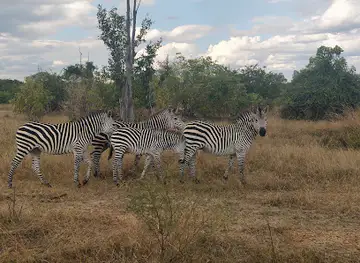
South Luangwa National Park
Explore South Luangwa National Park, Zambia's premier wildlife destination, known for its diverse ecosystems and unforgettable safari experiences.

Croc Valley Camp
Experience the wild beauty of South Luangwa at Croc Valley Camp, where comfort meets adventure in Zambia's premier wildlife destination.
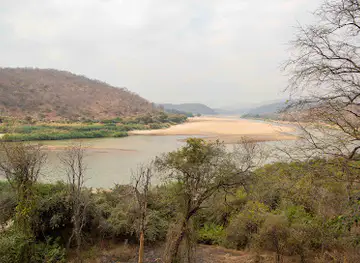
Luangwa Bridge
Explore the majestic Luangwa Bridge, a stunning landmark connecting adventure seekers with the breathtaking beauty of Zambia's wildlife and landscapes.

Liuwa Plain National Park
Explore Liuwa Plain National Park: a stunning wilderness in Zambia, famous for its wildlife migrations, breathtaking landscapes, and rich cultural heritage.

Best restaurants in Luangwa Valley
Top-rated picks
Best Restaurants

INDISH FUSION FOODS & COCKTAILS
Discover the vibrant flavors at Indish Fusion Foods & Cocktails in Kitwe - where culinary innovation meets tradition in every dish.

LUANGWA PARK
Savor authentic Zambian cuisine in Luangwa Park surrounded by breathtaking landscapes and vibrant wildlife.

Best bars in Luangwa Valley
Top-rated picks
Best Bars

Keg & Coppersmith
Experience the vibrant flavors of Zambia at Keg & Coppersmith, a must-visit restaurant and pub in Kitwe's Mukuba Mall.

Club Amnesia
Discover Club Amnesia: Lusaka's vibrant bar where music, cocktails, and a lively atmosphere create unforgettable nightlife experiences.

The Old Crow Pub
Discover the vibrant nightlife at The Old Crow Pub in Lusaka, where local drinks, karaoke, and a warm atmosphere await.

Mfuwe Lodge, The Bushcamp Company
Experience the wild beauty of South Luangwa National Park at Mfuwe Lodge, a premier indoor lodging destination for nature lovers and adventure seekers.

Best nightclubs in Luangwa Valley
Top-rated picks
Best Nightclubs

Kanthuleni Night Club
Discover the lively nightlife of Luangwa at Kanthuleni Night Club, where music, dance, and fun come together for an unforgettable experience.
River spot
Experience the vibrant nightlife of Luangwa at River Spot, a lively night club where music and culture collide for an unforgettable evening.

Best shops in Luangwa Valley
Top-rated picks
Best Shops

EastPark Mall
Experience the vibrant shopping and dining scene at EastPark Mall, Lusaka's premier destination for locals and tourists alike.

Levy Junction Shopping Mall
Explore Levy Junction Shopping Mall, a vibrant hub in Lusaka offering shopping, dining, and entertainment for every visitor.

Manda Hill Shopping Mall
Explore Manda Hill Shopping Mall in Lusaka for a unique blend of shopping, dining, and entertainment, showcasing the best of Zambian culture.

Arcades Shopping Mall
Explore Lusaka's Arcades Shopping Mall for a vibrant blend of shopping, dining, and entertainment experiences in a lively atmosphere.

Explore Luangwa Valley on the Map
A handpicked selection of must-see spots in Luangwa Valley, mapped for you.
Luangwa Valley Essentials
-
Luangwa Valley is located in eastern Zambia and is accessible by air and road. The nearest international airport is Kenneth Kaunda International Airport in Lusaka, about 600 kilometers away. From Lusaka, you can take a domestic flight to Mfuwe Airport, which is the closest airport to the South Luangwa National Park. Alternatively, you can drive from Lusaka, which takes approximately 8-10 hours. There are also bus services available, but these can be less comfortable and reliable.
-
Within Luangwa Valley, transportation options include guided safari vehicles, taxis, and rental cars. Guided tours are highly recommended for exploring the national parks. Taxis are available in towns and can be arranged through your accommodation. Car rentals are available in Lusaka and can be a good option if you plan to explore the area independently. Note that road conditions can be challenging, especially during the rainy season.
-
The official currency in Zambia is the Zambian Kwacha (ZMW). Credit cards are accepted in some hotels, lodges, and restaurants, but it is advisable to carry cash, especially in rural areas. ATMs are available in larger towns, but it is recommended to withdraw sufficient cash in Lusaka or other major cities before traveling to Luangwa Valley. Some lodges and tour operators may also accept US Dollars.
-
Luangwa Valley is generally safe for tourists, but it is important to take standard precautions. Avoid walking alone at night and keep your belongings secure. Crime targeting tourists is not widespread, but petty theft can occur. Be cautious in crowded areas and when using public transport. Stick to well-known routes and avoid remote areas without a guide.
-
In case of emergency, dial 999 for immediate assistance. Medical facilities in Luangwa Valley are limited, so it is essential to have comprehensive travel insurance that covers medical emergencies and evacuations. The nearest major hospital is in Lusaka. For minor health issues, some lodges have basic first aid facilities, and there are pharmacies in larger towns. It is also advisable to carry a basic medical kit.
-
Fashion: Do dress modestly and comfortably. Light, breathable clothing is recommended due to the warm climate. Avoid wearing bright colors during safaris, as they can attract insects and scare wildlife. Religion: Do respect local customs and traditions. Although Zambia is predominantly Christian, it is important to be respectful of all religious practices. Public Transport: Do be patient, as public transport can be slow and unpredictable. Don’t display valuables openly. Greetings: Do greet people with a handshake and a friendly smile. Learning a few words in the local language (Nyanja or Bemba) can be appreciated. Eating & Drinking: Do try local dishes such as nshima and ifisashi. Don’t drink tap water; always opt for bottled or boiled water.
-
To experience Luangwa Valley like a local, visit the local markets to buy fresh produce and handmade crafts. Engage with local guides, who can offer insights into the area's wildlife and culture. Attend traditional ceremonies and festivals if possible. Try to visit during the dry season (May to October) when wildlife viewing is at its best. Don’t miss a sunset safari drive, which offers stunning views of the landscape and wildlife.
When is the best time to visit Luangwa Valley?
Useful Local Phrases for Luangwa Valley
You don't need to speak the language perfectly. Even learning a few simple words can make conversations warmer—and locals usually appreciate the effort.
— Eve

Here are the phrases I use most often in Luangwa Valley. Try a few—you'll be surprised how far they go! 😊
❤️
-
- HelloShani
[sha-nee] - GoodbyeTwalumba
[twa-lum-ba] - YesEhe
[eh-he] - NoAwe
[ah-weh] - Please/You're welcomeTapali
[ta-pa-li] - Thank youNatotela
[na-to-te-la] - Excuse me/SorryNdisaka
[ndi-sa-ka] - How are you?Uli bwanji?
[oo-lee bwan-gee] - Fine. And you?Nandi bwino, iwe?
[nan-dee bwee-no, ee-weh] - Do you speak English?Olibe na chingeleza?
[oh-lee-beh na chin-ge-leh-za] - I don't understandNdisatila
[ndi-sa-ti-la]
- HelloShani
-
- I'd like to see the menu, pleaseNdingafuna kuwona menyu, tapali
[n-din-ga-foona koo-wona men-yoo, ta-pa-li] - I don't eat meatNdisakudya nyama
[ndi-sa-kud-ya nya-ma] - Cheers!Nkhani!
[n-kha-nee] - I would like to pay, pleaseNdingafuna kulipira, tapali
[n-din-ga-foona koo-li-pi-ra, ta-pa-li]
- I'd like to see the menu, pleaseNdingafuna kuwona menyu, tapali
-
- Help!Thandizani!
[than-di-za-nee] - Go away!Uchitane!
[oo-chee-ta-nee] - Call the Police!Fonani Police!
[fo-na-nee po-lees] - Call a doctor!Fonani dokotala!
[fo-na-nee do-ko-ta-la] - I'm lostNdisakumbwa
[ndi-sa-kum-ba] - I'm illNdisakumwa
[ndi-sa-ku-mwa]
- Help!Thandizani!
-
- I'd like to buy...Ndingafuna kugula...
[n-din-ga-foona koo-goo-la] - I'm just lookingNdikang'ona fye
[ndi-kang-ona fye] - How much is it?Nchiyani?
[n-chee-ya-nee] - That's too expensiveIcho chali mtengo wakupona
[ee-cho cha-lee m-ten-go wa-koo-pona] - Can you lower the price?Wabomfya mtengo?
[wa-bom-fya m-ten-go]
- I'd like to buy...Ndingafuna kugula...
-
- What time is it?Nchifukwa ni nthawi ili?
[n-chee-foon-dwa ni n-tha-wi ee-lee] - It's one o'clockNdi saa imwe
[ndee saa eem-weh] - Half past (10)Kuyamba (10)
[koo-yam-ba] - MorningMawa
[ma-wa] - AfternoonMasana
[ma-sa-na] - EveningMadzulo
[ma-dzu-lo] - YesterdayLero
[le-ro] - TodayLelo
[le-lo] - TomorrowMaŵa
[ma-ŵa] - 1Nkhani
[n-kha-nee] - 2Ziwiri
[zee-we-ree] - 3Zitatu
[zee-ta-tu] - 4Zina
[zee-na] - 5Zitano
[zee-ta-no] - 6Zisanu
[zee-sa-nu] - 7Zisanu na imodzi
[zee-sa-nu na ee-moh-dzi] - 8Zisanu na ziwiri
[zee-sa-nu na zee-we-ree] - 9Zisanu na zitatu
[zee-sa-nu na zee-ta-tu] - 10Zisanu na zina
[zee-sa-nu na zee-na]
- What time is it?Nchifukwa ni nthawi ili?
-
- Where's a/the...?Kuli kuti...?
[koo-lee koo-tee] - What's the address?Nchifukwa chani chithunzi?
[n-chee-foon-dwa chani chee-thun-zee] - Can you show me (on the map)?Ungandionetse (pa mapepe)?
[oon-gandi-o-nee-tse (pa ma-pe-pe)] - When's the next (bus)?Nchifukwa ni nthawi yotsatira (bus)?
[n-chee-foon-dwa ni n-tha-wi yo-tsa-ti-ra] - A ticket (to ....)Chikongolosi (ku ....)
[chee-kon-go-lo-si]
- Where's a/the...?Kuli kuti...?
History of Luangwa Valley
-
The Luangwa Valley has been inhabited for thousands of years, with evidence of early human settlements dating back to the Stone Age. Archaeological finds such as ancient tools and pottery provide a glimpse into the lives of these early inhabitants, who relied on the valley's rich natural resources for survival.
-
By the 15th century, various Bantu-speaking tribes had established themselves in the Luangwa Valley. Among these were the Chewa, Nsenga, and Kunda peoples, who developed complex societies with rich cultural traditions, including dance, music, and folklore. These tribes engaged in farming, hunting, and fishing, utilizing the valley's fertile land and abundant wildlife.
-
In the late 19th and early 20th centuries, the Luangwa Valley came under British colonial rule as part of Northern Rhodesia. The colonial administration introduced new economic activities, such as commercial farming and mining, which significantly impacted the traditional lifestyles of the valley's indigenous peoples. The establishment of game reserves also began during this period, laying the groundwork for future conservation efforts.
-
In 1938, the British colonial government established the Luangwa Game Reserve, which later became South Luangwa National Park in 1972. The park was created to protect the diverse wildlife and unique ecosystems of the valley. Today, South Luangwa National Park is one of Zambia's premier wildlife destinations, renowned for its walking safaris and abundant populations of elephants, lions, and leopards.
-
After Zambia gained independence in 1964, the government focused on promoting tourism as a key economic sector. Efforts to develop infrastructure, such as roads and lodges, in the Luangwa Valley have made it more accessible to visitors. Community-based tourism initiatives have also been implemented, allowing local communities to benefit from the growing tourism industry while preserving their cultural heritage.
-
The Luangwa Valley is home to various cultural festivals that celebrate the heritage of its indigenous peoples. One notable event is the Nc’wala Ceremony of the Ngoni people, held annually to mark the first fruits of the harvest and to honor their ancestors. Traditional dances, music, and rituals are performed, providing visitors with a unique insight into the valley's vibrant cultural life.
Neighbouring Regions of Luangwa Valley
The closest regions to Luangwa Valley, if you have time for more than one.




Your all‑in‑one travel companion app
Explore expert travel guides, compare and book tours, experiences, hotels, and more—all from the palm of your hand. Download now for seamless trip planning wherever your wanderlust takes you.


Explore More of Zambia

Looking beyond Luangwa Valley? Discover Zambia for broader travel guides, local hot-spots, and regional highlights.
Explore ZambiaLuangwa Valley in Photos
Browse through our photo collection highlighting the charm and character of the destination.


The Untamed Wilderness of Luangwa Valley
Luangwa Valley in Zambia is a gem for nature lovers and adventure seekers. This vast and unspoiled wilderness is home to some of Africa's most stunning wildlife and landscapes. The valley is dominated by the winding Luangwa River, which attracts a diverse range of animals, including elephants, lions, and the elusive leopard. The river's oxbow lagoons and lush vegetation make it a picturesque spot for game viewing and photography. South Luangwa National Park, located within the valley, is one of the greatest wildlife sanctuaries in the world. Known for its walking safaris, it offers visitors a unique and intimate way to experience the African bush. You can explore the park with knowledgeable guides who will help you spot everything from antelopes to crocodiles. The park is also a bird watcher's paradise, boasting over 400 species of birds. The best time to visit Luangwa Valley is during the dry season, from May to October, when the wildlife congregates around the diminishing water sources. The valley remains less crowded compared to other safari destinations, offering a more personal and immersive experience. Whether you're staying in a luxury lodge or camping under the stars, Luangwa Valley promises an unforgettable adventure filled with the raw beauty of nature.