

Batoka Gorge, Zambia Travel Guide
Discover the awe-inspiring Batoka Gorge in Zambia, a hidden gem offering thrilling adventures, breathtaking views, and rich wildlife near the iconic Victoria Falls.
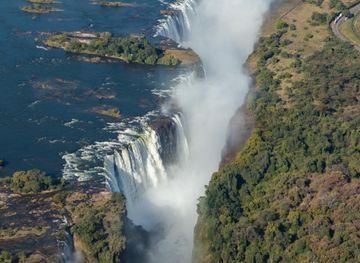
Nestled between Zambia and Zimbabwe, Batoka Gorge is a breathtaking natural wonder formed by the mighty Zambezi River. This awe-inspiring canyon is located downstream from the famous Victoria Falls, presenting a less-crowded but equally mesmerizing spectacle of nature. The gorge's dramatic cliffs and verdant surroundings offer visitors a unique blend of adventure and tranquility. Adventure seekers will find Batoka Gorge a paradise for activities like white-water rafting and kayaking. The rapids in this stretch of the Zambezi are among the most challenging and exhilarating in the world, offering a thrilling experience for those daring enough to take on the river's powerful currents. For a more serene encounter with nature, visitors can enjoy guided hikes along the gorge's rim, which provide stunning panoramic views of the cliffs and river below. Beyond its natural beauty, Batoka Gorge is also rich in wildlife. Bird watchers will be delighted by the variety of bird species that inhabit the area, while those with a keen eye may spot some of the local mammals and reptiles. Whether you are an adventurer, nature lover, or simply someone seeking a peaceful retreat, Batoka Gorge offers a truly unforgettable experience.

Know before you go
Hi, I'm Eve. Here are a few practical things to know before exploring Batoka Gorge.
- Visit during the dry season (May to October) for the best hiking and rafting conditions.
- Hire a local guide to navigate the challenging rapids and ensure safety.
- Bring binoculars for bird watching and spotting other wildlife in the area.
- Pack sunscreen, hats, and plenty of water to stay hydrated during hikes.
- Combine your visit with a trip to Victoria Falls for an all-encompassing experience.
Top City Travel Guides in Batoka Gorge
The cities of Batoka Gorge, and the easiest places to base yourself.


Explore Batoka Gorge: Things to Do, Places to Eat, Hotels & More
Handpicked recommendations for top attractions, local dining, accommodations, and more

Top Attractions & Sightseeing in Batoka Gorge
Top-rated picks
Best Attractions

Victoria Falls National Park
Experience the breathtaking beauty and adventure of Victoria Falls National Park, a UNESCO World Heritage Site and natural wonder.

Mosi-oa-Tunya National Park
Discover the breathtaking Mosi-oa-Tunya National Park, where nature, wildlife, and the majestic Victoria Falls await your exploration.

Devil's Cataract
Experience the breathtaking beauty of Devil's Cataract at Victoria Falls, where nature's power meets stunning vistas in Zimbabwe.

Victoria Falls Bridge
Experience breathtaking views and thrilling adventures at the Victoria Falls Bridge, a landmark connecting Zimbabwe and Zambia.

Best landmarks in Batoka Gorge
Top-rated picks
Best Landmarks
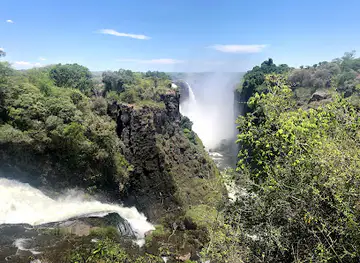
Victoria Falls
Experience the breathtaking beauty and adventure at Victoria Falls, a UNESCO World Heritage site and one of the largest waterfalls in the world.
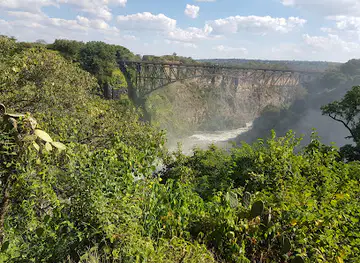
Mosi-oa-Tunya National Park
Explore the breathtaking Mosi-oa-Tunya National Park, home to Victoria Falls and diverse wildlife, a must-visit for nature lovers in Zambia.

Elephant Hills Resort
Discover the perfect escape at Elephant Hills Resort in Victoria Falls, where luxury meets nature and adventure awaits at every corner.

Avani Victoria Falls Resort
Discover the perfect blend of adventure and relaxation at Avani Victoria Falls Resort, where nature's beauty meets luxury accommodation.

Best restaurants in Batoka Gorge
Top-rated picks
Best Restaurants
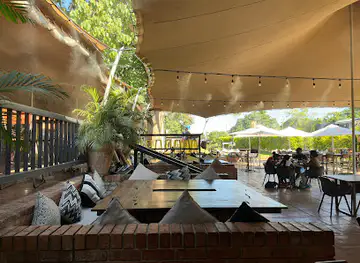
The Three Monkeys Restaurant & Bar, Victoria Falls
Experience delightful dining at The Three Monkeys Restaurant & Bar in Victoria Falls - where local flavors meet vibrant atmosphere.

Avani Victoria Falls Resort
Discover luxury accommodations at Avani Victoria Falls Resort with breathtaking views and easy access to Africa's iconic natural wonder.
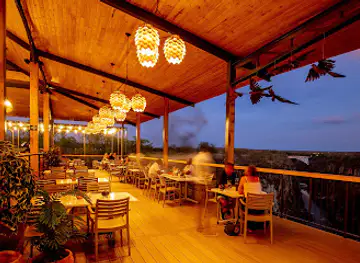
The Lookout Cafe - Wild Horizons
Discover breathtaking views and delightful flavors at The Lookout Cafe near Victoria Falls – your ultimate dining retreat in nature's embrace.

The Boma - Dinner & Drum Show
Discover Zimbabwe's vibrant culture through an unforgettable evening at The Boma Dinner & Drum Show in Victoria Falls.

Best bars in Batoka Gorge
Top-rated picks
Best Bars
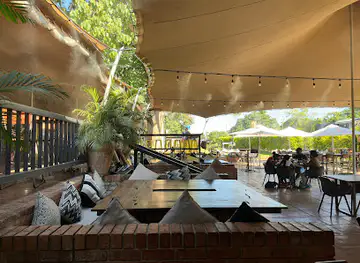
The Three Monkeys Restaurant & Bar, Victoria Falls
Discover the vibrant culinary scene of Victoria Falls at The Three Monkeys Restaurant & Bar, where local flavors meet international flair in a lively setting.

Avani Victoria Falls Resort
Experience luxury and adventure at Avani Victoria Falls Resort, the gateway to Zambia's natural wonders, cultural richness, and stunning landscapes.
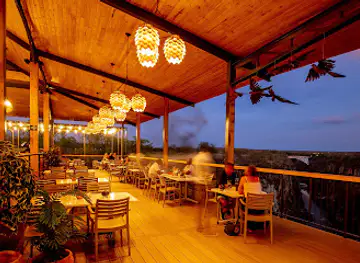
The Lookout Cafe - Wild Horizons
Experience breathtaking views and delightful cuisine at The Lookout Cafe, a perfect retreat in the heart of Victoria Falls.

The Boma - Dinner & Drum Show
Savor authentic Zimbabwean cuisine while enjoying a captivating dinner theater experience at The Boma, the ultimate family-friendly venue in Victoria Falls.

Best nightclubs in Batoka Gorge
Top-rated picks
Best Nightclubs

The David Livingstone Safari Lodge & Spa
Discover an unparalleled blend of luxury, adventure, and nature at The David Livingstone Safari Lodge & Spa, the gateway to Zambia's stunning landscapes.

Limpo's PUB & Grill
Discover the lively spirit of Limpo's PUB & Grill in Livingstone, where great food, drinks, and unforgettable experiences await.

Vix Falls Sports Bar and Restaurant
Discover the vibrant atmosphere of Vix Falls Sports Bar and Restaurant in Livingstone, where delicious cuisine meets thrilling sports action.

Roadside Night Clubs
Discover the energetic vibe of Livingstone's Roadside Night Clubs, a lively destination for music, dance, and unforgettable nightlife experiences.

Best shops in Batoka Gorge
Top-rated picks
Best Shops

EastPark Mall
Discover the vibrant shopping experience at EastPark Mall in Lusaka, where diverse stores, dining, and entertainment await every visitor.

Levy Junction Shopping Mall
Discover a shopper's paradise in Lusaka at Levy Junction Shopping Mall, where diverse retail and dining experiences await.

Manda Hill Shopping Mall
Discover the vibrant shopping, dining, and entertainment experience at Manda Hill Shopping Mall in Lusaka, Zambia's premier retail destination.

Arcades Shopping Mall
Experience shopping, dining, and entertainment at Lusaka's vibrant Arcades Shopping Mall, a must-visit destination for every tourist.

Explore Batoka Gorge on the Map
A handpicked selection of must-see spots in Batoka Gorge, mapped for you.
Batoka Gorge Essentials
-
Batoka Gorge is located along the Zambezi River, near the border between Zambia and Zimbabwe. The nearest international airport is Harry Mwanga Nkumbula International Airport in Livingstone, Zambia, approximately 50 kilometers away. From the airport, you can hire a taxi or arrange a shuttle service to take you to the gorge. Alternatively, you can fly into Victoria Falls Airport in Zimbabwe and cross the border into Zambia. The journey from Livingstone to Batoka Gorge typically takes about an hour by road.
-
Once in the Batoka Gorge area, you can use local taxis or hire a private car for more flexibility. Many tour operators offer guided tours that include transportation to and from the gorge. While public buses are available, they may not be as reliable or convenient for visiting the gorge. Renting a 4x4 vehicle can be a good option if you plan to explore the surrounding areas independently.
-
The official currency in Zambia is the Zambian Kwacha (ZMW). Credit cards are accepted in many hotels, restaurants, and larger shops, but it is advisable to carry cash for smaller establishments and rural areas. ATMs are available in Livingstone, but they may not be as common in more remote areas near the gorge. Ensure you have sufficient cash before heading out to Batoka Gorge.
-
Batoka Gorge is generally safe for tourists, but it is important to take standard precautions. Avoid walking alone at night and keep an eye on your belongings in crowded places. Be cautious when exploring remote areas and always follow the guidance of your tour guide. While there are no specific high-crime areas targeting tourists, it is best to remain vigilant and aware of your surroundings.
-
In case of emergency, dial 991 for immediate assistance. There are medical facilities and police stations in Livingstone, which is the nearest major town. It is highly recommended to have travel insurance that covers medical emergencies and evacuation. For minor health issues, you can find pharmacies in Livingstone where you can purchase over-the-counter medications.
-
Fashion: Do dress modestly, especially when visiting local communities. Avoid wearing revealing clothing. Religion: Do respect local customs and traditions. Always ask for permission before taking photographs of people or religious sites. Public Transport: Do be respectful and courteous to fellow passengers. Don't eat or drink on public transport. Greetings: Do greet people with a handshake or a slight bow of the head. It is polite to greet elders first. Eating & Drinking: Do try local dishes and accept food offerings graciously. Don't refuse hospitality, as it is considered impolite.
-
To experience Batoka Gorge like a local, consider visiting during the dry season (April to October) when the weather is more favorable for outdoor activities. Engage with local guides who can provide valuable insights into the area's history and culture. Don't miss the opportunity to go white-water rafting on the Zambezi River, which is one of the top attractions in the area. Additionally, take time to explore the nearby Victoria Falls, one of the Seven Natural Wonders of the World.
When is the best time to visit Batoka Gorge?
Useful Local Phrases for Batoka Gorge
You don't need to speak the language perfectly. Even learning a few simple words can make conversations warmer—and locals usually appreciate the effort.
— Eve

Here are the phrases I use most often in Batoka Gorge. Try a few—you'll be surprised how far they go! 😊
❤️
-
- HelloShani
[sha-nee] - GoodbyeTwalumba
[twa-lum-ba] - YesEya
[eh-yah] - NoAwe
[ah-weh] - Please/You're welcomeNomba
[nom-ba] - Thank youNatotela
[na-to-teh-la] - Excuse me/SorryNshakafye
[n-sha-ka-fye] - How are you?Uli shani?
[oo-lee sha-nee] - Fine. And you?Ndi bwino. Nawe?
[ndee bwee-no. na-weh?] - Do you speak English?Ulisha mu Chingele?
[oo-lee-sha moo cheen-geh-le] - I don't understandNshikala bwino
[n-shee-ka-la bwee-no]
- HelloShani
-
- I'd like to see the menu, pleaseNingalile kwati menu, nomba
[neen-ga-lee-le kwa-tee meh-noo, nom-ba] - I don't eat meatNshikala nyama
[n-shee-ka-la nya-ma] - Cheers!Twalumba!
[twa-lum-ba] - I would like to pay, pleaseNingalile kupembelela, nomba
[neen-ga-lee-le koo-pem-be-le-la, nom-ba]
- I'd like to see the menu, pleaseNingalile kwati menu, nomba
-
- Help!Bwanji!
[bwan-jee] - Go away!Fuma!
[foo-ma] - Call the Police!Fonani Police!
[fo-na-nee po-leece] - Call a doctor!Fonani daktari!
[fo-na-nee dak-ta-ree] - I'm lostNdi walilwa
[ndee wa-lee-lwa] - I'm illNdi mu chibwabwa
[ndee moo chee-bwa-bwa]
- Help!Bwanji!
-
- I'd like to buy...Ningalile kwata...
[neen-ga-lee-le kwa-ta] - I'm just lookingNdi chabe
[ndee cha-be] - How much is it?Ili shani?
[ee-lee sha-nee] - That's too expensiveIli pali mfula
[ee-lee pa-lee mfoo-la] - Can you lower the price?Unga fye mfula?
[oon-ga fye mfoo-la]
- I'd like to buy...Ningalile kwata...
-
- What time is it?Ili nshi?
[ee-lee n-shee] - It's one o'clockIli nshi pa one
[ee-lee n-shee pa one] - Half past (10)Half past (10)
[Half past (10)] - MorningMuli
[moo-lee] - AfternoonMasiku
[ma-see-koo] - EveningNshiku
[n-shee-koo] - YesterdayKale
[ka-le] - TodayLelo
[le-lo] - TomorrowKushe
[koo-she] - 1Imwe
[eem-weh] - 2Elyo
[el-yo] - 3Itatu
[ee-ta-tu] - 4Ine
[ee-neh] - 5Ishanu
[ee-sha-nu] - 6Ishanu
[ee-sha-nu] - 7Ishibuka
[ee-shee-boo-ka] - 8Ishi
[ee-shee] - 9Ishisano
[ee-shee-sa-no] - 10Ishikumi
[ee-shee-koo-mee]
- What time is it?Ili nshi?
-
- Where's a/the...?Wakutali...?
[wa-koo-ta-lee] - What's the address?Ili nshi pa address?
[ee-lee n-shee pa ad-dress] - Can you show me (on the map)?Unga nishowele (pa map)?
[oon-ga nee-show-e-le] - When's the next (bus)?Wakutali (bus) itekela?
[wa-koo-ta-lee it-eh-ke-la] - A ticket (to ....)Ticket (ku ...)
[tee-ket]
- Where's a/the...?Wakutali...?
History of Batoka Gorge
-
Batoka Gorge was formed over millions of years through the natural erosive forces of the Zambezi River. The canyon stretches approximately 120 kilometers downstream from Victoria Falls and features steep, rugged cliffs that plunge into the river below. The formation is a testament to the geological processes that have shaped the landscape of southern Africa.
-
The Batoka Gorge region has been inhabited for thousands of years by various indigenous peoples, including the Tonga, Lozi, and Leya tribes. These communities have developed rich cultural traditions and a deep connection with the land and the Zambezi River, which they regard as a sacred entity. Archaeological evidence, such as ancient tools and pottery, indicates a long history of human settlement in the area.
-
The Scottish missionary and explorer Dr. David Livingstone was one of the first Europeans to document the Batoka Gorge during his travels in the mid-19th century. In 1855, Livingstone famously became the first European to view Victoria Falls, which he named in honor of Queen Victoria. His observations and writings brought international attention to the region and its dramatic landscape.
-
During the late 19th and early 20th centuries, the Batoka Gorge area came under British colonial influence. One of the significant engineering feats of this era was the construction of the Victoria Falls Bridge in 1905, which spans the gorge just below the falls. Designed by George Andrew Hobson and constructed by the Cleveland Bridge & Engineering Company, the bridge facilitated the Cape to Cairo Railway and became a symbol of colonial ambition and technological prowess.
-
In the latter half of the 20th century, environmental conservation efforts began to take shape in the Batoka Gorge region. Recognizing the unique ecological and geological significance of the area, various initiatives have been launched to protect the gorge and its surrounding habitats. These efforts include the establishment of national parks and wildlife reserves, as well as community-based conservation programs aimed at preserving the natural heritage for future generations.
-
Today, Batoka Gorge is a popular destination for adventure tourism, attracting visitors from around the world. The dramatic scenery and challenging rapids of the Zambezi River make it a prime location for activities such as white-water rafting, bungee jumping, and hiking. Tourism has become an important economic driver for local communities, providing employment opportunities and fostering cultural exchange.
-
In recent years, the Batoka Gorge Hydroelectric Scheme has been proposed as a means to generate renewable energy for Zambia and Zimbabwe. The project envisions the construction of a dam and hydroelectric power station within the gorge. While the initiative promises economic benefits and increased energy security, it has also sparked debate over potential environmental impacts and the displacement of local communities.
Neighbouring Regions of Batoka Gorge
The closest regions to Batoka Gorge, if you have time for more than one.


Your all‑in‑one travel companion app
Explore expert travel guides, compare and book tours, experiences, hotels, and more—all from the palm of your hand. Download now for seamless trip planning wherever your wanderlust takes you.


Explore More of Zambia

Looking beyond Batoka Gorge? Discover Zambia for broader travel guides, local hot-spots, and regional highlights.
Explore ZambiaBatoka Gorge in Photos
Browse through our photo collection highlighting the charm and character of the destination.


Batoka Gorge: Zambia's Hidden Gem of Natural Splendor
Nestled between Zambia and Zimbabwe, Batoka Gorge is a breathtaking natural wonder formed by the mighty Zambezi River. This awe-inspiring canyon is located downstream from the famous Victoria Falls, presenting a less-crowded but equally mesmerizing spectacle of nature. The gorge's dramatic cliffs and verdant surroundings offer visitors a unique blend of adventure and tranquility. Adventure seekers will find Batoka Gorge a paradise for activities like white-water rafting and kayaking. The rapids in this stretch of the Zambezi are among the most challenging and exhilarating in the world, offering a thrilling experience for those daring enough to take on the river's powerful currents. For a more serene encounter with nature, visitors can enjoy guided hikes along the gorge's rim, which provide stunning panoramic views of the cliffs and river below. Beyond its natural beauty, Batoka Gorge is also rich in wildlife. Bird watchers will be delighted by the variety of bird species that inhabit the area, while those with a keen eye may spot some of the local mammals and reptiles. Whether you are an adventurer, nature lover, or simply someone seeking a peaceful retreat, Batoka Gorge offers a truly unforgettable experience.