

Free Lake Tanganyika Travel Guide & Mobile App
Explore Lake Tanganyika with free travel guides. Discover regional history, expert tips, proposed trips, and audio guides on web or mobile app.


Lake Tanganyika in Zambia offers remote beaches, freshwater wildlife, fishing and Nsumbu National Park around the port of Mpulungu.
Read more about Lake Tanganyika
When is the best time to visit Lake Tanganyika?
Best: June–August · 27°C| Month | High (°C) | Rainfall (mm) |
|---|---|---|
| January | 30 | 120 |
| February | 30 | 110 |
| March | 30 | 100 |
| April | 29 | 60 |
| May | 29 | 20 |
| June (best) | 27 | 10 |
| July (best) | 27 | 10 |
| August (best) | 27 | 10 |
| September | 28 | 30 |
| October | 29 | 60 |
| November | 30 | 90 |
| December | 30 | 110 |
Getting to and around Lake Tanganyika
How to get there
Transportation
Destinations in Lake Tanganyika
Resorts, valleys and scenic spots worth a trip of their own.

Swipe for more destinations
Best attractions in Lake Tanganyika
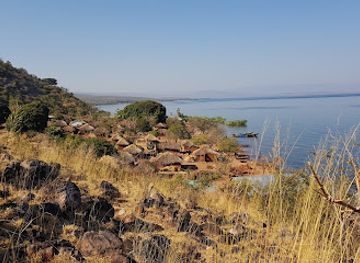
The principal attraction is the lake itself: clear freshwater, wooded bays, open horizons and a shoreline best explored slowly by boat or from a lakeside camp. Around Mpulungu, visitors can observe port activity, fishing boats and the everyday commerce of a town connected to the wider Tanganyika basin. The more remote experience lies in Nsumbu National Park, where protected woodland, beaches, rocky headlands and sheltered inlets create a combined land-and-water wilderness. Guided game viewing may reveal elephants, hippopotamuses, crocodiles, antelope and birds, although sightings depend on season and conditions. Fishing, kayaking, boating, birdwatching and quiet shoreline walks are among the region’s most suitable activities. Facilities are limited and many experiences require advance arrangement, local guides and appropriate transport. The attraction landscape is therefore less about a sequence of formal sights than about immersion in a remote freshwater environment, with the contrast between working Mpulungu and the protected bays of Nsumbu providing the clearest sense of the Zambian lakeshore.
-
 Hotel
HotelKapishya Hot Springs
Explore Kapishya Hot Springs, a serene destination in Zambia, where natural hot springs meet stunning landscapes for ultimate relaxation and adventure.
-
Church
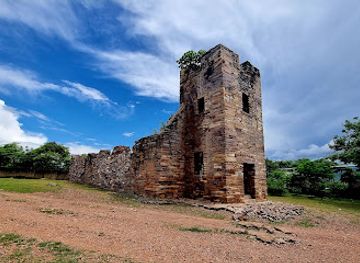
Niamkolo Church
Experience the tranquility and architectural beauty of Niamkolo Church, a historical gem nestled by Lake Tanganyika in Mpulungu, Zambia.
-
Beach
Luke's Beach
Discover the serene beauty of Luke's Beach in Mpulungu, a picturesque destination on Lake Tanganyika, perfect for relaxation and adventure.
-
Tourist attraction
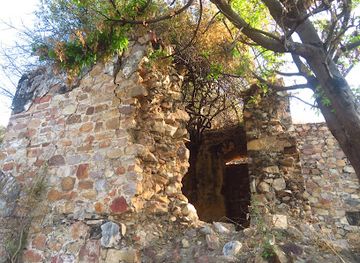
Bismarkburg Fort
Explore Bismarkburg Fort in Kasanga, Tanzania, a historical site offering rich insights into colonial history amid stunning natural beauty.
Best landmarks in Lake Tanganyika
Lake Tanganyika itself is the region’s dominant natural landmark, its vast surface and steep freshwater basin shaping every view along the Zambian shore. Mpulungu harbour is the principal human landmark: boats, landing areas and port activity express the town’s role as a southern gateway to the lake. Within Nsumbu National Park, the shoreline’s bays, wooded headlands, sandy beaches and rocky promontories provide a succession of recognisable natural features rather than monumental architecture. Ndole Bay is especially associated with lakeside tourism and sheltered-water scenery, while the park’s wider coastal edge offers a strong sense of distance and wilderness. The most meaningful landmarks here are therefore geographical and cultural: the meeting of woodland and freshwater, protected shore and working fishery, and inland Zambia with a lake shared by four countries. The international boundaries across Tanganyika are visible in the lake’s history and connections, but neighbouring shores in Tanzania, the Democratic Republic of the Congo and Burundi are separate destinations rather than landmarks within Zambia.
-
Lodge
Kalambo Falls Lodge
Experience the breathtaking beauty and tranquility of Kalambo Falls Lodge along Lake Tanganyika, a perfect escape for nature lovers and adventurers.
Explore Lake Tanganyika on the map
Plan your trip on one map. See where the top cities, national parks and sights are, and book hotels and experiences in a few clicks.
Best hotels in Lake Tanganyika
Best restaurants in Lake Tanganyika
Dining around Lake Tanganyika in Zambia is practical, local and closely connected to the fishing economy. Fresh lake fish is the defining regional ingredient, commonly served simply with staples such as nshima, vegetables or rice; availability and species vary with season, catches and local regulations. In Mpulungu, small eateries and market-based food sellers provide the most direct insight into everyday northern Zambian cooking, while established lodges generally offer planned meals suited to guests staying in remote areas. Expect menus to be less extensive than in Zambia’s major cities, particularly around Nsumbu, where provisions must be transported over long distances. Tea, soft drinks and basic beer are more readily found than specialist beverages. Visitors should carry snacks for journeys and tell accommodation providers about dietary requirements in advance. Sampling local fish is appropriate when it has been legally and responsibly sourced, and travellers should avoid encouraging the purchase of protected wildlife or unsustainably caught species.
-
Hotel
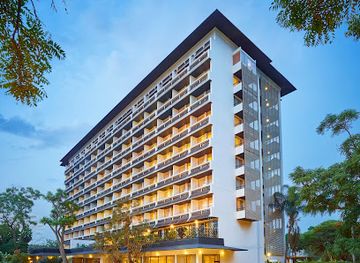
Taj Pamodzi | Lusaka
Discover unparalleled luxury at Taj Pamodzi in Lusaka - where Zambian hospitality meets world-class service.
-
Hotel
Southern Sun Ridgeway
Discover unparalleled comfort at Southern Sun Ridgeway - your gateway to exploring Lusaka's vibrant culture.
-
Restaurant
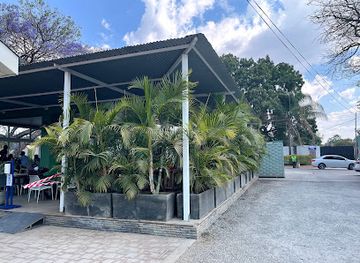
3 Trees Cafe
Discover 3 Trees Cafe: A cozy culinary haven in Lusaka offering fresh local cuisine and inviting ambiance for tourists and locals alike.
-
Resort hotel
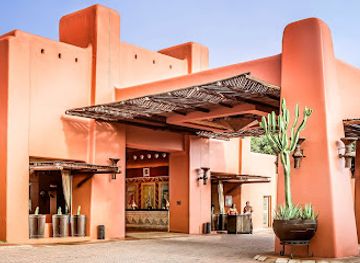
Avani Victoria Falls Resort
Discover luxury and adventure at Avani Victoria Falls Resort - your gateway to Zambia's natural wonders.
Best bars in Lake Tanganyika
Nightlife on Zambia’s Lake Tanganyika shore is low-key and concentrated in Mpulungu, where local bars and informal drinking places serve residents, workers and travellers. In lakeside lodges and camps, evenings usually centre on dinner, conversation, views across the water and occasional drinks rather than clubs or late-night entertainment. Remote accommodation in Nsumbu may offer a small bar, but opening arrangements and supplies can be limited. There is no major, continuous nightclub scene along the Zambian shore, and rural communities should not be treated as entertainment districts. Visitors can experience the evening atmosphere respectfully by following local guidance, keeping noise down near homes and wildlife areas, and arranging transport rather than walking unfamiliar roads after dark. Sunset boating or a quiet lakeside meal is generally more representative of the region’s evening character than a busy night out.
-
Lodge
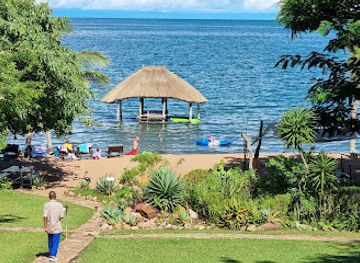
Ndole Bay Lodge - Lake Tanganyika Zambia
Escape to Ndole Bay Lodge: A serene lakeside retreat in Zambia, perfect for relaxation, adventure, and unforgettable memories.
-
Resort hotel
Lake Tanganyika Resort
Experience the serenity of Lake Tanganyika Resort – a perfect blend of relaxation, adventure, and cultural exploration on Zambia’s breathtaking shores.
-
Bar
The Waterfront Bar
Experience the vibrant atmosphere of The Waterfront Bar on Lake Tanganyika, where stunning views and refreshing drinks await every tourist.
-
Lodge
Kalambo Falls Lodge
Discover the beauty of Kalambo Falls and the serenity of Lake Tanganyika at Kalambo Falls Lodge, a perfect retreat for nature lovers.
Best nightclubs in Lake Tanganyika
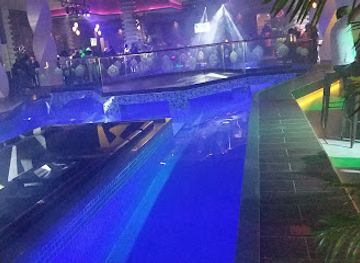
Nightlife on Zambia’s Lake Tanganyika shore is low-key and concentrated in Mpulungu, where local bars and informal drinking places serve residents, workers and travellers. In lakeside lodges and camps, evenings usually centre on dinner, conversation, views across the water and occasional drinks rather than clubs or late-night entertainment. Remote accommodation in Nsumbu may offer a small bar, but opening arrangements and supplies can be limited. There is no major, continuous nightclub scene along the Zambian shore, and rural communities should not be treated as entertainment districts. Visitors can experience the evening atmosphere respectfully by following local guidance, keeping noise down near homes and wildlife areas, and arranging transport rather than walking unfamiliar roads after dark. Sunset boating or a quiet lakeside meal is generally more representative of the region’s evening character than a busy night out.
-
Disco club
East Point
Experience the vibrant nightlife at East Point, Lusaka's premier disco club, where locals and tourists dance to an eclectic mix of music.
-
Bar
The Old Crow Pub
Experience the vibrant culture and lively atmosphere of Lusaka at The Old Crow Pub, where local brews and karaoke unite.
-
Night club
Chez Ntemba
Immerse yourself in the vibrant nightlife of Lusaka at Chez Ntemba, a lively club offering music, dance, and unforgettable experiences.
-
Bar
Lake Gold
Experience the vibrant nightlife of Lusaka at Lake Gold, where locals and travelers gather for delightful drinks and a lively atmosphere.


Best shops in Lake Tanganyika
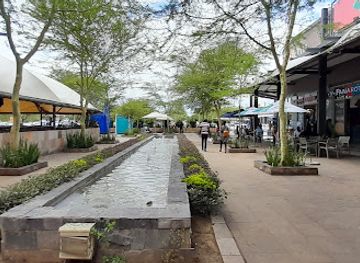
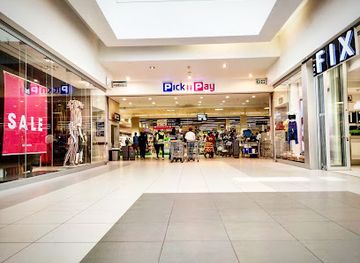
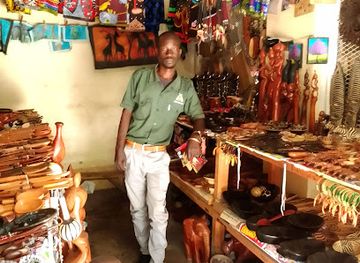
Shopping is limited but useful rather than extensive. Mpulungu is the main place to buy basic provisions, drinks, toiletries and practical travel supplies, while small local markets may offer fresh produce, fish and everyday goods. Away from the port, shops are sparse and lodge supplies should not be relied upon for forgotten essentials. Travellers may find locally made baskets, woven articles or other small craft items, although selection varies and purchases should be made directly from appropriate sellers. Packaged fish and regional produce may be available, but check transport, hygiene and conservation considerations before buying. The most distinctive shopping experience is observing the lake’s working fish economy rather than browsing a formal retail district. Carrying sufficient cash in Zambian kwacha is important, as card payments and reliable cash access cannot be assumed. Avoid buying archaeological objects, protected wildlife products or fish obtained through questionable methods.
-
Shopping mall
EastPark Mall
Experience shopping, dining, and entertainment at EastPark Mall, Lusaka's premier destination for leisure and culture.
-
Shopping mall
Levy Junction Shopping Mall
Experience the vibrant shopping and dining at Levy Junction Shopping Mall in Lusaka, a true reflection of Zambian culture and lifestyle.
-
Tourist attraction
Victoria Falls
Explore the breathtaking beauty of Victoria Falls, a UNESCO World Heritage site and one of the world's largest waterfalls, offering adventure and stunning views.
-
Shopping mall
Arcades Shopping Mall
Explore the vibrant Arcades Shopping Mall in Lusaka, a shopping haven with diverse retail, dining, and entertainment options for every traveler.

Get your free copy of our complete guide to Lake Tanganyika, delivered straight to you.
Everything on this page, from attractions and restaurants to essentials and local phrases, in one PDF you can read offline, print or share.
Already have an account? Sign in
Your Lake Tanganyika guide is ready.
We'll send it to · Not you? Sign out

Getting your guide ready…
We are putting together a fresh copy of the Lake Tanganyika guide. This can take up to a minute.
This can take a few moments. If your browser asks, choose Allow so the download can start. You'll find the guide in your Downloads folder.
Nothing happened? Download it again
Sorry, the guide is taking longer than usual. Please try again in a minute, or get it by email instead.
Lake Tanganyika essentials
Currency and Payment
Safety
Emergency Situations
Do's and Don'ts
Local Tips
From Eve
Local phrases worth knowing
You don't need to get them perfect. A few words go a long way, and locals appreciate the effort.
Basics
| English | Local | Say it |
|---|---|---|
| Hello | Bwakire bwakire | [bwah-kee-reh bwah-kee-reh] |
| Goodbye | Tukawuka | [too-kah-wook-ah] |
| Yes | Ehe | [eh-heh] |
| No | Ayi | [ah-yee] |
| Please/You're welcome | Ndakupemphani | [nda-koo-peh-mpah-nee] |
| Thank you | Zikomo | [zee-koh-mo] |
| Excuse me/Sorry | Ndidzani | [ndee-dzah-nee] |
| How are you? | Muli bwanji? | [moo-lee bwahn-jee] |
| Fine. And you? | Ndili bwino. Iwe uli bwanji? | [ndee-lee bwee-noh. ee-weh oo-lee bwahn-jee] |
| Do you speak English? | Mukuyankhula Chingerezi? | [moo-koo-yahn-khoo-lah cheen-geh-reh-zee] |
| I don't understand | Sindikulewa | [see-ndee-koo-leh-wah] |
Eating & Drinking
| English | Local | Say it |
|---|---|---|
| I'd like to see the menu, please | Ndikufuna kuona menyu, ndapota | [ndee-koo-foo-nah koo-oh-nah men-yoo, nda-poh-tah] |
| I don't eat meat | Sindikudya nyama | [see-ndee-koo-dyah nyah-mah] |
| Cheers! | Mwaiseni! | [mwa-ee-seh-nee] |
| I would like to pay, please | Ndikufuna kulipira, ndapota | [ndee-koo-foo-nah koo-lee-pee-rah, nda-poh-tah] |
Emergencies
| English | Local | Say it |
|---|---|---|
| Help! | Thandizeni! | [than-dee-zeh-nee] |
| Go away! | Chokani! | [cho-kah-nee] |
| Call the Police! | Dialani apolisi! | [dee-ah-lah-nee ah-poh-lee-see] |
| Call a doctor! | Dialani dokotala! | [dee-ah-lah-nee doh-koh-tah-lah] |
| I'm lost | Ndakutaya | [ndah-koo-tah-yah] |
| I'm ill | Ndili pachifuwa | [ndee-lee pah-chee-foo-wah] |
Shopping
| English | Local | Say it |
|---|---|---|
| I'd like to buy... | Ndikufuna kugula... | [ndee-koo-foo-nah koo-goo-lah] |
| I'm just looking | Ndikungowona | [ndee-koon-goh-won-ah] |
| How much is it? | Ndi ndalama zingati? | [ndee n-dah-lah-mah zing-ah-tee] |
| That's too expensive | Izi ndizokwera mtengo | [ee-zee ndee-zoh-kweh-rah m-ten-go] |
| Can you lower the price? | Mukhoza kuchotsa mtengo? | [moo-khoh-zah koo-choh-tsah m-ten-go] |
Time & Numbers
| English | Local | Say it |
|---|---|---|
| What time is it? | Ndi nthawi yanji? | [ndee n-thah-wee yah-njee] |
| It's one o'clock | Ndi saa imwe | [ndee sah ee-mweh] |
| Half past (10) | Ndi hafu ya (10) | [ndee hah-foo yah (10)] |
| Morning | Mawa | [mah-wah] |
| Afternoon | Masana | [mah-sah-nah] |
| Evening | Madzulo | [mah-dzoo-loh] |
| Yesterday | Kale | [kah-leh] |
| Today | Lero | [leh-roh] |
| Tomorrow | Mawa | [mah-wah] |
| 1 | Chimodzi | [chee-moh-dzee] |
| 2 | Ziwiri | [zee-wee-ree] |
| 3 | Zitatu | [zee-tah-too] |
| 4 | Zinayi | [zee-nah-ee] |
| 5 | Zitanu | [zee-tah-noo] |
| 6 | Zitatu | [zee-tah-too] |
| 7 | Zisanu | [zee-sah-noo] |
| 8 | Zasanu | [zah-sah-noo] |
| 9 | Zitatu | [zee-tah-too] |
| 10 | Zikwi | [zee-kwee] |
Transport & Directions
| English | Local | Say it |
|---|---|---|
| Where's a/the...? | Kuli kuti...? | [koo-lee koo-tee] |
| What's the address? | Ndi adiresi yanji? | [ndee ah-dee-reh-see yah-njee] |
| Can you show me (on the map)? | Mukhoza kundionetsa (pa maphunziro)? | [moo-khoh-zah koon-dee-oh-neh-tsah (pah mah-pun-zee-roh)] |
| When's the next (bus)? | Nyi nthawi ya (bus) ikubwera? | [nee-ee n-thah-wee yah (bus) ee-koo-bweh-rah] |
| A ticket (to ....) | Tikiti (ku ....) | [tee-kee-tee (koo ....)] |
History of Lake Tanganyika
Early settlement and the Tanganyika basin
The shores and hinterland of Lake Tanganyika have long been occupied by communities whose lives were shaped by fishing, farming, woodland resources and movement through the lake basin. The archaeological record of the wider region demonstrates very old human activity, although many of the best-known sites lie beyond Zambia’s shoreline. In the Zambian section, the enduring historical theme is the relationship between settlements and the lake: boats, fish markets, seasonal movement and access to freshwater have connected communities across northern Zambia for generations.
Bemba-speaking societies and regional exchange
From the eighteenth and nineteenth centuries, Bemba-speaking political societies became influential across much of northern Zambia, while neighbouring peoples maintained their own identities and local authorities. Trade routes linked the interior with the lakeshore and with wider Central and East African networks. Fish, ivory, foodstuffs and manufactured goods circulated through these routes, although the scale and direction of exchange varied over time. Modern visitors should understand the Zambian lakeshore as a meeting point of inland and lake-based economies rather than as an isolated frontier.
Nineteenth-century lake trade and disruption
During the nineteenth century, long-distance traders connected Lake Tanganyika with the Indian Ocean world through routes running across present-day Tanzania and surrounding territories. Commercial activity included ivory and other goods, but it also became entangled with slave raiding and the forced movement of people, causing profound disruption across the lake basin. The western and eastern shores were particularly important in these networks, while the southern Zambian shoreline formed part of the broader regional system. This history is essential context for the lake’s cross-border cultural connections and later colonial interventions.
Colonial northern Zambia and Mpulungu
The territory that became Zambia was incorporated into British colonial rule as Northern Rhodesia in the early twentieth century. Administrative boundaries and transport routes altered older patterns of movement, while Mpulungu developed as a port serving the southern end of Lake Tanganyika. The port’s importance came from its position at the meeting point of lake transport and inland roads, supporting commerce and the movement of people and supplies. Colonial rule also introduced new systems of taxation, administration and commercial regulation that affected fishing communities and local authorities.
Independence and the modern lakeshore
Zambia became independent in 1964, and the Lake Tanganyika shore subsequently remained a predominantly rural and fisheries-oriented part of Northern Province. Mpulungu continued to function as a transport and trading centre, while fishing became increasingly important to household economies and local markets. Changes in regulations, population pressure, fishing methods and regional trade have shaped the lake’s contemporary challenges. The shoreline’s present character reflects both continuity and adaptation: traditional lake-based livelihoods remain visible alongside conservation, tourism and modern transport interests.
Nsumbu National Park and conservation
Nsumbu National Park was established in 1972 to protect a substantial stretch of Zambian lakeshore and its adjoining wildlife habitat. The park brought the lake’s beaches, bays, woodland and wildlife into a formal conservation framework, while later tourism initiatives created camps and guided activities in selected areas. Conservation remains a practical balancing act involving wildlife protection, responsible fishing, local livelihoods, visitor access and the health of the freshwater ecosystem. The park’s significance lies in its unusual combination of land and lake environments within Zambia’s protected-area network.
Lake Tanganyika in Photos
Browse through our photo collection highlighting the charm and character of the destination.
Neighbouring regions of Lake Tanganyika
The closest regions to Lake Tanganyika, if you have time for more than one.
-

-

-

-

-


Swipe for more regions
Explore more

Explore more of Zambia
Discover Zambia: A Safari Haven with Stunning Waterfalls, Rich Culture, and Unforgettable Wildlife Encounters.
Explore Zambia