

Free Victoria Falls area Travel Guide & Mobile App
Explore Victoria Falls area with free travel guides. Discover regional history, expert tips, proposed trips, and audio guides on web or mobile app.


Victoria Falls in Zambia combines Livingstone’s heritage, Zambezi adventures, wildlife and powerful views of Mosi-oa-Tunya.
Read more about Victoria Falls area
When is the best time to visit Victoria Falls area?
Best: May–July · 25–27°C| Month | High (°C) | Rainfall (mm) |
|---|---|---|
| January | 30 | 130 |
| February | 31 | 110 |
| March | 30 | 70 |
| April | 29 | 20 |
| May (best) | 27 | 1 |
| June (best) | 25 | 0 |
| July (best) | 25 | 0 |
| August | 27 | 2 |
| September | 32 | 10 |
| October | 33 | 30 |
| November | 31 | 60 |
| December | 30 | 90 |
Getting to and around Victoria Falls area
How to get there
Transportation
Best attractions in Victoria Falls area
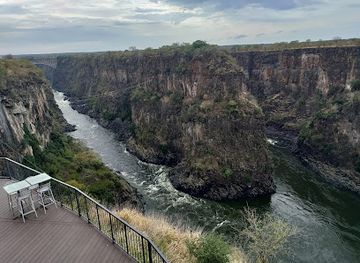
The central attraction is Mosi-oa-Tunya, known internationally as Victoria Falls, where Zambezi water drops into a basalt gorge amid shifting curtains of spray. Zambia’s viewpoints and riverfront lie within or beside Mosi-oa-Tunya National Park, and the experience changes markedly with the seasons: high water creates powerful spray and broad rainbows, while lower levels reveal more rock and individual channels. Livingstone Island, reached by authorised boat excursions when conditions permit, offers a distinctive mid-river perspective. Mosi-oa-Tunya National Park also provides guided wildlife viewing, with elephants, hippopotamuses, buffalo and other species in riverine and woodland habitats. The Livingstone Museum adds archaeological, cultural and historical depth, while the Railway Museum explores the transport infrastructure that helped shape the town. Outdoor operators offer canoeing, boating, fishing, rafting, scenic flights and guided walks, subject to water levels and safety restrictions. Nearby Livingstone’s markets, crafts and historic streets provide a more urban complement to the waterfall and wildlife experiences.
-
Theater company
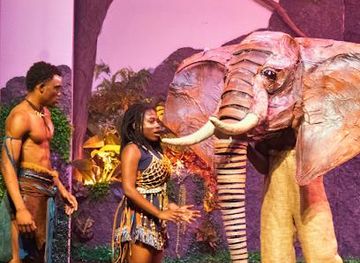
The Victoria Falls Theatre presenting 'Simunye: The Spirit of Africa'
Discover the vibrant culture of Africa at The Victoria Falls Theatre with captivating performances that celebrate the continent's rich heritage.
-
Tourist attraction
Victoria Falls
Experience the breathtaking beauty and thrilling adventures at Victoria Falls, one of the world’s most astounding natural wonders.
-
Museum
Railway Museum
Discover Zambia's rich railway history at the Railway Museum in Livingstone, where vintage locomotives and captivating exhibits await.
-
Tourist attraction
Foofie Slide
Discover the heart-pounding adventure of the Foofie Slide at Victoria Falls, blending thrill with stunning natural beauty in Zimbabwe.


Best landmarks in Victoria Falls area
Mosi-oa-Tunya, the Smoke That Thunders, is the region’s defining natural landmark: its spray columns, basalt precipices and changing seasonal channels dominate the Zambian riverfront. The falls are part of a wider transboundary landscape, but the principal Zambian viewpoints and access areas are associated with Mosi-oa-Tunya National Park. Livingstone Island is another prominent geographical feature in the river, reached only through authorised excursions when conditions allow. In town, the Livingstone Museum is an important cultural landmark for its collections on archaeology, ethnography, history and David Livingstone. The Railway Museum’s locomotives and engineering displays represent the transport history that made Livingstone a regional centre. The Victoria Falls Bridge is visually inseparable from the area, but it crosses the Zambezi at the Zambia-Zimbabwe boundary and should be understood as a cross-border structure, not a landmark situated solely within Zambia. Downstream, the Batoka Gorge gives the river landscape a more rugged and enclosed character.
-
Tourist attraction
Victoria Falls
Experience the breathtaking majesty of Victoria Falls, a UNESCO World Heritage site, and one of the world's largest and most awe-inspiring waterfalls.
-
National park
Victoria Falls National Park
Explore the breathtaking landscapes and diverse wildlife of Victoria Falls National Park, a UNESCO World Heritage site and a must-visit destination in Zimbabwe.
-
National park
Mosi-oa-Tunya National Park
Explore the breathtaking Mosi-oa-Tunya National Park, home to the majestic Victoria Falls and diverse wildlife, perfect for nature lovers and adventure seekers.
-
Resort hotel
Avani Victoria Falls Resort
Discover luxury and adventure at Avani Victoria Falls Resort, your gateway to the breathtaking Victoria Falls and authentic African experiences.


Explore Victoria Falls area on the map
Plan your trip on one map. See where the top cities, national parks and sights are, and book hotels and experiences in a few clicks.
Best hotels in Victoria Falls area
Best restaurants in Victoria Falls area
Dining in the Victoria Falls area ranges from hotel restaurants and polished international venues to cafés, family-run eateries and informal food stalls in Livingstone. Menus commonly draw on Zambian staples such as nshima served with vegetables, beans, fish or meat, alongside regional produce and familiar southern African dishes. Freshwater fish from the Zambezi and nearby waterways may feature, although availability and preparation vary. Visitors can also find game-inspired or contemporary menus in established tourism venues, but should ask about sourcing and preparation rather than assuming every dish is locally produced. Livingstone’s markets and smaller restaurants offer a more everyday setting, while lodges and hotels often provide dining with views or evening entertainment. Local beer, soft drinks and fruit-based refreshments are widely available. Food hygiene standards differ between establishments, so busy venues with good turnover are generally the sensible choice, and bottled or treated water is advisable.
-
Restaurant
The Three Monkeys Restaurant & Bar, Victoria Falls
Discover vibrant dining at The Three Monkeys Restaurant & Bar in Victoria Falls – where local flavors meet a lively atmosphere.
-
Resort hotel
Avani Victoria Falls Resort
Discover luxury and adventure at Avani Victoria Falls Resort – your gateway to Zambia's breathtaking natural wonders.
-
Restaurant
The Lookout Cafe - Wild Horizons
Experience breathtaking views and delightful cuisine at The Lookout Cafe near Victoria Falls – a must-visit destination for all travelers.
-
Dinner theater
The Boma - Dinner & Drum Show
Immerse yourself in African culture at The Boma - Dinner & Drum Show in Victoria Falls, where delicious cuisine meets vibrant entertainment.


Best bars in Victoria Falls area
Evening life is concentrated in Livingstone and in the bars, restaurants and lounges attached to hotels and lodges rather than in a large, defined nightclub district. Traditional bars and contemporary venues serve Zambian beer, spirits, soft drinks and cocktails, while some establishments host live music or informal dancing. Tourism-oriented properties may offer cultural performances, outdoor dinners or riverside drinks, but their programmes and operating arrangements change seasonally. In town, nightlife can be sociable and relaxed, with restaurants and bars providing the main evening focus; smaller venues may close earlier than visitors expect. Use arranged transport or a trusted taxi after dark, especially when staying outside the centre, and do not regard drinking as necessary to experience local culture. Cross-border nightlife in Zimbabwe is a separate proposition and requires immigration planning rather than an assumption that the two towns function as one evening district.
-
Restaurant
The Three Monkeys Restaurant & Bar, Victoria Falls
Experience the flavors of Zimbabwe at The Three Monkeys Restaurant & Bar, a vibrant culinary gem in the heart of Victoria Falls.
-
Resort hotel
Avani Victoria Falls Resort
Discover the perfect blend of luxury and nature at Avani Victoria Falls Resort, just steps away from the iconic Victoria Falls.
-
Restaurant
The Lookout Cafe - Wild Horizons
Experience breathtaking views and delicious cuisine at The Lookout Cafe, your perfect retreat near Victoria Falls.
-
Dinner theater
The Boma - Dinner & Drum Show
Discover the vibrant spirit of Africa at The Boma - Dinner & Drum Show in Victoria Falls, where delicious food meets captivating entertainment.


Best nightclubs in Victoria Falls area
Evening life is concentrated in Livingstone and in the bars, restaurants and lounges attached to hotels and lodges rather than in a large, defined nightclub district. Traditional bars and contemporary venues serve Zambian beer, spirits, soft drinks and cocktails, while some establishments host live music or informal dancing. Tourism-oriented properties may offer cultural performances, outdoor dinners or riverside drinks, but their programmes and operating arrangements change seasonally. In town, nightlife can be sociable and relaxed, with restaurants and bars providing the main evening focus; smaller venues may close earlier than visitors expect. Use arranged transport or a trusted taxi after dark, especially when staying outside the centre, and do not regard drinking as necessary to experience local culture. Cross-border nightlife in Zimbabwe is a separate proposition and requires immigration planning rather than an assumption that the two towns function as one evening district.
-
Restaurant
The Three Monkeys Restaurant & Bar, Victoria Falls
Experience delightful flavors and vibrant atmosphere at The Three Monkeys Restaurant & Bar in Victoria Falls, a culinary gem for travelers.
-
Restaurant
The Lookout Cafe - Wild Horizons
Experience breathtaking views and delightful cuisine at The Lookout Cafe, a premier dining destination overlooking the stunning Batoka Gorge near Victoria Falls.
-
Dinner theater
The Boma - Dinner & Drum Show
Discover the vibrant culture of Zimbabwe at The Boma - Dinner & Drum Show, where delicious cuisine meets captivating entertainment in Victoria Falls.
-
Sports bar
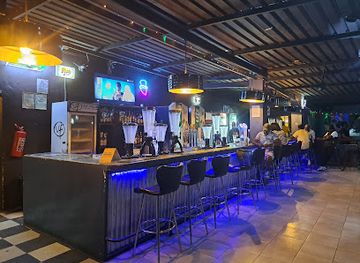
Vix Falls Sports Bar and Restaurant
Experience the vibrant atmosphere of Vix Falls Sports Bar and Restaurant in Livingstone, where local cuisine and adventure blend seamlessly in a breathtaking setting.


Best shops in Victoria Falls area
Shopping in Livingstone combines everyday Zambian retail with tourism-focused crafts and regional produce. The Mukuni Park Curio Market is associated with wood carvings, woven items, paintings, textiles, jewellery and other souvenirs, while independent stalls and shops around town offer additional craft goods. Quality and provenance vary, so examine carvings and fabrics carefully, compare prices politely and check customs rules before buying wildlife products, old-looking artefacts or materials made from protected species. Markets can also be useful for snacks, drinks and locally produced food, although perishable goods require care. Formal shops and hotel boutiques provide a more straightforward setting for gifts, while galleries and craft outlets may offer better information about makers than hurried roadside purchases. Practical souvenirs include baskets, printed textiles, carvings from permitted materials and Zambian food products with clear labelling. Bargaining is common in informal markets but is not appropriate everywhere.
-
Tourist attraction
Victoria Falls
Discover the breathtaking beauty and thrilling adventures at Victoria Falls, one of the Seven Natural Wonders of the World.
-
National park
Victoria Falls National Park
Discover the breathtaking beauty and adventure at Victoria Falls National Park, home to the stunning Victoria Falls and diverse wildlife.
-
Restaurant
The Lookout Cafe - Wild Horizons
Discover the unparalleled beauty and flavors at The Lookout Cafe, overlooking Batoka Gorge near Victoria Falls.
-
Dinner theater
The Boma - Dinner & Drum Show
Immerse yourself in Zimbabwean culture with a lively dinner and drum show at The Boma, a unique dining experience in Victoria Falls.



Get your free copy of our complete guide to Victoria Falls area, delivered straight to you.
Everything on this page, from attractions and restaurants to essentials and local phrases, in one PDF you can read offline, print or share.
Already have an account? Sign in
Your Victoria Falls area guide is ready.
We'll send it to · Not you? Sign out

Getting your guide ready…
We are putting together a fresh copy of the Victoria Falls area guide. This can take up to a minute.
This can take a few moments. If your browser asks, choose Allow so the download can start. You'll find the guide in your Downloads folder.
Nothing happened? Download it again
Sorry, the guide is taking longer than usual. Please try again in a minute, or get it by email instead.
Victoria Falls area essentials
Currency and Payment
Safety
Emergency Situations
Do's and Don'ts
Local Tips
From Eve
Local phrases worth knowing
You don't need to get them perfect. A few words go a long way, and locals appreciate the effort.
Basics
| English | Local | Say it |
|---|---|---|
| Hello | Moni | [Moh-nee] |
| Goodbye | Tsalani bwino | [Tsah-lah-nee bwe-no] |
| Yes | Inde | [In-deh] |
| No | Ayi | [Ah-yee] |
| Please/You're welcome | Chonde | [Chon-deh] |
| Thank you | Zikomo | [Zee-koh-mo] |
| Excuse me/Sorry | Pepani | [Pe-pah-nee] |
| How are you? | Muli bwanji? | [Moo-lee bwan-jee] |
| Fine. And you? | Ndili bwino. Nimwe? | [Ndee-lee bwe-no. Neem-way?] |
| Do you speak English? | Muli ndi chingerezi? | [Moo-lee ndee cheen-geh-reh-zee] |
| I don't understand | Sindikumva | [Seen-dee-kum-vah] |
Eating & Drinking
| English | Local | Say it |
|---|---|---|
| I'd like to see the menu, please | Ningakonda kuona menyu, chonde | [Nin-gah-kon-dah koo-nah men-yoo, chon-deh] |
| I don't eat meat | Sindikudya nyama | [Seen-dee-kood-yah nyah-mah] |
| Cheers! | Nkhani! | [Nkhah-nee] |
| I would like to pay, please | Ningakonda kulipira, chonde | [Nin-gah-kon-dah koo-lee-pee-rah, chon-deh] |
Emergencies
| English | Local | Say it |
|---|---|---|
| Help! | Thandizani! | [Than-dee-zah-nee] |
| Go away! | Choka! | [Cho-kah] |
| Call the Police! | Fufuzani apolisi! | [Foo-foo-zah-nee ah-po-lee-see] |
| Call a doctor! | Fufuzani dokotala! | [Foo-foo-zah-nee doh-koh-tah-lah] |
| I'm lost | Ndakhalira pa mseu | [Nda-khah-lee-rah pah m-seu] |
| I'm ill | Ndili ndi matenda | [Ndee-lee ndee mah-ten-dah] |
Shopping
| English | Local | Say it |
|---|---|---|
| I'd like to buy... | Ningakonda kugula... | [Nin-gah-kon-dah koo-goo-lah] |
| I'm just looking | Ndikungotuluka | [Ndee-kun-go-too-loo-kah] |
| How much is it? | Zingati? | [Zeen-gah-tee] |
| That's too expensive | Izi zikuluzikulu | [Ee-zee zee-koo-loo-zee-koo-loo] |
| Can you lower the price? | Mungathe kutembenuka mtengo? | [Moon-gah-theh koo-tem-beh-nook-ah m-ten-go] |
Time & Numbers
| English | Local | Say it |
|---|---|---|
| What time is it? | Ndi nthawi yanji? | [Ndee n-thah-wee yah-n-jee] |
| It's one o'clock | Ndi saizi imodzi | [Ndee sigh-zee ee-moh-dzee] |
| Half past (10) | Ndi makola awiri | [Ndee mah-koh-lah ah-wee-ree] |
| Morning | Mawa | [Mah-wah] |
| Afternoon | Masana | [Mah-sah-nah] |
| Evening | Madzulo | [Mah-dzoo-loh] |
| Yesterday | Dziwitso | [Dzee-wee-tso] |
| Today | Lero | [Leh-roh] |
| Tomorrow | Mawa | [Mah-wah] |
| 1 | Mmodzi | [Mmo-dzee] |
| 2 | Awiri | [Ah-wee-ree] |
| 3 | Atatu | [Ah-tah-too] |
| 4 | Anayi | [Ah-nah-yee] |
| 5 | Asanu | [Ah-sah-noo] |
| 6 | Asanu ndi imodzi | [Ah-sah-noo ndee ee-moh-dzee] |
| 7 | Chisanu | [Chee-sah-noo] |
| 8 | Chisanu ndi imodzi | [Chee-sah-noo ndee ee-moh-dzee] |
| 9 | Kupha | [Koo-pah] |
| 10 | Kumi | [Koo-mee] |
Transport & Directions
| English | Local | Say it |
|---|---|---|
| Where's a/the...? | Kuli kuti...? | [Koo-lee koo-tee] |
| What's the address? | Ndi adiresi yanji? | [Ndee ah-dee-reh-see yah-n-jee] |
| Can you show me (on the map)? | Mungandionetse (pa chithunzi)? | [Moon-gahn-dee-oh-neh-tseh pah chee-thoon-zee] |
| When's the next (bus)? | Ndi liti boti yotsatira? | [Ndee lee-tee boh-tee yo-tah-ree-ah] |
| A ticket (to ....) | Tikiti (ku ...) | [Tee-kee-tee koo] |
History of Victoria Falls area
Early Zambezi communities and archaeology
The Zambezi corridor around present-day Livingstone has long supported fishing, hunting, trade and settlement. Archaeological evidence in the wider region records successive Stone Age communities and later Iron Age societies, while the river served as both a source of food and a major route through southern Africa. The falls themselves were known through local names and traditions long before European mapping. Mosi-oa-Tunya, commonly translated as the Smoke That Thunders, expresses the waterfall’s visual and acoustic presence and remains the most meaningful local name for the natural feature.
Lozi and Kololo influence
Before colonial rule, the upper Zambezi and surrounding districts were shaped by African political communities, including Lozi authority to the west and the Kololo kingdom during the nineteenth century. The Kololo conquest temporarily extended influence towards the falls before Lozi power was restored. These histories are important because they counter the idea that the region entered history only with European exploration. Livingstone’s later accounts relied on African guides, interpreters and local knowledge, although nineteenth-century European narratives often gave them insufficient recognition.
David Livingstone and European mapping, 1855
Scottish missionary and explorer David Livingstone reached and described the falls in 1855, recording the name Victoria Falls in honour of Queen Victoria. His journey brought the waterfall to wider European attention, but it did not constitute its discovery: local communities had long known the site and its routes. The modern town of Livingstone, formerly known as Maramba and later Old Drift in different phases of its development, preserves this colonial association. The Livingstone Museum interprets the explorer’s career alongside Zambia’s broader archaeological and cultural history.
Colonial administration and the railway
The railway transformed the falls from a remote river crossing into an accessible destination. The line reached Livingstone in the early twentieth century as part of the wider Cape-to-Cairo era of railway expansion, and the town became an administrative and commercial centre in Northern Rhodesia. The railway also supported the movement of goods, officials and tourists, while colonial infrastructure altered established patterns of settlement and regional trade. Livingstone’s older buildings, railway heritage and unusually spacious layout reflect this period without representing the whole of its social history.
The Victoria Falls Bridge and international tourism
Completed in 1905, the Victoria Falls Bridge linked the railway systems on either side of the Zambezi and helped establish the falls as an international tourism destination. The bridge spans the gorge at the boundary between Zambia and Zimbabwe, so it should not be treated as a landmark wholly within Zambia. Its construction accompanied colonial economic ambitions and the growth of hotels, river excursions and organised sightseeing. Today, the bridge is also associated with cross-border views and adventure activities, subject to current regulations and operating conditions.
Independence, conservation and modern Livingstone
Northern Rhodesia became the independent Republic of Zambia in 1964, and Livingstone developed as a major gateway for visits to Victoria Falls and the southern Zambezi. Conservation has increasingly shaped the regional economy through Mosi-oa-Tunya National Park and regulated wildlife and river activities. Tourism remains important, but the area is also a lived urban environment with schools, markets, churches, businesses and transport links. The modern visitor experience therefore combines a globally recognised natural site with Zambia’s post-independence national identity and the everyday life of Livingstone.
Victoria Falls area in Photos
Browse through our photo collection highlighting the charm and character of the destination.
Neighbouring regions of Victoria Falls area
The closest regions to Victoria Falls area, if you have time for more than one.
-

-

-

-

-


Swipe for more regions
Explore more

Explore more of Zambia
Discover Zambia: A Safari Haven with Stunning Waterfalls, Rich Culture, and Unforgettable Wildlife Encounters.
Explore Zambia