

Bulawayo, Zimbabwe Travel Guide
Discover the cultural heart of Zimbabwe in Bulawayo - a city rich in history, art, and natural beauty, perfectly blending the old with the new.
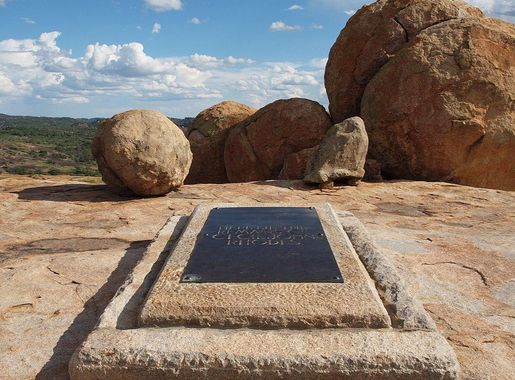
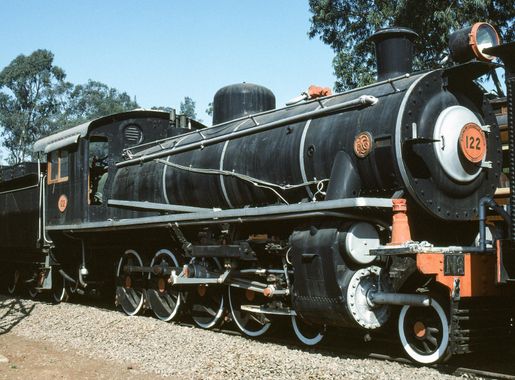
Bulawayo, known as the City of Kings and Queens, is a cultural and historical gem in Zimbabwe. As the second-largest city in the country, it boasts a rich heritage that dates back to the Ndebele kingdom. The city is filled with colonial-era architecture, wide tree-lined streets, and vibrant marketplaces. Visitors can explore the National Gallery of Zimbabwe in Bulawayo, which showcases local art and culture. Don't miss the Railway Museum, which offers a fascinating glimpse into the history of the country's railways. Just outside Bulawayo lies the Matobo National Park, a UNESCO World Heritage site. The park is renowned for its unique rock formations and ancient San rock paintings. It is also home to a variety of wildlife, including the endangered black and white rhinoceros. Matobo Hills offers breathtaking views and is a great spot for hiking and bird watching. Another must-see is the Khami Ruins, an ancient city that dates back to the Great Zimbabwe period. This archaeological site provides insight into the region's historical significance and architectural prowess. Bulawayo is also a gateway to other attractions in Zimbabwe, such as Victoria Falls and Hwange National Park. The city's friendly locals, delicious cuisine, and bustling markets make it a delightful destination. Whether you're a history buff, nature enthusiast, or just looking to experience Zimbabwean culture, Bulawayo has something for everyone.

Know before you go
Hi, I'm Eve. Here are a few practical things to know before exploring Bulawayo.
- Visit the Railway Museum early in the day to avoid crowds.
- Hire a local guide when exploring Matobo National Park for the best experience.
- Try local dishes like sadza and mapopo candy at the city's markets.
- Carry cash, as some smaller vendors and markets may not accept cards.
- Wear comfortable walking shoes when exploring the city's historical sites.
Destinations in Bulawayo
Resorts, valleys and scenic spots worth a trip of their own.

Explore Bulawayo: Things to Do, Places to Eat, Hotels & More
Handpicked recommendations for top attractions, local dining, accommodations, and more

Top Attractions & Sightseeing in Bulawayo
Top-rated picks
Best Attractions

Zimbabwe International Trade Fair.
Experience the essence of Zimbabwe at the Zimbabwe International Trade Fair – a celebration of innovation, culture, and commerce in Bulawayo.
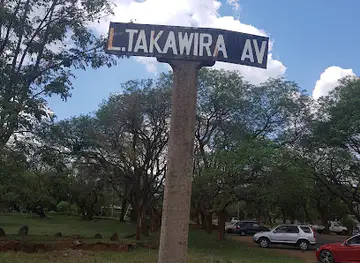
Centenary Park
Explore the beauty of Centenary Park in Bulawayo, where nature meets recreation in a tranquil urban oasis.

Unity Village
Explore Unity Village, Bulawayo's lively flea market, where local crafts, delicious street food, and vibrant culture await every traveler.

Matobo National Park
Explore Matobo National Park, a UNESCO World Heritage site known for its breathtaking landscapes, diverse wildlife, and rich cultural heritage.

Best landmarks in Bulawayo
Top-rated picks
Best Landmarks

Cresta Churchill
Experience the warm hospitality and comfort of Cresta Churchill, your home away from home in the heart of Bulawayo, Zimbabwe.
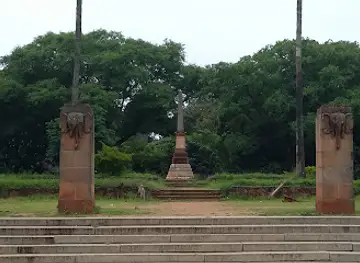
Centenary Park
Discover the beauty and tranquility of Centenary Park in Bulawayo, a perfect retreat for nature lovers and families seeking relaxation.

Matobo National Park
Explore Matobo National Park: A UNESCO World Heritage site boasting stunning landscapes, rich wildlife, and ancient cultural heritage in Zimbabwe.

Hillside Dams Conservancy Office
Discover the breathtaking landscapes and diverse wildlife at Hillside Dams Conservancy in Bulawayo, a premier destination for hiking and outdoor adventures.

Best restaurants in Bulawayo
Top-rated picks
Best Restaurants

Haefelis Bulawayo
Experience the sweet side of Bulawayo at Haefelis - where delicious pastries meet exceptional coffee in an inviting atmosphere.

Nando's Jason Moyo
Experience authentic South African flavors at Nando's Jason Moyo – where every meal is a celebration of taste!
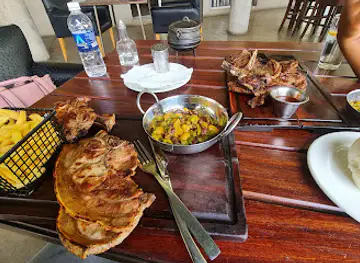
The Smokehouse Bulawayo
Discover Bulawayo's culinary treasure at The Smokehouse – where delicious grilled flavors meet warm hospitality.

Steers
Discover delicious hamburgers at Steers in Bulawayo – where fast food meets flavor in a vibrant atmosphere.

Best bars in Bulawayo
Top-rated picks
Best Bars
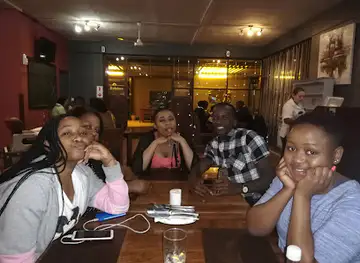
Roosters Pub & Grill.
Discover the vibrant flavors of Bulawayo at Roosters Pub & Grill, where delicious meals and a lively atmosphere await.

Cubana Bulawayo
Experience the vibrant flavors and lively atmosphere at Cubana Bulawayo, a top grill and bar destination in Zimbabwe.

The Boundary
Experience the vibrant nightlife at The Boundary, a local pub in Bulawayo offering refreshing drinks and live music.

East 68 Braai Place
Experience authentic Zimbabwean braai and vibrant nightlife at East 68 Braai Place, the perfect social hub in Bulawayo.

Best nightclubs in Bulawayo
Top-rated picks
Best Nightclubs

The Boundary
Experience the vibrant nightlife of Bulawayo at The Boundary, a lively pub perfect for enjoying local brews and sports culture.

BAC LEISURE BULAWAYO
Experience the vibrant nightlife at BAC Leisure Bulawayo, the ultimate bar and disco club for unforgettable memories in Zimbabwe.

ZARAH LOUNGE
Experience the vibrant nightlife of Bulawayo at Zarah Lounge, a premier bar offering exquisite drinks and a lively atmosphere.

Cosmopolitan Night Club Bulawayo
Discover the vibrant nightlife at Cosmopolitan Night Club Bulawayo, where great music and delicious drinks create unforgettable evenings in the heart of Zimbabwe.

Best shops in Bulawayo
Top-rated picks
Best Shops

Bulawayo Centre
Discover shopping, dining, and entertainment at Bulawayo Centre, the vibrant heart of Bulawayo, Zimbabwe.

Haefelis Bulawayo
Experience the sweet flavors of Bulawayo at Haefelis, your go-to spot for delightful pastries and hearty breakfasts.

Haddon and Sly Departmental Store
Explore Haddon and Sly Departmental Store in Bulawayo for a unique shopping experience blending local culture and diverse products.

National Gallery in Bulawayo
Discover the heart of Zimbabwean art at the National Gallery in Bulawayo, showcasing contemporary and traditional masterpieces.

Explore Bulawayo on the Map
A handpicked selection of must-see spots in Bulawayo, mapped for you.
Bulawayo Essentials
-
Bulawayo is accessible through Joshua Mqabuko Nkomo International Airport, located about 25 km from the city center. The airport handles both domestic and limited international flights. Alternatively, travelers can arrive via Harare and take a domestic flight or a long-distance bus to Bulawayo. Road travel from Harare to Bulawayo is approximately 439 km and takes around 6 hours by car or bus.
-
Bulawayo offers various transportation options including taxis, minibuses (combis), and car rentals. Taxis are widely available and can be hailed on the street or booked via phone. Minibuses provide a more affordable option but can be crowded. For greater convenience and flexibility, renting a car is also an option, although it is advisable to be aware of local driving conditions and traffic laws.
-
The official currency in Zimbabwe is the Zimbabwean Dollar (ZWL). However, the US Dollar is also widely accepted. Credit and debit cards are commonly used in major hotels, restaurants, and supermarkets, but it is advisable to carry cash for smaller establishments and markets. ATMs are available throughout Bulawayo, but they may have withdrawal limits and sometimes run out of cash, so plan accordingly.
-
Bulawayo is generally safe for tourists, but like any urban area, it is wise to take precautions. Avoid walking alone at night, especially in poorly lit areas. Be cautious in the high-density suburbs such as Makokoba and Mzilikazi, where petty crimes like pickpocketing can occur. Always keep an eye on your belongings in crowded places and avoid displaying valuables openly.
-
In case of emergency, dial 999 for police, fire, or medical assistance. Bulawayo has several hospitals and clinics that can provide medical care. It is advisable to have travel insurance that covers medical emergencies. For minor health issues, pharmacies are available throughout the city. The main police station is located in the city center, and most hotels provide emergency contact information.
-
Fashion: Do dress conservatively, especially when visiting religious or traditional sites. Avoid overly revealing clothing. Religion: Do respect local customs and traditions. When visiting churches or mosques, dress modestly and remove your shoes if required. Public Transport: Do be polite and courteous on public transport. Don’t argue with the driver or other passengers. Greetings: Do greet people with a handshake and a smile. A respectful greeting in the local language, 'Ndebele', is appreciated. Eating & Drinking: Do try local dishes and beverages. Don’t refuse food or drink offers, as it can be seen as impolite.
-
To experience Bulawayo like a local, visit the local markets such as Renkini and Makokoba Market, where you can buy fresh produce and traditional crafts. Engage with the locals, who are often friendly and eager to share their culture and history. Don’t miss out on visiting the National Art Gallery or taking a stroll through Centenary Park. For a unique experience, explore the Matobo National Park, which is just a short drive from the city.
When is the best time to visit Bulawayo?
Useful Local Phrases for Bulawayo
You don't need to speak the language perfectly. Even learning a few simple words can make conversations warmer—and locals usually appreciate the effort.
— Eve

Here are the phrases I use most often in Bulawayo. Try a few—you'll be surprised how far they go! 😊
❤️
-
- HelloSalibonani
[sah-lee-boh-nah-nee] - GoodbyeHamba kahle
[ham-bah kah-leh] - YesYebo
[yeh-boh] - NoHayibo
[ha-yee-boh] - Please/You’re welcomeNgiyacela/Unwelcome
[ngee-yah-cheh-lah/oo-nwehl-kah-meh] - Thank youNgiyabonga
[ngee-yah-bon-gah] - Excuse me/SorryUxolo
[oo-ksoh-loh] - How are you?Unjani?
[oon-jah-nee] - Fine. And you?Ngikhona. Wena unjani?
[ngee-kho-nah. weh-nah oon-jah-nee?] - Do you speak English?Ukhuluma isiNgisi?
[oo-khoo-loo-mah ee-sin-ghee-see?] - I don't understandAngiqondi
[ahn-gee-kohn-dee]
- HelloSalibonani
-
- I’d like to see the menu, pleaseNgifuna ukubona imenyu, ngiyacela
[ngee-foo-nah oo-koo-boh-nah ee-men-yoo, ngee-yah-cheh-lah] - I don't eat meatAngidli inyama
[ahn-gee-dlee ee-nyah-mah] - Cheers!Phakamisani!
[pah-kah-mee-sah-nee] - I would like to pay, pleaseNgifuna ukukhokha, ngiyacela
[ngee-foo-nah oo-koo-koh-khah, ngee-yah-cheh-lah]
- I’d like to see the menu, pleaseNgifuna ukubona imenyu, ngiyacela
-
- Help!Usizo!
[oo-see-zoh] - Go away!Hamba!
[ham-bah] - Call the Police!Biza amaphoyisa!
[bee-zah ah-mah-poh-yee-sah] - Call a doctor!Biza udokotela!
[bee-zah oo-doh-koh-teh-lah] - I’m lostNgilahlekile
[ngee-lah-leh-kee-leh] - I’m illNgiyagula
[ngee-yah-goo-lah]
- Help!Usizo!
-
- I’d like to buy...Ngifuna ukuthenga...
[ngee-foo-nah oo-koo-theng-ah] - I’m just lookingNgibuka nje
[ngee-boo-kah njay] - How much is it?Kubiza malini?
[koo-bee-zah mah-lee-nee?] - That’s too expensiveLokhu kubiza kakhulu
[loh-khoo koo-bee-zah kah-khoo-loo] - Can you lower the price?Unganciphisa intengo?
[oon-gahn-chee-pee-sah in-ten-go?]
- I’d like to buy...Ngifuna ukuthenga...
-
- What time is it?Kuyini isikhathi?
[koo-yee-nee ee-see-khah-teh?] - It’s one o'clockIyiwonga
[ee-yee-won-gah] - Half past (10)Haf past (10)
[haf pah-st] - MorningEkuseni
[eh-koo-seh-nee] - AfternoonMhla
[mh-lah] - EveningUbusuku
[oo-boo-soo-koo] - YesterdayIzolo
[ee-zoh-loh] - TodayNamuhla
[nah-moo-hlah] - TomorrowMangwana
[mahn-gwah-nah] - 11
[1] - 22
[2] - 33
[3] - 44
[4] - 55
[5] - 66
[6] - 77
[7] - 88
[8] - 99
[9] - 1010
[10]
- What time is it?Kuyini isikhathi?
-
- Where's a/the...?Kuphi...?
[koo-pee...?] - What's the address?Yini ikheli?
[yee-nee ee-kheh-lee?] - Can you show me (on the map)?Ungangikhombisa (kwemap)?
[oon-gahn-gee-kohm-bee-sah (kweh-mahp)?] - When's the next (bus)?Nini elandelayo (ibus)?
[nee-nee eh-lah-ndeh-lah-yo (ee-boos)?] - A ticket (to ....)Ithikithi (ku....)
[ee-thee-kee-thee (koo....)]
- Where's a/the...?Kuphi...?
History of Bulawayo
-
Bulawayo, often referred to as the 'City of Kings,' was founded in the 1840s by King Lobengula, the second and last king of the Ndebele people. The name 'Bulawayo' means 'the place of slaughter,' a reference to the many battles that took place in the area during its early history. The city became the capital of the Ndebele Kingdom and a major center of power in the region.
-
In the late 19th century, the British South Africa Company, led by Cecil Rhodes, sought to colonize the area. This led to the First Matabele War in 1893, during which the Ndebele were defeated. Bulawayo was subsequently captured by the British and became a key administrative center in the newly established colony of Southern Rhodesia.
-
Bulawayo's strategic location made it a crucial hub for the railway network expanding across Southern Africa in the early 20th century. The arrival of the railway in 1897 transformed the city into an industrial powerhouse, attracting immigrants and investments. Its infrastructure and economy grew rapidly, with significant developments in manufacturing, mining, and trade.
-
Bulawayo played a pivotal role in Zimbabwe's liberation struggle against colonial rule. The city was a hotbed of nationalist activity, with many key figures in the liberation movement operating from there. After years of conflict, Zimbabwe gained independence in 1980. Bulawayo, as the second-largest city, continued to be a significant political and cultural center in the newly independent nation.
-
Bulawayo is renowned for its rich cultural heritage and vibrant arts scene. The city is home to numerous historical sites, museums, and galleries, including the Natural History Museum of Zimbabwe, which houses extensive collections of African artifacts and exhibits. The annual Bulawayo Arts Festival and other cultural events celebrate the city's diverse artistic traditions, from music and dance to theater and visual arts.
-
Today, Bulawayo is a bustling urban center with a blend of modernity and tradition. Its wide, tree-lined streets and colonial-era architecture coexist with contemporary developments. The city's multicultural population contributes to a dynamic cultural milieu, making Bulawayo a fascinating destination for travelers interested in exploring Zimbabwe's past and present.
Neighbouring Regions of Bulawayo
The closest regions to Bulawayo, if you have time for more than one.



Your all‑in‑one travel companion app
Explore expert travel guides, compare and book tours, experiences, hotels, and more—all from the palm of your hand. Download now for seamless trip planning wherever your wanderlust takes you.


Explore More of Zimbabwe

Looking beyond Bulawayo? Discover Zimbabwe for broader travel guides, local hot-spots, and regional highlights.
Explore ZimbabweBulawayo in Photos
Browse through our photo collection highlighting the charm and character of the destination.






Bulawayo: The City of Kings and Queens
Bulawayo, known as the City of Kings and Queens, is a cultural and historical gem in Zimbabwe. As the second-largest city in the country, it boasts a rich heritage that dates back to the Ndebele kingdom. The city is filled with colonial-era architecture, wide tree-lined streets, and vibrant marketplaces. Visitors can explore the National Gallery of Zimbabwe in Bulawayo, which showcases local art and culture. Don't miss the Railway Museum, which offers a fascinating glimpse into the history of the country's railways. Just outside Bulawayo lies the Matobo National Park, a UNESCO World Heritage site. The park is renowned for its unique rock formations and ancient San rock paintings. It is also home to a variety of wildlife, including the endangered black and white rhinoceros. Matobo Hills offers breathtaking views and is a great spot for hiking and bird watching. Another must-see is the Khami Ruins, an ancient city that dates back to the Great Zimbabwe period. This archaeological site provides insight into the region's historical significance and architectural prowess. Bulawayo is also a gateway to other attractions in Zimbabwe, such as Victoria Falls and Hwange National Park. The city's friendly locals, delicious cuisine, and bustling markets make it a delightful destination. Whether you're a history buff, nature enthusiast, or just looking to experience Zimbabwean culture, Bulawayo has something for everyone.