

Free Matabeleland South Travel Guide & Mobile App
Explore Matabeleland South with free travel guides. Discover regional history, expert tips, proposed trips, and audio guides on web or mobile app.


Explore Matabeleland South for granite hills, San rock art, Ndebele heritage, wildlife and Zimbabwe's southern frontier landscapes.
Read more about Matabeleland South
When is the best time to visit Matabeleland South?
Best: April, August–September · 22–25°C| Month | High (°C) | Rainfall (mm) |
|---|---|---|
| January | 28 | 80 |
| February | 28 | 70 |
| March | 27 | 60 |
| April (best) | 25 | 30 |
| May | 22 | 20 |
| June | 19 | 10 |
| July | 19 | 10 |
| August (best) | 22 | 10 |
| September (best) | 25 | 20 |
| October | 28 | 30 |
| November | 28 | 50 |
| December | 28 | 70 |
Getting to and around Matabeleland South
How to get there
Transportation
Top city travel guides in Matabeleland South
The cities of Matabeleland South, and the easiest places to base yourself.
-

-


Swipe for more cities
Destinations in Matabeleland South
Resorts, valleys and scenic spots worth a trip of their own.
-

-


Swipe for more destinations
Best attractions in Matabeleland South
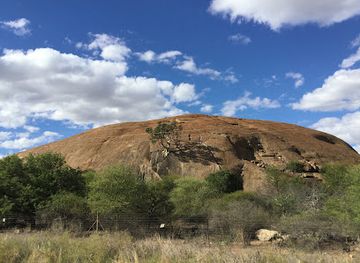
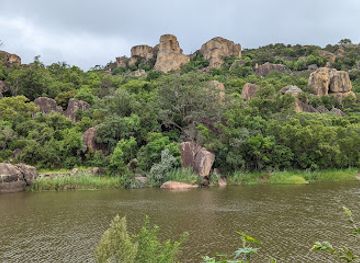
Matabeleland South's attractions are centred on landscape, heritage and open-country travel rather than a dense concentration of urban sights. Matobo National Park is the principal destination, combining granite kopjes, bushveld, wildlife, hiking, birdwatching and some of Zimbabwe's finest concentrations of San rock art. Guided visits to rock shelters such as Nswatugi Cave can reveal paintings and archaeological evidence that are best understood through their cultural setting. The park also includes viewpoints, dams and sites associated with the complex history of the Matobo Hills. Outside the park, Gwanda offers a look at the province's gold-mining and administrative life, while Beitbridge and Plumtree provide contrasting views of busy cross-border commerce and transport. Rural routes reveal cattle country, seasonal waterways, village landscapes and small-scale agriculture, but services are widely spaced. Visitors should distinguish Matobo from Great Zimbabwe, which is in neighbouring Masvingo Province, and from Bulawayo, which lies outside Matabeleland South and is commonly used as a gateway.
-
National park
Matobo National Park
Explore Matobo National Park, a UNESCO World Heritage Site in Zimbabwe, renowned for its stunning landscapes, rich biodiversity, and ancient rock art.
-
Wildlife refuge
Chipangali Wildlife Orphanage
Experience wildlife conservation like never before at Chipangali Wildlife Orphanage in Zimbabwe, home to rescued lions, hyenas, and exotic birds.
-
Wildlife and safari park
Jabulani Safaris
Discover the magic of Zimbabwe's wildlife at Jabulani Safaris, where breathtaking landscapes meet extraordinary animal encounters.
-
Reservoir
Maleme Dam
Experience the tranquil beauty of Maleme Dam, a perfect retreat for outdoor adventures and wildlife encounters in Zimbabwe.
Best landmarks in Matabeleland South
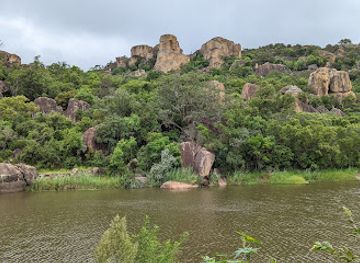
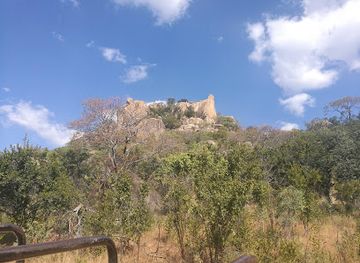
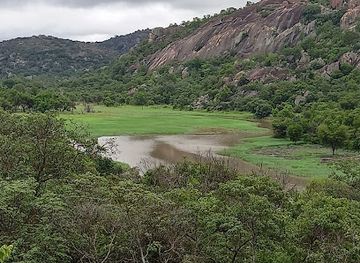
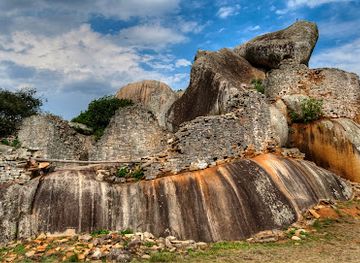
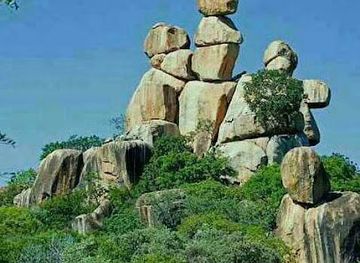
The granite formations of the Matobo Hills are Matabeleland South's most recognisable natural landmarks. Rounded kopjes, narrow clefts and balancing boulders create a sculptural landscape visible across Matobo National Park and carry both geological and cultural significance. World's View, the hilltop site associated with Cecil Rhodes's grave, is a prominent colonial-era landmark, but it stands within a much older sacred and archaeological landscape that includes rock shelters and San paintings. Nswatugi Cave is notable for its well-preserved prehistoric art and the evidence of long human occupation in the hills. Maleme Dam provides a contrasting water landscape among the granite outcrops. In the south, the Limpopo frontier and the Beitbridge crossing symbolise the province's modern role as a link between Zimbabwe and South Africa, while Gwanda's gold-mining identity reflects the economic history of the interior. These places are distinct from Khami Ruins and Bulawayo's historic buildings, which lie outside the province.
-
National park
Maremani Nature Reserve
Discover the breathtaking landscapes and rich wildlife of Maremani Nature Reserve, a hidden gem in Zimbabwe's national parks.
-
Monument
Great Zimbabwe National Monument
Experience the grandeur of Great Zimbabwe National Monument, a UNESCO World Heritage site steeped in history and architectural marvel.
-
National park
Hwange National Park
Explore the incredible wildlife and stunning landscapes of Hwange National Park, a premier destination for adventure and nature lovers in Zimbabwe.
-
National park
Matobo National Park
Explore the breathtaking landscapes, ancient rock art, and diverse wildlife of Matobo National Park, a UNESCO World Heritage site in Zimbabwe.
Explore Matabeleland South on the map
Plan your trip on one map. See where the top cities, national parks and sights are, and book hotels and experiences in a few clicks.
Best hotels in Matabeleland South
Best restaurants in Matabeleland South
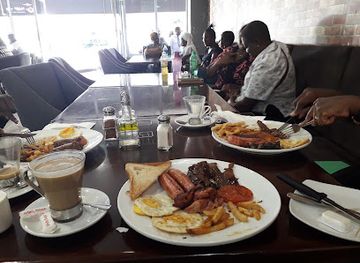
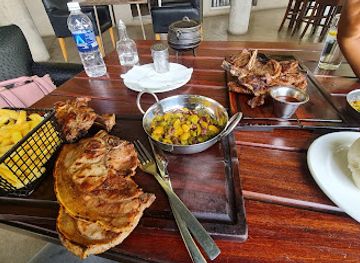
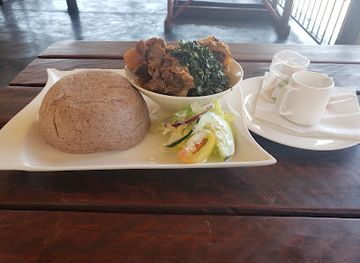
Dining in Matabeleland South is shaped by household cooking, informal eateries, hotel restaurants, rural lodges and the practical food culture of transport towns. Sadza, made from maize or sometimes sorghum, is commonly served with meat, leafy vegetables, beans or richly seasoned stews. Beef and goat are important in many local food settings, while grilled meat and simple chicken dishes are familiar along major roads. Amacimbi, or mopane caterpillars, are a seasonal delicacy in parts of southern Zimbabwe and may be available when locally sourced, although they are not found on every menu. Gwanda, Beitbridge and Plumtree offer the broadest choice of cafés and casual restaurants, while lodges around Matobo often provide pre-arranged meals suited to guests on excursions. Markets and small food stalls can be useful for fruit, bread and snacks, but visitors should choose busy, hygienic vendors and carry water on longer journeys.
-
Confectionery store
Haefelis Bulawayo
Experience the sweetness of life at Haefelis Bulawayo with delectable pastries and aromatic coffee in the heart of Zimbabwe.
-
Restaurant
The Smokehouse Bulawayo
Experience exquisite barbecue and grill dishes at The Smokehouse Bulawayo – where flavor meets hospitality in the heart of Zimbabwe.
-
Restaurant
Roosters Pub & Grill.
Experience the vibrant flavors of Bulawayo at Roosters Pub & Grill—your go-to destination for mouthwatering chicken and refreshing drinks.
-
Restaurant
Carne Casa
Discover authentic Brazilian cuisine at Carne Casa in Bulawayo - a must-visit restaurant for steak lovers and breakfast enthusiasts alike.
Best bars in Matabeleland South
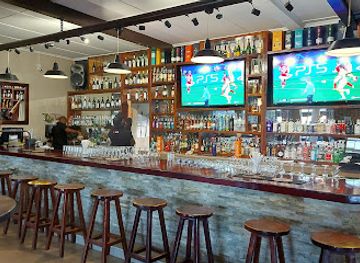
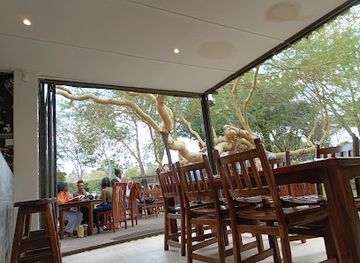
Evening life in Matabeleland South is generally modest and local rather than centred on a large club circuit. In Gwanda, Beitbridge and Plumtree, hotel bars, neighbourhood pubs, restaurants and informal social venues provide the main options, with music and conversation often more important than late-night dancing. Border and mining towns can have a busier evening rhythm than rural districts, although individual venues and opening arrangements change. Around Matobo, lodge bars and quiet outdoor settings are more typical than nightclubs, and wildlife-safety rules mean that walking after dark requires care. Local beer, soft drinks and a range of commercially produced beverages are widely available; visitors should not assume that drinking is necessary to participate in evening culture. Ask accommodation staff about current venues and use trusted transport after dark.
-
Restaurant
The Smokehouse Bulawayo
Experience the best of Zimbabwean cuisine at The Smokehouse Bulawayo, where flavorful grilled dishes meet a lively atmosphere.
-
Bar
Roosters Pub & Grill.
Discover the vibrant taste of Bulawayo at Roosters Pub & Grill, where delectable chicken dishes and a lively atmosphere await.
-
Pub
The Boundary
Discover local flavors and a vibrant atmosphere at The Boundary, Bulawayo's premier pub for food, drinks, and entertainment.
-
Grill
Stop over Bar and Restaurant
Experience the vibrant flavors and friendly atmosphere at Stop Over Bar and Restaurant in Bulawayo, a perfect stop for tourists seeking local culinary delights.

Best nightclubs in Matabeleland South
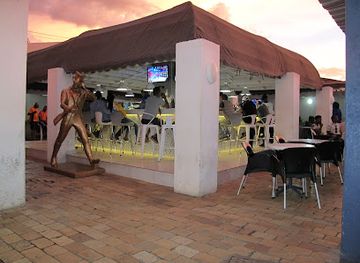
Evening life in Matabeleland South is generally modest and local rather than centred on a large club circuit. In Gwanda, Beitbridge and Plumtree, hotel bars, neighbourhood pubs, restaurants and informal social venues provide the main options, with music and conversation often more important than late-night dancing. Border and mining towns can have a busier evening rhythm than rural districts, although individual venues and opening arrangements change. Around Matobo, lodge bars and quiet outdoor settings are more typical than nightclubs, and wildlife-safety rules mean that walking after dark requires care. Local beer, soft drinks and a range of commercially produced beverages are widely available; visitors should not assume that drinking is necessary to participate in evening culture. Ask accommodation staff about current venues and use trusted transport after dark.
-
Bar
BAC LEISURE BULAWAYO
Dive into the heart of Bulawayo's nightlife at BAC Leisure, where the bar meets the disco for an unforgettable experience.
-
Bar
ZARAH LOUNGE
Experience the vibrant nightlife of Bulawayo at Zarah Lounge, where great drinks and entertainment meet in a lively atmosphere.
-
Bar
Cosmopolitan Night Club Bulawayo
Discover the lively nightlife of Bulawayo at Cosmopolitan Night Club, where vibrant music and a welcoming atmosphere await every visitor.
-
Bar
Club 263
Discover the heart of Bulawayo's nightlife at Club 263 – a vibrant bar offering lively music, refreshing drinks, and an unforgettable social experience.


Best shops in Matabeleland South
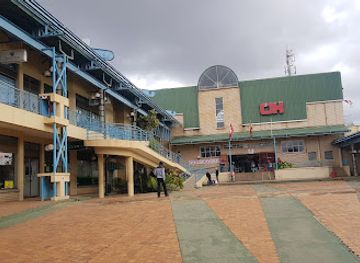
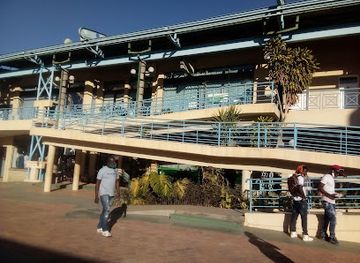
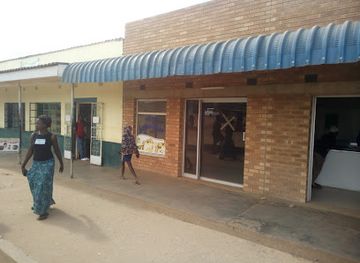
Shopping in Matabeleland South is practical and locally focused. Gwanda, Beitbridge and Plumtree have the widest selection of general shops, supermarkets, markets and small independent businesses, while roadside trading is particularly visible along major transport routes. Visitors may find woven goods, wooden carvings, beadwork, textiles and other crafts, but quality and provenance vary, so buying directly from recognised makers or community outlets is preferable. Regional food products such as dried foods, ground grains and seasonal produce can appear in markets, subject to transport and availability. Beitbridge's commercial life is strongly influenced by cross-border trade, whereas Gwanda combines everyday retail with mining-town services and Plumtree has a frontier-market character. Around Matobo, crafts and locally made souvenirs are more appropriate purchases than collecting stones, archaeological objects, plants or rock-art fragments, all of which should remain in the landscape.
-
Shopping mall
NSSA Gwanda Shopping Mall.
Discover NSSA Gwanda Shopping Mall, where shopping meets local culture in the heart of Gwanda, Zimbabwe.
-
Shopping mall
Hillside Shopping Centre
Discover the vibrant shopping and dining experience at Hillside Shopping Centre in Bulawayo, where local culture meets modern convenience.
-
Supermarket
OK Stores
Explore Gwanda's vibrant local culture at OK Stores, your trusted supermarket for groceries and essentials.
-
Shopping mall
Phakama Shopping centre
Explore Phakama Shopping Centre in Gwanda for a vibrant shopping experience with local flavors and unique finds.

Get your free copy of our complete guide to Matabeleland South, delivered straight to you.
Everything on this page, from attractions and restaurants to essentials and local phrases, in one PDF you can read offline, print or share.
Already have an account? Sign in
Your Matabeleland South guide is ready.
We'll send it to · Not you? Sign out

Getting your guide ready…
We are putting together a fresh copy of the Matabeleland South guide. This can take up to a minute.
This can take a few moments. If your browser asks, choose Allow so the download can start. You'll find the guide in your Downloads folder.
Nothing happened? Download it again
Sorry, the guide is taking longer than usual. Please try again in a minute, or get it by email instead.
Matabeleland South essentials
Currency and Payment
Safety
Emergency Situations
Do's and Don'ts
Local Tips
From Eve
Local phrases worth knowing
You don't need to get them perfect. A few words go a long way, and locals appreciate the effort.
Basics
| English | Local | Say it |
|---|---|---|
| Hello | Salibonani | [sah-lee-boh-nah-nee] |
| Goodbye | Hamba kahle | [hahm-bah kah-leh] |
| Yes | Yebo | [yeh-boh] |
| No | Hayibo | [hai-boh] |
| Please/You're welcome | Ngiyacela | [ngee-yah-cheh-lah] |
| Thank you | Ngiyabonga | [ngee-yah-bong-ah] |
| Excuse me/Sorry | Uxolo | [oo-ksoh-loh] |
| How are you? | Unjani? | [oon-jah-nee] |
| Fine. And you? | Ngihleli kahle. Wena unjani? | [ngee-hleh-lee kah-leh. weh-nah oon-jah-nee] |
| Do you speak English? | Ukhuluma isiNgisi? | [oo-khoo-loo-mah ee-see-ng-ee-see] |
| I don't understand | Angiqondi | [ahn-gee-kohn-dee] |
Eating & Drinking
| English | Local | Say it |
|---|---|---|
| I'd like to see the menu, please | Ngicela ukubona imenyu | [ngee-cheh-lah oo-koo-boh-nah ee-meh-nyoo] |
| I don't eat meat | Angidli inyama | [ahn-gee-dlee een-yah-mah] |
| Cheers! | Phakade! | [pah-kah-deh] |
| I would like to pay, please | Ngicela ukukhokha | [ngee-cheh-lah oo-koo-koh-kah] |
Emergencies
| English | Local | Say it |
|---|---|---|
| Help! | Usizo! | [oo-see-zoh] |
| Go away! | Hamba! | [hahm-bah] |
| Call the Police! | Biza amapolisa! | [bee-zah ah-mah-poh-lee-sah] |
| Call a doctor! | Biza udokotela! | [bee-zah oo-doh-koh-teh-lah] |
| I'm lost | Ngilahlekile | [ngee-lah-leh-kee-leh] |
| I'm ill | Ngiyagula | [ngee-yah-goo-lah] |
Shopping
| English | Local | Say it |
|---|---|---|
| I'd like to buy... | Ngifuna ukuthenga... | [ngee-foo-nah oo-khoo-ten-gah] |
| I'm just looking | Ngiyabheka kuphela | [ngee-yah-beh-kah koo-peh-lah] |
| How much is it? | Kubiza malini? | [koo-bee-zah mah-lee-nee] |
| That's too expensive | Lokhu kubiza kakhulu | [loh-khoo koo-bee-zah kah-khoo-loo] |
| Can you lower the price? | Unganciphisa intengo? | [oon-gahn-chee-pee-sah een-ten-goh] |
Time & Numbers
| English | Local | Say it |
|---|---|---|
| What time is it? | Kuyini isikhathi? | [koo-yee-nee ee-see-khah-ti] |
| It's one o'clock | Iyisikhombisa | [ee-yee-see-khom-bee-sah] |
| Half past (10) | Ihafu kweyishumi | [ee-hah-foo kweh-yee-shoo-mee] |
| Morning | Ekuseni | [eh-koo-seh-nee] |
| Afternoon | Ntambama | [n-tahm-bah-mah] |
| Evening | Ubusuku | [oo-boo-soo-koo] |
| Yesterday | Izolo | [ee-zoh-loh] |
| Today | Namuhla | [nah-moo-hlah] |
| Tomorrow | Mango | [mahn-goh] |
| 1 | Kunye | [koon-yeh] |
| 2 | Kubili | [koo-bee-lee] |
| 3 | Kuthathu | [koo-thah-thoo] |
| 4 | Kune | [koo-neh] |
| 5 | Kuhlanu | [koo-lah-noo] |
| 6 | Kuhla | [koo-lah] |
| 7 | Kuphila | [koo-pee-lah] |
| 8 | Kuhlangana | [koo-hlan-gah-nah] |
| 9 | Kuhnine | [koo-nee-neh] |
| 10 | Kuphuma | [koo-poo-mah] |
Transport & Directions
| English | Local | Say it |
|---|---|---|
| Where's a/the...? | Kuphi...? | [koo-pee] |
| What's the address? | Iyini ikheli? | [ee-yee-nee ee-kheh-lee] |
| Can you show me (on the map)? | Ungangikhombisa (emaphepheni)? | [oon-gahn-gee-khom-bee-sah eh-mah-peh-peh-nee] |
| When's the next (bus)? | Ukunini (ibhasi) elandelayo? | [oo-koo-nee-nee ee-bah-see eh-lahn-dah-leh] |
| A ticket (to ....) | Itikithi (ku....) | [ee-tee-kee-thee koo] |
History of Matabeleland South
San Rock Art and Early Settlement
The Matobo Hills preserve an exceptional record of early human activity. San hunter-gatherer communities used the granite shelters and surrounding valleys for many generations, leaving paintings of animals, people and ritual scenes on rock surfaces. The images are part of a wider cultural landscape rather than isolated artworks, and some sites retain spiritual importance for local communities. Archaeological evidence also records later farming and metalworking populations, demonstrating that Matabeleland South was shaped by successive communities long before modern provincial boundaries existed.
Kalanga Kingdoms and Regional Trade
Before colonial rule, the south-western Zimbabwe region was connected to the states and trading networks of the broader south-central African interior. Kalanga-speaking communities and earlier polities developed settled agriculture, livestock economies and craft traditions, while trade routes linked the area with the south-western plateau and the Limpopo region. Great Zimbabwe lies outside Matabeleland South, in neighbouring Masvingo Province, but its wider political and cultural influence forms part of the historical background to communities across southern Zimbabwe.
The Ndebele State in the Nineteenth Century
After Mzilikazi led the Ndebele northwards from the south in the early nineteenth century, his kingdom became a major power in the region that includes present-day Matabeleland. Ndebele political authority, military organisation, cattle keeping and homestead life left a lasting cultural imprint, although the kingdom included and interacted with diverse communities. The succession of Lobengula and the political pressures of the late nineteenth century led to increasing conflict with the British South Africa Company and European settlers.
Colonial Conquest and the Matabele War
The British South Africa Company secured control over the territory during the colonial expansion of the 1890s. The 1893 conflict commonly known as the First Matabele War weakened the Ndebele state, while the 1896–97 uprising, known in Zimbabwean history as the First Chimurenga or the Matabele Rebellion, became a major resistance movement. Fighting and negotiation unfolded across the Matabeleland region, including the Matobo Hills. The settlement did not erase Ndebele political and cultural identity, which remained central to the region's later history.
Railways, Mining and Colonial Towns
Colonial rail construction and the growth of gold mining transformed the region's settlement pattern. Links towards Bulawayo, Bechuanaland and the Limpopo crossing encouraged the development of stations, administrative centres and commercial towns, including Gwanda, Plumtree and Beitbridge. Mining attracted labour and capital but also created uneven economic benefits and environmental pressures. Cattle ranching and commercial agriculture expanded alongside these industries, while transport corridors strengthened the province's role as a link between Zimbabwe and southern Africa.
Independence and the Matabeleland Conflicts
Zimbabwe became independent in 1980 after a liberation struggle in which people from Matabeleland South took part alongside communities across the country. The early post-independence period was followed by severe conflict in Matabeleland and the Midlands, known collectively as Gukurahundi, between 1983 and 1987. The violence caused deep suffering and remains a sensitive subject. The Unity Accord of 1987 brought the principal political parties together, but remembrance, accountability and healing continue to shape public discussion in the region.
Contemporary Cross-Border Matabeleland South
Since independence, Matabeleland South has retained its importance as a mining, livestock and transport region. Beitbridge is a major crossing point between Zimbabwe and South Africa, while Plumtree connects the country with Botswana and the wider south-western trade network. Communities continue to combine urban employment, small-scale farming, livestock keeping, mining and cross-border commerce. Tourism centred on Matobo National Park offers an additional economic role, linking conservation and heritage with a landscape whose significance predates both colonial boundaries and modern provincial administration.
Matabeleland South in Photos
Browse through our photo collection highlighting the charm and character of the destination.
Neighbouring regions of Matabeleland South
The closest regions to Matabeleland South, if you have time for more than one.
-

-

-
-

-


Swipe for more regions
Explore more

Explore more of Zimbabwe
Discover Zimbabwe: A land of majestic waterfalls, abundant wildlife, ancient ruins, and vibrant culture. Perfect for adventure seekers and history enthusiasts alike.
Explore Zimbabwe