

Free Lowveld Travel Guide & Mobile App
Explore Lowveld with free travel guides. Discover regional history, expert tips, proposed trips, and audio guides on web or mobile app.


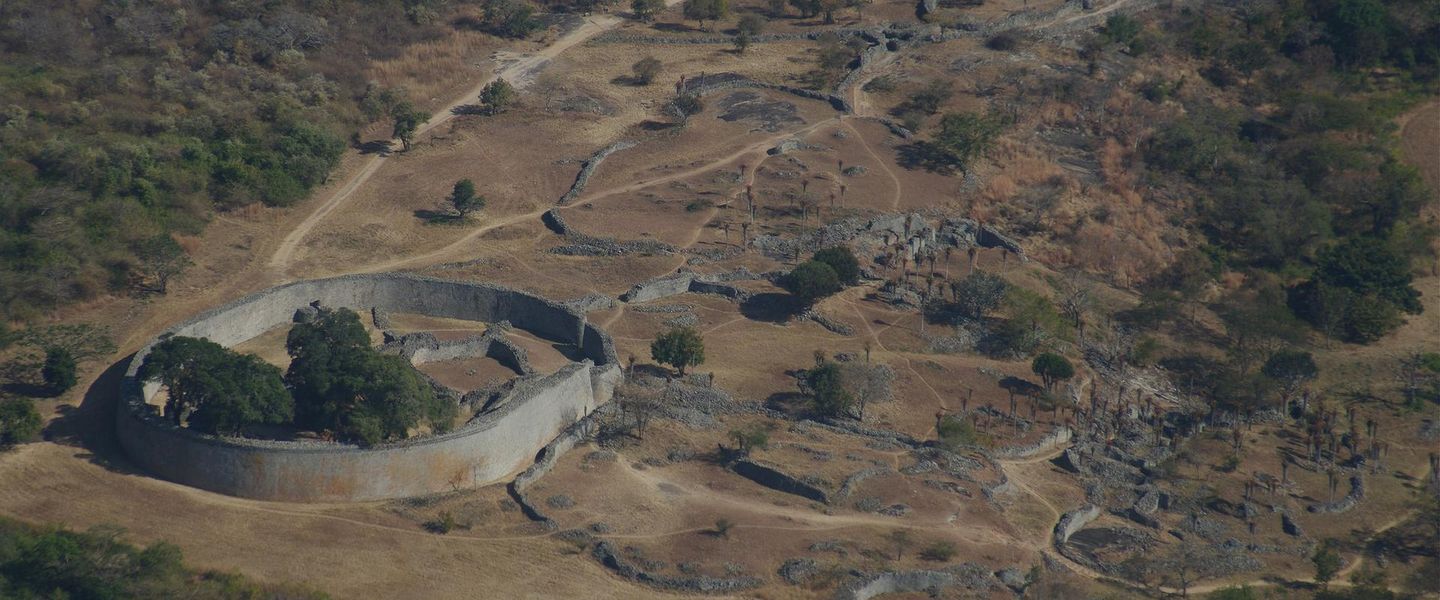


Explore Zimbabwe’s Lowveld for Gonarezhou’s elephants, Chilojo Cliffs, river landscapes, safari lodges and the wide spaces of the south-east.
Read more about Lowveld
When is the best time to visit Lowveld?
Best: May, August–September · 22–26°C| Month | High (°C) | Rainfall (mm) |
|---|---|---|
| January | 30 | 140 |
| February | 30 | 130 |
| March | 29 | 120 |
| April | 27 | 100 |
| May (best) | 23 | 80 |
| June | 20 | 60 |
| July | 20 | 50 |
| August (best) | 22 | 60 |
| September (best) | 26 | 70 |
| October | 28 | 91 |
| November | 30 | 111 |
| December | 30 | 131 |
Getting to and around Lowveld
How to get there
Transportation
Top city travel guides in Lowveld
The cities of Lowveld, and the easiest places to base yourself.
-

-

-

-

-

-


Swipe for more cities
Destinations in Lowveld
Resorts, valleys and scenic spots worth a trip of their own.
-

-

-

-

-


Swipe for more destinations
Best attractions in Lowveld
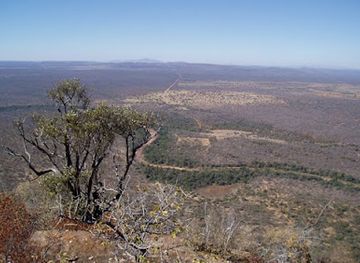
Wildlife is the Lowveld’s central attraction, with Gonarezhou National Park offering extensive game-viewing landscapes, remote camps and the chance to explore the Runde and Save river systems. Elephants, buffalo, hippos, crocodiles, giraffes, zebra, antelope and numerous bird species occur in the park, although sightings depend on season, habitat and patience. The Chilojo Cliffs provide one of the region’s most memorable viewpoints, while baobab country and mopane woodland give different parts of the park distinct visual character. The Malilangwe Wildlife Reserve offers a more structured private-reserve experience, usually through lodge-based stays and guided activities around its dam and varied habitats. Around Chiredzi and Triangle, irrigated sugar estates reveal a very different side of the Lowveld, showing how water supports intensive agriculture in an otherwise dry environment. Cultural and historical touring is more limited and dispersed than in Zimbabwe’s plateau regions, but Masvingo and Great Zimbabwe can serve as an approach or onward excursion outside the strict lower-valley Lowveld. Birdwatching, fishing and walking may be available through authorised operators, while self-drive visitors should expect rough roads, few facilities and considerable distances between attractions.
-
Tourist attraction
Graskop Gorge Lift Co.
Experience the breathtaking views and thrilling descent at Graskop Gorge Lift Co. in South Africa's Panorama Route.
-
Tourist attraction
Sudwala Caves
Discover the ancient beauty of Sudwala Caves, a natural wonder in South Africa showcasing stunning geological formations and rich history.
-
Botanical garden
Lowveld National Botanical Garden
Explore the breathtaking beauty and diversity of the Lowveld National Botanical Garden in Mbombela, South Africa, a true haven for nature enthusiasts.
-
Tourist attraction
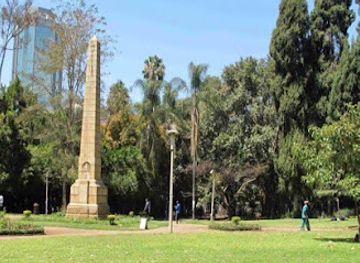
Harare Gardens
Discover the lush landscapes and vibrant culture of Harare Gardens, an idyllic park in Zimbabwe's capital, perfect for relaxation and exploration.
Best landmarks in Lowveld
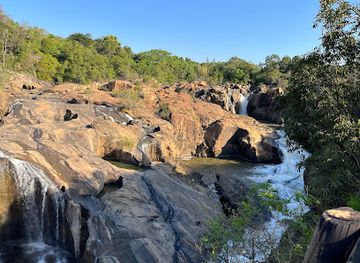
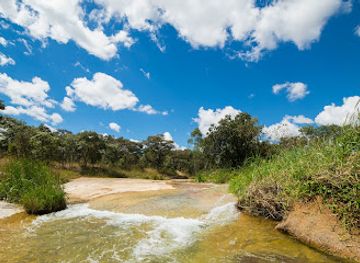
The Chilojo Cliffs are the Lowveld’s most recognisable natural landmark: red sandstone escarpments rising above the Runde River in Gonarezhou National Park and providing a broad view across wooded plains. Their colour and layered form change with the light, making them a defining image of the south-eastern wilderness. The Runde and Save rivers are landmarks in a less monumental but equally important sense, creating corridors of water and vegetation through a predominantly dry landscape and supporting wildlife, birds and distinctive riverine scenery. Gonarezhou’s baobabs, sandstone outcrops and remote waterholes also act as visual markers across the park. Around Chiredzi and Triangle, the extensive sugar estates form a contrasting human landmark, with irrigated fields and industrial infrastructure standing out against the surrounding semi-arid country. Beitbridge’s border crossing and bridge over the Limpopo represent the Lowveld’s role in regional movement and trade, although the surrounding town is primarily functional rather than ceremonial. Great Zimbabwe, near Masvingo, is a major national landmark and practical side trip from the region’s northern approach, but it belongs to the plateau setting rather than the lower Lowveld itself.
-
Tourist attraction
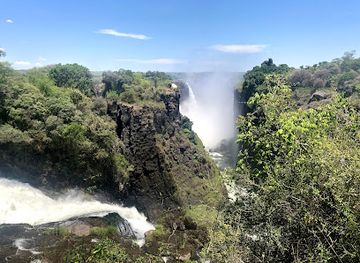
Victoria Falls
Experience the awe of Victoria Falls, a UNESCO World Heritage Site, where nature's beauty and adventure await at every turn.
-
Park
Harare Gardens
Experience the lush beauty and tranquil atmosphere of Harare Gardens, a green paradise in the heart of Zimbabwe's capital.
-
Wildlife and safari park
Mukuvisi Woodlands
Discover Mukuvisi Woodlands, Harare's premier wildlife and safari park, where nature thrives and adventure awaits in every corner.
-
National park
Maremani Nature Reserve
Experience the wild heart of Zimbabwe at Maremani Nature Reserve—home to diverse wildlife and breathtaking landscapes in Beitbridge.
Explore Lowveld on the map
Plan your trip on one map. See where the top cities, national parks and sights are, and book hotels and experiences in a few clicks.
Best hotels in Lowveld
Best restaurants in Lowveld
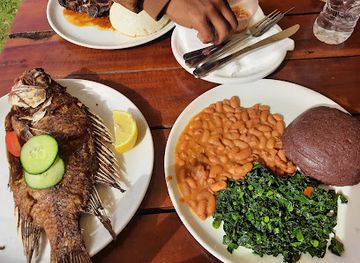
Eating in the Lowveld ranges from simple town cafés and takeaways to carefully prepared lodge dining. Chiredzi and Beitbridge provide the broadest choice of everyday meals, including maize-based staples, rice, beans, vegetables, grilled meat and chicken, while roadside traders may sell seasonal fruit and cooked snacks. Rural meals reflect wider Zimbabwean food traditions rather than a single dish exclusive to the Lowveld, with sadza, relish and meat commonly forming the basis of home-style cooking. The sugar-growing districts around Triangle and Chiredzi are associated with irrigated agriculture, but visitors should not assume that every estate is open for tourism or dining. Safari lodges often use South African-influenced menus alongside Zimbabwean ingredients, with breakfasts, packed lunches and evening meals organised around game-drive schedules. Water, refrigeration and supply distances make advance meal arrangements particularly important in remote camps. Visitors staying outside lodges should purchase provisions in larger towns, carry snacks and confirm whether accommodation includes catering, as independent food options become sparse once the main settlements are left behind.
-
Restaurant
Gavas Restaurant
Experience authentic African cuisine at Gavas Restaurant in Harare's Belgravia Sports Club - where tradition meets taste.
-
Restaurant
Chop Chop Grill House
Experience the authentic flavors of Zimbabwe at Chop Chop Grill House in Harare - where every meal is a celebration of local cuisine.
-
Restaurant
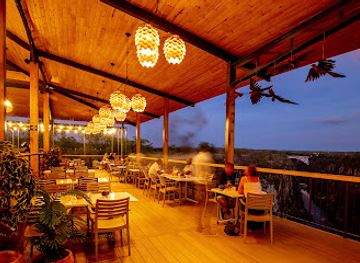
The Lookout Cafe - Wild Horizons
Discover delightful dining at The Lookout Cafe with breathtaking views of Batoka Gorge near Victoria Falls.
-
Restaurant
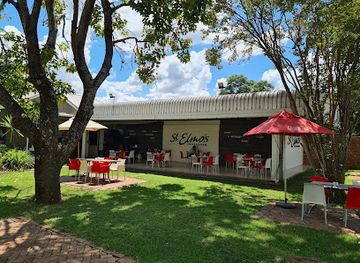
St Elmo's
Experience exquisite Italian cuisine and delectable steaks at St Elmo's, the family-friendly restaurant in Harare that everyone loves.
Best bars in Lowveld
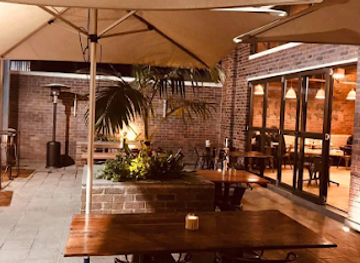
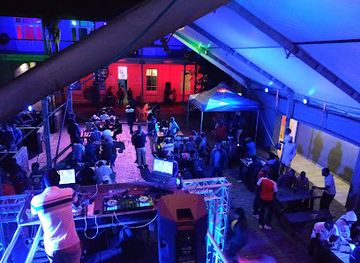
Evening life in the Lowveld is modest and concentrated in Chiredzi, Beitbridge and other larger settlements rather than organised around a major club scene. Local pubs, hotel bars, bottle stores and informal social venues provide spaces for conversation, sport broadcasts and music, while restaurants and lodges offer quieter evenings for travellers. Safari properties generally structure nightlife around dinner, campfire gatherings, stargazing and discussion of the day’s wildlife rather than late-night entertainment. In towns, standards and opening arrangements vary, so visitors should rely on reputable accommodation for local guidance and avoid walking unfamiliar roads after dark. Seasonal events, live music and busy social periods may occur, but they are not dependable enough to plan an itinerary around without current local confirmation. Alcohol is widely available in larger settlements, yet the Lowveld can be better appreciated through early-morning activities, quiet river landscapes and the clarity of the night sky than through a nightlife circuit.
-
Bar
The Jam Tree
Experience the vibrant atmosphere at The Jam Tree, Harare's go-to bar and grill featuring delicious food, drinks, and live sports.
-
Grill
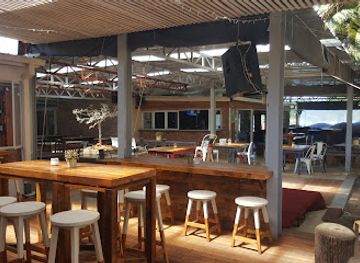
Tin Roof Bucket Bar and Bistro
Experience the vibrant flavors of Zimbabwe at Tin Roof Bucket Bar and Bistro, where great food meets a lively atmosphere in Harare.
-
Bar
Eclipse Sports Bar and Grill(ECLIPSE AFRICAN CUISINE RESTAURANT)
Discover the vibrant Eclipse Sports Bar and Grill in Harare, where great African cuisine and lively entertainment come together for an unforgettable experience.
-
Grill
The Q Bar
Savor the vibrant flavors of Harare at The Q Bar, a grill and bar hotspot offering delicious food and a lively nightlife atmosphere.
Best nightclubs in Lowveld
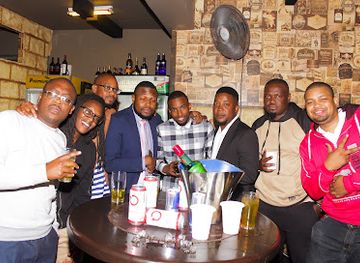
Evening life in the Lowveld is modest and concentrated in Chiredzi, Beitbridge and other larger settlements rather than organised around a major club scene. Local pubs, hotel bars, bottle stores and informal social venues provide spaces for conversation, sport broadcasts and music, while restaurants and lodges offer quieter evenings for travellers. Safari properties generally structure nightlife around dinner, campfire gatherings, stargazing and discussion of the day’s wildlife rather than late-night entertainment. In towns, standards and opening arrangements vary, so visitors should rely on reputable accommodation for local guidance and avoid walking unfamiliar roads after dark. Seasonal events, live music and busy social periods may occur, but they are not dependable enough to plan an itinerary around without current local confirmation. Alcohol is widely available in larger settlements, yet the Lowveld can be better appreciated through early-morning activities, quiet river landscapes and the clarity of the night sky than through a nightlife circuit.
-
Night club
Evitro Lounge, Bar and Club
Experience the vibrant nightlife of Harare at Evitro Lounge, Bar and Club, where exceptional music and a lively atmosphere await.
-
Disco club
WOOD Sensations Club & Craft Beer House
Discover the ultimate nightlife experience at WOOD Sensations Club & Craft Beer House, where great music and craft beers await in Harare.
-
Grill
Big Apple Night Club
Dive into the vibrant nightlife of Harare at Big Apple Night Club, where delicious grills meet an energetic atmosphere for a memorable evening.
-
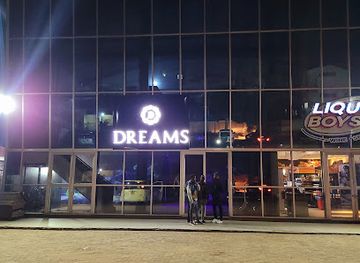
Disco club
Dreams Nightlife
Dive into the heart of Harare's nightlife at Dreams Nightlife, where unforgettable parties and vibrant energy await every night.

Best shops in Lowveld
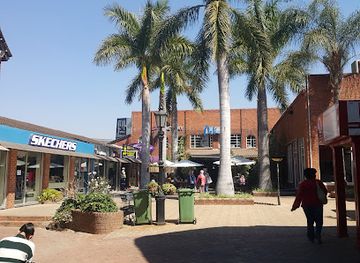
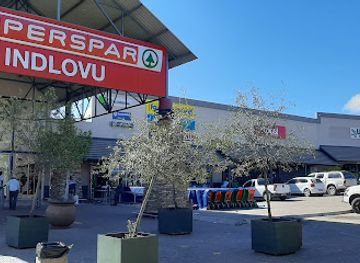
Shopping in the Lowveld is practical and locally focused. Chiredzi and Beitbridge have supermarkets, small independent shops, pharmacies, fuel stops and informal markets where visitors can obtain food, drinks, basic equipment and locally made goods. Beitbridge’s position on the South African border gives its commerce a strongly regional and mobile character, although border trading conditions and stock change frequently. Roadside stalls may offer fruit, vegetables, woodwork or woven items, but quality, provenance and prices vary, so purchase respectfully and avoid buying archaeological objects, protected wildlife products or anything whose export may be restricted. Lodge shops and craft outlets can provide a more dependable source of carvings, baskets, textiles and Zimbabwean artwork, with proceeds sometimes linked to local enterprises, but selection differs by property. The most useful purchases before entering Gonarezhou are often fuel, water, snacks, batteries, medicines and cash rather than souvenirs. Visitors seeking broader craft, antique or heritage shopping are better served by larger Zimbabwean towns outside the remote Lowveld, while the region itself is best approached as a place for small-scale market purchases and conservation-linked crafts.
-
Shopping mall
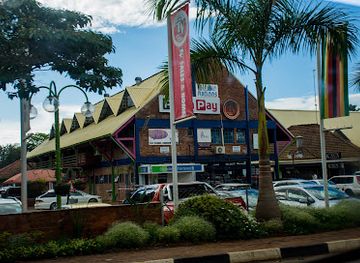
Sam Levy's Village
Explore Sam Levy's Village - Harare's premier shopping destination with diverse shops, delightful dining, and vibrant community events.
-
Shopping mall
Lowveld Mall
Explore the vibrant Lowveld Mall in Hazyview, a shopping paradise with diverse retail, dining, and entertainment options in the scenic South African landscape.
-
Shopping mall
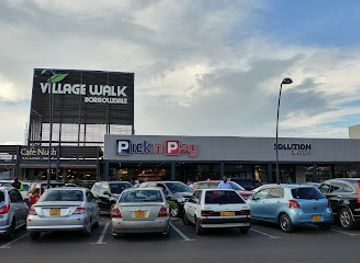
Borrowdale Village Walk
Explore the vibrant shopping and dining experiences at Borrowdale Village Walk in Harare for an unforgettable local adventure.
-
Shopping mall
Arundel Village
Experience the charm of Arundel Village, a vibrant shopping mall in Harare, offering delightful shops and diverse dining options in a picturesque setting.
Get your free copy of our complete guide to Lowveld, delivered straight to you.
Everything on this page, from attractions and restaurants to essentials and local phrases, in one PDF you can read offline, print or share.
Already have an account? Sign in
Your Lowveld guide is ready.
We'll send it to · Not you? Sign out

Getting your guide ready…
We are putting together a fresh copy of the Lowveld guide. This can take up to a minute.
This can take a few moments. If your browser asks, choose Allow so the download can start. You'll find the guide in your Downloads folder.
Nothing happened? Download it again
Sorry, the guide is taking longer than usual. Please try again in a minute, or get it by email instead.
Lowveld essentials
Currency and Payment
Safety
Emergency Situations
Do's and Don'ts
Local Tips
From Eve
Local phrases worth knowing
You don't need to get them perfect. A few words go a long way, and locals appreciate the effort.
Basics
| English | Local | Say it |
|---|---|---|
| Hello | Mhoro | [m-ho-ro] |
| Goodbye | Sara zvakanaka | [sa-ra zva-ka-na-ka] |
| Yes | Ehe | [e-he] |
| No | Kwete | [kwe-te] |
| Please/You're welcome | Ndapota | [n-da-po-ta] |
| Thank you | Ndatenda | [n-da-ten-da] |
| Excuse me/Sorry | Pamusoroi | [pa-mu-so-ro-i] |
| How are you? | Wakadini zvako? | [wa-ka-di-ni zva-ko] |
| Fine. And you? | Ndiripo. Wako zvako? | [n-di-ri-po. wa-ko zva-ko] |
| Do you speak English? | Unotaura Chirungu here? | [u-no-ta-u-ra chi-run-gu he-re] |
| I don't understand | Handinzwisise | [han-di-nzwi-si-se] |
Eating & Drinking
| English | Local | Say it |
|---|---|---|
| I'd like to see the menu, please | Ndinoda kuona menyu, ndapota | [n-di-no-da ku-o-na men-yu, n-da-po-ta] |
| I don't eat meat | Handidye nyama | [han-di-dye n-ya-ma] |
| Cheers! | Kuwasha! | [ku-wa-sha] |
| I would like to pay, please | Ndinoda kubhadhara, ndapota | [n-di-no-da ku-ba-dha-ra, n-da-po-ta] |
Emergencies
| English | Local | Say it |
|---|---|---|
| Help! | Rubatsiro! | [ru-ba-tsi-ro] |
| Go away! | Enda kure! | [en-da ku-re] |
| Call the Police! | Fona mapurisa! | [fo-na ma-pu-ri-sa] |
| Call a doctor! | Fona chiremba! | [fo-na chi-rem-ba] |
| I'm lost | Ndakadzikira | [n-da-ka-dzi-ki-ra] |
| I'm ill | Ndiri kurwara | [n-di-ri ku-rwa-ra] |
Shopping
| English | Local | Say it |
|---|---|---|
| I'd like to buy... | Ndinoda kutenga... | [n-di-no-da ku-ten-ga] |
| I'm just looking | Ndiri kungotarisa | [n-di-ri kung-o-ta-ri-sa] |
| How much is it? | Zvinodhura zvakadini? | [zvin-o-dhu-ra zva-ka-di-ni] |
| That's too expensive | Izvozvo zvakawandisa | [i-zvo-zvo zva-ka-wan-di-sa] |
| Can you lower the price? | Unogona kudzikisa mutengo here? | [u-no-go-na ku-dzi-ki-sa mu-ten-go he-re] |
Time & Numbers
| English | Local | Say it |
|---|---|---|
| What time is it? | Inguva yei? | [in-gu-va ye-i] |
| It's one o'clock | Iye iri na1 | [i-ye i-ri na-1] |
| Half past (10) | Hafu yenguva (10) | [ha-fu ye-n-gu-va] |
| Morning | Mangwanani | [man-gwa-na-ni] |
| Afternoon | Masikati | [ma-si-ka-ti] |
| Evening | Manheru | [man-he-ru] |
| Yesterday | Nezuro | [ne-zu-ro] |
| Today | Nhasi | [nha-si] |
| Tomorrow | Mangwana | [man-gwa-na] |
| 1 | 1 | [1] |
| 2 | 2 | [2] |
| 3 | 3 | [3] |
| 4 | 4 | [4] |
| 5 | 5 | [5] |
| 6 | 6 | [6] |
| 7 | 7 | [7] |
| 8 | 8 | [8] |
| 9 | 9 | [9] |
| 10 | 10 | [10] |
Transport & Directions
| English | Local | Say it |
|---|---|---|
| Where's a/the...? | Kupi ...? | [ku-pi] |
| What's the address? | Chii chiri padhuze? | [chi-i chi-ri pa-dhu-ze] |
| Can you show me (on the map)? | Unogona kundiratidza (pamwe mapepa)? | [u-no-go-na kun-di-ra-ti-dza pa-mwe ma-pe-pa] |
| When's the next (bus)? | Basa rinotevera riri rinhi? | [ba-sa ri-no-te-ve-ra ri-ri rin-hi] |
| A ticket (to ....) | Tikiti (ku ...) | [ti-ki-ti] |
History of Lowveld
Early Farming Communities and Ironworking
The Lowveld has long been occupied by communities adapting to heat, seasonal rainfall and river systems. Archaeological evidence across south-eastern Zimbabwe records changing patterns of hunting, gathering, farming, cattle keeping and ironworking, although many sites are less accessible to visitors than the country’s major plateau monuments. The Runde, Save and Limpopo corridors helped connect inland communities with wider networks. Settlement was never simply determined by permanent water: people also responded to grazing, disease environments, soils and shifting political relationships. This long history remains important because the Lowveld is a lived cultural landscape rather than an empty wilderness surrounding the national parks.
The Shona States and Regional Trade
From the first millennium CE, communities connected with the wider Shona-speaking world developed agricultural, craft and political systems across the Zimbabwean plateau and southern valleys. Great Zimbabwe, north of the strict Lowveld zone near Masvingo, became the most famous centre of a powerful state between roughly the eleventh and fifteenth centuries. Its influence was linked to long-distance exchange in gold, cattle and other goods rather than to a single isolated settlement. The Lowveld formed part of the broader southern African environment connected to these networks, while its lower, hotter valleys followed their own settlement and trading histories.
Nineteenth-Century Political Change
The nineteenth century brought major movements of people and political change across southern Zimbabwe. The expansion and reorganisation of Ndebele power, the dispersal of communities during periods of conflict and the growth of other regional chiefly and settlement structures affected the Lowveld and its approaches. Shangaan-speaking communities have longstanding connections across the south-eastern borderlands, where present-day national boundaries divide older cultural and trading landscapes. These histories do not reduce the region to a single identity; the Lowveld has been shaped by intersecting Shona, Ndebele, Shangaan, Venda and other communities.
Colonial Rule, Conservation and Land Transformation
Under British colonial rule, land administration, taxation, labour recruitment and conservation policies changed how people used the Lowveld. Areas later designated for wildlife protection were not untouched wilderness: conservation could restrict established access to grazing, hunting, cultivation and natural resources, while new boundaries separated communities from neighbouring lands. Road and rail links also strengthened the commercial importance of settlements such as Beitbridge and Chiredzi. These legacies continue to influence debates about resettlement, rural livelihoods, wildlife management and the relationship between local communities and protected areas.
Sugar Estates and Irrigated Agriculture
Irrigation transformed parts of the south-eastern Lowveld during the twentieth century. The sugar industry developed around Triangle and Hippo Valley, using water and large-scale estate systems to create one of Zimbabwe’s most recognisable agricultural landscapes. The estates brought employment, transport infrastructure and processing facilities, but they also depended on complex land and labour arrangements and remain sensitive to drought and water availability. The contrast between intensively cultivated sugar country around Chiredzi and the extensive wilderness of Gonarezhou is one of the region’s clearest geographical and economic distinctions.
Gonarezhou and Modern Wildlife Conservation
Gonarezhou was established as a protected area in the twentieth century and later became central to Zimbabwe’s conservation strategy in the south-east. The park suffered from the pressures of war, weak protection and elephant poaching during the late twentieth century, but management and conservation partnerships have supported its gradual recovery. Its inclusion in the Great Limpopo Transfrontier Conservation Area links it ecologically with protected areas in South Africa and Mozambique. Today, the park’s history is inseparable from questions of cross-border wildlife movement, community benefit, anti-poaching work and sustainable tourism.
Independence and Contemporary Lowveld Life
Zimbabwe’s independence in 1980 brought major political and social change, while the Lowveld continued to balance commercial agriculture, border commerce, rural livelihoods and conservation. Chiredzi developed as a regional service centre, Beitbridge became increasingly important for movement between Zimbabwe and South Africa, and protected areas grew more significant to the tourism economy. Contemporary Lowveld life combines modern transport and communications with seasonal agricultural practices, local markets, informal trade and strong connections across national borders. Economic pressures, drought and water management remain important factors in the region’s future.
Lowveld in Photos
Browse through our photo collection highlighting the charm and character of the destination.
Neighbouring regions of Lowveld
The closest regions to Lowveld, if you have time for more than one.
-

-

-

-

-


Swipe for more regions
Explore more

Explore more of Zimbabwe
Discover Zimbabwe: A land of majestic waterfalls, abundant wildlife, ancient ruins, and vibrant culture. Perfect for adventure seekers and history enthusiasts alike.
Explore Zimbabwe