

Free Matabeleland North Travel Guide & Mobile App
Explore Matabeleland North with free travel guides. Discover regional history, expert tips, proposed trips, and audio guides on web or mobile app.


Explore Matabeleland North for Victoria Falls, Hwange wildlife, Zambezi landscapes, Ndebele heritage and wide-open Zimbabwean wilderness.
Read more about Matabeleland North
When is the best time to visit Matabeleland North?
Best: May, August–September · 23–27°C| Month | High (°C) | Rainfall (mm) |
|---|---|---|
| January | 30 | 110 |
| February | 30 | 100 |
| March | 29 | 80 |
| April | 27 | 50 |
| May (best) | 24 | 20 |
| June | 21 | 5 |
| July | 21 | 5 |
| August (best) | 23 | 5 |
| September (best) | 27 | 20 |
| October | 30 | 50 |
| November | 30 | 70 |
| December | 31 | 90 |
Getting to and around Matabeleland North
How to get there
Transportation
Top city travel guides in Matabeleland North
The cities of Matabeleland North, and the easiest places to base yourself.
-

-


Swipe for more cities
Destinations in Matabeleland North
Resorts, valleys and scenic spots worth a trip of their own.
-

-


Swipe for more destinations
Best attractions in Matabeleland North
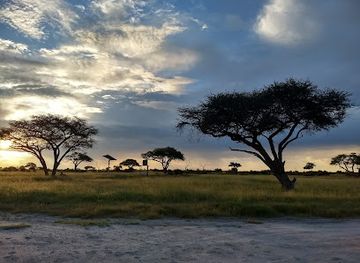
Matabeleland North's attractions combine one of Africa's great waterfalls with extensive wildlife country and Zambezi landscapes. Victoria Falls National Park provides the principal viewpoints of Mosi-oa-Tunya, where paths through riverine rainforest lead to different sections of the cataract and gorge. The town is also a base for guided activities on the upper Zambezi, including boat trips, fishing, canoeing and professionally supervised adventure excursions. Further south, Hwange National Park is the region's major safari destination, with open plains, teak woodland, seasonal pans and waterholes that draw elephants, buffalo, antelope and predators. Game drives, walking activities and birdwatching are arranged through licensed operators and lodges, with distances requiring realistic planning. Zambezi National Park offers river frontage, woodland and wildlife viewing closer to Victoria Falls but with a more spread-out, low-density character. Around Binga and Lake Kariba, attractions centre on fishing, boating, riverside scenery and community-linked crafts rather than large visitor complexes. The region's appeal lies in the contrast between highly accessible waterfall viewpoints, remote conservation landscapes and settlements whose histories are connected to the Zambezi, mining and long-established cultural traditions.
-
Tourist attraction
Victoria Falls
Experience the breathtaking beauty and thrilling adventures of Victoria Falls, a UNESCO World Heritage Site and one of the Seven Natural Wonders of the World.
-
National park
Hwange National Park
Explore Hwange National Park, Zimbabwe's largest national park, and witness remarkable wildlife and breathtaking landscapes in a true African safari experience.
-
Nature preserve
Victoria Falls Crocodile Park
Explore the fascinating world of crocodiles and wildlife conservation at Victoria Falls Crocodile Park, a must-visit nature preserve.
-
National park
Zambezi National Park
Experience the wild heart of Africa at Zambezi National Park, where stunning landscapes and diverse wildlife await every visitor.
Best landmarks in Matabeleland North
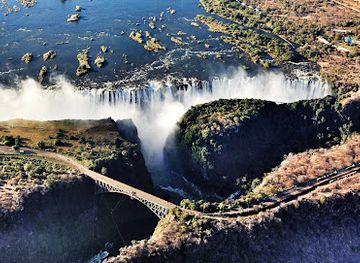
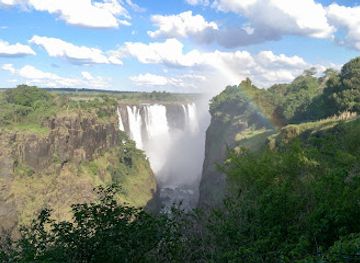
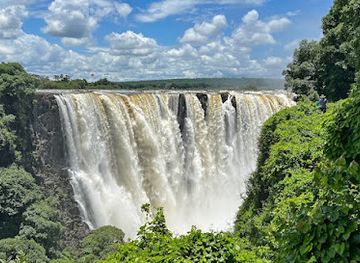
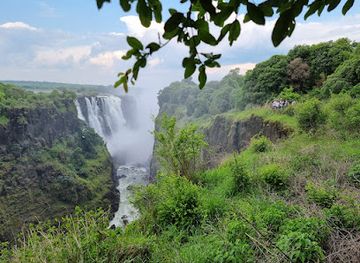
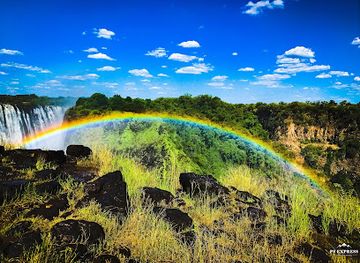
Victoria Falls is Matabeleland North's defining natural landmark: the Zambezi spreads across a series of basalt ledges before dropping into a narrow, forested gorge, creating the spray that gives Mosi-oa-Tunya its celebrated name. The surrounding viewpoints and rainforest are geographically distinct from the town's commercial centre and reveal how water levels alter the waterfall's appearance through the year. The Victoria Falls Bridge, completed in the early twentieth century, spans the gorge between Zimbabwe and Zambia and is a major piece of colonial-era railway infrastructure, although the international boundary lies at the bridge rather than making the structure wholly a Zimbabwean landmark. In Hwange, the vast plains, teak woodland and wildlife waterholes form a landscape landmark rather than a single monument; the park's scale is part of its significance. The Zambezi River is another essential geographical landmark, defining the northern edge of the region and shaping its wildlife, fishing and travel traditions. Around Hwange, coal-mining infrastructure and the railway corridor provide reminders of the industrial history that developed alongside conservation. In the Binga area, the Lake Kariba shoreline and broad water views express a different regional identity, linked to the transformed Zambezi valley and its fishing communities.
-
Tourist attraction
Victoria Falls
Experience the breathtaking beauty of Victoria Falls, a UNESCO World Heritage site and one of the world's largest and most spectacular waterfalls.
-
National park
Victoria Falls National Park
Discover the breathtaking beauty and adventure at Victoria Falls National Park, a UNESCO World Heritage Site and one of the Seven Natural Wonders of the World.
-
Bridge
Victoria Falls Bridge
Experience breathtaking views and thrilling adventures at the iconic Victoria Falls Bridge, a perfect blend of nature and excitement in Zimbabwe.
-
Tourist attraction
Chinhoyi Caves
Discover the breathtaking beauty of Chinhoyi Caves, a natural wonder in Zimbabwe featuring stunning limestone formations and rich historical significance.

Explore Matabeleland North on the map
Plan your trip on one map. See where the top cities, national parks and sights are, and book hotels and experiences in a few clicks.
Best hotels in Matabeleland North
Best restaurants in Matabeleland North
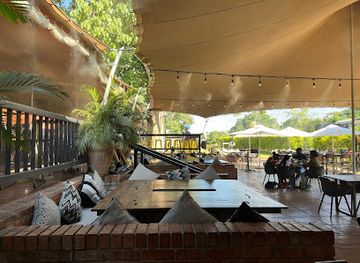
Dining in Matabeleland North is concentrated in Victoria Falls, where hotels, lodges, cafés and independent restaurants serve both international menus and Zimbabwean dishes. Sadza, a maize-based staple, is commonly accompanied by vegetables, beans, beef, chicken or grilled meat, while freshwater fish becomes more prominent near the Zambezi and Lake Kariba. Game meat may appear on some tourism menus, but its provenance and legality vary, so visitors should ask questions rather than assume it represents everyday local food. Safari lodges often provide set meals suited to remote settings, including packed lunches for long drives. In Hwange and rural districts, choices are more limited and visitors should not expect a dense restaurant scene between settlements. Local markets and small food outlets can offer seasonal produce and familiar regional staples, although hygiene and water standards deserve attention. Zimbabwean tea, coffee, soft drinks and locally available beers are common, while menus in Victoria Falls reflect the town's international visitor base as much as the wider province's home cooking.
-
Restaurant
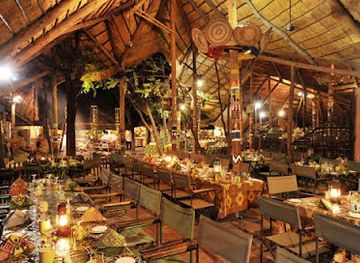
The Three Monkeys Restaurant & Bar, Victoria Falls
Experience vibrant flavors at The Three Monkeys Restaurant & Bar in Victoria Falls – where local cuisine meets international flair amidst stunning surroundings.
-
Restaurant
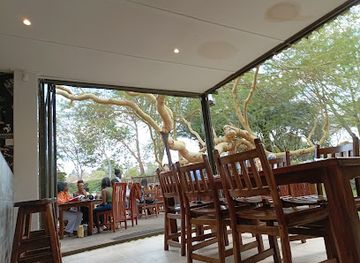
The Lookout Cafe - Wild Horizons
Discover The Lookout Cafe: A breathtaking dining experience overlooking Batoka Gorge near Victoria Falls.
-
Dinner theater
The Boma - Dinner & Drum Show
Delve into Zimbabwean culture with delicious cuisine and lively performances at The Boma - Dinner & Drum Show in Victoria Falls.
-
Restaurant
Roosters Pub & Grill.
Experience the vibrant flavors of Bulawayo at Roosters Pub & Grill - where great food meets good times.

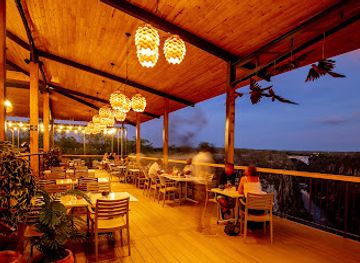
Best bars in Matabeleland North
Evening life in Matabeleland North is centred on Victoria Falls, where hotel bars, lodge lounges, restaurants and a small selection of local venues provide places to meet after sightseeing. The atmosphere ranges from informal drinks and live performances to quieter riverside or garden settings, but schedules and individual businesses can change. In Hwange, Dete and other smaller settlements, nightlife is more closely associated with local pubs, hotel bars and community socialising than with a large club scene. Safari lodges may offer evening talks, campfire gatherings or guided night activities, subject to weather, wildlife conditions and park regulations. Along the Zambezi and around Lake Kariba, evenings generally focus on fishing lodges, boat excursions and relaxed accommodation-based dining. Visitors should avoid walking in wildlife areas after dark, use arranged transport where necessary and remember that the region's night-time character is shaped more by wilderness and early safari starts than by late-night entertainment.
-
Resort hotel
Elephant Hills Resort
Experience luxury and adventure at Elephant Hills Resort near Victoria Falls, where nature meets comfort and unforgettable memories await.
-
Restaurant
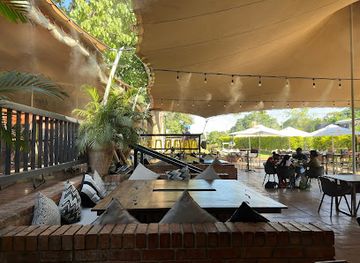
The Three Monkeys Restaurant & Bar, Victoria Falls
Experience the vibrant cuisine and welcoming atmosphere of The Three Monkeys Restaurant & Bar in Victoria Falls, a culinary gem for every traveler.
-
Restaurant
The Lookout Cafe - Wild Horizons
Discover The Lookout Cafe in Batoka Gorge, where breathtaking views and delectable cuisine create an unforgettable dining experience near Victoria Falls.
-
 Hotel
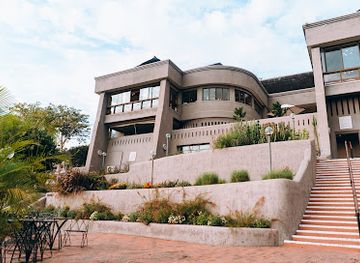
HotelA'zambezi River Lodge
Discover a stunning blend of luxury and adventure at A'zambezi River Lodge, your ideal base for exploring Victoria Falls.
Best nightclubs in Matabeleland North
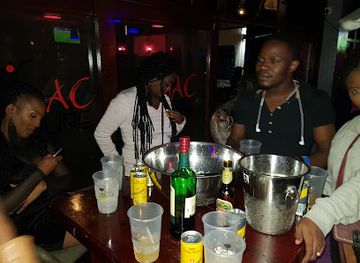
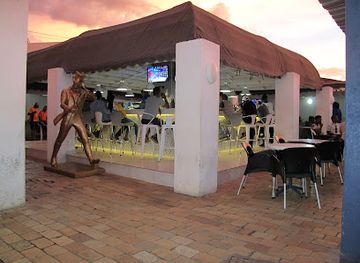
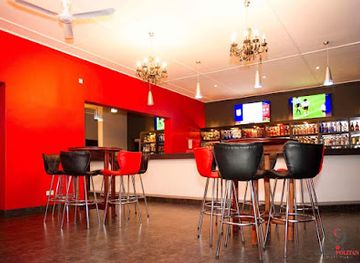
Evening life in Matabeleland North is centred on Victoria Falls, where hotel bars, lodge lounges, restaurants and a small selection of local venues provide places to meet after sightseeing. The atmosphere ranges from informal drinks and live performances to quieter riverside or garden settings, but schedules and individual businesses can change. In Hwange, Dete and other smaller settlements, nightlife is more closely associated with local pubs, hotel bars and community socialising than with a large club scene. Safari lodges may offer evening talks, campfire gatherings or guided night activities, subject to weather, wildlife conditions and park regulations. Along the Zambezi and around Lake Kariba, evenings generally focus on fishing lodges, boat excursions and relaxed accommodation-based dining. Visitors should avoid walking in wildlife areas after dark, use arranged transport where necessary and remember that the region's night-time character is shaped more by wilderness and early safari starts than by late-night entertainment.
-
Bar
BAC LEISURE BULAWAYO
Discover the vibrant nightlife at Bac Leisure Bulawayo, a lively bar and disco club perfect for tourists seeking a fun night out in Zimbabwe.
-
Bar
ZARAH LOUNGE
Experience the vibrant nightlife of Bulawayo at Zarah Lounge, a trendy bar offering exceptional service and a diverse drink menu.
-
Bar
Cosmopolitan Night Club Bulawayo
Explore the energetic nightlife of Bulawayo at Cosmopolitan Night Club, where music, dance, and great drinks create unforgettable experiences.
-
Bar
Club Excite
Discover the lively nightlife at Club Excite in Gweru, where great drinks and vibrant energy create unforgettable experiences.
Best shops in Matabeleland North
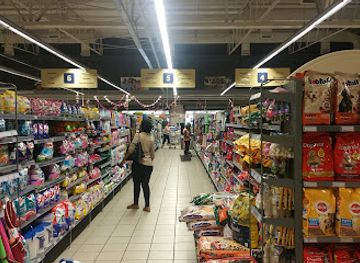
Shopping in Matabeleland North is strongest in Victoria Falls, where craft markets, hotel boutiques, galleries and smaller independent outlets sell carved wood, woven goods, textiles, jewellery, baskets and Zimbabwean art. Visitors should compare workmanship, ask about materials and buy responsibly, particularly where wildlife products or old-looking cultural objects are offered. The town is also the most convenient place to purchase practical safari items, locally produced food and gifts before travelling into Hwange or the Zambezi districts. Hwange and Dete have more limited retail provision, with everyday shops and small markets rather than extensive visitor shopping. In Binga and communities near Lake Kariba, locally made baskets, pottery and other crafts may be available through community-linked initiatives, although stock and opening arrangements are variable. Regional products such as coffee, tea, spices, textiles and artwork can make more useful souvenirs than generic wildlife ornaments. Carry cash for smaller purchases, ask before photographing craft workers, and remember that customs rules may restrict the export of antiques, protected materials or archaeological objects.
-
Shopping mall
Sam Levy's Village
Discover shopping, dining, and entertainment at Sam Levy's Village, Harare's premier shopping destination, where local culture meets modern lifestyle.
-
Shopping mall
Arundel Village
Discover the charm of Arundel Village, a premier shopping destination in Harare, blending local culture with modern retail experiences.
-
Resort hotel
Elephant Hills Resort
Discover the perfect blend of luxury and adventure at Elephant Hills Resort, your gateway to the stunning Victoria Falls region.
-
Shopping mall
Zonkizizwe Shopping Centre
Explore Zonkizizwe Shopping Centre in Bulawayo, a vibrant shopping mall with diverse shops, dining options, and entertainment for all ages.


Get your free copy of our complete guide to Matabeleland North, delivered straight to you.
Everything on this page, from attractions and restaurants to essentials and local phrases, in one PDF you can read offline, print or share.
Already have an account? Sign in
Your Matabeleland North guide is ready.
We'll send it to · Not you? Sign out

Getting your guide ready…
We are putting together a fresh copy of the Matabeleland North guide. This can take up to a minute.
This can take a few moments. If your browser asks, choose Allow so the download can start. You'll find the guide in your Downloads folder.
Nothing happened? Download it again
Sorry, the guide is taking longer than usual. Please try again in a minute, or get it by email instead.
Matabeleland North essentials
Currency and Payment
Safety
Emergency Situations
Do's and Don'ts
Local Tips
From Eve
Local phrases worth knowing
You don't need to get them perfect. A few words go a long way, and locals appreciate the effort.
Basics
| English | Local | Say it |
|---|---|---|
| Hello | Salibonani | [sah-lee-boh-nah-nee] |
| Goodbye | Hamba kahle | [ham-bah kah-leh] |
| Yes | Yebo | [yeh-bo] |
| No | Hayi | [ha-yee] |
| Please/You're welcome | Ngiyacela | [ngee-yah-cheh-lah] |
| Thank you | Ngiyabonga | [ngee-yah-bong-ah] |
| Excuse me/Sorry | Uxolo | [oo-ksoh-loh] |
| How are you? | Unjani? | [oon-jah-nee] |
| Fine. And you? | Ngiyaphila. Wena unjani? | [ngee-yah-pee-lah. weh-nah oon-jah-nee] |
| Do you speak English? | Ukhuluma isiNgisi? | [oo-khoo-loo-mah ee-see-nee-gee-see] |
| I don't understand | Angiqondi | [ahn-gee-kohn-dee] |
Eating & Drinking
| English | Local | Say it |
|---|---|---|
| I'd like to see the menu, please | Ngicela ukubona imenyu, ngiyacela | [ngee-cheh-lah oo-koo-boh-nah ee-meh-nyoo, ngee-yah-cheh-lah] |
| I don't eat meat | Angidli inyama | [ahn-gee-dlee een-yah-mah] |
| Cheers! | Phakela! | [pah-keh-lah] |
| I would like to pay, please | Ngifuna ukukhokha, ngiyacela | [ngee-foo-nah oo-koo-koh-kah, ngee-yah-cheh-lah] |
Emergencies
| English | Local | Say it |
|---|---|---|
| Help! | Siza! | [see-zah] |
| Go away! | Hamba! | [ham-bah] |
| Call the Police! | Biza iphoyisa! | [bee-zah ee-poh-yee-sah] |
| Call a doctor! | Biza udokotela! | [bee-zah oo-doh-koh-teh-lah] |
| I'm lost | Ngilahlekile | [ngee-lah-leh-kee-leh] |
| I'm ill | Ngiyagula | [ngee-yah-goo-lah] |
Shopping
| English | Local | Say it |
|---|---|---|
| I'd like to buy... | Ngifuna ukuthenga... | [ngee-foo-nah oo-koo-theng-ah] |
| I'm just looking | Ngiyabuka kuphela | [ngee-yah-boo-kah koo-peh-lah] |
| How much is it? | Ithini intengo? | [ee-thee-nee een-ten-go] |
| That's too expensive | Lokhu kubiza kakhulu | [loh-khoo koo-bee-zah kah-kuh-loo] |
| Can you lower the price? | Unganciphisa intengo? | [oon-gahn-chee-pee-sah een-ten-go] |
Time & Numbers
| English | Local | Say it |
|---|---|---|
| What time is it? | Yisiphi isikhathi? | [yee-see-pee ee-sih-kah-nee] |
| It's one o'clock | Kuyisikhathi sokuqala | [koo-yee-see-kah-nee soo-koh-kah-lah] |
| Half past (10) | Hhafu kweyishumi | [hah-foo kweh-yee-shoo-mee] |
| Morning | Ekuseni | [eh-koo-seh-nee] |
| Afternoon | Ntambama | [n-tahm-bah-mah] |
| Evening | Ubusuku | [oo-boo-soo-koo] |
| Yesterday | Izolo | [ee-zoh-loh] |
| Today | Namuhla | [nah-moo-hlah] |
| Tomorrow | Kusasa | [koo-sah-sah] |
| 1 | Kodwa | [koh-dwah] |
| 2 | Kubili | [koo-bee-lee] |
| 3 | Kuthathu | [koo-thah-thoo] |
| 4 | Kune | [koo-neh] |
| 5 | Kuhlanu | [koo-lah-noo] |
| 6 | Kukhombisa | [koo-khom-bee-sah] |
| 7 | Kuphumele | [koo-pu-meh-leh] |
| 8 | Kuhlangana | [koo-hlan-gah-nah] |
| 9 | Kunye | [koo-nyeh] |
| 10 | Kushumi | [koo-shoo-mee] |
Transport & Directions
| English | Local | Say it |
|---|---|---|
| Where's a/the...? | Kuphi ...? | [koo-pee] |
| What's the address? | Iyini ikheli? | [ee-yee-nee ee-keh-lee] |
| Can you show me (on the map)? | Ungangibonisa (emaphepheni)? | [oon-gahn-gee-boh-nee-sah (eh-mah-peh-peh-nee)] |
| When's the next (bus)? | Uphi (ibhasi) elandelayo? | [oo-pee (ee-bah-see) eh-lah-ndwa-yah] |
| A ticket (to ....) | Ithikithi (ku ....) | [ee-thee-kee-thee (koo ....)] |
History of Matabeleland North
Early Settlement and the Zambezi Valley
The Zambezi and its tributaries have supported human activity for thousands of years. Hunter-gatherer communities left archaeological traces in parts of the wider region, while later farming and iron-working societies established more permanent settlements. River crossings, fishing grounds and seasonal grazing routes connected communities across what is now north-western Zimbabwe. The area's archaeological record is less dominated by monumental stone architecture than southern Zimbabwe's better-known sites, but its importance lies in the continuity of movement, trade and adaptation to woodland, river and floodplain environments.
Ndebele Expansion in the Nineteenth Century
Ndebele political and cultural influence spread across much of south-western Zimbabwe during the nineteenth century, shaping the identity of Matabeleland. Authority was exercised through a network of settlements, military organisation, tribute and alliances rather than through a single uniform pattern across the modern province. In Matabeleland North, this history intersected with established communities including the Nambya, whose own political traditions and land use remained important. The period helps explain why language, cattle culture, oral history and regional identity are central to contemporary understandings of Matabeleland.
The Nambya State and the History of Hwange
The Nambya people developed a significant state in the Hwange area, traditionally associated with rulers whose centres of authority shifted over time. Their history is preserved through oral traditions, settlement patterns and cultural institutions, and it predates the colonial development of the district's mines and railway. The Nambya past is particularly important because it demonstrates that the area around present-day Hwange was not an empty wilderness before modern industry and national parks. Visitors should approach local historical interpretation through community knowledge as well as formal museums and published accounts.
European Exploration and Colonial Incorporation
David Livingstone's 1855 arrival at the great waterfall brought Victoria Falls to wider European attention, although the river and waterfall were long known to local communities. In the late nineteenth century, the territory was incorporated into the colonial sphere associated with the British South Africa Company and later Southern Rhodesia. Colonial administration, land policy and changing patterns of labour affected African communities across Matabeleland North. Victoria Falls gradually developed as a transport and tourism centre, while other parts of the region were shaped more strongly by cattle, rural settlement and mineral resources.
Railways, Coal and the Growth of Hwange
Railway construction connected the region to the wider colonial economy and strengthened the importance of Hwange, historically known as Wankie in the colonial period. Coal deposits were developed commercially, and mining became a permanent feature of the district's economy and landscape. The railway also made Victoria Falls more accessible to visitors and linked the waterfall with regional trade routes. Industrial activity brought employment and urban growth, but it also created environmental pressures and a distinct contrast between working mining communities and the protected wildlife areas for which the province is now internationally known.
National Parks and Conservation
Large protected areas were established during the twentieth century, including Hwange National Park and Zambezi National Park. Conservation helped safeguard major wildlife populations and increasingly shaped the region's tourism economy, but the history of protected areas also involved the restriction or relocation of local land uses and the regulation of access to resources. Contemporary conservation therefore involves more than protecting animals: it includes managing human-wildlife conflict, supporting surrounding communities, securing water for wildlife and balancing tourism with mining, agriculture and settlement.
Independence and Contemporary Matabeleland North
Zimbabwe achieved independence in 1980 after a liberation war against minority rule, and Matabeleland North became part of the new republic. The province has since combined tourism, mining, transport, agriculture, fishing and conservation, with Victoria Falls becoming one of Zimbabwe's most important international gateways. Contemporary regional identity reflects Ndebele and Nambya heritage, the experiences of rural and urban communities, and the economic importance of the Zambezi, Hwange and Victoria Falls. Development remains uneven, particularly in remote districts, making responsible tourism and local participation significant issues.
Matabeleland North in Photos
Browse through our photo collection highlighting the charm and character of the destination.
Neighbouring regions of Matabeleland North
The closest regions to Matabeleland North, if you have time for more than one.
-

-

-

-

-


Swipe for more regions
Explore more

Explore more of Zimbabwe
Discover Zimbabwe: A land of majestic waterfalls, abundant wildlife, ancient ruins, and vibrant culture. Perfect for adventure seekers and history enthusiasts alike.
Explore Zimbabwe