

Free Eastern Highlands Travel Guide & Mobile App
Explore Eastern Highlands with free travel guides. Discover regional history, expert tips, proposed trips, and audio guides on web or mobile app.


Explore Zimbabwe’s Eastern Highlands for Nyanga’s waterfalls, Vumba forests, Chimanimani mountain walks and the cultural gateway of Mutare.
Read more about Eastern Highlands
When is the best time to visit Eastern Highlands?
Best: June–August · 15–17°C| Month | High (°C) | Rainfall (mm) |
|---|---|---|
| January | 22 | 200 |
| February | 23 | 180 |
| March | 21 | 150 |
| April | 19 | 100 |
| May | 17 | 50 |
| June (best) | 15 | 20 |
| July (best) | 16 | 20 |
| August (best) | 17 | 30 |
| September | 19 | 60 |
| October | 21 | 100 |
| November | 21 | 140 |
| December | 22 | 180 |
Getting to and around Eastern Highlands
How to get there
Transportation
Top city travel guides in Eastern Highlands
The cities of Eastern Highlands, and the easiest places to base yourself.
-

-


Swipe for more cities
Destinations in Eastern Highlands
Resorts, valleys and scenic spots worth a trip of their own.
-

-


Swipe for more destinations
Best attractions in Eastern Highlands
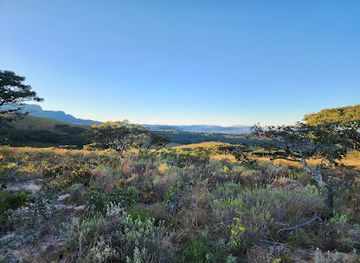
Eastern Highlands attractions are primarily landscape-based, with each mountain district offering a different experience. Nyanga National Park combines open upland scenery, granite formations, streams, wildlife and walking routes with viewpoints around Mount Nyangani and the Mtarazi Falls area. Its archaeological features, including the Ziwa complex, add a human dimension to the plateau. Around Mutare, the Vumba Mountains provide forest walks, botanical collections, cultivated highland scenery and wide views towards Mozambique. The city itself has museums, civic buildings and access to the surrounding hills. Chimanimani National Park and adjoining mountain country are more rugged, with ridges, valleys, waterfalls and demanding hiking routes rather than a dense concentration of conventional sights. Birdwatching, photography, fishing in designated areas, scenic drives and walking are more important here than large family-entertainment attractions. Weather and road conditions strongly influence what is practical, and some natural sites require a guide, suitable footwear or a high-clearance vehicle. The region’s attractions are consequently best approached as a sequence of outdoor landscapes, historic sites and small-scale cultural stops rather than as a checklist of easily connected city excursions.
-
National park
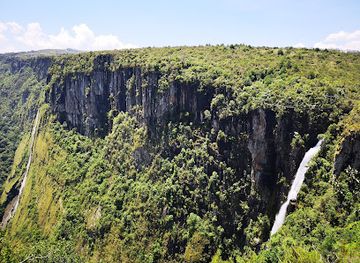
Nyanga National Park
Experience the breathtaking beauty of Nyanga National Park in Zimbabwe, a haven for nature lovers and adventure seekers alike.
-
Monument
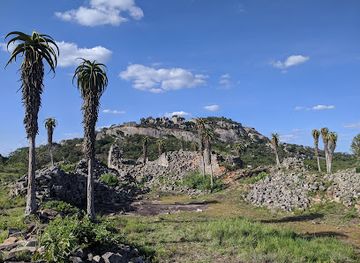
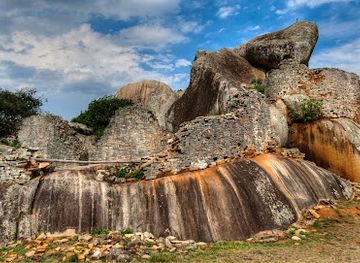
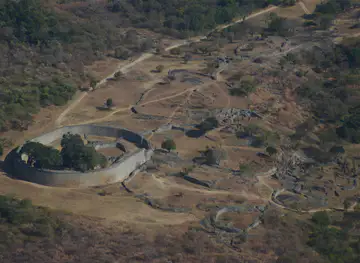
Great Zimbabwe National Monument
Explore the ancient ruins of Great Zimbabwe National Monument, a UNESCO World Heritage Site, and uncover the rich history of Zimbabwe's past.
-
Children's amusement center
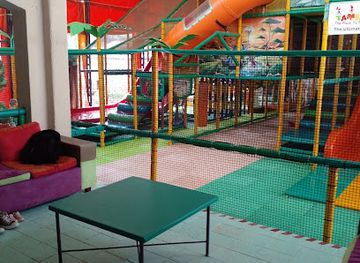
Tamba Tamba Childrens Play Centre
Discover endless fun for kids at Tamba Tamba Children's Play Centre in Harare, a perfect destination for family entertainment and joyful moments.
-
Tourist attraction
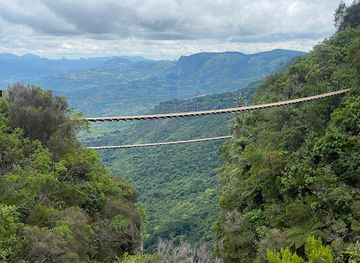
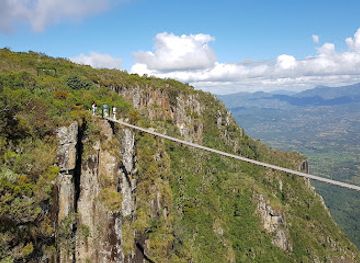
Mutarazi Falls Skywalk and Skyline
Discover breathtaking views and thrilling experiences at Mutarazi Falls Skywalk and Skyline, Zimbabwe's stunning natural attraction.
Best landmarks in Eastern Highlands
Mount Nyangani is the defining geographical landmark of Eastern Highlands and Zimbabwe’s highest mountain, rising above Nyanga’s open plateau and weather-shaped granite scenery. Nearby Mtarazi Falls marks the edge of the highland country with a dramatic descent through forested and rocky terrain. The stone terraces, enclosures and pit structures of the Ziwa archaeological landscape are important cultural landmarks because they preserve evidence of earlier settlement and sophisticated adaptation to upland farming. Mutare’s location in a valley surrounded by hills gives the city a distinctive natural frame, while its older civic and commercial buildings reflect the development of Umtali as a colonial-era transport and administrative centre. In the Vumba, forested ridges and viewpoints towards Mozambique are more significant than monumental architecture, with the botanical gardens offering a cultivated expression of the area’s plant diversity. The Chimanimani range provides the region’s most rugged natural landmark system: high ridges, cliffs, valleys and waterfalls define a landscape whose visual character changes sharply with cloud and light.
-
Tourist attraction
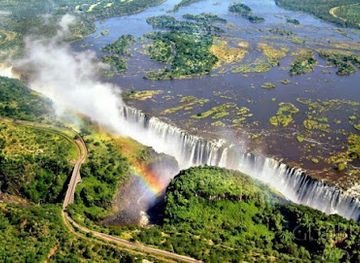
Victoria Falls
Experience the breathtaking beauty of Victoria Falls, one of the seven natural wonders of the world, offering adventure and stunning scenery.
-
National park
Nyanga National Park
Discover the natural splendor and rich cultural heritage of Nyanga National Park, a top tourist attraction in Zimbabwe's Eastern Highlands.
-
Monument
Great Zimbabwe National Monument
Discover the rich history and stunning architecture of Great Zimbabwe National Monument, a UNESCO World Heritage site that showcases ancient African civilization.
-
National park
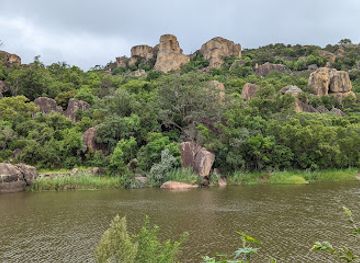
Matobo National Park
Explore Matobo National Park, a UNESCO World Heritage Site with breathtaking landscapes, rich wildlife, and ancient rock art in Zimbabwe.
Explore Eastern Highlands on the map
Plan your trip on one map. See where the top cities, national parks and sights are, and book hotels and experiences in a few clicks.
Best hotels in Eastern Highlands
Best restaurants in Eastern Highlands
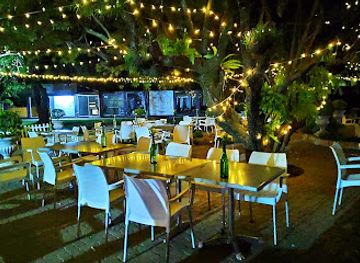
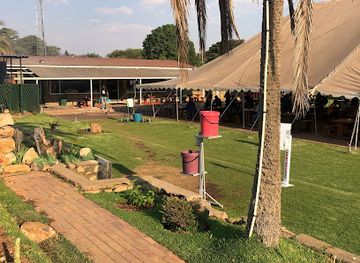
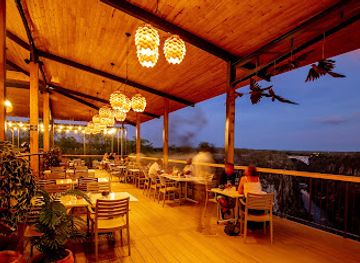
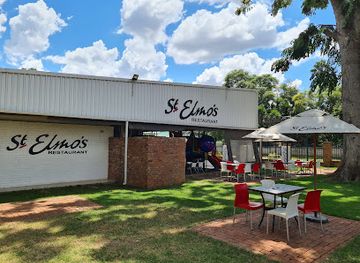
Dining in Eastern Highlands ranges from hotel and lodge restaurants in the mountain districts to cafés, takeaways and more varied establishments in Mutare. The region’s cooler climate and farming economy support vegetables, fruit, tea, coffee, baked goods and other produce, while trout is associated with highland fisheries and appears on some menus. Zimbabwean staples such as sadza, relishes, grilled meat and stews remain part of the wider food culture, alongside British-influenced estate and hotel cooking in some long-established tourism areas. Tea-growing districts provide opportunities to encounter plantation landscapes and locally produced tea, though visits and tastings depend on local arrangements. Rural dining can be limited, so visitors staying in Nyanga or Chimanimani should check whether accommodation provides meals and carry provisions for longer drives. In Mutare, the broadest choice includes Zimbabwean, regional African and international cooking, with seasonal ingredients often more dependable than elaborate claims about a particular culinary tradition.
-
Restaurant
Queen of Hearts
Discover the culinary gem of Harare at Queen of Hearts – where local flavors meet international cuisine in an inviting atmosphere.
-
Restaurant
Gavas Restaurant
Experience authentic Zimbabwean flavors at Gavas Restaurant in Harare – where tradition meets taste.
-
Restaurant
The Lookout Cafe - Wild Horizons
Experience breathtaking views and delightful cuisine at The Lookout Cafe near Victoria Falls - where nature meets flavor.
-
Restaurant
St Elmo's
Experience the heart of Italian cuisine at St Elmo's in Harare – where family-friendly dining meets exquisite flavors.
Best bars in Eastern Highlands
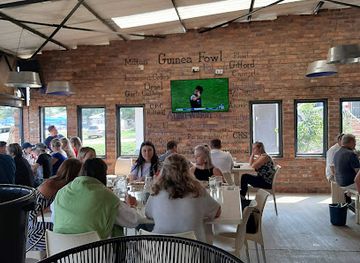
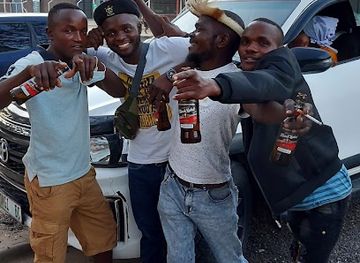
Nightlife in Eastern Highlands is modest and concentrated mainly in Mutare, where hotel bars, restaurants and local drinking places provide the most consistent evening options. The mountain districts are quieter: lodges and guesthouses generally centre their evenings on meals, conversation, fireside settings and the dark-sky landscape rather than late clubs. Traditional Zimbabwean beers, soft drinks and spirits are widely encountered, while some tourism properties serve wine and cocktails. Live music and social events may appear in Mutare, but schedules and venues change, so current local advice is more reliable than assuming a permanent nightlife circuit. In Vumba, Nyanga and Chimanimani, visitors should arrange transport before drinking, avoid walking unfamiliar rural roads after dark and respect the quiet of neighbouring communities. The region’s evening culture is best understood as relaxed and accommodation-based, with urban entertainment available in Mutare rather than across the highlands.
-
Grill
Tin Roof Bucket Bar and Bistro
Discover the lively Tin Roof Bucket Bar and Bistro in Harare, where delicious grills meet a vibrant atmosphere and unforgettable experiences.
-
 Hotel
HotelMontclair Hotel and Casino
Discover the perfect blend of luxury and adventure at Montclair Hotel and Casino in Juliasdale, Zimbabwe, ideal for tourists seeking unforgettable experiences.
-
Bar
Manyati Bar
Experience the vibrant nightlife at Manyati Bar, a must-visit destination in City Centre for drinks, music, and local culture.
-
Bar
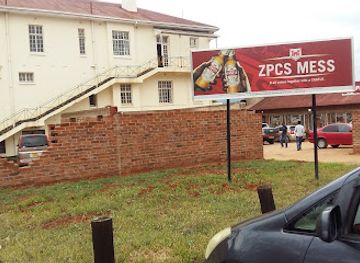
Zimbabwe Prisons and Correctional Services Mess
Experience authentic Zimbabwean hospitality at the affordable Zimbabwe Prisons and Correctional Services Mess, a hidden bar gem in the City Centre.
Best nightclubs in Eastern Highlands
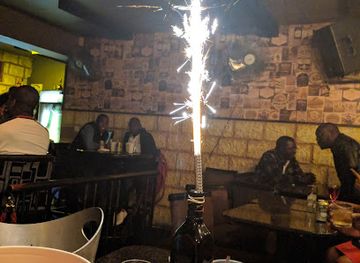
Nightlife in Eastern Highlands is modest and concentrated mainly in Mutare, where hotel bars, restaurants and local drinking places provide the most consistent evening options. The mountain districts are quieter: lodges and guesthouses generally centre their evenings on meals, conversation, fireside settings and the dark-sky landscape rather than late clubs. Traditional Zimbabwean beers, soft drinks and spirits are widely encountered, while some tourism properties serve wine and cocktails. Live music and social events may appear in Mutare, but schedules and venues change, so current local advice is more reliable than assuming a permanent nightlife circuit. In Vumba, Nyanga and Chimanimani, visitors should arrange transport before drinking, avoid walking unfamiliar rural roads after dark and respect the quiet of neighbouring communities. The region’s evening culture is best understood as relaxed and accommodation-based, with urban entertainment available in Mutare rather than across the highlands.
-
Night club
Evitro Lounge, Bar and Club
Discover the vibrant nightlife at Evitro Lounge, Bar and Club in Harare, where great music and cocktails create unforgettable nights.
-
Bar
Club Excite
Experience Gweru's vibrant nightlife at Club Excite, where great music and a lively atmosphere await every visitor.
-
Disco club
Dreams Nightlife
Discover the heart of Harare's nightlife at Dreams Nightlife – a pulsating disco club with unforgettable music and vibrant energy.
-
Disco club
Club Zone Zimbabwe
Discover the energetic allure of Club Zone Zimbabwe—a premier destination for nightlife, dining, and dancing in the heart of Harare.


Best shops in Eastern Highlands
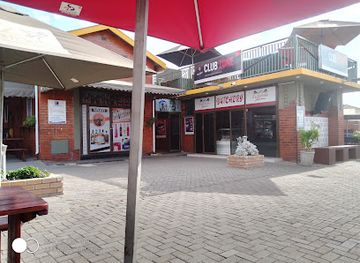
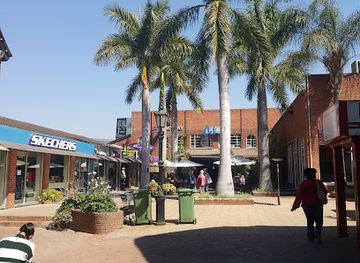
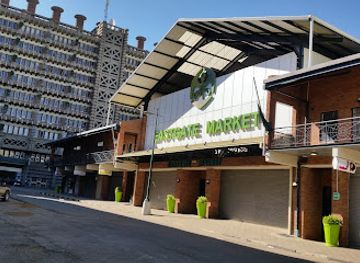
Mutare offers the most varied shopping in Eastern Highlands, with supermarkets, pharmacies, general shops, clothing outlets and informal trading areas useful for replenishing supplies before travelling into the mountains. Smaller highland settlements have limited retail choice, so food, fuel and walking essentials should be obtained in advance. Visitors can look for locally produced tea, coffee, fruit preserves, baked goods, woven items, carved objects and other Zimbabwean crafts, although quality and provenance vary and not every product sold as local is made nearby. Markets and roadside stalls are places to buy seasonal produce and practise courteous bargaining, while formal craft outlets and hotel shops may provide more consistent presentation and payment options. Mutare is also a practical place to purchase books, clothing and basic outdoor supplies, but it is not a specialist technical-equipment centre. Support community artisans where possible, ask permission before photographing goods or makers, and pack fragile purchases carefully for the rougher roads between the city and the highland parks.
-
Shopping mall
Sam Levy's Village
Explore shopping, dining, and entertainment at Sam Levy's Village, Harare's premier shopping destination blending local culture with modern amenities.
-
National park
Nyanga National Park
Discover the breathtaking landscapes and diverse wildlife of Nyanga National Park, a must-visit destination in Zimbabwe’s Eastern Highlands.
-
Outlet mall
Eastgate Market
Explore Eastgate Market in Harare: a vibrant outlet mall blending shopping, dining, and local culture in one lively destination.
-
Shopping mall
Highland Park
Experience the best of shopping, dining, and entertainment at Highland Park, Harare's vibrant shopping mall with a modern twist.
Get your free copy of our complete guide to Eastern Highlands, delivered straight to you.
Everything on this page, from attractions and restaurants to essentials and local phrases, in one PDF you can read offline, print or share.
Already have an account? Sign in
Your Eastern Highlands guide is ready.
We'll send it to · Not you? Sign out

Getting your guide ready…
We are putting together a fresh copy of the Eastern Highlands guide. This can take up to a minute.
This can take a few moments. If your browser asks, choose Allow so the download can start. You'll find the guide in your Downloads folder.
Nothing happened? Download it again
Sorry, the guide is taking longer than usual. Please try again in a minute, or get it by email instead.
Eastern Highlands essentials
Currency and Payment
Safety
Emergency Situations
Do's and Don'ts
Local Tips
From Eve
Local phrases worth knowing
You don't need to get them perfect. A few words go a long way, and locals appreciate the effort.
Basics
| English | Local | Say it |
|---|---|---|
| Hello | Mhoro | [m-ho-ro] |
| Goodbye | Chisarai zvakanaka | [chee-sa-rai zva-na-ka-na-ka] |
| Yes | Ehe | [eh-he] |
| No | Kwete | [kwe-te] |
| Please/You're welcome | Ndapota | [ndah-po-ta] |
| Thank you | Ndatenda | [nda-ten-da] |
| Excuse me/Sorry | Pamusoroi | [pa-mu-so-ro-i] |
| How are you? | Uri sei? | [u-ri say] |
| Fine. And you? | Ndiri bho. Ko iwe? | [n-dee-ri bho. ko ee-we] |
| Do you speak English? | Unotaura Chirungu here? | [u-no-ta-u-ra chee-run-gu he-re] |
| I don't understand | Handisi kunzwisisa | [han-dee-si kun-zi-si-sa] |
Eating & Drinking
| English | Local | Say it |
|---|---|---|
| I'd like to see the menu, please | Ndingade kuona menyu, ndapota | [n-ding-a-de ku-o-na men-yu, n-da-po-ta] |
| I don't eat meat | Handidye nyama | [han-dee-dye n-ya-ma] |
| Cheers! | Kusvikira! | [ku-svi-ki-ra] |
| I would like to pay, please | Ndingade kubhadhara, ndapota | [n-ding-a-de ku-ba-dha-ra, n-da-po-ta] |
Emergencies
| English | Local | Say it |
|---|---|---|
| Help! | Rubatsiro! | [ru-ba-tsi-ro] |
| Go away! | Enda kure! | [en-da ku-re] |
| Call the Police! | Dai mcalla mapurisa! | [da-i m-call-a ma-pu-ri-sa] |
| Call a doctor! | Dai mcalla chiremba! | [da-i m-call-a chi-rem-ba] |
| I'm lost | Ndakakanganiswa | [n-da-ka-kan-gi-ni-swa] |
| I'm ill | Ndiri kurwara | [n-dee-ri ku-ra-ra] |
Shopping
| English | Local | Say it |
|---|---|---|
| I'd like to buy... | Ndingade kutenga... | [n-ding-a-de ku-te-ng-a] |
| I'm just looking | Ndiri kungotarisa | [n-dee-ri kun-go-ta-ri-sa] |
| How much is it? | Inotengesa here? | [ee-no-te-ng-e-sa he-re] |
| That's too expensive | Izvo zvinodhura | [ee-zvo zve-no-dhu-ra] |
| Can you lower the price? | Unogona kuderedza mutengo here? | [u-no-go-na ku-de-re-dza mu-ten-go he-re] |
Time & Numbers
| English | Local | Say it |
|---|---|---|
| What time is it? | Ndeipi nguva? | [n-dei-pi n-gu-va] |
| It's one o'clock | Iri pa1 | [ee-ri pa-one] |
| Half past (10) | Hafu dzemakumi gumi | [ha-fu dze-ma-ku-mi gu-mi] |
| Morning | Mangwanani | [mang-wan-a-ni] |
| Afternoon | Masikati | [ma-si-ka-ti] |
| Evening | Manheru | [man-he-ru] |
| Yesterday | Nezuro | [ne-zu-ro] |
| Today | Nhasi | [n-ha-si] |
| Tomorrow | Mangwana | [mang-wan-a] |
| 1 | Imwe | [eem-we] |
| 2 | Piri | [pee-ri] |
| 3 | Tatu | [ta-tu] |
| 4 | Ina | [ee-na] |
| 5 | Shanu | [sha-nu] |
| 6 | Nhanhatu | [n-han-ha-tu] |
| 7 | Nhetembo | [n-he-tem-bo] |
| 8 | Nane | [na-ne] |
| 9 | Pfumbamwe | [p-fum-ba-mwe] |
| 10 | Gumi | [gu-mi] |
Transport & Directions
| English | Local | Say it |
|---|---|---|
| Where's a/the...? | Kupi ...? | [ku-pi] |
| What's the address? | Chii chiri pamadress? | [chee-ee chee-ri pa-ma-dress] |
| Can you show me (on the map)? | Unogona kundiratidza (pamamepu)? | [u-no-go-na kun-di-ra-ti-dza pa-ma-me-pu] |
| When's the next (bus)? | Rinhi (bhasikoro) rinotevera? | [rin-hi b-ha-si-ko-ro rin-o-te-ve-ra] |
| A ticket (to ....) | Tikiti (ku ....) | [ti-ki-ti ku] |
History of Eastern Highlands
Early farming communities and Nyanga’s stone landscapes
The uplands around Nyanga contain terraces, stone walls, enclosures and pit structures that record long-established settlement and farming. These remains are associated with communities that adapted cultivation and livestock keeping to the highland environment, managing water, soils and steep ground in ways that remain visible across the landscape. Ziwa, within the Nyanga area, is particularly important for understanding the region’s archaeological past. The structures should not be reduced to romantic ruins: they are evidence of organised communities and changing land use before and during the development of later Shona societies.
Manyika and other eastern Shona communities
The Eastern Highlands developed within a cultural zone shaped especially by Manyika-speaking communities, alongside other eastern Shona and neighbouring peoples. Local histories, chiefly authority, farming, trade and connections across the mountains and the Mozambique frontier all influenced settlement. The region’s political geography changed over time rather than following the later colonial boundaries of Manicaland. Contemporary visitors encounter this heritage in place names, language, family histories, religious life and the continuing importance of rural communities around Mutare, Nyanga, Vumba and Chimanimani.
Trade routes and the eastern frontier
The mountains and valleys of eastern Zimbabwe formed part of wider routes linking the interior plateau with the Mozambican lowlands and the Indian Ocean world. Movement across the frontier involved trade, migration and political relationships, although the terrain made travel highly seasonal and locally dependent. The present international boundary between Zimbabwe and Mozambique was imposed during the colonial period and divided older networks rather than creating them. Eastern Highlands history is therefore closely connected to both the interior of Zimbabwe and the neighbouring landscapes beyond the border.
Colonial conquest and the founding of Mutare
Colonial occupation in the 1890s transformed the region’s political and economic order. Mutare, established as Umtali during this period, became a strategic settlement and administrative centre on routes towards Mozambique. European land acquisition, taxation, labour systems and commercial agriculture altered local authority and access to land. The city’s name changed to Mutare after independence, but its urban form still includes buildings and institutions dating from the colonial era. The surrounding highlands were increasingly incorporated into estate agriculture, forestry and conservation schemes.
Railways, estates and highland agriculture
The arrival of railway connections and the expansion of roads strengthened Mutare’s role as a commercial centre and linked Manicaland more closely to national and regional markets. Cooler slopes supported tea, coffee, fruit, timber and horticultural production, while trout farming and tourism developed in parts of the highlands. These industries shaped settlement and employment, but they also reflected unequal colonial land ownership and labour practices. Today, estate landscapes, plantation roads and commercial farms remain part of the region’s economic and visual character, alongside communal agriculture and small-scale production.
Conservation and the creation of protected highland landscapes
National parks and botanical reserves were established to protect mountain forests, grasslands, waterfalls, wildlife habitats and unusual plant communities. Nyanga National Park, the Vumba’s protected forests and Chimanimani National Park now form the backbone of nature-based travel in the region. Conservation has also brought tensions over access, livelihoods, fire management and the historical exclusion of local people from landscapes they had long used. Visitors see only part of this continuing story when they admire the scenery; the protected areas are also products of changing land policy and environmental priorities.
Independence and contemporary Manicaland
Zimbabwe’s independence in 1980 brought political change and the restoration of national control over institutions and land, although the legacies of colonial settlement and unequal ownership did not disappear quickly. Mutare expanded as Manicaland’s principal urban centre, while the Eastern Highlands developed a mixed economy combining farming, forestry, tourism, public services and cross-border trade. The mountains remain culturally connected to communities on both sides of the Zimbabwe–Mozambique boundary. Contemporary travel is consequently shaped by both national identity and the region’s older eastern African networks.
Eastern Highlands in Photos
Browse through our photo collection highlighting the charm and character of the destination.
Neighbouring regions of Eastern Highlands
The closest regions to Eastern Highlands, if you have time for more than one.
-

-

-
-

-


Swipe for more regions
Explore more

Explore more of Zimbabwe
Discover Zimbabwe: A land of majestic waterfalls, abundant wildlife, ancient ruins, and vibrant culture. Perfect for adventure seekers and history enthusiasts alike.
Explore Zimbabwe