

Free Manicaland Travel Guide & Mobile App
Explore Manicaland with free travel guides. Discover regional history, expert tips, proposed trips, and audio guides on web or mobile app.


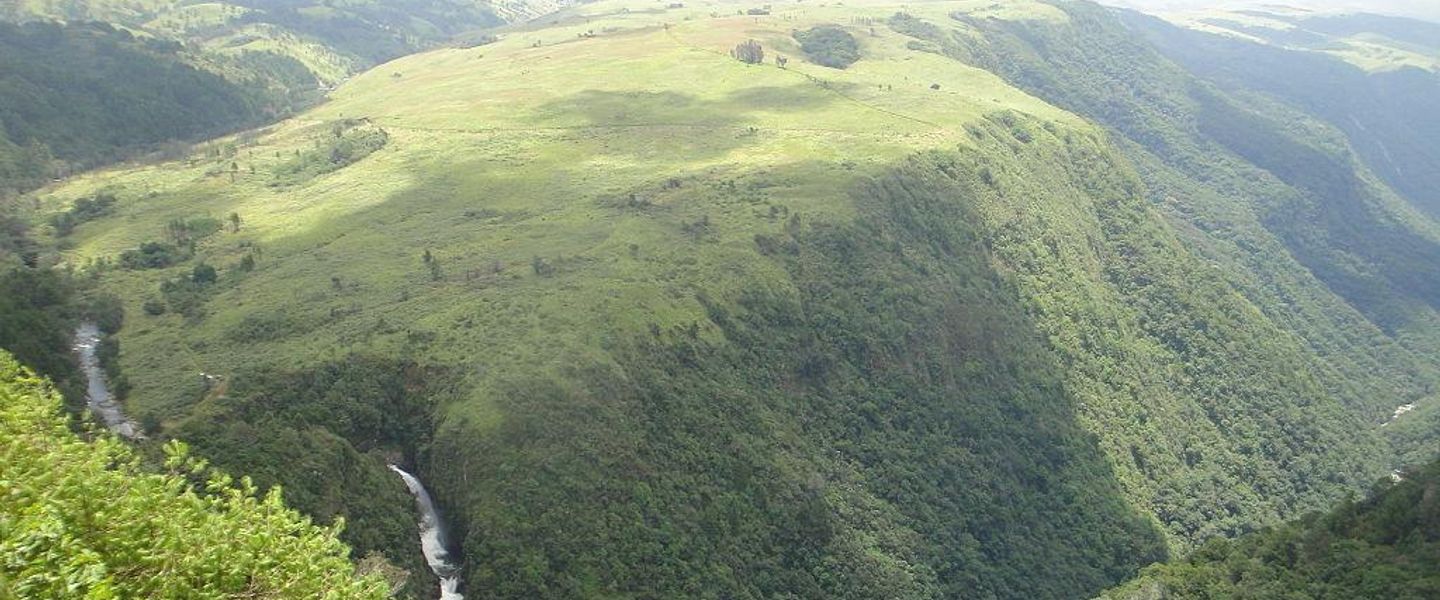


Discover Manicaland, Zimbabwe's eastern paradise, where lush mountains, misty forests, and ancient ruins promise an unforgettable adventure.
Read more about Manicaland
When is the best time to visit Manicaland?
Best: May, August–September · 22–24°C| Month | High (°C) | Rainfall (mm) |
|---|---|---|
| January | 27 | 171 |
| February | 27 | 161 |
| March | 26 | 131 |
| April | 25 | 81 |
| May (best) | 22 | 51 |
| June | 21 | 40 |
| July | 20 | 36 |
| August (best) | 22 | 40 |
| September (best) | 24 | 50 |
| October | 26 | 80 |
| November | 27 | 131 |
| December | 27 | 151 |
Getting to and around Manicaland
How to get there
Transportation
Top city travel guides in Manicaland
The cities of Manicaland, and the easiest places to base yourself.
-

-

-

-


Swipe for more cities
Destinations in Manicaland
Resorts, valleys and scenic spots worth a trip of their own.
-

-

-

-


Swipe for more destinations
Best attractions in Manicaland
Manicaland, Zimbabwe is a treasure trove of natural beauty and cultural heritage, offering visitors a captivating blend of scenic landscapes and rich history. Nestled in the Eastern Highlands, the stunning Bvumba Mountains provide panoramic views and lush botanical gardens, perfect for hiking and bird-watching. Nyanga National Park, with its rolling hills and cascading waterfalls, invites adventurers to explore its diverse wildlife and ancient archaeological sites, including the famed Nyangombe Falls and the mystical Mount Nyangani, the highest peak in Zimbabwe. For a historical journey, the ruins of Old Mutare and the sacred Chinhoyi Caves offer a glimpse into the region's colonial past and indigenous traditions. The Rusape and Honde Valleys boast vibrant local markets and traditional crafts, where visitors can immerse themselves in the local Shona culture. Manicaland’s unique blend of natural wonders and cultural treasures make it a must-visit for any traveler seeking an authentic Zimbabwean experience.
-
Tourist attraction
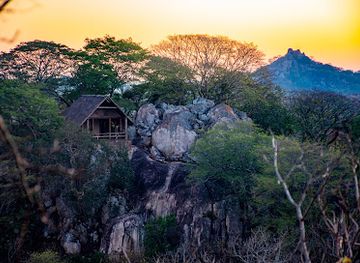
Savé Valley Conservancy
Explore the wonders of Savé Valley Conservancy, a wildlife haven in Zimbabwe where nature and adventure await every traveler.
-
Museum
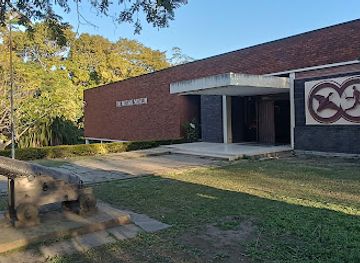
Mutare Museum
Uncover the rich tapestry of Mutare's history at the Mutare Museum, where culture and heritage come alive in captivating exhibits.
-
Golf course
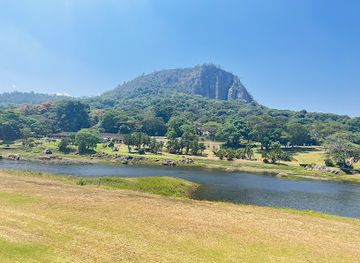
Leopard Rock Golf Course
Discover the stunning Leopard Rock Golf Course in Zimbabwe – a golfer's paradise surrounded by breathtaking natural beauty and welcoming hospitality.
-
Prince of Wales View
Experience breathtaking vistas of Zimbabwe and Mozambique at Prince of Wales View, a scenic spot perfect for nature lovers and photographers.
Best landmarks in Manicaland
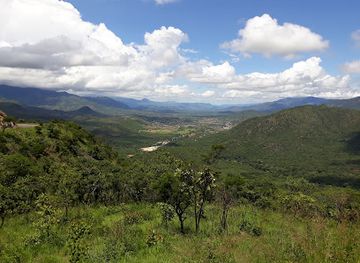
Manicaland, Zimbabwe, offers a captivating blend of natural beauty, ancient history, and vibrant culture. Visitors can explore the awe-inspiring Bvumba Mountains, shrouded in mist and rich with botanical gardens and hiking trails. The majestic Mutarazi Falls, the highest in Zimbabwe, provides thrilling views and adventure activities such as zip-lining. History buffs will be drawn to the ancient rock art in the Nyanga National Park, home to the mystical Nyanga Mountains and the enigmatic ruins of the Nyanga Pit Structures, believed to date back to the Iron Age. The bustling city of Mutare offers a contrast with its vibrant markets, museums, and the serene Murahwa Hill, which offers panoramic views of the city. For those seeking a tranquil escape, the Eastern Highlands' tea plantations and the lush Honde Valley offer serene landscapes perfect for relaxation.
-
National park
Nyanga National Park
Discover the breathtaking landscapes and rich biodiversity of Nyanga National Park, a premier destination for nature lovers and adventure seekers in Zimbabwe.
-
Tourist attraction
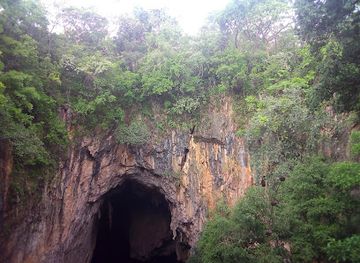
Chinhoyi Caves
Discover the stunning beauty and natural wonders of Chinhoyi Caves, a must-visit attraction for every traveler in Zimbabwe, with its enchanting formations and rich wildlife.
-
Monument
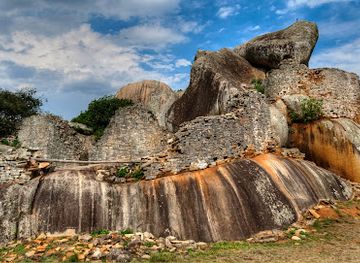
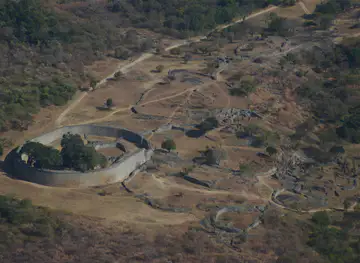
Great Zimbabwe National Monument
Explore the Great Zimbabwe National Monument, a UNESCO World Heritage Site that reveals the ancient history and architectural brilliance of Zimbabwe.
-
Tourist attraction
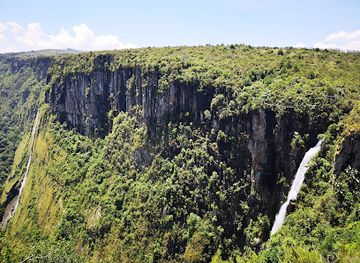
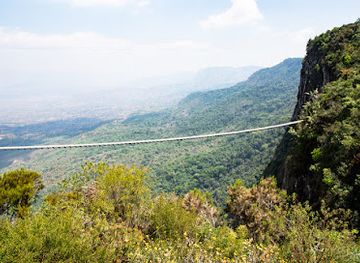
Mutarazi Falls Skywalk and Skyline
Discover the breathtaking views and exhilarating experiences at Mutarazi Falls Skywalk and Skyline, Zimbabwe's stunning natural wonder.
Explore Manicaland on the map
Plan your trip on one map. See where the top cities, national parks and sights are, and book hotels and experiences in a few clicks.
Best hotels in Manicaland
Best restaurants in Manicaland
Manicaland offers a tantalizing tapestry of culinary delights that cater to every palate. From the bustling streets of Mutare to the serene landscapes of Nyanga, visitors can savor traditional Zimbabwean dishes like sadza and nyama, often accompanied by locally sourced vegetables and tangy relishes. For the more adventurous foodie, fresh bream from Lake Kariba and exotic game meats provide an authentic taste of the region's natural bounty. The influence of Indian and Portuguese communities adds a zesty flair with flavorful curries and peri-peri chicken, while quaint tea houses in the Eastern Highlands serve locally grown, world-renowned teas. Whether dining in rustic roadside huts or elegant restaurants with panoramic views of the lush mountains, each meal in Manicaland is a feast for the senses, enriched by the warm hospitality of its people.
-
 Hotel
HotelLeopard Rock Hotel
Experience luxury and nature at Leopard Rock Hotel in Vumba – where stunning views meet exceptional service.
-
Chicken
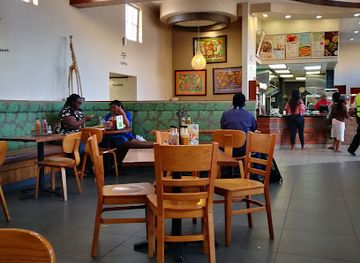
Nando's Mutare
Experience the vibrant taste of South African cuisine at Nando's Mutare, featuring famous peri-peri chicken and family-friendly dining.
-
Hotel
White Horse Inn
Discover comfort and local flavors at White Horse Inn in Mutare – your gateway to exploring Zimbabwe's stunning landscapes.
-
Hotel
Montclair Hotel and Casino
Experience unparalleled luxury at Montclair Hotel and Casino in Zimbabwe's stunning eastern highlands – your gateway to relaxation and adventure.
Best bars in Manicaland
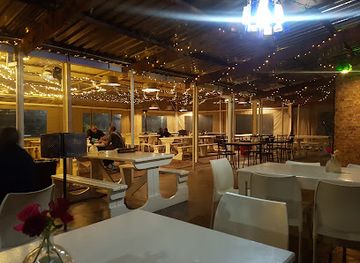
Manicaland's nightlife is a vibrant tapestry that seamlessly blends local culture with modern entertainment. Visitors can expect a diverse array of experiences, from the lively bars in Mutare, where you can enjoy local brews and live music, to the more serene, yet equally enchanting, nightspots in Nyanga, offering stunning views of the Eastern Highlands under a starlit sky. Traditional dance performances often liven up the evenings, providing a unique cultural immersion. For those seeking a more laid-back experience, the quaint pubs and lounges scattered throughout the region offer a cozy atmosphere perfect for unwinding with a drink. As the night deepens, clubs in the larger towns come alive with energetic beats, attracting both locals and tourists to dance the night away. Whether you're looking for rustic charm or contemporary excitement, Manicaland's nightlife has something to offer every traveler.
-
Bar
The Jam Tree
Explore the vibrant atmosphere of The Jam Tree in Harare - a premier bar and grill offering delicious meals, refreshing drinks, and lively entertainment.
-
Resort hotel
Troutbeck Resort
Explore the serene beauty of Troutbeck Resort, a perfect blend of luxury and nature in Zimbabwe's stunning Nyanga region.
-
Inn
Holiday Inn Mutare
Experience comfort and convenience at Holiday Inn Mutare, your gateway to the stunning landscapes and rich culture of Zimbabwe.
-
Grill
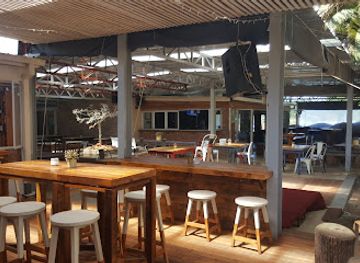
Tin Roof Bucket Bar and Bistro
Discover the flavors of Zimbabwe at Tin Roof Bucket Bar and Bistro, a vibrant grill and bar experience in Harare.
Best nightclubs in Manicaland
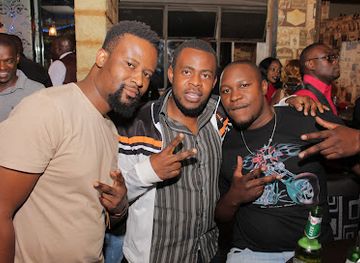
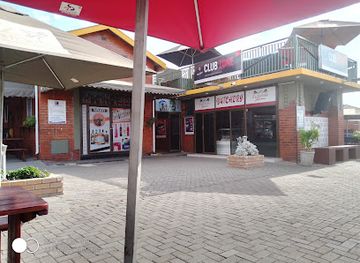
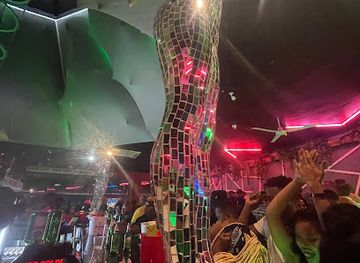
Manicaland's nightlife is a vibrant tapestry that seamlessly blends local culture with modern entertainment. Visitors can expect a diverse array of experiences, from the lively bars in Mutare, where you can enjoy local brews and live music, to the more serene, yet equally enchanting, nightspots in Nyanga, offering stunning views of the Eastern Highlands under a starlit sky. Traditional dance performances often liven up the evenings, providing a unique cultural immersion. For those seeking a more laid-back experience, the quaint pubs and lounges scattered throughout the region offer a cozy atmosphere perfect for unwinding with a drink. As the night deepens, clubs in the larger towns come alive with energetic beats, attracting both locals and tourists to dance the night away. Whether you're looking for rustic charm or contemporary excitement, Manicaland's nightlife has something to offer every traveler.
-
Night club
Evitro Lounge, Bar and Club
Discover the vibrant nightlife of Harare at Evitro Lounge, where great music, drinks, and a lively atmosphere await.
-
Disco club
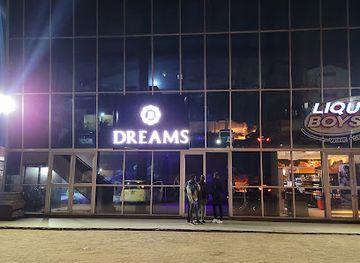
Dreams Nightlife
Discover the vibrant nightlife of Harare at Dreams Nightlife, where music and energy collide for an unforgettable experience.
-
Disco club
Club Zone Zimbabwe
Discover the vibrant nightlife of Harare at Club Zone Zimbabwe, where music, food, and culture come together for an unforgettable experience.
-
Disco club
Karma Lifestyle Restro-Club
Experience the vibrant nightlife at Karma Lifestyle Restro-Club, Harare's premier disco destination with an electric atmosphere and great music.
Best shops in Manicaland
Manicaland's shopping scene is a vibrant tapestry that weaves together the traditional and the modern, offering visitors a unique blend of experiences. In the bustling markets of Mutare, the region's capital, expect to find an array of handcrafted artifacts, from intricately carved wooden sculptures to brightly colored woven baskets, each telling a story of Zimbabwe's rich cultural heritage. For the fashion-conscious, boutiques and street vendors showcase a mix of contemporary Zimbabwean fashion and imported styles, ensuring a diverse wardrobe. Additionally, local food markets brim with fresh produce, exotic fruits, and spices, giving you a true taste of the region's culinary delights. Whether you're hunting for a one-of-a-kind souvenir or simply soaking in the local atmosphere, Manicaland's shopping scene promises an adventure at every corner.
-
Tourist attraction
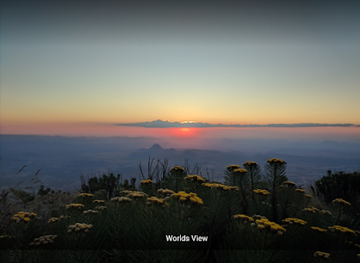
Worlds View
Experience the stunning vistas of World's View in Nyanga, Zimbabwe – a nature lover's paradise with breathtaking landscapes and serene picnic spots.
-
Hotel
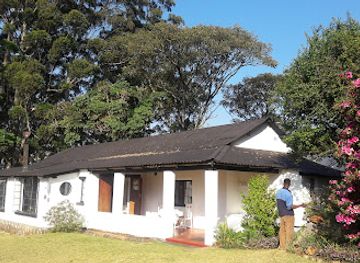
White Horse Inn
Experience tranquility at White Horse Inn, a serene hotel in the Vumba Mountains, perfect for nature lovers and those seeking relaxation.
-
Restaurant
Tonys Coffee And Chocolate Shop
Discover the charm of Tony's Coffee and Chocolate Shop in Vumba, where every sip and bite is a delightful experience surrounded by nature's beauty.
-
Lodging
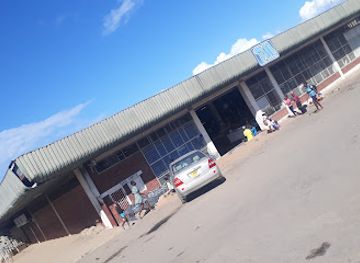
Chikanga Tm
Experience the perfect blend of lodging and local grocery shopping at Chikanga Tm in Mutare, Zimbabwe, where comfort meets convenience.
Get your free copy of our complete guide to Manicaland, delivered straight to you.
Everything on this page, from attractions and restaurants to essentials and local phrases, in one PDF you can read offline, print or share.
Already have an account? Sign in
Your Manicaland guide is ready.
We'll send it to · Not you? Sign out

Getting your guide ready…
We are putting together a fresh copy of the Manicaland guide. This can take up to a minute.
This can take a few moments. If your browser asks, choose Allow so the download can start. You'll find the guide in your Downloads folder.
Nothing happened? Download it again
Sorry, the guide is taking longer than usual. Please try again in a minute, or get it by email instead.
Manicaland essentials
Currency and Payment
Safety
Emergency Situations
Do's and Don'ts
Local Tips
From Eve
Local phrases worth knowing
You don't need to get them perfect. A few words go a long way, and locals appreciate the effort.
Basics
| English | Local | Say it |
|---|---|---|
| Hello | Mhoro | [m-ho-ro] |
| Goodbye | Sara zvakanaka | [sa-ra zva-na-ka] |
| Yes | Ehe | [e-he] |
| No | Kwete | [kwe-te] |
| Please/You’re welcome | Ndatenda | [nda-ten-da] |
| Thank you | Ndatenda | [nda-ten-da] |
| Excuse me/Sorry | Ndineurombo | [ndine-u-rom-bo] |
| How are you? | Uri sei? | [u-ri sei] |
| Fine. And you? | Ndiripo. Iwe? | [n-di-ri-po. i-we] |
| Do you speak English? | Unotaura Chirungu here? | [u-no-ta-u-ra chi-run-gu he-re] |
| I don’t understand | Handinzwisise | [han-din-zwi-si-se] |
Eating & Drinking
| English | Local | Say it |
|---|---|---|
| I’d like to see the menu, please | Ndinoda kuona menyu, ndapota | [n-di-no-da ku-o-na me-nyu, n-da-po-ta] |
| I don’t eat meat | Handidye nyama | [han-di-dye n-ya-ma] |
| Cheers! | Kuwashira! | [ku-wa-shi-ra] |
| I would like to pay, please | Ndinoda kubhadhara, ndapota | [n-di-no-da ku-bha-dha-ra, n-da-po-ta] |
Emergencies
| English | Local | Say it |
|---|---|---|
| Help! | Rubatsiro! | [ru-ba-tsi-ro] |
| Go away! | Enda! | [en-da] |
| Call the Police! | Daidza mapurisa! | [dai-dza ma-pu-ri-sa] |
| Call a doctor! | Daidza chiremba! | [dai-dza chi-rem-ba] |
| I’m lost | Ndakakanganiswa | [n-da-ka-kan-gi-nis-wa] |
| I’m ill | Ndiri kurwara | [n-di-ri ku-rwa-ra] |
Shopping
| English | Local | Say it |
|---|---|---|
| I’d like to buy... | Ndinoda kutenga... | [n-di-no-da ku-ten-ga] |
| I’m just looking | Ndiri kungotarisa | [n-di-ri kung-o-ta-ri-sa] |
| How much is it? | Zvakadini? | [zva-ka-di-ni] |
| That’s too expensive | Izvi zvakawandisa | [i-zvi zva-ka-wan-di-sa] |
| Can you lower the price? | Unogona kuderedza mutengo here? | [u-no-go-na ku-de-re-dza mu-ten-go he-re] |
Time & Numbers
| English | Local | Say it |
|---|---|---|
| What time is it? | Ndeipi nguva? | [n-dei-pi n-gu-va] |
| It’s one o'clock | Ngava imwe | [n-ga-va i-mwe] |
| Half past (10) | Kusvitsa (10) | [ku-svi-tsa] |
| Morning | Mangwanani | [man-gwa-na-ni] |
| Afternoon | Masikati | [ma-si-ka-ti] |
| Evening | Manheru | [man-he-ru] |
| Yesterday | Nezuro | [ne-zu-ro] |
| Today | Nhasi | [nha-si] |
| Tomorrow | Mangwana | [man-gwa-na] |
| 1 | Imwe | [i-mwe] |
| 2 | Piri | [pi-ri] |
| 3 | Tatu | [ta-tu] |
| 4 | China | [chi-na] |
| 5 | Tshanu | [tsha-nu] |
| 6 | Tanhatu | [tan-ha-tu] |
| 7 | Chishanu | [chi-sha-nu] |
| 8 | Chisere | [chi-se-re] |
| 9 | Chitatu | [chi-ta-tu] |
| 10 | Gumi | [gu-mi] |
Transport & Directions
| English | Local | Say it |
|---|---|---|
| Where's a/the...? | Kupi ...? | [ku-pi] |
| What's the address? | Chii chinzvimbo? | [chi-i chi-n-zi-mbo] |
| Can you show me (on the map)? | Unogona kundiratidza (pamepu)? | [u-no-go-na kun-di-ra-ti-dza pa-me-pu] |
| When's the next (bus)? | Rinhi bazi rinotevera? | [rin-hi ba-zi ri-no-te-ve-ra] |
| A ticket (to ....) | Tikiti (ku....) | [ti-ki-ti] |
History of Manicaland
The Ancient Kingdom of Mutapa
The Mutapa Empire, also known as the Mwenemutapa, was a powerful kingdom that existed from the 15th to the 18th century. It was centered in Manicaland and controlled a vast area extending to modern-day Mozambique. The kingdom is renowned for its trade in gold and ivory with Portuguese merchants. The ruins of the capital, Great Zimbabwe, still stand as a testament to this sophisticated civilization.
The Rozvi Empire
Following the decline of the Mutapa Empire, the Rozvi Empire emerged in the late 17th century. The Rozvi, known for their military prowess, were able to fend off Portuguese colonizers and maintain control over the region. Their capital, Danamombe, is located near present-day Manicaland. The Rozvi are celebrated for their stone structures and cattle husbandry.
Colonial Era and the Chimurenga Wars
Manicaland was significantly affected by British colonialism in the late 19th and early 20th centuries. The First Chimurenga (1896-1897) was an uprising against British rule, led by spiritual leaders like Nehanda and Kaguvi. The Second Chimurenga (1966-1979), also known as the Rhodesian Bush War, was a guerrilla war that ultimately led to Zimbabwe’s independence in 1980. Manicaland was a critical battleground during these conflicts.
The City of Mutare
Founded in 1897 as Fort Umtali, Mutare is the fourth-largest city in Zimbabwe and the capital of Manicaland. It became a significant commercial and administrative center during the colonial period. Today, Mutare is known for its beautiful landscapes, including the nearby Vumba Mountains and the Bvumba Botanical Gardens.
The Chimanimani Mountains
The Chimanimani Mountains, located on the border between Zimbabwe and Mozambique, have been a crucial part of Manicaland’s cultural and natural history. These mountains are not only a haven for biodiversity but also hold spiritual significance for local communities. Ancient rock art found in the area provides insights into the lives of early inhabitants.
Traditional Shona Culture
The Shona people are the predominant ethnic group in Manicaland. Their rich cultural heritage includes traditional music, dance, and art, notably the mbira (thumb piano) and intricate stone carvings. Shona culture places a strong emphasis on community and ancestral worship, with many practices deeply rooted in spirituality.
The Honde Valley
The Honde Valley is a lush, fertile region in Manicaland known for its tea plantations and diverse flora and fauna. The valley is also home to the Manyika people, a subgroup of the Shona, who have a distinct cultural identity. Traditional Manyika crafts, such as basket weaving and pottery, are highly regarded.
The Eastern Highlands
The Eastern Highlands, which run through Manicaland, are characterized by their cool climate, rolling hills, and scenic views. This area has been a popular destination for settlers and tourists alike. The highlands are also rich in history, with numerous archaeological sites that offer glimpses into prehistoric human activities.
Manicaland in Photos
Browse through our photo collection highlighting the charm and character of the destination.
Neighbouring regions of Manicaland
The closest regions to Manicaland, if you have time for more than one.
-

-
-

-

-


Swipe for more regions
Explore more

Explore more of Zimbabwe
Discover Zimbabwe: A land of majestic waterfalls, abundant wildlife, ancient ruins, and vibrant culture. Perfect for adventure seekers and history enthusiasts alike.
Explore Zimbabwe