



Destination Guide
Xai-Xai: A Coastal Retreat
Relax on the beaches and explore the reefs of Xai-Xai.
View More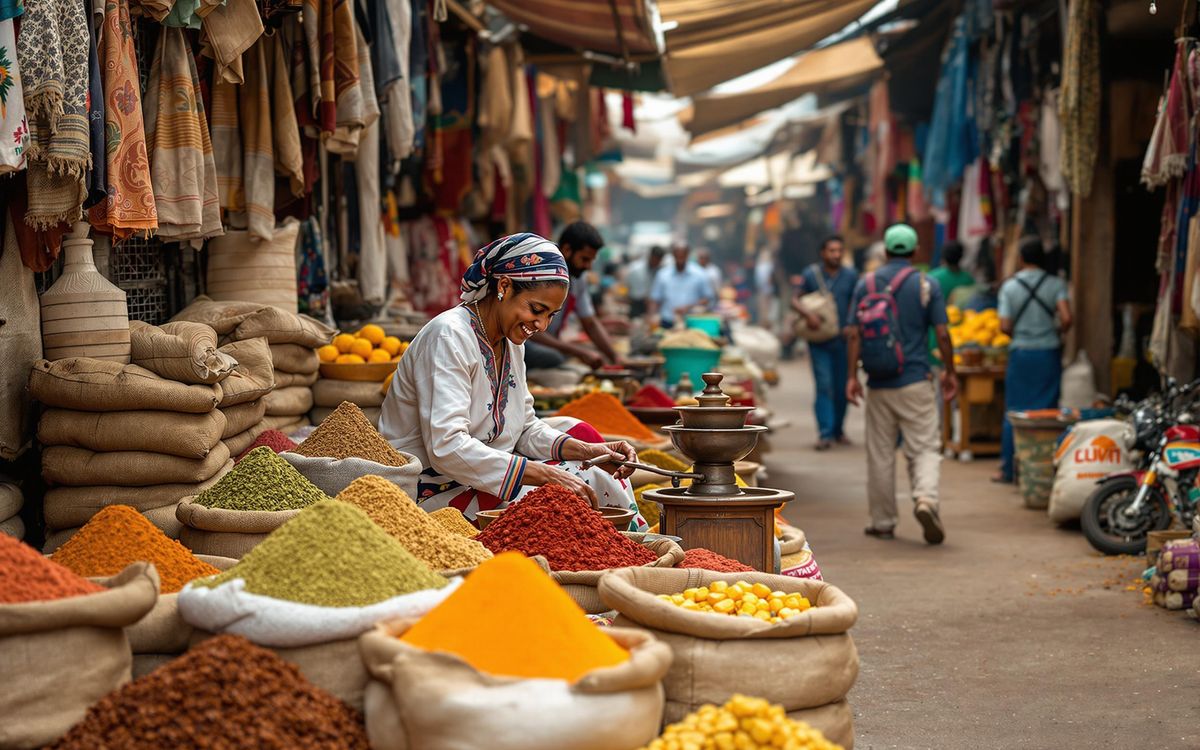

Discover the allure of Addis Ababa, a city where ancient traditions meet modern vibrancy, offering a unique and immersive cultural experience in the heart of Ethiopia.
As the capital of Ethiopia, Addis Ababa is a dynamic metropolis that pulsates with life, history, and a unique cultural identity. In April, the city comes alive with religious festivals and celebrations, providing an ideal time to explore its many facets. From ancient museums to bustling markets and sacred cathedrals, Addis Ababa offers a rich tapestry of experiences for every traveler.

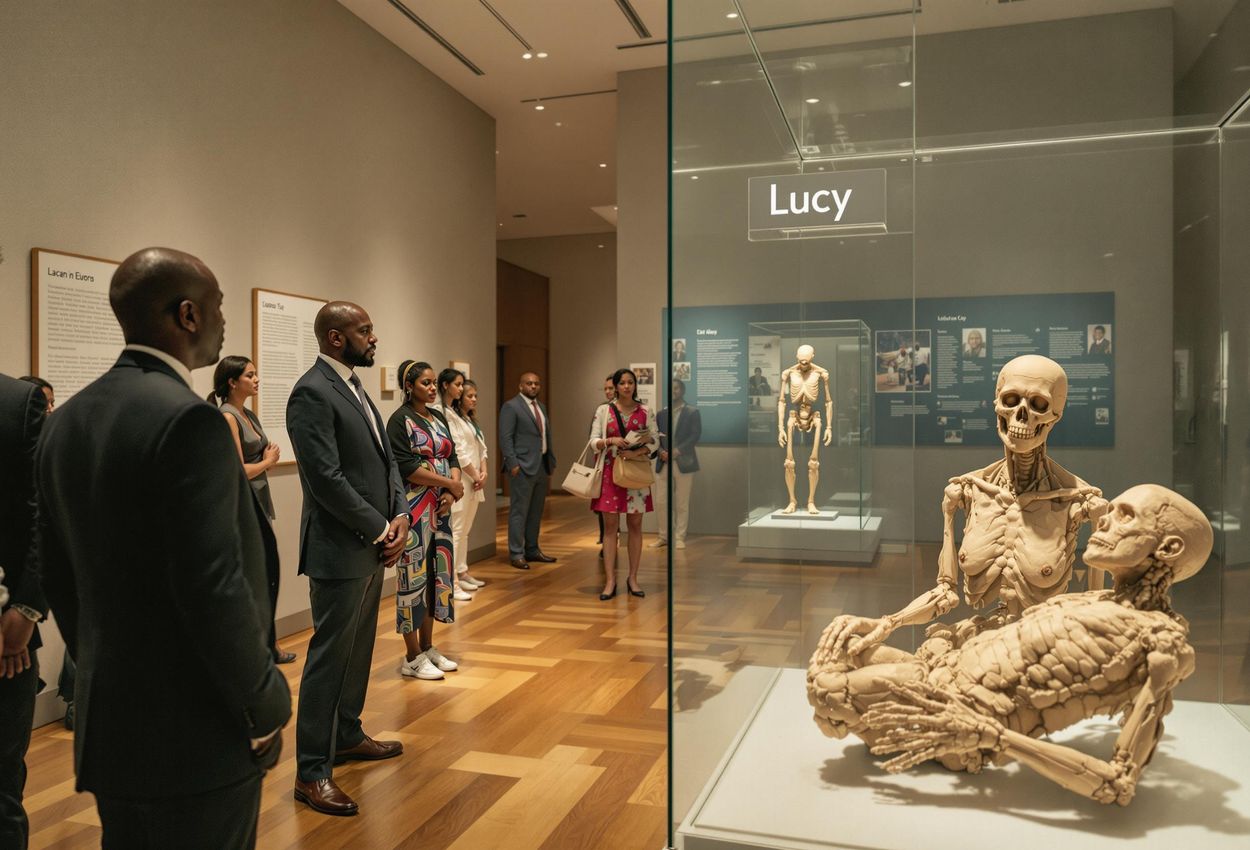
The National Museum of Ethiopia, located near Addis Ababa University, stands as a repository of the nation's rich history and heritage. This cultural institution is a must-visit for anyone seeking to understand Ethiopia's past, from its earliest human ancestors to its artistic achievements. The museum is divided into four main exhibition sections, each offering a unique glimpse into different aspects of Ethiopian history and culture.
In the basement, visitors can explore the paleoanthropology section, home to the fossilized remains of “Lucy” (Australopithecus afarensis), one of the oldest and most complete hominid skeletons ever discovered. Standing before Lucy's remains is a powerful experience, connecting you to the dawn of humanity. The ground floor showcases ancient and medieval artifacts, providing insights into Ethiopia's early civilizations. The first floor is dedicated to ethnography and traditional culture, displaying a variety of artifacts that highlight the diverse customs and traditions of Ethiopia's many ethnic groups. The second floor features modern and contemporary Ethiopian art, showcasing the country's artistic evolution.
Immerse yourself in the sensory details of ancient artifacts, feeling the weight of history in each exhibit. Imagine the textures of ancient tools and the vibrant colors of traditional costumes. The National Museum is open Monday to Friday from 8:30 AM to 5:30 PM, and on Saturday and Sunday from 9:00 AM to 5:00 PM. The entrance fee for foreign nationals is 200 ETB.
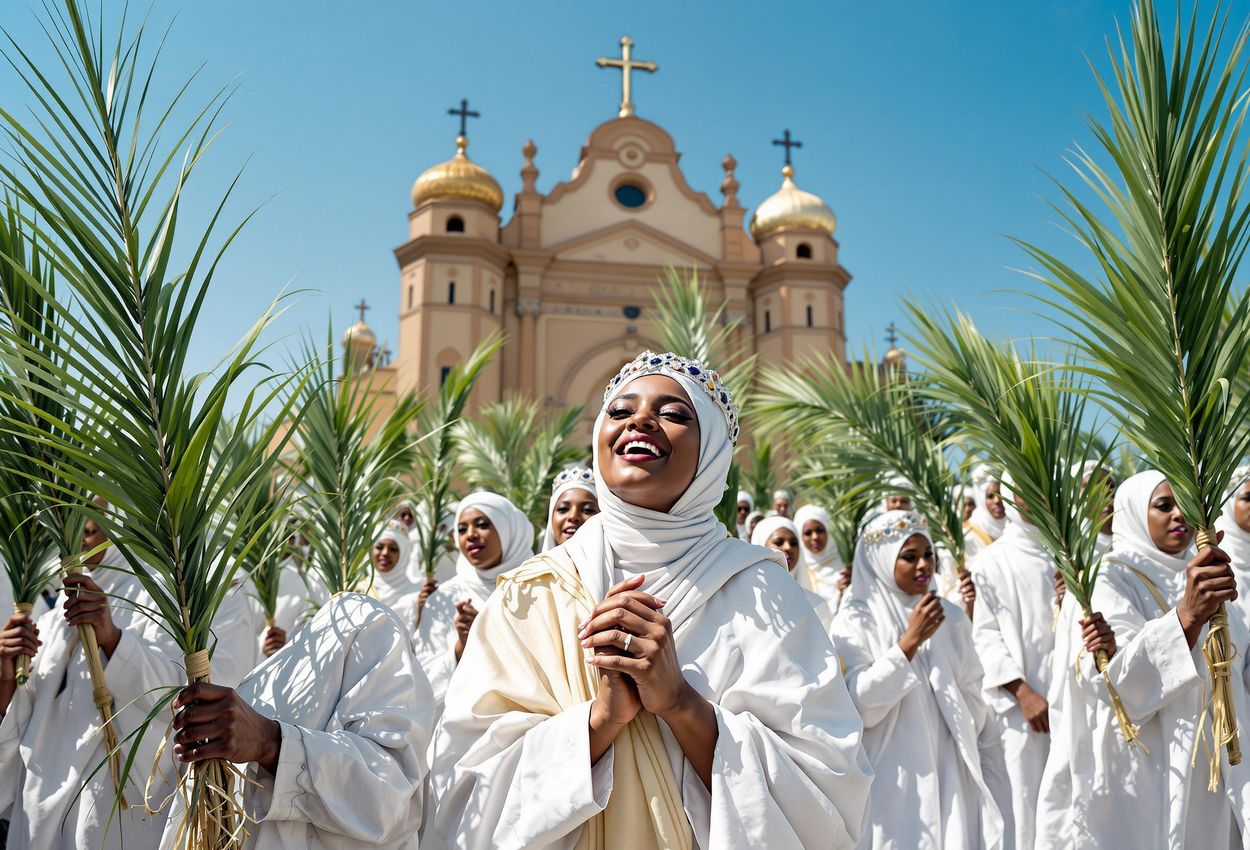
Experience the vibrant celebrations of Hossana (Palm Sunday) at Bole Medehanialem Church, typically held in April. This significant religious event commemorates Jesus's entry into Jerusalem, drawing large crowds of devotees dressed in white. The air is filled with the sounds of hymns and prayers as worshippers gather for mass, many wearing crowns made of palm fronds.
Palm Sunday, known locally as ‘Hosanna’, is celebrated with sacred rituals, prayers, and communal gatherings, marking the beginning of Holy Week. The devotees, clad in white and wearing palm frond crowns, gather at the Bole Medehanialem Church for mass. The religious significance of Palm Sunday is palpable, as the community comes together to celebrate and remember Jesus's triumphant entry into Jerusalem. The sacred rituals, heartfelt prayers, and communal gatherings create an atmosphere of reverence and joy.
Imagine the sight of the procession, a sea of white garments and green palm fronds, moving through the streets. Feel the energy of the crowd, united in faith and celebration. Listen to the hymns echoing through the air, creating a deeply spiritual experience.
The Holy Trinity Cathedral, also known as Kidist Selassie, is the highest-ranking Orthodox cathedral in Ethiopia. Its imposing copper dome and Gothic-inspired facade make it an architectural marvel. The cathedral is not only a place of worship but also the final resting place of Emperor Haile Selassie and Empress Menen Asfaw.
Inside, intricate murals and mosaics adorn the walls, telling stories of faith and history. Stained-glass windows cast colorful patterns across the interior, illuminating the carved imperial thrones. The tombs of patriots and Sylvia Pankhurst, a British suffragette who supported Ethiopia's struggle against Italian occupation, add to the cathedral's historical significance. Throughout the year, the cathedral observes various cultural events and holidays, providing opportunities for visitors to witness Ethiopian Orthodox traditions.
Imagine the cool, quiet interior of the cathedral, the scent of incense lingering in the air. See the light filtering through the stained-glass windows, casting a kaleidoscope of colors on the ancient stones. Listen to the echoes of prayers and hymns, connecting you to centuries of faith.

Merkato Market, one of the largest open-air markets in Africa, offers an immersive experience into the heart of Addis Ababa. This sprawling labyrinth of shops and stalls is a sensory overload, with the sounds of bargaining, the scents of roasting coffee, and a kaleidoscope of colors. While not primarily a tourist shopping destination, Merkato provides a unique glimpse into daily Ethiopian life.
Explore the Spice Market, where heaps of berbere, turmeric, and incense fill the air. Wander through Shiro Meda, the textile section, and discover handwoven fabrics and traditional garments. The Food Section offers a taste of authentic Ethiopian cuisine, including injera and traditional stews. Witness a traditional coffee ceremony, from roasting the beans to serving the rich, aromatic brew. Though bustling and sometimes overwhelming, Merkato offers an unparalleled cultural experience.
Imagine the sounds of vendors calling out their wares, the aroma of spices filling the air, and the vibrant colors of textiles and produce. Feel the energy of the crowd, a mix of locals and adventurous travelers. Merkato is a place where you can truly lose yourself in the vibrant chaos of Addis Ababa.
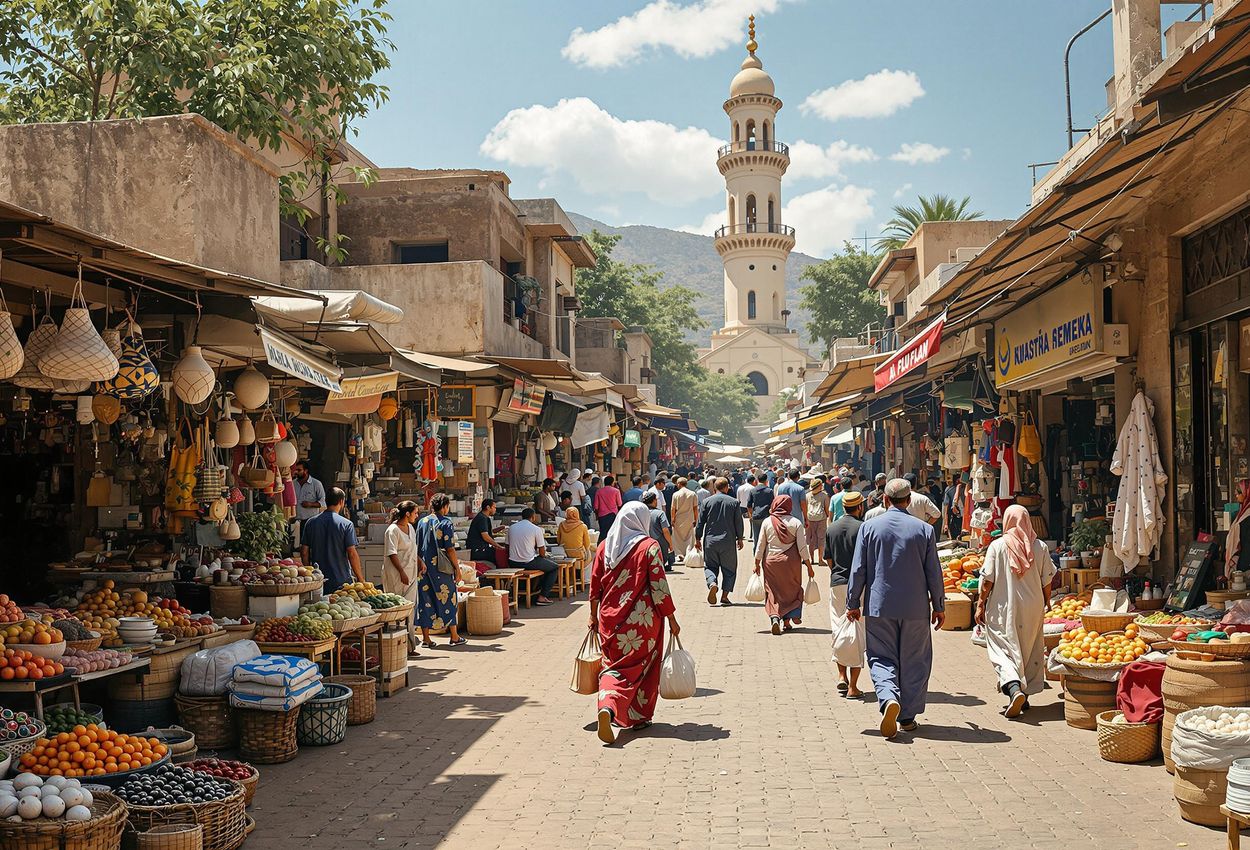
Tinsae/Fasika, or Ethiopian Easter, is the most important religious festival in the Ethiopian Christian calendar. Celebrated according to the Julian calendar, it marks the culmination of a 55-day fasting period (Hudade). The traditions surrounding Fasika blend religious significance with cultural customs.
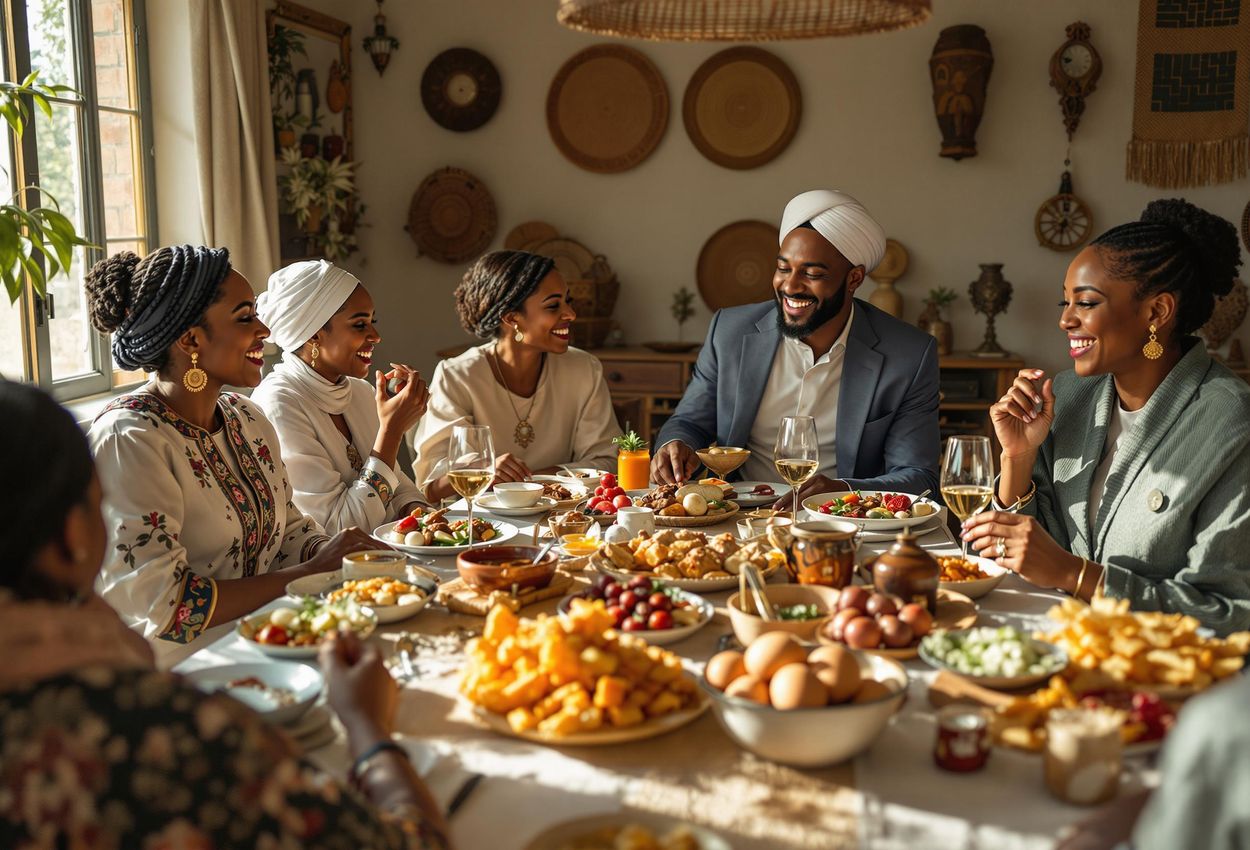
The Easter celebrations begin with an all-night vigil on Easter Sunday eve. Early morning church services are followed by a grand feast, where families break their fast with traditional dishes. Doro Wat, a spicy chicken stew, and Dabo, a special sourdough bread, are staples of the Easter feast. The unique blend of religious rituals and communal feasting makes Fasika a deeply meaningful and joyous occasion.
Imagine the solemnity of the all-night vigil, the scent of incense filling the air. Picture the joy of the Easter feast, families gathered together to celebrate the resurrection of Jesus Christ. Feel the sense of renewal and hope that permeates the air during this most sacred of holidays.
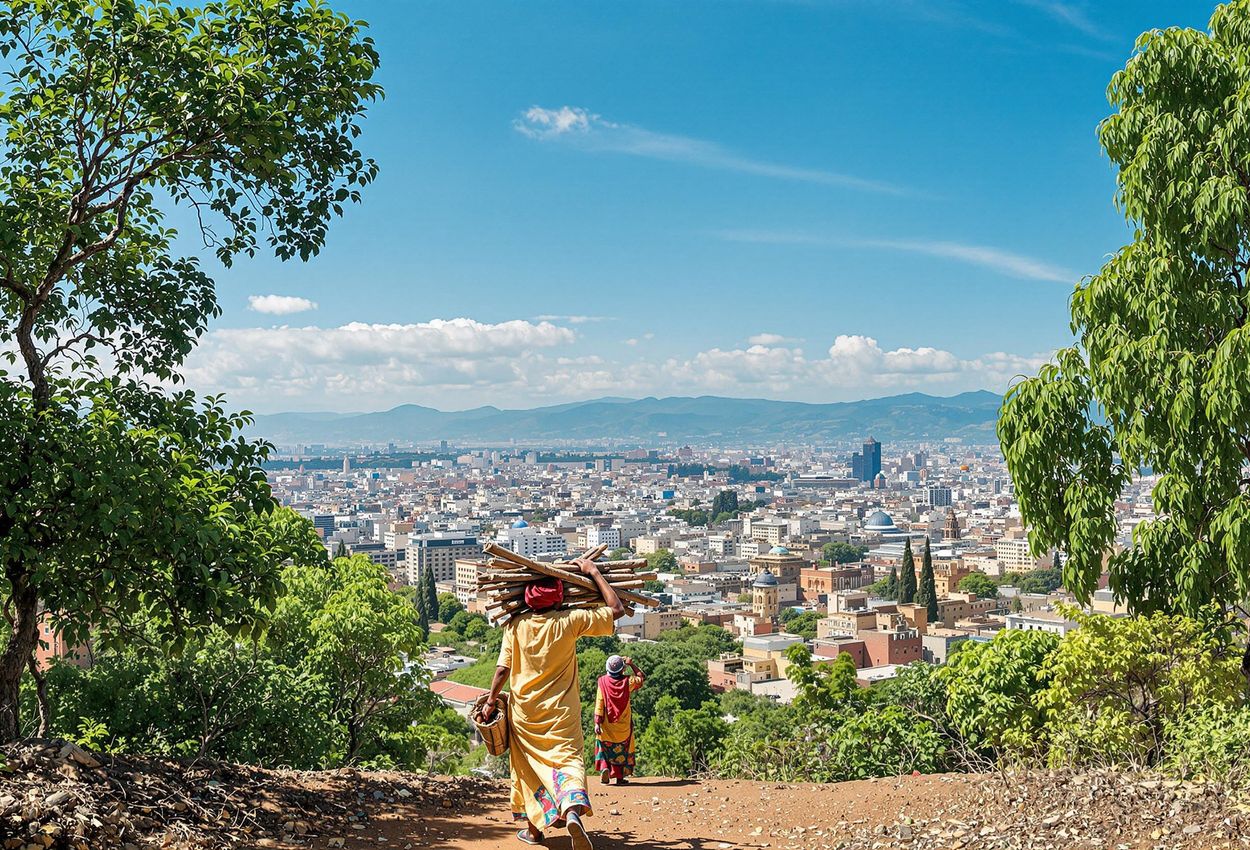
Entoto Hill, with its historical significance and panoramic views, offers a refreshing escape from the city. As the former capital of Menelik II, Entoto Hill provides a glimpse into Ethiopia's imperial past. The refreshing eucalyptus forests and the panoramic views of Addis Ababa make it a worthwhile destination.
Visit Entoto Maryam Church and the museum showcasing Emperor Menelik II's artifacts. Explore Entoto Natural Park, offering opportunities for hiking and bird watching. Observe the local women carrying eucalyptus wood, a common sight on the hill. Whether you hike to the summit or take a taxi, the views from Entoto Hill are unforgettable.
Imagine the crisp mountain air, the scent of eucalyptus filling your lungs. See the sprawling cityscape of Addis Ababa below, a tapestry of colors and textures. Feel the sense of accomplishment as you reach the summit, rewarded with breathtaking views.
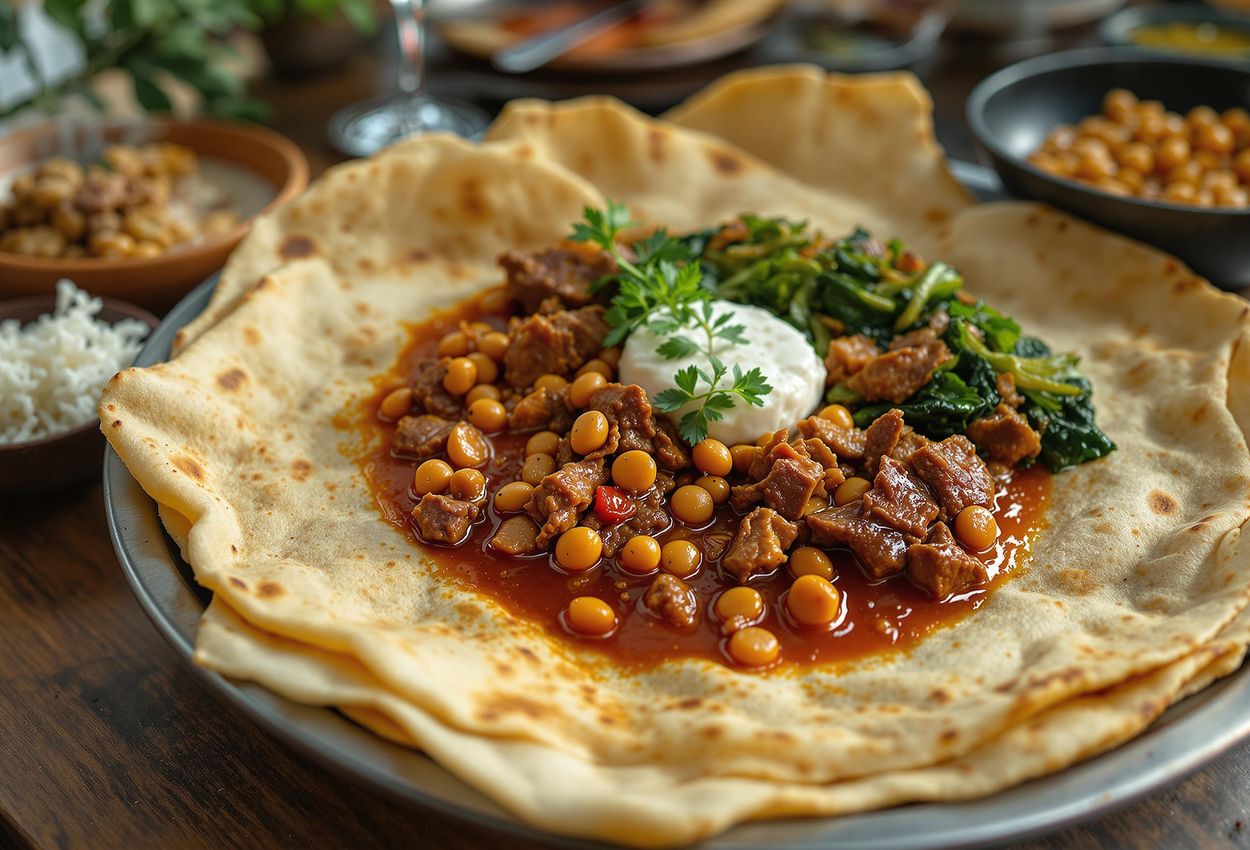
Ethiopian cuisine is a culinary adventure, offering a symphony of flavors and textures. The cornerstone of Ethiopian food is injera, a sourdough flatbread that serves as both plate and utensil. Various wats (stews) are served on top of the injera, providing a diverse range of flavors.
Shiro Wat, a stew made from chickpea flour, is a popular vegetarian option. Kitfo, minced raw beef marinated in spices, is a delicacy for meat lovers. Tibs, sautéed meat, offers a savory and satisfying experience. Don't miss the traditional coffee ceremony, a cultural ritual that involves roasting, grinding, and brewing coffee. For a local favorite, try Grand Restaurant, known for its authentic Ethiopian dishes.
Imagine the tangy taste of injera, the spicy kick of berbere, and the rich aroma of Ethiopian coffee. Feel the communal spirit of sharing a meal with friends and family. Ethiopian cuisine is more than just food; it's a cultural experience.
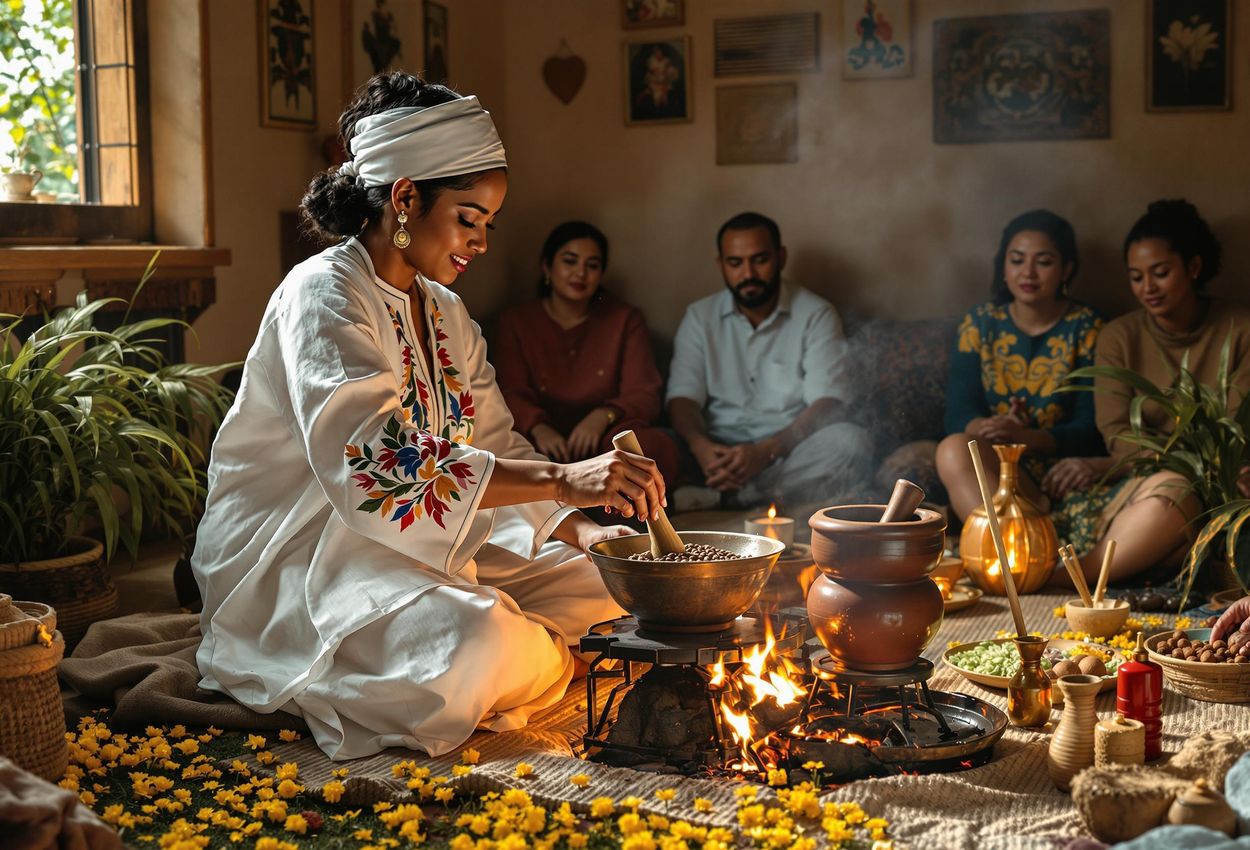
Ethiopia, the birthplace of coffee, boasts a deep-rooted coffee culture that permeates daily life. The traditional Ethiopian coffee ceremony is a multi-step ritual, from roasting the beans to serving the brew in three rounds. This ceremony is more than just making coffee; it's a social event, a time for community and connection.
The ceremony begins with the roasting of green coffee beans over a charcoal brazier. The aroma fills the air, creating a sense of anticipation. The roasted beans are then ground and brewed in a jebena, a traditional clay pot. The coffee is served in three rounds: abol, tona, and bereka, each with its own unique flavor and significance. In Addis Ababa, modern coffee shops blend tradition with contemporary practices, offering a variety of coffee experiences. The Kafa Biosphere Reserve, the birthplace of wild Arabica coffee, is a testament to Ethiopia's coffee heritage.
Imagine the rich aroma of roasting coffee beans, the gentle clinking of cups, and the lively conversation of friends and neighbors. Feel the warmth of the coffee cup in your hands, the sense of connection and community. The Ethiopian coffee ceremony is a sensory experience that nourishes both body and soul.
Unity Park, located within the Grand Palace, offers a glimpse into Ethiopia's royal history and cultural diversity. This expansive park has served seven Ethiopian leaders and houses historical buildings and plants dating back to Emperor Menelik II.
Explore the historical buildings, museums, and gardens, each telling a story of Ethiopia's past. The park also features a zoo with black-maned Ethiopian lions and other wildlife. Unity Park aims to showcase Ethiopia's rich history and promote unity among its diverse ethnic groups.
Imagine strolling through the meticulously landscaped gardens, admiring the historical architecture, and encountering Ethiopia's unique wildlife. Feel the sense of pride and unity that the park embodies. Unity Park is a place where history, culture, and nature converge.
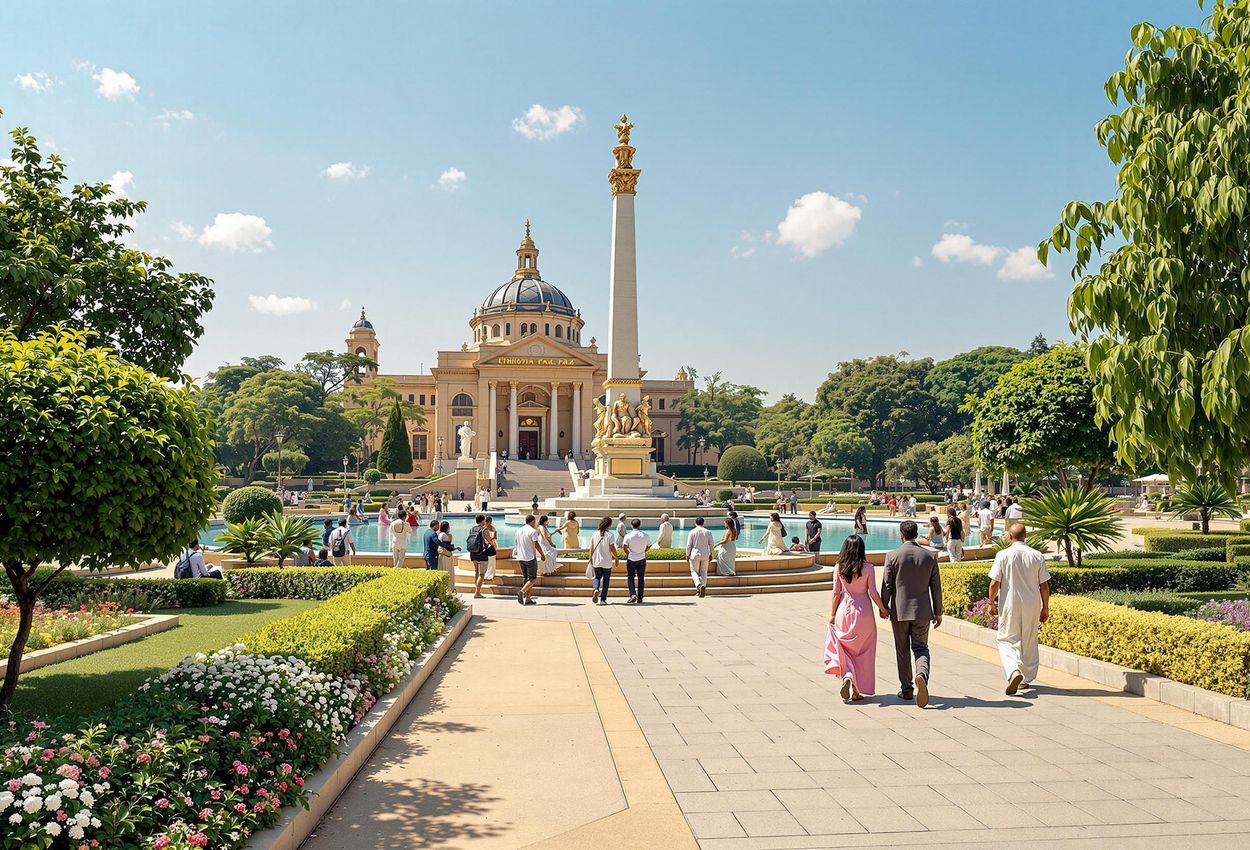
The 'Red Terror' Martyrs' Memorial Museum serves as a place of reflection on a significant period in Ethiopia's history. The museum commemorates the victims of the Red Terror under the Derg regime, offering a somber yet important educational experience.
The exhibits include torture instruments, skulls and bones, coffins, bloody clothes, and photographs of victims. Guides provide free tours, recounting the history leading up to the Red Terror and the actions taken against those who opposed the Derg. The museum also features a pictorial history of the Red Terror, ensuring that the stories of the victims are never forgotten.
Imagine the silence of the museum, broken only by the whispers of the guides. See the haunting images of the victims, the chilling displays of torture instruments. Feel the weight of history, the importance of remembering the past to prevent future atrocities.
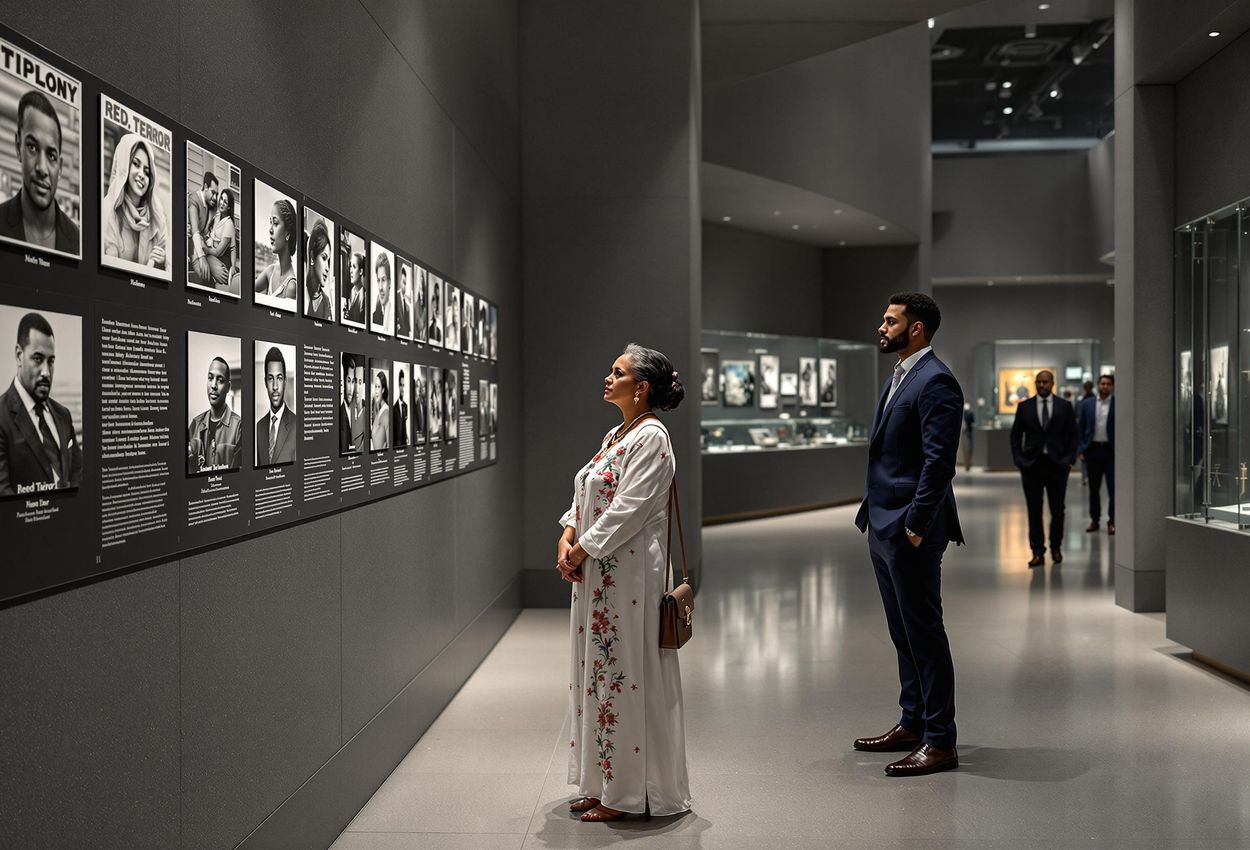
Addis Ababa, with its blend of ancient traditions and modern attractions, offers a rich and immersive cultural experience. From the historical artifacts in the National Museum to the bustling stalls of Merkato Market, from the sacred spaces of Holy Trinity Cathedral to the panoramic vistas of Entoto Hill, Addis Ababa is a city that captivates the senses and nourishes the soul. Whether you are exploring its historical sites, savoring its cuisine, or participating in its cultural celebrations, Addis Ababa promises an unforgettable journey into the heart of Ethiopia.
Local Tip: When visiting churches and religious sites, dress respectfully, covering your shoulders and knees.
Hidden Gem: Explore the smaller, local coffee shops for an authentic Ethiopian coffee ceremony experience, often more intimate and personal than those offered in tourist-centric establishments.
Our editors` picks of the latest and greatest in travel - delivered to your inbox daily
Relax on the beaches and explore the reefs of Xai-Xai.
View More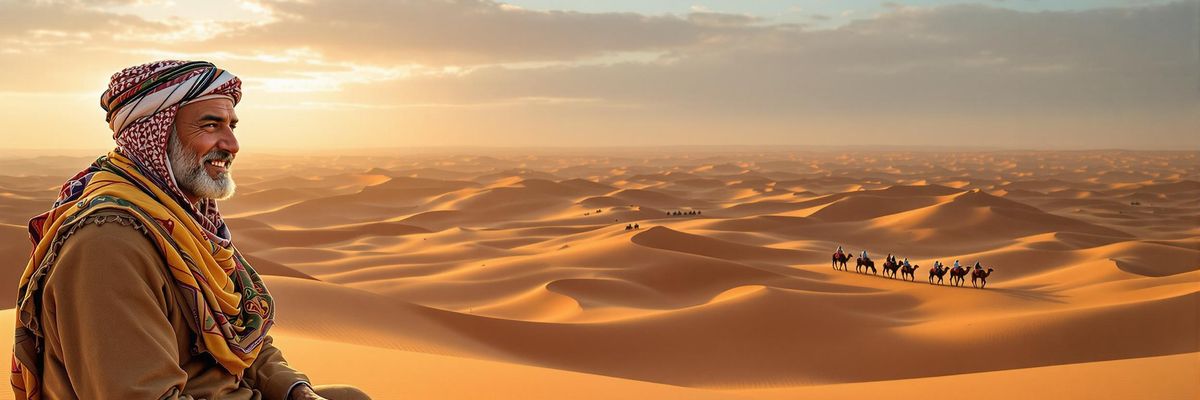
Embrace the cooler temperatures and experience the International Festival of the Sahara in Douz this December.
View More
Celebrate the year-end festivities in Accra, culminating in the vibrant Afrofuture festival.
View More Albania EDITION
 Algeria EDITION
 Argentina EDITION
 Armenia EDITION
 Australia EDITION
 Austria EDITION
 Bangladesh EDITION
 Belgium EDITION
 Belize EDITION
 Benin EDITION
 Bhutan EDITION
 Bolivia EDITION
 Bosnia and Herzegovina EDITION
 Botswana EDITION
 Brazil EDITION
 Bulgaria EDITION
 Burkina Faso EDITION
 Cambodia EDITION
 Cameroon EDITION
 Canada EDITION
 Central African Republic EDITION
 Chad EDITION
 Chile EDITION
 China EDITION
 Colombia EDITION
 Costa Rica EDITION
 Croatia EDITION
 Cyprus EDITION
 Denmark EDITION
 Djibouti EDITION
 Ecuador EDITION
 Egypt EDITION
 El Salvador EDITION
 Eritrea EDITION
 Estonia EDITION
 Ethiopia EDITION
 Finland EDITION
 France EDITION
 Gabon EDITION
 Georgia EDITION
 Germany EDITION
 Ghana EDITION
 Greece EDITION
 Guatemala EDITION
 Guinea EDITION
 Guinea-Bissau EDITION
 Honduras EDITION
 Hungary EDITION
 Iceland EDITION
 India EDITION
 Indonesia EDITION
 Ireland EDITION
 Israel EDITION
 Italy EDITION
 Jamaica EDITION
 Japan EDITION
 Jordan EDITION
 Kenya EDITION
 Kuwait EDITION
 Laos EDITION
 Latvia EDITION
 Lebanon EDITION
 Lesotho EDITION
 Liberia EDITION
 Lithuania EDITION
 Luxembourg EDITION
 Madagascar EDITION
 Malawi EDITION
 Malaysia EDITION
 Maldives EDITION
 Mali EDITION
 Malta EDITION
 Mauritania EDITION
 Mauritius EDITION
 Mexico EDITION
 Mongolia EDITION
 Montenegro EDITION
 Morocco EDITION
 Mozambique EDITION
 Namibia EDITION
 Nepal EDITION
 Netherlands EDITION
 New Zealand EDITION
 Nicaragua EDITION
 Niger EDITION
 Nigeria EDITION
 Norway EDITION
 Oman EDITION
 Pakistan EDITION
 Panama EDITION
 Papua New Guinea EDITION
 Paraguay EDITION
 Peru EDITION
 Philippines EDITION
 Poland EDITION
 Portugal EDITION
 Qatar EDITION
 Romania EDITION
 Rwanda EDITION
 Saudi Arabia EDITION
 Senegal EDITION
 Serbia EDITION
 Singapore EDITION
 Slovakia EDITION
 Slovenia EDITION
 Somalia EDITION
 South Africa EDITION
 South Korea EDITION
 Spain EDITION
 Sri Lanka EDITION
 Suriname EDITION
 Sweden EDITION
 Switzerland EDITION
 Tanzania EDITION
 Thailand EDITION
 Tunisia EDITION
 Uganda EDITION
 United Arab Emirates EDITION
 United Kingdom EDITION
 Uruguay EDITION
 Venezuela EDITION
 Vietnam EDITION
 Zambia EDITION
 Zimbabwe EDITION
Subscribe to our newsletter and get the most captivating travel stories, hidden gems, and expert insights delivered straight to your inbox. As a subscriber, you’ll be first in line for exclusive content, premium offers, and unforgettable travel experiences