


Destination Guide
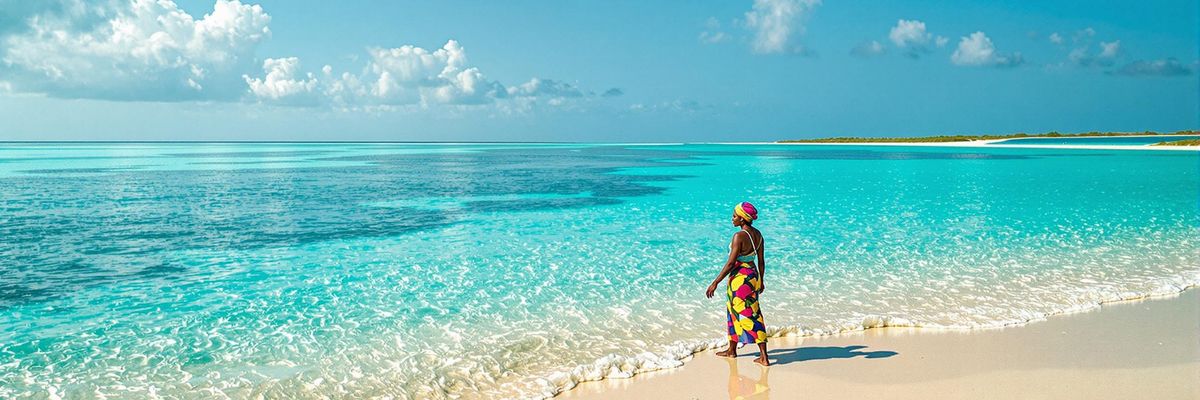
Xai-Xai: A Coastal Retreat
Relax on the beaches and explore the reefs of Xai-Xai.
View More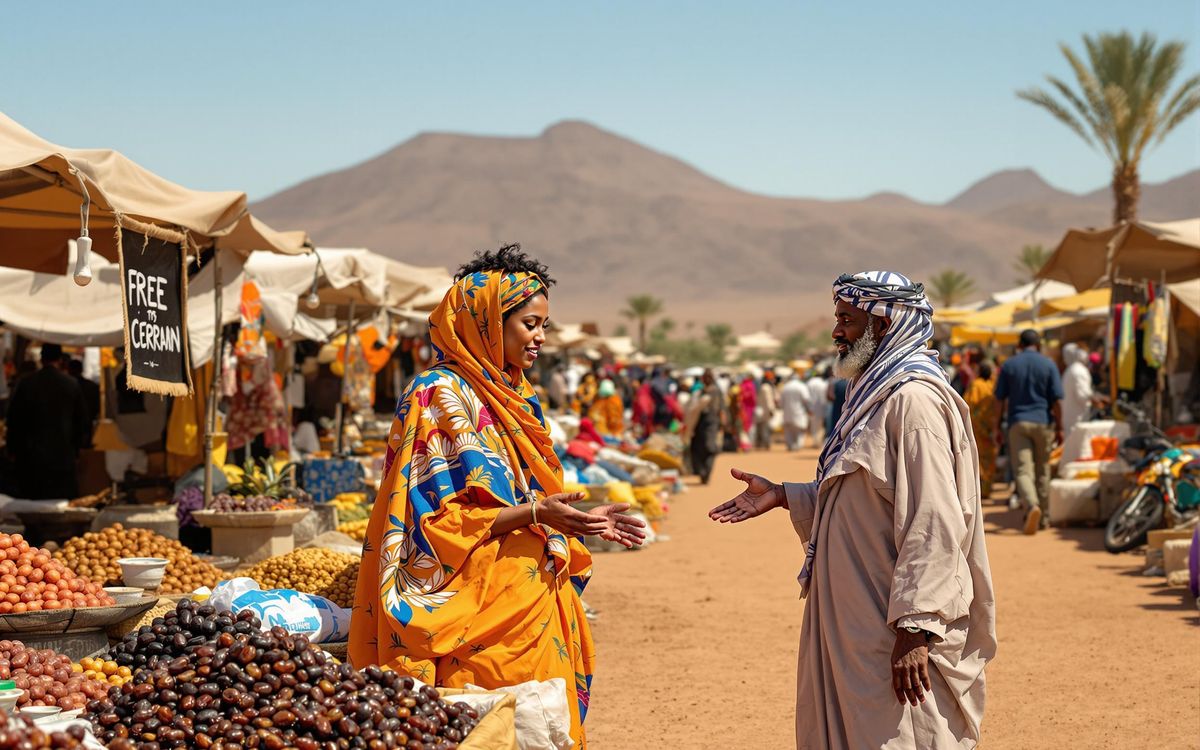

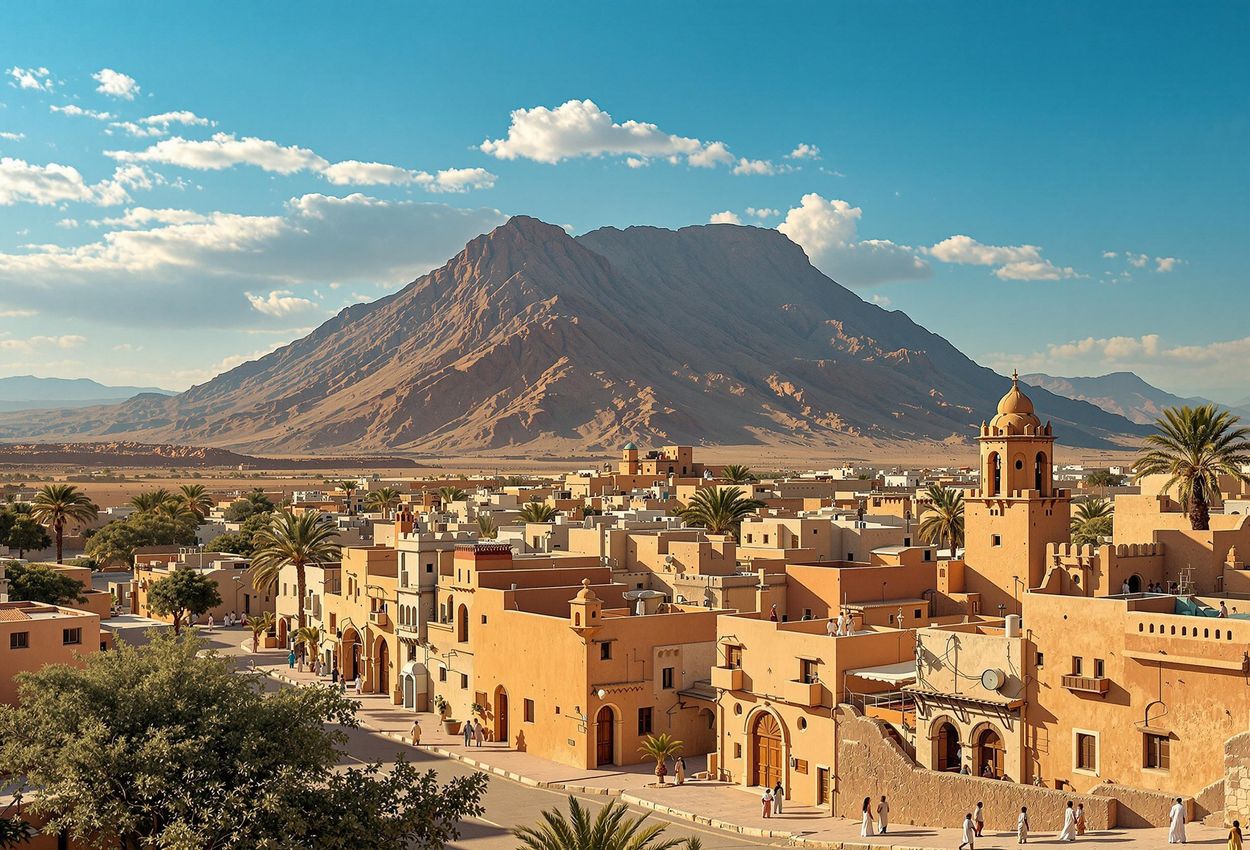
Aioun el Atrouss, a remote town in southeastern Mauritania, serves as a captivating gateway to the Tagant region, a land of dramatic desert landscapes and rich nomadic traditions.
This journey promises an authentic and immersive experience, far from the beaten path, where the stark beauty of the Sahara meets the enduring spirit of its people. Prepare to be mesmerized by the vibrant markets, the ancient echoes of trans-Saharan trade, and the warm hospitality of the nomadic tribes who call this region home.
Venture into the Tagant, and discover a world where time seems to slow, and the simple rhythms of desert life resonate deeply.
The journey to Aioun el Atrouss is an adventure in itself, a testament to the town's remoteness and the raw beauty of the Mauritanian landscape. There are several options for reaching this desert outpost, each offering a unique perspective on the country's vastness.
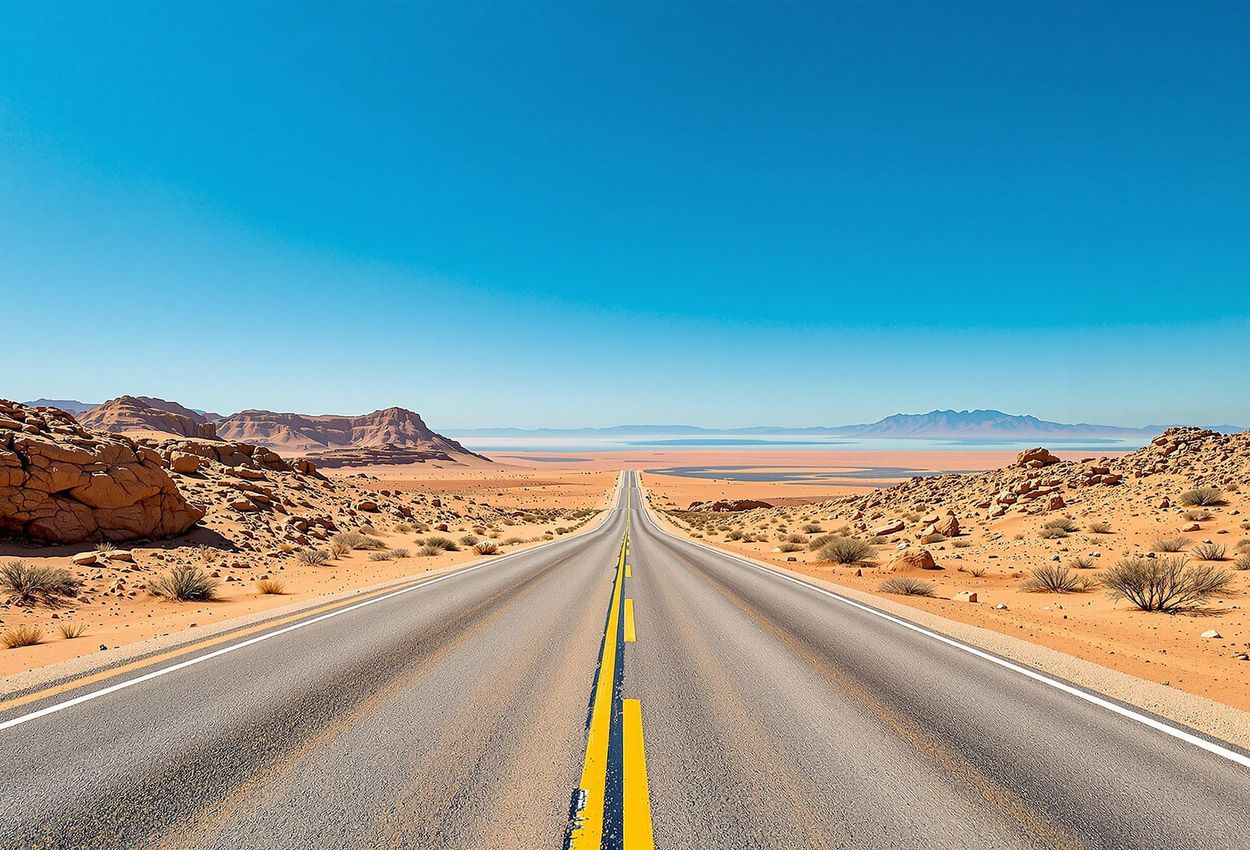
For those seeking the most direct route, flying into Atar International Airport is the first step. From Atar, a long but rewarding drive southeastward is required to reach Aioun. The drive itself is an immersion into the Sahara, with endless stretches of sand dunes and rocky terrain unfolding before your eyes. Alternatively, a more extensive road trip can be undertaken from Nouakchott, the capital of Mauritania. This journey, while longer, provides a comprehensive view of the country's diverse geography, transitioning from the coastal plains to the arid heartland.
The primary road leading to Aioun el Atrouss is the RN3 highway, a vital artery connecting the town to the rest of the country. While the road is generally well-maintained, it's essential to be prepared for long stretches with limited services. Ensure your vehicle is equipped for desert travel, and carry ample supplies of water, food, and fuel. The journey along the RN3 is a visual feast, with the ochre hues of the desert contrasting against the azure sky. Keep an eye out for nomadic settlements dotting the landscape, offering glimpses into a traditional way of life that has endured for centuries.
As you approach Aioun, the landscape transforms, with the rocky Tagant Plateau rising in the distance. This geological formation provides a dramatic backdrop to the town, signaling your arrival at this unique destination. The sense of accomplishment upon reaching Aioun el Atrouss is palpable, knowing that you've traversed a challenging yet stunning route to reach this remote corner of Mauritania.
The stark beauty of the desert landscape en route is a constant reminder of the power and resilience of nature. The seemingly endless expanse of sand and rock is punctuated by occasional acacia trees and hardy desert shrubs, testaments to the tenacity of life in this arid environment. The silence of the desert is broken only by the wind and the occasional bleating of goats tended by nomadic herders. This journey is not just a means to an end but an integral part of the Aioun el Atrouss experience, setting the stage for the cultural and natural wonders that await.
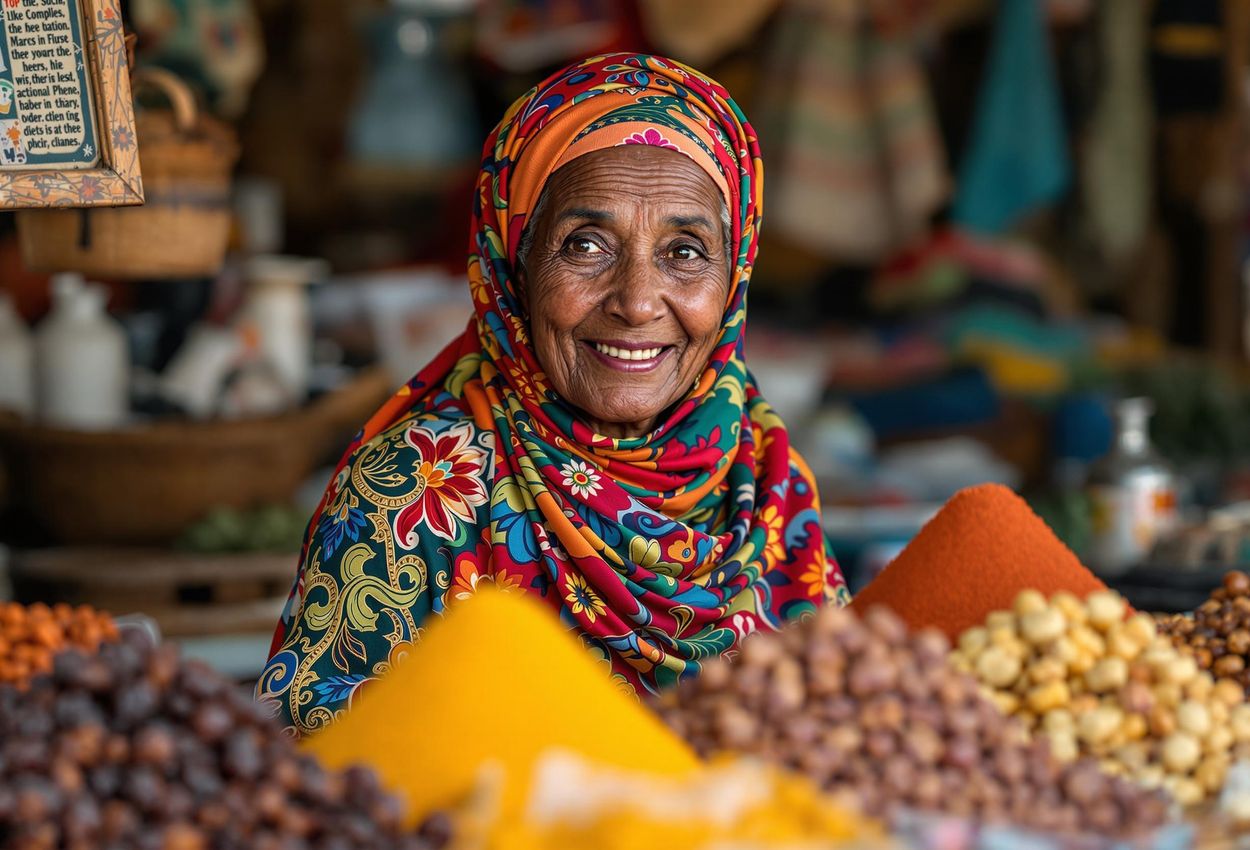
Marché Aioun is the pulsating heart of Aioun el Atrouss, a sensory explosion that encapsulates the town's vibrant spirit. A visit to this bustling market is an absolute must for any traveler seeking an authentic Mauritanian experience. The market is a kaleidoscope of colors, sounds, and smells, offering a glimpse into the daily lives of the local people.
The sights are a feast for the eyes, with vendors displaying a colorful array of fresh produce, spices, textiles, and handcrafted goods. Mountains of dates, glistening under the desert sun, sit alongside pyramids of fragrant spices, their aromas mingling in the air. Intricate textiles, woven with traditional patterns, add splashes of color to the scene, while handcrafted leather goods showcase the artistry of local artisans.
The sounds of Marché Aioun are equally captivating, a symphony of human interaction. The lively chatter of merchants hawking their wares blends with the laughter of children playing and the rhythmic pounding of millet being ground. The air is thick with the sounds of bargaining, as locals negotiate prices with good-natured banter.
The smells of the market are an olfactory adventure, a tantalizing mix of local delicacies and exotic spices. The aroma of freshly baked bread wafts from makeshift ovens, mingling with the savory scent of grilled meats and the pungent fragrance of incense. The sweet smell of dates and the earthy aroma of spices create an intoxicating blend that lingers in the air.
Marché Aioun is the perfect place to find unique souvenirs that reflect the artistry of Mauritania. Handcrafted leather goods, such as sandals, bags, and wallets, are popular choices, as are woven textiles adorned with traditional Berber designs. Spices, dates, and local teas offer a taste of Mauritania to take home, while intricately carved wooden objects showcase the region's rich artistic heritage.
The best times to visit Marché Aioun are in the morning and late afternoon, when the market is at its liveliest. The market operates from early morning until late afternoon. To get the best deals, don't be afraid to bargain respectfully with the vendors. Bargaining is a common practice in Mauritania, and it's expected that you'll negotiate the price to a mutually agreeable level. Remember to be friendly and courteous, and approach bargaining as a friendly exchange rather than a confrontation.
The nomadic culture is an integral part of Mauritania's identity, and Aioun el Atrouss offers a unique opportunity to glimpse into this traditional way of life. The nomadic tribes of the Tagant region have roamed these lands for centuries, adapting to the harsh desert environment and preserving their unique customs and traditions.
These tribes face numerous challenges, including drought, desertification, and the increasing encroachment of modern life. Despite these hardships, they have demonstrated remarkable resilience, maintaining their traditional lifestyle and cultural identity. Their knowledge of the desert is unparalleled, allowing them to navigate the vast expanse of sand and rock with ease.
The lifestyle of the nomadic tribes is centered around herding livestock, primarily camels, goats, and sheep. These animals provide them with milk, meat, and wool, essential for their survival. They move with their herds in search of grazing land and water, following traditional routes that have been passed down through generations.
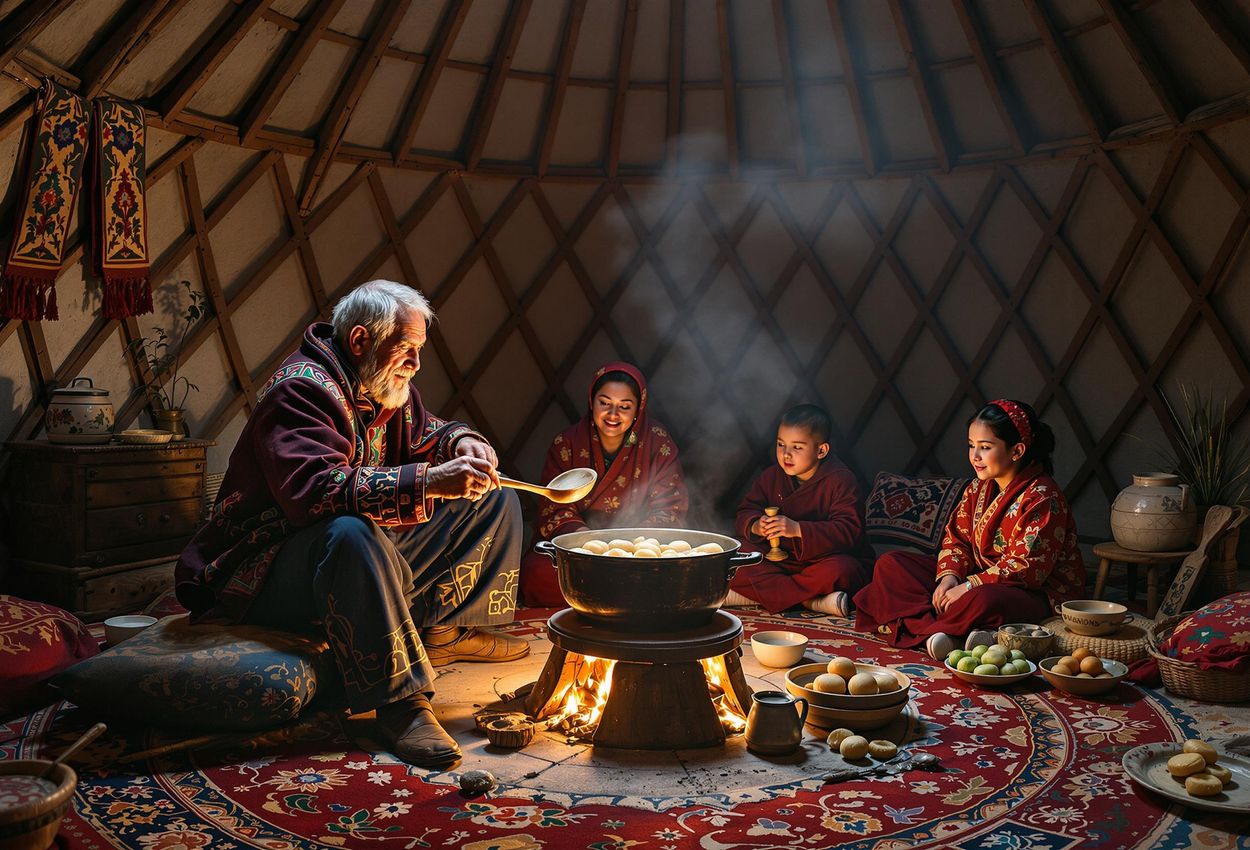
Their dwellings are typically tents made of woven goat hair, providing shelter from the sun and wind. These tents are easily dismantled and transported, allowing them to move their homes as needed. Inside the tents, you'll find simple furnishings, including rugs, cushions, and cooking utensils. The focus is on functionality and portability, reflecting the nomadic lifestyle.
Hospitality, known as 'Diom' in Mauritanian society, is a cornerstone of nomadic culture. Visitors are welcomed with open arms and offered food, water, and shelter. It's considered an honor to host a guest, and the act of hospitality is deeply ingrained in their social fabric.
Imagine encountering a nomadic family while traveling through the Tagant region. As you approach their encampment, they greet you with warm smiles and gestures of welcome. They invite you to share a meal of couscous and goat milk, offering you a glimpse into their daily lives. They share stories of their ancestors, their traditions, and their deep connection to the desert. You learn about the challenges they face, but also their unwavering spirit and their commitment to preserving their way of life. This encounter leaves a lasting impression, a reminder of the importance of cultural understanding and the enduring power of the human spirit.
The Tagant region is a treasure trove of natural beauty and historical significance, offering a diverse range of attractions for the adventurous traveler. From stunning landscapes to ancient sites, the region is a testament to the enduring power of nature and the rich cultural heritage of Mauritania.
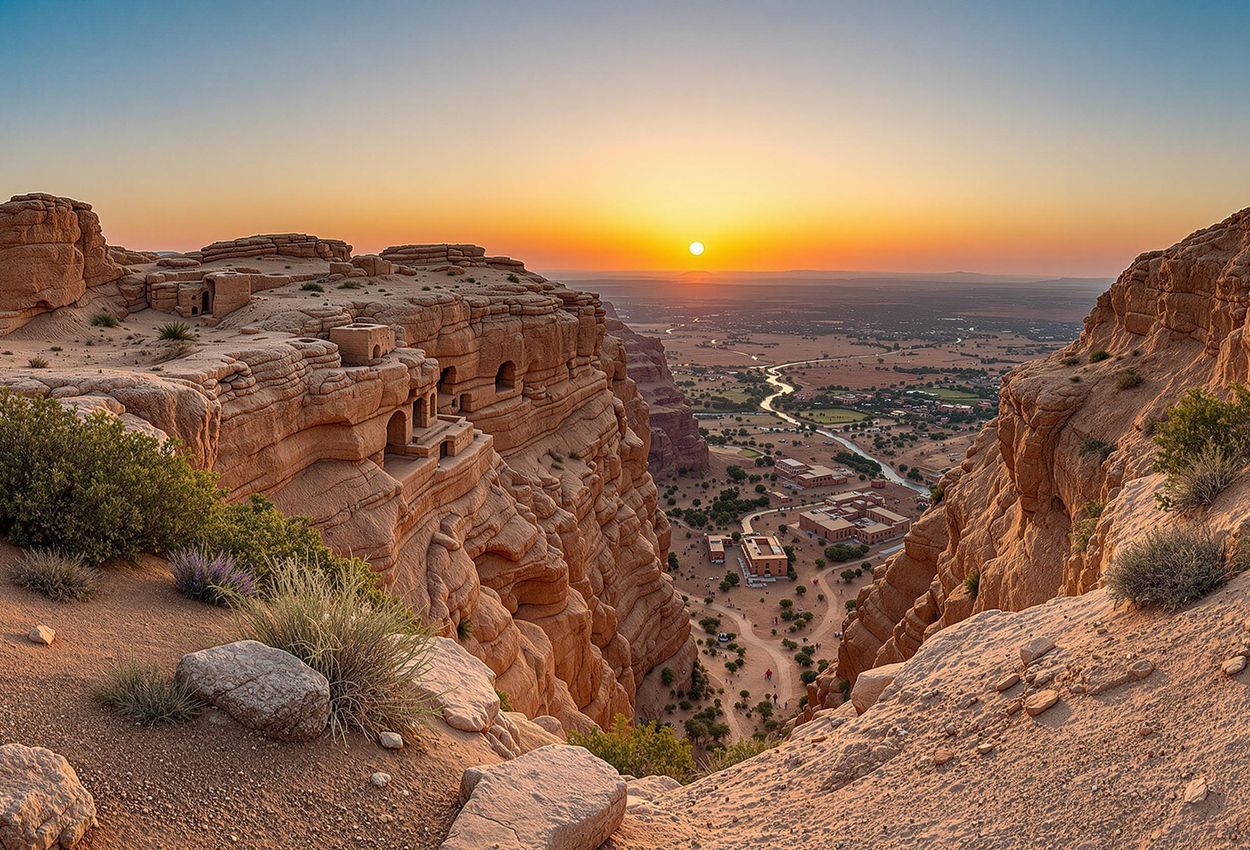
The Tagant Plateau dominates the landscape, a vast expanse of rock formations and canyons carved by centuries of erosion. This geological wonder offers breathtaking views and challenging hiking opportunities. Explore hidden valleys, discover ancient rock art, and witness the stunning sunsets that paint the sky in vibrant hues.
Oases like Guelta Matmata provide a welcome respite from the arid environment, offering lush vegetation and refreshing water sources. Guelta Matmata is particularly unique, as it's home to a population of crocodiles, a surprising sight in the heart of the Sahara. These reptiles are believed to be descendants of ancient populations that thrived when the region was wetter.
The Tagant region is also home to ancient sites like Tichitt and Ksar el Barka, remnants of a glorious past. These settlements played a vital role in the trans-Saharan trade, serving as important centers for commerce and cultural exchange. Explore the ruins of these ancient cities, imagine the bustling markets and caravan routes that once thrived here, and learn about the history of this fascinating region.
The region's role in the trans-Saharan trade is undeniable, with evidence of ancient caravan routes and trading posts scattered throughout the landscape. The Tagant was a vital link between North Africa and sub-Saharan Africa, facilitating the exchange of goods like salt, gold, and textiles. This trade brought wealth and prosperity to the region, leaving behind a legacy of cultural diversity and architectural marvels.
Exploring the Tagant's treasures is an adventure that will stay with you long after you leave. The combination of natural beauty, historical significance, and cultural richness makes this region a truly unique and unforgettable destination. From the dramatic landscapes of the Tagant Plateau to the ancient echoes of Tichitt and Ksar el Barka, the Tagant offers a glimpse into the heart and soul of Mauritania.
Local Tip: Engage with local guides to discover hidden gems and gain deeper insights into the region's history and culture. Their knowledge and expertise will enhance your experience and provide you with a unique perspective on the Tagant's wonders.
Our editors` picks of the latest and greatest in travel - delivered to your inbox daily
Relax on the beaches and explore the reefs of Xai-Xai.
View More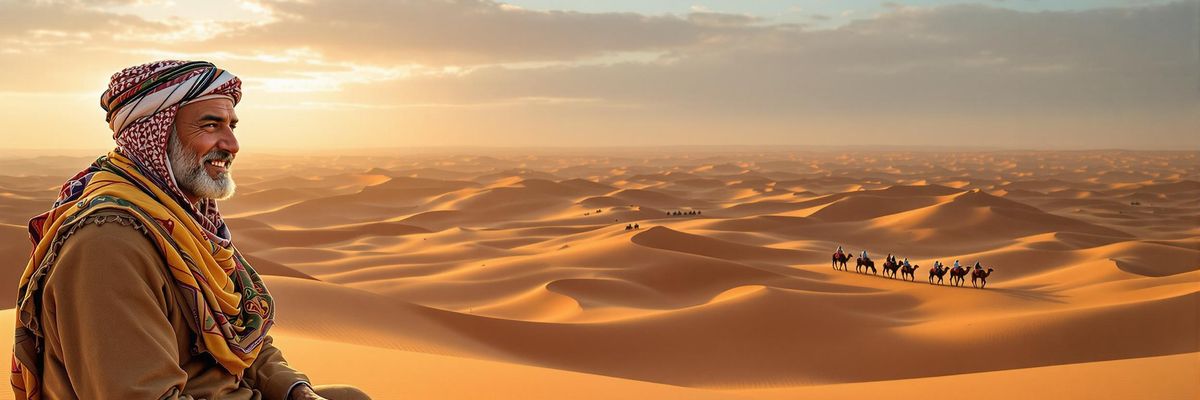
Embrace the cooler temperatures and experience the International Festival of the Sahara in Douz this December.
View More
Celebrate the year-end festivities in Accra, culminating in the vibrant Afrofuture festival.
View More Albania EDITION
 Algeria EDITION
 Argentina EDITION
 Armenia EDITION
 Australia EDITION
 Austria EDITION
 Bangladesh EDITION
 Belgium EDITION
 Belize EDITION
 Benin EDITION
 Bhutan EDITION
 Bolivia EDITION
 Bosnia and Herzegovina EDITION
 Botswana EDITION
 Brazil EDITION
 Bulgaria EDITION
 Burkina Faso EDITION
 Cambodia EDITION
 Cameroon EDITION
 Canada EDITION
 Central African Republic EDITION
 Chad EDITION
 Chile EDITION
 China EDITION
 Colombia EDITION
 Costa Rica EDITION
 Croatia EDITION
 Cyprus EDITION
 Denmark EDITION
 Djibouti EDITION
 Ecuador EDITION
 Egypt EDITION
 El Salvador EDITION
 Eritrea EDITION
 Estonia EDITION
 Ethiopia EDITION
 Finland EDITION
 France EDITION
 Gabon EDITION
 Georgia EDITION
 Germany EDITION
 Ghana EDITION
 Greece EDITION
 Guatemala EDITION
 Guinea EDITION
 Guinea-Bissau EDITION
 Honduras EDITION
 Hungary EDITION
 Iceland EDITION
 India EDITION
 Indonesia EDITION
 Ireland EDITION
 Israel EDITION
 Italy EDITION
 Jamaica EDITION
 Japan EDITION
 Jordan EDITION
 Kenya EDITION
 Kuwait EDITION
 Laos EDITION
 Latvia EDITION
 Lebanon EDITION
 Lesotho EDITION
 Liberia EDITION
 Lithuania EDITION
 Luxembourg EDITION
 Madagascar EDITION
 Malawi EDITION
 Malaysia EDITION
 Maldives EDITION
 Mali EDITION
 Malta EDITION
 Mauritania EDITION
 Mauritius EDITION
 Mexico EDITION
 Mongolia EDITION
 Montenegro EDITION
 Morocco EDITION
 Mozambique EDITION
 Namibia EDITION
 Nepal EDITION
 Netherlands EDITION
 New Zealand EDITION
 Nicaragua EDITION
 Niger EDITION
 Nigeria EDITION
 Norway EDITION
 Oman EDITION
 Pakistan EDITION
 Panama EDITION
 Papua New Guinea EDITION
 Paraguay EDITION
 Peru EDITION
 Philippines EDITION
 Poland EDITION
 Portugal EDITION
 Qatar EDITION
 Romania EDITION
 Rwanda EDITION
 Saudi Arabia EDITION
 Senegal EDITION
 Serbia EDITION
 Singapore EDITION
 Slovakia EDITION
 Slovenia EDITION
 Somalia EDITION
 South Africa EDITION
 South Korea EDITION
 Spain EDITION
 Sri Lanka EDITION
 Suriname EDITION
 Sweden EDITION
 Switzerland EDITION
 Tanzania EDITION
 Thailand EDITION
 Tunisia EDITION
 Uganda EDITION
 United Arab Emirates EDITION
 United Kingdom EDITION
 Uruguay EDITION
 Venezuela EDITION
 Vietnam EDITION
 Zambia EDITION
 Zimbabwe EDITION
Subscribe to our newsletter and get the most captivating travel stories, hidden gems, and expert insights delivered straight to your inbox. As a subscriber, you’ll be first in line for exclusive content, premium offers, and unforgettable travel experiences