Discover the enchanting Alentejo, a region where history whispers on the wind and the sun-drenched earth yields liquid gold. Trade the bustling streets of Lisbon for the tranquil beauty of Portugal's best-kept secret.
The Alentejo, a sprawling region in southern Portugal, offers a serene escape from the country's more crowded tourist destinations. Here, rolling hills meet vast plains, ancient cork forests sway in the breeze, and medieval towns stand as proud testaments to a rich and storied past. From Évora's UNESCO-listed wonders to the unspoiled beaches of the Atlantic coast, the Alentejo beckons with a promise of authenticity and discovery.
Prepare to be captivated by the region’s unique blend of history, culture, and natural beauty. This is a journey for the soul, a chance to slow down, breathe deep, and connect with the heart of Portugal.
Évora's Echoes: A UNESCO Dive into History
Step back in time as you enter Évora, a city steeped in history and designated a UNESCO World Heritage Site. The city's layers of civilization are palpable, from its Roman origins to its Moorish influences and its golden age as a royal residence.
The Roman Temple of Évora, often misidentified as the Temple of Diana, stands as a majestic reminder of the city's Roman past. Constructed in the 1st century AD, this remarkably well-preserved temple features Corinthian columns that rise towards the sky. It's fascinating to consider that this sacred space was once used as a slaughterhouse during the medieval period, a testament to the ever-changing fortunes of history.
A short walk away, the Évora Cathedral, also known as the Sé de Évora, dominates the city skyline. As Portugal's largest medieval cathedral, it showcases a stunning blend of Romanesque and Gothic architectural styles. Explore the intricate details of the main chapel, admire the sacred art in the museum, and climb to the rooftop for panoramic views of the city and surrounding plains.
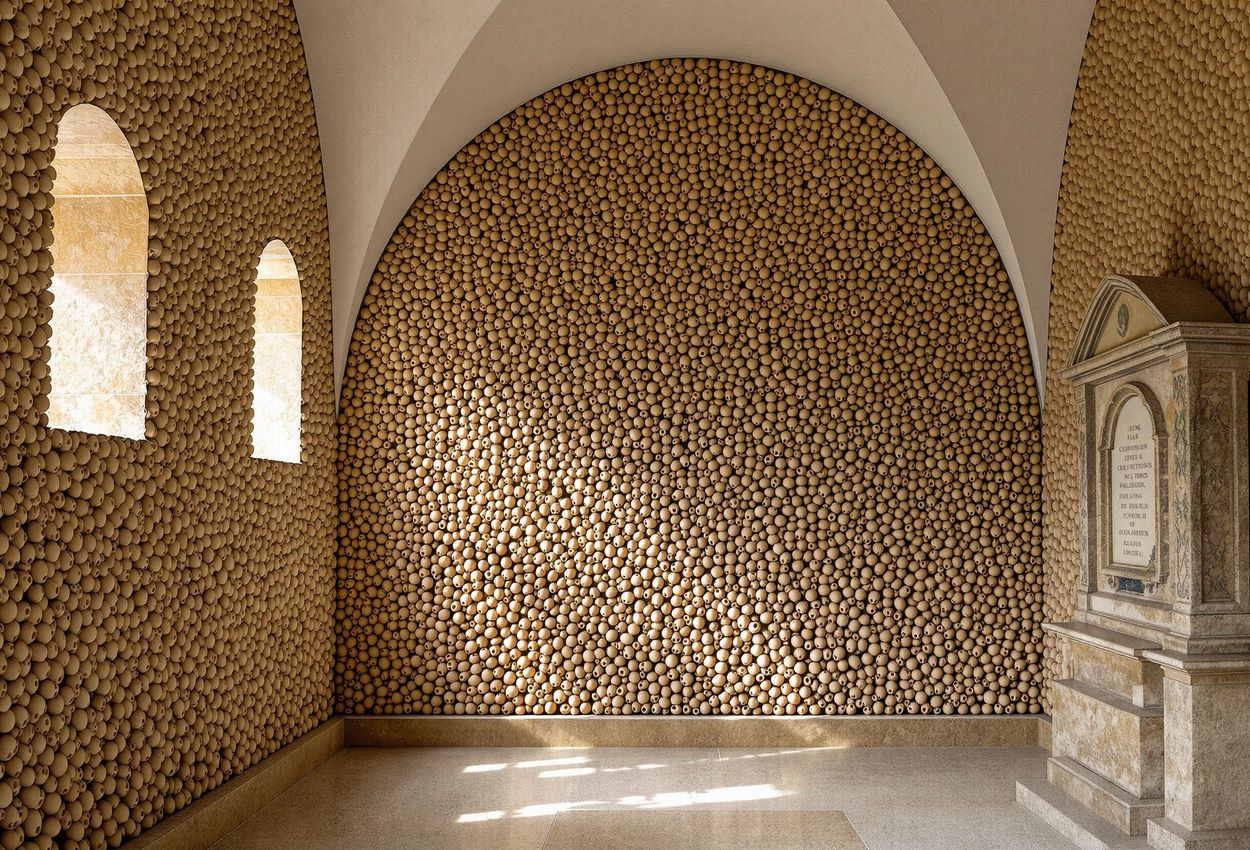
For a truly unique and slightly unsettling experience, venture into the Capela dos Ossos (Bone Chapel). This macabre yet strangely beautiful chapel is adorned with the bones of over 5,000 monks. The inscription above the entrance, “Nós ossos que aqui estamos, pelos vossos esperamos” (We bones that are here, for yours await), serves as a chilling reminder of mortality. The chapel was built in the 17th century by Franciscan monks who sought to create a space for contemplation and reflection on the transience of life. The sensory details are unforgettable: the cool, damp air, the soft glow of light filtering through the narrow windows, and the sheer magnitude of human remains arranged in intricate patterns.
Hilltop Havens: Monsaraz and Marvão's Majestic Views
Prepare to be transported to a world of breathtaking vistas and timeless charm as you ascend to the hilltop towns of Monsaraz and Marvão. These fortified villages offer not only stunning panoramic views but also a glimpse into Portugal's medieval past.
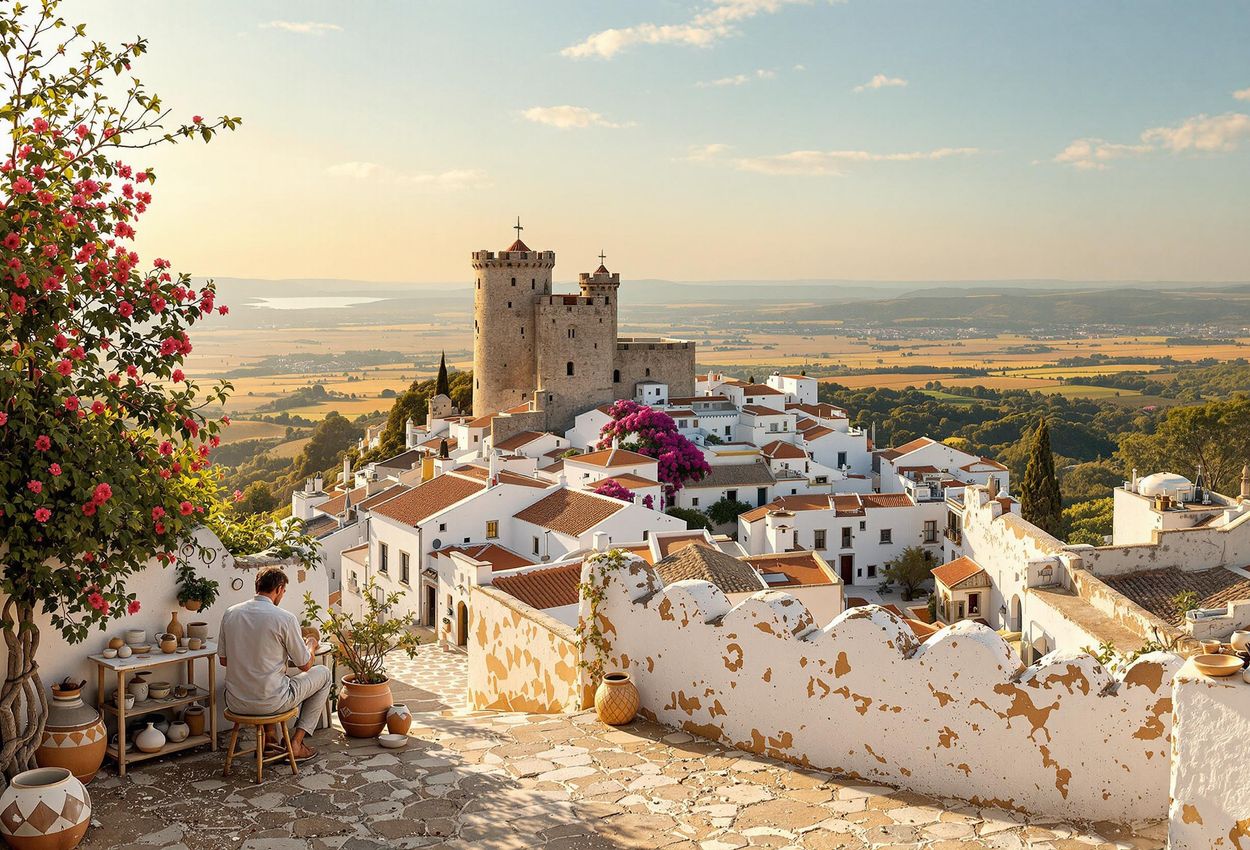
Monsaraz, a picture-perfect village perched high above the Alentejo plains, exudes an atmosphere of tranquility and history. Wander through its narrow, winding streets, lined with whitewashed houses adorned with vibrant flowers. The Monsaraz Castle, with its imposing walls, offers unparalleled views of the surrounding landscape, stretching as far as the eye can see. The landscape is dotted with olive groves, vineyards, and the shimmering waters of the Alqueva Dam, one of the largest artificial lakes in Europe. Notice the unique schist architecture, a local stone that gives the village its distinctive character. Browse the artisan shops, where you can find handcrafted pottery, woven goods, and other traditional Alentejo crafts.
Further north, nestled atop the Serra de São Mamede, lies Marvão, a village renowned for its strategic location and breathtaking views towards Spain. The Marvão Castle, a formidable fortress with a rich history, dominates the landscape. Explore its ramparts, towers, and hidden corners, imagining the sieges and battles that once unfolded within its walls. The views from the castle are simply stunning, encompassing rolling hills, verdant valleys, and the distant peaks of the Serra de Estrela.
Hidden Gem: Seek out a local artisan in either Monsaraz or Marvão crafting traditional Alentejo pottery or weaving intricate tapestries. These artisans are the keepers of ancient traditions, and their work offers a tangible connection to the region's cultural heritage.
Vineyard Visions: Sipping Alentejo's Liquid Gold
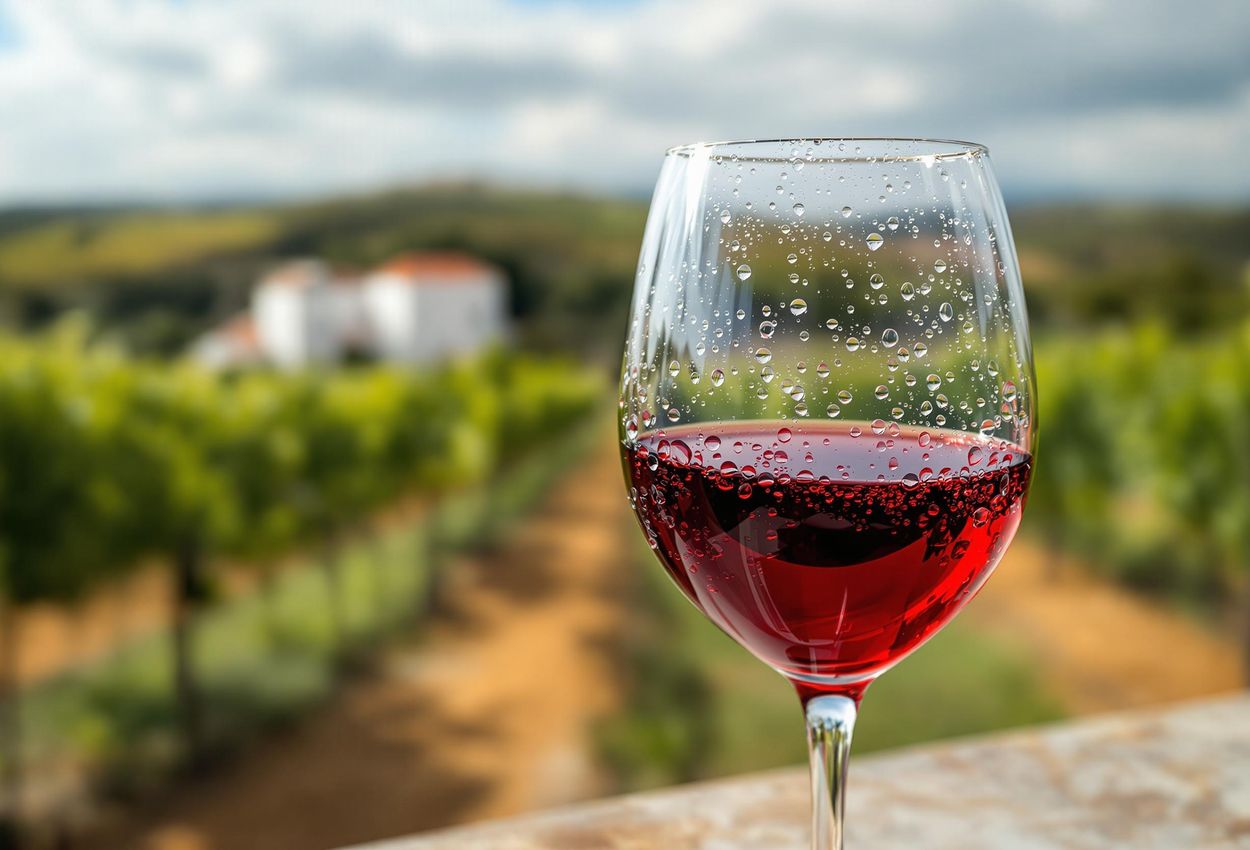
No visit to the Alentejo would be complete without immersing yourself in its renowned wine region. This sun-drenched land yields a bounty of exceptional red wines, characterized by their rich flavors, full bodies, and smooth tannins. From family-run estates to innovative wineries, the Alentejo offers a diverse range of wine experiences to suit every palate.
Consider a visit to Herdade do Esporão, a winery with a rich history dating back to the 13th century. Known for its commitment to sustainable practices, Herdade do Esporão offers tours of its vineyards, cellars, and historical estate. Alternatively, explore Fitapreta Vinhos, a winery that blends culture and modernization within a stunning 14th-century estate. Here, you can witness the winemaking process from grape to bottle, learning about the unique terroir and the passion that goes into each vintage. António Maçanita at Fitapreta is known for his work in recovering old vineyards and abandoned grape varietals.
During your visit, take the time to savor the sensory experience of tasting the region's renowned red wines, such as Trincadeira or Aragonez. These varietals are known for their complex aromas of dark fruit, spice, and earthy notes. Learn about the art of wine pairing, discovering how to enhance the flavors of both the wine and the food.
Local Tip: Pair a glass of full-bodied Alentejo red wine with a traditional dish like *porco preto* (black pork). The richness of the pork and the robust flavors of the wine create a harmonious culinary experience.
Cork's Chronicle: Unveiling the Alentejo's Forest Tapestry
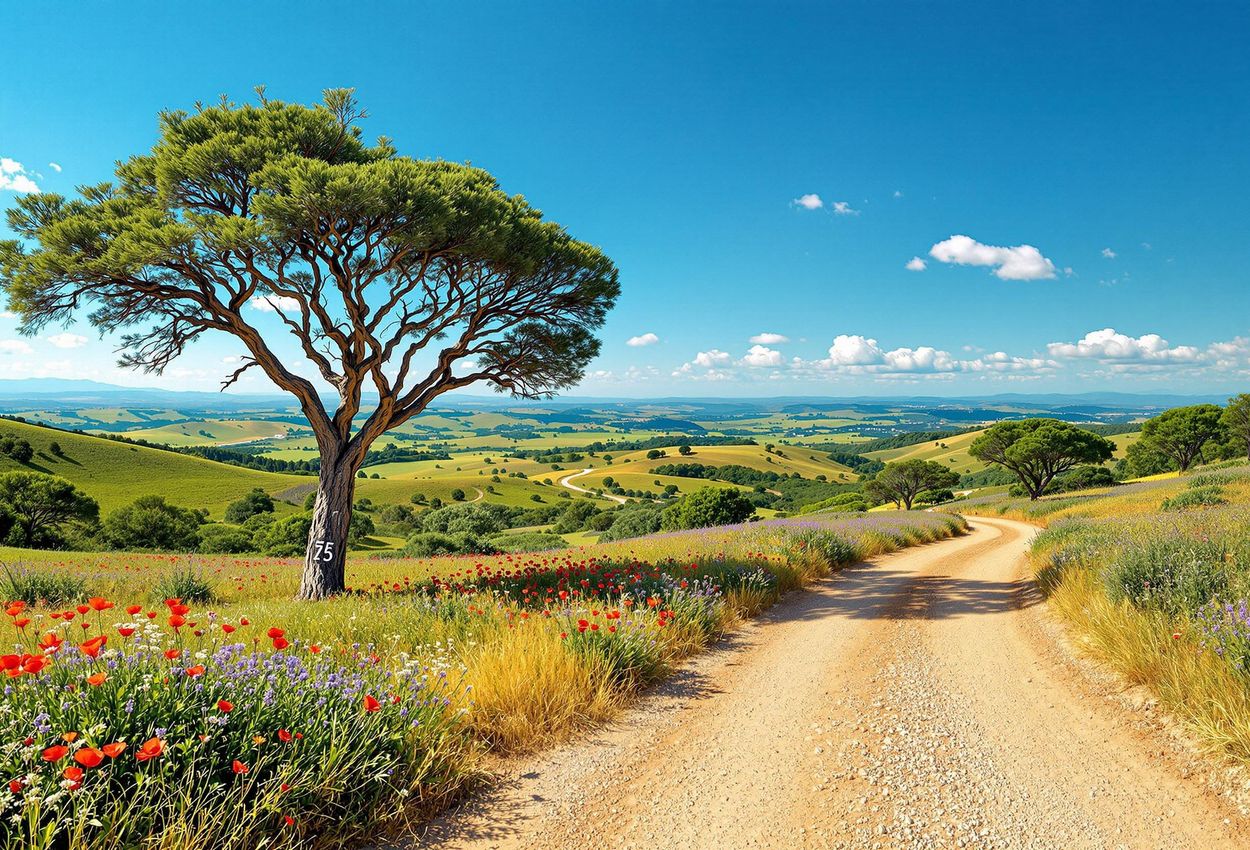
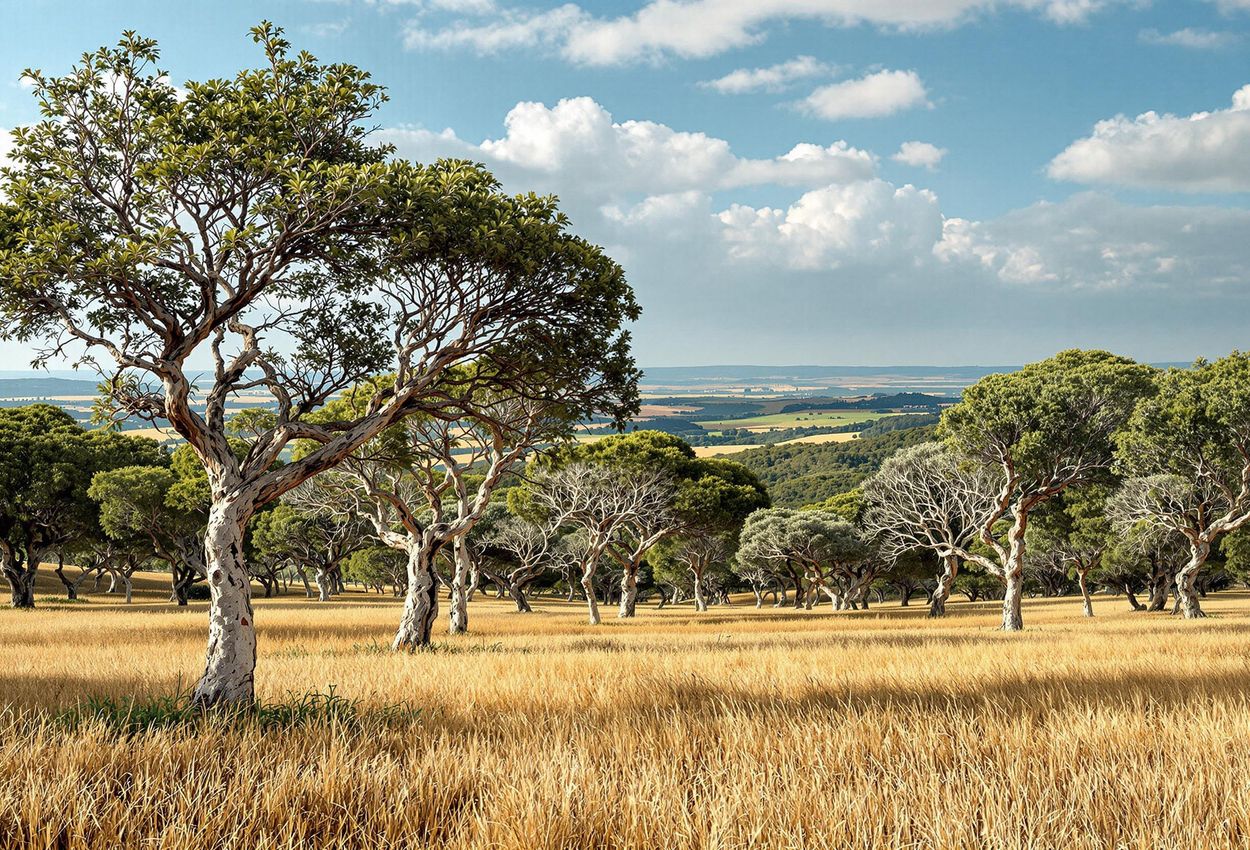
Embark on a journey through the unique landscape of Alentejo's cork forests, known as *montados*. These sprawling forests of cork oak trees are not only a vital part of the region's economy but also a haven for biodiversity and a testament to sustainable practices.
As you wander through the *montado*, you'll be struck by the unique beauty of the cork oak trees, with their gnarled trunks and thick, rugged bark. The scent of the cork trees fills the air, mingling with the sounds of birdsong and rustling leaves. The *montado* ecosystem is home to a diverse array of flora and fauna, including the Iberian lynx, the Bonelli's eagle, and a variety of reptiles and amphibians.
Witness the process of sustainable cork harvesting, a tradition that has been practiced in the Alentejo for centuries. Skilled workers, known as *corticeiros*, carefully strip the outer bark from the trees without harming the inner layers. This process is typically done between May and August, when the cork is easier to remove. The harvested cork is then used to produce a variety of products, from wine stoppers to flooring to insulation.
Hidden Gem: Take a tour of a local cork factory, where you can witness the transformation of raw cork into various products. Learn about the history of cork production and the importance of this industry to the Alentejo region.
Coastal Charms: Comporta and Zambujeira do Mar's Breezy Escapes
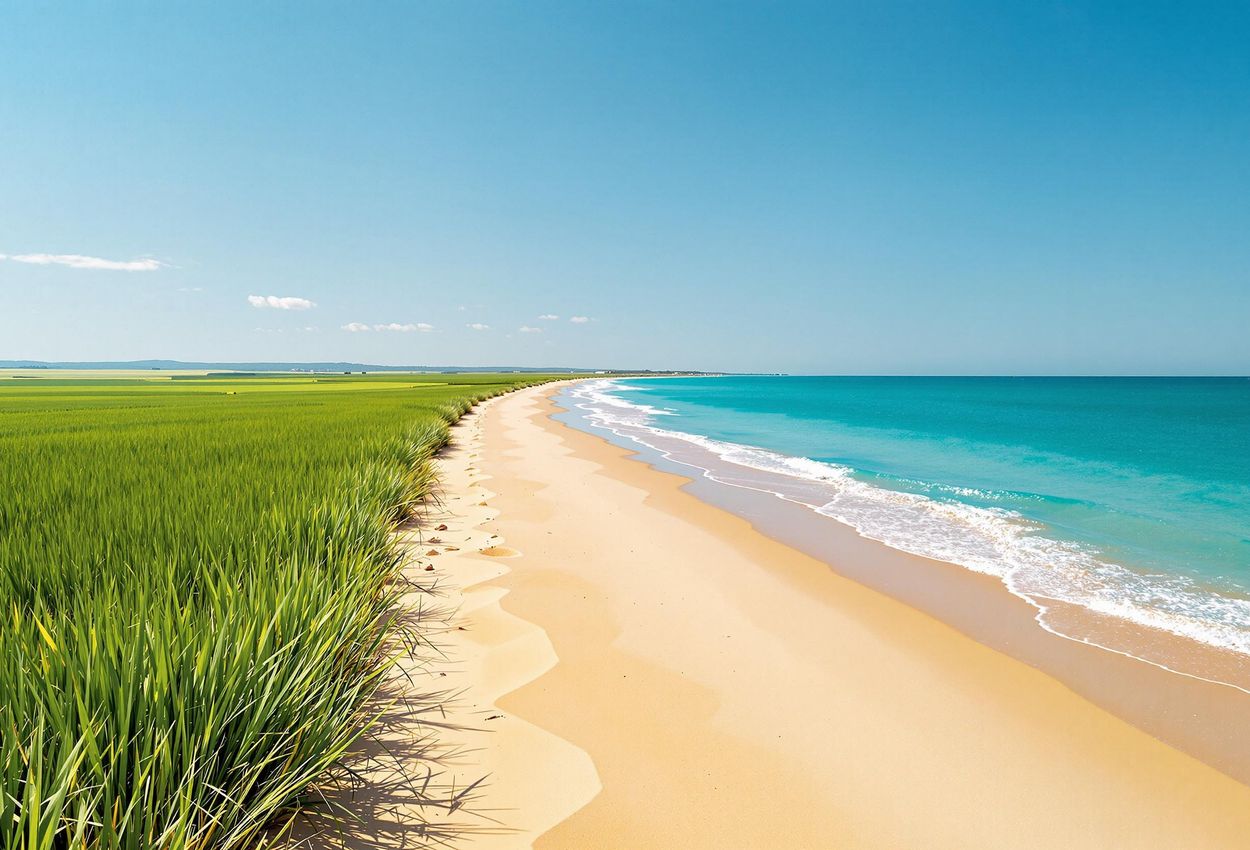
Escape the inland heat and discover the refreshing beauty of the Alentejo coast. Here, long sandy beaches meet dramatic cliffs, offering a variety of coastal experiences to suit every taste. From the chic and relaxed atmosphere of Comporta to the wild and untamed beauty of Zambujeira do Mar, the Alentejo coast is a hidden gem waiting to be explored.
Comporta, known for its understated luxury and connection to nature, is a haven for those seeking tranquility and style. The long, sandy beaches are perfect for sunbathing, swimming, and leisurely strolls. The rice fields that stretch inland from the coast provide a unique and picturesque backdrop. Explore the Sado Estuary Nature Reserve, a protected area that is home to a variety of wildlife, including flamingos and dolphins.
Further south, Zambujeira do Mar offers a more rugged and dramatic coastal experience. The towering cliffs that line the coast provide breathtaking views of the Atlantic Ocean. Visit the Chapel of Nossa Senhora do Mar, perched atop a cliff overlooking the sea. Hike along the Rota Vicentina, a network of trails that winds its way along the Alentejo coast, offering stunning views and access to hidden beaches and coves.
Activities: Enjoy horseback riding along the beaches of Comporta or hiking the Rota Vicentina near Zambujeira do Mar.
Roman Whispers: Miróbriga's Ancient Echoes
Step back in time as you explore the Roman ruins of Miróbriga, located near Santiago do Cacém. This well-preserved archaeological site offers a fascinating glimpse into the region's Roman past, showcasing the remnants of a once-thriving city.
Wander through the forum, the heart of the city's political and social life. Admire the remains of the temples, including the Temple of Venus, dedicated to the Roman goddess of love and beauty. Explore the bathhouses (thermae), where you can still see the frigidarium (cold baths), tepidarium (warm baths), and caldarium (hot baths). The hot-water distribution system known as “hipocausto” is also visible. Imagine the sounds of chariot races echoing through the hippodrome, the only known Roman hippodrome in Portugal.
The site's history stretches back even further than the Roman era, with evidence of Celtic origins dating back to the Iron Age. As you explore the ruins, consider the layers of civilization that have shaped this landscape.

Beja's Bastion: Climbing Through Medieval Might
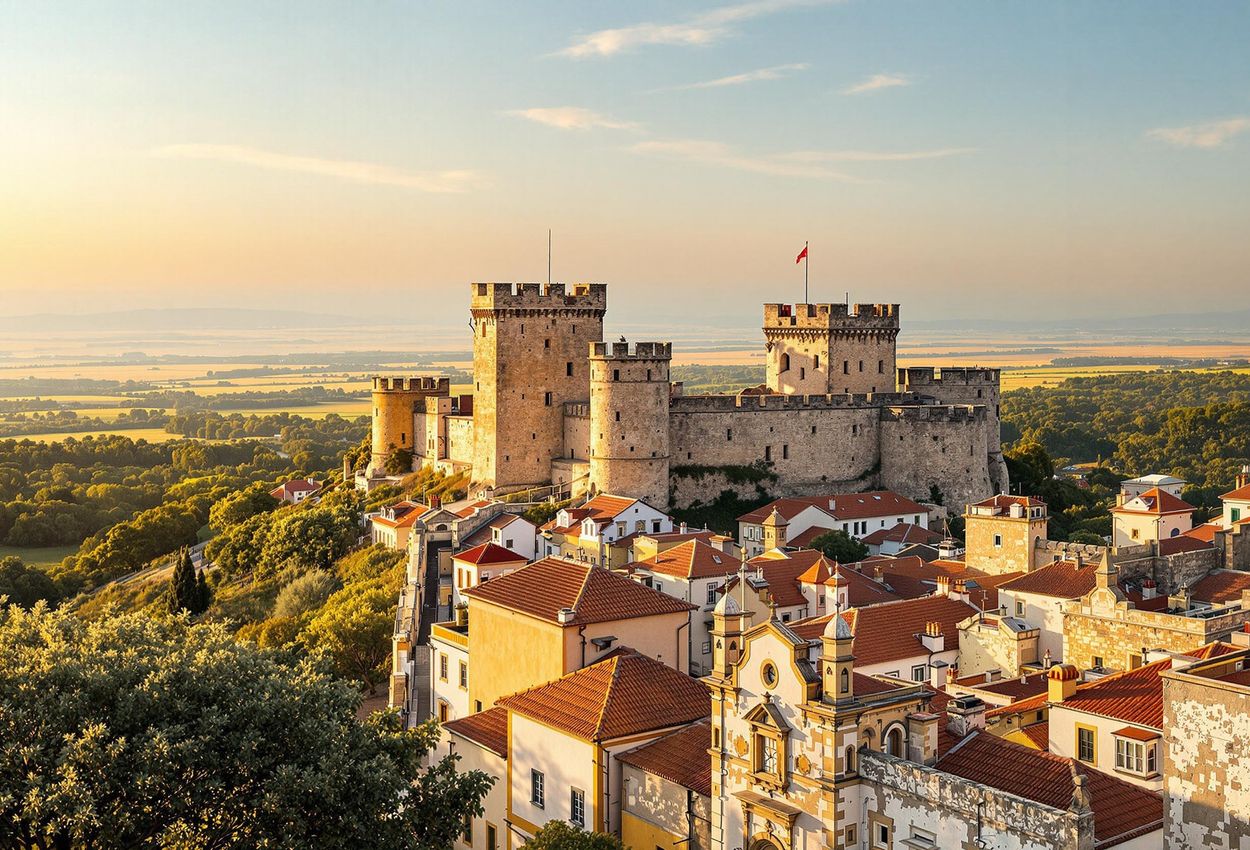
Journey to Beja, a city steeped in history and dominated by its imposing medieval castle. This formidable fortress offers a glimpse into Portugal's past, showcasing the region's strategic importance and architectural prowess.
Explore the castle's architecture, including its pentagonal shape, towers, and the keep (Torre de Menagem). The castle's construction was significantly influenced by King Dinis. Ascend to the top of the keep for panoramic views of the city and the surrounding Alentejo plains. On a clear day, you can see for miles in every direction, a testament to the castle's strategic location.
Hidden Detail: Look for the castle's Roman foundations and a Visigoth shield, remnants of even earlier civilizations that once occupied this site.
Culinary Canvas: Painting Palates with Alentejo Flavors
Prepare your taste buds for a culinary adventure as you delve into the hearty and flavorful cuisine of the Alentejo. This region is known for its rustic dishes, fresh ingredients, and a generous use of olive oil, herbs, and spices.
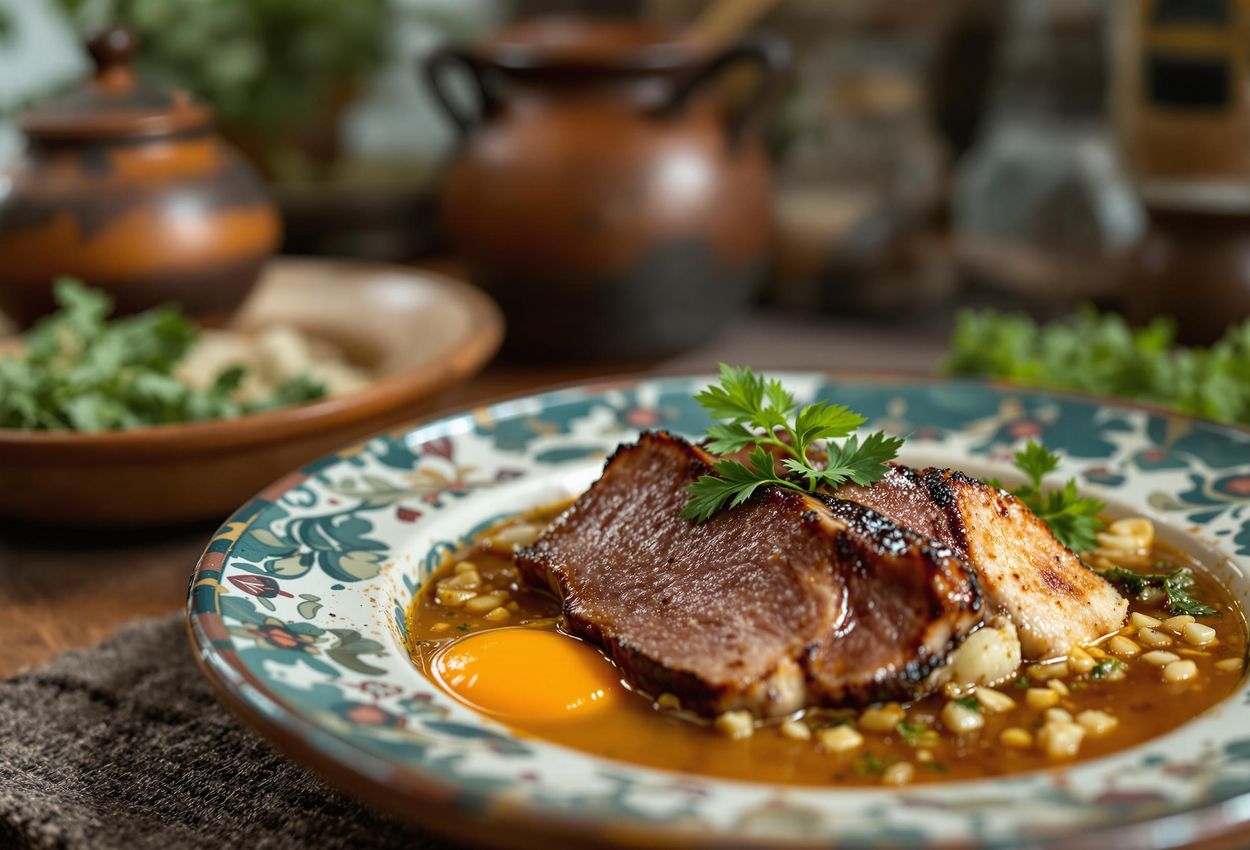
Sample the hearty stews, such as *cozido à alentejana*, a rich meat stew with vegetables. Indulge in grilled meats, especially *porco preto* (black pork), known for its succulent flavor and tender texture. Savor the fresh seafood, caught daily along the Alentejo coast. Don't miss the opportunity to try *açorda alentejana*, a traditional bread soup flavored with garlic, cilantro, and olive oil, or *migas*, fried bread crumbs with garlic and pork.
Recommendation: Seek out a traditional restaurant in Évora or Beja to experience the authentic flavors of Alentejo cuisine.
Sensory Detail: Inhale the aroma of olive oil and herbs wafting from an Alentejo kitchen, a scent that evokes warmth, comfort, and a connection to the land.
Pousada Paradise: Historic Havens of Hospitality
Experience the unique charm and historical ambiance of staying in a traditional *pousada*, a historic guesthouse that offers a blend of heritage, luxury, and local culture. The Alentejo is home to several stunning *pousadas*, each with its own unique story to tell.
Consider staying at the Pousada Convento de Beja, a former convent dating back to the 13th century. Alternatively, explore the Pousada Castelo de Alvito, a renovated 15th-century castle that offers a glimpse into Portugal's medieval past.
These *pousadas* offer luxurious amenities, stunning architecture, and a chance to immerse yourself in the history and culture of the Alentejo region.

Ovibeja's Ode: A Glimpse into Rural Traditions
If you're visiting the Alentejo in late April or early May, don't miss the opportunity to attend the Ovibeja agricultural fair in Beja. This annual event offers a vibrant glimpse into the region's rural traditions, showcasing its agricultural products, livestock, and local crafts.
Wander through the fairgrounds, taking in the sights, sounds, and smells of rural life. Admire the prize-winning livestock, sample local delicacies, and browse the stalls selling handcrafted goods. The fair also features exhibits on sustainable agriculture and innovation in the agricultural sector.
Sensory Detail: Listen to the sounds of traditional music and savor the aromas of local food as you immerse yourself in the festive atmosphere of the Ovibeja fair.
Embrace the tranquility and authenticity of the Alentejo, a region that promises an unforgettable journey for the senses and the soul.