


Destination Guide
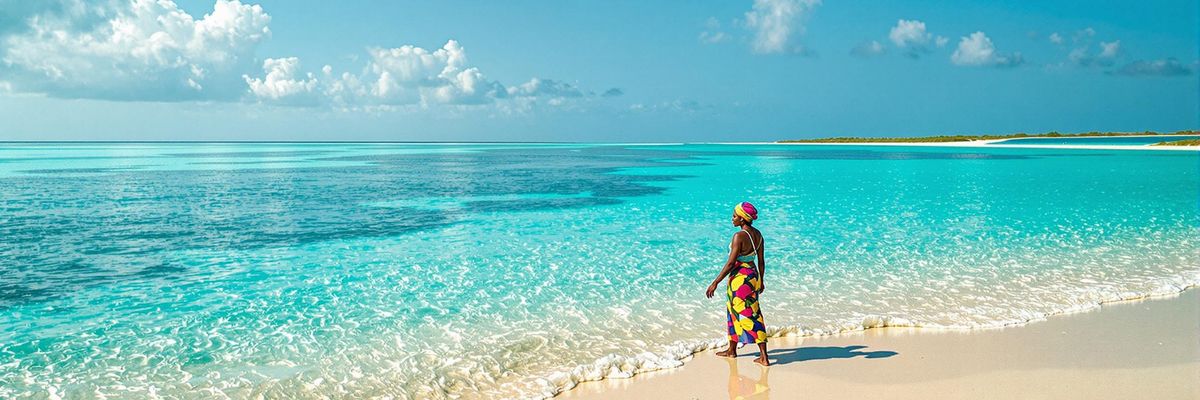
Xai-Xai: A Coastal Retreat
Relax on the beaches and explore the reefs of Xai-Xai.
View More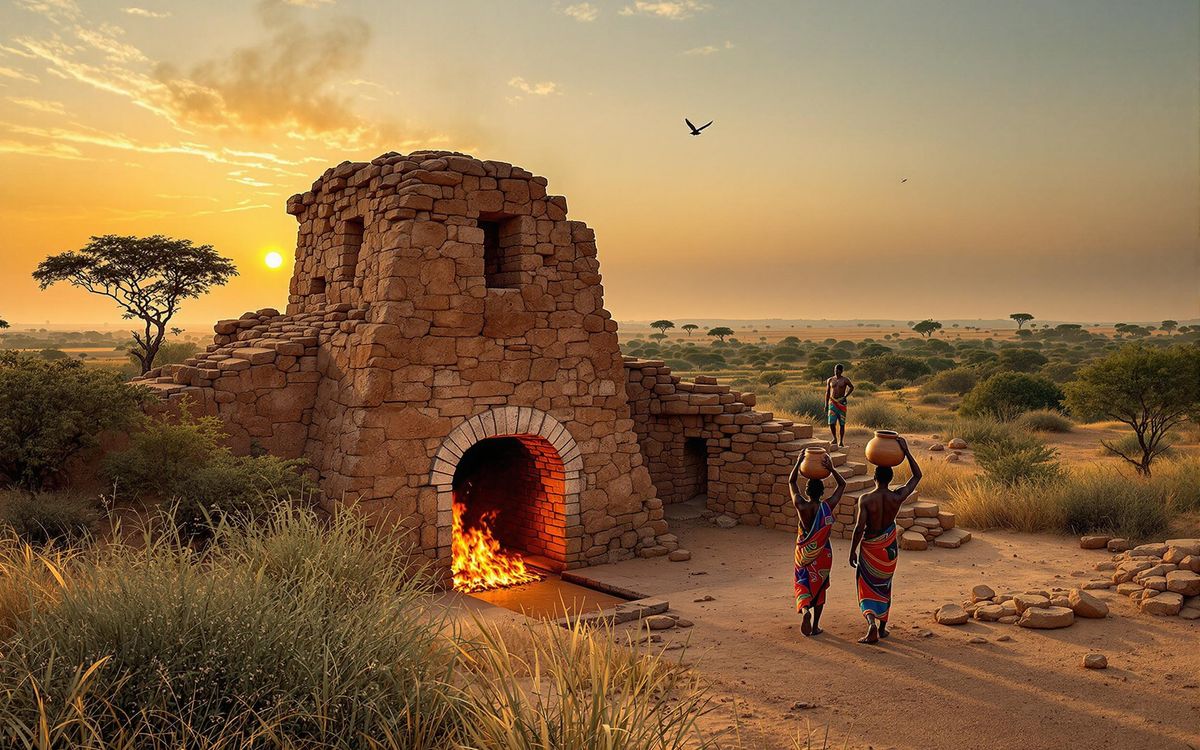

Embark on a captivating journey through Burkina Faso, where the echoes of ancient innovation resonate across the landscape. Discover the remarkable Ancient Ferrous Metallurgy Sites, a testament to the ingenuity and technological prowess of early African civilizations. These sites, including the oldest in Douroula, offer a unique window into the history of iron production in the region and its profound impact on local communities. Prepare to be transported back in time as you explore these archaeological treasures.
The Ancient Ferrous Metallurgy Sites of Burkina Faso are a collection of five complexes located in different provinces of the country. These sites include about fifteen standing natural-draught furnaces, several other furnace structures, mines, and traces of dwellings. These remains bear witness to the ancient nature and importance of iron production, and its impact on pre-colonial societies in the Sahelian zone of Burkina Faso. In 2019, UNESCO recognized the sites as a World Heritage Site, acknowledging the clear relationship between direct iron smelting and early human society.
Metallurgy in Burkina Faso dates back to around 800 BC. Evidence from these sites illustrates the importance of metalworking for ancient humans living in these regions around that time. Iron production was a significant aspect of Burkina Faso's culture, and it contributed enormously to their economy. Today, blacksmiths in nearby villages still play an important role by supplying and maintaining the tools and instruments that are needed for everyday purposes and for numerous rituals.
These ancient metallurgical sites, once used to extract iron from ores, are spread across five regions in the North and North Central regions of Burkina Faso, demonstrating complex metalworking skills and processes and providing insight into the crucial role iron played in the emergence of ancient African cultures.
The five metalworking complexes that make up the World Heritage Site are located around the towns of Douroula, Tiwêga, Yamané, Kindibo, and Békuy. All together, there are 15 natural draft furnace ruins across the five sites, with smaller furnaces, mines and dwellings surrounding them. The natural draft furnaces reach up to five meters in height and are direct-induction, only requiring ambient airflow to operate.
These sites help to understand how steel was an integral part of the lives of the people who lived in these areas and has become an integral part of Burkina Faso's cultural heritage. Historians consider these sites include some of the oldest traces of iron production in Sub-Saharan Africa, suggesting that African cultures were pioneers in this sector and contributed to the development of iron extraction processes that spread over the world.
Each of the furnaces is estimated to be from a different time period, so it appears that the site expanded over time to mine more iron as demand increased.
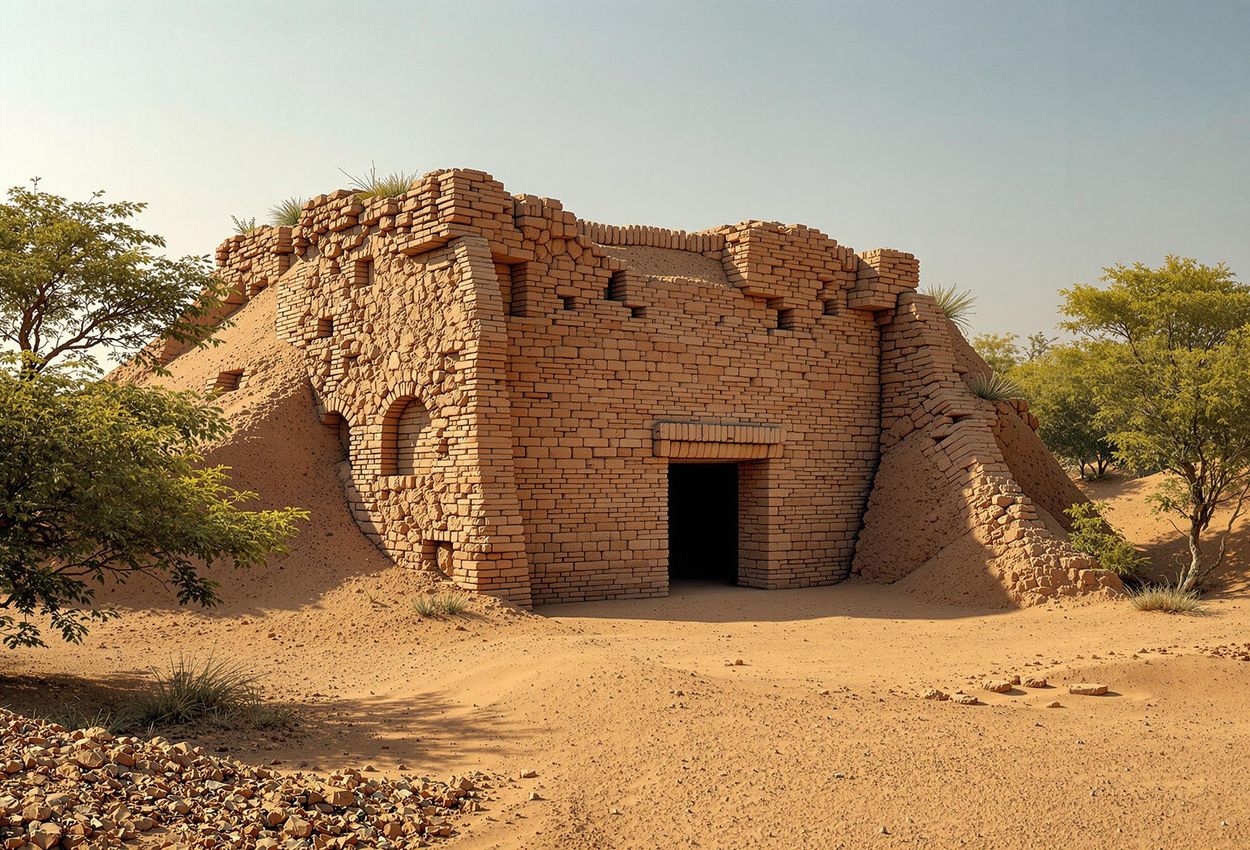
Venture into the heart of Burkina Faso to discover Douroula, the oldest iron smelting site in the country, dating back to the 8th century BCE. Here, amidst the serene landscape, lie the visible remains of a semi-underground furnace, a silent witness to the dawn of iron production in the region.
Douroula holds immense significance as the earliest evidence of iron production in Burkina Faso. This remarkable site offers invaluable insights into the technological advancements of early African civilizations and their mastery of iron smelting.
The Douroula site illustrates the first phase of iron production development in Africa, demonstrating that the iron production technology was already widely disseminated by around 500 BCE across the whole region. The existence of these many furnaces is significant evidence that iron ore smelting was an essential aspect of the ancient way of life in Burkina Faso.
The furnaces at Douroula are partially underground and required bellows to function. Local craftsmen or traders likely created or obtained the bellows for these furnaces.
Today, metallurgy is still an essential aspect of Burkina Faso's culture and economy. Locals engage primarily in gold mining, but they also mine granite, dolomite, phosphate, and marble. Most of these products are exported to other countries, which brings in a high profit.
To reach Douroula from Ouagadougou Airport, you will need to travel approximately 300 km. The most convenient option is to hire a car or take a bus to the town of Dedougou, which is the closest major town to Douroula. From Dedougou, you can hire a local guide to take you to the site.
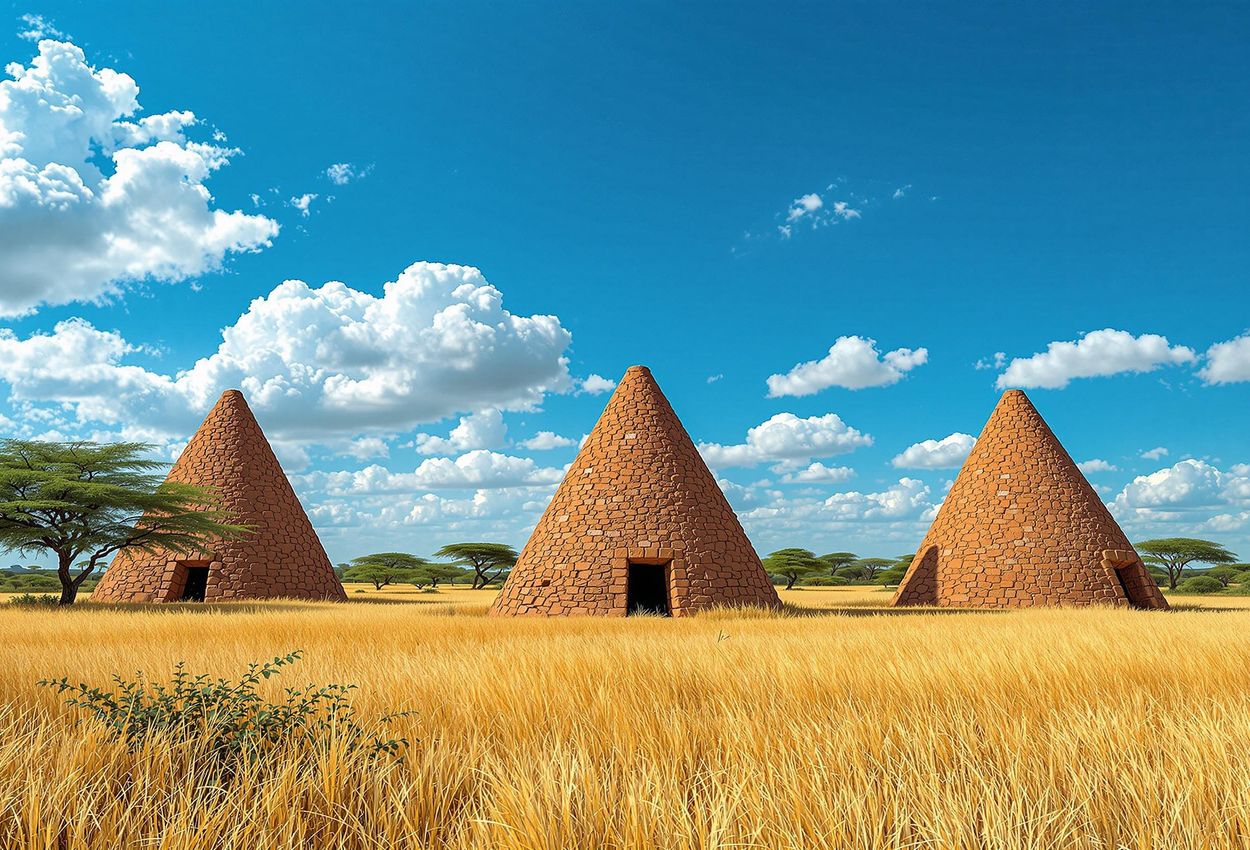
Journey to the Tiwêga site, located near Kaya, and marvel at the three well-preserved direct-induction furnaces that stand as testaments to the region's iron-smelting heritage. These conical structures, crafted from local materials, offer a glimpse into the intensification of iron production in the Sahelian zone.
The Tiwêga site contains three direct-induction furnaces built in the shape of truncated cones and are around 2.6 meters high. The lower parts of the furnaces are built with tuyére fragments and lined with clay while the upper part of them are made of slag fragments.
Based on oral traditions, these furnaces may have been built between the 15th and 18th centuries, still being used during Burkina Faso's colonial period. More archeological research is needed to precisely date the furnaces.
Tiwêga, Yamané, Kindibo and Békuy are massive production sites that illustrate iron production throughout the Sahelian zone of Burkina Faso in the second millennium AD. They are massive production sites that, through their scale, illustrate the intensification of iron production during the second millennium AD, at a time when Western African societies were becoming increasingly complex.
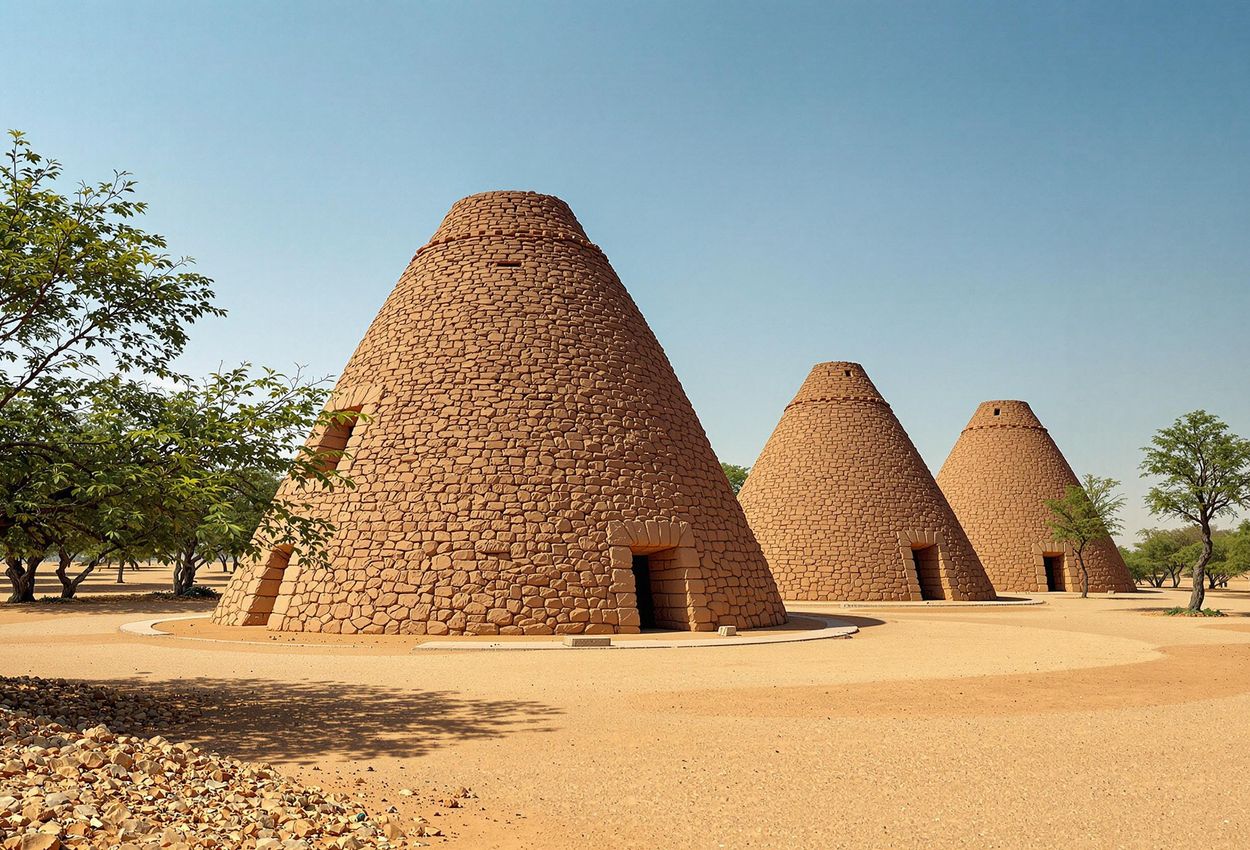
To get to Tiwêga from Kaya, you can take a local taxi or hire a car. The site is located approximately 5 kilometers west of Kaya. The journey takes about 15-20 minutes.
The Ancient Ferrous Metallurgy Sites of Burkina Faso stand as a remarkable testament to the ingenuity and technological advancements of early African civilizations. These sites offer a unique opportunity to delve into the history of iron production in the region and its profound impact on local communities. As you explore these archaeological treasures, prepare to be captivated by the echoes of innovation that resonate across the landscape.
Our editors` picks of the latest and greatest in travel - delivered to your inbox daily
Relax on the beaches and explore the reefs of Xai-Xai.
View More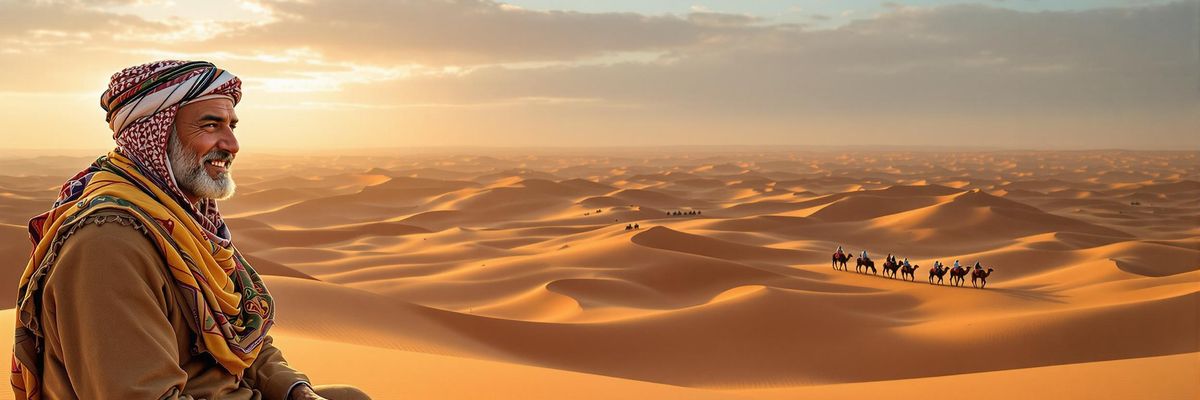
Embrace the cooler temperatures and experience the International Festival of the Sahara in Douz this December.
View More
Celebrate the year-end festivities in Accra, culminating in the vibrant Afrofuture festival.
View More Albania EDITION
 Algeria EDITION
 Argentina EDITION
 Armenia EDITION
 Australia EDITION
 Austria EDITION
 Bangladesh EDITION
 Belgium EDITION
 Belize EDITION
 Benin EDITION
 Bhutan EDITION
 Bolivia EDITION
 Bosnia and Herzegovina EDITION
 Botswana EDITION
 Brazil EDITION
 Bulgaria EDITION
 Burkina Faso EDITION
 Cambodia EDITION
 Cameroon EDITION
 Canada EDITION
 Central African Republic EDITION
 Chad EDITION
 Chile EDITION
 China EDITION
 Colombia EDITION
 Costa Rica EDITION
 Croatia EDITION
 Cyprus EDITION
 Denmark EDITION
 Djibouti EDITION
 Ecuador EDITION
 Egypt EDITION
 El Salvador EDITION
 Eritrea EDITION
 Estonia EDITION
 Ethiopia EDITION
 Finland EDITION
 France EDITION
 Gabon EDITION
 Georgia EDITION
 Germany EDITION
 Ghana EDITION
 Greece EDITION
 Guatemala EDITION
 Guinea EDITION
 Guinea-Bissau EDITION
 Honduras EDITION
 Hungary EDITION
 Iceland EDITION
 India EDITION
 Indonesia EDITION
 Ireland EDITION
 Israel EDITION
 Italy EDITION
 Jamaica EDITION
 Japan EDITION
 Jordan EDITION
 Kenya EDITION
 Kuwait EDITION
 Laos EDITION
 Latvia EDITION
 Lebanon EDITION
 Lesotho EDITION
 Liberia EDITION
 Lithuania EDITION
 Luxembourg EDITION
 Madagascar EDITION
 Malawi EDITION
 Malaysia EDITION
 Maldives EDITION
 Mali EDITION
 Malta EDITION
 Mauritania EDITION
 Mauritius EDITION
 Mexico EDITION
 Mongolia EDITION
 Montenegro EDITION
 Morocco EDITION
 Mozambique EDITION
 Namibia EDITION
 Nepal EDITION
 Netherlands EDITION
 New Zealand EDITION
 Nicaragua EDITION
 Niger EDITION
 Nigeria EDITION
 Norway EDITION
 Oman EDITION
 Pakistan EDITION
 Panama EDITION
 Papua New Guinea EDITION
 Paraguay EDITION
 Peru EDITION
 Philippines EDITION
 Poland EDITION
 Portugal EDITION
 Qatar EDITION
 Romania EDITION
 Rwanda EDITION
 Saudi Arabia EDITION
 Senegal EDITION
 Serbia EDITION
 Singapore EDITION
 Slovakia EDITION
 Slovenia EDITION
 Somalia EDITION
 South Africa EDITION
 South Korea EDITION
 Spain EDITION
 Sri Lanka EDITION
 Suriname EDITION
 Sweden EDITION
 Switzerland EDITION
 Tanzania EDITION
 Thailand EDITION
 Tunisia EDITION
 Uganda EDITION
 United Arab Emirates EDITION
 United Kingdom EDITION
 Uruguay EDITION
 Venezuela EDITION
 Vietnam EDITION
 Zambia EDITION
 Zimbabwe EDITION
Subscribe to our newsletter and get the most captivating travel stories, hidden gems, and expert insights delivered straight to your inbox. As a subscriber, you’ll be first in line for exclusive content, premium offers, and unforgettable travel experiences