


Destination Guide
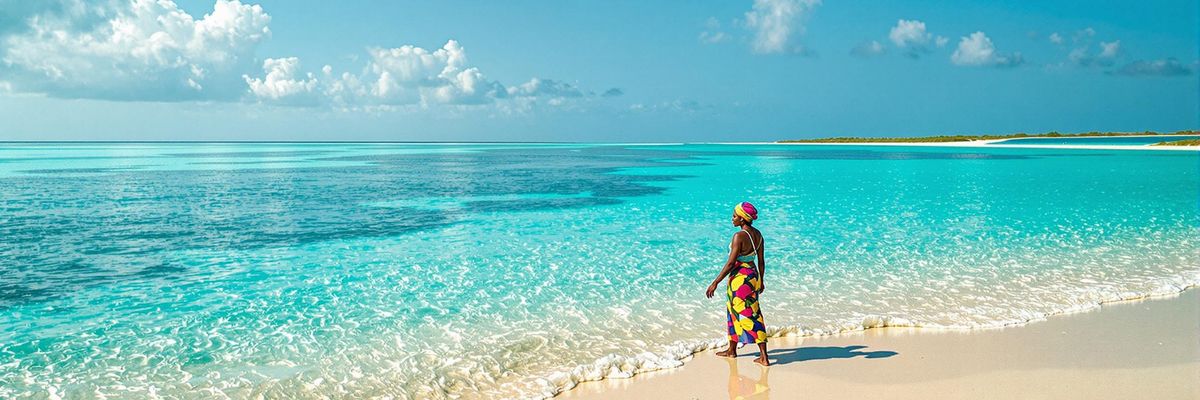
Xai-Xai: A Coastal Retreat
Relax on the beaches and explore the reefs of Xai-Xai.
View More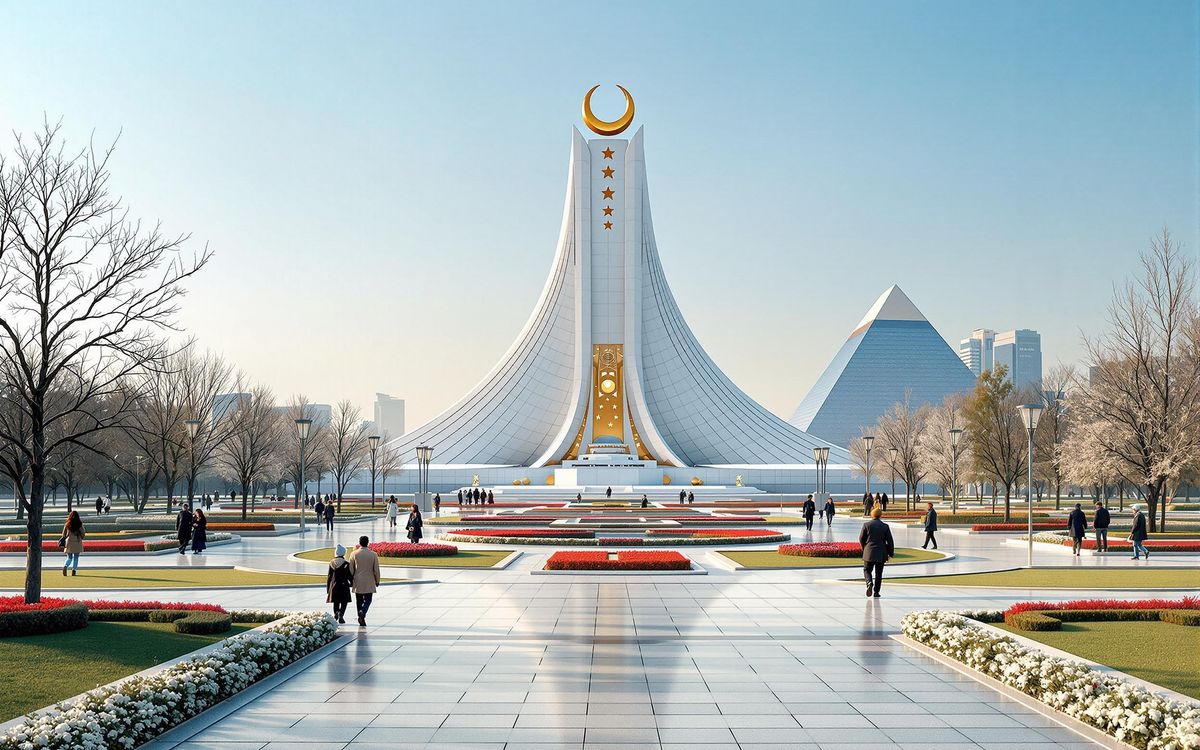

Step into Ashgabat, a city that defies expectations, rising majestically from the Karakum Desert with its gleaming white marble architecture and a unique blend of modern and traditional Turkmen elements.
The city, meticulously planned and executed, presents a striking visual impact, characterized by its immaculate cleanliness and an overwhelming sense of order. As the capital of Turkmenistan, Ashgabat offers a travel experience unlike any other, inviting you to explore its architectural marvels and delve into its rich cultural tapestry.
Ashgabat is a city reborn, rising from the ashes of a devastating earthquake in 1948 to become a symbol of Turkmenistan’s ambition and vision. The city proudly holds a Guinness World Record for the highest density of white marble-clad buildings in the world. This architectural styling effort led by the government resulted in 543 new buildings clad with 4,513,584 square meters of white marble over an area of 22 square kilometers. The main avenue, Bitarap Türkmenistan Sayolu, stretches 12.6 kilometers, lined with 170 buildings adorned with 1,156,818 square meters of white marble.
The visual impact of Ashgabat’s architecture is stunning. The white marble buildings create a sense of grandeur and sophistication, while the green roofs add a touch of vibrancy to the cityscape. The city's design reflects a blend of modern and traditional Turkmen motifs, showcasing the nation's identity and heritage. The immaculate cleanliness of the streets and public spaces further enhances the city's appeal, creating a pleasant and welcoming environment for visitors.
Beyond its architectural splendor, Ashgabat exudes a sense of order and meticulous planning. The city's layout is well-organized, with wide avenues and strategically placed parks and monuments. This sense of order contributes to the overall feeling of serenity and tranquility, making Ashgabat a unique urban oasis.
While exploring Ashgabat, you'll notice a harmonious blend of modern and traditional Turkmen elements. The city's architecture incorporates traditional patterns and designs, reflecting the nation's cultural identity. This fusion of modern and traditional aesthetics creates a distinctive character that sets Ashgabat apart from other capital cities.
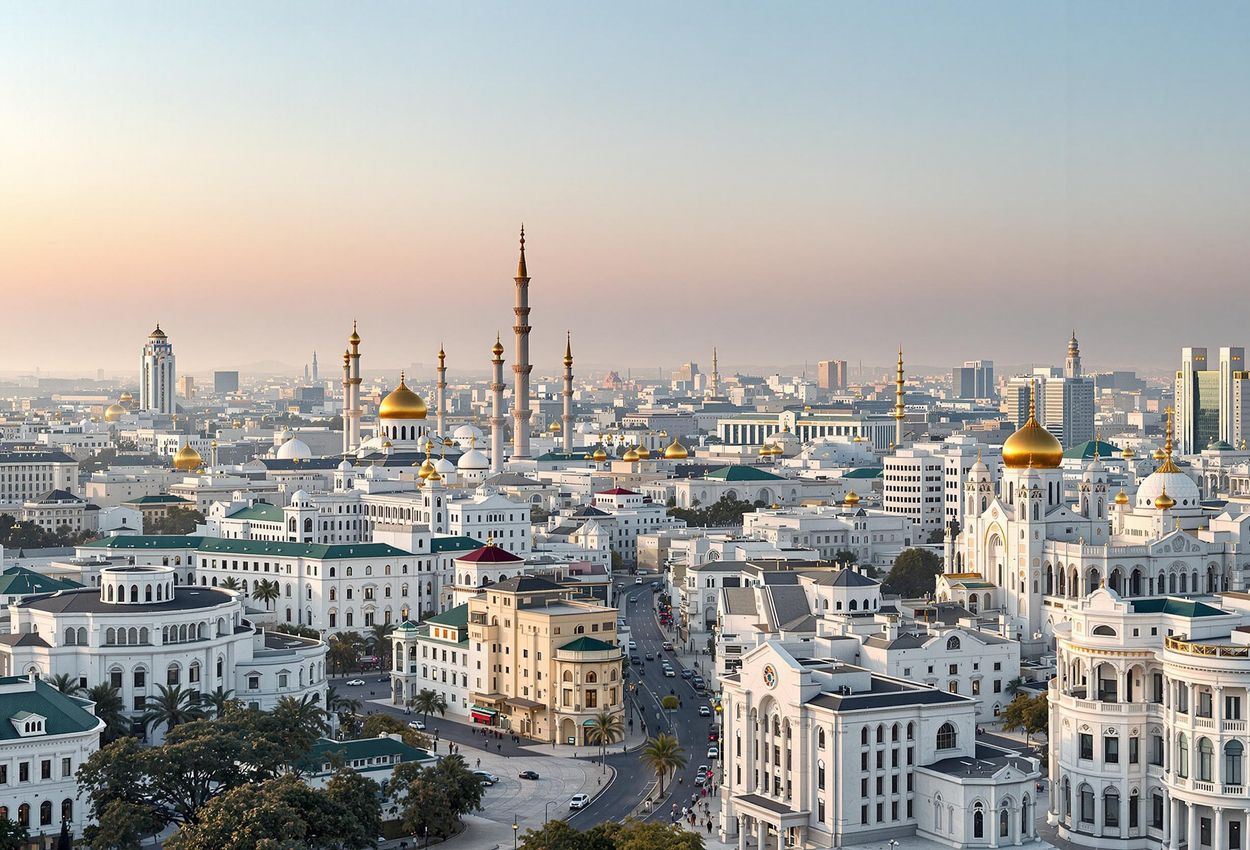
Image Description: A wide, eye-level shot capturing Ashgabat's skyline during the early morning. The focus is on the density of white marble-clad buildings, showcasing the city's architectural uniqueness. The lighting is soft, highlighting the textures and details of the marble. The sky is clear with a hint of sunrise colors, casting a warm glow on the buildings. Include some green rooftops to give contrast to the white marble. The image emphasizes the city's cleanliness and order, with wide, empty streets visible between the buildings. The photo should convey a sense of grandeur and sophistication, capturing the essence of Ashgabat as a modern metropolis rising from the desert. The season is winter, with the date of the photo being January 15, 2025.
Style Instructions: Landscape. Use a wide-angle lens to capture the breadth of the city. Adjust the white balance to accurately represent the color of the marble. Ensure sharp focus across the entire scene. The shot should be taken during the early morning golden hour to enhance the visual appeal. The photo is taken on January 15, 2025.
Independence Park: A Showcase of Turkmen Identity
Discover Independence Park, a sprawling green space in Ashgabat that serves as a vibrant showcase of Turkmen identity and a testament to the nation's history and aspirations. Spanning 140 hectares, this expansive park connects several districts of the city and has become a beloved recreational area for residents and a must-see destination for tourists.
At the heart of Independence Park stands the Independence Monument, a striking symbol of Turkmenistan's sovereignty and unity. Designed as a traditional Turkmen yurt topped with a golden crescent moon, the monument embodies the nation's cultural heritage and its aspirations for the future. The monument soars 118 meters into the sky, representing joy, freedom and true independence.
Within the base of the Independence Monument lies the Museum of Independence, a treasure trove of artifacts and exhibits that chronicle Turkmenistan's journey to nationhood. The museum's halls showcase the rich history, culture, and traditions of the Turkmen people, offering visitors a glimpse into the nation's past and present.
Another notable monument within the park is the Ruhnama book monument, a tribute to the principal work of Turkmenistan's first president, Saparmurat Niyazov. This monument stands as a symbol of the nation's intellectual and spiritual heritage.
As evening descends, Independence Park transforms into a mesmerizing spectacle of light and color. The park's monuments and fountains are illuminated, creating a magical ambiance that enhances the park's beauty and allure. A stroll through the park at night is an unforgettable experience, offering a glimpse into the heart and soul of Turkmenistan.
For those seeking retail therapy, the Altyn Asyr shopping center is located within the park. This shopping center offers a variety of goods and services, catering to the needs of both locals and tourists. The building has a unique pentagon-based pyramidal shape.
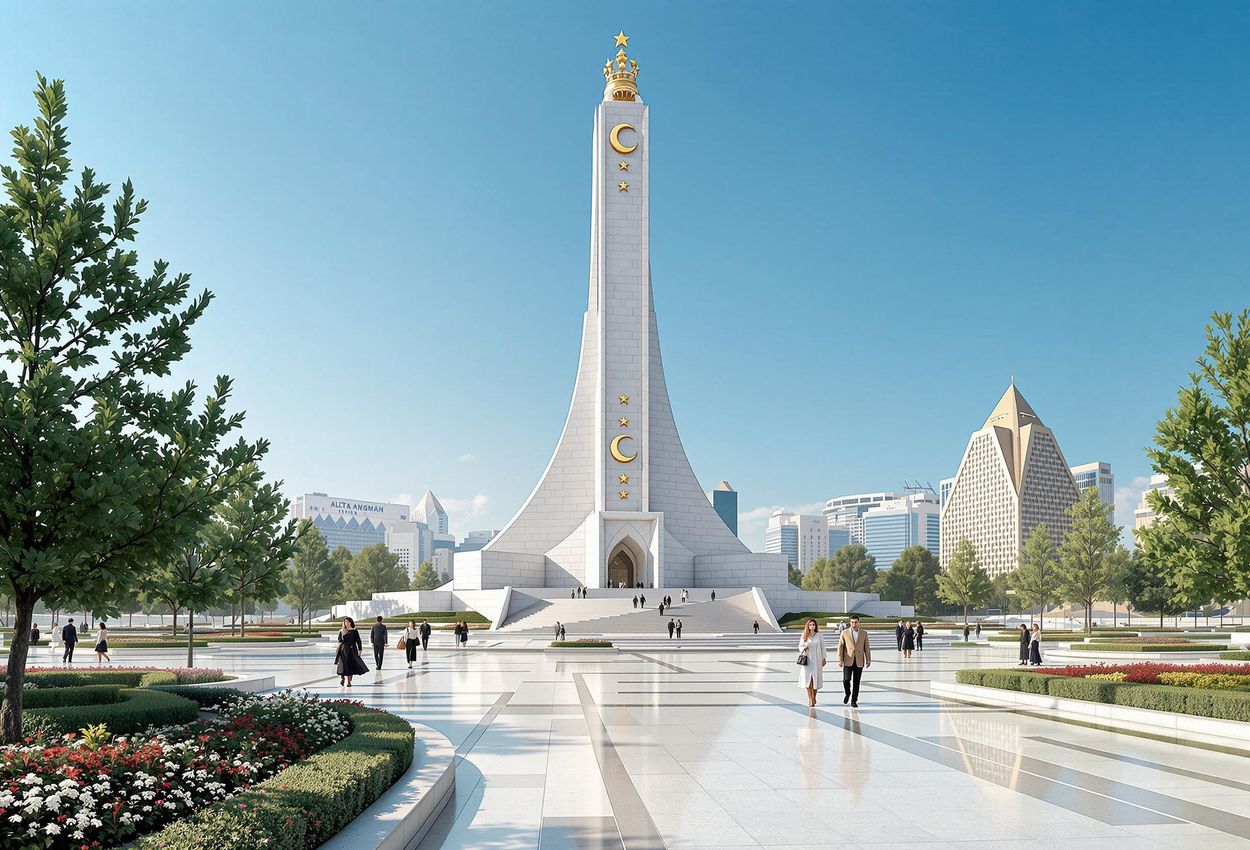
Image Description: A daytime, wide-angle shot of Independence Park in Ashgabat. The Independence Monument, a tall white structure topped with a golden crescent moon, dominates the skyline. The park is filled with lush greenery, colorful flowerbeds arranged in traditional patterns, and wide marble alleys. Several people are strolling through the park, enjoying the scenery. In the background, the pyramidal structure of the Altyn Asyr Shopping Center is visible. The overall scene conveys a sense of peace and national pride. The season is winter, with the date of the photo being January 15, 2025.
Style Instructions: Landscape. Use a wide-angle lens to capture the vastness of the park. Focus on the Independence Monument while ensuring the surrounding elements are also in focus. Capture the vibrant colors of the flowerbeds and the clear blue sky. The photo is taken on January 15, 2025.
Neutrality Monument: A Symbol of Peace
The Monument of Neutrality, originally named the Arch of Neutrality, stands as a key symbol of modern Turkmenistan. This monument commemorates Turkmenistan's official position of neutrality, which was declared on December 12, 1995, at the UN General Assembly. The declaration committed the country to non-interference in other states' internal affairs and avoiding participation in wars and conflicts.
Originally located in central Ashgabat, the monument was relocated to the city's southern end in 2010 to improve urban design. The monument is undergoing renovation starting in February 2025, as part of preparations for the 30th anniversary of Turkmenistan's neutrality and the designation of 2025 as the International Year of Peace and Trust. The renovation project includes improvements to the surrounding area, landscaping, modernization of transport infrastructure, and an upgraded lighting system. The design will also incorporate elements reflecting the colors of the UN flag.
The Monument of Neutrality stands 95 meters tall and rests on three pillars, representing the traditional 'tagan' boiler stand, symbolizing home and hearth. The five levels formed by encircling bronze cylinders symbolize the five Turkmen tribes. The monument is adorned with decorations and bas-reliefs depicting significant historical and cultural elements of Turkmen life. Inside the monument, three halls showcase modern achievements of Turkmenistan.
The monument features viewing platforms accessible by inclined elevators, offering panoramic views of Ashgabat. The surrounding park provides a perfect spot to enjoy a stroll with views of this majestic symbol of modern Turkmenistan.
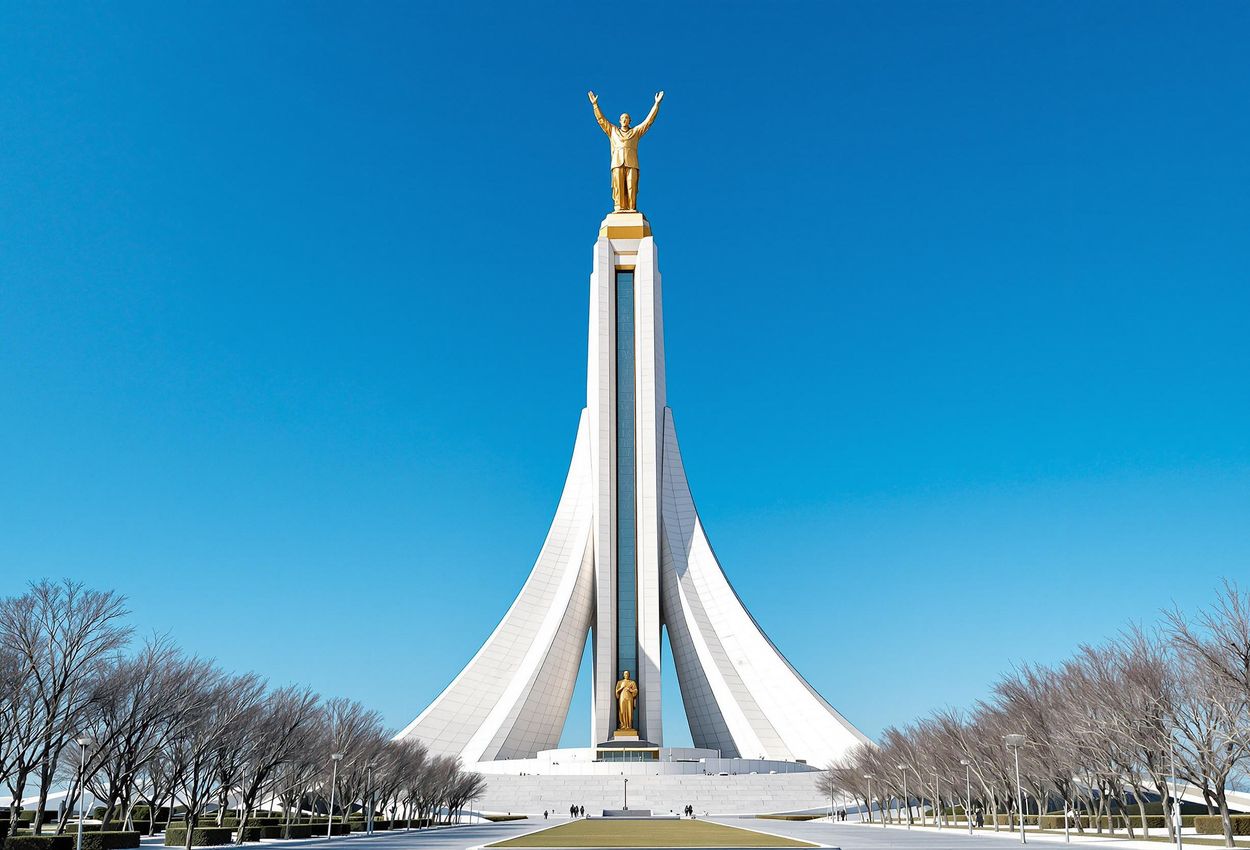
Image Description: A daytime shot of the Neutrality Monument in Ashgabat. The monument is framed by clear blue skies, emphasizing its towering height and the golden statue atop. The surrounding park is visible, featuring well-manicured lawns, trees, and walking paths. The image captures the monument's grandeur and its role as a symbol of Turkmenistan's neutrality. The date of the photo is January 15, 2025.
Style Instructions: Cityscape. Use a telephoto lens to compress the perspective and emphasize the height of the monument. Ensure the golden statue at the top is sharply focused. The photo is taken on January 15, 2025.
Turkmenbashi Ruhy Mosque: A Spiritual Landmark
Explore the Turkmenbashi Ruhy Mosque, also known as Gypjak Mosque, one of the largest single-domed mosques in the world and a significant spiritual landmark in Turkmenistan. Located in Gypjak, about 7 kilometers west of Ashgabat, this grand structure is a testament to the country's architectural ambition and its blend of Islamic tradition with Turkmen heritage.
Constructed between 2002 and 2004, the mosque was commissioned by Saparmurat Niyazov and serves as both a place of worship and his final resting place. In 2024, a major modernization of the mosque was carried out, enhancing its capacity and features. The mosque reopened in September 2024 after reconstruction.
The Turkmenbashi Ruhy Mosque is built with white marble and features a golden dome and four minarets. The minarets stand 91 meters tall, symbolizing the year 1991, when Turkmenistan gained independence. The mosque's walls are adorned with inscriptions from the Quran and the Ruhnama, a book written by Niyazov.
The mosque can accommodate up to 10,000 worshippers and features a large prayer hall with white columns and a celestial blue dome. The floor is covered with a handmade Turkmen carpet. The mausoleum of Saparmurat Niyazov is located near the mosque.
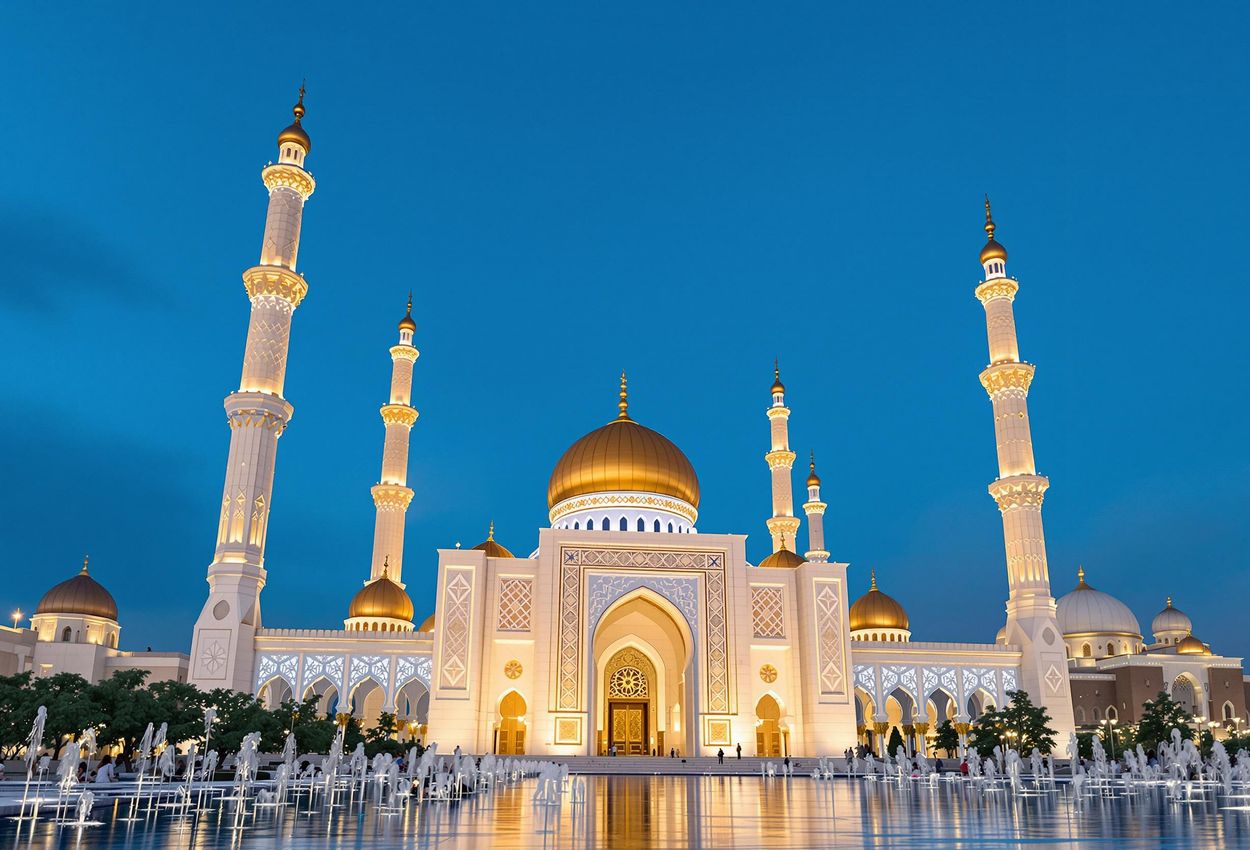
Image Description: A serene, eye-level shot of the Turkmenbashi Ruhy Mosque at dusk. The mosque is illuminated with soft, golden light, highlighting its white marble construction, golden dome, and four minarets. The sky is a deep blue, providing a striking contrast to the mosque's radiant appearance. The surrounding landscape is calm and peaceful. The date of the photo is January 15, 2025.
Style Instructions: Architecture. Use a wide-angle lens to capture the entire mosque in the frame. Adjust the exposure to properly expose the white marble and the golden dome. The photo is taken on January 15, 2025.
Evening Strolls and Cultural Rhythms
Experience the magic of Ashgabat at night, when the city's illuminated buildings and monuments create a captivating spectacle. The white marble architecture glows under the soft light, enhancing the city's beauty and charm.
Take a leisurely stroll along Bitarap Türkmenistan Avenue, lined with marble buildings that showcase the city's architectural grandeur. The avenue is a popular spot for evening walks, offering a glimpse into the city's vibrant atmosphere.
Admire the unique design of the Wedding Palace, a distinctive landmark that adds to the city's architectural tapestry. The Yyldyz Hotel, with its modern design and luxurious amenities, is another notable building that enhances the city's skyline.
Immerse yourself in Turkmen tea culture, a cherished tradition that reflects the nation's hospitality and social values. Green tea, known as gok chai, is a staple beverage enjoyed throughout the year, while black tea, or gara chai, is more popular in the autumn and winter months. The Turkmen prepare tea using the gaytarma method, pouring a full cup of the drink back into the teapot two or three times.
Discover the growing coffee scene in Ashgabat, where modern cafes offer a variety of coffee blends and pastries. These cafes provide a cozy and inviting space to relax and enjoy the city's ambiance.
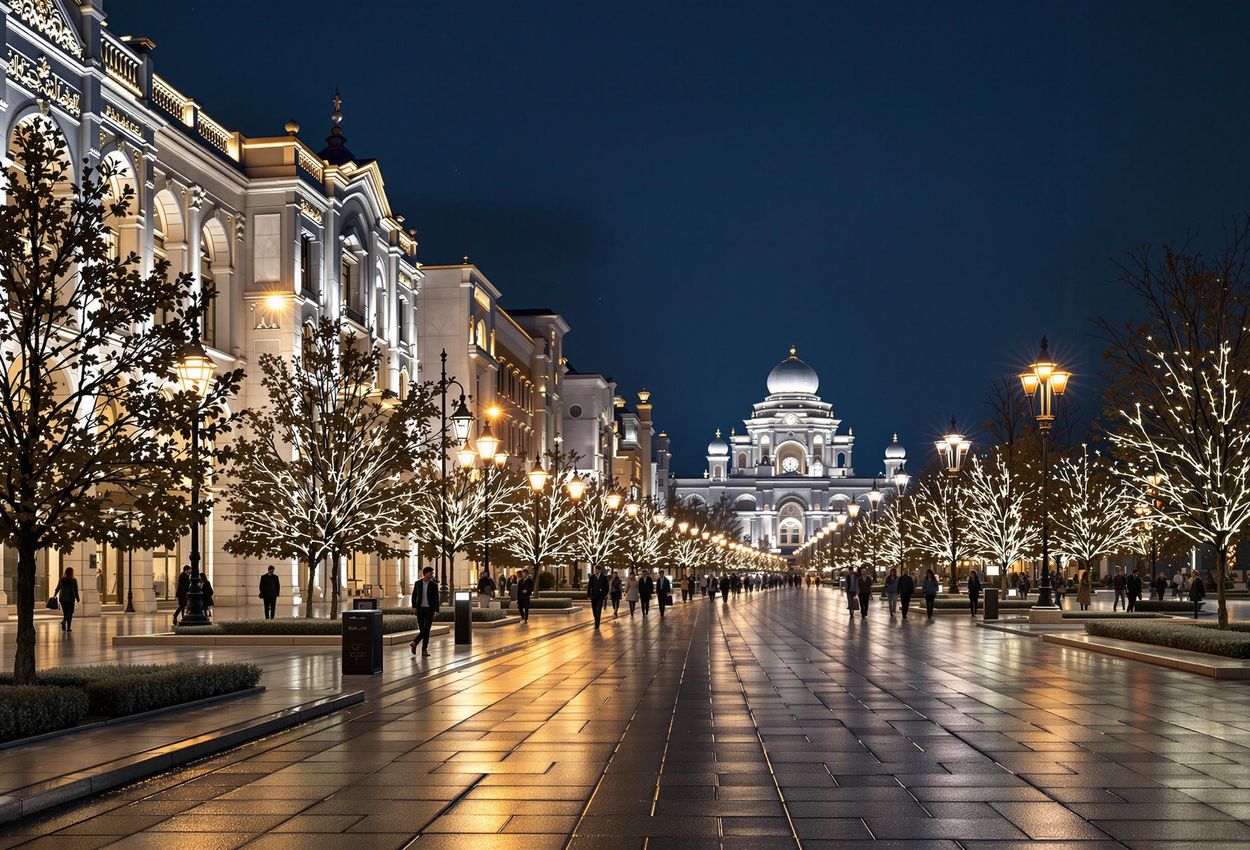
Image Description: A street-style shot capturing Bitarap Türkmenistan Avenue in Ashgabat at night. The buildings are illuminated, showcasing their white marble facades. Pedestrians are strolling along the avenue, enjoying the evening atmosphere. The Wedding Palace is visible in the background, adding a unique touch to the cityscape. The date of the photo is January 15, 2025.
Style Instructions: Street. Use a wide-angle lens to capture the breadth of the avenue and the illuminated buildings. Adjust the exposure to properly expose the white marble and the surrounding lights. The photo is taken on January 15, 2025.
Our editors` picks of the latest and greatest in travel - delivered to your inbox daily
Relax on the beaches and explore the reefs of Xai-Xai.
View More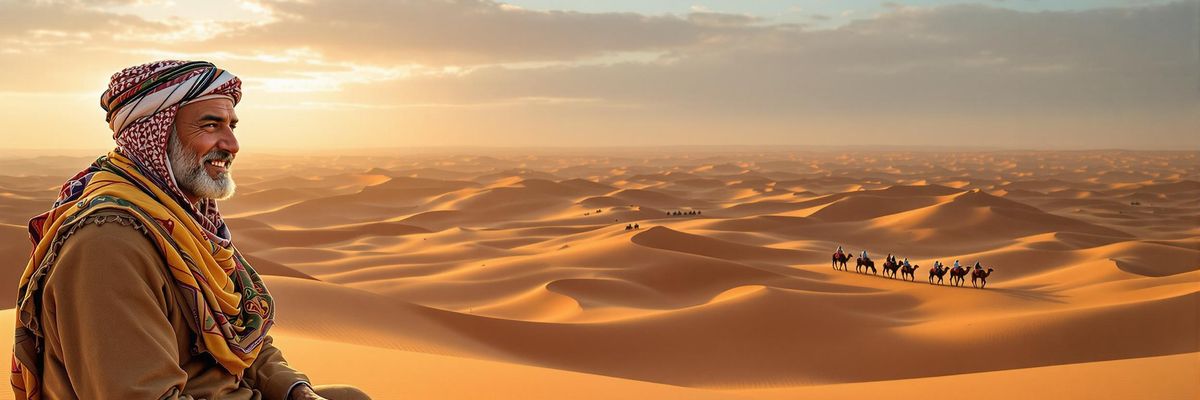
Embrace the cooler temperatures and experience the International Festival of the Sahara in Douz this December.
View More
Celebrate the year-end festivities in Accra, culminating in the vibrant Afrofuture festival.
View More Albania EDITION
 Algeria EDITION
 Argentina EDITION
 Armenia EDITION
 Australia EDITION
 Austria EDITION
 Bangladesh EDITION
 Belgium EDITION
 Belize EDITION
 Benin EDITION
 Bhutan EDITION
 Bolivia EDITION
 Bosnia and Herzegovina EDITION
 Botswana EDITION
 Brazil EDITION
 Bulgaria EDITION
 Burkina Faso EDITION
 Cambodia EDITION
 Cameroon EDITION
 Canada EDITION
 Central African Republic EDITION
 Chad EDITION
 Chile EDITION
 China EDITION
 Colombia EDITION
 Costa Rica EDITION
 Croatia EDITION
 Cyprus EDITION
 Denmark EDITION
 Djibouti EDITION
 Ecuador EDITION
 Egypt EDITION
 El Salvador EDITION
 Eritrea EDITION
 Estonia EDITION
 Ethiopia EDITION
 Finland EDITION
 France EDITION
 Gabon EDITION
 Georgia EDITION
 Germany EDITION
 Ghana EDITION
 Greece EDITION
 Guatemala EDITION
 Guinea EDITION
 Guinea-Bissau EDITION
 Honduras EDITION
 Hungary EDITION
 Iceland EDITION
 India EDITION
 Indonesia EDITION
 Ireland EDITION
 Israel EDITION
 Italy EDITION
 Jamaica EDITION
 Japan EDITION
 Jordan EDITION
 Kenya EDITION
 Kuwait EDITION
 Laos EDITION
 Latvia EDITION
 Lebanon EDITION
 Lesotho EDITION
 Liberia EDITION
 Lithuania EDITION
 Luxembourg EDITION
 Madagascar EDITION
 Malawi EDITION
 Malaysia EDITION
 Maldives EDITION
 Mali EDITION
 Malta EDITION
 Mauritania EDITION
 Mauritius EDITION
 Mexico EDITION
 Mongolia EDITION
 Montenegro EDITION
 Morocco EDITION
 Mozambique EDITION
 Namibia EDITION
 Nepal EDITION
 Netherlands EDITION
 New Zealand EDITION
 Nicaragua EDITION
 Niger EDITION
 Nigeria EDITION
 Norway EDITION
 Oman EDITION
 Pakistan EDITION
 Panama EDITION
 Papua New Guinea EDITION
 Paraguay EDITION
 Peru EDITION
 Philippines EDITION
 Poland EDITION
 Portugal EDITION
 Qatar EDITION
 Romania EDITION
 Rwanda EDITION
 Saudi Arabia EDITION
 Senegal EDITION
 Serbia EDITION
 Singapore EDITION
 Slovakia EDITION
 Slovenia EDITION
 Somalia EDITION
 South Africa EDITION
 South Korea EDITION
 Spain EDITION
 Sri Lanka EDITION
 Suriname EDITION
 Sweden EDITION
 Switzerland EDITION
 Tanzania EDITION
 Thailand EDITION
 Tunisia EDITION
 Uganda EDITION
 United Arab Emirates EDITION
 United Kingdom EDITION
 Uruguay EDITION
 Venezuela EDITION
 Vietnam EDITION
 Zambia EDITION
 Zimbabwe EDITION
Subscribe to our newsletter and get the most captivating travel stories, hidden gems, and expert insights delivered straight to your inbox. As a subscriber, you’ll be first in line for exclusive content, premium offers, and unforgettable travel experiences