



Destination Guide
Xai-Xai: A Coastal Retreat
Relax on the beaches and explore the reefs of Xai-Xai.
View More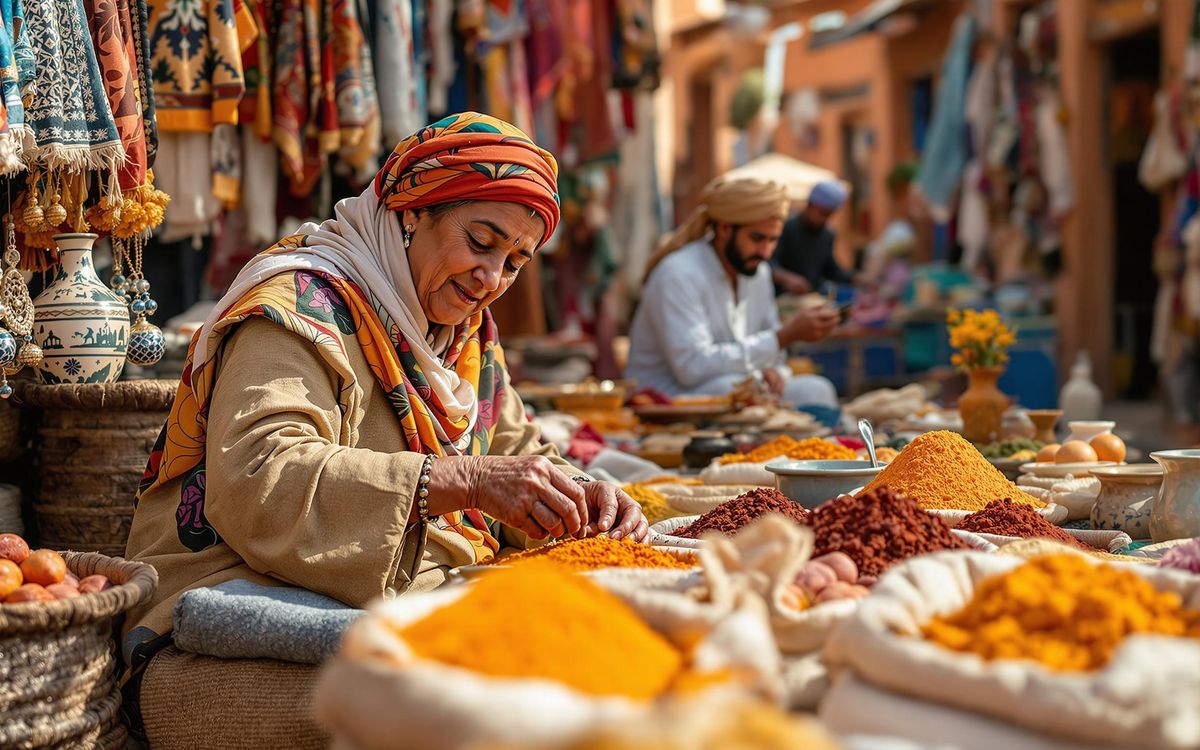

Atar, the capital of the Adrar region in Mauritania, stands as a welcoming gateway to the Sahara's wonders, inviting travelers to immerse themselves in its unique blend of Saharan charm and cultural richness.
This oasis city serves not only as a logistical hub for excursions to destinations like Chinguetti and Ouadane but also as an essential stop in its own right, offering stunning views and a warm atmosphere that captures the essence of Mauritanian hospitality. As you approach Atar, the vast expanse of the desert gives way to the sight of palm trees swaying gently in the breeze, a refreshing contrast that signals the start of an unforgettable adventure.
The city's location makes it a crossroads for travelers and traders, contributing to its diverse cultural tapestry. Here, the Berber, Arab, and West African influences intertwine, creating a unique identity that's reflected in the city's architecture, cuisine, and customs. The red-earth buildings blend seamlessly with the surrounding desert, offering a visual harmony that is both striking and serene.
Atar offers a unique blend of cultural experiences and natural beauty. The city itself is relatively small and easy to navigate, making it ideal for those who prefer a more intimate travel experience. The locals are known for their hospitality, often inviting visitors to share tea and stories, providing a glimpse into their daily lives and traditions. The pace of life here is unhurried, allowing you to disconnect from the hustle and bustle of modern life and fully embrace the tranquility of the desert. The climate in Atar is characterized by hot, sunny days and cool nights, especially during the months of November to February, which are considered the best times to visit. The clear desert air makes it an ideal location for stargazing, offering breathtaking views of the night sky. The city's welcoming atmosphere and stunning views make it an essential stop for anyone looking to explore the Sahara and experience the authentic Mauritanian culture.
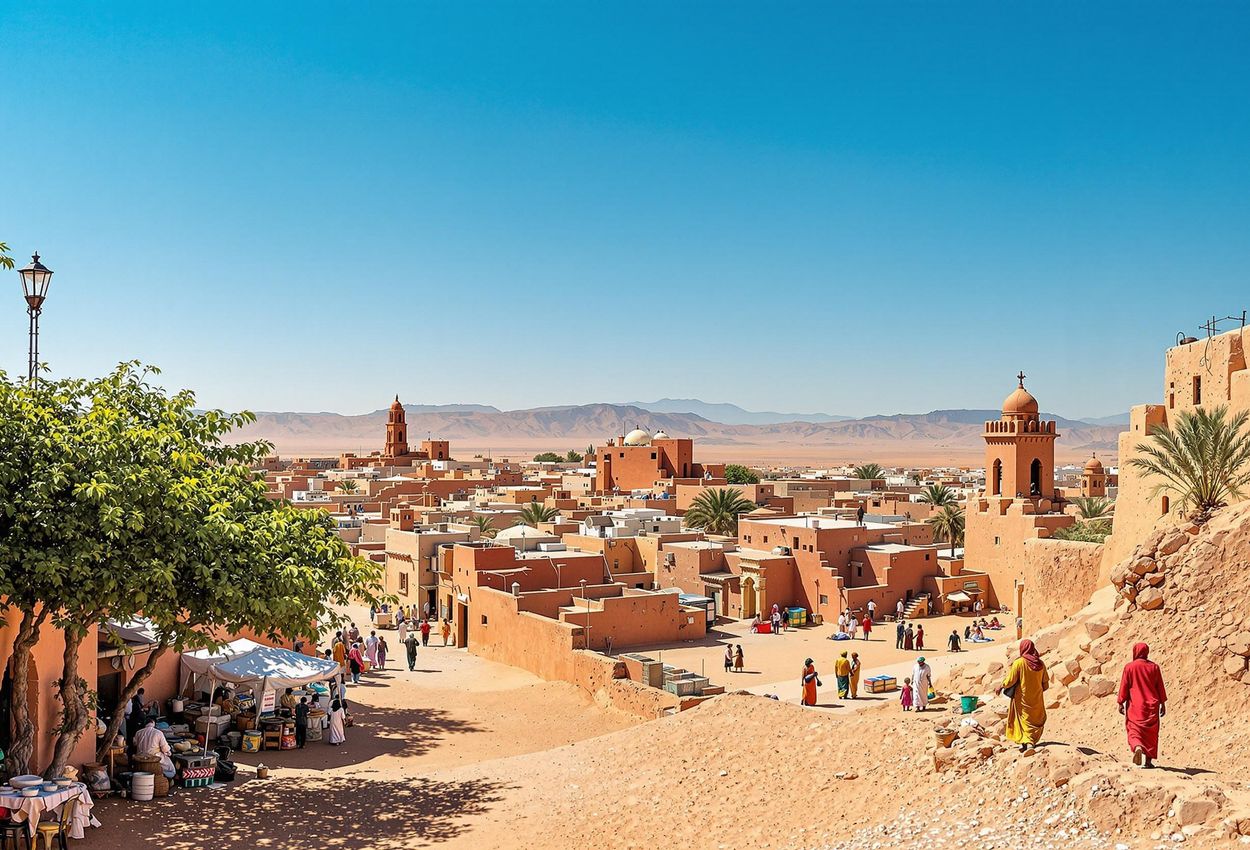
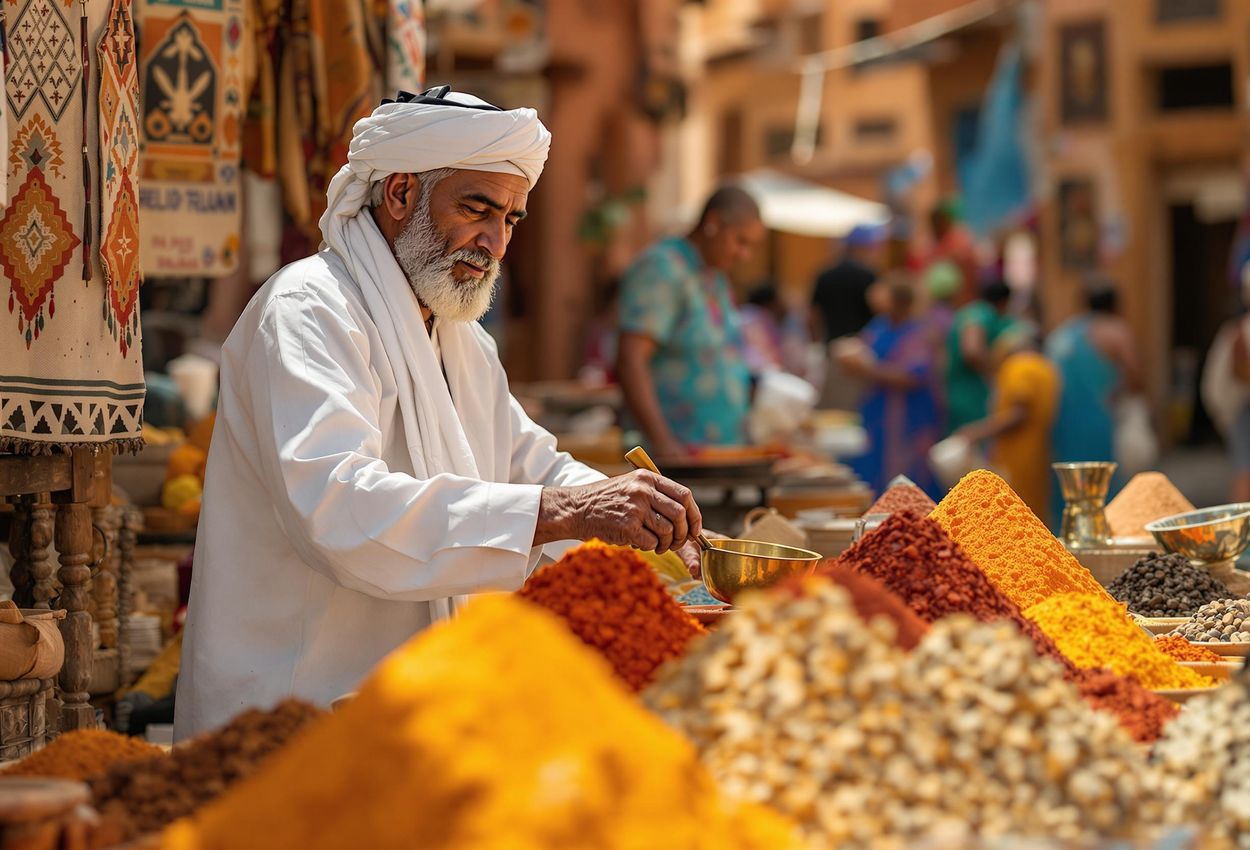
Exploring the vibrant Marché D'Atar (Atar Market) is like stepping into the heart of Mauritania itself, a place where culture, community, and commerce converge in a symphony of sights, sounds, and smells.
As you enter this bustling hub, you're immediately enveloped by the aromatic scents of spices, the vibrant colors of textiles, and the lively chatter of vendors and shoppers. The market is more than just a place to buy and sell; it's a social gathering point, a place where stories are shared, friendships are forged, and the rhythm of daily life unfolds.
The sights within the market are a feast for the eyes. Traditional crafts, from intricately designed jewelry to vibrantly colored fabrics, showcase the rich cultural heritage of the region. Heaps of spices create a kaleidoscope of colors, their fragrances mingling to create an intoxicating aroma. You'll find everything from cumin and coriander to cardamom and turmeric, each spice telling its own story of far-off lands and ancient trade routes.
The sounds of the market are just as captivating as the sights. Vendors call out their wares in melodic tones, bargaining is conducted with good-natured humor, and the laughter of children fills the air. The market is a place where time seems to slow down, where you can lose yourself in the moment and simply soak in the atmosphere. Don't miss the opportunity to sample local delicacies like 'thieboudienne', a flavorful fish and rice dish that's considered a staple in Mauritania. The market is a great place to try this and other traditional dishes, offering a true taste of Mauritanian cuisine.
Local Tip: When visiting the market, remember to bring small denominations of currency, as it makes bargaining easier. Also, be respectful when taking photos of people and always ask for permission first.
The Atar Mosque, standing as one of the country's oldest mosques, dating back to 1674, offers a profound glimpse into the spiritual heart of the community.
Its architectural significance lies not only in its age but also in its design, which reflects a blend of traditional Islamic styles adapted to the desert environment. The mosque's towering minaret dominates the skyline, serving as a beacon for the faithful and a landmark for travelers.
As a central place of worship, the mosque plays a vital role in the daily lives of the people of Atar. Five times a day, the call to prayer echoes through the city, drawing worshippers to the mosque to connect with their faith and community. The mosque is not just a place of prayer; it's also a center for learning and social interaction, where religious teachings are shared, and community bonds are strengthened.
Hidden Gem: Nearby, the historic district of Garn El Gasba offers a glimpse into the past with its 18th-century architecture, providing a tangible link to Atar's rich history. For those interested in delving deeper into the local culture, the Musée Universitaire Atar houses displays on local traditions, artifacts, and historical information, offering a comprehensive overview of the region's heritage.
Visiting the Atar Mosque and its surrounding historical sites provides a deeper understanding of the cultural and spiritual values that shape the city. It's a chance to connect with the local community and gain insight into the traditions that have been passed down through generations.

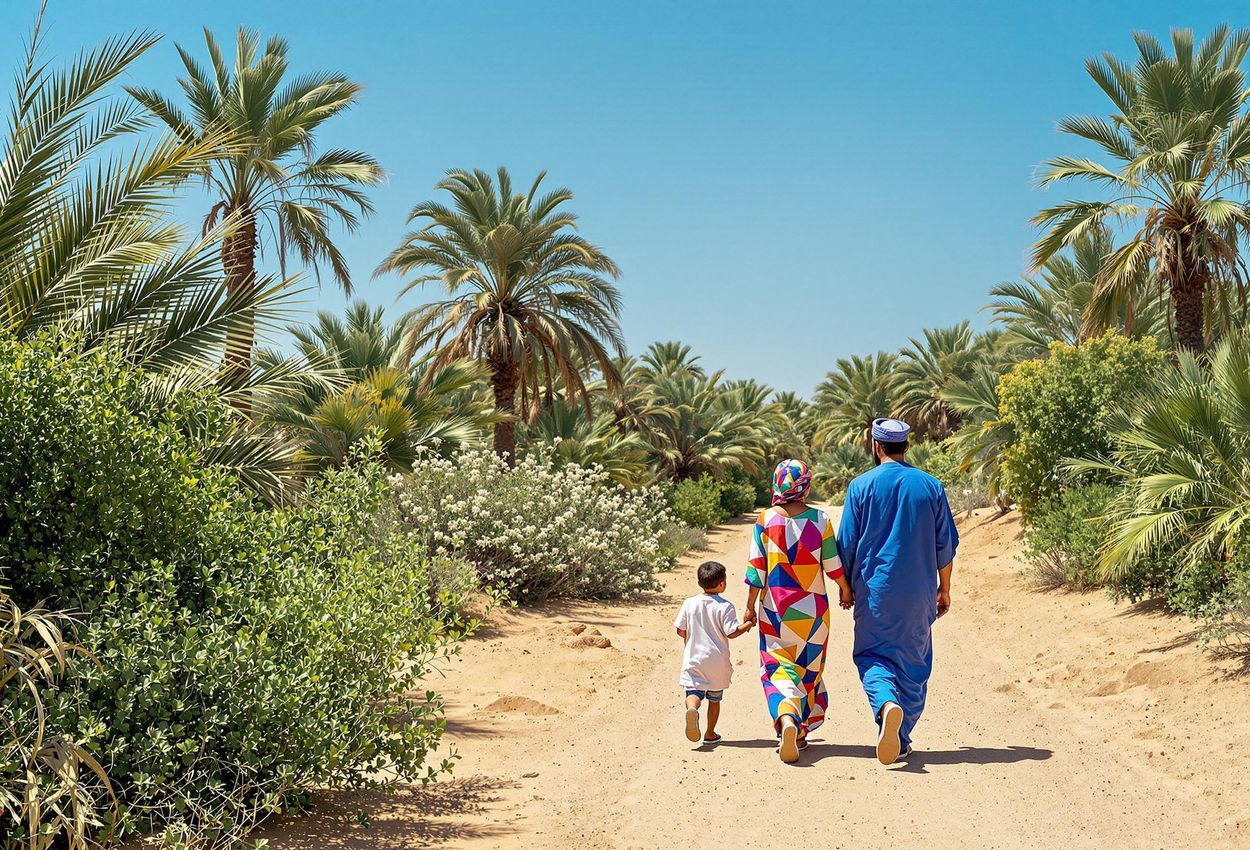
The Oasis of Azougui, a serene escape dotted with date palm trees, offers a tranquil respite from the arid desert landscape.
Its historical significance as a former Almoravid capital adds to its allure, making it a destination that combines natural beauty with a rich cultural heritage. As you approach the oasis, the sight of lush greenery and the sound of flowing water create a refreshing contrast to the surrounding desert.
The Oasis of Azougui was once the first Almoravid capital in the 11th century, founded by Abu Bakr bin Omar. Today, the oasis is home to more than twenty thousand palm trees, sustained by a traditional system of canalization and exploitation that has been in place for centuries. The local culture and customs surrounding the oasis are deeply rooted in the traditions of the Berber people, who have inhabited the region for generations.
Visitors to the oasis can experience the tranquility of desert life, stroll through the palm groves, and learn about the traditional farming techniques that have sustained the community for centuries. The oasis is also a great place to relax and enjoy the natural beauty of the desert, with opportunities for birdwatching, hiking, and simply soaking in the peaceful atmosphere. The oasis is a living testament to the resilience and ingenuity of the people who have made the desert their home.
Local Tip: When visiting the Oasis of Azougui, it's best to go during the cooler months (November to February) to avoid the intense heat. Be sure to bring plenty of water, sunscreen, and a hat to protect yourself from the sun.
The ancient Ksar (granary) of Atar stands as a testament to the region's history, blending traditional Mauritanian style with significant historical value.
This ancient structure offers a glimpse into the past, showcasing the ingenuity and resourcefulness of the people who once relied on it for survival. The Ksar's architecture is a reflection of the harsh desert environment, with thick walls and small windows designed to keep the interior cool and protect the stored grain from the elements.
As you explore the Ksar, you'll gain a deeper appreciation for the challenges faced by the people of Atar throughout history. The Ksar served as a vital resource for the community, providing a safe and secure place to store grain, ensuring that there was always enough food to survive even during times of drought or conflict. The Ksar is a reminder of the importance of community and cooperation in the face of adversity.
Hidden Gem: The architecture of the Ksar reveals much about the past, from the materials used to the construction techniques employed. The Ksar is a living museum, offering a tangible connection to the history of Atar and its people.
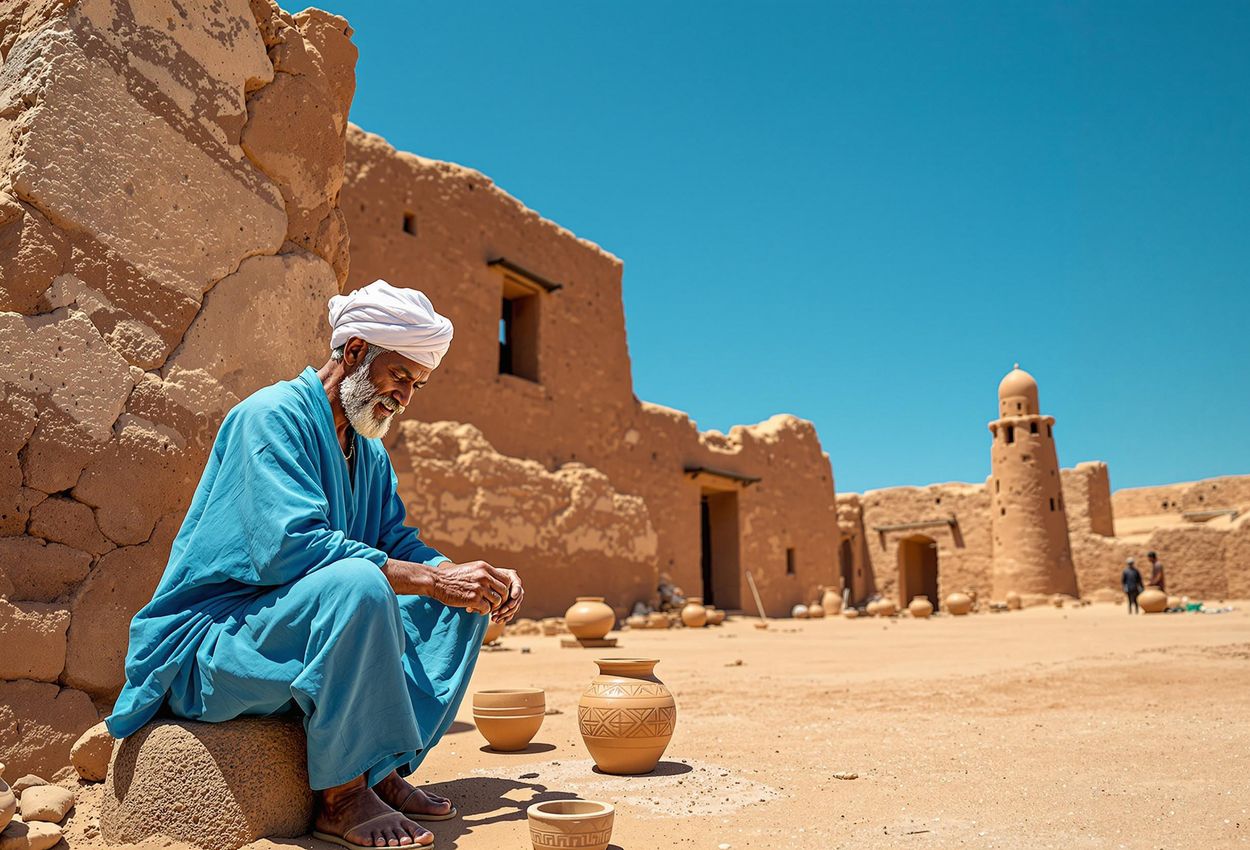
The Adrar Plateau, with its stunning views of the Sahara, offers a unique opportunity to experience the raw beauty and geological wonders of the desert.
This vast expanse of rocky plateaus and deep gorges is a testament to the power of nature, shaped by millennia of erosion and geological activity. As you stand on the edge of the plateau, you'll be greeted by panoramic views of endless sand dunes, rugged cliffs, and dramatic rock formations.
The Adrar Plateau is also home to ancient rock paintings, providing a glimpse into the lives and beliefs of the people who inhabited the region thousands of years ago. These paintings depict scenes of daily life, hunting, and religious rituals, offering a valuable insight into the history and culture of the Sahara.
Local Tip: When hiking in the Adrar Plateau, it's essential to hire a local guide who can navigate the terrain and share their knowledge of the area's history and culture. Be sure to wear appropriate footwear, bring plenty of water, and protect yourself from the sun.
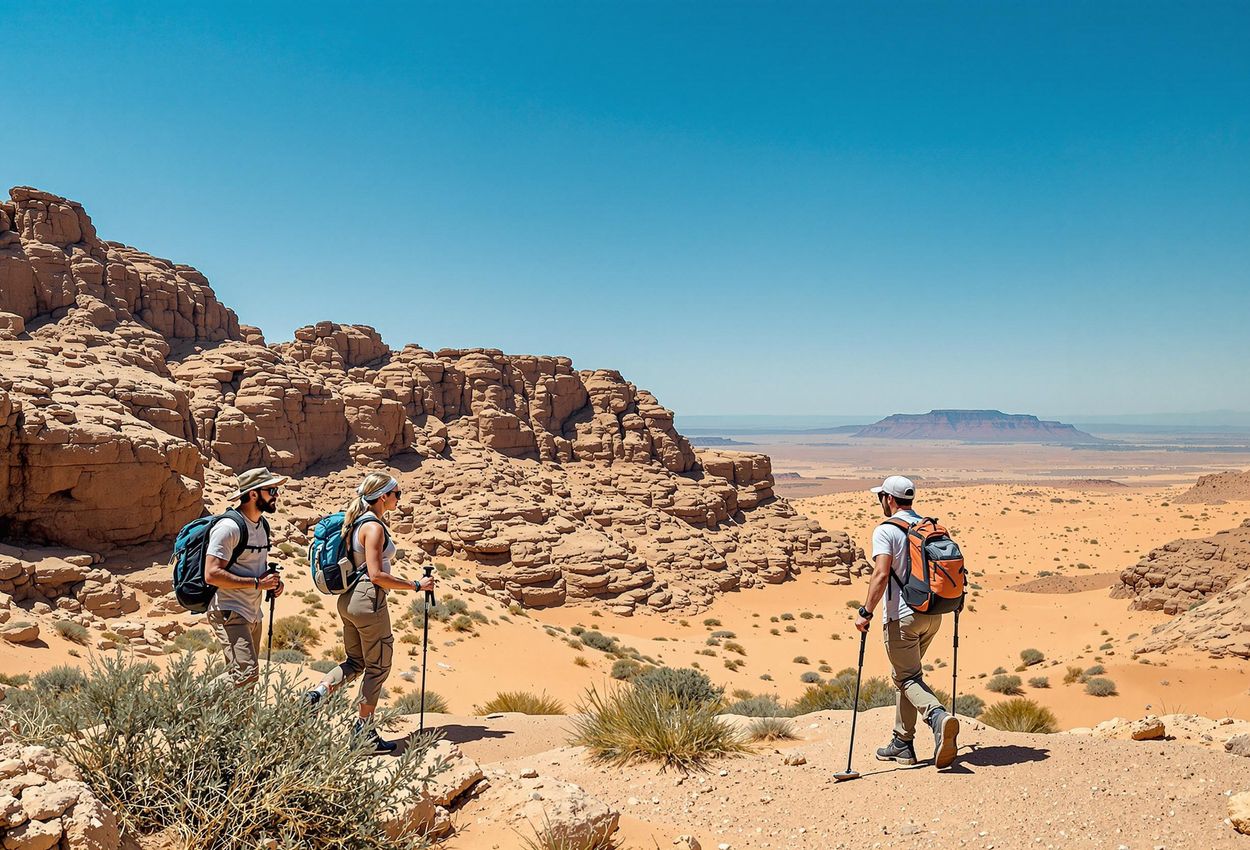
Terjit Oasis, a lush, secluded escape with natural springs, offers a paradise-like contrast to the arid Sahara, inviting visitors to immerse themselves in its tranquility.
This hidden gem is a testament to nature's ability to create life even in the harshest environments. As you approach Terjit, the landscape transforms dramatically from sand dunes and rocky plateaus to palm groves and springs. The oasis is nestled in a deep gorge in the Adrar Plateau, creating a microclimate that supports a diverse range of plant and animal life.
The natural springs at Terjit bubble up from the ground, creating pools of crystal-clear water that are perfect for a refreshing dip. Towering date palms shade the springs, providing a cool, pleasant environment that's a welcome respite from the relentless Saharan sun. The oasis has a rich cultural and spiritual significance, and has been the venue of ceremonies and rituals for generations.
Local Tip: When visiting Terjit Oasis, it's best to go in the early morning or late afternoon to avoid the midday heat. Be sure to bring a swimsuit and a towel if you plan to take a dip in the springs.
Exploring the culinary scene in Atar is a journey into the heart of Mauritanian tradition, where flavors are rich, hospitality is abundant, and food is a celebration of community.
Mauritanian cuisine is a blend of Berber, Arab, and West African influences, resulting in a unique and flavorful culinary experience. Traditional dishes like thieboudienne (fish and rice), couscous Mauritanien, and grilled meats are staples of the local diet, reflecting the country's diverse cultural heritage.
Thieboudienne, often considered the national dish of Mauritania, is a flavorful combination of fish, rice, and vegetables, simmered in a rich tomato-based sauce. Couscous Mauritanien is another popular dish, featuring steamed couscous served with a savory stew of meat and vegetables. Grilled meats, such as lamb and goat, are also a common sight in Atar, often seasoned with local spices and herbs.
Hidden Gem: Tea and dates play a central role in Mauritanian culture, and no visit to Atar is complete without experiencing the traditional tea ceremony. The communal dining experience is an integral part of Mauritanian culture, with meals often shared from a single communal bowl, fostering a sense of togetherness and connection.

Navigating Atar and its surroundings requires some planning, but with the right information, you can easily explore the region's many attractions.
Transportation options in Atar include bush taxis, 4x4s, and car rentals, each offering its own advantages and disadvantages. Bush taxis are a common form of transportation, especially for traveling to nearby destinations. They are typically shared vehicles that operate on a fixed route, picking up and dropping off passengers along the way. 4x4s are a more comfortable and convenient option, especially for exploring the rugged terrain of the Adrar region. They can be rented in Atar, but it's important to have experience driving in the desert. Car rentals are also available, but they can be expensive, and it's important to be aware of the road conditions and potential hazards.
Taxis are readily available in the city center, providing a convenient way to get around Atar itself. They are relatively inexpensive, but it's important to negotiate the fare before getting in. Arranging transportation to nearby destinations like Chinguetti and Ouadane can be done through your hotel or a local tour operator. It's important to book in advance, especially during peak season, to ensure availability.
Local Tip: When arranging transportation, be sure to factor in the time of day and the weather conditions. The desert can be extremely hot during the day, so it's best to travel in the early morning or late afternoon. Also, be prepared for delays, as transportation in Mauritania can be unpredictable.

Finding the right place to stay in Atar is essential for a comfortable and authentic experience, and the city offers a range of accommodations to suit every budget and preference.
From traditional tents to stone huts, there's something for everyone in this oasis city. Auberge Bab Sahara, located about a kilometer outside of town on the road to Choum, is a popular choice, offering a range of accommodations from mattresses on terraces to traditional tents and stone huts. The hospitality of the owners is genuine, and they are always willing to help arrange transportation or tours. Hotel Atar is another option, offering more traditional hotel rooms with amenities like air conditioning and private bathrooms. Auberge Azougui is another great option.
Local Tip: When choosing accommodations, be sure to consider the location, amenities, and price. It's also a good idea to read reviews from other travelers to get an idea of what to expect.

Our editors` picks of the latest and greatest in travel - delivered to your inbox daily
Relax on the beaches and explore the reefs of Xai-Xai.
View More
Embrace the cooler temperatures and experience the International Festival of the Sahara in Douz this December.
View More
Celebrate the year-end festivities in Accra, culminating in the vibrant Afrofuture festival.
View More Albania EDITION
 Algeria EDITION
 Argentina EDITION
 Armenia EDITION
 Australia EDITION
 Austria EDITION
 Bangladesh EDITION
 Belgium EDITION
 Belize EDITION
 Benin EDITION
 Bhutan EDITION
 Bolivia EDITION
 Bosnia and Herzegovina EDITION
 Botswana EDITION
 Brazil EDITION
 Bulgaria EDITION
 Burkina Faso EDITION
 Cambodia EDITION
 Cameroon EDITION
 Canada EDITION
 Central African Republic EDITION
 Chad EDITION
 Chile EDITION
 China EDITION
 Colombia EDITION
 Costa Rica EDITION
 Croatia EDITION
 Cyprus EDITION
 Denmark EDITION
 Djibouti EDITION
 Ecuador EDITION
 Egypt EDITION
 El Salvador EDITION
 Eritrea EDITION
 Estonia EDITION
 Ethiopia EDITION
 Finland EDITION
 France EDITION
 Gabon EDITION
 Georgia EDITION
 Germany EDITION
 Ghana EDITION
 Greece EDITION
 Guatemala EDITION
 Guinea EDITION
 Guinea-Bissau EDITION
 Honduras EDITION
 Hungary EDITION
 Iceland EDITION
 India EDITION
 Indonesia EDITION
 Ireland EDITION
 Israel EDITION
 Italy EDITION
 Jamaica EDITION
 Japan EDITION
 Jordan EDITION
 Kenya EDITION
 Kuwait EDITION
 Laos EDITION
 Latvia EDITION
 Lebanon EDITION
 Lesotho EDITION
 Liberia EDITION
 Lithuania EDITION
 Luxembourg EDITION
 Madagascar EDITION
 Malawi EDITION
 Malaysia EDITION
 Maldives EDITION
 Mali EDITION
 Malta EDITION
 Mauritania EDITION
 Mauritius EDITION
 Mexico EDITION
 Mongolia EDITION
 Montenegro EDITION
 Morocco EDITION
 Mozambique EDITION
 Namibia EDITION
 Nepal EDITION
 Netherlands EDITION
 New Zealand EDITION
 Nicaragua EDITION
 Niger EDITION
 Nigeria EDITION
 Norway EDITION
 Oman EDITION
 Pakistan EDITION
 Panama EDITION
 Papua New Guinea EDITION
 Paraguay EDITION
 Peru EDITION
 Philippines EDITION
 Poland EDITION
 Portugal EDITION
 Qatar EDITION
 Romania EDITION
 Rwanda EDITION
 Saudi Arabia EDITION
 Senegal EDITION
 Serbia EDITION
 Singapore EDITION
 Slovakia EDITION
 Slovenia EDITION
 Somalia EDITION
 South Africa EDITION
 South Korea EDITION
 Spain EDITION
 Sri Lanka EDITION
 Suriname EDITION
 Sweden EDITION
 Switzerland EDITION
 Tanzania EDITION
 Thailand EDITION
 Tunisia EDITION
 Uganda EDITION
 United Arab Emirates EDITION
 United Kingdom EDITION
 Uruguay EDITION
 Venezuela EDITION
 Vietnam EDITION
 Zambia EDITION
 Zimbabwe EDITION
Subscribe to our newsletter and get the most captivating travel stories, hidden gems, and expert insights delivered straight to your inbox. As a subscriber, you’ll be first in line for exclusive content, premium offers, and unforgettable travel experiences