


Destination Guide
Xai-Xai: A Coastal Retreat
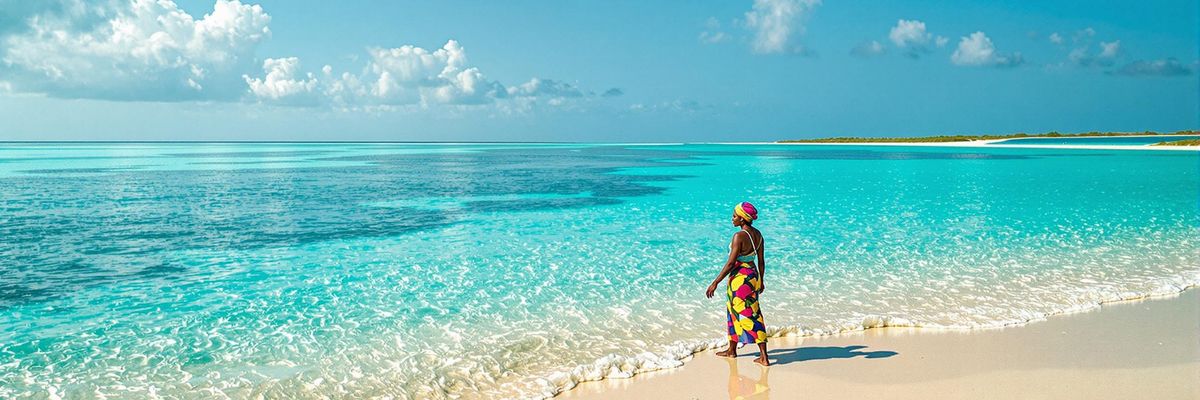
Relax on the beaches and explore the reefs of Xai-Xai.
View More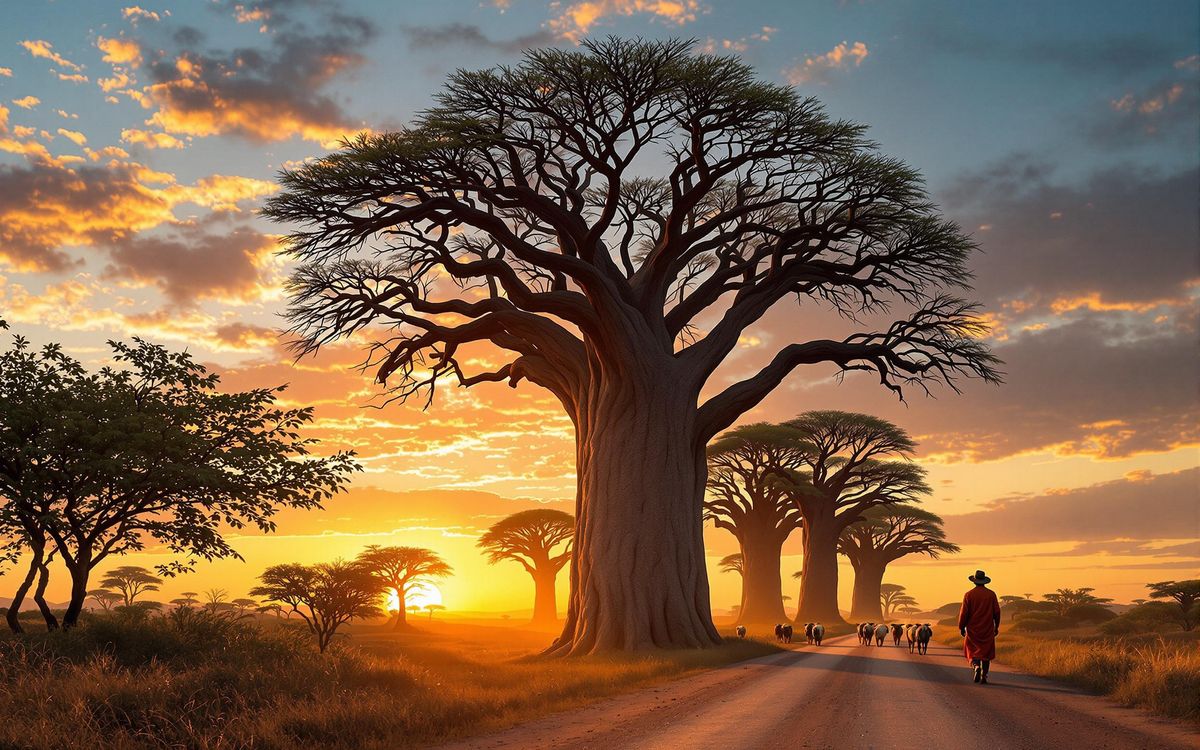

Gazing upon the Avenue of the Baobabs as the sun dips below the horizon is an experience that transcends the ordinary, a moment where time seems to pause and the soul connects with the ancient whispers of Madagascar.
The Avenue of the Baobabs, a mesmerizing spectacle located near Morondava in western Madagascar, stands as a testament to nature's grandeur and the passage of time. This iconic site, often referred to as the 'Giants of the West,' evokes a sense of wonder and awe, drawing travelers from across the globe to witness its majestic beauty. These colossal trees, some as old as 800 years and reaching heights of up to 30 meters, are living monuments, ancient sentinels that have silently watched over the landscape for centuries.
Known locally as 'renala,' meaning 'mother of the forest,' the baobabs are more than just trees; they are symbols of life, resilience, and the unique natural heritage of Madagascar. Once part of a dense tropical forest, these magnificent trees now stand in isolation, a poignant reminder of the island's changing landscape. As you approach the avenue, the sheer scale of these arboreal giants becomes apparent, their massive trunks and sprawling branches creating a surreal and unforgettable panorama.
The Avenue of the Baobabs is not merely a visual spectacle; it is an immersive experience that touches the senses and stirs the soul. The air is filled with the scent of dry earth and the subtle fragrance of the baobab flowers, while the rustling of leaves in the gentle breeze creates a soothing symphony. The warm, golden light of the setting sun bathes the trees in a soft glow, casting long shadows that dance across the landscape.
As you wander along the avenue, you can't help but feel a sense of connection to the past, imagining the generations of Malagasy people who have walked this same path, their lives intertwined with these ancient trees. The Avenue of the Baobabs is a place where time stands still, where the beauty of nature and the richness of culture converge to create an unforgettable experience.

For photographers and nature enthusiasts, the Avenue of the Baobabs at sunset is an absolute dream, a symphony of colors and shadows that transforms the landscape into a living masterpiece.
Visiting the Avenue of the Baobabs at sunset is an experience that etches itself into memory. As the day draws to a close, the sky transforms into a canvas of vibrant hues, with oranges, pinks, and purples painting a breathtaking backdrop for the silhouette of the baobabs. The long shadows cast by the trees create a dramatic effect, adding depth and dimension to the already stunning scene.
For photographers, the Avenue of the Baobabs at sunset is a paradise of light and composition. To capture the perfect shot, it's essential to arrive early and scout for a good vantage point. Moving around allows you to experiment with different angles and perspectives, capturing the trees from various viewpoints. The RN8 road, though unpaved, offers numerous opportunities to frame the baobabs against the colorful sky.
Local Tip: Be prepared for the bumpy ride on the RN8, which can be challenging, especially during the rainy season. A 4x4 vehicle is recommended for a smoother journey.
As the sun dips lower, the colors intensify, creating a magical ambiance that is both serene and awe-inspiring. The silhouettes of the baobabs become more pronounced, their unique shapes standing out against the fiery sky. This is the golden hour, when the light is soft and warm, perfect for capturing the essence of the Avenue of the Baobabs.
Hidden Gem: For a truly unforgettable experience, consider staying after sunset for stargazing or Milky Way photography. With minimal light pollution, the night sky above the Avenue of the Baobabs is a celestial wonderland, offering a breathtaking view of the stars and constellations.

The baobab tree is deeply embedded in the cultural fabric of Madagascar, revered as a symbol of life, fertility, and the enduring connection between the people and the land.
The cultural significance of the baobabs for the Malagasy people cannot be overstated. These majestic trees are deeply intertwined with local legends, traditions, and spiritual beliefs, playing a central role in the lives of the communities that surround them. Villagers often gather beneath the baobabs for ceremonies, storytelling, and important meetings, seeking guidance and wisdom from these ancient sentinels.
The baobabs are believed to possess spiritual powers, with many locals believing that spirits reside within their hollow trunks. These sacred spaces are treated with reverence, and offerings are often left at the base of the trees as a sign of respect. The trees are also used as natural tombs, with some communities burying their ancestors within the hollow trunks, believing that this ensures their eternal connection to the land.
Local Tip: When visiting the Avenue of the Baobabs, be mindful of the local customs and traditions. Ask permission before taking photographs of people or participating in ceremonies, and always show respect for the sacred nature of the trees.
The baobabs are also featured prominently in Malagasy folklore, with numerous stories and legends celebrating their unique characteristics and spiritual significance. One popular tale tells of how the gods planted the baobabs upside down, which explains their root-like branches and their ability to store water within their massive trunks.
The Avenue of the Baobabs is more than just a collection of trees; it is a living cultural landscape, a place where the past and present converge, and where the traditions and beliefs of the Malagasy people are celebrated and preserved.

Beyond the iconic avenue, the region surrounding Morondava beckons with a wealth of natural wonders and cultural experiences, offering a deeper immersion into the heart of Madagascar.
While the Avenue of the Baobabs is undoubtedly the star attraction, the surrounding area offers a diverse range of experiences for the adventurous traveler. Just a short drive from the avenue, you'll find the Baobabs Amoureux (Lovers' Baobabs), a pair of intertwined trees that have become a symbol of eternal love. According to local legend, these trees were once two young lovers who were forbidden to be together, and their eternal embrace serves as a reminder of the power of love to overcome all obstacles.
For wildlife enthusiasts, the Kirindy Forest Reserve is a must-visit destination. This dry deciduous forest is home to a remarkable array of endemic species, including lemurs, fossas (Madagascar's largest predator), and a variety of reptiles and birds. Night walks in the Kirindy Forest offer the chance to spot nocturnal creatures, while daytime hikes reveal the forest's unique flora and fauna.
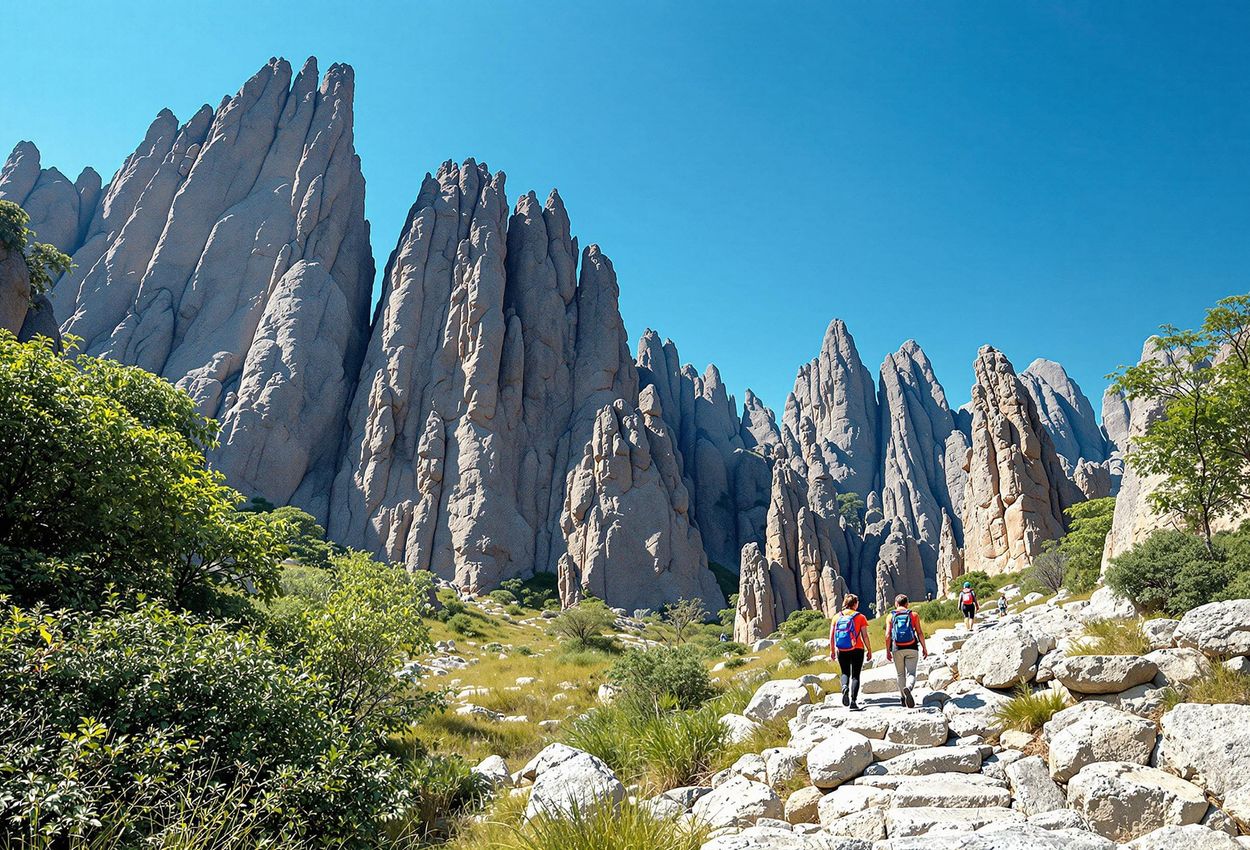
Further afield, the Tsingy de Bemaraha National Park beckons with its otherworldly landscape of sharp limestone formations. This UNESCO World Heritage Site is a geological marvel, with its jagged peaks, deep canyons, and unique biodiversity. Exploring the Tsingy de Bemaraha requires a sense of adventure and a good pair of hiking boots, but the rewards are well worth the effort.
Morondava itself is a laid-back coastal town with a beautiful beach, offering a glimpse into the local way of life. Stroll along the shore, watch the fishermen bring in their daily catch, and savor the fresh seafood at one of the town's many restaurants.
Hidden Gem: For a truly authentic experience, take a pirogue (traditional canoe) to the Betania (Vezo) fishing village. Here, you can witness the daily life of the Vezo people, who are renowned for their seafaring skills and their traditional way of life.
The Avenue of the Baobabs stands as a poignant reminder of the importance of conservation, urging us to protect this natural wonder for generations to come.
The Avenue of the Baobabs faces numerous threats, including deforestation, climate change, and habitat loss. As the surrounding forests are cleared for agriculture and settlements, the baobabs are left increasingly vulnerable. Climate change is also impacting the region, with changing rainfall patterns and increased temperatures threatening the trees' survival.
Fortunately, there are numerous local and global organizations working to protect the Avenue of the Baobabs and promote sustainable practices. These organizations are working with local communities to reforest the area, promote sustainable agriculture, and raise awareness about the importance of conservation.
As travelers, we have a responsibility to support these initiatives and respect the environment. When visiting the Avenue of the Baobabs, be sure to choose eco-friendly tour operators, avoid littering, and support local businesses that are committed to sustainability.
Hidden Gem: Consider planting a baobab seedling to contribute to reforestation efforts. Several organizations offer opportunities for travelers to participate in tree-planting programs, allowing you to leave a lasting positive impact on the environment.
The Avenue of the Baobabs is a treasure that must be protected for future generations. By supporting conservation efforts and respecting the environment, we can ensure that these majestic trees continue to inspire awe and wonder for centuries to come.

Our editors` picks of the latest and greatest in travel - delivered to your inbox daily
Relax on the beaches and explore the reefs of Xai-Xai.
View More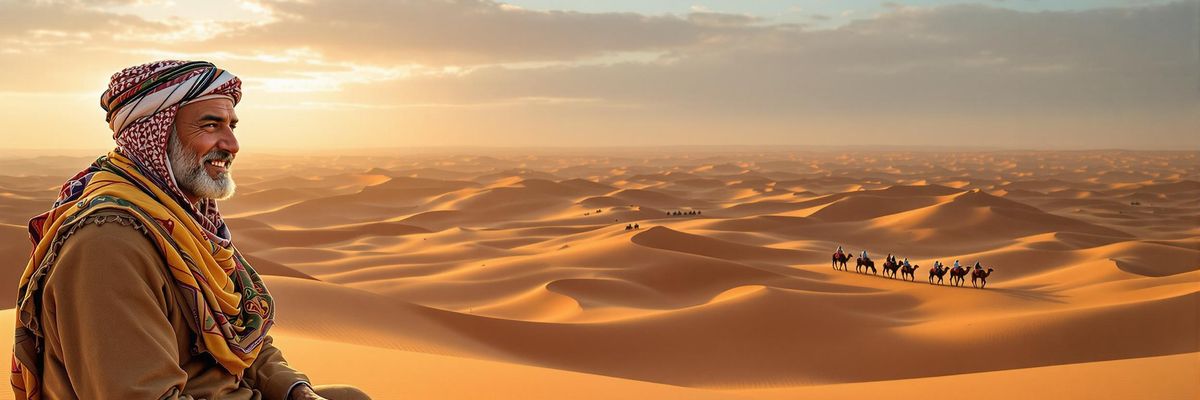
Embrace the cooler temperatures and experience the International Festival of the Sahara in Douz this December.
View More
Celebrate the year-end festivities in Accra, culminating in the vibrant Afrofuture festival.
View More Albania EDITION
 Algeria EDITION
 Argentina EDITION
 Armenia EDITION
 Australia EDITION
 Austria EDITION
 Bangladesh EDITION
 Belgium EDITION
 Belize EDITION
 Benin EDITION
 Bhutan EDITION
 Bolivia EDITION
 Bosnia and Herzegovina EDITION
 Botswana EDITION
 Brazil EDITION
 Bulgaria EDITION
 Burkina Faso EDITION
 Cambodia EDITION
 Cameroon EDITION
 Canada EDITION
 Central African Republic EDITION
 Chad EDITION
 Chile EDITION
 China EDITION
 Colombia EDITION
 Costa Rica EDITION
 Croatia EDITION
 Cyprus EDITION
 Denmark EDITION
 Djibouti EDITION
 Ecuador EDITION
 Egypt EDITION
 El Salvador EDITION
 Eritrea EDITION
 Estonia EDITION
 Ethiopia EDITION
 Finland EDITION
 France EDITION
 Gabon EDITION
 Georgia EDITION
 Germany EDITION
 Ghana EDITION
 Greece EDITION
 Guatemala EDITION
 Guinea EDITION
 Guinea-Bissau EDITION
 Honduras EDITION
 Hungary EDITION
 Iceland EDITION
 India EDITION
 Indonesia EDITION
 Ireland EDITION
 Israel EDITION
 Italy EDITION
 Jamaica EDITION
 Japan EDITION
 Jordan EDITION
 Kenya EDITION
 Kuwait EDITION
 Laos EDITION
 Latvia EDITION
 Lebanon EDITION
 Lesotho EDITION
 Liberia EDITION
 Lithuania EDITION
 Luxembourg EDITION
 Madagascar EDITION
 Malawi EDITION
 Malaysia EDITION
 Maldives EDITION
 Mali EDITION
 Malta EDITION
 Mauritania EDITION
 Mauritius EDITION
 Mexico EDITION
 Mongolia EDITION
 Montenegro EDITION
 Morocco EDITION
 Mozambique EDITION
 Namibia EDITION
 Nepal EDITION
 Netherlands EDITION
 New Zealand EDITION
 Nicaragua EDITION
 Niger EDITION
 Nigeria EDITION
 Norway EDITION
 Oman EDITION
 Pakistan EDITION
 Panama EDITION
 Papua New Guinea EDITION
 Paraguay EDITION
 Peru EDITION
 Philippines EDITION
 Poland EDITION
 Portugal EDITION
 Qatar EDITION
 Romania EDITION
 Rwanda EDITION
 Saudi Arabia EDITION
 Senegal EDITION
 Serbia EDITION
 Singapore EDITION
 Slovakia EDITION
 Slovenia EDITION
 Somalia EDITION
 South Africa EDITION
 South Korea EDITION
 Spain EDITION
 Sri Lanka EDITION
 Suriname EDITION
 Sweden EDITION
 Switzerland EDITION
 Tanzania EDITION
 Thailand EDITION
 Tunisia EDITION
 Uganda EDITION
 United Arab Emirates EDITION
 United Kingdom EDITION
 Uruguay EDITION
 Venezuela EDITION
 Vietnam EDITION
 Zambia EDITION
 Zimbabwe EDITION
Subscribe to our newsletter and get the most captivating travel stories, hidden gems, and expert insights delivered straight to your inbox. As a subscriber, you’ll be first in line for exclusive content, premium offers, and unforgettable travel experiences