


Destination Guide
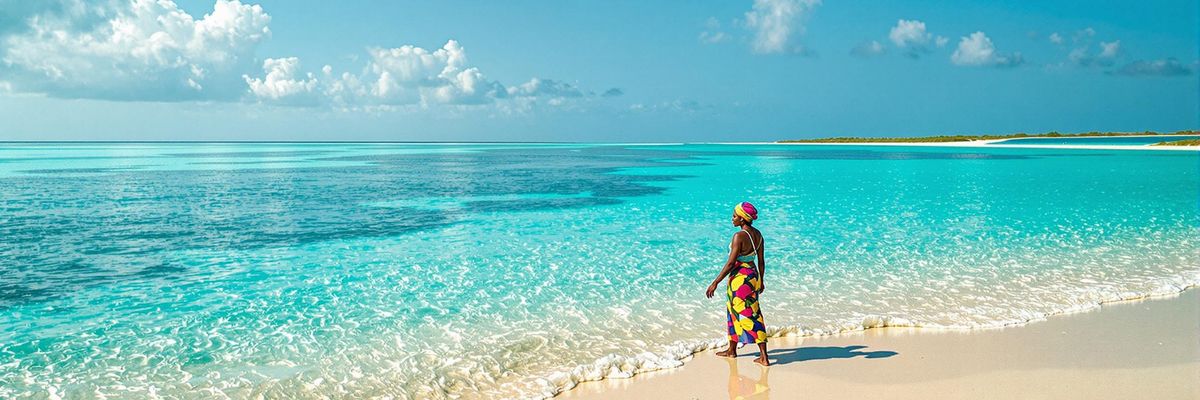
Xai-Xai: A Coastal Retreat
Relax on the beaches and explore the reefs of Xai-Xai.
View More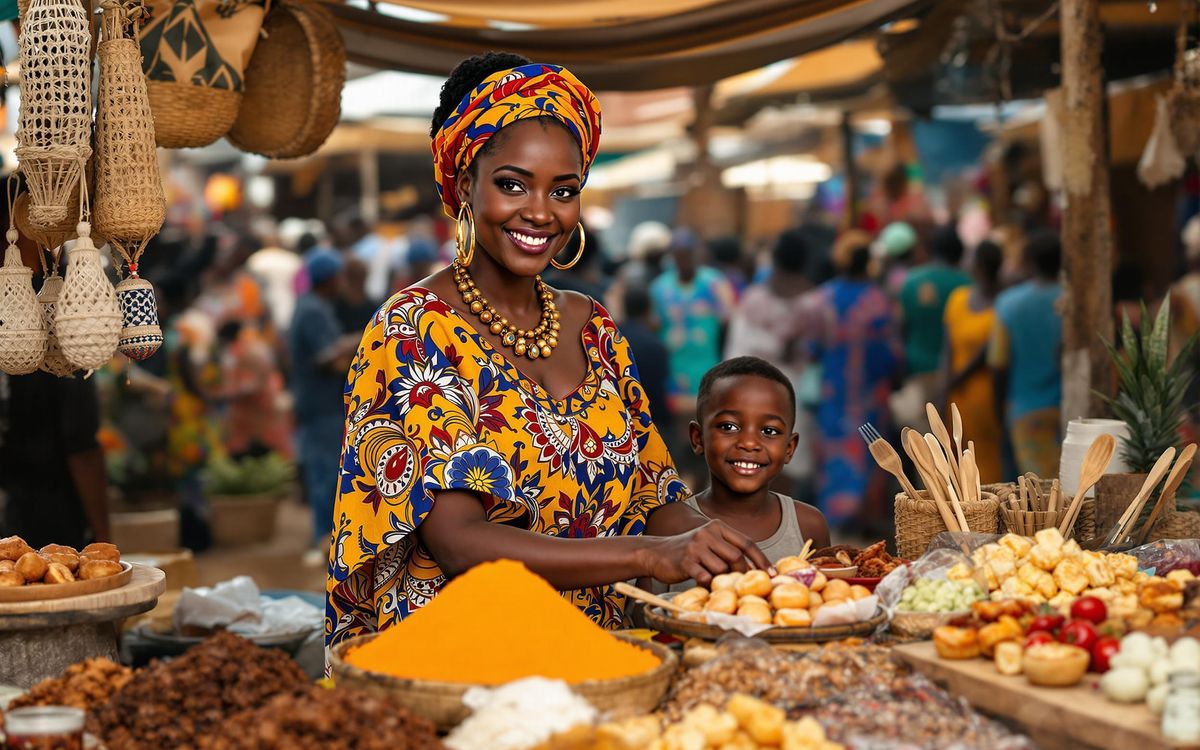

In 2025, Bamako, the capital of Mali, is set to become a focal point of West African culture as it celebrates the 'Year of Culture'.
This vibrant city, often overlooked in travel itineraries, serves as the perfect gateway to explore the diverse landscapes and rich heritage of Mali. Despite the challenges it faces, Bamako pulsates with an irrepressible energy, a testament to the resilience and warmth of its people, the Bamakois. As the 'Year of Culture' dawns, Bamako is poised to redefine its narrative, inviting travelers to witness its unique blend of tradition and modernity.
While it's important to acknowledge the safety concerns that linger in the region, focusing solely on these concerns obscures the multifaceted charm of Bamako. The city's lively atmosphere, bustling markets, and thriving music scene offer a counter-narrative, one that speaks of a community determined to preserve its identity and share its cultural treasures with the world. This guide aims to navigate you through the heart of Bamako, revealing its hidden gems and highlighting the experiences that make it an unmissable destination in the 'Year of Culture'.

Bamako, a city straddling the banks of the Niger River, is more than just Mali's capital; it's a vibrant nucleus of culture, history, and resilience. In 2025, as Mali celebrates its 'Year of Culture', Bamako stands ready to welcome visitors with open arms, offering a unique perspective on a nation striving to revitalize its image on the global stage. The 'Year of Culture' initiative aims to showcase the country's artistic heritage, promote tourism, and foster a sense of national pride amongst the Bamakois.
The city's accessibility makes it an ideal starting point for exploring Mali's iconic landmarks, from the ancient city of Timbuktu to the mud-brick architecture of Djenné. Bamako itself is a melting pot of experiences, where the echoes of ancient empires resonate amidst the hustle and bustle of modern life. The Bamakois, known for their warmth and hospitality, are eager to share their stories, traditions, and hopes for the future. Their resilience in the face of adversity is palpable, adding a layer of depth to every interaction and encounter.
Acknowledging the safety concerns that have cast a shadow over Mali is crucial. Travel advisories often highlight the risks associated with terrorism and kidnapping, urging caution and vigilance. However, focusing solely on these concerns risks overlooking the vibrant atmosphere and cultural richness that define Bamako. By exercising responsible travel practices and remaining aware of your surroundings, you can navigate the city safely and immerse yourself in its unique charm. The 'Year of Culture' serves as an invitation to look beyond the headlines and discover the heart of Mali, a heart that beats strong with creativity, community, and an unwavering spirit.
The National Museum of Mali in Bamako is a treasure trove of Malian history and culture. Established in 1953 as the Sudanese Museum, it evolved into the National Museum after Mali gained independence in 1960, with a mission to promote national unity and celebrate Malian traditions. The museum's extensive collection showcases the country's diverse heritage, featuring traditional Malian art, archaeological findings, textiles, and ethnographic objects from various ethnic groups, including the Dogon, Bambara, and Tuareg.
Visitors can explore exhibits that highlight the evolution of Malian art, from ancient sculptures to contemporary paintings. The archaeological section displays artifacts unearthed from various sites across Mali, providing insights into the region's pre-colonial past. The textile collection showcases the intricate weaving techniques and vibrant colors that characterize Malian fabrics, while the ethnographic section offers a glimpse into the customs and traditions of Mali's diverse communities.
The museum's architecture is a blend of modern and traditional styles, designed to reflect Mali's cultural heritage. The building itself is an exhibit, with its clean lines and open spaces creating a welcoming atmosphere. In the inner courtyard, you'll find concrete models of famous mosques in Timbuktu and Djenné, offering a glimpse of Mali's architectural grandeur. These models serve as a reminder of the country's rich Islamic heritage and its historical significance as a center of learning and trade.
Visiting the National Museum is an immersive experience, offering a deeper understanding of Mali's past and present. It's a place where history comes alive, where artifacts tell stories of empires and migrations, and where the traditions of Mali's diverse communities are celebrated and preserved. The museum's role in promoting national unity is particularly significant in a country with a complex ethnic landscape. By showcasing the shared heritage of all Malians, the museum fosters a sense of belonging and encourages dialogue across cultural divides.

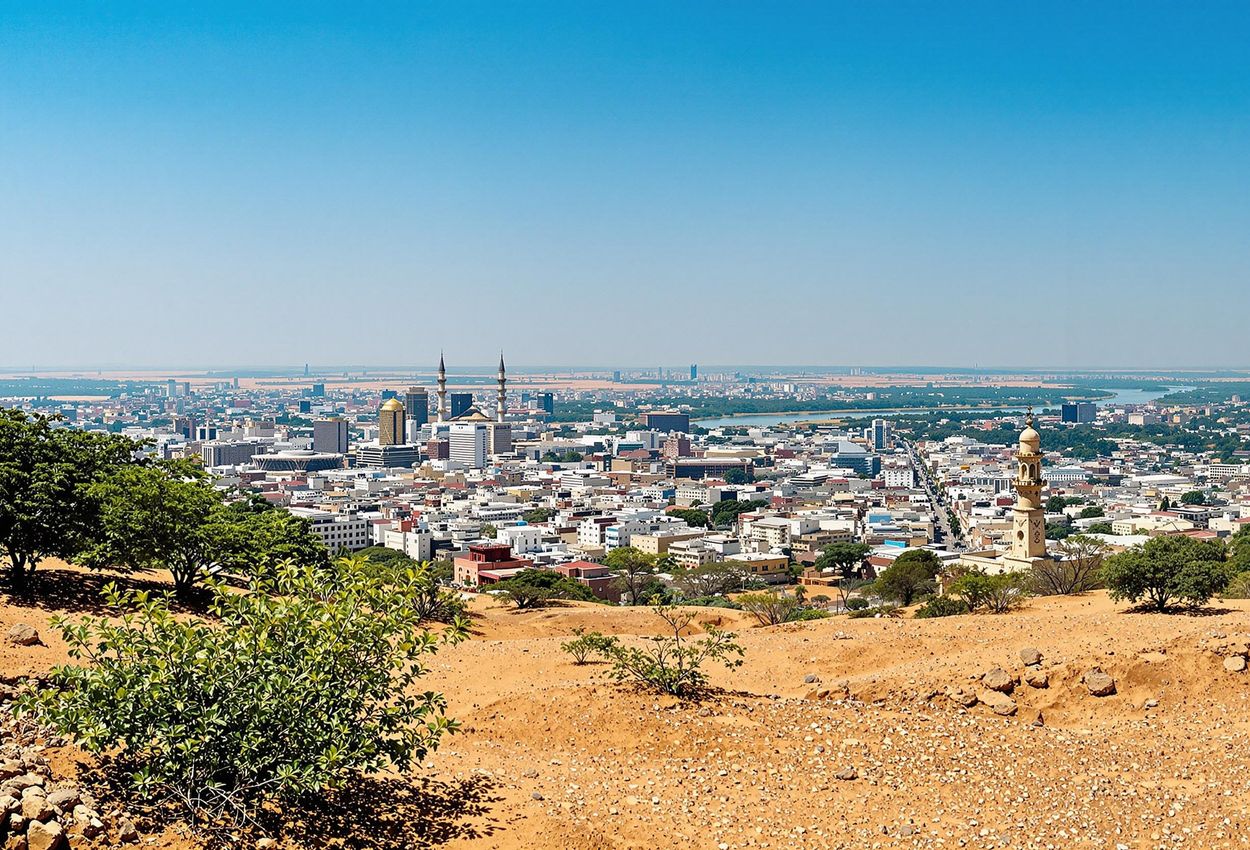
Point G Hill, overlooking Bamako, offers panoramic views of the city, providing a unique vantage point to appreciate its sprawling landscape. Historically, Point G was the location of the old military hospital, adding a layer of significance to the site. Today, it's a popular destination for locals and tourists alike, seeking respite from the city's hustle and bustle and a chance to connect with nature.
The climb to the top of Point G is a rewarding experience in itself, with winding paths leading through lush vegetation and rocky terrain. As you ascend, the sounds of the city gradually fade away, replaced by the chirping of birds and the rustling of leaves. The air becomes fresher, carrying the scent of wildflowers and the earth. Reaching the summit, you're greeted by a breathtaking panorama of Bamako, stretching out in all directions. The Niger River snakes its way through the city, reflecting the sunlight like a silver ribbon. The rooftops of houses and buildings create a mosaic of colors and textures, while the distant hills provide a dramatic backdrop.
Within the fenced complex of Point G, you'll discover hidden gems that add to its allure. An open-air gymnasium offers a space for fitness enthusiasts to exercise while enjoying the stunning views. An ethnic park showcases traditional Malian architecture and craftsmanship, providing a glimpse into the country's diverse cultural heritage. These unexpected discoveries make Point G more than just a viewpoint; it's a place where you can engage with the local community and learn about Malian culture.
From Point G, the sensory experience of Bamako is amplified. The sounds of the city – the honking of cars, the calls of vendors, the laughter of children – drift upwards, creating a symphony of urban life. The smells of street food, incense, and the earth mingle in the air, adding to the city's vibrant atmosphere. Witnessing the sunset from Point G is a truly magical experience, as the sky transforms into a canvas of colors, casting a warm glow over the city.
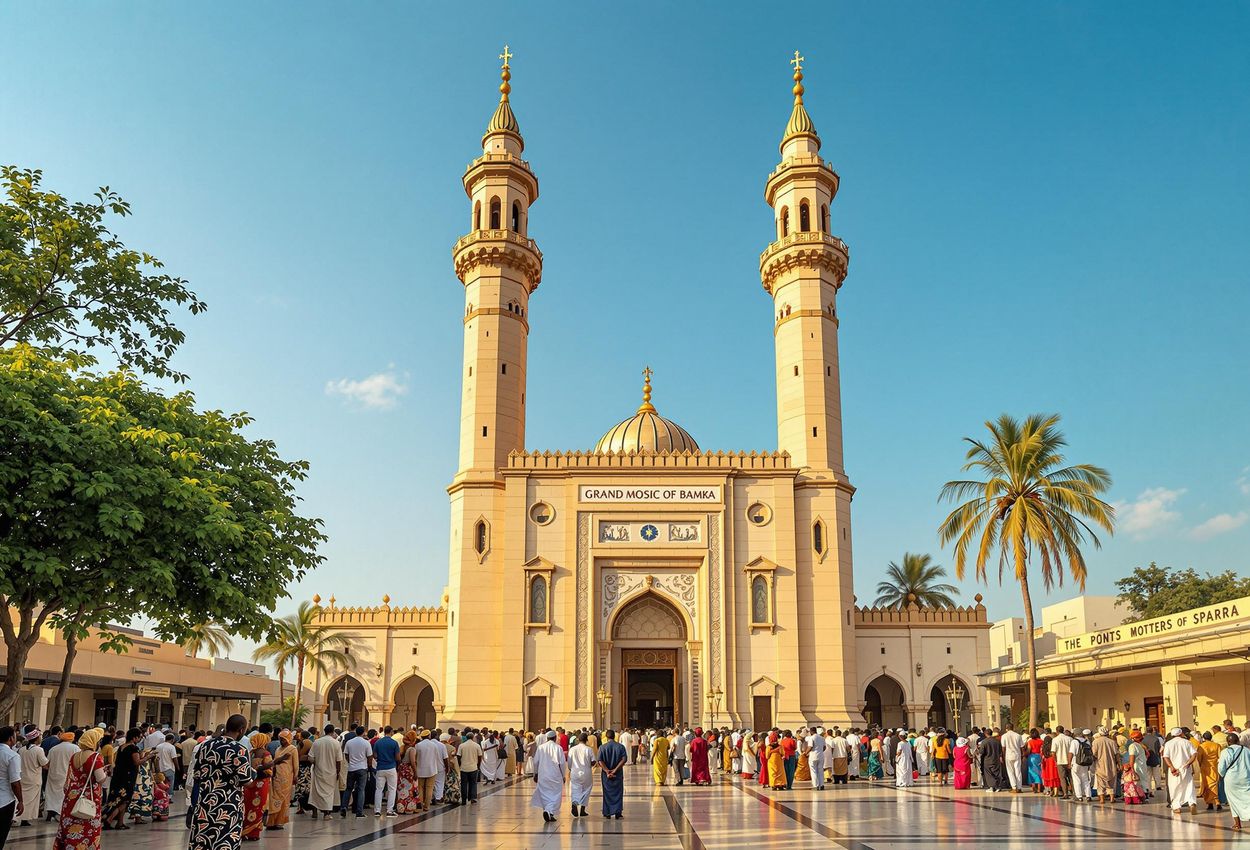
The Grand Mosque of Bamako, also known as Grande Mosquée de Bamako, stands as a testament to Mali's Islamic heritage and architectural prowess. Built in the late 1970s with funding from the Saudi Arabian government, the mosque is one of the tallest structures in Bamako, dominating the city's skyline. Its design blends West African and Saudi Arabian styles, creating a unique architectural landmark that reflects the country's cultural connections.
Constructed on the site of a pre-colonial mud-brick mosque, the Grand Mosque serves as a central hub for the local Muslim community. Its towering minarets and expansive prayer hall can accommodate thousands of worshippers, making it a focal point for religious gatherings and celebrations. The mosque's facade is adorned with intricate details, showcasing the artistry of Malian craftsmanship. The sounds of prayer resonate from within, creating an atmosphere of peace and devotion.
Visiting the Grand Mosque offers a glimpse into the spiritual life of Bamako. While non-Muslims may not be allowed to enter the prayer hall, visitors are welcome to admire the mosque's exterior and soak in the ambiance of the surrounding area. The best times to visit are during the early morning or late afternoon, when the light casts a warm glow over the structure.
When visiting the Grand Mosque, it's important to dress modestly and behave respectfully. Women should cover their heads and wear loose-fitting clothing, while men should avoid wearing shorts. Remove your shoes before entering the mosque's courtyard and refrain from loud conversations or disruptive behavior. By adhering to these customs, you can show your respect for the local community and ensure a meaningful experience.
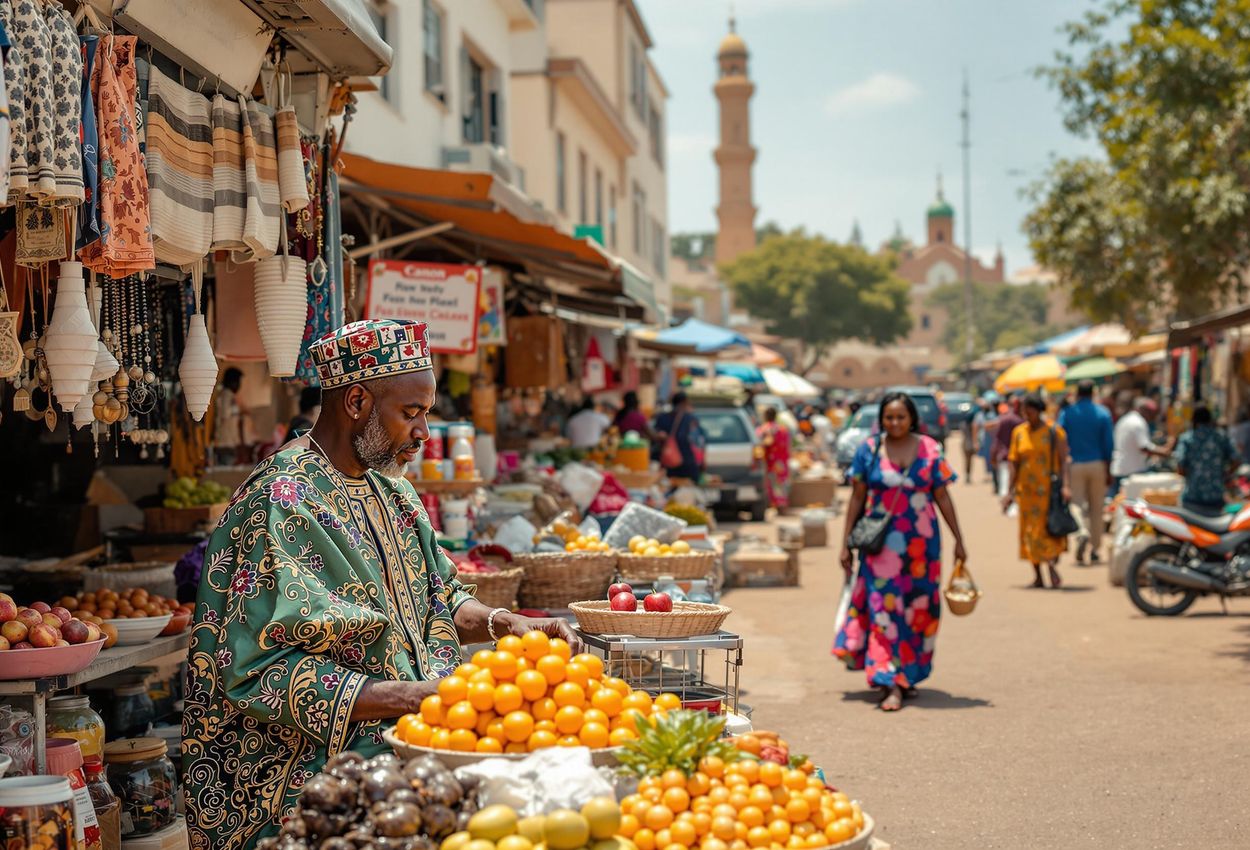
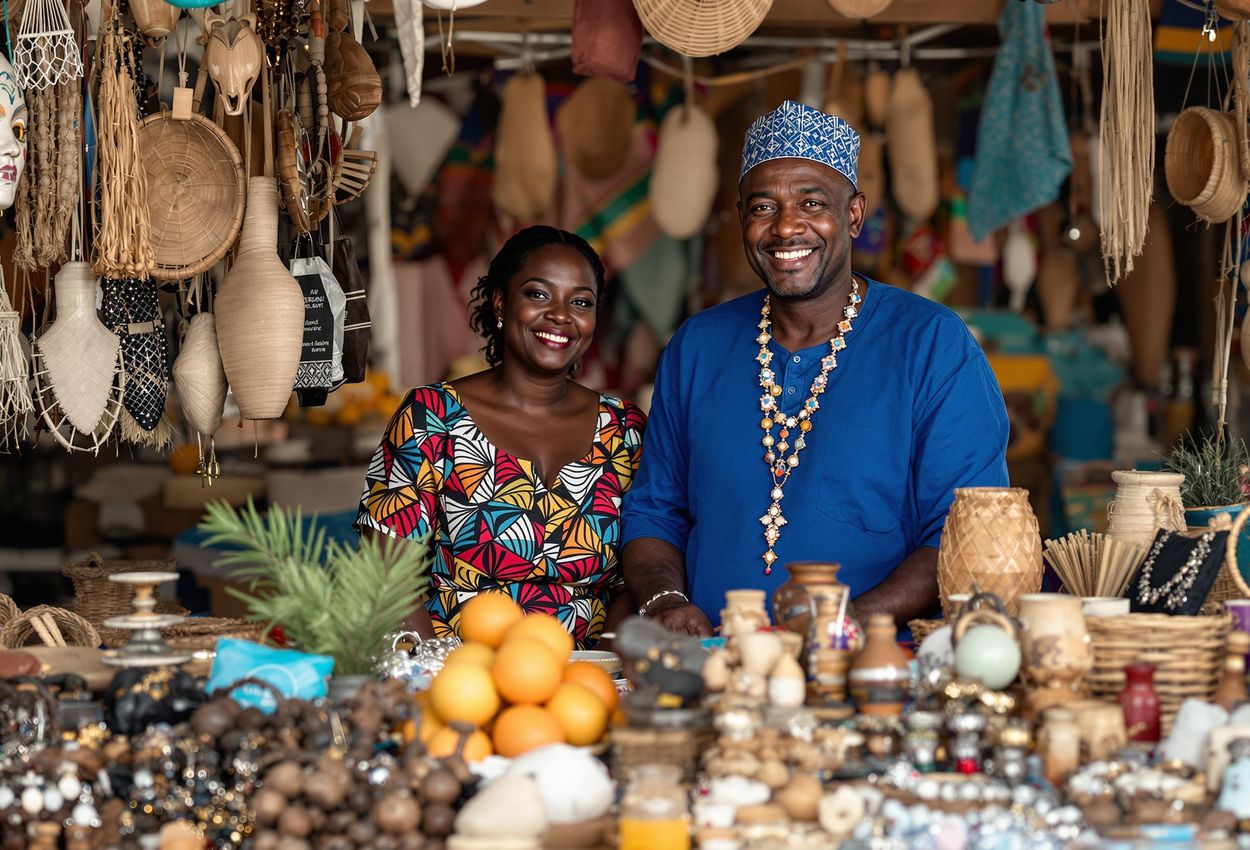
Bamako's markets are the lifeblood of the city, offering a vibrant and immersive experience for visitors seeking to connect with local culture. The Grand Marche, also known as the central market, is a sprawling labyrinth of stalls and shops, selling everything from food and clothing to electronics and livestock. The Ngolonina Artisan Market is a hub for handcrafted goods, showcasing the skills and creativity of Malian artisans.
Stepping into Bamako's markets is a sensory overload, a kaleidoscope of colors, textures, and sounds. The air is filled with the aroma of spices, grilled meats, and freshly baked bread. The sounds of vendors hawking their wares, the chatter of shoppers, and the rhythmic beat of local music create a symphony of urban life. The stalls are piled high with intricately woven textiles, handcrafted jewelry, pottery, and a myriad of other goods, each telling a story of Malian culture and tradition.
Navigating the markets can be overwhelming, but with a few practical tips, you can make the most of your experience. Bargaining is a common practice, so don't be afraid to negotiate with vendors. Be respectful and friendly, and remember that a smile can go a long way. Trying local street food is a must, but be sure to choose vendors with clean stalls and freshly prepared dishes. Be aware of your surroundings and keep your valuables secure, as pickpockets can be active in crowded areas.
Visiting Bamako's markets is an opportunity to witness daily life and engage with local vendors. Take the time to chat with the artisans and learn about their craft. Sample the local delicacies and savor the flavors of Malian cuisine. Immerse yourself in the vibrant atmosphere and allow yourself to be swept away by the energy of the market. It's an experience that will stay with you long after you leave Bamako.
Bamako is renowned as a center of West African music, a city where rhythms pulse through the streets and melodies fill the air. Mali has produced a constellation of internationally acclaimed musicians, including Salif Keita, Toumani Diabaté, Oumou Sangaré, and the late Ali Farka Touré, each contributing to the rich tapestry of Malian musical traditions.
To experience Bamako's music scene, seek out live music venues and cultural events that showcase local talent. Many restaurants and bars host live bands, offering a chance to enjoy traditional Malian music while savoring local cuisine. Cultural centers and theaters often feature performances by renowned musicians and emerging artists. Keep an eye out for festivals and special events that celebrate Malian music and culture. The 'Year of Culture' in 2025 is sure to feature a diverse lineup of musical performances, providing ample opportunities to immerse yourself in the local music scene.
Malian music is characterized by its diversity, reflecting the country's rich ethnic landscape. From the soulful sounds of Songhoy guitar music to the Wassoulou musical traditions of the south, there's a genre to suit every taste. Mande music, with its intricate melodies and rhythmic complexity, is a cornerstone of Malian musical heritage. The kora, a 21-stringed harp-lute, is a quintessential Mande instrument, its delicate sounds weaving magic spells.
Venture beyond the well-known venues and you might discover hidden gems that offer a more intimate musical experience. A small Tuareg band playing in a backyard, a griot reciting ancient tales accompanied by the sounds of the ngoni, these are the moments that capture the true essence of Bamako's music scene. Embrace the spontaneity and let the music guide you on a journey of cultural discovery.

Exploring Bamako's culinary scene is an adventure in itself, a chance to discover the unique flavors and aromas of Malian cuisine. Traditional Malian dishes are characterized by their use of local ingredients, spices, and cooking techniques, reflecting the country's diverse agricultural landscape and cultural heritage. From hearty stews to flavorful rice dishes, Malian cuisine offers a satisfying and authentic culinary experience.
For an authentic taste of Malian cuisine, visit restaurants that specialize in traditional dishes. La Terrasse stands out as a premier destination for both locals and travelers seeking a fusion of French and Malian flavors. Le Loft is a trendsetter in Bamako's culinary landscape, drawing inspiration from the city's energy and the global gastronomic culture. San Toro Restaurant is a testament to the rich heritage of Malian cuisine, serving authentic dishes that have been passed down through generations. These restaurants offer a range of traditional Malian dishes, showcasing the country's culinary diversity.
Beyond the traditional fare, Bamako's culinary scene also embraces international influences. Many restaurants offer a fusion of Malian and international flavors, creating innovative dishes that cater to a variety of palates. Whether you're craving French pastries, Lebanese mezze, or Italian pasta, you'll find it in Bamako. This blend of culinary traditions reflects the city's cosmopolitan character and its openness to new ideas.
Dining in Bamako is a sensory experience, engaging all your senses. The aromas of spices and grilling meats fill the air, tantalizing your taste buds. The sounds of laughter and conversation create a lively atmosphere. The flavors of the dishes, from the savory to the sweet, transport you to another world. The ambiance of the restaurants, from the elegant to the casual, adds to the overall experience. Savor every moment and allow yourself to be transported by the culinary magic of Bamako.

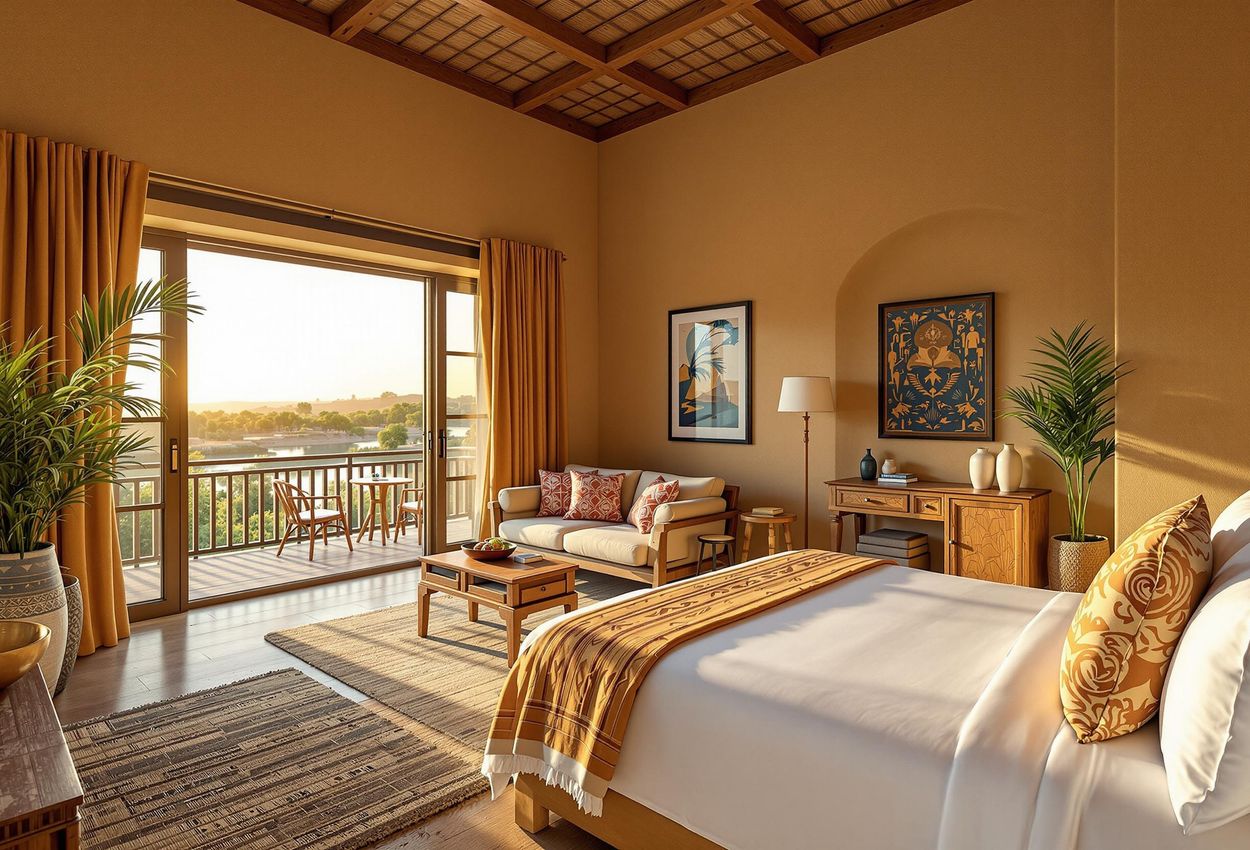
For travelers seeking premium amenities and exceptional service, Bamako offers a selection of luxury hotels that provide a haven of comfort and style. These hotels cater to discerning guests, offering a range of facilities and services designed to enhance their stay. From spacious rooms and suites to fine dining restaurants and relaxing spas, these luxury hotels provide a respite from the city's hustle and bustle.
Radisson Collection Hotel Bamako is a popular choice, offering world-class amenities and a prime location in the ACI 2000 district. The hotel features a swimming pool, spa, fitness center, and several restaurants and bars, providing guests with ample opportunities to relax and unwind. Azalaï Hôtel Bamako is another excellent option, known for its elegant décor, attentive service, and convenient location. The hotel boasts a range of facilities, including a swimming pool, tennis courts, and a sauna, ensuring a comfortable and enjoyable stay.
Staying in a luxury hotel in Bamako offers several benefits. Prime locations provide easy access to the city's main attractions and business districts. Personalized service ensures that your needs are met with attention and care. Premium amenities, such as swimming pools, spas, and fine dining options, enhance your overall experience. By choosing a luxury hotel, you can elevate your stay in Bamako and create lasting memories.
When selecting a luxury hotel in Bamako, consider your priorities and preferences. Do you value a central location, a range of on-site facilities, or personalized service? Read reviews from other travelers to get a sense of the hotel's strengths and weaknesses. Book in advance, especially during peak season, to ensure availability and secure the best rates. By taking the time to research and plan, you can find the perfect luxury hotel to suit your needs and create an unforgettable experience in Bamako.
Planning a trip to Bamako requires careful consideration of practical details to ensure a smooth and enjoyable experience. From visas and transportation to local customs and language, being prepared can make all the difference. Here are some essential travel tips to help you navigate Bamako with confidence.
Before you travel, check visa requirements for your nationality. Many countries require a visa to enter Mali, so it's essential to apply in advance. Ensure that your passport is valid for at least six months beyond your intended stay. Research transportation options within Bamako, including taxis, buses, and car rentals. Taxis are readily available, but be sure to negotiate the fare before you start your journey. Buses are a more affordable option, but they can be crowded and unreliable. Car rentals offer greater flexibility, but be aware of the traffic conditions and road safety.
The best time to visit Bamako is during the dry season, from November to February, when the weather is mild and pleasant. Pack light, breathable clothing, as temperatures can be high year-round. Don't forget to bring sunscreen, a hat, and sunglasses to protect yourself from the sun. The local languages are Bambara and French, so learning a few basic French phrases can be helpful. Greetings, expressions of politeness, and simple requests can go a long way in building rapport with locals.
Respecting local customs and traditions is essential for a positive travel experience. Dress modestly, especially when visiting religious sites. Avoid public displays of affection and be mindful of local sensitivities. Learn about Malian etiquette and customs to avoid unintentional offense. By showing respect for the local culture, you'll be welcomed with open arms and gain a deeper appreciation for the richness of Malian society.

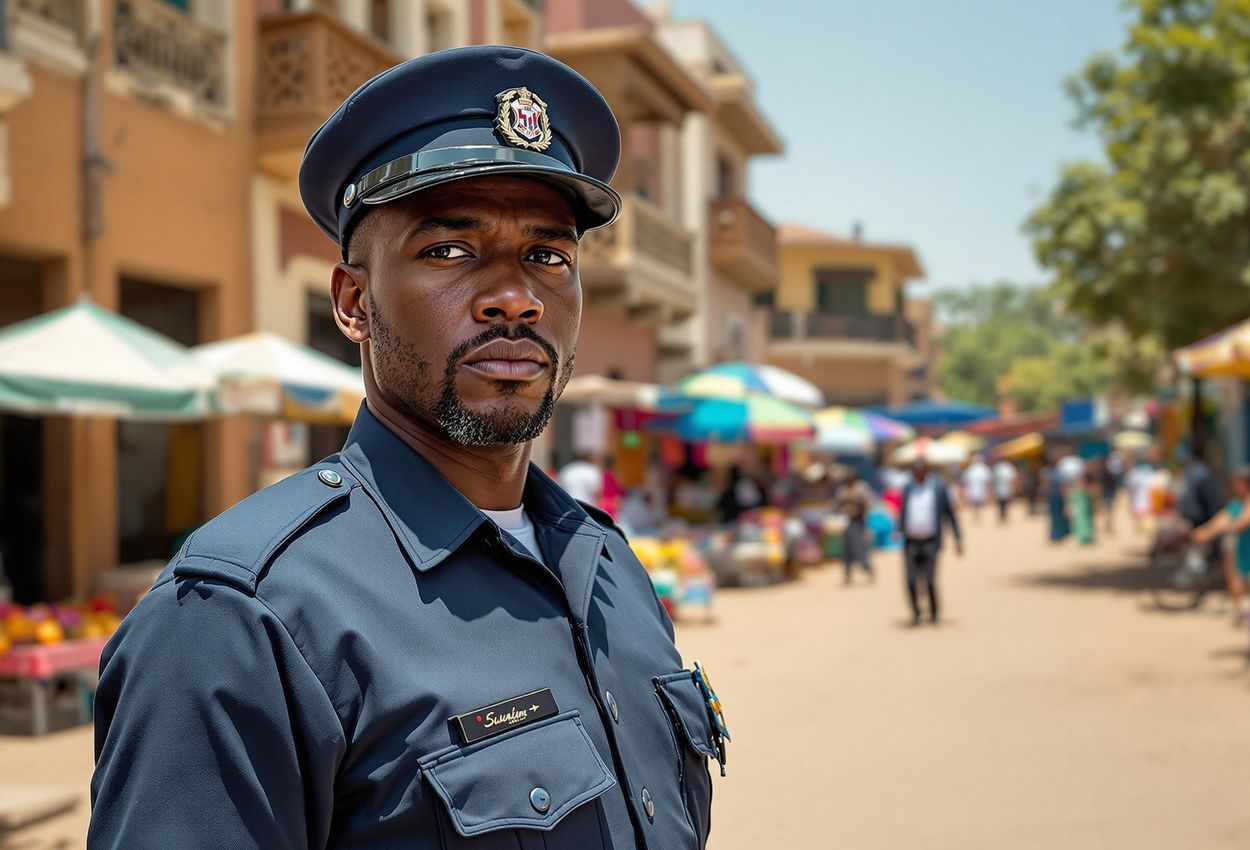
Addressing safety concerns in Bamako requires a balanced perspective, acknowledging the risks while emphasizing the resilience and hospitality of the local people. Travel advisories often highlight the potential for terrorism, kidnapping, and crime, urging visitors to exercise caution and vigilance. While it's important to be aware of these risks, it's equally important to avoid generalizations and stereotypes that can paint an inaccurate picture of the city.
Before you travel, research the current safety situation in Bamako and heed any travel advisories issued by your government. Be aware of potential threats and take steps to mitigate your risk. Avoid walking alone at night, especially in isolated areas. Keep your valuables secure and be discreet with your belongings. Be cautious when using ATMs and avoid displaying large amounts of cash. Trust your instincts and avoid situations that feel unsafe.
Despite the challenges it faces, Bamako is a city of warmth, resilience, and hospitality. The Bamakois are known for their welcoming nature and their willingness to help visitors. By engaging with locals, you can gain a deeper understanding of the city and its culture. Be open to new experiences and embrace the unexpected. Remember that responsible travel involves respecting local customs, supporting local businesses, and contributing to the well-being of the community.
Staying safe in Bamako requires a combination of awareness, preparation, and responsible behavior. By taking the necessary precautions and engaging with the local community, you can navigate the city safely and experience its unique charm. The 'Year of Culture' in 2025 offers an opportunity to showcase the resilience and hospitality of the people of Bamako, inviting travelers to discover the heart of Mali beyond the headlines.
Our editors` picks of the latest and greatest in travel - delivered to your inbox daily
Relax on the beaches and explore the reefs of Xai-Xai.
View More
Embrace the cooler temperatures and experience the International Festival of the Sahara in Douz this December.
View More
Celebrate the year-end festivities in Accra, culminating in the vibrant Afrofuture festival.
View More Albania EDITION
 Algeria EDITION
 Argentina EDITION
 Armenia EDITION
 Australia EDITION
 Austria EDITION
 Bangladesh EDITION
 Belgium EDITION
 Belize EDITION
 Benin EDITION
 Bhutan EDITION
 Bolivia EDITION
 Bosnia and Herzegovina EDITION
 Botswana EDITION
 Brazil EDITION
 Bulgaria EDITION
 Burkina Faso EDITION
 Cambodia EDITION
 Cameroon EDITION
 Canada EDITION
 Central African Republic EDITION
 Chad EDITION
 Chile EDITION
 China EDITION
 Colombia EDITION
 Costa Rica EDITION
 Croatia EDITION
 Cyprus EDITION
 Denmark EDITION
 Djibouti EDITION
 Ecuador EDITION
 Egypt EDITION
 El Salvador EDITION
 Eritrea EDITION
 Estonia EDITION
 Ethiopia EDITION
 Finland EDITION
 France EDITION
 Gabon EDITION
 Georgia EDITION
 Germany EDITION
 Ghana EDITION
 Greece EDITION
 Guatemala EDITION
 Guinea EDITION
 Guinea-Bissau EDITION
 Honduras EDITION
 Hungary EDITION
 Iceland EDITION
 India EDITION
 Indonesia EDITION
 Ireland EDITION
 Israel EDITION
 Italy EDITION
 Jamaica EDITION
 Japan EDITION
 Jordan EDITION
 Kenya EDITION
 Kuwait EDITION
 Laos EDITION
 Latvia EDITION
 Lebanon EDITION
 Lesotho EDITION
 Liberia EDITION
 Lithuania EDITION
 Luxembourg EDITION
 Madagascar EDITION
 Malawi EDITION
 Malaysia EDITION
 Maldives EDITION
 Mali EDITION
 Malta EDITION
 Mauritania EDITION
 Mauritius EDITION
 Mexico EDITION
 Mongolia EDITION
 Montenegro EDITION
 Morocco EDITION
 Mozambique EDITION
 Namibia EDITION
 Nepal EDITION
 Netherlands EDITION
 New Zealand EDITION
 Nicaragua EDITION
 Niger EDITION
 Nigeria EDITION
 Norway EDITION
 Oman EDITION
 Pakistan EDITION
 Panama EDITION
 Papua New Guinea EDITION
 Paraguay EDITION
 Peru EDITION
 Philippines EDITION
 Poland EDITION
 Portugal EDITION
 Qatar EDITION
 Romania EDITION
 Rwanda EDITION
 Saudi Arabia EDITION
 Senegal EDITION
 Serbia EDITION
 Singapore EDITION
 Slovakia EDITION
 Slovenia EDITION
 Somalia EDITION
 South Africa EDITION
 South Korea EDITION
 Spain EDITION
 Sri Lanka EDITION
 Suriname EDITION
 Sweden EDITION
 Switzerland EDITION
 Tanzania EDITION
 Thailand EDITION
 Tunisia EDITION
 Uganda EDITION
 United Arab Emirates EDITION
 United Kingdom EDITION
 Uruguay EDITION
 Venezuela EDITION
 Vietnam EDITION
 Zambia EDITION
 Zimbabwe EDITION
Subscribe to our newsletter and get the most captivating travel stories, hidden gems, and expert insights delivered straight to your inbox. As a subscriber, you’ll be first in line for exclusive content, premium offers, and unforgettable travel experiences