


Destination Guide
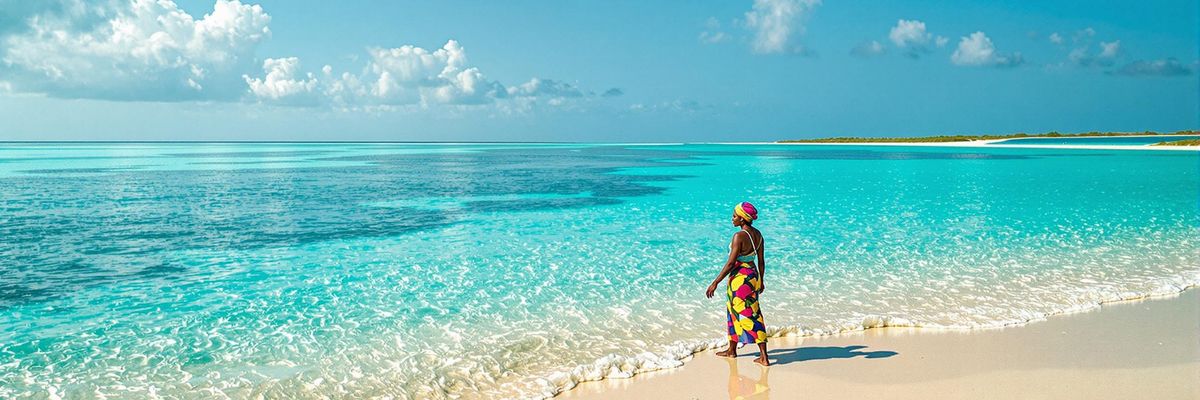
Xai-Xai: A Coastal Retreat
Relax on the beaches and explore the reefs of Xai-Xai.
View More

Bissau, the capital of Guinea-Bissau, is a city where the echoes of Portuguese colonial rule harmonize with the rhythms of West African life. It's a place where history whispers from ancient fortresses, and the vibrant culture explodes in bustling markets and soulful music.
Here, you can trace the nation's journey, savor its unique flavors, and connect with the resilient spirit of its people. From historical landmarks to sensory-rich markets and captivating music scenes, Bissau serves as the perfect gateway to exploring the diverse landscapes and cultural treasures of Guinea-Bissau.
This destination guide will navigate you through the heart of Bissau, revealing its essential sites and experiences. Prepare to be immersed in a city that balances its historical weight with an irrepressible zest for life.
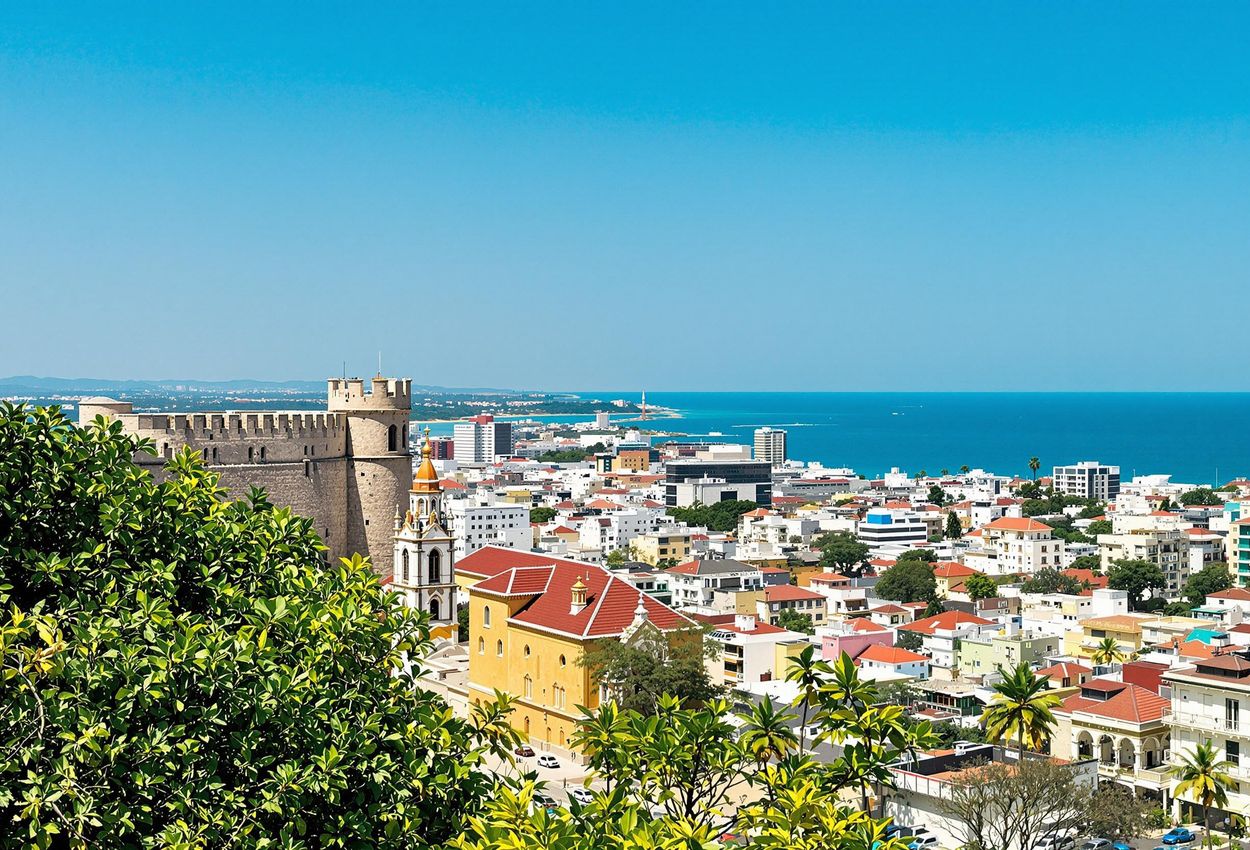
The Fortaleza d'Amura, also known as the Fortress of Amura, stands as a sentinel overlooking the Guinea-Bissau coastline, a stoic reminder of the city's layered past. Constructed by the Portuguese in 1753, this fortress was a strategic military base designed to protect Portuguese interests in the region, particularly against French expansion in the slave trade. Its location was carefully chosen to command the harbor and provide a secure base for trade and defense.
In the 1970s, the fortress underwent a transformation, becoming the Presidential Palace after Guinea-Bissau gained independence. Today, it functions as a museum and cultural center, offering visitors a glimpse into the nation's complex history. The fortress's architecture showcases a distinctive Baroque style, a legacy of its Portuguese origins. The Amilcar Cabral Monument, honoring one of Guinea-Bissau's most influential independence leaders, stands within the fortress walls, a tribute to his legacy.
As you wander through the fortress, take in the panoramic views of the city and the sea, imagining the soldiers who once stood guard here. The fortress offers a tangible connection to the past, a place where you can reflect on the events that shaped Guinea-Bissau.
Hidden Gem: Local legends whisper of secret tunnels beneath the fortress, rumored to have been used for clandestine escapes and storage. Some say that during construction, the builders faced numerous setbacks until a local priestess advised them to appease the spirits of the land, leading to the fort's eventual completion. While these tales may be difficult to verify, they add an intriguing layer to the fortress's already rich history.
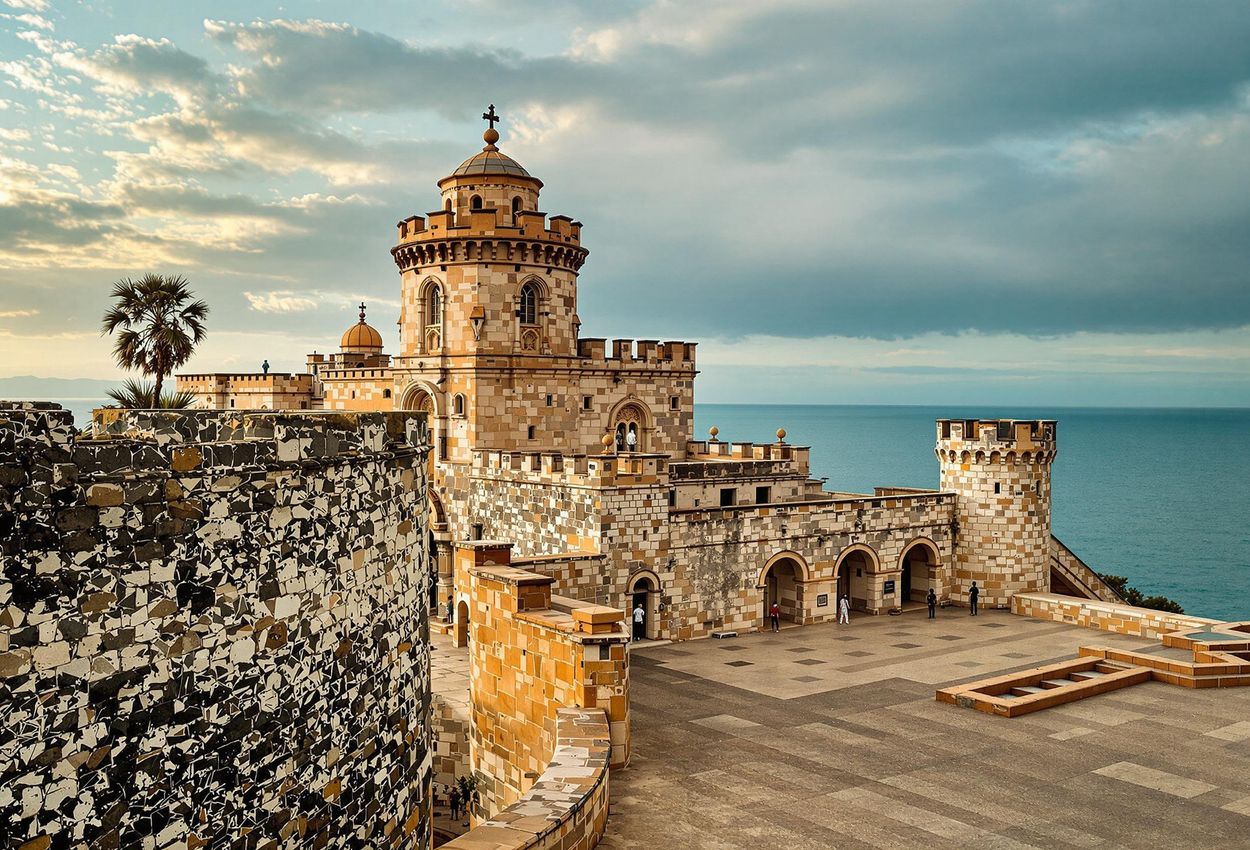
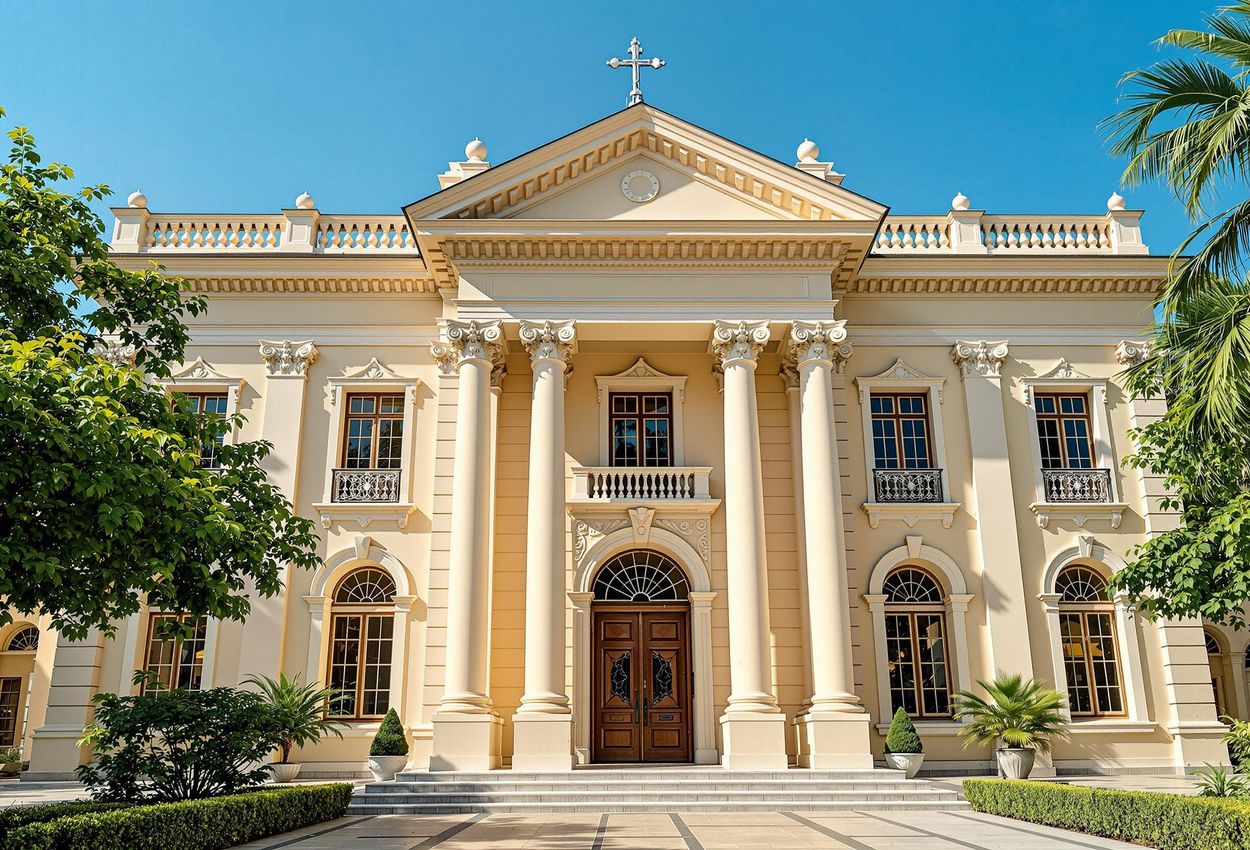
The Presidential Palace is a striking example of Portuguese colonial architecture, holding immense symbolic importance as the seat of Guinea-Bissau's government. Built in 1930, the palace has witnessed pivotal moments in the nation's history. The building's neoclassical facade and Mediterranean architectural elements reflect its colonial heritage.
The palace suffered extensive damage during the 1998-99 civil war, a period of intense conflict that shook the nation. However, in 2013, thanks to Chinese investment, the palace was renovated and restored to its former glory. The Plaza of National Heroes (Praça do Império) in front of the palace serves as a gathering place for national celebrations and a reminder of the country's ongoing journey.
The palace stands as a symbol of Guinea-Bissau's resilience, a testament to its ability to rebuild and move forward despite facing significant challenges. Although external viewing is the primary option for visitors due to security protocols, the building remains a powerful landmark.
Unique Angle: The Presidential Palace has played a central role in Guinea-Bissau's major political events, serving as the backdrop for critical decisions and transitions of power. It has been the site of coups, protests, and celebrations, each event leaving its mark on the building's story. Insights into the nation's leadership can often be gleaned from observing the palace during significant political moments.
To truly experience the soul of Bissau, immerse yourself in the vibrant Bandim Market, a sensory explosion of sounds, smells, and sights. This bustling marketplace is the heart of the city, where locals gather to buy, sell, and socialize.
The market offers a wide array of goods, from fresh produce and spices to local crafts, clothing, and street food. Navigating the market can be an adventure in itself, with narrow aisles packed with vendors and shoppers. Haggling is a common practice, so don't be afraid to negotiate for the best price. Sampling local snacks is a must, offering a delicious introduction to Guinea-Bissau's culinary scene.
The Bandim Market is more than just a place to buy goods; it's a cultural experience that provides a glimpse into the daily life of Bissau's residents. The market is particularly lively in the mornings, when locals stock up on their weekly groceries.
Hidden Gem: Seek out the artisan who crafts intricate wooden carvings of local animals and mythical figures. His name is Abubacar, and he learned the craft from his grandfather. Each piece tells a story rooted in Guinea-Bissau's folklore, making them unique and meaningful souvenirs.

Housed in a building of Portuguese colonial architecture, the National Ethnographic Museum offers a journey through Guinea-Bissau's rich cultural heritage. Reopened in 2017 after being damaged in the 1998-1999 civil war, the museum stands as a symbol of the country's commitment to preserving its history.
The museum's collection includes artifacts, masks, musical instruments, and traditional textiles, each telling a story about Guinea-Bissau's diverse ethnic groups and their unique customs. The exhibits provide insights into the country's traditions, beliefs, and artistic expressions. The museum boasts a library of 14,000 volumes as of 1998.
The museum is located adjacent to the Presidential Palace, in what was formerly known as the Plaza do Império, now the Plaza of National Heroes. The building was constructed in 1948.
Hidden Gem: Don't miss the exhibit featuring the bombolom, a sacred community drum used in coastal villages. This drum was used to transmit coded messages, and announce mourning ceremonies. The drum serves as a metaphor for the journey of the objects in the museum, from their colonial presence to the post-colonial one.

Bissau's vibrant music scene is a reflection of the country's soul, a blend of traditional rhythms and contemporary sounds. Genres like gumbe, tina, and tinga fill the air, creating an atmosphere of celebration and cultural expression.
Key musicians and bands, such as Tabanka Djaz, Eneida Marta, and Super Mama Djombo, have shaped Guinea-Bissau's musical landscape, blending traditional sounds with modern influences. These artists often incorporate social commentary and historical narratives into their music, making it a powerful form of communication.
To experience live music, seek out local venues and clubs where musicians perform regularly. The music scene is a testament to the country's cultural diversity and the unifying power of rhythm and melody. Music is an integral part of Guinean culture, serving as expressions of joy, sorrow, and celebration.
Unique Detail: Music in Guinea-Bissau has often played a significant role in social commentary and historical events. During the struggle for independence, musicians used their songs to inspire resistance and promote national unity. Today, music continues to be a platform for addressing social issues and preserving cultural identity.

Bissau's culinary scene offers a delightful fusion of Portuguese and West African flavors, creating a unique gastronomic experience. Staple dishes like Jollof rice, fish stew (Calulu), and peanut stew (Caldo de Mancarra) showcase the region's diverse ingredients and cooking methods.
Jollof rice is a flavorful rice dish cooked in a tomato-based sauce with vegetables and spices. Calulu is a hearty fish stew made with okra, spinach, and various herbs. Caldo de Mancarra is a rich peanut stew often served with rice or couscous.
These dishes reflect the country's agricultural bounty and the resourcefulness of its cooks. Fresh seafood is abundant, and local markets offer a variety of fruits, vegetables, and spices. Every meal is a lesson in culture and an invitation to connect.
Hidden Gem: Seek out frango com bagique, a lesser-known local delicacy consisting of chicken with spinach. Also be sure to try the yuca fries. This dish can be found at small, family-run restaurants throughout the city, offering an authentic taste of Bissau's culinary heritage.
Our editors` picks of the latest and greatest in travel - delivered to your inbox daily
Relax on the beaches and explore the reefs of Xai-Xai.
View More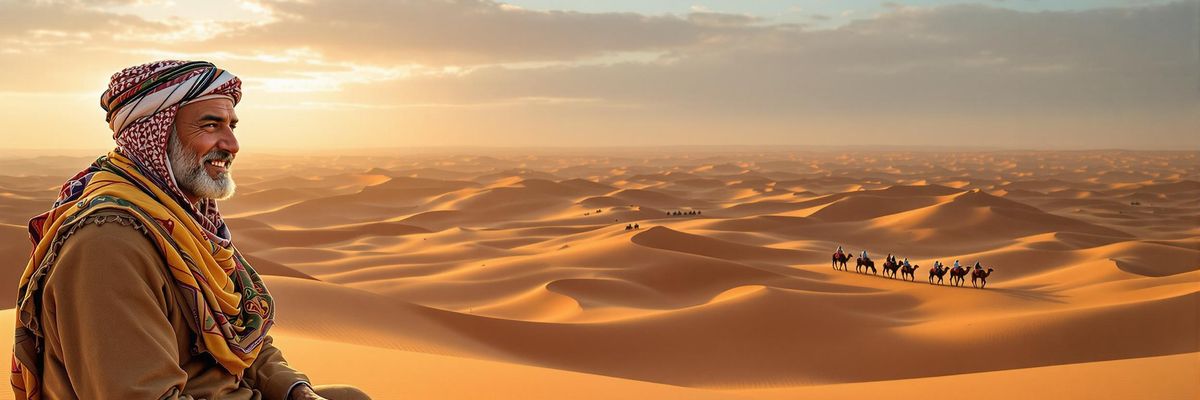
Embrace the cooler temperatures and experience the International Festival of the Sahara in Douz this December.
View More
Celebrate the year-end festivities in Accra, culminating in the vibrant Afrofuture festival.
View More Albania EDITION
 Algeria EDITION
 Argentina EDITION
 Armenia EDITION
 Australia EDITION
 Austria EDITION
 Bangladesh EDITION
 Belgium EDITION
 Belize EDITION
 Benin EDITION
 Bhutan EDITION
 Bolivia EDITION
 Bosnia and Herzegovina EDITION
 Botswana EDITION
 Brazil EDITION
 Bulgaria EDITION
 Burkina Faso EDITION
 Cambodia EDITION
 Cameroon EDITION
 Canada EDITION
 Central African Republic EDITION
 Chad EDITION
 Chile EDITION
 China EDITION
 Colombia EDITION
 Costa Rica EDITION
 Croatia EDITION
 Cyprus EDITION
 Denmark EDITION
 Djibouti EDITION
 Ecuador EDITION
 Egypt EDITION
 El Salvador EDITION
 Eritrea EDITION
 Estonia EDITION
 Ethiopia EDITION
 Finland EDITION
 France EDITION
 Gabon EDITION
 Georgia EDITION
 Germany EDITION
 Ghana EDITION
 Greece EDITION
 Guatemala EDITION
 Guinea EDITION
 Guinea-Bissau EDITION
 Honduras EDITION
 Hungary EDITION
 Iceland EDITION
 India EDITION
 Indonesia EDITION
 Ireland EDITION
 Israel EDITION
 Italy EDITION
 Jamaica EDITION
 Japan EDITION
 Jordan EDITION
 Kenya EDITION
 Kuwait EDITION
 Laos EDITION
 Latvia EDITION
 Lebanon EDITION
 Lesotho EDITION
 Liberia EDITION
 Lithuania EDITION
 Luxembourg EDITION
 Madagascar EDITION
 Malawi EDITION
 Malaysia EDITION
 Maldives EDITION
 Mali EDITION
 Malta EDITION
 Mauritania EDITION
 Mauritius EDITION
 Mexico EDITION
 Mongolia EDITION
 Montenegro EDITION
 Morocco EDITION
 Mozambique EDITION
 Namibia EDITION
 Nepal EDITION
 Netherlands EDITION
 New Zealand EDITION
 Nicaragua EDITION
 Niger EDITION
 Nigeria EDITION
 Norway EDITION
 Oman EDITION
 Pakistan EDITION
 Panama EDITION
 Papua New Guinea EDITION
 Paraguay EDITION
 Peru EDITION
 Philippines EDITION
 Poland EDITION
 Portugal EDITION
 Qatar EDITION
 Romania EDITION
 Rwanda EDITION
 Saudi Arabia EDITION
 Senegal EDITION
 Serbia EDITION
 Singapore EDITION
 Slovakia EDITION
 Slovenia EDITION
 Somalia EDITION
 South Africa EDITION
 South Korea EDITION
 Spain EDITION
 Sri Lanka EDITION
 Suriname EDITION
 Sweden EDITION
 Switzerland EDITION
 Tanzania EDITION
 Thailand EDITION
 Tunisia EDITION
 Uganda EDITION
 United Arab Emirates EDITION
 United Kingdom EDITION
 Uruguay EDITION
 Venezuela EDITION
 Vietnam EDITION
 Zambia EDITION
 Zimbabwe EDITION
Subscribe to our newsletter and get the most captivating travel stories, hidden gems, and expert insights delivered straight to your inbox. As a subscriber, you’ll be first in line for exclusive content, premium offers, and unforgettable travel experiences