Nuremberg, Germany, transforms into a Christmas dreamscape each winter, beckoning travelers from across the globe to immerse themselves in the timeless tradition of the Christkindlesmarkt.
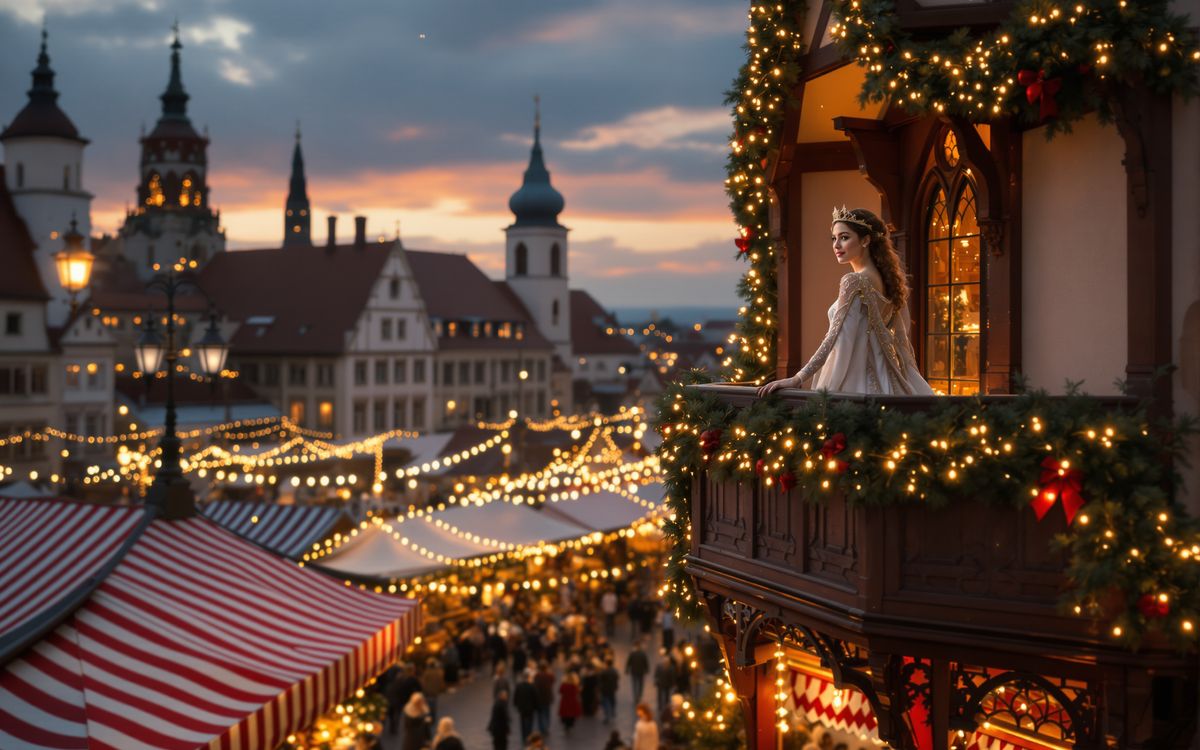
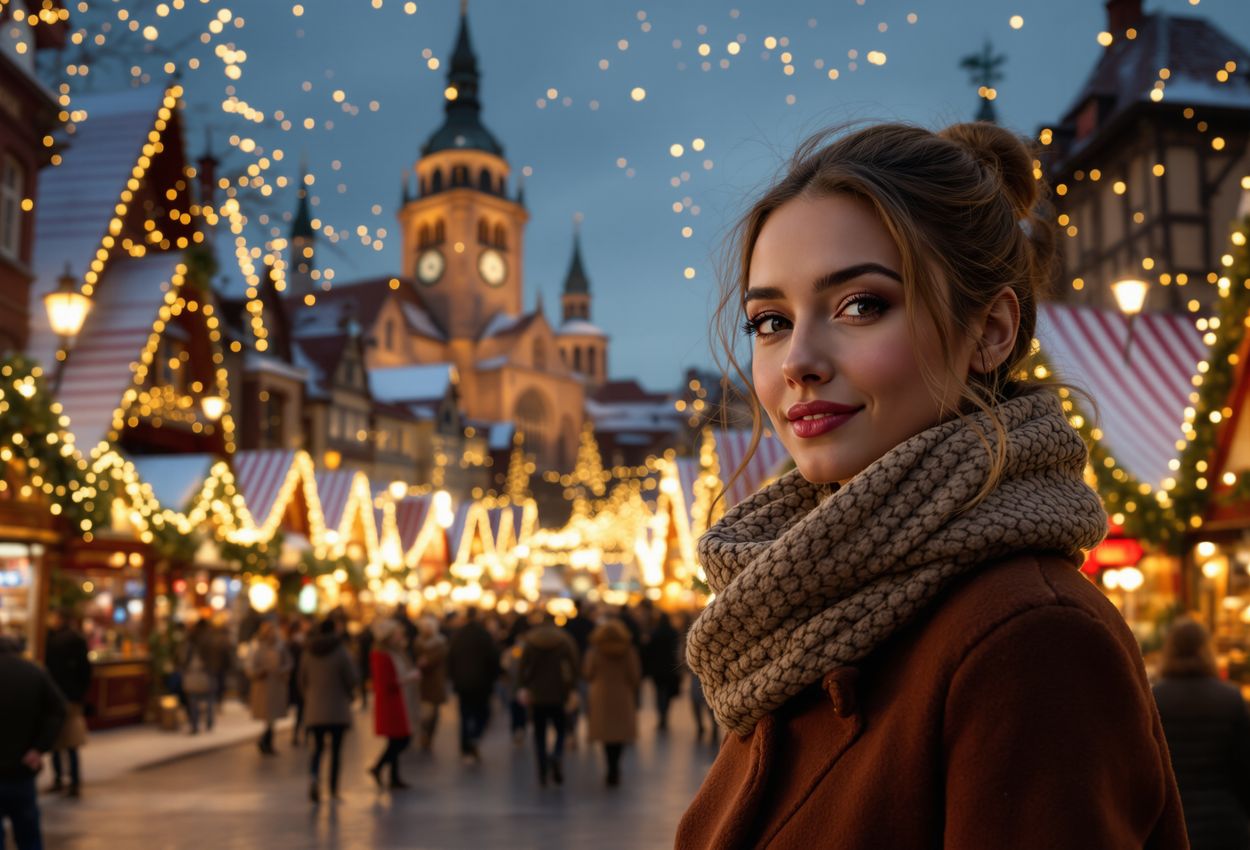
As the crisp November air descends upon the medieval city, a palpable sense of anticipation builds. The scent of gingerbread and roasted almonds fills the air, mingling with the joyous sounds of carols and laughter. Nuremberg, with its rich history and stunning architecture, provides the quintessential backdrop for one of the world's most celebrated Christmas markets. The Hauptmarkt, the city's main square, becomes the epicenter of this festive transformation, adorned with twinkling lights, vibrant decorations, and the iconic red-and-white striped stalls that characterize the Christkindlesmarkt.
This year, the magic officially begins on November 28, 2025, with the grand opening ceremony scheduled for 5:30 pm. As the sun sets, casting a golden glow on the historic buildings, the Christkind, Nuremberg's angelic ambassador, will appear on the balcony of the Church of Our Lady to deliver a traditional prologue, marking the start of the Christmas season. The city awakens into a Christmas wonderland, inviting visitors to explore its enchanting offerings and create lasting memories.
The Nuremberg Christmas Market is more than just a market; it's an experience that captures the essence of Christmas spirit, blending tradition, culture, and culinary delights into an unforgettable celebration.
Unveiling Centuries of Christmas Magic
The history of the Christkindlesmarkt is as rich and captivating as the market itself, with its roots tracing back to the 17th century. While the first documented evidence dates back to 1628, historians believe that the market's origins may extend even further, possibly evolving from traditional sales at the weekly market between 1610 and 1639. Initially a trading point for merchants selling household goods and everyday items, the market gradually transformed into a place for buying and selling Christmas gifts after the Reformation.
In the 16th century, the tradition of gift-giving shifted from New Year's Day to Christmas Eve, creating a surge in demand for Christmas presents in the weeks leading up to the holiday. This shift spurred the growth of the Christmas Market, where dolls, candles, toy horses, gingerbread, marzipan, and sugar were sold. By 1737, almost all of Nuremberg's craftsmen were represented at the market, with 140 individuals authorized to offer their goods for sale.
The Christkindlesmarkt experienced a period of decline in the late 19th century but was revived in the 1930s when the Nazi regime promoted Nuremberg as a major historical jewel. Although the markets were not held during World War II, they were restarted in 1948, preserving the traditions and spirit of the original market. Today, the Nuremberg Christmas Market stands as one of Germany's oldest and most significant Christmas fairs, attracting over two million visitors annually.
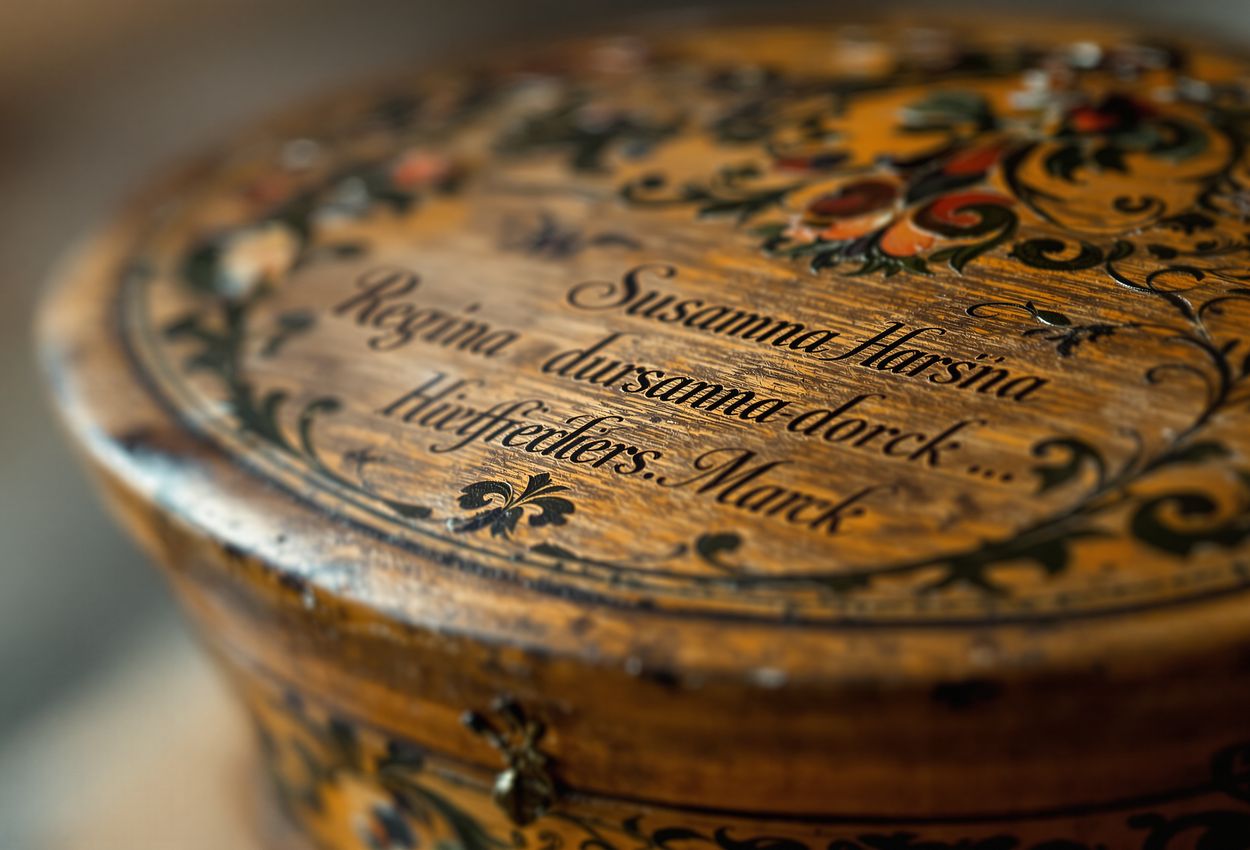
Local Tip: To delve deeper into the market's history, visit the Germanisches Nationalmuseum, where you can find the oldest written evidence of the Christkindlesmarkt – a wooden box from 1628.
The Christkind: Nuremberg's Angelic Ambassador
Central to the allure of the Nuremberg Christkindlesmarkt is the Christkind, a young woman who embodies the spirit of Christmas and serves as the market's angelic ambassador. Since 1969, the Christkind has been elected every two years from among local girls aged 16 to 19. To qualify, candidates must be native Nuremberg residents and possess a confident and cheerful demeanor. The selection process involves a public vote and a jury evaluation, ensuring that the chosen Christkind truly represents the city's festive spirit.
The Christkind's duties are diverse and demanding, requiring her to attend numerous events and appearances throughout the Christmas season. Her most prominent role is opening the Christkindlesmarkt with a prologue delivered from the balcony of the Church of Our Lady, a tradition that captivates audiences and sets the tone for the entire market. In addition to the opening ceremony, the Christkind visits the market regularly, interacting with visitors, posing for photos, and spreading Christmas cheer. She also makes appearances at the children's museum, engaging with younger audiences and sharing stories of Christmas traditions.
Hidden Gem: For a unique perspective on the Christkind tradition, climb the stairs of the Frauenkirche to view the balcony where the prologue is delivered and explore a small exhibit detailing the history of the Christkind.

A Feast for the Senses: Traditional Treats and Culinary Delights
The Christkindlesmarkt is a sensory explosion, tantalizing visitors with an array of aromas and flavors that define the Christmas season. Among the must-try culinary specialties is the Nuremberg Bratwurst, a small, flavorful sausage made with marjoram and grilled to perfection. These sausages are traditionally served in portions of six or more, accompanied by potato salad or sauerkraut, and are a staple of the Nuremberg culinary scene.
No visit to the Christkindlesmarkt is complete without indulging in Lebkuchen, the city's famous gingerbread. With a history spanning over 600 years, Nuremberg Lebkuchen is known for its soft texture, sweet flavor, and intricate decorations. These gingerbread treats come in various flavors and designs, often adorned with nuts, chocolate, and icing, making them a delightful souvenir or gift. To warm up on a chilly evening, visitors can savor Glühwein, a traditional mulled wine infused with spices and served hot. For a unique twist, try the blueberry Glühwein, a local favorite with a fruity and aromatic flavor. Another popular choice is Feuerzangenbowle, a potent punch made with rum-soaked sugarloaf that is set ablaze before being added to the wine.
The tradition of the Christmas mugs adds to the market's charm, with each year featuring a new design. These mugs serve as both a drinking vessel and a collectible souvenir, allowing visitors to take a piece of the Christkindlesmarkt home with them.
Local Tip: For a truly authentic experience, sample the Nuremberg Bratwurst prepared over an open beech wood fire, a method that dates back centuries and imparts a unique smoky flavor to the sausage.

Crafted with Love: Exploring Traditional Wares
The Christkindlesmarkt is a treasure trove of traditional crafts and decorations, showcasing the skill and artistry of local artisans. Handmade Christmas ornaments, crafted from glass, wood, and other materials, adorn the stalls, adding a touch of sparkle and elegance to the market. Wooden toys, often hand-carved and painted, evoke a sense of nostalgia and wonder, reminding visitors of the simple joys of childhood.
Among the most iconic items at the market are the Rauschgoldengel, delicate gold foil angels that have been a symbol of Nuremberg Christmas for centuries. These angels, originally made of thinly beaten brass, represent the celestial messengers of Christmas and make a cherished keepsake. Another beloved tradition is the Zwetschgenmännle, quirky little figures made from dried prunes and other fruits and nuts. These prune men, with their whimsical designs and charming details, are a true Franconian craft and a popular souvenir.
The Franconian Forest, located north of Nuremberg, has a long-standing tradition of wood carving, and the Christkindlesmarkt serves as a showcase for these exquisite creations. Visitors can find crèches, nativity set figures, wooden Christmas decorations, Christmas pyramids, candle stands, and wooden toys, all crafted by skilled artisans from the region. For those seeking locally made products, the Original Regional market offers a wide selection of culinary treats and traditional handicrafts from Franconia.
Local Tip: Explore the market of the Sister Cities, where handcrafted articles and specialties from countries like Nicaragua, China, Scotland, or the Ukraine can be found.