


Destination Guide
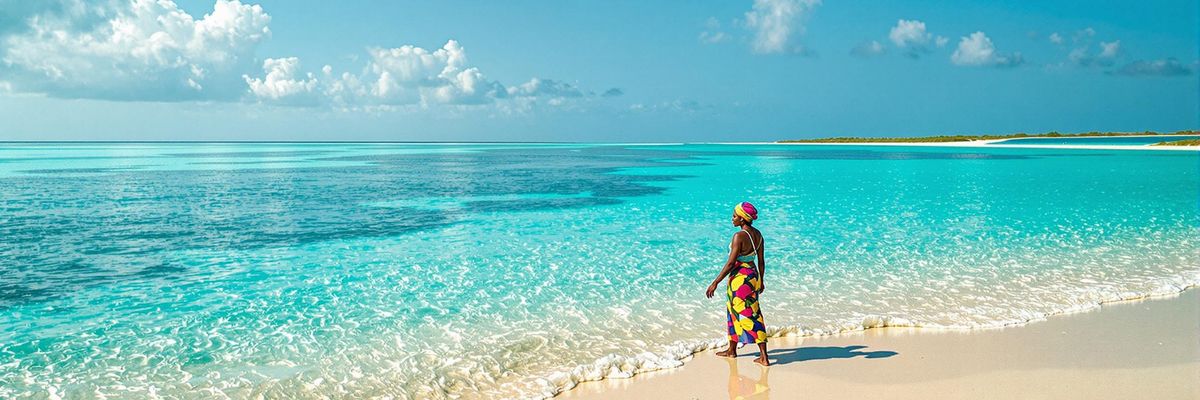
Xai-Xai: A Coastal Retreat
Relax on the beaches and explore the reefs of Xai-Xai.
View More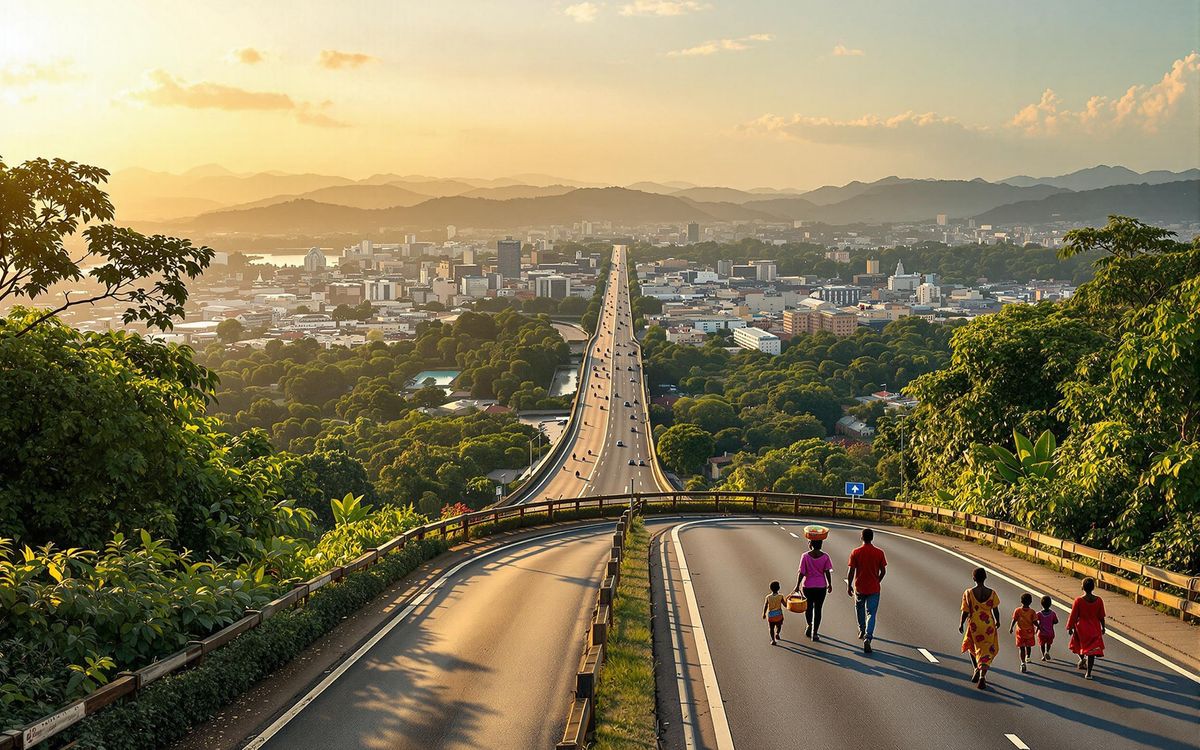

In the heart of the African jungle, a new capital city is rising, embodying Equatorial Guinea's aspirations for a modern, sustainable future.
Ciudad de la Paz, formerly known as Djibloho, represents a bold vision to create a technologically advanced urban center from the ground up. This ambitious project reflects Equatorial Guinea's commitment to progress and its desire to establish a prominent position on the world stage.
The decision to relocate the capital from Malabo, located on the island of Bioko, to the mainland was driven by the need for improved accessibility and national integration. Ciudad de la Paz is strategically positioned to connect various regions of the country, fostering a sense of unity and shared identity.
The vision for Ciudad de la Paz extends beyond mere infrastructure; it aims to create a sustainable and technologically advanced urban center. The city's design incorporates green spaces, renewable energy sources, and smart technologies, reflecting a commitment to environmental responsibility and innovation. This forward-thinking approach seeks to establish Ciudad de la Paz as a model for urban development in Africa and beyond.
The initial vision was to create a city that embodies modernity while respecting the cultural roots of the country. The urban planning prioritizes sustainability in various aspects, aiming to be the first global capital entirely dependent on renewable and sustainable energy. This vision reflects a desire to create a city that is not only modern and efficient but also environmentally responsible and culturally sensitive.
The construction of Ciudad de la Paz signifies Equatorial Guinea's ambition to shape its own future and create a legacy for generations to come. As the city continues to develop, it holds the promise of becoming a symbol of progress, unity, and sustainability in the heart of Africa.
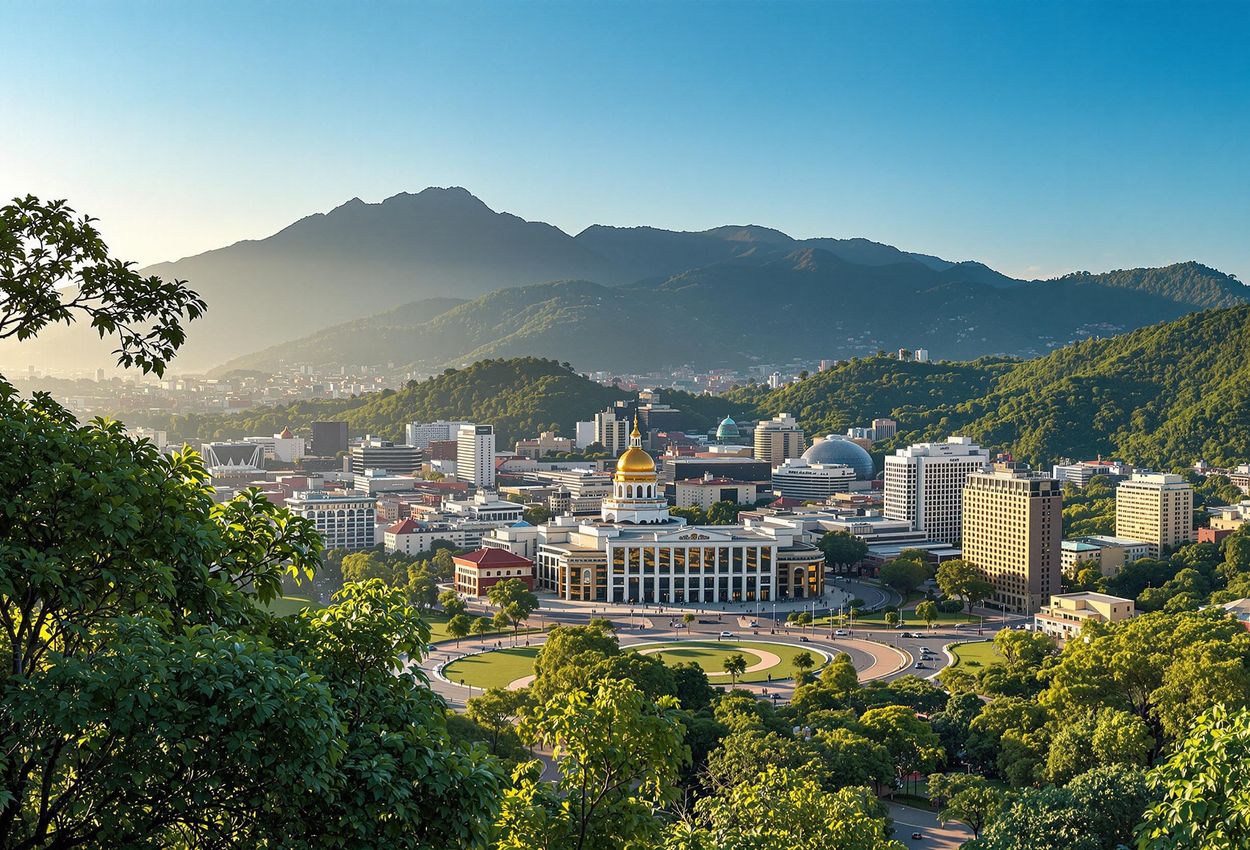
Ciudad de la Paz showcases modern architecture and meticulous urban planning, reflecting a commitment to creating a functional and aesthetically pleasing capital city.
The Portuguese firm FAT – Future Architecture Thinking, led the urban design of Ciudad de la Paz. Their design combines modernity with respect for the cultural roots of the country, promoting local identity and the richness of the ecosystem. The city's layout includes key architectural landmarks such as the Presidential Palace, Parliament building, and other government facilities. These structures are designed to reflect the country's aspirations for progress and its commitment to good governance.
The 'Axis of Urban Life' and 'Natural Axis' are central to the city's design, integrating green spaces and pedestrian-friendly areas. The 'Axis of Urban Life' serves as the city's main thoroughfare, connecting key government buildings, commercial areas, and residential neighborhoods. The 'Natural Axis' incorporates parks, gardens, and recreational facilities, providing residents with opportunities to connect with nature and enjoy outdoor activities.
Ciudad de la Paz is planned to accommodate between 160,000 and 200,000 residents. The city's infrastructure is designed to support this population, with provisions for housing, transportation, and essential services. The focus on sustainability is evident in the city's planned use of renewable energy sources, waste management systems, and water conservation measures.
The architectural style of Ciudad de la Paz blends modern aesthetics with traditional African motifs, creating a unique and visually appealing urban landscape. The buildings are designed to be energy-efficient and environmentally friendly, incorporating sustainable materials and construction techniques. The city's design also prioritizes accessibility, with provisions for pedestrian and bicycle traffic, as well as public transportation.

The urban planning of Ciudad de la Paz reflects a holistic approach, considering the social, economic, and environmental needs of its residents. The city's design aims to create a vibrant and livable urban environment that promotes a high quality of life for all its citizens.
Getting to Ciudad de la Paz involves air and ground transportation, with President Obiang Nguema International Airport (GEM) serving as the primary gateway.
Travelers can fly to President Obiang Nguema International Airport (GEM) in Mengomeyén, located approximately 20 kilometers from Ciudad de la Paz. Several airlines offer flights to this airport from major cities in Africa and Europe. Upon arrival, visitors can take a taxi or shuttle to the city center.
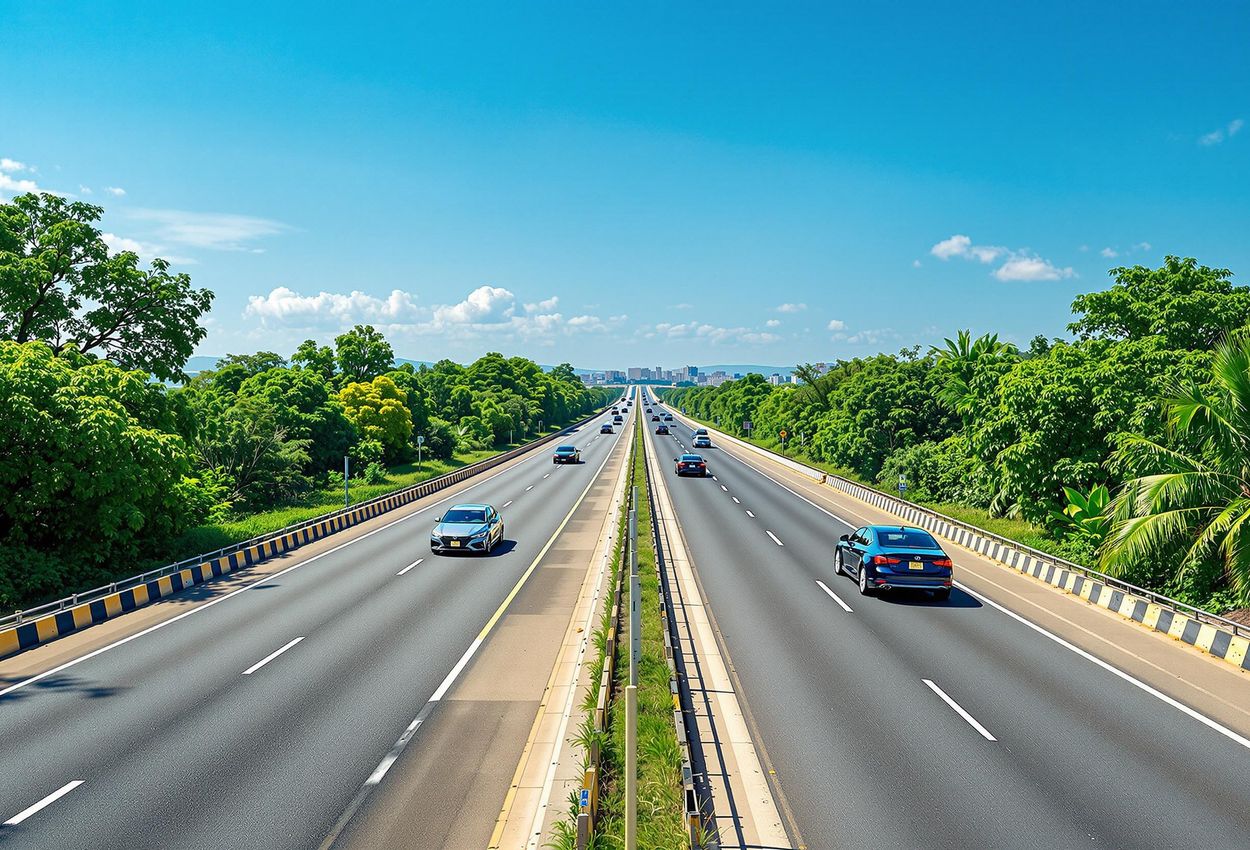
A six-lane highway connects Ciudad de la Paz to other key areas in Equatorial Guinea. This modern highway facilitates transportation between the capital and other major cities, making it easier for residents and visitors to travel throughout the country. The highway is well-maintained and provides a smooth and efficient transportation route.
Estimated travel times from the airport to Ciudad de la Paz range from 30 minutes to an hour, depending on traffic conditions. Taxi fares typically cost between $50 and $100, while shuttle services offer a more affordable option. It is advisable to negotiate the fare with the taxi driver before starting the journey.
For those traveling from other parts of Equatorial Guinea, buses and taxis are available to Ciudad de la Paz. The bus journey can take several hours, depending on the distance and road conditions. Taxis offer a faster and more comfortable option, but they are also more expensive.
Once in Ciudad de la Paz, taxis and buses are readily available for getting around the city. Taxis are a convenient option for short trips, while buses offer a more affordable way to explore the city's various neighborhoods and attractions.
Ciudad de la Paz offers a range of accommodation options, with the Grand Hotel Djibloho standing out as the premier choice for luxury and comfort.
The Grand Hotel Djibloho is a five-star hotel located in the heart of Ciudad de la Paz. This luxurious hotel features elegant accommodations, multiple restaurants and bars, a golf course, and a spa. The hotel's amenities cater to both business and leisure travelers, providing a comfortable and convenient base for exploring the city.
The Grand Hotel Djibloho offers a variety of rooms, suites, and villas, each designed with modern amenities and stylish decor. The rooms are equipped with air conditioning, flat-screen TVs, and high-speed internet access. The suites and villas offer additional space and luxury, with separate living areas, private balconies, and stunning views of the surrounding landscape.
The hotel's restaurants and bars offer a diverse range of culinary experiences, from international cuisine to local specialties. Guests can enjoy fine dining at the hotel's signature restaurant, casual meals at the poolside cafe, or drinks at the rooftop bar. The hotel also offers room service, providing guests with the option of dining in the comfort of their own rooms.
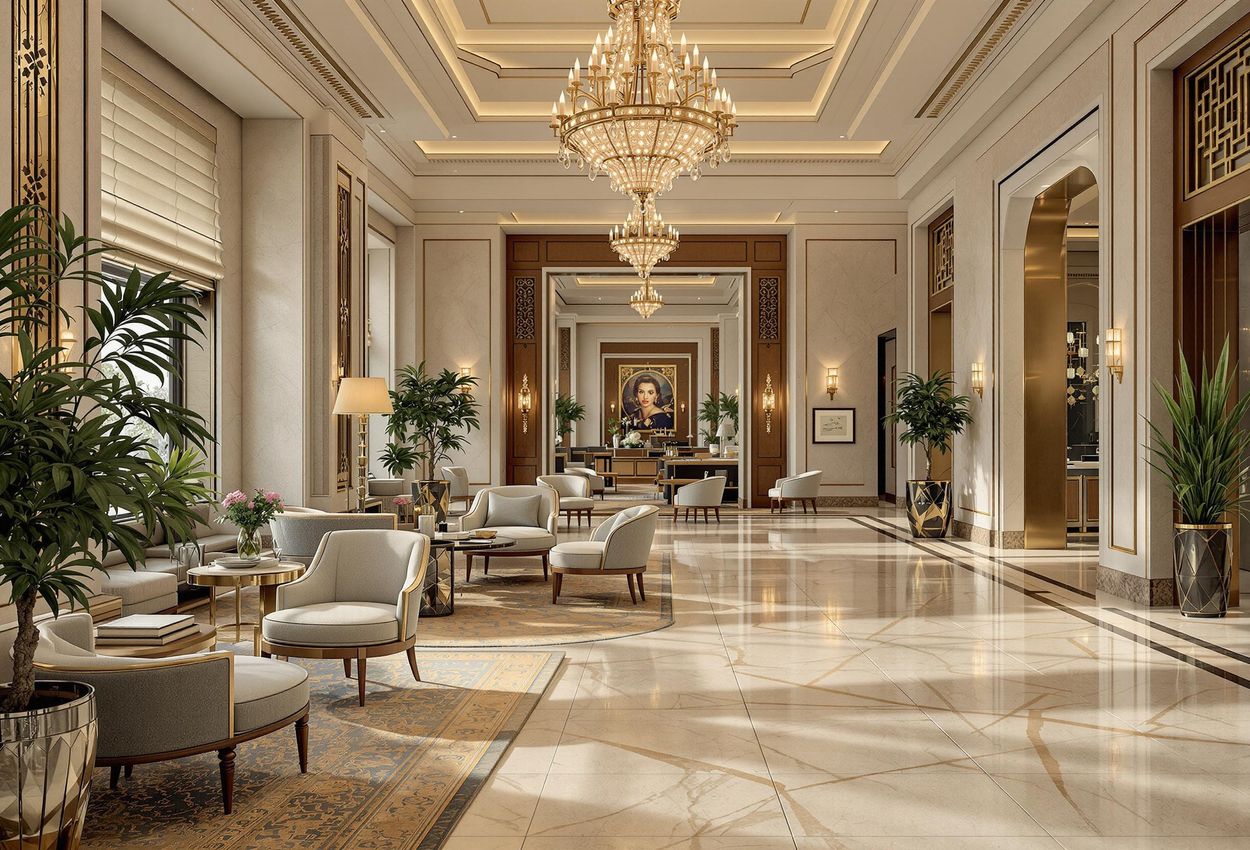
In addition to the Grand Hotel Djibloho, there are other lodging options available in Ciudad de la Paz, including guesthouses and smaller hotels. These options offer more budget-friendly accommodations, but they may not provide the same level of luxury and amenities as the Grand Hotel Djibloho.
Ciudad de la Paz faces challenges related to political criticism, slow relocation, and population, but it holds significant potential for Equatorial Guinea's future.
The construction of Ciudad de la Paz has faced criticism from political opposition groups, who question the cost and necessity of the project. These groups argue that the funds could be better used to address other pressing needs, such as poverty reduction and healthcare. The government defends the project as a long-term investment in the country's future, arguing that it will create jobs, stimulate economic growth, and enhance national unity.
The relocation of government functions from Malabo to Ciudad de la Paz has been slower than initially anticipated. This has led to reports of the city being sparsely populated, with many government employees reluctant to move from the established capital. The government is working to incentivize the relocation, offering housing subsidies and other benefits to those who move to Ciudad de la Paz.
Despite these challenges, Ciudad de la Paz has the potential to play a significant role in Equatorial Guinea's future. The city's modern infrastructure and strategic location could attract foreign investment, boosting economic diversification and creating new opportunities for the country's citizens. The city's focus on sustainability could also position Equatorial Guinea as a leader in environmental responsibility.

As Ciudad de la Paz continues to develop, it will be important to address the challenges and ensure that the city benefits all Equatorial Guineans. With careful planning and effective implementation, Ciudad de la Paz can become a symbol of progress, unity, and sustainability, contributing to a brighter future for Equatorial Guinea.
Our editors` picks of the latest and greatest in travel - delivered to your inbox daily
Relax on the beaches and explore the reefs of Xai-Xai.
View More
Embrace the cooler temperatures and experience the International Festival of the Sahara in Douz this December.
View More
Celebrate the year-end festivities in Accra, culminating in the vibrant Afrofuture festival.
View More Albania EDITION
 Algeria EDITION
 Argentina EDITION
 Armenia EDITION
 Australia EDITION
 Austria EDITION
 Bangladesh EDITION
 Belgium EDITION
 Belize EDITION
 Benin EDITION
 Bhutan EDITION
 Bolivia EDITION
 Bosnia and Herzegovina EDITION
 Botswana EDITION
 Brazil EDITION
 Bulgaria EDITION
 Burkina Faso EDITION
 Cambodia EDITION
 Cameroon EDITION
 Canada EDITION
 Central African Republic EDITION
 Chad EDITION
 Chile EDITION
 China EDITION
 Colombia EDITION
 Costa Rica EDITION
 Croatia EDITION
 Cyprus EDITION
 Denmark EDITION
 Djibouti EDITION
 Ecuador EDITION
 Egypt EDITION
 El Salvador EDITION
 Eritrea EDITION
 Estonia EDITION
 Ethiopia EDITION
 Finland EDITION
 France EDITION
 Gabon EDITION
 Georgia EDITION
 Germany EDITION
 Ghana EDITION
 Greece EDITION
 Guatemala EDITION
 Guinea EDITION
 Guinea-Bissau EDITION
 Honduras EDITION
 Hungary EDITION
 Iceland EDITION
 India EDITION
 Indonesia EDITION
 Ireland EDITION
 Israel EDITION
 Italy EDITION
 Jamaica EDITION
 Japan EDITION
 Jordan EDITION
 Kenya EDITION
 Kuwait EDITION
 Laos EDITION
 Latvia EDITION
 Lebanon EDITION
 Lesotho EDITION
 Liberia EDITION
 Lithuania EDITION
 Luxembourg EDITION
 Madagascar EDITION
 Malawi EDITION
 Malaysia EDITION
 Maldives EDITION
 Mali EDITION
 Malta EDITION
 Mauritania EDITION
 Mauritius EDITION
 Mexico EDITION
 Mongolia EDITION
 Montenegro EDITION
 Morocco EDITION
 Mozambique EDITION
 Namibia EDITION
 Nepal EDITION
 Netherlands EDITION
 New Zealand EDITION
 Nicaragua EDITION
 Niger EDITION
 Nigeria EDITION
 Norway EDITION
 Oman EDITION
 Pakistan EDITION
 Panama EDITION
 Papua New Guinea EDITION
 Paraguay EDITION
 Peru EDITION
 Philippines EDITION
 Poland EDITION
 Portugal EDITION
 Qatar EDITION
 Romania EDITION
 Rwanda EDITION
 Saudi Arabia EDITION
 Senegal EDITION
 Serbia EDITION
 Singapore EDITION
 Slovakia EDITION
 Slovenia EDITION
 Somalia EDITION
 South Africa EDITION
 South Korea EDITION
 Spain EDITION
 Sri Lanka EDITION
 Suriname EDITION
 Sweden EDITION
 Switzerland EDITION
 Tanzania EDITION
 Thailand EDITION
 Tunisia EDITION
 Uganda EDITION
 United Arab Emirates EDITION
 United Kingdom EDITION
 Uruguay EDITION
 Venezuela EDITION
 Vietnam EDITION
 Zambia EDITION
 Zimbabwe EDITION
Subscribe to our newsletter and get the most captivating travel stories, hidden gems, and expert insights delivered straight to your inbox. As a subscriber, you’ll be first in line for exclusive content, premium offers, and unforgettable travel experiences