



Destination Guide
Xai-Xai: A Coastal Retreat
Relax on the beaches and explore the reefs of Xai-Xai.
View More

Copenhagen Fashion Week 2025: Where Nordic cool meets eco-conscious couture, setting a new standard for sustainable style.
The whispers of the Baltic Sea carry more than just salt and wind; they carry the promise of change. And in the heart of Scandinavia, that change is taking the form of Copenhagen Fashion Week (CPHFW), a beacon of sustainable fashion illuminating the global stage. From August 4th to 8th, 2025, the city of Copenhagen will transform into a runway for eco-conscious style, showcasing designers who are not only creating beautiful clothes but also championing a more responsible future for the industry.
More than just a fashion event, CPHFW has solidified its position as the leading platform in Scandinavia, dictating the direction of eco-conscious style. The commitment isn't just lip service; it's woven into the very fabric of the event. This dedication is exemplified by the stringent Sustainability Action Plan 2023-2025. Brands vying for a coveted spot on the official schedule must adhere to minimum standards, ensuring that sustainability isn't an afterthought but a core principle. These standards cover various aspects, from material sourcing and production processes to waste management and ethical labor practices.
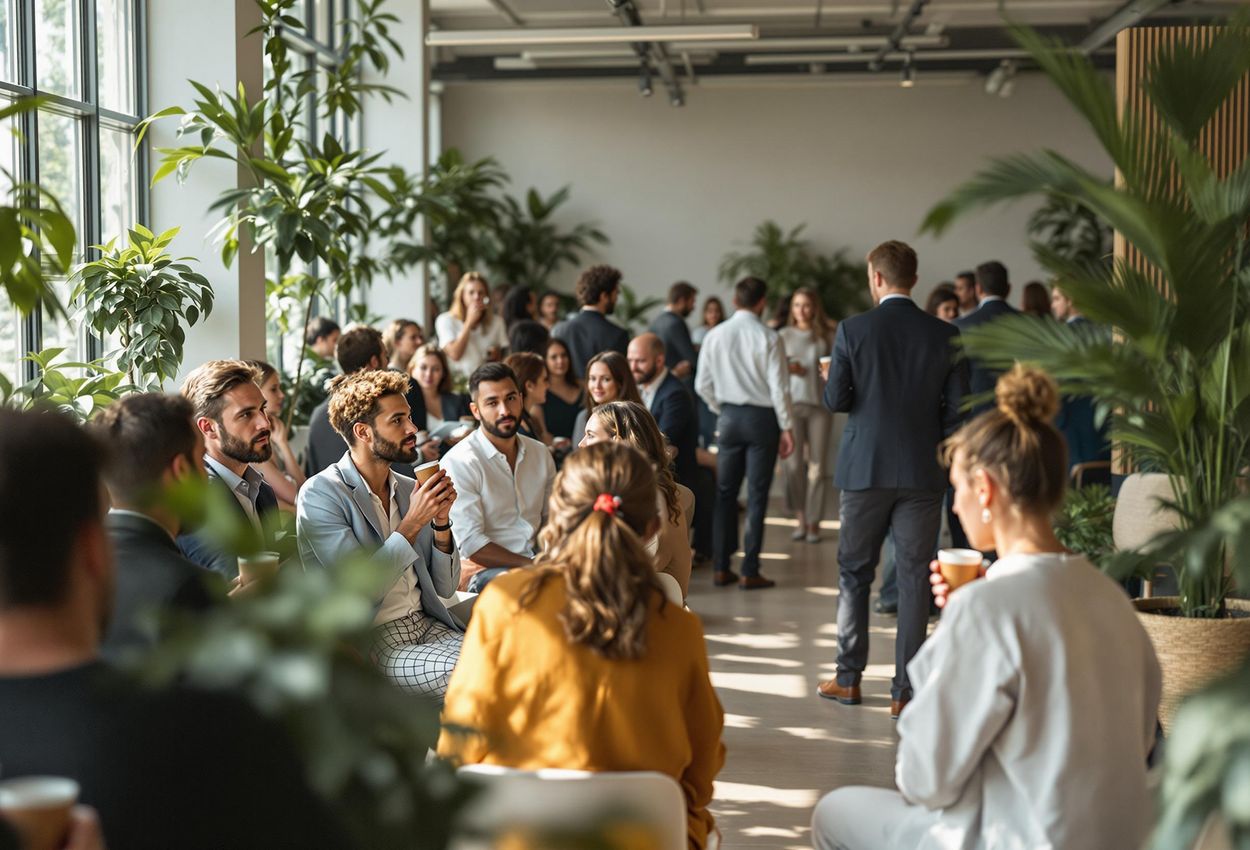
The atmosphere of CPHFW is distinctly different from the often-exclusive world of high fashion. Here, the vibe is relaxed, democratic, and refreshingly human-centric. The emphasis is on inclusivity and collaboration, fostering a sense of community among designers, industry professionals, and fashion enthusiasts alike. It's a place where creativity thrives in an environment of mutual respect and shared values. Instead of gas-guzzling limousines, attendees can be seen gliding through the city on bicycles, a testament to Copenhagen's commitment to green living. Upcycled materials aren't just a trend on the runway; they're a reflection of the city's resourceful spirit, finding new life in unexpected places.
The entire event is staged with a conscious effort to minimize its environmental footprint. From the choice of venues to the catering options, every detail is carefully considered to reduce waste and promote sustainability. Even the iconic address of Store Strandstraede 20, the heart of many CPHFW events, embodies this ethos, serving as a hub for innovation and collaboration within the sustainable fashion sphere.

CPHFW isn't just about established names; it's also a launchpad for emerging talent. The CPHFW NEWTALENT program, supported by Ganni, shines a spotlight on designers who are pushing the boundaries of sustainable fashion. These are the eco-warriors of tomorrow, using their creativity to challenge the status quo and inspire change. Among the names to watch are Bonnetje, Alectra Rothschild/Masculina, and Berner Kühl, each bringing a unique perspective to the sustainable fashion landscape.
Bonnetje, for example, is a master of upcycling, transforming discarded suits into gender-blurring silhouettes that challenge traditional notions of menswear and womenswear. With meticulous craftsmanship, they deconstruct and reconstruct these forgotten garments, breathing new life into them and creating pieces that are both stylish and sustainable. Their designs are a statement against fast fashion, advocating for a more circular and responsible approach to clothing.
Alectra Rothschild/Masculina, on the other hand, infuses their designs with a queer and counterculture sensibility. Their collections are a celebration of individuality and self-expression, challenging societal norms and promoting inclusivity. They use sustainable materials and ethical production practices to create clothing that is not only visually striking but also socially conscious. Their bold designs and unapologetic message have resonated with a generation that is demanding more from the fashion industry.
Berner Kühl takes a different approach, focusing on minimalist menswear with a focus on timelessness and functionality. Their designs are characterized by clean lines, neutral colors, and high-quality materials, creating pieces that are meant to be worn and loved for years to come. They prioritize sustainable sourcing and ethical production, ensuring that their clothing is not only stylish but also environmentally responsible. Their commitment to slow fashion is a refreshing antidote to the fast-paced world of trends.

The runways of CPHFW are a vibrant tapestry of trends and transformations, showcasing the latest innovations in sustainable fashion. This year, expect to see a continued emphasis on sustainable materials, innovative designs, and ethical production processes. Designers are increasingly experimenting with recycled fabrics, plant-based dyes, and other eco-friendly alternatives, proving that sustainable fashion can be just as stylish and cutting-edge as its conventional counterpart.
One of the most noticeable trends is the increasing boldness in Scandinavian fashion. While minimalist aesthetics still reign supreme, designers are incorporating more colorful and experimental elements into their collections. Expect to see vibrant prints, unexpected textures, and daring silhouettes that challenge traditional notions of Nordic cool. This newfound confidence is a reflection of the growing maturity of the sustainable fashion movement, as designers become more comfortable pushing the boundaries of creativity while staying true to their ethical values.
Another key trend to watch is the all-weather-ready aesthetic, a nod to Copenhagen's unpredictable climate. Designers are creating clothing that is both stylish and functional, incorporating waterproof fabrics, insulated layers, and other practical details. This trend reflects a growing awareness of the need for clothing that can withstand the elements without sacrificing style. Dance rehearsal-inspired looks are also gaining popularity, with designers incorporating elements of athletic wear and performance clothing into their collections. Think comfortable fabrics, relaxed silhouettes, and functional details that allow for freedom of movement.
And of course, the mini short trend shows no sign of slowing down. Designers are continuing to embrace this daring silhouette, offering a variety of styles and fabrics to suit every taste. Whether paired with a chunky knit sweater or a tailored blazer, the mini short is a versatile piece that can be dressed up or down.
Brands like Rotate and Gestuz are at the forefront of this movement, redefining contemporary Nordic fashion with their bold designs and commitment to sustainability. They are proving that sustainable fashion can be both stylish and responsible, inspiring a new generation of designers and consumers.
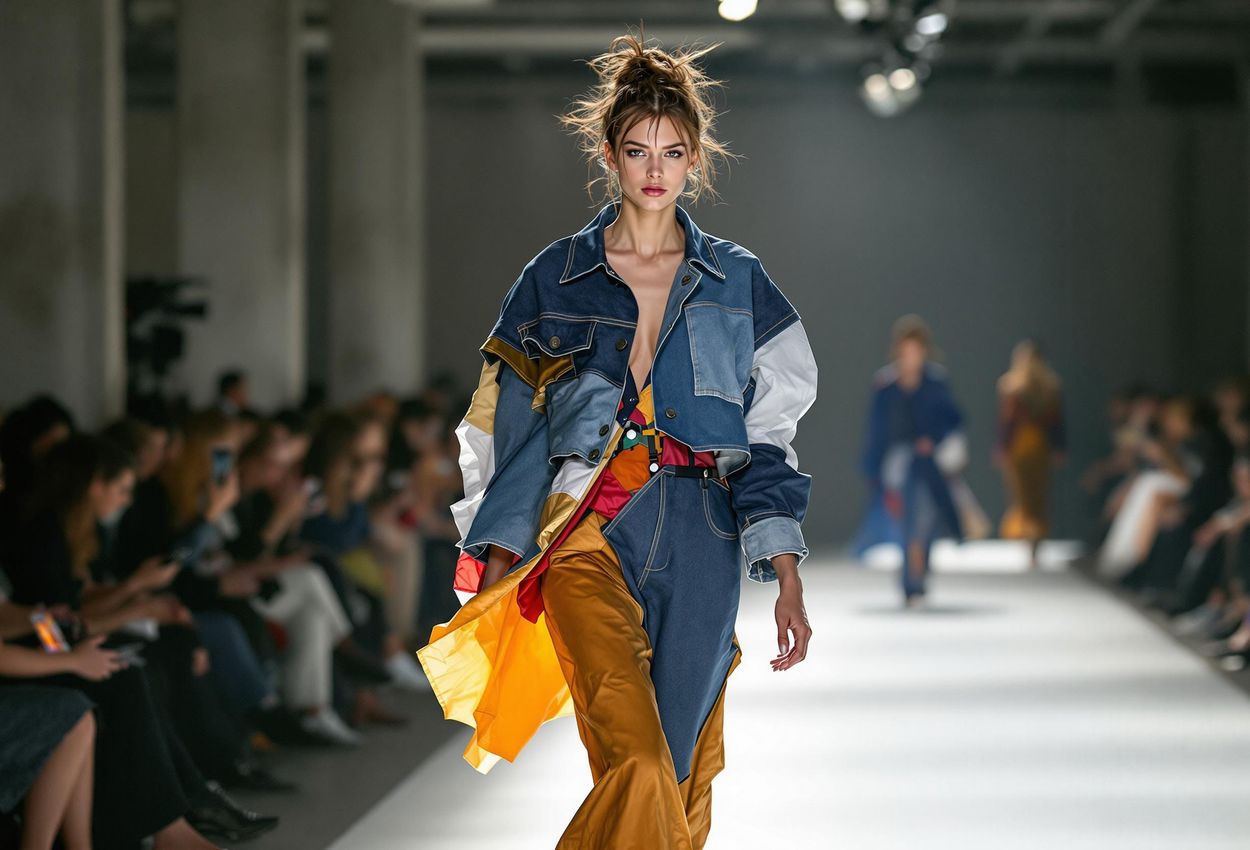
CPHFW's commitment to sustainability extends far beyond the runway shows. The event also features a variety of initiatives and events that promote ethical practices, including sustainability talks, showroom presentations, and the Zalando Visionary Award. These platforms provide opportunities for industry professionals to share ideas, discuss challenges, and collaborate on solutions.
Copenhagen Fashion Week has partnered with Climaider to offset CO2 emissions, demonstrating a proactive approach to environmental responsibility. This collaboration involves calculating the carbon footprint of the event and investing in projects that reduce or remove an equivalent amount of emissions from the atmosphere. The ban on single-use plastics is another example of CPHFW's commitment to minimizing its environmental impact. By eliminating these harmful materials, the event is reducing waste and promoting a more sustainable approach to consumption.
Partnerships with companies like Grohe for water stations further demonstrate this commitment. Providing readily available water stations encourages attendees to refill reusable bottles, reducing the demand for plastic water bottles and minimizing waste. This simple yet effective initiative is a reminder that sustainability can be integrated into every aspect of an event.
The government-funded programme (Grøn Genstart) Fremtidens Tekstiler, or 'Future Textiles,' is a forward-thinking initiative that utilizes the Sustainability Requirements to train SMEs. This program equips small and medium-sized enterprises with the knowledge and tools they need to implement sustainable practices throughout their operations. By investing in education and training, the program is fostering a culture of sustainability within the Danish fashion industry.
Copenhagen Fashion Week 2025 promises to be more than just a showcase of beautiful clothes; it will be a testament to the power of sustainability to transform the fashion industry. By embracing ethical practices, promoting innovative designs, and fostering a sense of community, CPHFW is setting a new standard for fashion events around the world.
Our editors` picks of the latest and greatest in travel - delivered to your inbox daily
Relax on the beaches and explore the reefs of Xai-Xai.
View More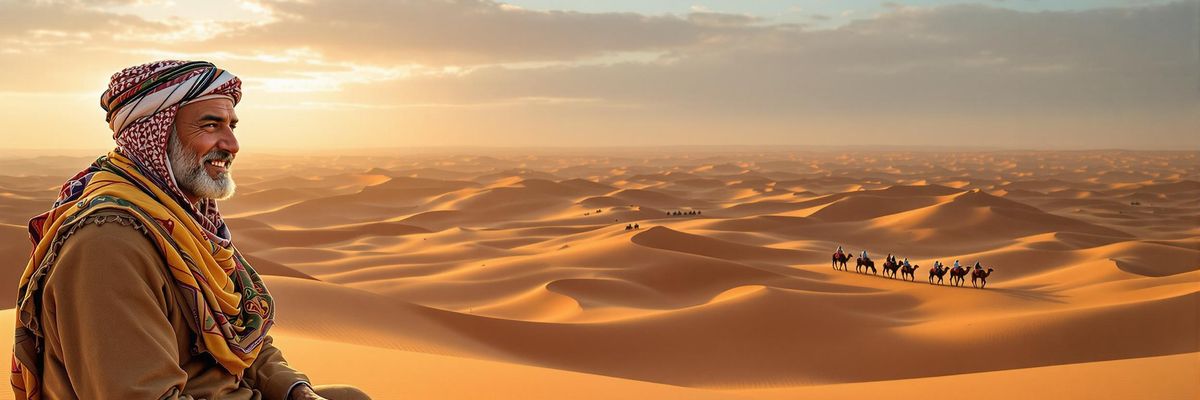
Embrace the cooler temperatures and experience the International Festival of the Sahara in Douz this December.
View More
Celebrate the year-end festivities in Accra, culminating in the vibrant Afrofuture festival.
View More Albania EDITION
 Algeria EDITION
 Argentina EDITION
 Armenia EDITION
 Australia EDITION
 Austria EDITION
 Bangladesh EDITION
 Belgium EDITION
 Belize EDITION
 Benin EDITION
 Bhutan EDITION
 Bolivia EDITION
 Bosnia and Herzegovina EDITION
 Botswana EDITION
 Brazil EDITION
 Bulgaria EDITION
 Burkina Faso EDITION
 Cambodia EDITION
 Cameroon EDITION
 Canada EDITION
 Central African Republic EDITION
 Chad EDITION
 Chile EDITION
 China EDITION
 Colombia EDITION
 Costa Rica EDITION
 Croatia EDITION
 Cyprus EDITION
 Denmark EDITION
 Djibouti EDITION
 Ecuador EDITION
 Egypt EDITION
 El Salvador EDITION
 Eritrea EDITION
 Estonia EDITION
 Ethiopia EDITION
 Finland EDITION
 France EDITION
 Gabon EDITION
 Georgia EDITION
 Germany EDITION
 Ghana EDITION
 Greece EDITION
 Guatemala EDITION
 Guinea EDITION
 Guinea-Bissau EDITION
 Honduras EDITION
 Hungary EDITION
 Iceland EDITION
 India EDITION
 Indonesia EDITION
 Ireland EDITION
 Israel EDITION
 Italy EDITION
 Jamaica EDITION
 Japan EDITION
 Jordan EDITION
 Kenya EDITION
 Kuwait EDITION
 Laos EDITION
 Latvia EDITION
 Lebanon EDITION
 Lesotho EDITION
 Liberia EDITION
 Lithuania EDITION
 Luxembourg EDITION
 Madagascar EDITION
 Malawi EDITION
 Malaysia EDITION
 Maldives EDITION
 Mali EDITION
 Malta EDITION
 Mauritania EDITION
 Mauritius EDITION
 Mexico EDITION
 Mongolia EDITION
 Montenegro EDITION
 Morocco EDITION
 Mozambique EDITION
 Namibia EDITION
 Nepal EDITION
 Netherlands EDITION
 New Zealand EDITION
 Nicaragua EDITION
 Niger EDITION
 Nigeria EDITION
 Norway EDITION
 Oman EDITION
 Pakistan EDITION
 Panama EDITION
 Papua New Guinea EDITION
 Paraguay EDITION
 Peru EDITION
 Philippines EDITION
 Poland EDITION
 Portugal EDITION
 Qatar EDITION
 Romania EDITION
 Rwanda EDITION
 Saudi Arabia EDITION
 Senegal EDITION
 Serbia EDITION
 Singapore EDITION
 Slovakia EDITION
 Slovenia EDITION
 Somalia EDITION
 South Africa EDITION
 South Korea EDITION
 Spain EDITION
 Sri Lanka EDITION
 Suriname EDITION
 Sweden EDITION
 Switzerland EDITION
 Tanzania EDITION
 Thailand EDITION
 Tunisia EDITION
 Uganda EDITION
 United Arab Emirates EDITION
 United Kingdom EDITION
 Uruguay EDITION
 Venezuela EDITION
 Vietnam EDITION
 Zambia EDITION
 Zimbabwe EDITION
Subscribe to our newsletter and get the most captivating travel stories, hidden gems, and expert insights delivered straight to your inbox. As a subscriber, you’ll be first in line for exclusive content, premium offers, and unforgettable travel experiences