



Destination Guide
Xai-Xai: A Coastal Retreat
Relax on the beaches and explore the reefs of Xai-Xai.
View More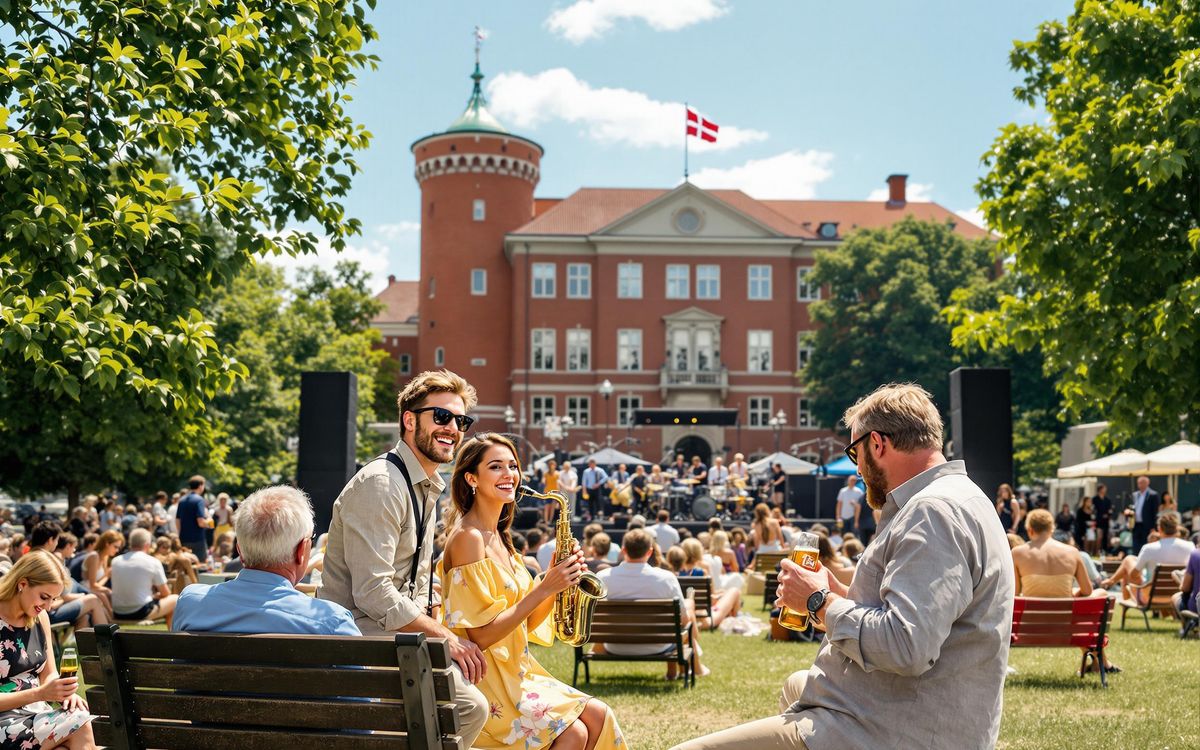

Get ready to groove! The Copenhagen Jazz Festival, a ten-day extravaganza of soulful melodies and electrifying rhythms, is set to transform the Danish capital into a vibrant musical playground this July. From its humble beginnings to its current status as one of Europe's premier jazz events, the festival promises an unforgettable experience for jazz aficionados and casual listeners alike.
The story of jazz in Copenhagen is a fascinating tale of cultural exchange and resilience. Its roots can be traced back to the early 20th century when the first whispers of this new American sound began to reach Danish shores. Valdemar Eiberg, a pioneering figure in Danish music, played a crucial role in documenting these early jazz experiments, capturing the raw energy and improvisational spirit that defined the genre. However, the initial reception wasn't universally welcoming. Accustomed to the structured elegance of classical music, some Danish musicians initially viewed jazz with skepticism, struggling to grasp its unconventional harmonies and rhythms. Despite this initial resistance, the seeds of jazz had been sown, and they would soon begin to sprout.
A pivotal moment in the popularization of jazz in Copenhagen arrived in 1933 with the visit of the legendary Louis Armstrong. His charismatic performances and undeniable talent captivated audiences, breaking down barriers and igniting a passion for jazz that spread like wildfire. Even the dark days of World War II couldn't extinguish this flame. Despite the Nazi occupation and the suppression of many forms of artistic expression, jazz continued to thrive in the underground scene, providing a vital source of hope and resistance. The establishment of the Radio Big Band in 1964 marked a turning point, solidifying jazz's place in the mainstream Danish culture and showcasing the immense talent of local musicians. As the centennial of jazz in Denmark approaches in 2026, organizations like JazzDanmark are working tirelessly to preserve and celebrate this rich history, ensuring that the legacy of Danish jazz continues to inspire future generations. The anticipation is building for a grand celebration that will honor the pioneers, innovators, and dedicated musicians who have shaped the sound of Danish jazz over the past century.
The Copenhagen Jazz Festival didn't emerge overnight; its origins can be traced back to the vibrant jazz scene that thrived within the enchanting Tivoli Gardens in the 1960s. These early jazz concerts, held amidst the park's whimsical attractions and captivating atmosphere, laid the foundation for what would eventually become a city-wide celebration of jazz music. However, it was Poul Bjørnholt who envisioned a festival that would extend beyond the confines of Tivoli, uniting the diverse jazz clubs, public spaces, and venues scattered throughout Copenhagen. In 1978, Bjørnholt took the initiative to bring this vision to life, laying the groundwork for the first official Copenhagen Jazz Festival.
In 1979, the festival officially launched, and it was an immediate success. From its humble beginnings, the Copenhagen Jazz Festival has experienced steady growth, blossoming into a major international event that attracts jazz enthusiasts from around the globe. The festival's appeal lies in its ability to showcase both international stars and local bands, creating a dynamic and diverse program that caters to a wide range of musical tastes. Whether you're a seasoned jazz aficionado or a curious newcomer, the Copenhagen Jazz Festival offers something for everyone, fostering a sense of community and shared appreciation for the art form. As the festival continues to evolve, it remains committed to its original mission: to celebrate the power and diversity of jazz music while showcasing the vibrant cultural landscape of Copenhagen.
One of the defining characteristics of the Copenhagen Jazz Festival is its diverse array of venues, each offering a unique atmosphere and setting for experiencing the magic of jazz. From intimate jazz clubs to grand concert halls, the festival transforms the entire city into a stage, inviting audiences to explore the rich tapestry of Copenhagen's architectural and cultural landscape. Iconic spots like Copenhagen Jazzhouse and Jazzhus Montmartre, with their storied histories and intimate settings, provide the perfect backdrop for experiencing the raw energy and improvisational spirit of live jazz. These venues have played host to some of the biggest names in jazz history, and they continue to be vital hubs for the local jazz scene.
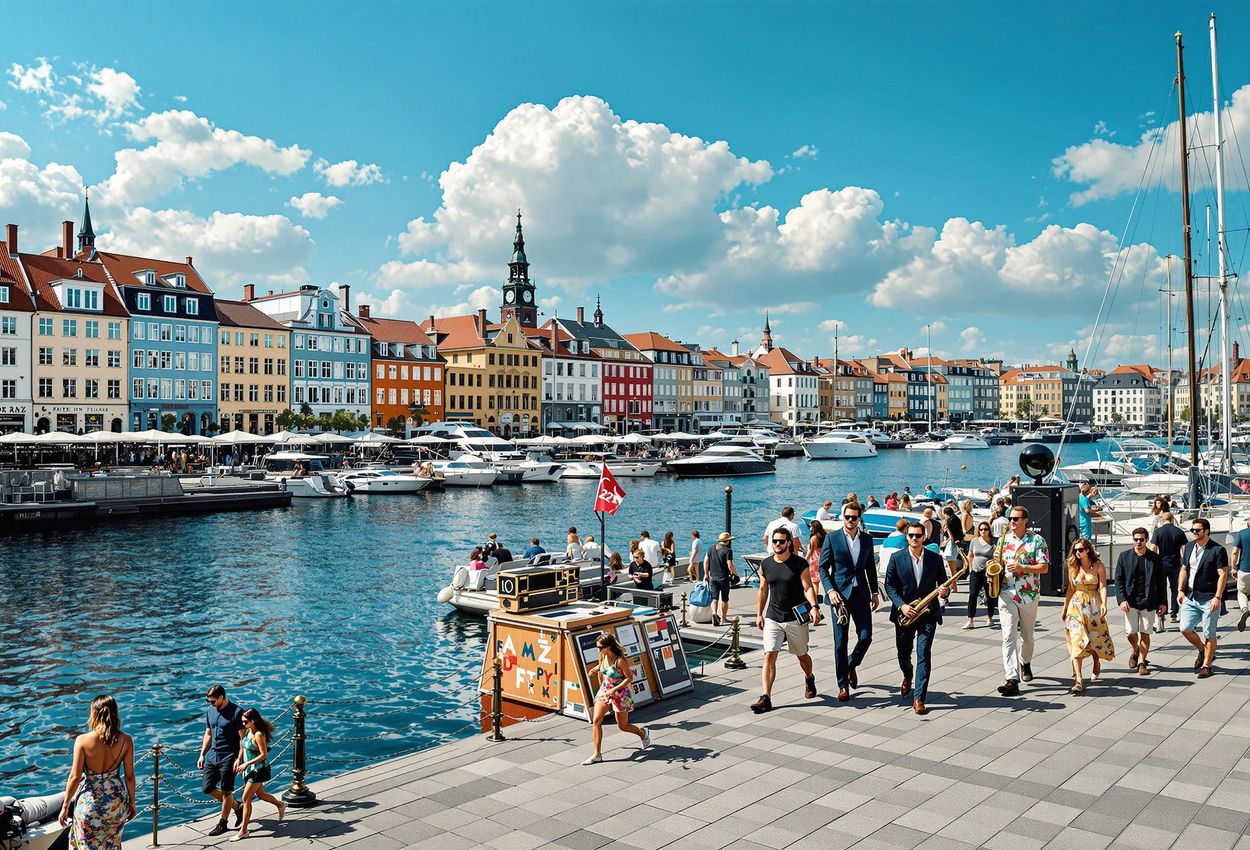
For those seeking a more opulent experience, the festival also features performances at grand locations such as the Royal Theatre and the Copenhagen Opera House. These majestic venues, with their stunning architecture and world-class acoustics, elevate the jazz experience to new heights, creating a sense of grandeur and sophistication. But the Copenhagen Jazz Festival isn't confined to indoor spaces; it also embraces the city's outdoor beauty with a series of unique open-air stages. Kongens Have, Vandkunsten, and Sankt Hans Torv are just a few of the public spaces that are transformed into vibrant jazz venues during the festival, offering audiences the chance to enjoy music under the open sky. The harbour front provides a particularly enchanting setting, where audiences can soak in the urban elegance of Copenhagen while enjoying the smooth sounds of jazz. The gentle lapping of the water, the twinkling lights of the city, and the soulful melodies create an unforgettable sensory experience.
The Copenhagen Jazz Festival is deeply committed to inclusivity, striving to make jazz accessible to audiences of all ages and backgrounds. Recognizing that music is a universal language that transcends boundaries, the festival offers a wide range of programs designed to engage and inspire diverse communities. For pensioners, the festival provides specially curated concerts and events that cater to their musical tastes and preferences, creating a welcoming and comfortable environment where they can relax and enjoy the timeless beauty of jazz. Teenagers are also a key focus, with programs designed to introduce them to the world of jazz and encourage their participation in the music scene. Workshops, jam sessions, and interactive performances provide opportunities for young people to learn about jazz, develop their musical skills, and connect with like-minded individuals.
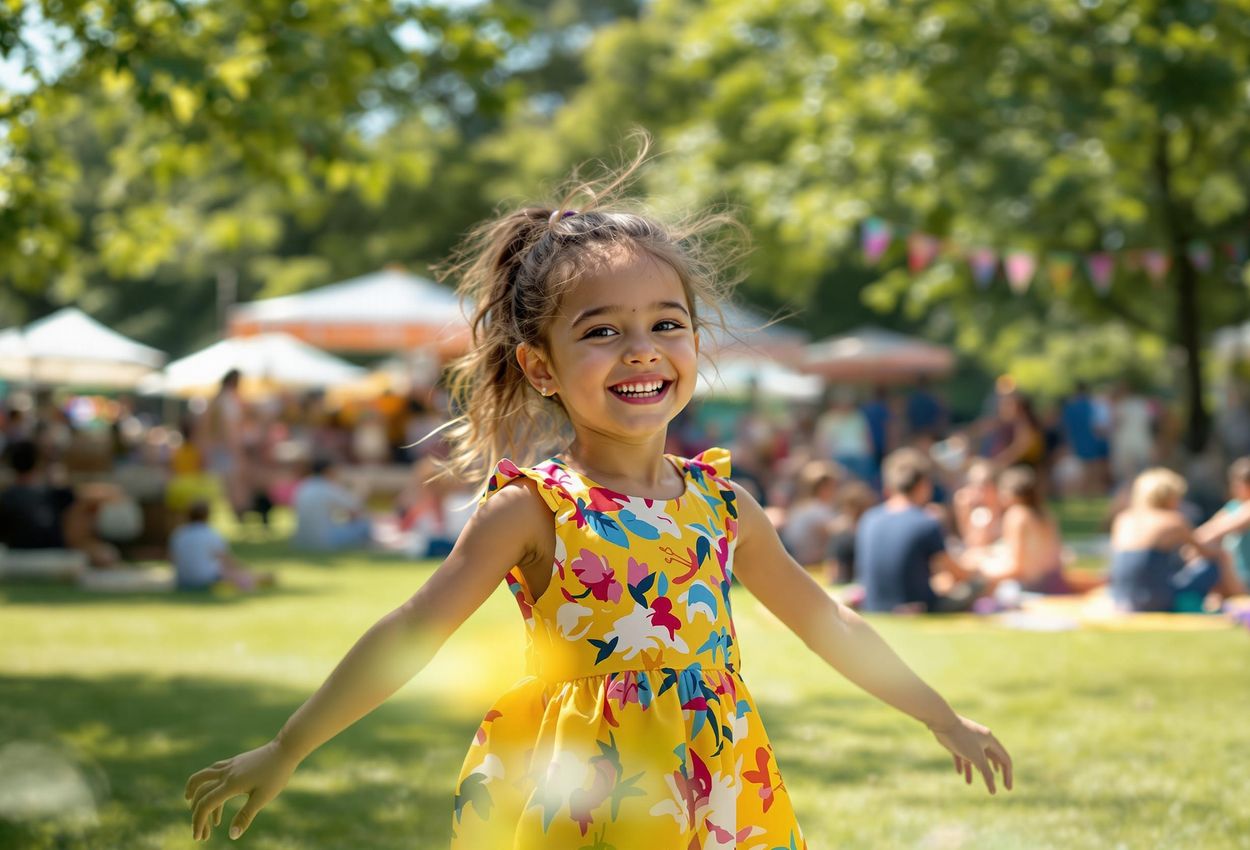
Families are also well catered for, with a variety of family-friendly concerts and activities that make jazz accessible and enjoyable for children of all ages. The free concerts in parks and squares are a particularly popular draw, creating a welcoming and inclusive environment where everyone can come together to celebrate the joy of music. The Jazz for Kids events in Lindevangsparken are a highlight, offering interactive performances and workshops that engage children's imaginations and introduce them to the fundamentals of jazz. For those seeking a more experimental and avant-garde sound, the festival also showcases the vibrant experimental music scene at Råhuset in Vesterbro. This alternative venue provides a platform for emerging artists and innovative projects, pushing the boundaries of jazz and challenging conventional notions of music. By embracing inclusivity and offering a diverse range of programs, the Copenhagen Jazz Festival ensures that jazz remains a vibrant and relevant art form for generations to come.
The Copenhagen Jazz Festival's impact extends far beyond the realm of music, making a significant contribution to the city's economy and cultural fabric. Each year, the festival generates approximately 80 million Danish kroner in revenue for Copenhagen, providing a boost to local businesses and supporting the city's tourism industry. Hotels, restaurants, and shops all benefit from the influx of visitors who flock to Copenhagen to experience the magic of the festival. But the economic benefits are just one piece of the puzzle. The festival also plays a vital role in enhancing Copenhagen's cultural landscape, fostering a sense of community and showcasing the city's artistic talents. The festival provides a platform for local musicians to share their music with a wider audience, helping to nurture and develop the city's vibrant jazz scene. It also attracts international artists, bringing new ideas and perspectives to Copenhagen and enriching the city's cultural exchange.
In addition to its economic and cultural contributions, the Copenhagen Jazz Festival is also committed to sustainability and inclusivity, reflecting the city's progressive values. The festival organizers are constantly working to reduce the festival's environmental impact, implementing sustainable practices such as waste reduction, energy efficiency, and responsible sourcing. The festival also strives to create a welcoming and inclusive environment for all, regardless of their background or identity. By promoting diversity and equality, the Copenhagen Jazz Festival helps to create a more vibrant and equitable society. As the festival looks to the future, it remains committed to its core values: celebrating the power of music, fostering community, and contributing to the economic and cultural vitality of Copenhagen.
Our editors` picks of the latest and greatest in travel - delivered to your inbox daily
Relax on the beaches and explore the reefs of Xai-Xai.
View More
Embrace the cooler temperatures and experience the International Festival of the Sahara in Douz this December.
View More
Celebrate the year-end festivities in Accra, culminating in the vibrant Afrofuture festival.
View More Albania EDITION
 Algeria EDITION
 Argentina EDITION
 Armenia EDITION
 Australia EDITION
 Austria EDITION
 Bangladesh EDITION
 Belgium EDITION
 Belize EDITION
 Benin EDITION
 Bhutan EDITION
 Bolivia EDITION
 Bosnia and Herzegovina EDITION
 Botswana EDITION
 Brazil EDITION
 Bulgaria EDITION
 Burkina Faso EDITION
 Cambodia EDITION
 Cameroon EDITION
 Canada EDITION
 Central African Republic EDITION
 Chad EDITION
 Chile EDITION
 China EDITION
 Colombia EDITION
 Costa Rica EDITION
 Croatia EDITION
 Cyprus EDITION
 Denmark EDITION
 Djibouti EDITION
 Ecuador EDITION
 Egypt EDITION
 El Salvador EDITION
 Eritrea EDITION
 Estonia EDITION
 Ethiopia EDITION
 Finland EDITION
 France EDITION
 Gabon EDITION
 Georgia EDITION
 Germany EDITION
 Ghana EDITION
 Greece EDITION
 Guatemala EDITION
 Guinea EDITION
 Guinea-Bissau EDITION
 Honduras EDITION
 Hungary EDITION
 Iceland EDITION
 India EDITION
 Indonesia EDITION
 Ireland EDITION
 Israel EDITION
 Italy EDITION
 Jamaica EDITION
 Japan EDITION
 Jordan EDITION
 Kenya EDITION
 Kuwait EDITION
 Laos EDITION
 Latvia EDITION
 Lebanon EDITION
 Lesotho EDITION
 Liberia EDITION
 Lithuania EDITION
 Luxembourg EDITION
 Madagascar EDITION
 Malawi EDITION
 Malaysia EDITION
 Maldives EDITION
 Mali EDITION
 Malta EDITION
 Mauritania EDITION
 Mauritius EDITION
 Mexico EDITION
 Mongolia EDITION
 Montenegro EDITION
 Morocco EDITION
 Mozambique EDITION
 Namibia EDITION
 Nepal EDITION
 Netherlands EDITION
 New Zealand EDITION
 Nicaragua EDITION
 Niger EDITION
 Nigeria EDITION
 Norway EDITION
 Oman EDITION
 Pakistan EDITION
 Panama EDITION
 Papua New Guinea EDITION
 Paraguay EDITION
 Peru EDITION
 Philippines EDITION
 Poland EDITION
 Portugal EDITION
 Qatar EDITION
 Romania EDITION
 Rwanda EDITION
 Saudi Arabia EDITION
 Senegal EDITION
 Serbia EDITION
 Singapore EDITION
 Slovakia EDITION
 Slovenia EDITION
 Somalia EDITION
 South Africa EDITION
 South Korea EDITION
 Spain EDITION
 Sri Lanka EDITION
 Suriname EDITION
 Sweden EDITION
 Switzerland EDITION
 Tanzania EDITION
 Thailand EDITION
 Tunisia EDITION
 Uganda EDITION
 United Arab Emirates EDITION
 United Kingdom EDITION
 Uruguay EDITION
 Venezuela EDITION
 Vietnam EDITION
 Zambia EDITION
 Zimbabwe EDITION
Subscribe to our newsletter and get the most captivating travel stories, hidden gems, and expert insights delivered straight to your inbox. As a subscriber, you’ll be first in line for exclusive content, premium offers, and unforgettable travel experiences