


Destination Guide
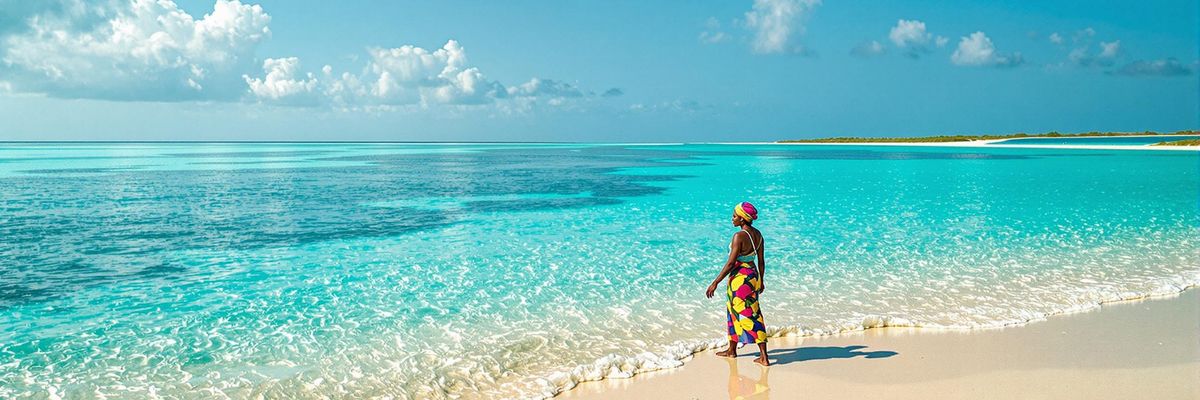
Xai-Xai: A Coastal Retreat
Relax on the beaches and explore the reefs of Xai-Xai.
View More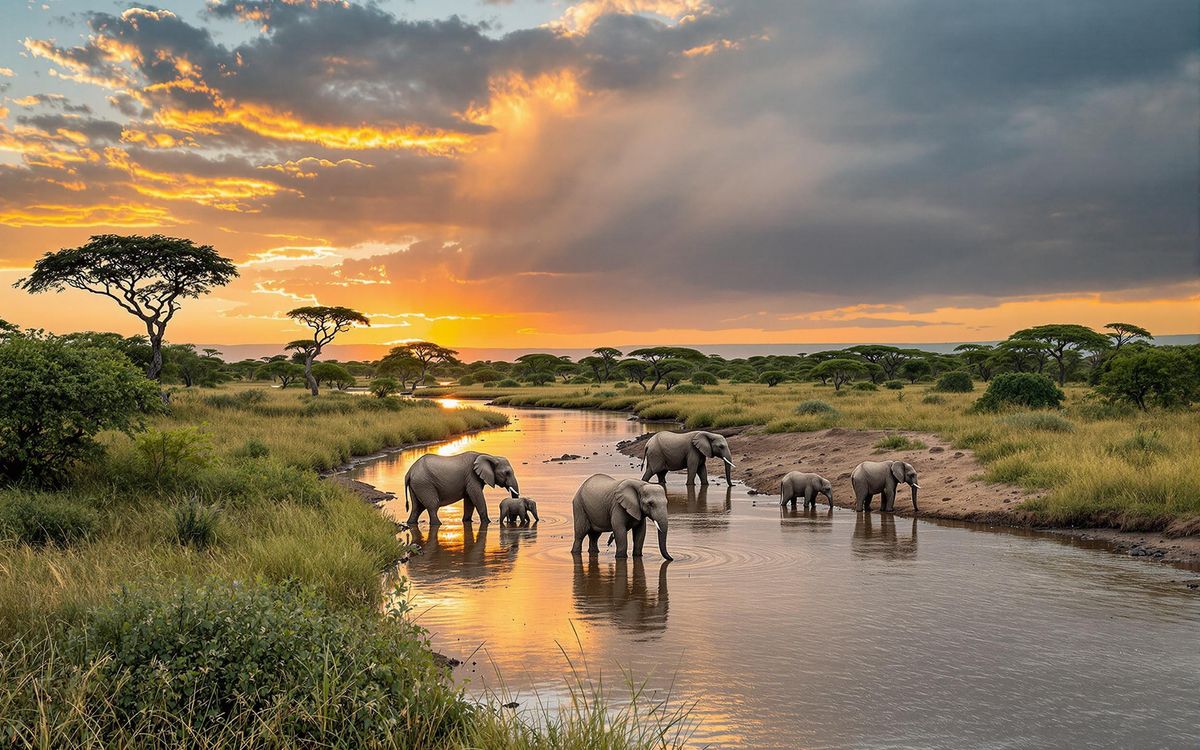

Imagine a place where the wild heart of Africa beats strong, untamed, and free. A place where the landscapes stretch as far as the eye can see, teeming with wildlife and steeped in rich cultural traditions. Welcome to Cuando Cubango, Angola, a destination that promises an authentic and unforgettable African adventure.
For the intrepid traveler seeking to venture off the beaten path, Cuando Cubango offers an unparalleled experience. This southeastern province, known for its vast, untouched landscapes and remarkable biodiversity, invites you to discover a side of Africa rarely seen by outsiders. In 2024, Cuando Cubango was divided into two provinces, Cuando and Cubango.
Here, you'll find yourself immersed in a world where elephants roam free, rivers teem with life, and local communities maintain their ancient customs. Whether you're an avid wildlife enthusiast, a cultural explorer, or simply someone yearning for a true escape, Cuando Cubango promises an adventure that will stir your soul and leave you with memories to last a lifetime.
Prepare to be captivated by the raw beauty of Luiana National Park, where lions stalk their prey and rare bird species fill the air with song. Embark on a boat safari along the Okavango River, encountering hippos and crocodiles in their natural habitat. Engage with local communities, learning about their traditions and way of life. In Cuando Cubango, every moment is an opportunity for discovery and connection.
This is more than just a destination; it's an invitation to experience the real Africa, in all its untamed glory. So, pack your bags, prepare for adventure, and get ready to explore the hidden splendor of Cuando Cubango.

Cuando Cubango, a land of contrasts and captivating beauty, beckons to those who seek an authentic African experience far removed from the crowded tourist trails.
Located in southeastern Angola, this vast region was divided into two provinces in 2024, Cuando and Cubango, and remains one of the country's best-kept secrets, offering a unique blend of untouched landscapes, rich biodiversity, and cultural heritage. Imagine a place where the horizon stretches endlessly, where the only sounds are the calls of exotic birds and the rustling of wind through the savannah, and where the night sky explodes with a million stars, undimmed by city lights.
Cuando Cubango is all this and more, a destination that promises a sense of discovery and adventure for those willing to venture into its heart. The province's isolation, a consequence of its history and geography, has inadvertently preserved its natural beauty and cultural integrity. Here, you won't find sprawling resorts or bustling tourist hubs; instead, you'll encounter vast expanses of pristine wilderness, where wildlife roams freely and local communities maintain their traditional way of life.
The feeling of venturing into Cuando Cubango is akin to stepping back in time, to an Africa that existed before mass tourism and globalization. It's a place where you can truly disconnect from the modern world and reconnect with nature, with yourself, and with the spirit of adventure. The landscapes are as diverse as they are breathtaking, ranging from open woodlands and savannahs to lush wetlands and meandering rivers.
This diverse ecosystem supports a wide array of wildlife, including elephants, lions, leopards, giraffes, and numerous antelope species. Bird watchers will be in paradise, with hundreds of species to spot, from colorful parrots to majestic birds of prey. But Cuando Cubango is more than just a wildlife destination; it's also a cultural melting pot, home to various ethnic groups, each with its unique traditions, customs, and languages.
As you explore the region, you'll have the opportunity to engage with local communities, learn about their history and way of life, and gain a deeper understanding of Angola's rich cultural heritage. The main gateway to Cuando Cubango is Menongue, the provincial capital, a bustling town that serves as a hub for trade and transportation. From Menongue, you can access the region's key attractions, including Luiana National Park and the Okavango River.
Before embarking on your adventure, it's essential to plan carefully and prepare for the challenges of traveling in a remote and undeveloped region. A 4x4 vehicle is a must, as road conditions can be challenging, and it's advisable to hire a local guide to help you navigate the terrain and communicate with local communities.
Responsible travel is also crucial, respecting local customs and traditions and supporting conservation efforts to protect the region's natural and cultural heritage. In Cuando Cubango, the journey is as rewarding as the destination. Every mile traveled brings new discoveries, new encounters, and new perspectives.
As you traverse the vast landscapes, you'll feel a sense of awe and wonder, a realization that you're witnessing something truly special, something that few others have had the privilege to experience. The hidden splendor of Cuando Cubango is waiting to be unveiled, an adventure that will stay with you long after you've left its shores.

For safari enthusiasts seeking an experience that transcends the ordinary, Luiana National Park offers a safari beyond compare, a journey into the heart of untamed Africa.
Located in the remote southeastern corner of Cuando Cubango, this vast protected area is one of Angola's best-kept secrets, a pristine wilderness teeming with wildlife and untouched by mass tourism. Spanning over 42,000 square kilometers, Luiana National Park is a realm of open woodlands, savannahs, and wetlands, where the rhythms of nature dictate the pace of life.
Its remoteness has allowed it to remain in a remarkably pristine condition, offering a rare glimpse into Africa's wild heart. The park is home to a diverse array of wildlife, including elephants, lions, leopards, giraffes, zebras, and numerous antelope species. Bird watchers will be delighted by the abundance of avian life, with hundreds of species to spot, from colorful parrots to majestic eagles.
The experience of exploring Luiana National Park is unlike any other. Here, you won't find crowded game drives or hordes of tourists vying for the best view. Instead, you'll have the opportunity to immerse yourself in the solitude and serenity of the African bush, to connect with nature on a deeper level, and to witness wildlife in its natural habitat, undisturbed by human interference. Accessing Luiana National Park requires careful planning and preparation.
The most practical route is from Menongue, the provincial capital, from where you'll need a 4x4 vehicle to navigate the challenging road conditions. The journey itself is an adventure, as you traverse vast landscapes and encounter local communities along the way. It's advisable to hire a local guide to help you navigate the terrain and communicate with local communities.
Guided safaris and walking safaris are available, offering the opportunity to explore the park on foot and gain a more intimate understanding of its flora and fauna. These safaris are led by experienced guides who possess an intimate knowledge of the park's ecosystem and wildlife behavior. As you venture deeper into Luiana National Park, you'll begin to appreciate its significance within the broader context of conservation efforts in the region.
The park forms part of the Kavango-Zambezi Transfrontier Conservation Area (KAZA TFCA), a vast network of protected areas spanning five countries: Angola, Botswana, Namibia, Zambia, and Zimbabwe. The KAZA TFCA aims to promote cross-border conservation and sustainable development, linking fragmented wildlife habitats and facilitating the free movement of animals across international boundaries.
Luiana National Park plays a crucial role in this initiative, serving as a vital corridor for wildlife migration and contributing to the overall biodiversity of the region. The park is protected by dedicated game rangers, members of the Associação dos Fiscais de África, who work tirelessly to combat poaching and safeguard the park's natural resources. These rangers are often drawn from local communities, giving them a vested interest in the park's preservation and fostering a sense of stewardship among the local population.
Visiting Luiana National Park is not just a safari; it's an opportunity to support conservation efforts and contribute to the sustainable development of local communities. By choosing to explore this remote and pristine wilderness, you're helping to protect its natural beauty and cultural heritage for future generations. A safari beyond compare awaits in Luiana National Park, an adventure that will challenge your senses, expand your horizons, and leave you with a deep appreciation for the wild heart of Africa.

The Okavango River, a lifeline of adventure, beckons with its promise of exploration, discovery, and unforgettable encounters with nature's wonders.
This remarkable river, which flows for over 1,600 kilometers from the highlands of Angola to the sands of Botswana's Okavango Delta, is a vital ecosystem and a source of life for countless species. In Cuando Cubango, the Okavango River offers a unique perspective on this iconic waterway, a chance to experience its raw beauty and untamed spirit.
Boat trips along the Okavango River are an essential part of any Cuando Cubango adventure. Gliding along the tranquil waters, you'll have the opportunity to spot hippos wallowing in the shallows, crocodiles basking on the banks, and a myriad of bird species flitting through the trees. The riverbanks are alive with activity, as animals come to drink, bathe, and hunt. The experience is both exhilarating and serene, a chance to witness the intricate web of life that thrives along the Okavango.
For a truly immersive experience, consider a classic tented boat safari that traverses the Okavango Delta. These safaris offer the ultimate in luxury camping, with secluded islands serving as your base for exploration. Imagine waking up to the sounds of the African bush, enjoying gourmet meals under the stars, and falling asleep to the gentle lapping of water against your tent. During the day, you'll embark on game drives, boat trips, and walking safaris, encountering a diverse array of wildlife and learning about the delta's unique ecosystem.
The prime game viewing months are from May to October, when the dry season forces animals to congregate along the riverbanks, making them easier to spot. Bird watching is particularly rewarding from August onwards, as migratory species arrive to take advantage of the abundant food sources. Fishing enthusiasts will also find plenty to enjoy in the Okavango River, with opportunities to catch various types of fish, including tiger fish and bream.
Whether you're an experienced angler or a novice, the thrill of landing a fish in this pristine environment is an unforgettable experience. As you explore the Okavango River, you'll gain a deeper understanding of its importance to the local communities who depend on it for their livelihoods. The river provides water for drinking, irrigation, and fishing, and it supports a wide range of economic activities, from agriculture to tourism.
Responsible travel is essential, respecting local customs and traditions and supporting sustainable tourism initiatives that benefit local communities. The Okavango River is more than just a river; it's a lifeline, a source of adventure, and a symbol of the enduring power of nature. A journey along its waters is an experience that will stay with you long after you've left its shores, a reminder of the beauty, fragility, and importance of this remarkable ecosystem.

Cultural encounters offer a unique opportunity to connect with local communities, to learn about their traditions, and to gain a deeper understanding of Angola's rich cultural heritage.
In Cuando Cubango, where the landscapes are vast and the population is sparse, these encounters are particularly meaningful, offering a chance to bridge cultural divides and foster mutual respect. As you travel through the region, you'll encounter various ethnic groups, each with its unique customs, languages, and traditions.
Among the most prominent are the Mafwe and Mayeyi communities, who have inhabited this region for centuries, maintaining their traditional way of life despite the challenges of modernization. Engaging with these communities requires sensitivity and respect, a willingness to listen and learn, and an understanding that you are a guest in their home. Responsible tourism is paramount, ensuring that your visit benefits the local community and minimizes any negative impact on their culture and environment.
One way to support local communities is to purchase handicrafts and souvenirs directly from artisans, ensuring that they receive a fair price for their work. Another way is to participate in community-based tourism initiatives, such as village tours and cultural performances, which provide income for local families and help to preserve their traditions. In Menongue, the Casa da Juventude serves as a hub for local art and culture.
This vibrant center showcases the work of local artists, hosts cultural events, and provides a space for young people to express their creativity. Visiting the Casa da Juventude is an excellent way to gain insight into the local art scene and support the development of young talent. As you explore Menongue, take time to visit the Menongue train station, a historic landmark that reflects the region's past.
The railway, which connects Menongue to the coast, played a vital role in the region's development, facilitating trade and transportation. The Moçâmedes Railway (CFM) connects the city to Namibe. The railway has been restored and is running again after damages from the civil war.
Another significant landmark is the Memorial 23 de Março, a UNESCO-listed site that commemorates a pivotal moment in Angola's history. While the specific details of the memorial require further verification, its UNESCO status underscores its importance as a site of cultural and historical significance. As you engage with local communities, remember to respect their customs and traditions.
Dress modestly, ask permission before taking photographs, and be mindful of local etiquette. Learning a few basic phrases in the local language can go a long way in building rapport and demonstrating your respect for their culture. Cultural encounters in Cuando Cubango are more than just tourist activities; they are opportunities for meaningful exchange, for building bridges of understanding, and for fostering a deeper appreciation of Angola's rich cultural heritage. By engaging with local communities in a responsible and respectful manner, you can contribute to their sustainable development and help to preserve their traditions for future generations.
Our editors` picks of the latest and greatest in travel - delivered to your inbox daily
Relax on the beaches and explore the reefs of Xai-Xai.
View More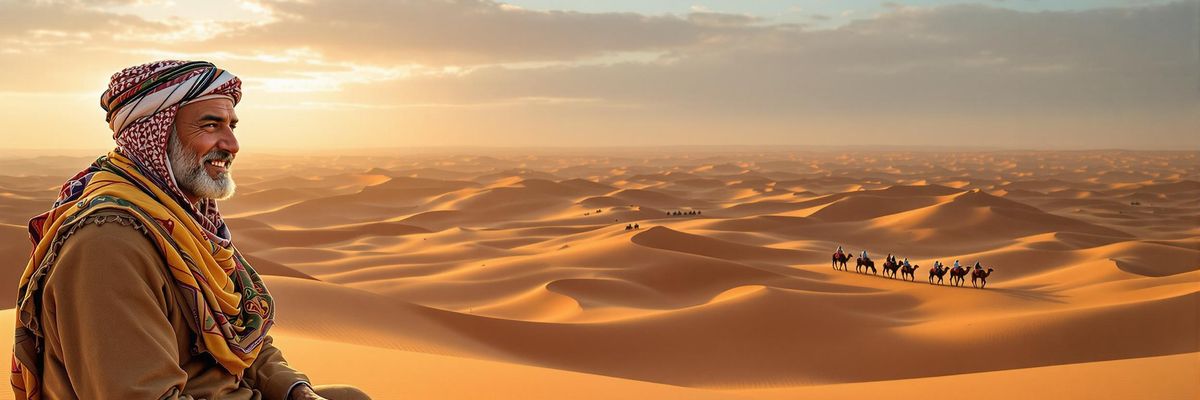
Embrace the cooler temperatures and experience the International Festival of the Sahara in Douz this December.
View More
Celebrate the year-end festivities in Accra, culminating in the vibrant Afrofuture festival.
View More Albania EDITION
 Algeria EDITION
 Argentina EDITION
 Armenia EDITION
 Australia EDITION
 Austria EDITION
 Bangladesh EDITION
 Belgium EDITION
 Belize EDITION
 Benin EDITION
 Bhutan EDITION
 Bolivia EDITION
 Bosnia and Herzegovina EDITION
 Botswana EDITION
 Brazil EDITION
 Bulgaria EDITION
 Burkina Faso EDITION
 Cambodia EDITION
 Cameroon EDITION
 Canada EDITION
 Central African Republic EDITION
 Chad EDITION
 Chile EDITION
 China EDITION
 Colombia EDITION
 Costa Rica EDITION
 Croatia EDITION
 Cyprus EDITION
 Denmark EDITION
 Djibouti EDITION
 Ecuador EDITION
 Egypt EDITION
 El Salvador EDITION
 Eritrea EDITION
 Estonia EDITION
 Ethiopia EDITION
 Finland EDITION
 France EDITION
 Gabon EDITION
 Georgia EDITION
 Germany EDITION
 Ghana EDITION
 Greece EDITION
 Guatemala EDITION
 Guinea EDITION
 Guinea-Bissau EDITION
 Honduras EDITION
 Hungary EDITION
 Iceland EDITION
 India EDITION
 Indonesia EDITION
 Ireland EDITION
 Israel EDITION
 Italy EDITION
 Jamaica EDITION
 Japan EDITION
 Jordan EDITION
 Kenya EDITION
 Kuwait EDITION
 Laos EDITION
 Latvia EDITION
 Lebanon EDITION
 Lesotho EDITION
 Liberia EDITION
 Lithuania EDITION
 Luxembourg EDITION
 Madagascar EDITION
 Malawi EDITION
 Malaysia EDITION
 Maldives EDITION
 Mali EDITION
 Malta EDITION
 Mauritania EDITION
 Mauritius EDITION
 Mexico EDITION
 Mongolia EDITION
 Montenegro EDITION
 Morocco EDITION
 Mozambique EDITION
 Namibia EDITION
 Nepal EDITION
 Netherlands EDITION
 New Zealand EDITION
 Nicaragua EDITION
 Niger EDITION
 Nigeria EDITION
 Norway EDITION
 Oman EDITION
 Pakistan EDITION
 Panama EDITION
 Papua New Guinea EDITION
 Paraguay EDITION
 Peru EDITION
 Philippines EDITION
 Poland EDITION
 Portugal EDITION
 Qatar EDITION
 Romania EDITION
 Rwanda EDITION
 Saudi Arabia EDITION
 Senegal EDITION
 Serbia EDITION
 Singapore EDITION
 Slovakia EDITION
 Slovenia EDITION
 Somalia EDITION
 South Africa EDITION
 South Korea EDITION
 Spain EDITION
 Sri Lanka EDITION
 Suriname EDITION
 Sweden EDITION
 Switzerland EDITION
 Tanzania EDITION
 Thailand EDITION
 Tunisia EDITION
 Uganda EDITION
 United Arab Emirates EDITION
 United Kingdom EDITION
 Uruguay EDITION
 Venezuela EDITION
 Vietnam EDITION
 Zambia EDITION
 Zimbabwe EDITION
Subscribe to our newsletter and get the most captivating travel stories, hidden gems, and expert insights delivered straight to your inbox. As a subscriber, you’ll be first in line for exclusive content, premium offers, and unforgettable travel experiences