


Destination Guide
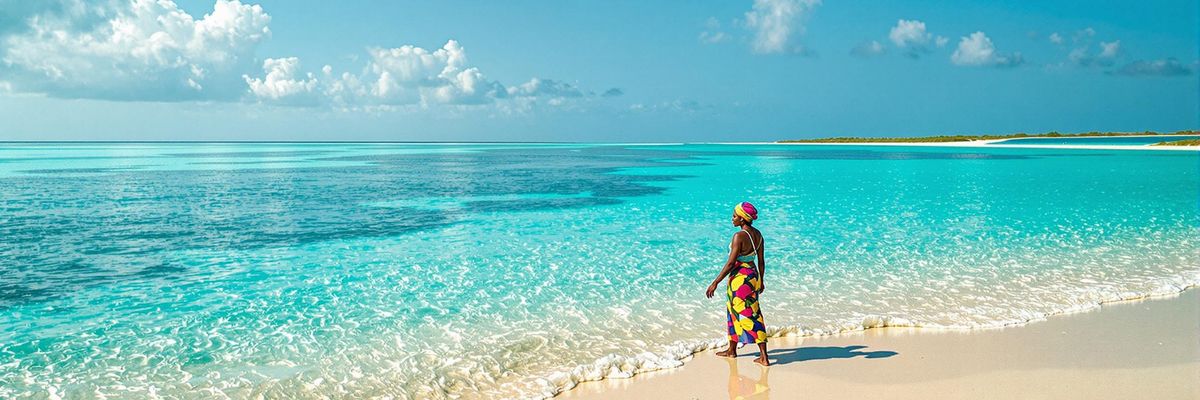
Xai-Xai: A Coastal Retreat
Relax on the beaches and explore the reefs of Xai-Xai.
View More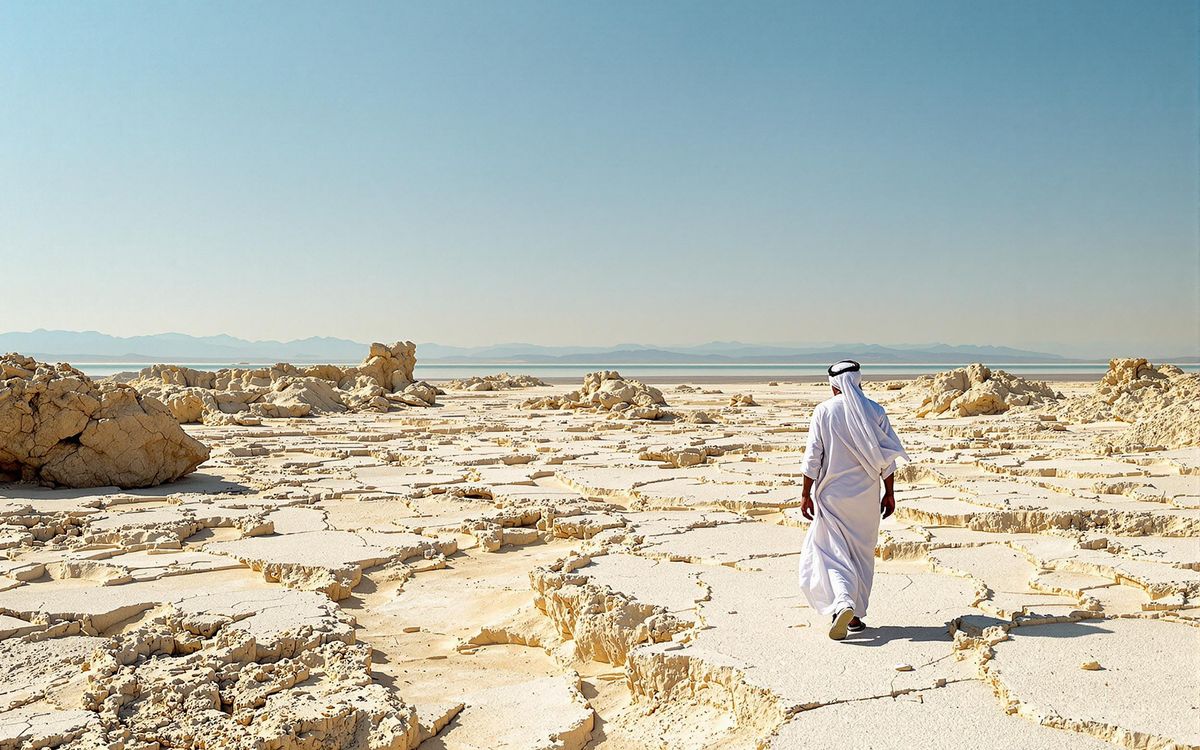

Venture into the Danakil Depression, a geological marvel in northeastern Ethiopia, where the earth boils, salt crystallizes into alien formations, and the nomadic Afar people carve out a life in one of the planet's most extreme environments.
Imagine a place where the thermometer flirts with 40°C (104°F) even in November, considered the 'cool' season, and the landscape shimmers with otherworldly beauty. This is the Danakil Depression, a region that challenges the very notion of what our planet can be. Located in the Afar region of Ethiopia, near the borders of Eritrea and Djibouti, the Danakil is a land of stark contrasts and geological wonders.
The Danakil Depression is part of the Afar Triangle, a geological depression caused by the divergence of three tectonic plates. This separation has created a landscape that is both the hottest and one of the lowest places on Earth, with vast stretches lying more than 100 meters (410 feet) below sea level. The scorching heat and minimal rainfall—often less than 200mm annually—create an environment where only the toughest can survive. Yet, it's this very extremity that gives the Danakil its surreal allure.
Visiting the Danakil Depression is like stepping onto another planet. The air is thick with the scent of sulfur, and the ground is painted in hues of yellow, green, and brown by mineral deposits. Active volcanoes, expansive salt flats, and bubbling hot springs dot the landscape, creating a panorama that is both breathtaking and slightly unsettling. This is a place where the raw power of the Earth is on full display, a testament to the geological forces that have shaped our world.
Despite the harsh conditions, the Danakil is far from lifeless. It is home to the resilient Afar people, who have adapted to this extreme environment over centuries, and even some extremophile life forms that thrive in the superheated, saline, and acidic conditions. A journey here is not just a visual feast but also a cultural immersion, offering a glimpse into a way of life that is both ancient and deeply connected to the land.
The best time to visit the Danakil Depression is between November and February when temperatures are relatively milder, averaging around 35°C (95°F). Even during these months, the heat is intense, so it's crucial to be prepared with appropriate clothing, sun protection, and plenty of water.
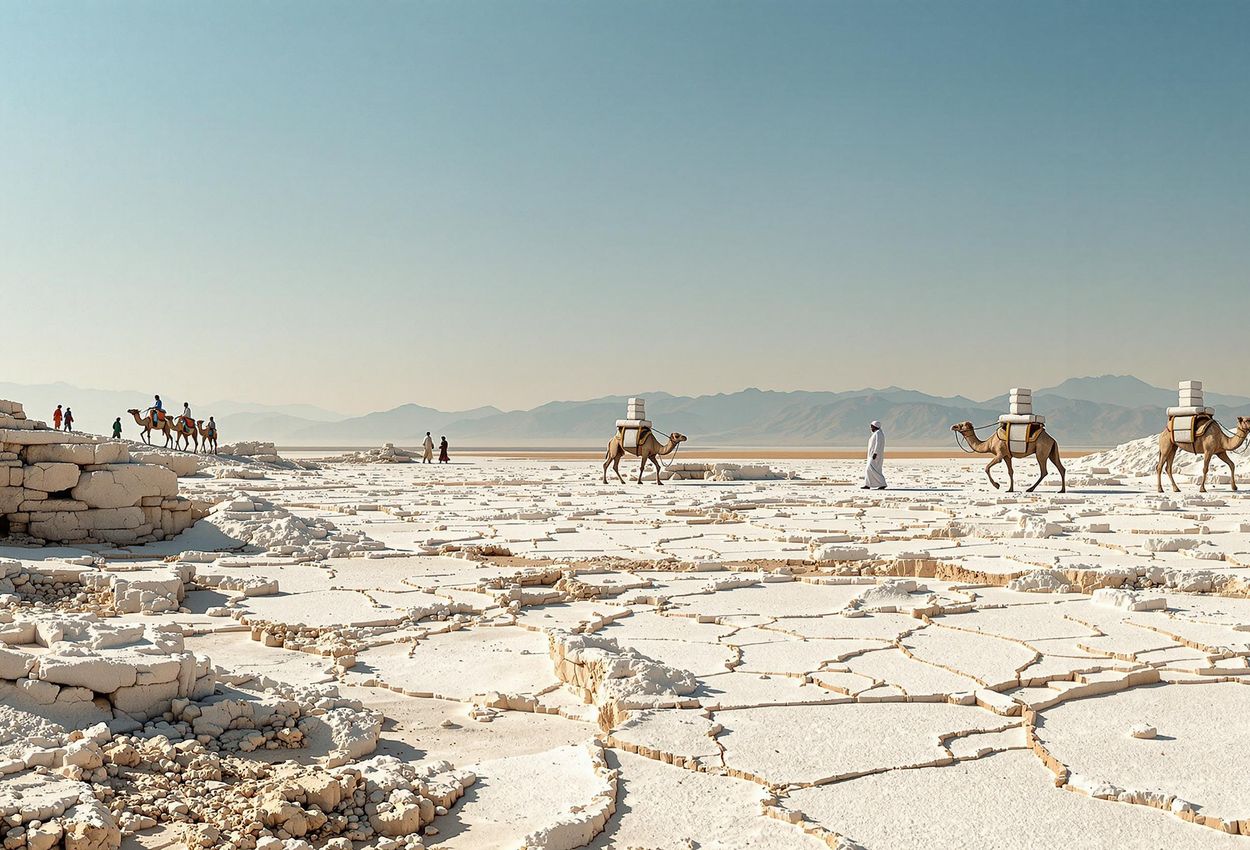
Ideal image: A panoramic shot capturing the vastness of the Danakil Depression. The foreground features the cracked earth and salt formations, while the background showcases the distant mountains under a hazy sky. The lighting is harsh, emphasizing the desolation and heat of the environment. Style Instructions: Landscape. The photo should be taken with a wide-angle lens to capture the scale of the landscape. The shot should be taken during midday to highlight the extreme heat and barrenness. The date the photo is taken is November 25, 2025.
Dallol, a remote and surreal landscape within the Danakil Depression, is a testament to the Earth's artistic prowess, painting the desert with vibrant colors and bizarre formations.
Dallol is a hydrothermal area that resembles an alien landscape. Here, the earth is not just hot; it's alive with geothermal activity, creating a kaleidoscope of colors that seem impossible in such a barren environment. The air is thick with the pungent smell of sulfur, a constant reminder of the volcanic forces at play beneath the surface.
The geological processes behind Dallol's unique appearance are complex and fascinating. Hot springs and fumaroles deposit minerals such as sulfur, iron oxide, and salt, creating a tapestry of neon yellows, vibrant greens, and rusty browns. These deposits form bizarre shapes and structures, from delicate salt crystals to bubbling pools of acidic water.
One of the most striking features of Dallol is its salt formations. Over time, the mineral-rich waters have evaporated, leaving behind intricate patterns of salt that stretch across the landscape. These formations range from razor-sharp ridges to smooth, undulating plains, creating a surreal and disorienting effect. The ground crunches underfoot as you walk, a constant reminder of the delicate and fragile nature of this environment.
Dallol is also home to extremophiles, microorganisms that thrive in extreme conditions. These tiny life forms are a testament to the adaptability of nature, finding a way to survive in a place that seems utterly inhospitable. Their presence adds another layer of wonder to this already remarkable landscape.
Adding to the area's intrigue, the Afar people continue to mine salt in the region, a practice that has been ongoing for centuries. Witnessing their work provides a glimpse into a traditional way of life that persists despite the harsh conditions.
A word of caution: the ground in Dallol can be unstable, and some of the pools are highly acidic and scalding hot. As the locals say, 'Number 1 rule at Dallol - don't fall in!'.
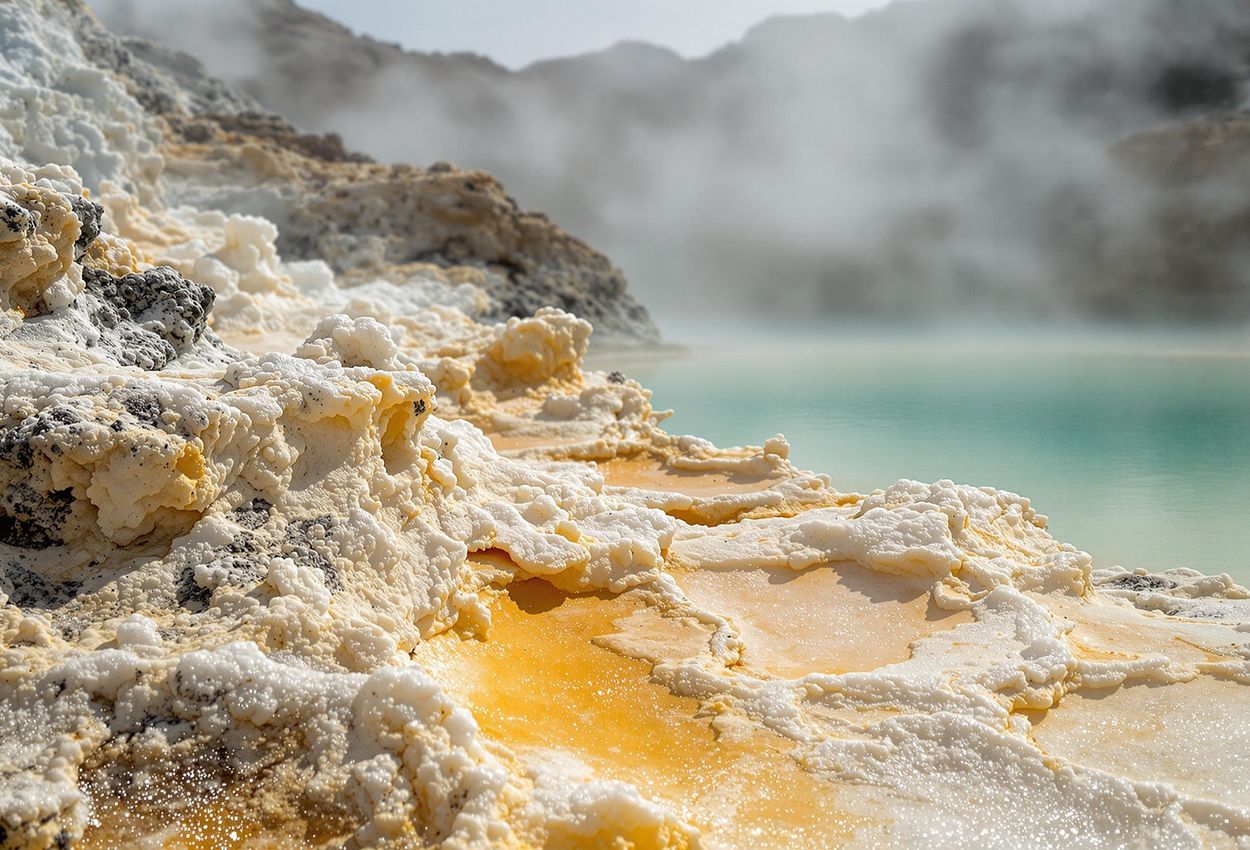
Ideal image: A close-up shot of the Dallol hot springs, capturing the vibrant colors and intricate salt formations. The focus is on the textures and patterns created by the mineral deposits, with steam rising from the hot springs. Style Instructions: Macro. The photo should be taken with a macro lens to capture the details of the salt formations and mineral deposits. The lighting should be soft and diffused to highlight the colors and textures. The date the photo is taken is November 25, 2025.
Erta Ale, Ethiopia's most active volcano, offers a glimpse into the Earth's molten heart, an experience that is both awe-inspiring and humbling.
Erta Ale, meaning 'Smoking Mountain' in the Afar language, is a shield volcano that stands as a testament to the Earth's inner fire. It is one of the few volcanoes in the world with a persistent lava lake, a molten body of rock that bubbles and churns within the crater.
The trek to Erta Ale is an adventure in itself. It typically involves a nighttime hike across a rugged lava field, under a canopy of stars. The anticipation builds with each step as you approach the volcano, the air growing warmer and the smell of sulfur becoming more intense.
Reaching the crater rim is an unforgettable experience. The sight of the lava lake is mesmerizing, a swirling mass of molten rock that glows with an otherworldly light. The heat is intense, and the volcanic gases can be overwhelming, requiring a dust mask or scarf to protect your lungs.
Standing at the edge of the crater, you can feel the raw power of the Earth. The lava lake is constantly changing, with bursts of activity and fountains of molten rock. The experience is both exhilarating and humbling, a reminder of the forces that shape our planet.
Erta Ale is not just a visual spectacle; it's also a site of geological significance. Scientists study the volcano to gain insights into the Earth's inner workings, using it as a window into the processes that drive plate tectonics and volcanic activity.

Ideal image: A nighttime shot of the Erta Ale volcano, capturing the glowing lava lake within the crater. The exposure is long, creating a sense of motion and highlighting the heat and intensity of the lava. Silhouetted figures of tourists can be seen on the crater rim, emphasizing the scale of the volcano. Style Instructions: Dramatic. The photo should be taken with a long exposure to capture the movement of the lava and the glow of the volcano. The shot should be taken at night to highlight the contrast between the dark sky and the bright lava. The date the photo is taken is November 25, 2025.
Lake Afrera, a hyper-saline lake in the heart of the Danakil, offers a unique opportunity to float effortlessly in its mineral-rich waters, surrounded by a landscape of salt flats and volcanic horizons.
Lake Afrera, also known as Lake Giulietti, is a hyper-saline lake located in the Danakil Depression. Situated over 100 meters below sea level, it is one of the lowest points on Earth. The lake's high salt content makes it easy to float, providing a welcome respite from the harsh desert environment.
The surrounding landscape is stark and beautiful, with vast salt flats stretching to the horizon. Dormant volcanoes rise in the distance, adding to the surreal and otherworldly atmosphere. The lake's waters are rich in minerals, giving them a unique color and texture.
Lake Afrera is also a major source of salt for the Afar people. They extract salt from the lake using traditional methods, creating rectangular basins on the shores where the water evaporates, leaving behind valuable salt crystals. Witnessing this process provides a glimpse into the Afar's resourcefulness and their deep connection to the land.
As the sun sets over Lake Afrera, the sky is painted in vibrant hues of orange, pink, and purple. The reflections on the lake's surface create a mesmerizing effect, making it a perfect spot to end a day of exploration in the Danakil Depression.
A unique feature of Lake Afrera is the presence of freshwater hot springs along its shores. These springs offer a natural jacuzzi experience, allowing you to wash off the salt after a swim in the lake.
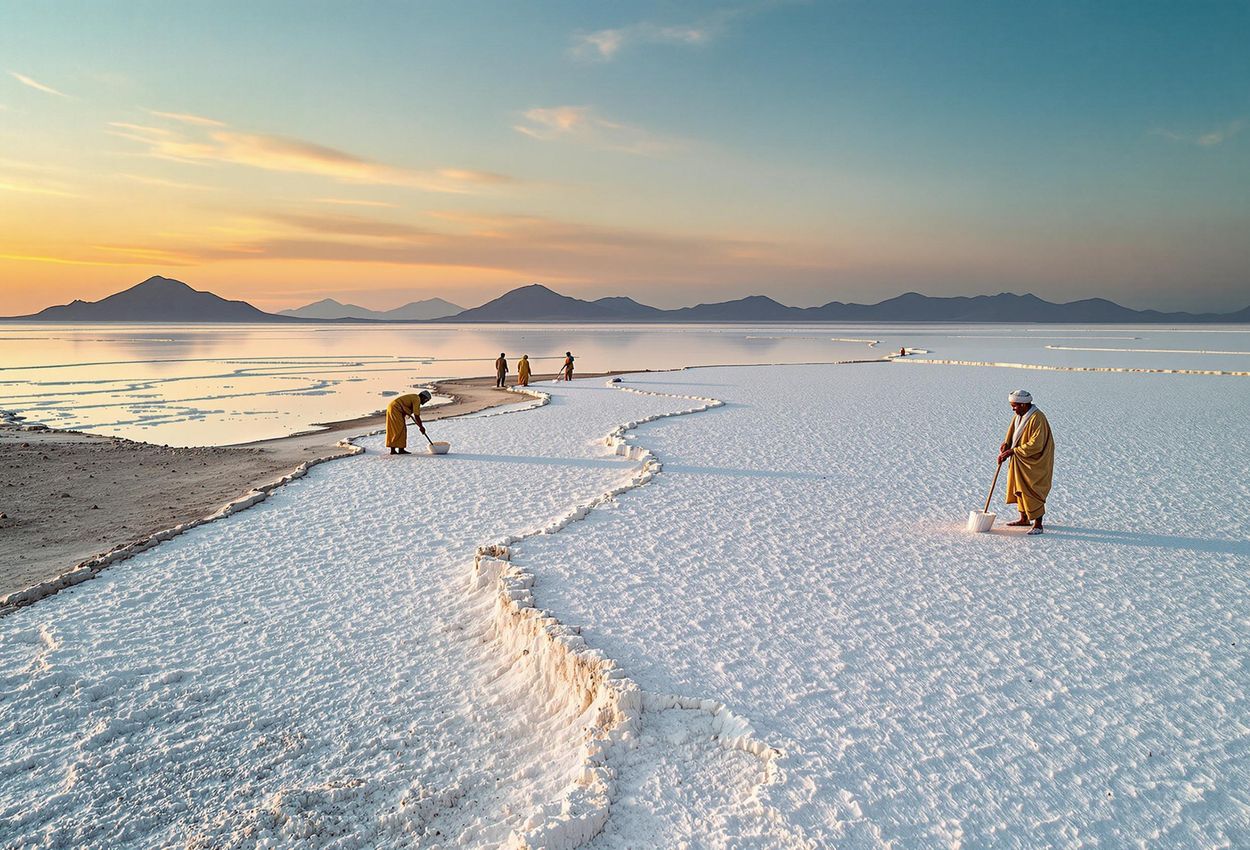
Ideal image: A wide shot of Lake Afrera at sunset, capturing the vibrant colors of the sky reflecting on the lake's surface. The foreground features the salt flats and the Afar people extracting salt, while the background showcases the distant volcanoes. Style Instructions: Serene. The photo should be taken with a wide-angle lens to capture the vastness of the landscape and the colors of the sunset. The shot should be taken during the golden hour to highlight the warm tones and create a sense of tranquility. The date the photo is taken is November 25, 2025.
The Afar people, resilient nomads of the Danakil, embody a unique culture shaped by the desert's harshness and a deep connection to their ancestral lands.
The Afar people are an ethnic group inhabiting the Horn of Africa, primarily in the Afar Region of Ethiopia, as well as parts of Eritrea and Djibouti. They are known for their resilience and adaptability to the harsh environment of the Danakil Depression.
Traditionally, the Afar are nomadic pastoralists, raising livestock such as goats, sheep, cattle, and camels. Their lives revolve around the seasonal availability of water and grazing land, requiring them to move frequently in search of resources.
Salt mining is another important economic activity for the Afar people. They extract salt from the salt flats and lakes of the Danakil, transporting it by camel caravan to markets in the highlands. This ancient practice is a testament to their resourcefulness and their deep understanding of the land.
Afar society is organized into clan families, with elders playing a key role in decision-making. They have a rich oral tradition, passing down stories, songs, and customs through generations. Men traditionally carry a 'jile,' a curved knife that serves as both a tool and a symbol of their identity.
The Afar people are predominantly Muslim, with a blend of Islamic concepts and pre-Islamic traditions. Their unique customs, such as traditional hairstyles and clothing, reflect their cultural heritage and their adaptation to the desert environment.
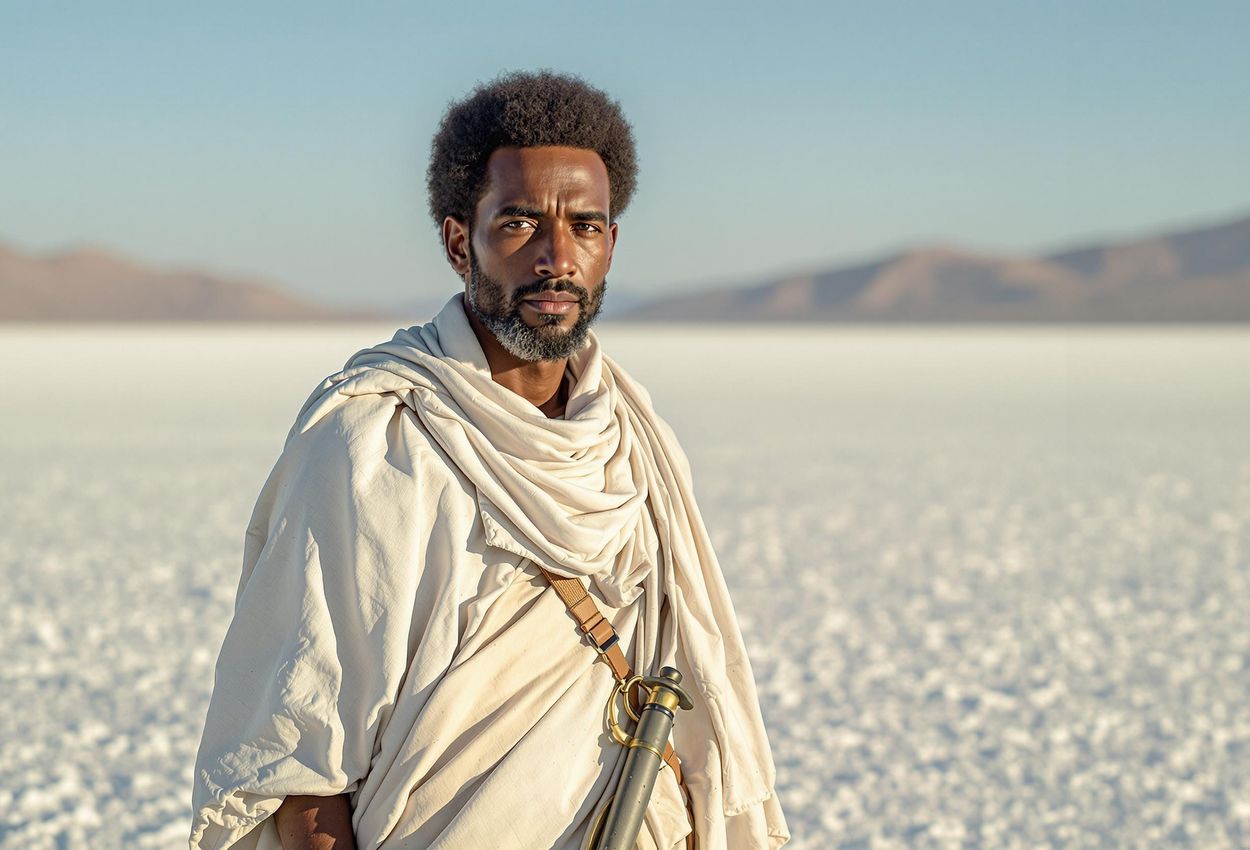
Ideal image: A portrait of an Afar man, showcasing his traditional attire and the 'jile' (curved knife). The background features the salt flats or a desert landscape, emphasizing his connection to the land. Style Instructions: Portrait. The photo should be taken with a shallow depth of field to focus on the man's face and attire. The lighting should be natural and warm, highlighting the textures of his clothing and the details of his features. The date the photo is taken is November 25, 2025.
Navigating the Danakil Depression requires careful planning and the expertise of reputable tour operators to ensure a safe and enriching journey through this extraordinary landscape.
Due to the remote location, extreme heat, and potential safety concerns, it is essential to travel with a reputable tour operator when visiting the Danakil Depression. These operators have experience navigating the area and can provide the necessary support and guidance.
Armed escorts are often required for tours in the Danakil, providing an added layer of security. Experienced guides can also offer valuable insights into the local culture and the geological features of the region.
When packing for a trip to the Danakil, it is important to bring light clothing, sunscreen, a hat, and a dust mask. Staying hydrated is crucial, so be sure to carry plenty of water. Respecting local customs is also essential, so dress modestly and be mindful of local sensitivities.
November is an ideal time to visit the Danakil, as the temperatures are relatively cooler. However, it is still important to be prepared for extreme heat and to take necessary precautions.
The Danakil Depression is a truly unique and unforgettable destination. With careful planning and the guidance of experienced professionals, you can safely explore this otherworldly landscape and experience the beauty and wonder of one of Earth's most extreme environments.
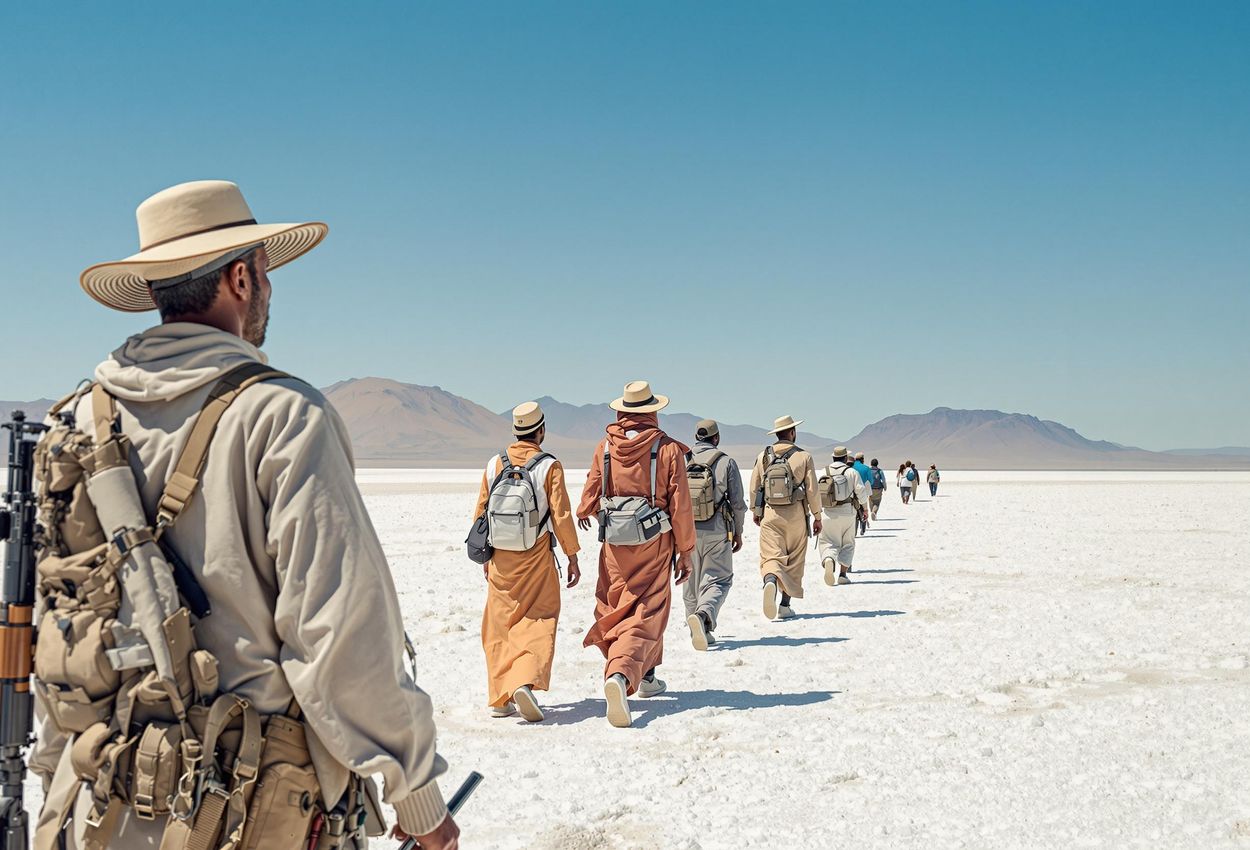
Ideal image: An action shot of a tour group trekking across the Danakil Depression, with armed escorts in the background. The foreground features the tourists with hats and light clothing, while the background showcases the vast and desolate landscape. Style Instructions: Action. The photo should be taken with a telephoto lens to capture the group's movement and the scale of the landscape. The shot should be taken during the day to highlight the heat and the challenging conditions. The date the photo is taken is November 25, 2025.
Our editors` picks of the latest and greatest in travel - delivered to your inbox daily
Relax on the beaches and explore the reefs of Xai-Xai.
View More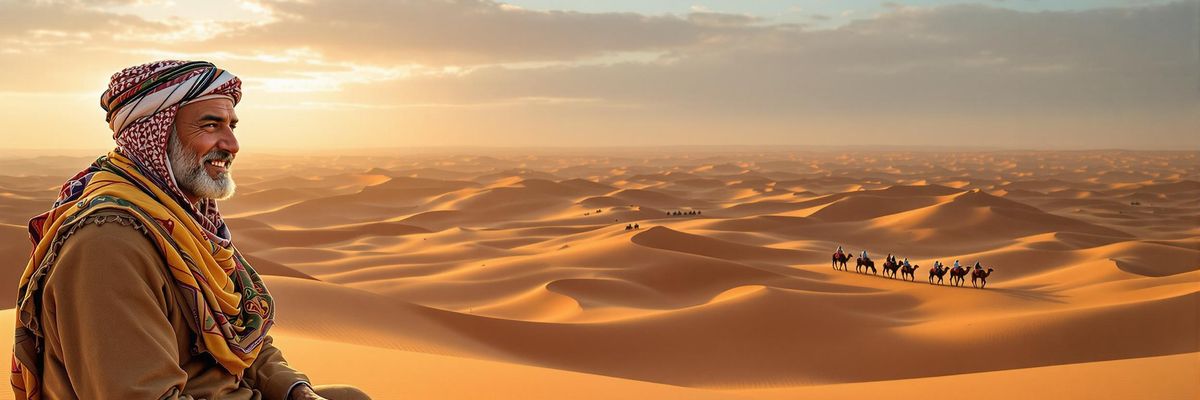
Embrace the cooler temperatures and experience the International Festival of the Sahara in Douz this December.
View More
Celebrate the year-end festivities in Accra, culminating in the vibrant Afrofuture festival.
View More Albania EDITION
 Algeria EDITION
 Argentina EDITION
 Armenia EDITION
 Australia EDITION
 Austria EDITION
 Bangladesh EDITION
 Belgium EDITION
 Belize EDITION
 Benin EDITION
 Bhutan EDITION
 Bolivia EDITION
 Bosnia and Herzegovina EDITION
 Botswana EDITION
 Brazil EDITION
 Bulgaria EDITION
 Burkina Faso EDITION
 Cambodia EDITION
 Cameroon EDITION
 Canada EDITION
 Central African Republic EDITION
 Chad EDITION
 Chile EDITION
 China EDITION
 Colombia EDITION
 Costa Rica EDITION
 Croatia EDITION
 Cyprus EDITION
 Denmark EDITION
 Djibouti EDITION
 Ecuador EDITION
 Egypt EDITION
 El Salvador EDITION
 Eritrea EDITION
 Estonia EDITION
 Ethiopia EDITION
 Finland EDITION
 France EDITION
 Gabon EDITION
 Georgia EDITION
 Germany EDITION
 Ghana EDITION
 Greece EDITION
 Guatemala EDITION
 Guinea EDITION
 Guinea-Bissau EDITION
 Honduras EDITION
 Hungary EDITION
 Iceland EDITION
 India EDITION
 Indonesia EDITION
 Ireland EDITION
 Israel EDITION
 Italy EDITION
 Jamaica EDITION
 Japan EDITION
 Jordan EDITION
 Kenya EDITION
 Kuwait EDITION
 Laos EDITION
 Latvia EDITION
 Lebanon EDITION
 Lesotho EDITION
 Liberia EDITION
 Lithuania EDITION
 Luxembourg EDITION
 Madagascar EDITION
 Malawi EDITION
 Malaysia EDITION
 Maldives EDITION
 Mali EDITION
 Malta EDITION
 Mauritania EDITION
 Mauritius EDITION
 Mexico EDITION
 Mongolia EDITION
 Montenegro EDITION
 Morocco EDITION
 Mozambique EDITION
 Namibia EDITION
 Nepal EDITION
 Netherlands EDITION
 New Zealand EDITION
 Nicaragua EDITION
 Niger EDITION
 Nigeria EDITION
 Norway EDITION
 Oman EDITION
 Pakistan EDITION
 Panama EDITION
 Papua New Guinea EDITION
 Paraguay EDITION
 Peru EDITION
 Philippines EDITION
 Poland EDITION
 Portugal EDITION
 Qatar EDITION
 Romania EDITION
 Rwanda EDITION
 Saudi Arabia EDITION
 Senegal EDITION
 Serbia EDITION
 Singapore EDITION
 Slovakia EDITION
 Slovenia EDITION
 Somalia EDITION
 South Africa EDITION
 South Korea EDITION
 Spain EDITION
 Sri Lanka EDITION
 Suriname EDITION
 Sweden EDITION
 Switzerland EDITION
 Tanzania EDITION
 Thailand EDITION
 Tunisia EDITION
 Uganda EDITION
 United Arab Emirates EDITION
 United Kingdom EDITION
 Uruguay EDITION
 Venezuela EDITION
 Vietnam EDITION
 Zambia EDITION
 Zimbabwe EDITION
Subscribe to our newsletter and get the most captivating travel stories, hidden gems, and expert insights delivered straight to your inbox. As a subscriber, you’ll be first in line for exclusive content, premium offers, and unforgettable travel experiences