


Destination Guide
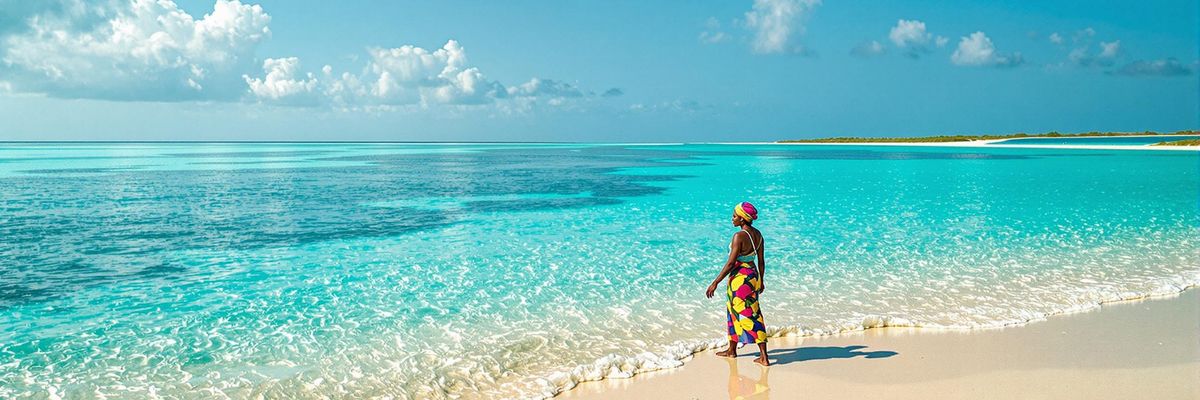
Xai-Xai: A Coastal Retreat
Relax on the beaches and explore the reefs of Xai-Xai.
View More

Escape the ordinary and ascend into the breathtaking landscapes of Zimbabwe's Eastern Highlands this July, where a refreshing climate, stunning vistas, and a tapestry of outdoor adventures await.
Far from the typical African safari, the Eastern Highlands offer a unique and invigorating escape for nature enthusiasts and adventure seekers alike. Picture yourself hiking through mist-shrouded mountains, casting a line in crystal-clear trout streams, or simply soaking in the panoramic views from a scenic golf course. This is Zimbabwe's best kept secret, a haven of tranquility and natural beauty that promises an unforgettable experience.
The Eastern Highlands, stretching approximately 300 kilometers along the border with Mozambique, encompass three main mountain ranges: Nyanga, Bvumba, and Chimanimani. Each range boasts its own distinct character and attractions, offering a diverse range of experiences for every traveler. From the rugged peaks of Chimanimani to the lush forests of Bvumba and the rolling hills of Nyanga, the Eastern Highlands present a refreshing contrast to the dry savanna found in other parts of Zimbabwe.
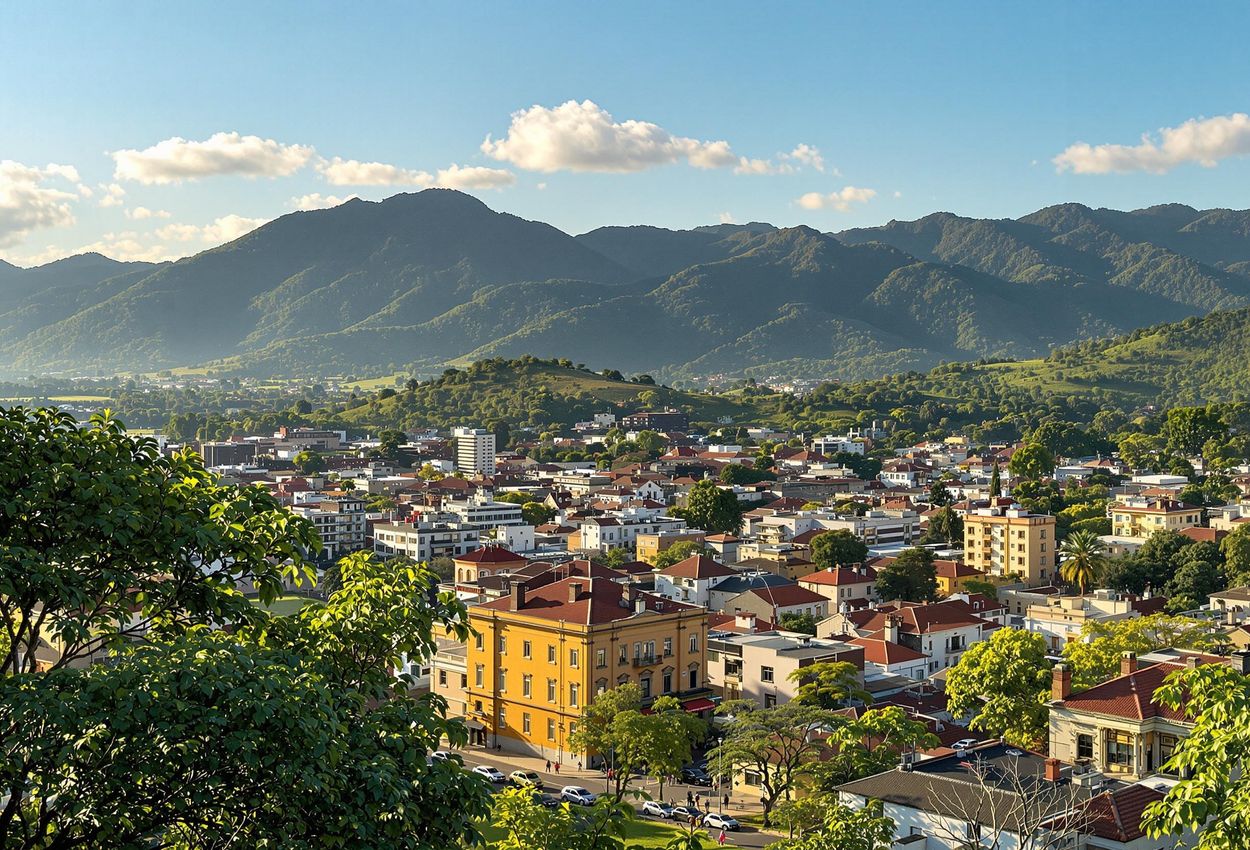
Your gateway to the Eastern Highlands is Mutare, a city nestled amidst the scenic mountains. In July, the city enjoys a refreshingly cool climate, a welcome respite from the warmer temperatures of the lowveld. As you arrive, the crisp mountain air invigorates your senses, preparing you for the adventures that lie ahead.
Before embarking on your highland exploration, take a moment to soak in the local atmosphere of Mutare. A visit to a local cafe, such as Cafe Vumba, offers the perfect opportunity to savor a warm beverage and plan your itinerary. Imagine yourself sipping a steaming cup of coffee, surrounded by the buzz of local chatter, as you pore over maps and brochures, anticipation building for the days to come.
As you sit there, consider the rich history of this region, from the ancient cultures that once thrived here to the colonial influences that shaped its development. The Eastern Highlands are not just a place of natural beauty; they are a living testament to the passage of time, a place where history and nature intertwine.
From Mutare, the possibilities are endless. Will you head north to conquer Mount Nyangani, Zimbabwe's highest peak? Or will you venture south to explore the rugged wilderness of the Chimanimani Mountains? Perhaps you'll choose to immerse yourself in the misty forests of Bvumba, a haven for birdwatchers and nature lovers. The choice is yours, and the adventure awaits.
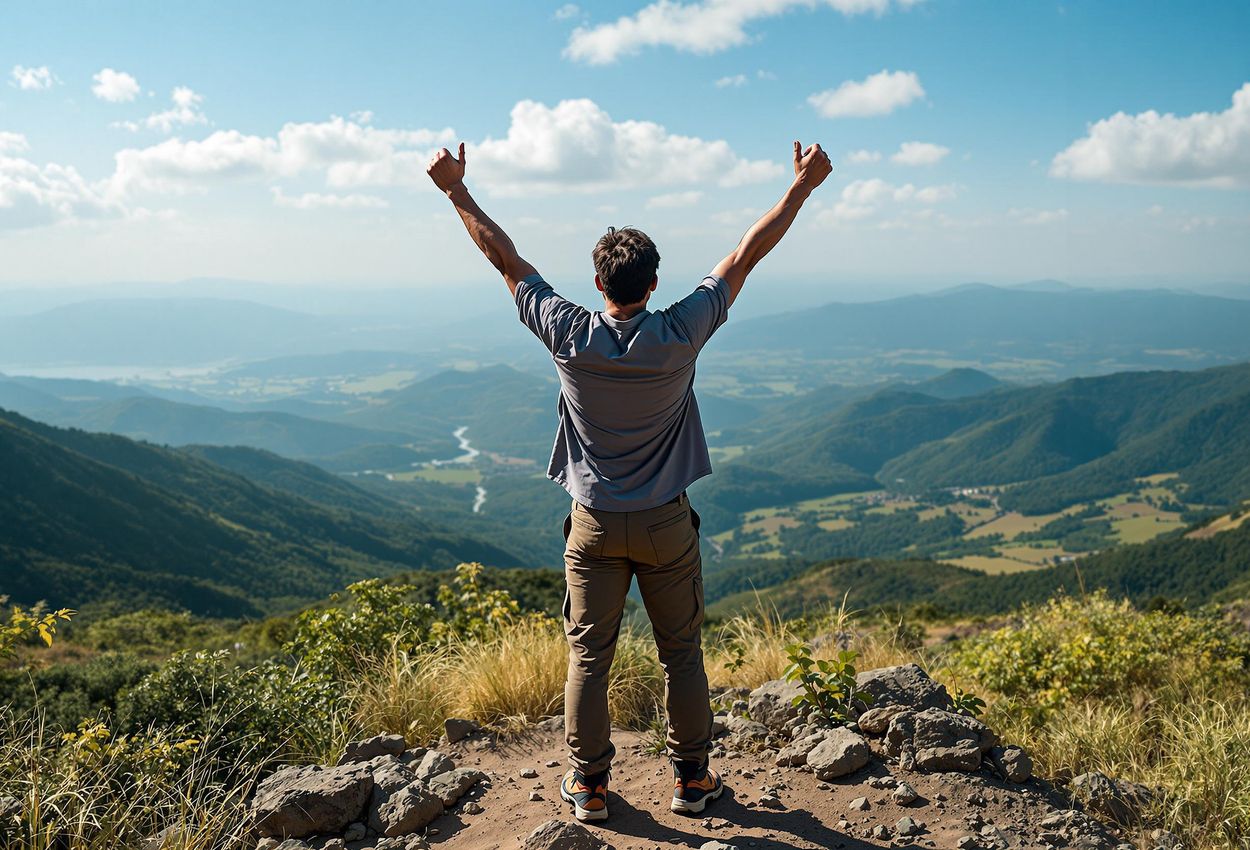
Nyanga National Park, located in the northern part of the Eastern Highlands, is a must-visit destination for any outdoor enthusiast. The park is home to Mount Nyangani, Zimbabwe's highest peak, beckoning hikers with its challenging trails and panoramic views.
The ascent to the summit is a rewarding experience, offering breathtaking vistas of the surrounding landscape. As you climb, the air becomes crisper, and the vegetation changes, from lush forests to heathland. The final stretch to the summit involves navigating a rocky outcrop, a final test of your endurance before you reach the top.
Standing at 2,592 meters above sea level, you'll be rewarded with unparalleled views that stretch as far as Mozambique on a clear day. The vast expanse of the Eastern Highlands unfolds before you, a tapestry of rolling hills, valleys, and forests. Take a moment to soak in the scenery, to feel the sense of accomplishment, and to appreciate the sheer beauty of nature.
As you descend, keep an eye out for the unique flora that thrives in this high-altitude environment. The Callitris whytei, an indigenous conifer, is a particularly noteworthy species, adding to the area's biodiversity.
Local Tip: Be prepared for unpredictable weather on Mount Nyangani. The mountain is notorious for its sudden changes in conditions, with thick fog rolling in quickly, so it is important to start your hike early and to be prepared for mist.
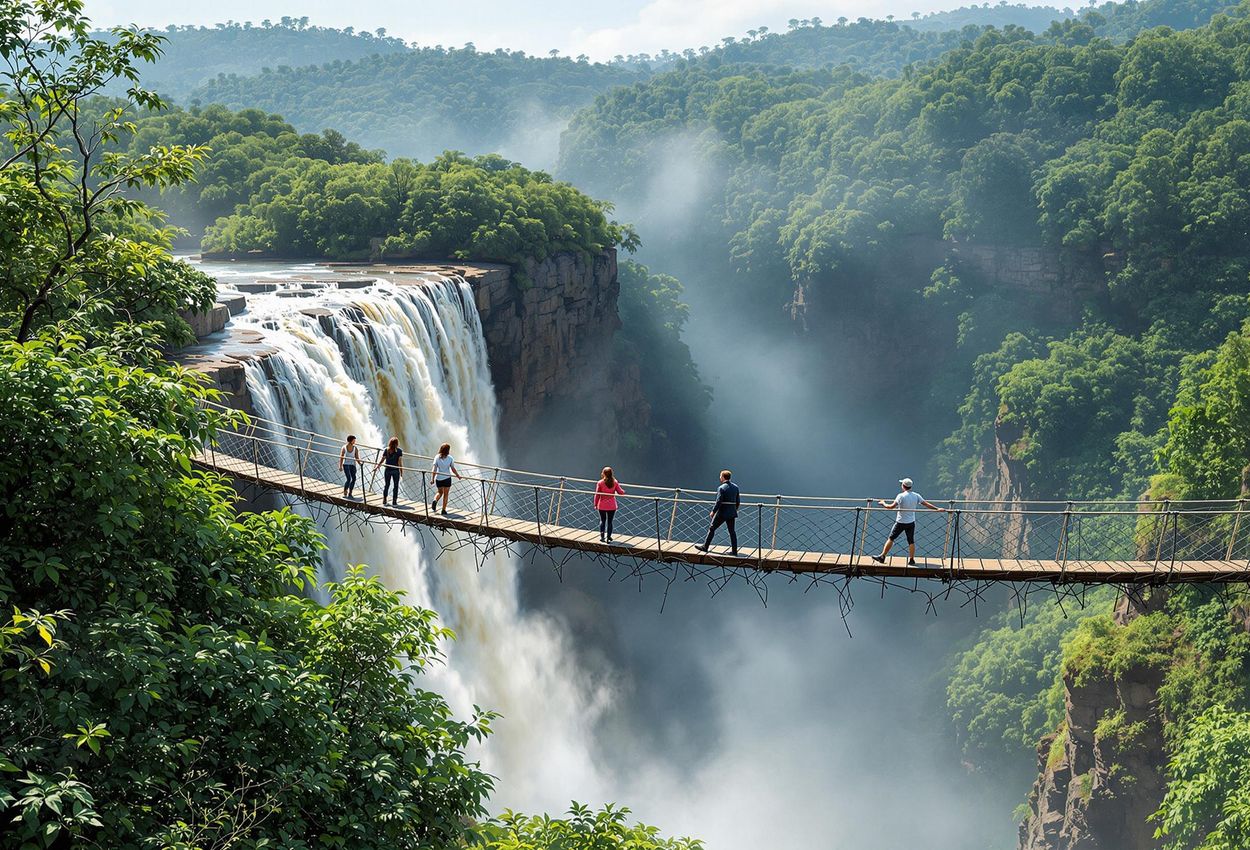
Another jewel within Nyanga National Park is Mutarazi Falls, Zimbabwe's highest waterfall and the second highest in Africa. This majestic cascade plunges down the escarpment in two tiers, creating a spectacle of raw power and natural beauty.
For the adventurous, the Mutarazi Skywalk and Zip Line offer a thrilling way to experience the falls. The Skywalk, a suspension bridge suspended high above the Honde Valley, provides breathtaking panoramic views. Walking across the bridge is an adrenaline-pumping experience, as you feel the mist rising from the falls and gaze down at the valley below.
The Zip Line offers an even more exhilarating perspective, allowing you to soar through the air like a bird, with the falls as your backdrop. This is an experience that will leave you breathless, a memory that will last a lifetime.
Note: While Mutarazi Falls are impressive year-round, they are at their most spectacular between February and April, during the peak of the rainy season.
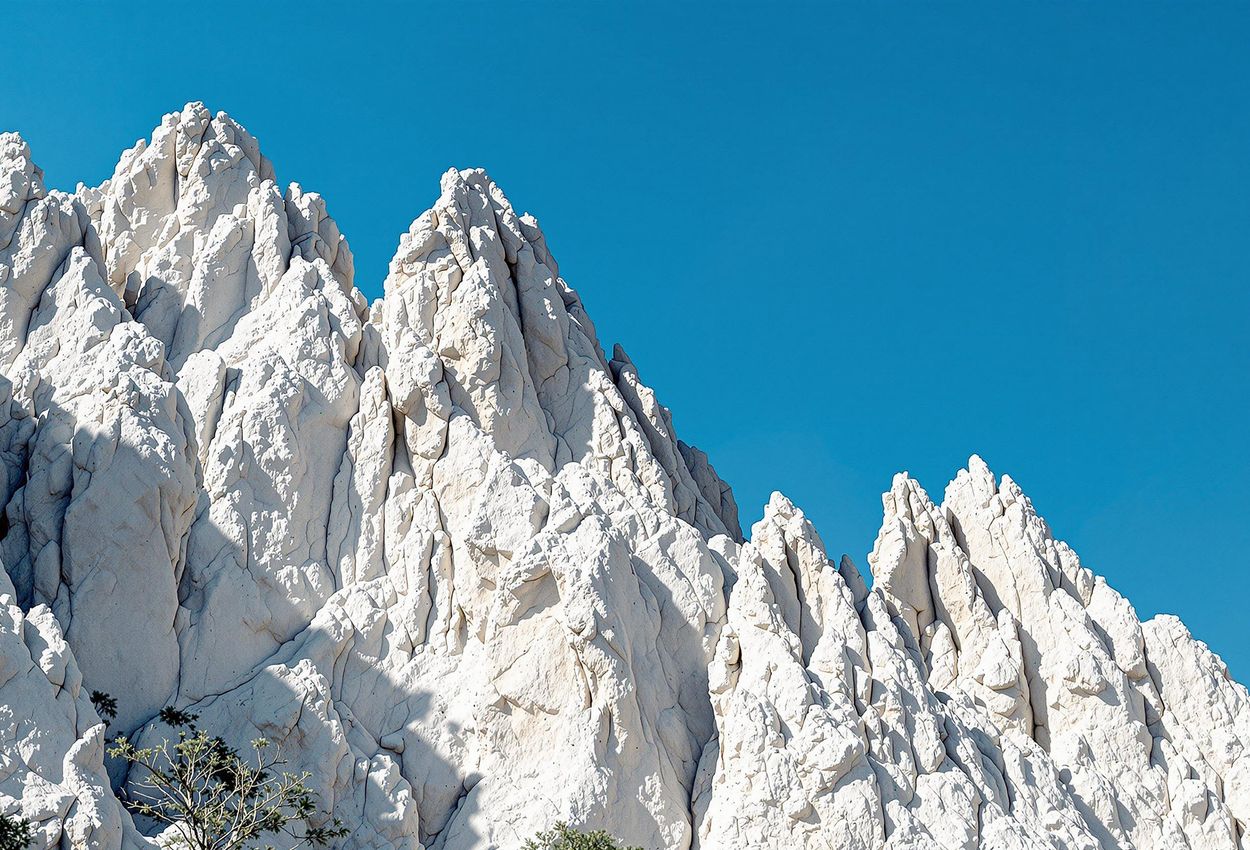
For those seeking a more remote and rugged hiking experience, the Chimanimani Mountains offer an unparalleled adventure. Located in the southern part of the Eastern Highlands, these mountains are characterized by their challenging trails, unique quartzite peaks, and pristine wilderness.
The two main routes to the Mountain Hut, Banana Grove and Bailey's Folly, offer varying levels of difficulty, catering to both novice and experienced hikers. Along the way, you'll have the opportunity to explore caves, rock overhangs, and bizarrely eroded rock formations, testaments to the power of nature.
Mount Binga, the highest peak in Mozambique, is accessible from Chimanimani, offering a challenging but rewarding climb for those seeking to conquer new heights. Standing atop Mount Binga, you'll be rewarded with breathtaking views of both Zimbabwe and Mozambique, a truly unforgettable experience.
Local Tip: Be prepared for self-sufficient hiking in the Chimanimani Mountains. There are no established campsites, so you'll need to carry all your gear, including food, water, and shelter.
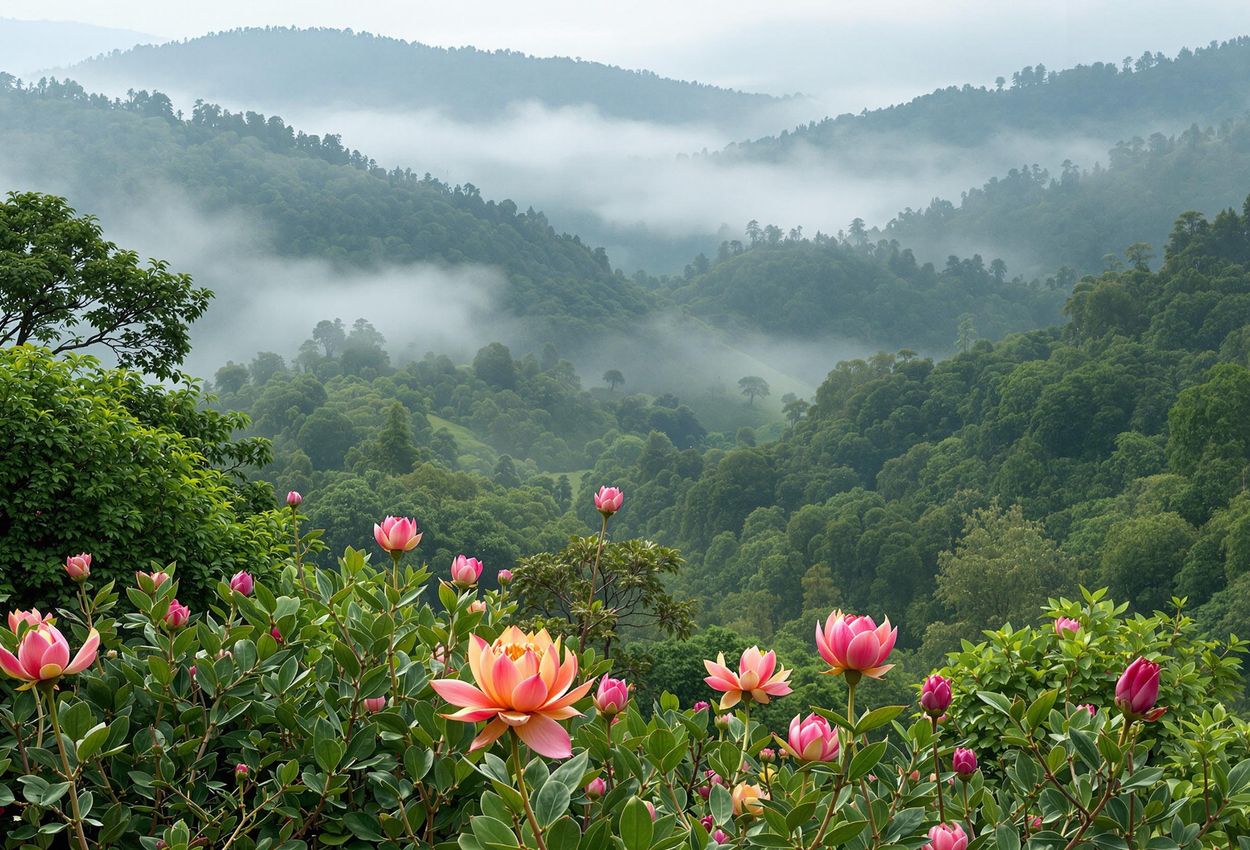
In contrast to the rugged Chimanimani Mountains, the Bvumba Mountains offer a more lush and gentle landscape. Known for their misty atmosphere, verdant forests, and exceptional birdwatching opportunities, the Bvumba Mountains are a haven for nature lovers and bird enthusiasts.
The Bvumba Botanical Gardens are a must-visit destination, showcasing a stunning collection of flora from around the world. Stroll through the gardens, admiring the vibrant colors and fragrant scents, as you listen to the melodic calls of the diverse birdlife.
Keep an eye out for the Swynnerton's Robin, an endemic species that calls the Bvumba Mountains home. This charming bird, with its distinctive white crescent on its upper breast, is a prized sighting for any birdwatcher.
After exploring the gardens, treat yourself to a cup of coffee and a slice of cake at Tony's Coffee Shop, a local institution known for its delicious treats and friendly atmosphere. Savor the flavors as you soak in the panoramic views of the surrounding mountains, a perfect end to a day in the Bvumba Mountains.
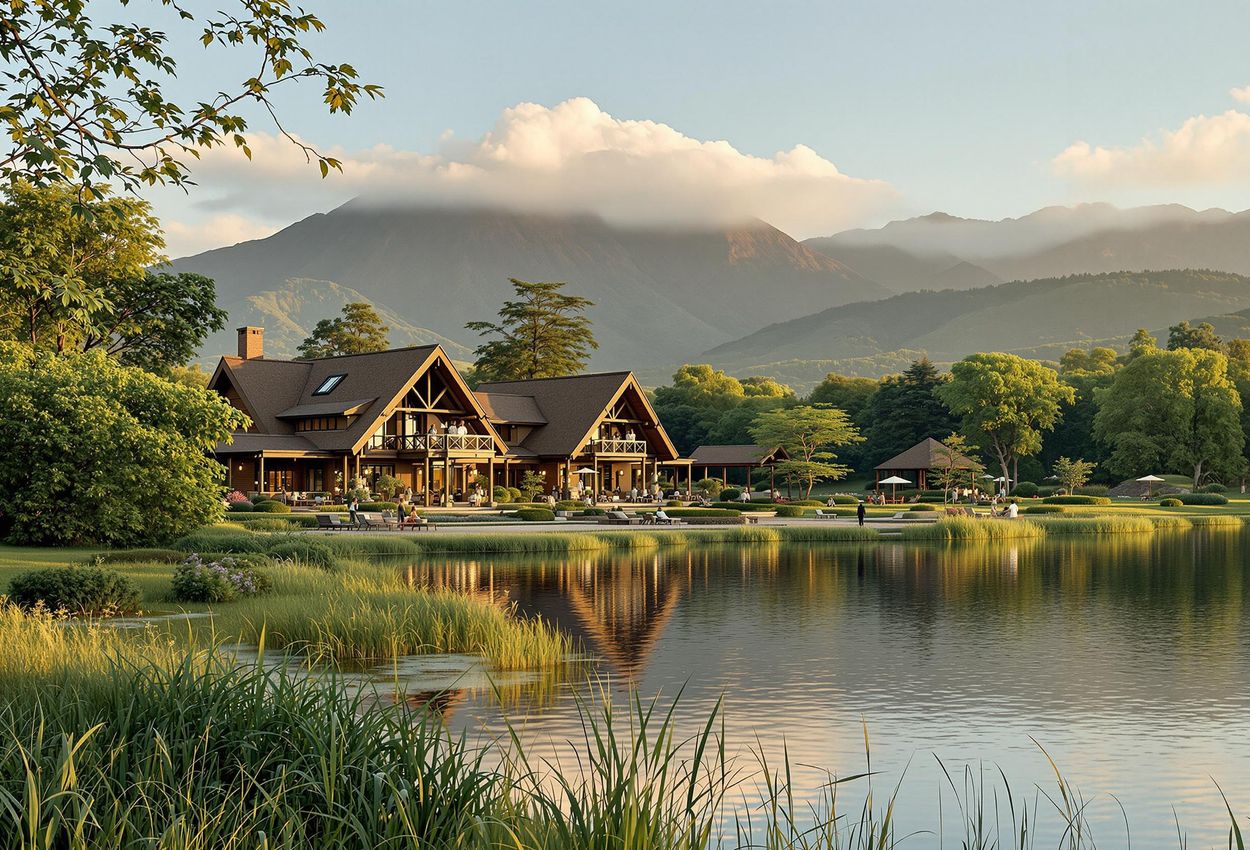
Troutbeck, with its iconic hotel and tranquil lake, offers a serene escape in the heart of the Eastern Highlands. The cool climate and stunning scenery make it an ideal destination for relaxation and outdoor activities.
The lake provides opportunities for trout fishing and other water activities, such as canoeing and boating. Cast a line and try your luck at catching a rainbow trout, a prized delicacy in the region.
The Troutbeck Hotel, steeped in history and charm, offers a comfortable and luxurious base for exploring the area. Built in 1948 by Major Herbert McIlwaine, the hotel has been a landmark in the Eastern Highlands for over seven decades. Relax by the fireplace in the foyer, which has been burning since 1951, and soak in the atmosphere of this iconic establishment.

For golf enthusiasts, the Eastern Highlands offer a unique opportunity to tee off amidst stunning mountain scenery. Several golf courses are located in the region, including the one at Leopard Rock Hotel, providing a challenging and rewarding experience for players of all levels.
Imagine yourself playing a round of golf, surrounded by lush green fairways and towering mountain peaks. The crisp mountain air invigorates your senses, and the panoramic views provide a breathtaking backdrop to your game.
Keep an eye out for wildlife as you play, as the silvery-cheeked hornbills are often spotted in the trees surrounding the course. Golfing in the Eastern Highlands is an experience that combines sport, nature, and stunning scenery, creating a truly unforgettable memory.
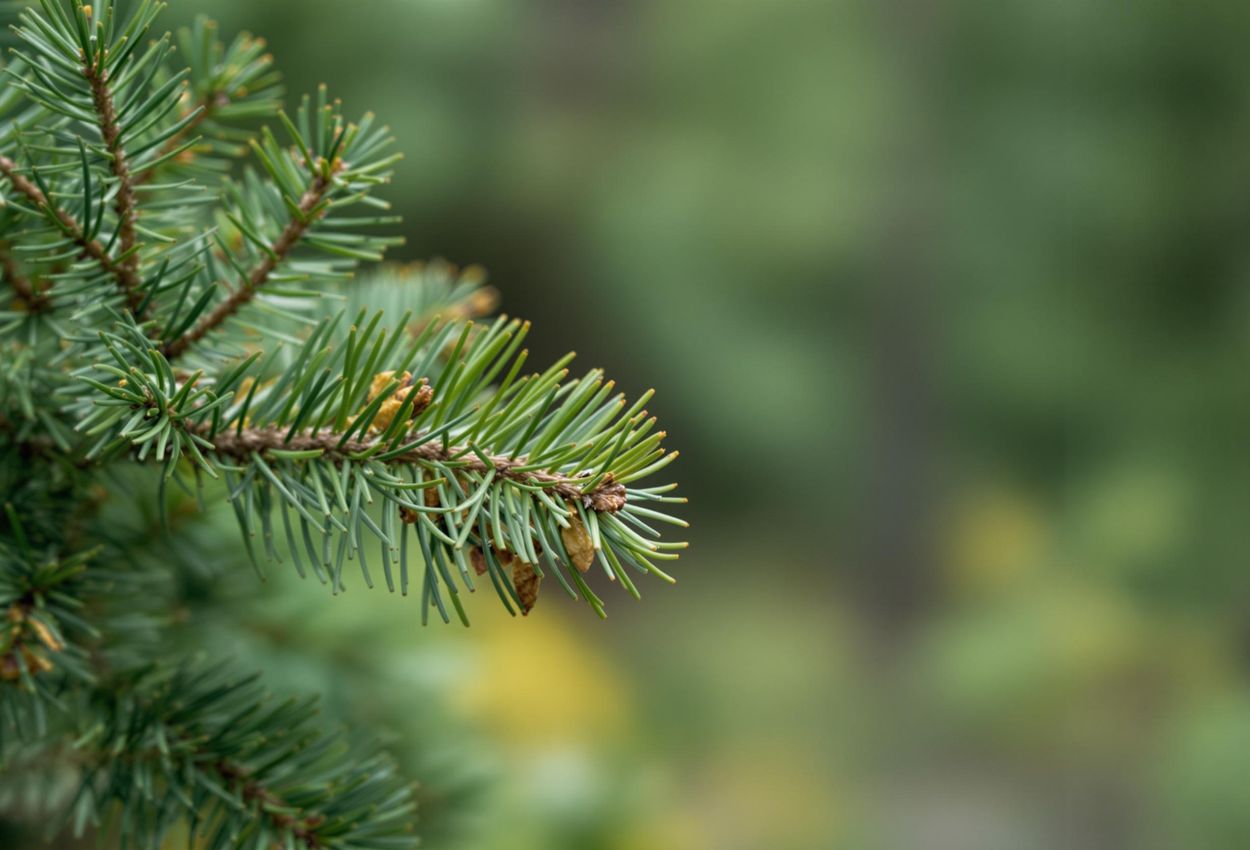
The Eastern Highlands are home to a unique array of flora and fauna, a testament to the region's diverse ecosystems. The montane forests, grasslands, and waterways provide habitat for a variety of plant and animal species, some of which are found nowhere else in the world.
The indigenous conifer Callitris whytei is a notable plant species, adding to the region's botanical diversity. The diverse birdlife includes endemic species such as the Swynnerton's Robin, a prized sighting for birdwatchers.
Animals such as bushbuck, klipspringers, and samango monkeys can also be found in the Eastern Highlands, adding to the region's natural charm. Exploring the Eastern Highlands is an opportunity to discover a world of unique biodiversity, a chance to connect with nature and appreciate the delicate balance of life.
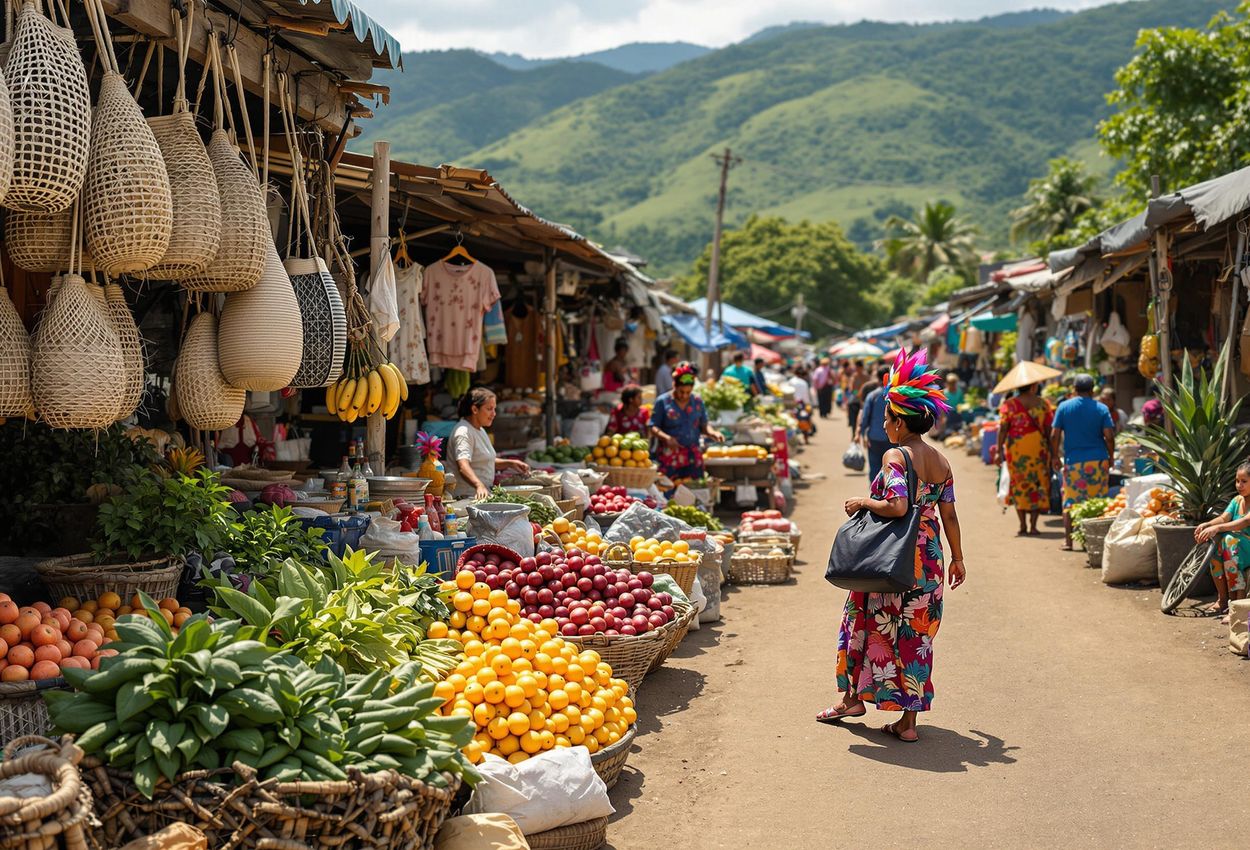
To truly experience the Eastern Highlands, take the time to immerse yourself in the local culture. Visit local villages and markets, interact with local artisans, and learn about traditional crafts.
The people of the Eastern Highlands are known for their warmth and hospitality, eager to share their stories and traditions with visitors. Engage in conversations, ask questions, and learn about the history and heritage of this fascinating region.
Check to see if any cultural events or festivals are taking place during your visit, as these offer a unique opportunity to witness traditional music, dance, and ceremonies. Experiencing the local culture is an essential part of any journey to the Eastern Highlands, providing a deeper understanding and appreciation of this remarkable region.

Beyond the well-known attractions, the Eastern Highlands are full of hidden gems waiting to be discovered. Seek out lesser-known viewpoints, secluded picnic spots, and unique local experiences.
Ask locals for recommendations on farm-to-table dining options, where you can sample fresh, locally sourced produce. Look for opportunities to taste local specialties, such as mountain cheeses and locally grown coffee.
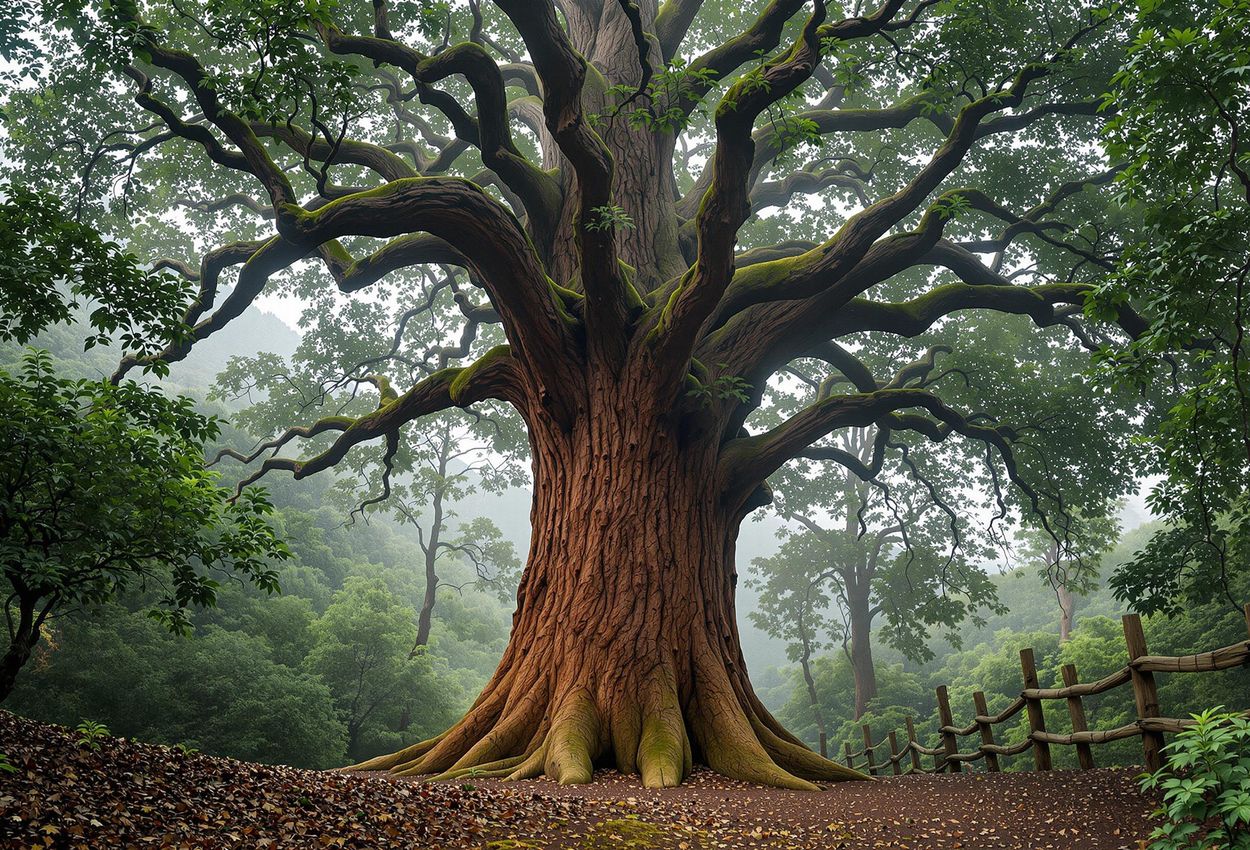
Venture off the beaten path and discover the magic of the Eastern Highlands, a place where adventure and tranquility intertwine. One such hidden gem is a story about a 1000 year old red mahogany tree, a testament to the region's ancient forests and natural beauty.
The Eastern Highlands offer a refreshing contrast to the typical African safari, perfect for nature enthusiasts and those seeking an active vacation. A place where you can discover the cool climate, lush scenery, and outdoor activities of Zimbabwe's best kept secret.
Our editors` picks of the latest and greatest in travel - delivered to your inbox daily
Relax on the beaches and explore the reefs of Xai-Xai.
View More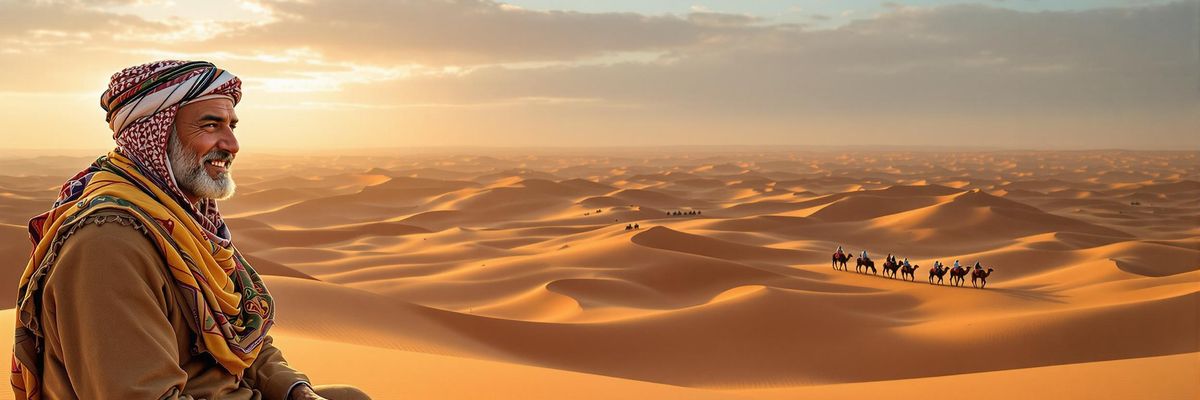
Embrace the cooler temperatures and experience the International Festival of the Sahara in Douz this December.
View More
Celebrate the year-end festivities in Accra, culminating in the vibrant Afrofuture festival.
View More Albania EDITION
 Algeria EDITION
 Argentina EDITION
 Armenia EDITION
 Australia EDITION
 Austria EDITION
 Bangladesh EDITION
 Belgium EDITION
 Belize EDITION
 Benin EDITION
 Bhutan EDITION
 Bolivia EDITION
 Bosnia and Herzegovina EDITION
 Botswana EDITION
 Brazil EDITION
 Bulgaria EDITION
 Burkina Faso EDITION
 Cambodia EDITION
 Cameroon EDITION
 Canada EDITION
 Central African Republic EDITION
 Chad EDITION
 Chile EDITION
 China EDITION
 Colombia EDITION
 Costa Rica EDITION
 Croatia EDITION
 Cyprus EDITION
 Denmark EDITION
 Djibouti EDITION
 Ecuador EDITION
 Egypt EDITION
 El Salvador EDITION
 Eritrea EDITION
 Estonia EDITION
 Ethiopia EDITION
 Finland EDITION
 France EDITION
 Gabon EDITION
 Georgia EDITION
 Germany EDITION
 Ghana EDITION
 Greece EDITION
 Guatemala EDITION
 Guinea EDITION
 Guinea-Bissau EDITION
 Honduras EDITION
 Hungary EDITION
 Iceland EDITION
 India EDITION
 Indonesia EDITION
 Ireland EDITION
 Israel EDITION
 Italy EDITION
 Jamaica EDITION
 Japan EDITION
 Jordan EDITION
 Kenya EDITION
 Kuwait EDITION
 Laos EDITION
 Latvia EDITION
 Lebanon EDITION
 Lesotho EDITION
 Liberia EDITION
 Lithuania EDITION
 Luxembourg EDITION
 Madagascar EDITION
 Malawi EDITION
 Malaysia EDITION
 Maldives EDITION
 Mali EDITION
 Malta EDITION
 Mauritania EDITION
 Mauritius EDITION
 Mexico EDITION
 Mongolia EDITION
 Montenegro EDITION
 Morocco EDITION
 Mozambique EDITION
 Namibia EDITION
 Nepal EDITION
 Netherlands EDITION
 New Zealand EDITION
 Nicaragua EDITION
 Niger EDITION
 Nigeria EDITION
 Norway EDITION
 Oman EDITION
 Pakistan EDITION
 Panama EDITION
 Papua New Guinea EDITION
 Paraguay EDITION
 Peru EDITION
 Philippines EDITION
 Poland EDITION
 Portugal EDITION
 Qatar EDITION
 Romania EDITION
 Rwanda EDITION
 Saudi Arabia EDITION
 Senegal EDITION
 Serbia EDITION
 Singapore EDITION
 Slovakia EDITION
 Slovenia EDITION
 Somalia EDITION
 South Africa EDITION
 South Korea EDITION
 Spain EDITION
 Sri Lanka EDITION
 Suriname EDITION
 Sweden EDITION
 Switzerland EDITION
 Tanzania EDITION
 Thailand EDITION
 Tunisia EDITION
 Uganda EDITION
 United Arab Emirates EDITION
 United Kingdom EDITION
 Uruguay EDITION
 Venezuela EDITION
 Vietnam EDITION
 Zambia EDITION
 Zimbabwe EDITION
Subscribe to our newsletter and get the most captivating travel stories, hidden gems, and expert insights delivered straight to your inbox. As a subscriber, you’ll be first in line for exclusive content, premium offers, and unforgettable travel experiences